PPC for pet brands pays back for founders who read the subscription math before they open the ad account. A DTC treat brand pulling $32 average order value with 44% recurring rate can pay $28 to $38 per customer and clear payback inside month two. A one-off toy brand pulling $22 AOV with 12% recurring has to acquire under $9 or the model bleeds. Pet subscription PPC and DTC pet PPC are two different games inside the same category, and treating them as one is why so many pet brand PPC programs stall around month six. This guide walks the structural choices behind pet subscription growth ads that book real repeat revenue, not vanity clicks.
You’ll get the Meta ASC build for pet brand PPC, Google Shopping structure for treats and food SKUs, creator whitelisting patterns that beat in-house creative, TikTok Shop integration, LTV math per pet category, retainer bands by revenue tier, and real numbers from pet accounts we’ve rebuilt. About twelve minutes end to end, and you’ll walk into your paid meeting with the audit questions your current agency doesn’t want you asking.
Table of contents
- PPC for pet brands starts with the Meta ASC build
- Google Shopping structure for pet food and treats
- Creator whitelisting as the highest-ROAS pattern
- TikTok Shop integration with paid amplification
- LTV math per pet category
- Case study on Pet Insurance Australia
- Amazon PPC versus DTC PPC for pet brands
- Retainer bands for PPC for pet brands
- Attribution and analytics that survive iOS 14 plus
- Creative testing rhythm that keeps ROAS from decaying
- Seasonality and launch cadence for pet brands
- Making the paid pick for your pet brand
PPC for pet brands starts with the Meta ASC build
Advantage Shopping Campaigns win on roughly 90% of DTC pet PPC accounts we’ve rebuilt. Meta’s algorithm reads the buyer signal faster on a broad audience with strong creative than on a hand-curated pet-parent lookalike. The counter-intuitive move is looser targeting, not tighter. Feed it 12 to 20 rotating creatives per week and let the model find the buyer across the country on its own. Cost per acquisition usually drops 22% to 34% inside the first 45 days after the manual-to-ASC switch, which is where pet subscription PPC starts compounding.
Creative rotation is the operational lever. Twelve videos a week sounds heavy until you break the mix down. Four UGC clips from customers filming their dogs unboxing. Four creator-whitelisted posts from partnered micro-influencers. Two founder-POV clips walking through the recipe or ingredient sourcing. Two static product-in-hand shots reserved for the retargeting audience. Rotate the winners forward. Kill the losers at 48 hours if they miss 1.4% click-through. The creative flywheel is the real moat for pet subscription growth ads, since the algorithm’s appetite for fresh input never fills.
ASC settings that hold up. Broad audience, worldwide only if you actually deliver internationally, seven-day click and one-day view attribution, catalog sales objective when a Shopify feed exists, conversions objective when it doesn’t. Scale budget in 20% steps every three days once ROAS holds above target. See Meta’s ASC documentation for the exact setup path. Pet accounts that stick with old-school manual bidding pay more per acquisition every month and grow slower every quarter, so DTC pet PPC audits often start right here.
Google Shopping structure for pet food and treats
Google Shopping runs on a different engine than Meta. Pet brand PPC on Google leans hard on feed quality, not creative variety. Product titles that carry the pet type, life stage, and flavor beat generic titles on click-through and conversion. “Salmon Training Treats for Puppies 8 oz” wins over “Yummy Treats” every single audit. The feed IS the campaign. Fix the feed first and Shopping numbers move before you touch a single bid.
Standard Shopping campaigns still work for pet SKUs under 40 items. Performance Max wins once the catalog crosses 40 items, since the algorithm has enough surface area to test placements. Segmenting Performance Max by product category (treats, food, toys, supplements) beats a single all-catalog campaign. Product-specific asset groups with matching creative outperform blended asset groups by 18 to 32% on ROAS. Take our work with Boogie Board, an ecommerce brand outside pet that hit $31 cost per sale on an annual curve. The same feed and asset discipline transfers straight into pet catalogs.
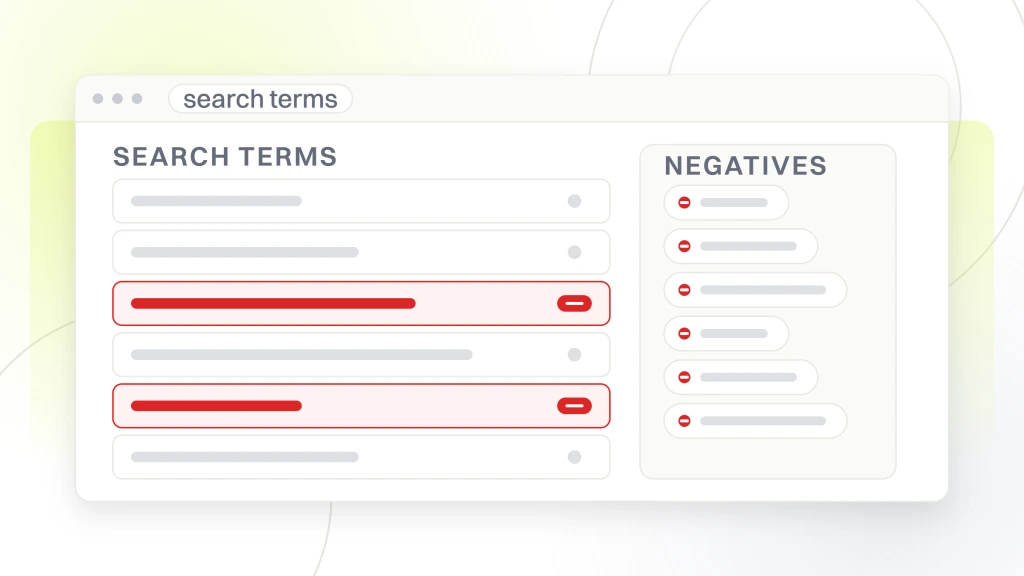
Negative keywords earn back more spend on pet than on almost any other DTC vertical. “Free pet food samples” traffic converts under 0.4%. “Pet insurance” queries convert at zero for a food brand. Build the negative list from the Search Terms report during month one, refresh monthly, and mine the tail every quarter. Well-negatived accounts recover 18% to 28% of monthly spend that would have burned on unqualified clicks. See the Google Ads negative keyword documentation for the match types worth using. See our take on pet industry SEO for how organic and paid share the same negative-keyword discipline.
Creator whitelisting as the highest-ROAS pattern
Creator whitelisting is the single highest-return pattern inside PPC for pet brands going into 2026. A micro-influencer with 8,000 to 40,000 followers films three Reels of their dog with the product on hand. The brand pays a flat $600 to $2,400. Those Reels then run as paid ads from the creator’s own Instagram handle through Meta partnership ads. Reach jumps from the creator’s organic audience to a paid audience in the hundreds of thousands, and the content keeps reading as authentic, since it lives on the creator’s handle, not the brand’s ad account.
Whitelisted creator ads beat brand-produced ads by 2.4x to 4.1x on ROAS across the pet subscription PPC accounts we’ve tracked through 2025 and into 2026. The pattern works. Pet buyers trust other pet parents more than they trust brand voice. A creator saying “my golden loves these” wins over a brand saying “dogs love this” every single test on matched paid spend. Whitelisting then taps the algorithm’s engagement signal on the creator’s real audience, which propagates into lookalike expansion faster than any purely paid warm-up. Abigail Ahern’s team hit +179% ecommerce revenue on a 12-month curve using the same creator-forward pattern in a lifestyle vertical, and pet brands see similar ratios once whitelisting hits weekly cadence.
Vetting is where most brands still fumble. Follower count matters far less than engagement rate on the creator’s last six pet-related posts. A 12,000-follower creator running 8% engagement beats a 60,000-follower creator at 0.9% engagement every time on paid performance. Aesthetics-adjacent lifestyle creators convert better than pure pet-content creators, since their audience overlaps with new-pet-parent demographics. Pay a flat fee plus product credit. Product-only pay produces content that reads as sponsored and drags whitelisted spend down with it.
TikTok Shop integration with paid amplification
TikTok Shop is a real channel for DTC pet PPC in 2026, not the experimental play it was two years ago. Treat brands and toy brands move volume on TikTok Shop, since the format matches the impulse pattern the platform already rewards. Food brands convert less well. AOV and category consideration cycles run longer. Pick the SKU set that fits TikTok Shop and stop trying to force the wrong products onto the wrong platform.
Paid amplification on TikTok Shop runs through Spark Ads pulled from creator videos featuring the product. Same whitelisting logic as Meta, different mechanic underneath. Creator’s video, brand’s ad account, brand’s budget, creator’s engagement signal carrying through. Spark Ads deliver 3.2x to 4.8x the ROAS of standard TikTok ads on pet product accounts, since the algorithm rewards native-feeling content that started as organic. See the TikTok Spark Ads documentation for the ad account permissions the creator has to grant. That step trips up roughly half the brands running Spark Ads for the first time. Solve it once and every subsequent creator partnership takes 20 minutes to wire up.
LTV math per pet category
PPC for pet brands only pays back when the LTV math holds up. Treat brands running subscription land at $180 to $340 LTV over 12 months on a $12 to $32 recurring cart. Toy brands rarely repurchase and land at $34 to $68 lifetime LTV unless they engineer a Bark-Box-style bundle. Food brands hit $420 to $980 LTV over 12 months, since feeding is recurring by nature. Supplement brands land at $260 to $540 LTV, riding on regimen adherence. Match the CAC target to the LTV band or the paid program is quietly subsidizing acquisition against a broken model, which is the failure mode inside most pet subscription PPC audits.
LTV to CAC ratio should sit at 3 to 1 minimum by month twelve on a healthy DTC pet PPC account. A $32 CAC against a $180 LTV treat brand at 5.6 to 1 is a strong ratio worth scaling into. A $58 CAC against a $68 LTV toy brand at 1.2 to 1 is a losing model, no matter how many creative rotations you push through. Founders who miss this math burn through personal savings for eight months and blame the ads, when the product model was the actual problem the whole time.
Retention math rides alongside acquisition on every pet subscription PPC account we run. Winback flows, replenishment reminders, referral programs, and loyalty tiers all pull paid efficiency up, since a returning customer carries zero acquisition cost. Across the pet accounts we’ve tracked, brands running strong retention flows pay 40% to 60% less blended CAC than brands running acquisition-only campaigns. Paid pays back faster the moment retention pulls its weight. See our take on pet DTC SEO for how organic feeds the retention side of the same funnel.
Case study on Pet Insurance Australia
Pet Insurance Australia partnered with our team on a five-month paid rebuild targeting new pet-parent policy signups. The prior structure ran broad Facebook lead ads at a 4% to 7% conversion rate against the 2% to 5% category benchmark. Cost per lead read healthy, but conversion to policy was slipping. The paid audience didn’t match the underwriting qualification bar. The rebuild tightened the audience filter without losing volume, which is exactly the play most pet brand PPC programs need but rarely execute cleanly.
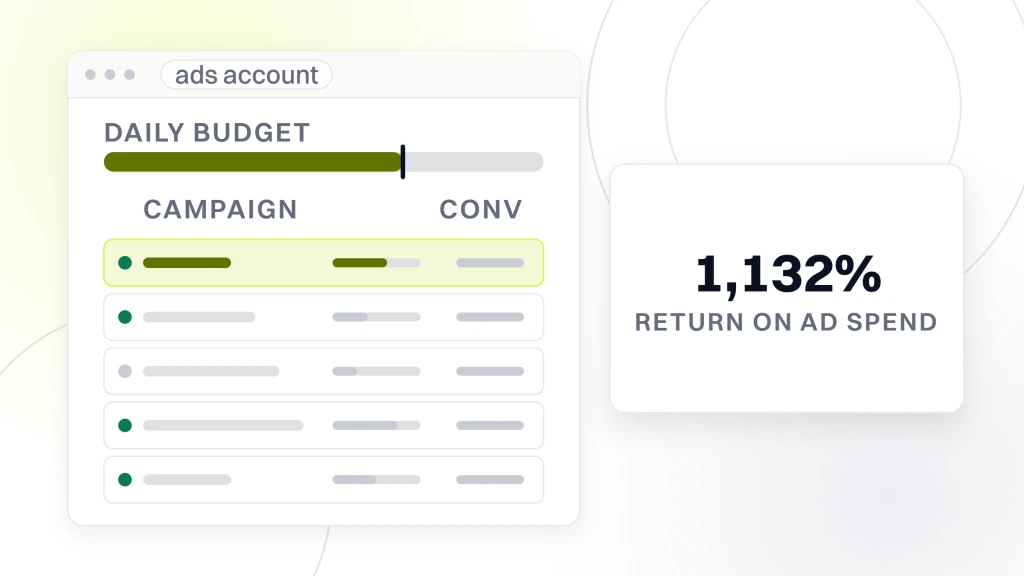
The rebuild landed on three high-intent lookalikes seeded from paying policyholders, three creative angles (new puppy, senior pet, adopted rescue), and ASC running alongside dedicated conversion campaigns. Results across five months. 455 total conversions from phone calls and form fills, a 31.06% conversion rate against the 2% to 5% category average, and 1,132% return on ad spend. Every $1 in paid budget returned $11 in policyholder value. The Australian team then scaled spend 3.2x on the winning creative in month six. Server-side conversion tracking through Conversions API was wired into the underwriting CRM by week two, so cost per policy tracked cleanly through the funnel, and the paid team stopped guessing which creative moved the needle by month three.
Pet Shop · Independent Retail · UK ran the same playbook at a smaller scale and hit +158% local inquiries on a quarter-one curve. Mission Pet Health, a veterinary marketing rebuild, added +54% leads across 12 months on the paid and organic mix combined. Different revenue models, same discipline. Match the paid mix to the buyer stage and the numbers move.
Amazon PPC versus DTC PPC for pet brands
The Amazon versus DTC debate is settled for pet in 2026. Run both, don’t pick one. Amazon captures the buyer who searches by product need (“grain-free puppy training treats”) and lets the algorithm handle discovery. DTC captures the buyer who follows the brand across social, subscribes to the founder story, and joins the loyalty program. Pet brands running Amazon-only cap out at $2M to $4M in revenue, since they never build direct customer data. Pet brands running DTC-only scale but lose the transactional volume Amazon owns.
Amazon Sponsored Products carry the highest ROAS on any pet PPC dashboard, typically 4.8x to 6.4x, since the buyer already searched with intent to purchase. That’s not comparable to Meta ROAS, which sits at 2.8x on cold traffic. The buyer wasn’t shopping until the ad hit them. Comparing the two channels on ROAS alone hides that they solve different funnel positions. Both belong in the mix, and neither replaces the other.
DSP (Amazon’s demand-side platform) adds a third layer for pet brands over $5M in Amazon revenue. Sponsored Display and DSP remarketing pull cart abandoners back to purchase and drive incremental subscribe-and-save enrollments. That subscription rate is worth watching, since Amazon subscription retention beats DTC subscription retention on food and treat categories. The trade-off is Amazon owns the customer relationship. Every brand has to decide which margin trade-off matters more for their next stage of growth.
Retainer bands for PPC for pet brands
Retainer pricing here scales with channel scope, not with brand revenue. Our tiers land at $999 per month for single-channel entry setups, $1,499 per month for two-channel plans, $2,499 per month for the three-channel growth band, and from $4,500 per month for full-service coverage across Meta, Google, TikTok Shop, Amazon, and creator sourcing. Ad spend is billed separately. Creative production adds another $600 to $1,400 monthly once weekly asset volume climbs into 12 fresh pieces.
The $999 entry tier suits established DTC brands that need consistent paid management on one core channel without a massive roster. Brands running heavy on Meta plus Google plus Amazon settle into the $2,499 three-channel band. Skip the retainer entirely if you’re pre-revenue. Paid pet subscription growth ads on a product that hasn’t proved organic traction just teach the algorithm about a product buyers don’t yet want, which is a slow, expensive way to learn the market said no.
Ad spend to retainer ratio should sit at 2 to 1 or 4 to 1 for a healthy pet program. A $2,499 retainer on $4k to $8k in monthly Meta spend keeps the math sensible. Retainers above 1 to 1 with ad spend usually mean the agency is padding fees. Retainers below 1 to 6 usually mean the account is understaffed. Ask about the ratio in the first meeting. Specialist pet agencies answer immediately. Generalist shops circle back with a proposal that hides the ratio inside a bundle. See our pet products marketing retainer page for the specific scope we run today. Passion Built, a bookings-heavy brand outside pet, saw +10% renovation bookings on a 12-month curve running the same retainer-ratio discipline against a specialist scope.
Attribution and analytics that survive iOS 14 plus
Post-iOS 14, pet brand PPC attribution rests on three pillars. Server-side conversion tracking through Conversions API on both Meta and TikTok. GA4 with server-side measurement wired to Shopify or WooCommerce. Northbeam or Triple Whale as the incremental measurement layer on any brand over $80k in monthly ad spend. Any account still trusting the Meta Ads Manager dashboard as gospel is over-attributing paid social by 30% to 60% since last-click bias is baked into Meta’s default reporting.
Post-purchase surveys are the cheap fourth pillar. Two questions on the order confirmation page. “Where did you first hear about us?” and “What convinced you to buy today?” Customer-declared attribution correlates with real incremental performance and lets the brand cross-check platform-reported numbers on the same order set. If Meta reports it drove 60% of sales and post-purchase says 22%, one of the two is wrong (spoiler, it’s Meta), and the retainer should reallocate budget accordingly.
Weekly dashboards should surface blended ROAS (revenue divided by total ad spend, ignoring platform-reported ROAS), CAC by channel, subscription rate on new customers, and 30-day repurchase rate. Anything more granular is a report pulled on request, not a dashboard tracked daily. Simplicity beats complexity the moment the numbers have to survive a founder’s Monday morning attention span. Brands running the cleanest dashboards spend 45 minutes on Monday reviewing the same five metrics every week and make budget reallocation decisions in real time, not during a quarterly all-hands nobody wants to sit through.
Creative testing rhythm that keeps ROAS from decaying
Meta creative fatigue on pet accounts hits frequency 3.5 to 4.2 before ROAS drops materially. Weekly creative refresh keeps fatigue at bay. Twelve fresh assets a week is the operational target. Four UGC clips, four creator whitelisted, two founder POV, two static shots. This mix keeps the algorithm feeding on variety without over-investing in any single format.
Testing methodology matters as much as volume. Test one variable per creative iteration. Same script, new hook. Same hook, new lighting. Same lighting, new B-roll. Isolating variables lets the account team learn what’s actually driving performance, not which random combination happened to hit. Founders who push random creative variations for six months learn nothing and blame the platform. Founders who test with structure identify their winning pattern by month three, and pet subscription PPC scales from there without a rebuild.
Kill criteria matter as much as ideation. A creative that misses 1.4% CTR by hour 48 gets pulled. A creative that hits target CTR but converts under 2% by day five gets iterated on. A creative that hits ROAS target by week two moves into the winners bucket and scales into ASC catalog sales campaigns. This decision tree keeps the account moving without endless debate over dying assets. Brands that skip explicit kill criteria run six weeks of underperforming creative, since nobody wants to admit the concept flopped, and the paid budget quietly subsidizes the sunk-cost fallacy every month.
Seasonality and launch cadence for pet brands
Pet subscription PPC seasonality peaks twice a year. October through December owns 34% to 42% of annual DTC revenue on treat and toy brands, since holiday gifting and end-of-year retail push both feed pet spending. May through July owns a secondary peak on summer treats, cooling products, and travel-related pet supplies. Q1 and Q3 run slower and demand tighter creative to stay efficient. Scaling budget seasonally beats flattening spend across twelve months every single time.
Product launch cadence matters as much as seasonal peaks. Two flagship launches a year plus four seasonal variants keeps the paid program fed with fresh news. Each launch gets a two-week paid push with dedicated creative, expanded budget, and creator seeding 30 days ahead. Brands that launch monthly dilute the paid narrative and confuse the algorithm. Brands that launch once a year run out of new stories after month six.
Q4 planning starts in late July for pet brands. Budget locked, creators booked, holiday creative in production by September, paid ramping in early October. Brands that wait until November to plan Q4 catch the tail of the peak and miss the compounding early-October window when acquisition is cheapest before the auction density spikes. Timing beats spend on every Q4 pet PPC program we’ve measured. The founders who plan late usually plan late again the following year, and the pattern reveals itself in a year-over-year Q4 comparison that shows flat growth on a rising category.
Making the paid pick for your pet brand
PPC for pet brands pays back when operators match the platform to the SKU and the CAC target to the LTV band. Meta ASC plus creator whitelisting owns the top of funnel. Google Shopping plus PMax owns the mid-funnel with SKU-specific intent. Amazon Sponsored Products captures the buyer already searching to purchase. TikTok Shop plus Spark Ads captures the impulse buyer on treats and toys. Ignore the wrong channel and burn budget. Match the mix to the category and the paid engine scales cleanly for two to three years without a rebuild, which is the outcome pet subscription growth ads should be underwriting from the first month forward.
The last piece of advice is simpler than the channel matrix. Have the paid meeting, ask about the ratio between retainer and ad spend, ask about the LTV math per SKU, ask about the creative testing rhythm, and watch the answers. Specialist pet agencies answer immediately. Generalist shops circle back with slide decks. See our PPC agency for pet brands page for the scope we run today.