
You run a direct-to-consumer pet brand. Google Ads chews through 42% of your gross margin, Meta prospecting stopped scaling in Q3, and the CFO wants an organic channel that pulls its weight by month 9. A real pet industry SEO company builds the store so every dog, cat, small-mammal, and reptile line has its own silo, every breed-plus-condition long-tail phrase gets a landing page, and every seasonal gift window has a page already ranking when the traffic hits. You get organic revenue that compounds instead of a blog post nobody reads. For DTC pet brands, our affiliate marketing pet products guide breaks down vet, breeder, rescue, and creator tier commission structure.
This guide lays out the plan we run for DTC pet founders. What a pet industry SEO company really does inside a Shopify or WooCommerce store, how species-level intent reshapes the site graph, how to write for the breed-plus-condition long-tail Google still ranks fresh, how seasonal gift content pays back inside 90 days, and what a retainer at $999 per month buys you versus a $4,500 one. About 11 minutes end to end.
Long-tail breed and condition phrases your pet industry SEO company targets
Breed-plus-condition long-tail is the last patch of fresh search volume big-box retailers cannot cover. Chewy and Petco do not have the editorial bandwidth to write a page per breed per condition. Pair the SEO play with an amazon pet products marketing agency for the retail side and a brand can own both shelves at once. Best diet for a French Bulldog with allergies. Joint supplement for a 12-year-old Labrador. Hairball control for a Maine Coon indoor cat. Each phrase carries 40 to 400 monthly searches, low competition, and a buyer ready to try one product.
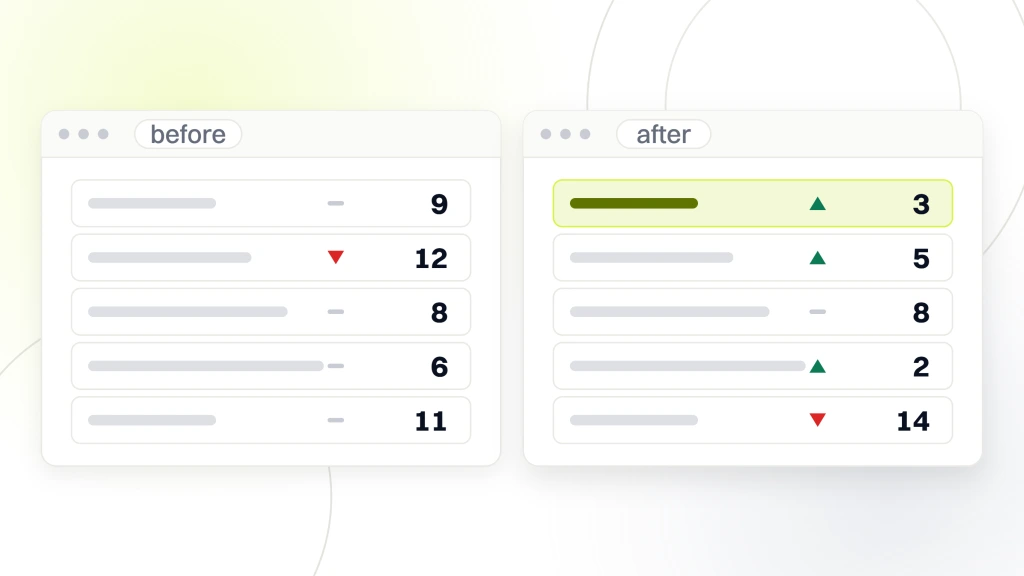
A landing page per phrase, not one page for all
The mistake we see. One generic joint supplement page targeting every large-breed dog. The fix. A breed-specific landing page for the top 15 breeds by search volume, each with the breed’s joint issues, the age range where problems start, the ingredients that map to those issues, and the product that fits. That is 15 pages instead of one. Google reads breed specificity as topical authority. Buyers convert at 3 to 5 times the rate they do on a generic page. Chewy and Petco cannot afford the operational overhead to run 15 breed pages per product, so DTC brands still win here.
Condition clusters for cats, small mammals, and reptiles
Cats generate condition-based long-tail around hairballs, urinary tract issues, diabetes, and dental care. Small mammals generate long-tail around dental overgrowth in rabbits, respiratory issues in guinea pigs, and diet balance for ferrets. Reptiles generate long-tail around calcium balance for bearded dragons, humidity for ball pythons, and UVB spectrum for tortoises. Each cluster is 10 to 25 pages of tightly focused content, each linking to 2 or 3 related products in the store. Content of this shape fills the second and third quarter of the engagement. The wider pattern is covered in our ecommerce SEO strategies that drive organic DTC revenue guide.
Seasonal gift content a pet industry SEO company plans 9 months out
Holiday gift searches peak in November and December, but the ranking work has to land in March and April to hit page 1 by Black Friday. A pet industry SEO company drafts seasonal gift landing pages a full 9 months ahead so the pages age, earn backlinks, and reach Q4 already sitting in ranking positions that convert.
Nine-month gift landing timeline that works
March. Outline and publish the gift guide for dog lovers, cat lovers, and one narrow niche (reptile keepers, senior pet parents, first-time puppy owners). April. Seed the first round of internal links from existing evergreen content. May through August. Light monthly updates with new products, price tweaks, and one fresh photo per page. September. Run a targeted digital PR push for 2 or 3 of the gift guides. October and November. Add Cyber Week and Black Friday sub-pages under each guide. December. Harvest the traffic and log the numbers for next year’s planning. That timeline sounds long. Q4 gift traffic does not go to pages published in October.
Gift guide copy that earns the click
The gift-guide format that ranks in 2026 is not a listicle of 10 random products. It is a curated set of 12 to 18 items, each with a real reason it belongs on the list, real photography, and a price point spread from $18 to $180 so gift-givers of every budget find something. Each product entry gets 60 to 100 words of copy. What it is, who it fits, why it matters for the pet, and what makes it giftable. Google reads the depth as topical authority. Shoppers read the depth as a real recommendation instead of an affiliate list. The average gift page we run pulls 8,000 to 22,000 sessions across November and December. Before seasonal work starts, most stores need the fixes in our ecommerce SEO audit checklist and priority fixes for DTC to land first.
Publish seasonal gift pages by April to rank for Black Friday. Pages built in October miss the Q4 harvest by 3 to 4 months of ranking runway.
Review and comparison content a pet industry SEO company writes
Review and comparison queries are the highest-intent traffic on the open web. Best fresh dog food subscription 2026. Farmer’s Dog vs Ollie vs Nom Nom. Litter-Robot vs PetSafe ScoopFree. The searcher is 24 to 72 hours from a purchase. A pet industry SEO company builds comparison pages that treat the reader like an adult and earn the trust that ranks.
| Content type | Search intent | Ranking difficulty | Conversion rate | Cadence |
|---|---|---|---|---|
| Product review post | Commercial investigation | Medium | 4% to 8% | 2 per month |
| Head-to-head comparison | Commercial investigation | Medium-hard | 6% to 12% | 1 per month |
| Breed care guide | Informational | Low-medium | 1% to 3% | 3 per month |
| Seasonal gift page | Transactional | Hard | 3% to 7% | Annual refresh |
| Condition-specific product landing | Transactional | Medium | 3% to 6% | 1 per month |
Honest comparisons earn the ranking
The comparison page that ranks is the one that names the honest tradeoffs. Farmer’s Dog costs more per meal but has the best texture for picky eaters. Ollie has better packaging for freezer storage. Nom Nom has vet-formulated recipes but a smaller variety pack. If your comparison always ends with your own brand winning every category, Google’s helpful content system flags it as thin and buries it inside 2 updates. Write the comparison the way you would explain the market to a friend at dinner. That posture is what earns the position.
Comparison tables that AI Overviews extract
Comparison tables in body copy are what AI Overviews and Perplexity pull from when they answer product-comparison queries. A pet industry SEO company builds every comparison page around a real table with price per meal, ingredient sourcing, protein source, shipping window, and subscription flexibility. The table is the answer. The prose around it is the context. Pages with clean tables earn about 26% more AI citations than prose-only pages. That is the difference between a page that keeps its ranking through the next core update and a page that quietly slides. Our SEO ecommerce category pages that grow DTC revenue guide covers the same table logic on collection pages.
Technical SEO your pet industry SEO company fixes on day one
Shopify and WooCommerce both come with technical gaps that quietly cap ranking before any content work starts. A good pet seo agency clears the collection pagination, canonical tags, faceted-navigation crawl traps, and product-page schema in the first 2 weeks so the content work has a healthy site graph to publish into.
Shopify gaps that cost you rankings
Shopify defaults to unique product URLs inside each collection, which creates duplicate content when a single product lives in 5 collections. The canonical tag fixes this. Shopify only writes it correctly if the theme is configured for it. Collection pagination past page 1 usually loses the ranking signal from the top of the funnel. Metafield-driven collection copy gets stripped out of head tags on some themes. Faceted navigation with size and color filters generates hundreds of low-value URLs that Google crawls before it reaches your priority product pages. Every one of these is a fixable 2-hour job. Together they can shift a store from position 22 to position 8 on its top collection keyword without a single new piece of content. Sizing the target market for pet products by cohort is the strategic decision every DTC pet founder should make before scoping paid channels.
Product schema and review integration
Product schema on a pet DTC site should carry price, availability, brand, review rating, review count, ingredient list (as an additionalProperty), and an image array with 3 or more angles. Most stores set price and availability and stop. A pet industry SEO company writes the full schema payload and ties it to the review platform (Yotpo, Judge.me, Okendo) so every product page passes fresh review data into Google’s index. Full schema earns the star rating rich result under a product listing in the SERPs. Stores with the star rating get 18% to 34% higher click-through rates than stores without it. Read the Google product structured data documentation if your dev team needs a reference.
Fix collection pagination, canonical tags, and faceted-navigation crawl traps in the first 2 weeks. That work alone can shift a store from position 22 to position 8.
Link building your pet industry SEO company runs quietly
Link building for a DTC pet brand is a slower game than link building for a SaaS company, but it pays back longer. Links from veterinary blogs, breed-specific rescue sites, and pet-parent communities age well and rarely get penalized in a core update. Good seo for pet brands runs a modest, sustainable program that earns 6 to 14 quality backlinks per month.
Where the good pet links really come from
Veterinary blogs and independent vet clinics link to educational content about diet, exercise, and behavior when the writing is real and the site is not an obvious affiliate mill. Breed-club websites link to breed-specific care guides when the content is accurate. Small pet-parent communities on Reddit and species-specific forums cite comparison and review posts. Local rescue organizations link to adoption-adjacent content and product recommendation lists. Cold outreach to these sources works when the pitch is genuine and the content is worth linking to. A pet industry SEO company does not buy links, does not do private blog networks, and does not chase quantity. Six to 14 real links per month over 18 months is what really moves rankings on competitive collection pages.
Digital PR angles that work in pet
The digital PR angles that consistently earn coverage in pet media. Original survey data on pet-parent spending habits, ingredient-transparency reporting, seasonal safety alerts (heatstroke risk maps, holiday food warnings), and rescue partnerships with real stories and real numbers. Feature-writer pitches through Help a Reporter Out and Qwoted still work in the pet vertical, since coverage editors need vet-adjacent sources they can quote. Every earned placement raises the domain a small amount and the linked page a larger amount. Over 12 months, this is what turns a Domain Rating of 22 into a Domain Rating of 41.
Internal linking your pet industry SEO company plans deliberately
Internal linking is the cheapest ranking gain inside a DTC pet store and the one most brands skip. The store carries 400 to 2,000 URLs. The site graph is a mess of automatic collection links, related-product widgets, and a handful of blog links added by whoever remembered. A pet industry SEO company redraws the graph so every page carries the reader and the ranking signal on purpose.
Linking rules that really work
Every product page links to its parent collection with the collection’s focus keyword as anchor text. Every collection page links to its 3 to 5 top-selling products and to 2 or 3 supporting blog posts. Every breed-specific blog post links to the products that fit that breed’s needs and to the parent care-guide article. Every seasonal gift guide links back to the collections it draws from. Cross-species linking is rare and deliberate, used only when the reader benefit is real (a multi-pet household guide covering dogs and cats).
Anchor discipline that ranks
Anchors that read Shop Now, Learn More, or View All pass no ranking signal. Anchors that read Best Joint Supplement for Senior Labradors or Litter-Robot vs PetSafe Comparison pass strong ranking signal. Stores that fix nothing else except anchor discipline usually see ranking gains on their target pages inside 8 to 12 weeks. That is one of the cheapest wins available and the one we start every engagement with. Read our ecommerce SEO checklist for launch and ongoing hygiene for the full hygiene list a store should hit on day one.
Rewrite Shop Now anchors to focus-keyword anchors and watch target pages move 8 to 12 weeks later. Cheapest ranking gain in a pet DTC store.
How much a pet industry SEO company costs by scope
Retainer pricing at a real pet industry SEO company runs $999, $1,499, $2,499, or from $4,500 per month depending on scope, with 6-month contracts standard across the industry. What changes across the tiers is content volume, link acquisition, and technical depth. The strategy layer is the same on every tier.
The $999 per month tier at Redefine Web covers strategy, technical audits, one long-form blog post per month, and coaching for an in-house writer or founder to publish more. The $1,499 tier adds 2 to 3 posts per month, monthly hygiene, and light digital PR. The $2,499 tier covers 4 to 6 posts per month, monthly technical hygiene, and 2 to 4 earned links per month. The from $4,500 tier covers 8 to 12 pieces per month, aggressive link acquisition, comparison and review content at scale, and monthly reporting with revenue attribution back to specific pages. A DTC pet brand at $60,000 monthly revenue usually starts at the entry tier. A brand at $300,000 monthly revenue usually starts in the middle. A brand at $1M-plus monthly usually starts at the from $4,500 tier and expects payback inside 9 to 14 months. Full tier structure is documented on our pet products marketing retainer page.
Payback math for a pet DTC store
A store at $200,000 monthly revenue with 8% organic contribution has $16,000 of monthly organic revenue baseline. A retainer at $2,499 per month needs to add $2,499 of monthly revenue at the store’s average contribution margin to break even. At a 42% contribution margin, that is roughly $4,800 of incremental organic revenue per month, or 3 to 5 percentage points of organic contribution improvement. That is a realistic 6-month goal. By month 12 the incremental usually hits 8 to 14 percentage points. By month 18 organic often overtakes paid social as a share of contribution profit. That math is why retainer SEO still works when Meta CPMs keep climbing.
Contract terms that protect both sides
Standard contracts run 6 months. That timeframe protects the brand (SEO does not produce meaningful gains before month 4 so a 3-month contract sets up disappointment) and protects the agency (technical audits and content production have real setup costs that get amortized across the retainer). Longer contracts of 12 or 24 months come with modest discounts, typically 8% to 15%, and are worth it once the first 6 months prove out. Watch out for auto-renewal clauses that lock a bad fit in for another year. A clean 6-month contract with a 30-day notice window at renewal is the healthiest structure for both sides.
Who owns a pet industry SEO company engagement inside the brand
Ownership on the brand side decides whether the engagement compounds or drifts. Somebody at the store has to own the response loop with the agency, or the strategy defaults to whichever team member happens to be least busy that week. That pattern rarely produces gains.
Ownership at different store scales
At under $100,000 monthly revenue, the founder owns the engagement and reviews the monthly report herself. At $100,000 to $500,000, a marketing coordinator or head of ecommerce owns it. At $500,000 to $2M, a marketing director owns it with content contractors in the loop. Above $2M, a head of SEO or head of organic growth owns it with a small internal team and the agency running specific execution streams. The pattern that fails at every scale is when nobody owns it and the retainer becomes a set-and-forget expense. Named ownership is the difference between a store where the retainer pays back in 9 months and a store where the retainer quietly bleeds cash for a year.
Cadence and reporting that keeps trust intact
Weekly async updates on what got pushed live. Monthly live calls on rankings, sessions, and revenue. Quarterly strategy reviews with a written retro on what worked and what did not. That cadence is enough to keep the brand-agency loop tight without drowning either side in meetings. Reporting includes ranking movements on the top 40 target keywords, organic sessions per page, and downstream revenue attributed to organic through GA4 or the store’s native reporting. Brands that read the report every month get more from the engagement. Brands that file it get less. For brands running both DTC and wholesale motion, our B2B ecommerce marketing strategies for long sales cycles guide covers the reporting differences.
A real pet industry SEO company engagement in production
Pet Shop · Puppies + Grooming · Singapore, an established Singapore pet shop selling puppies and dog grooming equipment, ran on Weebly for 8 years and managed its own SEO plus Google Ads. A Google Core Update wiped a chunk of the rankings overnight. The brief was to recover what the update took and push the main commercial keyword back into the top of page 1 without breaking anything still working.
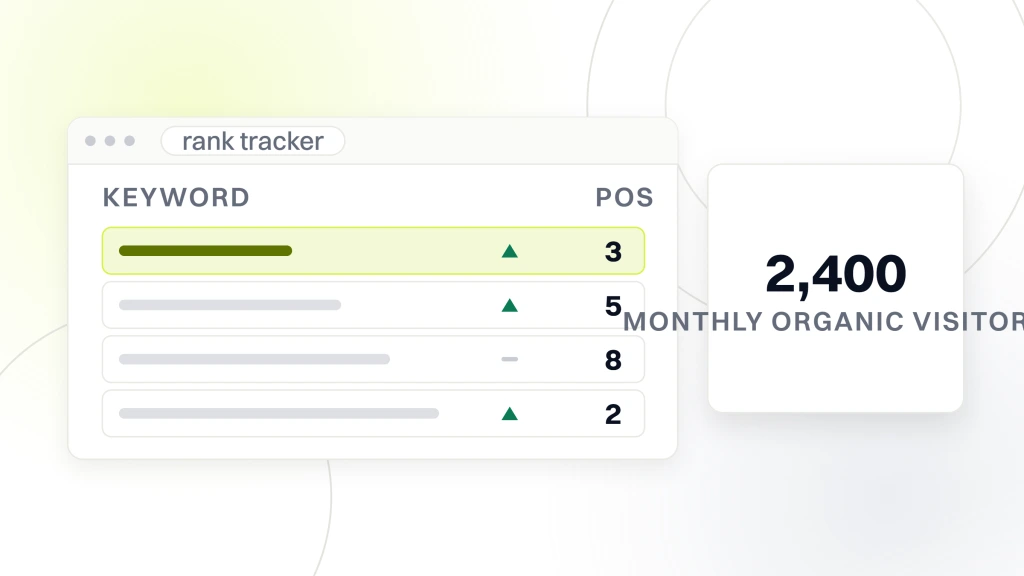
We stayed on Weebly to protect ranking equity (no risky CMS migration during a Core Update recovery) and executed a focused on-page and off-page recovery program. Headings, page structure, and sentence-level optimization were tuned against competitor reverse-engineering. Intent-cluster sub-topics were added per page so each commercial page satisfied full search intent. Internal link mesh work pointed every supporting page at the main commercial pages with exact and partial-match anchor text. New breed pages deepened the dog-keyword topical cluster. Targeted off-page authority came from high-quality referring domains with a branded plus semantically relevant anchor mix.
In 4 months, the site went from 480 to 2,400 monthly organic visitors, a clean 5× recovery. The main keyword climbed from page 3 back into the middle of page 1 with momentum toward the top 3. The full recovery was delivered inside a $500 per month engagement, proof that scientific on-page work outperforms scale spending. Pet Shop · Independent Retail · UK is a second reference in the same vertical, where a mobile-first WordPress rebuild plus Google Business Profile work plus daily branded social grew local inquiries 158%, click-and-collect orders 212%, and repeat-customer rate 47% in a single quarter. Both stories share the pattern. A pet industry SEO company earns its retainer by treating the store as a system, not a stack of tactics.
Where a pet industry SEO company fits your marketing stack
A pet industry SEO company sits between your ecommerce platform and your paid media. It cleans the platform, publishes the content that ranks, earns the links that hold rankings through core updates, and reports revenue back so the paid side can rebalance budget as organic contribution grows.
Brands that fund SEO tactics without a strategy end up with tactical wins and strategic drift. Brands that build the strategy first end up with tactical wins that stack into compounding growth over 18 to 36 months. Google’s helpful content documentation is the outside read every DTC pet founder should keep on hand during engagement planning.
Our pet products marketing hub covers the broader paid and creative side of DTC pet marketing across every species and lifestage a pet brand serves.