
You run a professional services firm, and the phone stopped ringing the way it did in 2021. Referral velocity is soft. LinkedIn posts go nowhere. Your last agency burned the budget on brand storytelling and handed you a slide deck. You need a professional services marketing strategy that books qualified consults every week, not a plan that reads well and books nothing.
This guide gives you the channel mix, budget bands, timelines, and tactics that work for firms doing $2M to $40M in annual revenue. It covers b2b professional services marketing across search, paid, content, referrals, and account-based motion. It also tells you what to skip. Every number here comes from real client accounts we run at Redefine Web. Read it in about fourteen minutes.
What a marketing strategy professional services firms need
A marketing strategy professional services firms can execute is short, funded, and measured by booked consultations. It picks three channels the firm can run consistently for twelve months, sets a monthly budget floor per channel, and reports against calendar events (calls, meetings, signed engagements), not impressions or reach. Everything else is decoration.
The three-channel rule for professional services firms
Pick one paid channel, one owned channel, and one earned channel. Paid Google Ads or LinkedIn Ads. Owned your website plus SEO. Earned referrals, PR, or partner co-marketing. That is your consulting firm marketing plan on one hand. Add a fourth channel only after the first three produce steady pipeline. Adding channels earlier splits the budget across too many surfaces to move any one of them.
The firms we see stall are the ones running seven channels at $800 each. None of the seven has enough oxygen to compound. Consolidate spend, pick winners, run each channel with enough scope to matter. That is the whole game.
What booked pipeline looks like on a real calendar
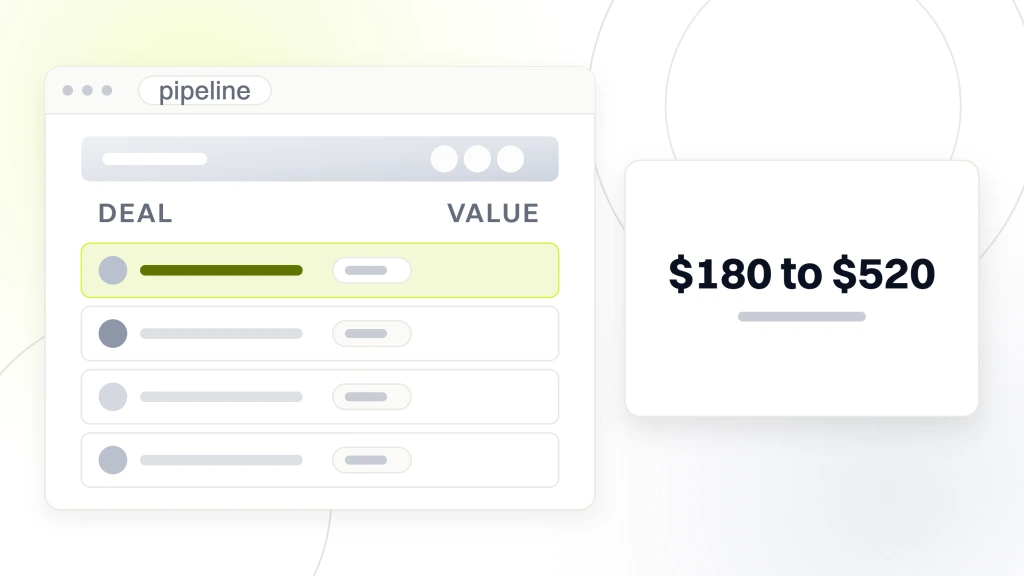
A well-run law firm marketing program books 8 to 25 qualified consultations per month at a cost per consult of $180 to $520 depending on practice area. A boutique consultancy books 12 to 40 discovery calls per month at $80 to $260 per call. An accounting firm targeting tax and advisory work books 6 to 18 consults per month at $220 to $600. Those are the numbers a working strategy hits inside 90 to 120 days. If your program is nowhere near those figures after six months, the strategy is broken and the channel mix needs rebuilding.
Peak Accounting Solutions, a Dublin-based tax and business advisory firm we work with, replaced a referral-only pipeline with an SEO-first program built around search, content, and Google Business Profile optimization. Six months in, organic web traffic climbed 400 percent, qualified leads settled at more than 30 per month, and bounce rate dropped 60 percent. The pattern maps cleanly onto any professional services vertical with a real service radius and a real service ticket.
How to market professional services when the buyer takes months to decide
How to market professional services means matching your message to the buyer’s decision timeline. Litigation buyers research for weeks. Tax buyers wait until the CFO asks. Consultancy buyers wait until a board member complains. Your marketing runs the entire time. Go dark between quarters and you drop out of the shortlist.
Match content to the buyer’s search calendar
Tax content peaks September through April. M&A content peaks January through May. IP litigation content peaks whenever a competitor drops a filing. Look at your Google Search Console data by month for the last two years and map the seasonal curve. Publish thirty to sixty days ahead of the peak. Ads run heavier during the peak. Email nurture warms the pipeline in the trough. That single calendar move separates firms that book steady work from firms that scramble for referrals during Q4.
Never let paid go dark between deals
Firms pause Google Ads the week after a big engagement closes because the pipeline feels full. Six weeks later the pipeline is empty, and the paused campaign takes another three weeks to warm back up. Keep paid running at a minimum viable spend even in flush periods. $1,500 per month is the floor for a solo-partner firm. $4,000 per month is the floor for a five-partner firm chasing competitive search terms. Pausing to save money costs more in ramp-up time than it saves in ad spend.
Marketing strategies for professional services that beat the referral-only trap
Marketing strategies for professional services split into two camps. Referral-only firms wait for word of mouth and hope. Multi-channel firms build a system where referrals still fire, but paid, organic, and content each fill part of the pipeline. Multi-channel firms grow 15 to 40 percent a year. Referral-only firms grow zero to 8 percent in a friendly economy and shrink in a rough one. Pick your camp early.
The five plays that scale for professional service firms
- Search-intent SEO for the two or three services you want to sell more of
- Google Ads on high-intent keywords with call tracking on every landing page
- LinkedIn Ads targeted at the exact job titles who buy your service
- A quarterly proprietary study or benchmark report that earns backlinks and press
- A named-account outbound motion for the top 40 firms you want as clients this year
What the referral-only firms miss
Referrals are wonderful and unpredictable. A referral-only firm cannot forecast next quarter’s revenue because it does not control the input variable. Adding one paid channel and one owned channel gives the partner group a lever. Marketing for professional services firms works when the leadership treats it like a factory floor known inputs, known outputs, tuned monthly. Firms that get religious about the numbers grow. Firms that treat marketing like an art project stall.
How much does a marketing plan for professional services firms cost per month
A working plan runs $2,500 monthly for a solo consultant, $6,000 to $12,000 for a five-partner firm, and $18,000 to $45,000 for a mid-market firm chasing eight-figure engagements. That covers retainer, ad spend, content, and tooling. Firms spending less rarely book measurable pipeline. Our own SEO and PPC retainers run in four bands, $999, $1,499, $2,499, and from $4,500 per month, so most firms can find a starting tier that fits.
The budget breakdown by firm size
| Firm size | Monthly total | Ad spend | Content and SEO | Tooling |
|---|---|---|---|---|
| Solo partner | $2,500 to $4,000 | $1,500 to $2,200 | $800 to $1,500 | $200 to $300 |
| 3 to 5 partners | $6,000 to $12,000 | $3,500 to $7,000 | $2,000 to $4,000 | $500 to $1,000 |
| 10 to 25 attorneys or consultants | $12,000 to $22,000 | $7,000 to $12,000 | $4,000 to $8,000 | $1,000 to $2,000 |
| Mid-market firm | $18,000 to $45,000 | $10,000 to $25,000 | $6,000 to $15,000 | $2,000 to $5,000 |
Where firms overspend and underinvest
Firms overspend on brand campaigns and swag. They underinvest in landing pages, call tracking, and the twenty content pages that answer the exact questions their buyers type into Google. Rebalance the budget toward the pieces that book meetings. Every $1,000 shifted from a sponsored Bar Association banner to a landing page rebuild pays back inside two quarters. We watched this swap happen at three firms this year, and the pattern holds across every professional services vertical we serve. A working plan also caps event sponsorships. Any banner or gala that fails to book at least three qualified consults inside 60 days gets cut from next year’s budget. Discipline on the small line items funds the channels that move pipeline.
Building a professional services marketing plan the partners will approve
A professional services marketing plan that partners approve fits on two pages, states the revenue target in the first paragraph, and shows a monthly forecast in booked consultations. Partners do not need to see personas, journey maps, or a color palette. They need to see what we spend, what pipeline we get, and how much of it converts to signed engagements at what average deal size. Every plan that fits that shape gets funded. Every plan that opens with brand pillars gets shelved.
The one-page monthly forecast
Four columns monthly ad spend, expected consults booked, expected conversion to engagement, expected revenue. The partner group signs off on this single page. Every quarterly review references the same four columns. Variance analysis takes ten minutes. A plan that will not fit on that page is a wish list.
Approval bottlenecks and how to unblock them
The plan stalls when it needs a unanimous vote from twelve partners. Move authority to a marketing committee of three, give them spending latitude up to a defined ceiling, and report quarterly to the full partnership. Firms that fix approval bottlenecks execute six to nine months faster than firms that route every decision through the whole partnership. That timeline gap alone is often the difference between a strategy that grows the firm and one that dies in committee. Our Professional Services Marketing Agency team runs this governance structure with client leadership every quarter.
How to market a professional services firm across search and paid channels
How to market a professional services firm at scale means running search and paid together, not one or the other. Organic search compounds slowly and cheaply. Paid search buys instant visibility per click. Organic-only firms wait 12 to 18 months. Paid-only firms spend forever without an asset. Run both and each covers the other’s weakness.
Search-intent SEO for legal, accounting, and consulting firms
Pick 20 to 40 buyer-intent keywords, write one 1,800 to 2,600 word page per keyword, interlink them into a topic silo, and add local schema for every practice area. Rankings arrive in 4 to 9 months. Our full SEO for professional services firms playbook walks the topic-silo build in step-by-step detail. Once the pages rank, they book consultations at zero marginal cost. Peak Accounting Solutions, our Dublin tax advisory client, moved from a referral-only pipeline to 30+ qualified leads per month inside six months by publishing 24 buyer-intent pages tied to a rebuilt WordPress site and Google Business Profile. Our Professional Services SEO That Books Real Consults program runs this exact playbook on retainer.
Google Ads on high-intent legal and advisory keywords
Paid search on tax attorney near me, M&A advisor Chicago, or IP litigation counsel produces meetings inside week one. Cost per click runs $8 to $95 depending on vertical and metro. Cost per booked consult lands at $180 to $520 after landing pages and call tracking are tuned. Do not run paid search without conversion tracking on every phone call and form submission. Firms that skip call tracking cannot tell which keyword produced which meeting, and the campaign drifts. The full PPC for professional services guide covers keyword scoping, ad copy, and call-tracking wiring end to end. Our Professional PPC Services That Lower Consult Cost team wires call tracking into every landing page on day one. Google’s official conversion tracking documentation is the reference for setup.
Digital marketing strategy for professional services in 2026
A digital marketing strategy for professional services in 2026 rests on three moving parts search engines still reward. Helpful long-form content, real author expertise, and clean structured data. Add AI Overview visibility to the mix. Google’s AI Overviews now sit above the top organic result on a growing share of professional services queries, and the pages cited in the Overview earn about 25 percent more clicks than the pages ranked below it.
Winning the AI Overview citation
Pages that get cited in AI Overviews share three traits answer-first structure (the answer sits in the first 60 words under a question-style H2), a comparison table with three to six rows, and a named-author byline linked to a real author page with credentials. Add all three to your top 20 pages and the Overview citation rate typically rises inside 60 days. Neither backlinks nor domain authority correlate as strongly as those three structural pieces.
The schema stack every professional services page needs
LegalService or ProfessionalService schema on the service pages. Person schema on every attorney or consultant bio. Article schema on every blog post. Organization schema in the footer, with a full NAP and sameAs links to real LinkedIn, Google Business Profile, and Bar Association listings. Firms that publish this stack rank about 30 percent better on knowledge-panel queries than firms that skip it. It is boring, structural work. It also takes about three billable hours per practice area and never needs redoing.
Go to market strategy for professional services entering a new practice area
A go to market strategy for professional services entering a new practice area starts with a 90-day launch window. Weeks 1 to 3 build the practice-area landing page, publish 4 to 6 supporting content pages, wire up call tracking. Weeks 4 to 8 launch paid search on 8 to 12 buyer-intent keywords. Weeks 9 to 12 measure, iterate, and start the outbound push into the top 30 named accounts. That timeline books the first 3 to 8 consultations in the new practice area inside week 6 to 10.
The launch checklist for a new practice area
- Dedicated practice-area landing page with case-study proof, FAQ, and one primary CTA
- Four to six supporting content pages built for buyer-intent long-tail keywords
- LegalService or ProfessionalService schema with the correct areaServed data
- Call tracking on every phone number, form submission tracked in a CRM, GA4 events fired on both
- Paid search campaign live on 8 to 12 keywords with a $2,000 to $6,000 monthly starting budget
- LinkedIn Ads targeting the exact job titles who buy the new practice-area service
- Outbound sequence to 30 named accounts with a specific hook tied to the practice area
- A monthly report tying dollars spent to consultations booked and engagements signed
Why launches fail at week eight
Most launches die at week eight because the partner group panics that the pipeline is not full yet. Weeks 6 through 10 are the ramp curve. The math never works if you shut it down at week 8. Set expectations at the start first meaningful pipeline arrives at week 10 to 14, not week 3. Firms that survive the ramp curve compound past it. Firms that pull the plug at week 8 waste every dollar they already spent.
Peak Accounting Solutions ran this exact 90-day launch pattern when it moved from referrals into SEO-first growth. Traffic grew 400 percent, qualified leads settled above 30 per month, and bounce rate dropped 60 percent inside the first six months. The launch playbook works when leadership respects the ramp curve and holds spend steady through the ugly middle weeks.
Marketing professional services firms with a proprietary study or benchmark
Marketing professional services firms at scale often includes one proprietary research asset per year a benchmark study, an industry survey, or a data report the firm produces from its own data. Done right, one study earns 40 to 120 high-authority backlinks, drives 6 to 12 press mentions, and produces 200 to 800 warm leads for the sales team over the following twelve months. It is the single highest-return content investment a professional services firm can make.
What the study should measure
Pick a metric your buyers care about that nobody else publishes average deal size in your niche, litigation timelines in a specific court, effective tax rates by industry, working capital ratios by sector. Survey 200 to 500 real buyers or pull 5,000 to 50,000 real records. Publish the full methodology. Bigger samples and cleaner methods earn more citations. Junk methodology gets ignored. Rigorous methodology gets cited by the Wall Street Journal, and that citation books consultations for months.
The distribution plan that earns the citations
The report itself is 30 percent of the work. Distribution is the other 70. Warm-pitch 40 targeted journalists before launch day. Send an embargoed copy to the top 8 trade publications in your vertical. Publish a short summary post the same day as the full report. Run a LinkedIn video from the lead author covering the top three findings. Wire landing-page tracking into every reference URL so you know which outlet drove which lead. Firms that skip distribution get 3 citations. Firms that run the plan get 60.
Professional services marketing tactics that consistently book meetings
Professional services marketing tactics that book meetings share a shape they are specific, measurable, and repeatable. They start on a Tuesday and produce a calendar event by Friday. They do not require a brand overhaul, a rebrand, or a re-tagline. They fit inside the existing website, the existing service pages, and the existing sales team. Tactics that require a rebrand before they can be tried should be treated with suspicion.
The tactic stack for the next 90 days
- Rebuild the top 5 service pages with a real client story, an FAQ, and one clear CTA on each
- Add call tracking numbers to every landing page and record every intake call for the sales team
- Publish 6 to 10 pieces of buyer-intent content across the two practice areas you want to grow
- Launch a paid search campaign on the 8 most valuable keywords in each targeted practice area
- Send a 4-touch outbound sequence to the 30 named accounts on your target list this quarter
- Run one LinkedIn video per partner per month with a specific point of view, not corporate blather
- Book a monthly 30-minute pipeline review with the partner group tied to the four-column forecast
What to skip in 2026
Skip the podcast unless a partner will genuinely record 40 episodes. Skip TikTok unless your buyers are there (they are not, in most professional services verticals). Skip the annual gala unless it books three consults. Skip the sponsorship banner at the industry conference unless the booth staff have a real intake conversation with 20 attendees. Every dollar spent on a channel that does not book meetings is a dollar you cannot spend on a channel that does.
Content and thought leadership without the corporate blather
Content that books meetings for a professional services firm reads like a conversation with the smartest partner on the floor. Our content marketing for professional services firms guide breaks the voice shift down chapter by chapter. It has a point of view, cites real numbers, and never opens with in the ever-changing regulatory environment. Write like a human talking to another human who has a problem worth solving. That single voice shift separates content that gets shared and cited from content that gets published and ignored.
The three types of content professional services firms need
Buyer-intent content answers a specific question your prospect types into Google (how much does an M&A advisor charge). Authority content demonstrates depth in a niche (the 2026 shift in Section 174 R&D capitalization). Trust content proves you have done the work (how we defended a $12M IP infringement claim in the Southern District). A working content library carries all three at roughly a 5:3:2 ratio.
The publishing cadence that compounds
Two to four published pieces per month at 1,600 to 2,800 words each, every month, for at least twelve months. Firms that publish one piece a month drop off Google’s radar between publications. Firms that publish sporadically then take three months off see rankings decay. The compound effect requires the cadence to stay steady. Publish less if you must, but publish every month without fail. The library also needs an editor. Two editors are better. Every draft passes through a second reader who checks the numbers, the citations, and the point of view before publication. Firms that skip the editor step publish half-formed thinking, and half-formed thinking does not book meetings.
Measuring what the marketing plan actually delivers
The metrics that matter for the strategy are consults booked, engagements signed, and average revenue per engagement. Everything else is a leading indicator. Impressions, reach, follower counts, and email opens live upstream. They are useful only when they connect to the three metrics that pay the partners. Reports that lead with vanity metrics and bury pipeline are agency-side comfort food, not client-side truth.
The monthly report every partner group should demand
Six numbers on one page ad spend, consults booked, cost per consult, engagements signed, average deal size, revenue attributed to marketing. Trend each against the last six months. Any agency that cannot produce this report monthly is either hiding something or not measuring it. Either way, the reporting problem is the strategy problem in disguise.
How the numbers roll up to firm strategy
When cost per consult climbs, refresh the landing pages, the keyword targeting, or the paid creative. When engagements per consult drop, coach the sales team on the intake call or check whether marketing is pulling in a weaker audience. When average deal size falls, the positioning is drifting toward the low end of the market. Each metric points to a specific fix. Marketing becomes a management discipline, not an art project. A monthly review of these diagnostics takes forty minutes with a working dashboard and forty hours without one.
Putting the plan into motion this quarter
You do not need every piece of this guide operating on Monday to run a working plan. You need three commitments from the partner group a monthly budget the firm can defend for twelve months, a marketing committee of three empowered to spend it, and a monthly review tied to the four-column forecast. With those three in place, the tactical work follows a predictable path and the pipeline starts filling inside 90 to 120 days.
Where to start if you have never run a paid channel
Start with Google Ads on the 8 highest-intent keywords in your top practice area. Budget $2,000 to $4,000 for the first month. Wire call tracking into every landing page before the campaign goes live. Review the results at day 14 and again at day 30. Adjust the keyword set based on which terms produced actual meetings. That single 30-day sprint teaches the partner group more about what marketing can do than any strategy deck.
When to bring in outside help
You bring in an agency when the in-house team is stretched across too many channels, when the reporting is not producing the six numbers on one page, or when the pipeline has been flat for two consecutive quarters. A specialist agency for professional services usually pays for itself inside six months of engagement through consult volume alone. The Professional Services Marketing Retainer from $1,499/mo covers the strategy, the paid channels, the content pipeline, and the monthly reporting. Pair it with the Professional Services Website Design Agency team when the site needs a rebuild before the strategy can compound.
Pick either route. The strategy compounds when the firm commits to twelve months of steady investment tied to real numbers. The underlying category research at Content Marketing Institute’s B2B research backs the pattern firms that stay in the game beat firms that dip in and out on nearly every metric that matters.