SaaS PPC services are paid media programs built for 90 to 270 day B2B sales cycles, running Google Search, LinkedIn Ads, and closed-loop retargeting against a defined pipeline dollar target instead of a cost per lead number.
The short answer. A real SaaS PPC agency owns campaigns, landing pages, offline conversion imports, and pipeline reporting your CRO can defend on the next board review. Retainers land $999 to $4,500 per month plus ad spend. If the shop can’t tie an ad click to a closed contract inside your CRM, the program is running blind and you’ll feel it by month three.
I’ve spent nine years running paid programs for B2B tech, and the pattern that separates the wins from the wipeouts is boring. Attribution first, creative second, spend third. Get that order wrong and the operator becomes an expensive Google Ads babysitter. Get it right and month six looks like a different company.
What SaaS PPC Services Cover in a Real Retainer
The scope covers paid search, LinkedIn Ads, retargeting, landing page work, and pipeline attribution back to your CRM. The daily work sits in keyword sweeps, bid strategy, ad copy iteration, LinkedIn creative rotation, and a weekly report your revenue leader can read in five minutes.
Core paid channels for B2B tech
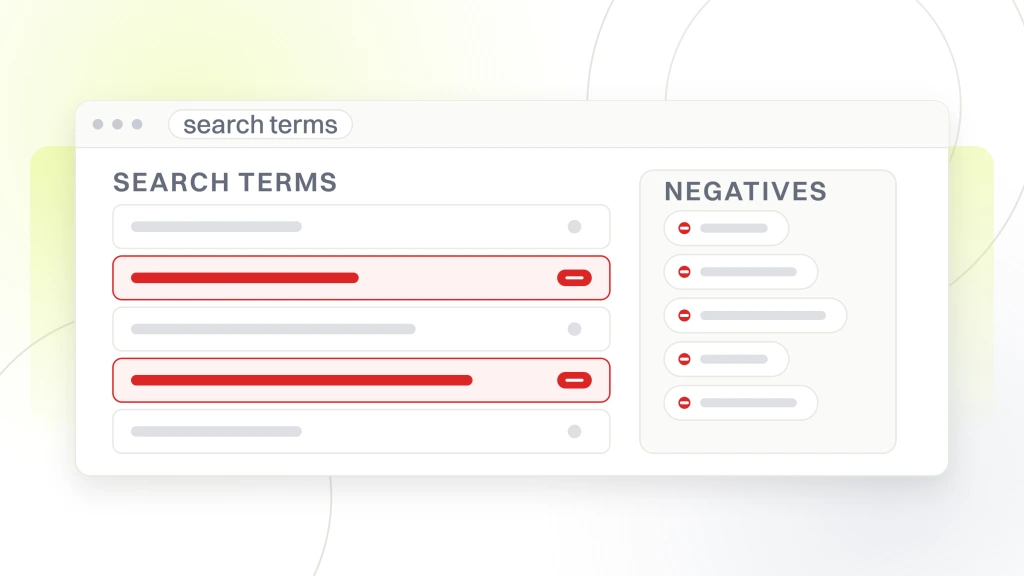
Google Search remains the workhorse for high-intent queries like “best CRM for professional services” or your competitor’s product name. LinkedIn Ads carry account-based targeting for buyers Google can’t reach. Retargeting closes the gap between first touch and demo request. Reddit and X show up for developer tools and technical products where the audience lives inside specific communities.
Landing page and creative work
Any paid tech shop worth the retainer builds or actively iterates the pages your ads point at. Static one-and-done designs waste 20 to 40% of ad spend inside the first quarter. You want a proper A/B test cycle running against the headline, the demo form, and the social proof section. Creative production covers ad copy variants, LinkedIn document ads, and short video assets your funnel needs.
Attribution and pipeline reporting
Real attribution ties an ad click to an opportunity inside HubSpot, Salesforce, or Pipedrive, then rolls forward to closed-won ARR (annual recurring revenue). Your agency should configure offline conversion imports, GA4, GTM, and a BI dashboard so the pipeline figure is auditable end to end from first click to contract signature. This is the single most valuable line item on any tech paid program.
Specialist Versus Generalist Shop for B2B Tech Paid
A tech specialist looks and behaves differently from generalist shops. The generalist runs Google Ads across dentists, ecommerce brands, and SaaS accounts using one playbook. The tech specialist runs a playbook built for product-led growth, freemium funnels, and multi-stakeholder buying committees that include a CTO, a CFO, and a VP of Ops all reading different landing pages.
What a tech specialist does differently
- Reports across the funnel. Campaigns get scored against MQL (marketing qualified lead), PQL (product qualified lead), SQL (sales qualified lead), opportunity, and closed-won stages, not just form fills.
- Speaks product-led growth. Knows the difference between a signup and a demo request, and prices each conversion event by downstream ARR.
- Runs LinkedIn document ads that carry a 6-page deck buyers read on the train home.
- Writes for the buying committee. Ad copy varies by job title, not just persona label.
- Talks to your product team about feature announcements 30 days before a launch so paid can pre-warm the audience.
Why the specialist premium pays back
Specialist shops charge 15 to 30% more than generalists. That premium buys benchmarks against similar SaaS accounts, cleaner attribution on day one, and a operator who’s seen 20 similar buying journeys. On a $30,000 annual retainer, the premium pays for itself the first time a specialist kills a keyword theme that would have burned $10,000. Onboarding time drops from 60 days to about 20, since the operator already knows your funnel shape.
SaaS PPC Services Combined With SEO Under One Retainer
Most SaaS buyers eventually ask whether paid should sit next to SEO under one roof or split across two shops. The honest answer depends on the depth of the SEO team inside the agency and how the two disciplines actually integrate on your account. Depth wins over convenience every time.
When one shop makes sense
Combined retainers work when the agency has a dedicated SEO team of at least three, weekly cross-discipline planning, and shared attribution back to pipeline. You want SEO informing PPC keyword targeting and PPC data informing SEO content prioritization. That flow only happens when both teams sit inside the same reporting cadence and one account lead owns both scopes.
When two specialists work better
Two specialists win when one shop is a PPC boutique with a token SEO offering, or the other way around. You’ll pay 20% more for two teams. In exchange you get real depth on both channels. Coordinate through a shared quarterly plan and a monthly all-hands review. Above $10,000 a month combined, two specialists typically produce better results than one full-service shop stretching thin.
How to test the pitch on the intake call
Ask the agency to describe a specific handoff between PPC and SEO teams on an existing SaaS client. If the answer is generic, they run parallel teams that never talk. If the answer names a keyword, a landing page, and a specific SQL that came from the handoff, they’re actually integrated. The specificity of the story tells you the truth.
Paid Retainer Pricing and Scope by SaaS Stage
Paid retainers scale with ad spend and platform count. Redefine Web’s PPC retainers land at $999, $1,499, $2,499, and from $4,500 per month, with ad spend billed separately. The table below shows what typical scope and cadence sit inside each tier for a B2B tech account.
| Stage | Monthly ad spend | Retainer | Platforms | Reporting |
|---|---|---|---|---|
| Seed or Series A | $3,000 to $8,000 | $999 to $1,499 | Google plus retargeting | Monthly |
| Growth-stage SaaS | $10,000 to $25,000 | $1,499 to $2,499 | Google, LinkedIn, retargeting | Bi-weekly |
| Mid-market SaaS | $25,000 to $60,000 | Starts at $4,500 | Multi-platform plus creative | Weekly |
| Enterprise SaaS | $60,000 plus | from $4,500 or 10 to 15% of spend | Full-funnel plus ABM | Real-time dashboards |
What sits inside each retainer tier
At $999 a month you’re buying focused keyword and bid work on Google Search plus retargeting, and one landing page revision per quarter. At $1,499 you get bi-weekly reporting, A/B testing, and creative iteration across two platforms. At $2,499 the retainer adds LinkedIn Ads, a named operator, and design resource inside the scope. From $4,500 buys the full stack. ABM cadences, offline conversion imports, weekly reporting, and dedicated creative.
Fee-to-spend ratio math for B2B tech
Healthy retainer-to-spend for B2B tech accounts sits between 20 and 35% at the small-to-mid scale, dropping to 10 to 20% as spend scales past $50,000 a month. Above 40%, too much of your investment goes to labor. Below 10% for a small account, the agency can’t afford real attention and quality slides by month three. Ask any prospective shop to show the fee-to-spend math on a comparable existing account before you sign.
LinkedIn Plays Inside SaaS PPC Services That Actually Convert
LinkedIn is where a paid team earns the retainer. Google catches buyers already searching. LinkedIn reaches buyers who haven’t started their search yet, which for enterprise SaaS is about 80% of your future pipeline. Get the playbook right and you’ll fill the top of funnel with buyers Google will never surface.
Sponsored content that reads like a peer note
The best-performing LinkedIn sponsored posts read like a peer sharing a real insight, not a brand pushing a demo. First line, a specific data point or a contrarian claim. Second line, the context. Third line, the CTA. Corporate voice gets punished by the feed algorithm. If your ad reads like the About Us page, CTR (click-through rate) drops by half.
Document ads that carry a real asset
Document ads carry a 4 to 8 page PDF users read inside LinkedIn without leaving the feed. The format converts, so it delivers value in the click, not on the landing page. Use it for benchmark reports, feature comparisons, and short buyer guides. Skip it for pure gated content demos. The document itself is the reward.
Message ads sent from a real sender
Message ads land in the LinkedIn inbox from a named sender inside your company. Send from a VP of Sales or a Head of Product, not from marketing. The message should reference a specific job title problem in the first line, then offer a specific asset in the last. Keep it under 90 words. Open rate depends entirely on how tight the list is, so test a small send before you commit budget. Judge the format on replies rather than opens.
Attribution Inside SaaS PPC Services and Why Most Shops Skip It
Attribution is the fastest way to tell real operators from pretenders. Real attribution ties an ad click to an MQL, an SQL, an opportunity, and a closed-won ARR figure inside your CRM. Pretend attribution reports form fills and cost per lead. The pretender wastes 40% of your ad spend chasing cheap leads that never close.
The five layers you need working
- GA4 with enhanced conversions firing on demo request, signup, and pricing page views.
- GTM container with server-side tagging for iOS 17 and cookieless browsers.
- Offline conversion imports from your CRM back into Google Ads and the LinkedIn Insights Tag.
- UTM discipline across every campaign and every landing page so channels don’t overlap and steal credit.
- A BI dashboard, often Looker Studio or Metabase, showing cost per SQL and cost per opportunity by channel.
Why most agencies skip the work
Attribution setup takes 20 to 40 hours of engineering time on day one. Some agencies skip it, since clients push back on the invoice. Then the account runs blind for six months. Pay for the attribution work up front. It pays for itself in month three when you kill your first bad channel. Clients who fight the attribution invoice are the same clients questioning the retainer at month five, and that’s not a coincidence. For the tactical setup, the Google Ads billing documentation covers offline conversion import mechanics in detail.
Real B2B Tech Paid Programs Across Three SaaS Accounts
Case study numbers beat any pitch deck. Three Redefine Web SaaS clients, Rapyd Financial Network, Rocket Software, and Automation Anywhere, show how paid programs behave across three maturity stages and three pipeline questions in front of a CFO.
Rapyd Financial Network on a full-funnel program
Rapyd Financial Network, a fintech SaaS in the payments space, ran a fragmented setup with roughly 5 inbound leads a month. We rebuilt the funnel across paid search, LinkedIn, content, and a redesigned site. Twelve months in, monthly inbound leads tripled, organic traffic grew 5 times, and pipeline generation cleared £1.8 million on the annual curve. Paid covered high-intent search plus LinkedIn document ads targeting CFO and Head of Finance job titles inside named target account lists.
Rocket Software on an activation-focused launch
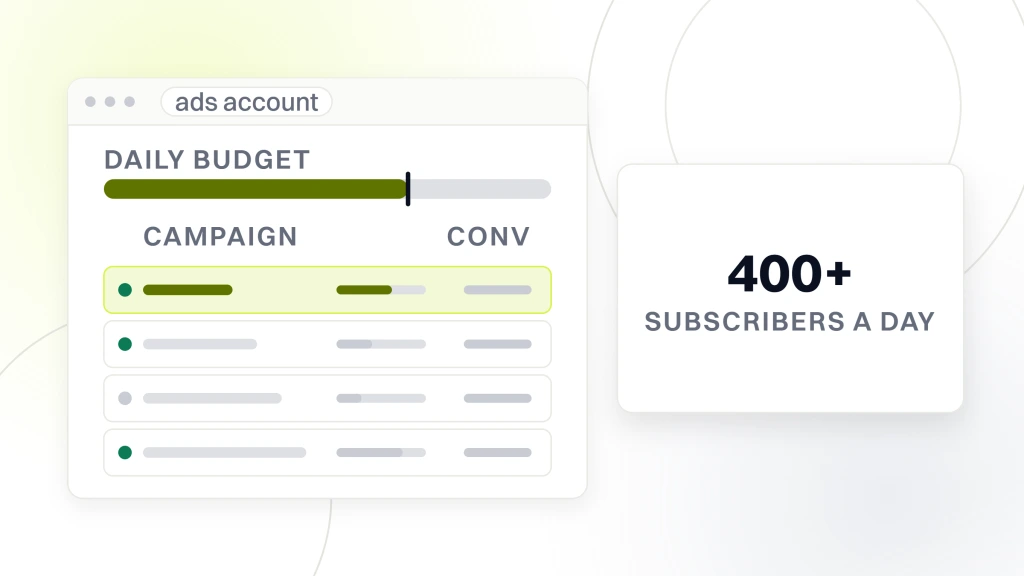
Rocket Software, a SaaS subscriber-acquisition tool, needed to raise a 7% activation rate and hit a 3,000-customer launch target. We ran a 4-channel launch with funnel rebuilds and automated drip sequences. Activation rose 300% inside the first month on the launch curve. The first 3,000 customers signed up inside week one. Steady 400 plus new subscribers a day post-launch. Paid played the acquisition role. Lifecycle handled activation.
Automation Anywhere on cost per lead
Automation Anywhere, a robotic process automation SaaS, needed cleaner unit economics on paid search. We rebuilt the campaign structure, tightened the negative keyword lists, and rerouted spend to intent-heavy keyword themes. Cost per lead dropped 97% comparing the before and after windows on the same monthly spend. The account read paid as a fixed line item on the P&L, and the drop turned it into a real growth channel again.
What all three accounts prove
Paid alone doesn’t build B2B tech pipeline. Paid inside a system that owns activation, lifecycle, and attribution does. If the agency you’re vetting only wants to talk about ad clicks and CPCs, they’re describing half the job. The real work sits at the seam between paid, lifecycle, and sales operations. Ask about that seam on your first intake call.
Common Mistakes When Hiring a B2B Tech Paid Shop
Every third SaaS client we onboard is escaping a bad prior contract. The same mistakes surface every time. Any one of them can eat six months of your first year on a paid retainer.
Signing without a pipeline target
You sign a $4,000 retainer and the SOW promises “lead volume improvement.” What is a lead. What does improvement mean. What pipeline dollar target does the account carry into quarter two. Without those numbers the agency has no scoreboard, and neither do you. Real SaaS scopes name a target MQL volume, a target SQL conversion rate, and a target pipeline figure by month six.
Not owning your ad accounts
Agencies that build campaigns inside their own MCC (my client center) keep the account when you leave. Insist on owning the Google Ads account, the LinkedIn Ads account, the GTM container, and the GA4 property from day one. Grant the agency admin access. Never grant ownership. This one clause saves a full quarter of pain at renewal.
Optimizing for cost per lead instead of cost per opportunity
A cheap MQL isn’t the same as a cheap opportunity. Optimize down cost per lead too aggressively and you flood sales with leads that never convert. Track cost per SQL and cost per opportunity as the real ceiling metrics. Cost per lead is a diagnostic, not a target. Any tech agency that treats it as a target is running a B2C playbook on your B2B account.
The First 90 Days With SaaS PPC Services
The first 90 days of any paid retainer go to audit, rebuild, and instrumentation, not campaign optimization. Any agency promising new leads inside week two isn’t running the work you need them to run. Set the expectation with your leadership before you sign so nobody gets impatient in month one and the CRO doesn’t call the retainer into question by day 45.
Days 1 to 30. Audit and instrumentation
The first 30 days go to auditing what exists. Ad accounts, tracking, CRM integrations, landing pages, historical data. Your agency should deliver a written audit with 15 to 30 prioritized fixes by day 20. If the audit comes back at 4 items, the agency didn’t look hard enough. This is also when the tracking rebuild happens so month two has clean data to work against.
Days 31 to 60. Rebuild and launch
Weeks 5 through 8 are for rebuilding campaigns to the new structure, launching or relaunching landing pages, and getting closed-loop attribution live. Some campaigns pause during this phase. Others launch fresh. Don’t expect the pipeline number to move in month two. Expect the plumbing to get built correctly so month four moves the number.
Days 61 to 90. Iterate and prove
Weeks 9 through 12 are the first meaningful iteration cycles. Ad copy tests running to significance. Landing page variants live. Bid strategy adjustments based on 30 days of clean data. This is where you read real signal on which channel earns the next dollar of ad spend. What you learned in month one is likely wrong. What you learn in month three is likely right.
Picking the Right B2B Tech Paid Partner for Your Stage
The right agency at seed stage isn’t the right agency at Series C. Stage matters more than most SaaS buyers realize. Match the shop to the maturity of your program, not to the logos on their homepage.
Seed to Series A under $10k ad spend
At this stage you need a shop that can run lean Google Search and retargeting without over-instrumenting. A small specialist or a seasoned freelance operator often beats a mid-market firm. Retainers land $999 to $1,499. Expect single-platform focus and a monthly cadence. Skip LinkedIn Ads at this stage unless your target ACV (annual contract value) is above $30,000.
Growth stage $10k to $25k ad spend
Now you’re a candidate for a mid-market SaaS specialist. This is where LinkedIn Ads earn a slot, attribution setup pays back inside 90 days, and a bi-weekly cadence is right. Retainers land $1,499 to $2,499. You get a named operator, real creative work, and multi-platform campaigns tied to pipeline metrics your CFO can audit.
Scale stage $25k plus ad spend
At scale you need a specialist with ABM (account-based marketing) experience, offline conversion imports, and real BI. Retainers land from $4,500. Weekly reporting. Dedicated operator. Creative and landing page work bundled. If the shop you’re vetting doesn’t run ABM cadences already, you’re teaching them your motion on your dollar.
Quick answers to what SaaS buyers ask on intake calls before they sign a paid retainer.
Get in touch with our team to pressure-test a scope or map a first 90-day plan for your account. Start with the SaaS PPC services page. For a broader retainer, see PPC management services. Related reads inside the B2B SaaS marketing hub cover pipeline reporting and lifecycle. For account-based paid search, see B2B PPC agency.