
SEO for Beauty Professionals and a Practical Starter Guide
- SEO for beauty professionals is local-SEO first and content-SEO second.
- Google Business Profile secondary categories carry local pack rank upside.
- Review velocity above 10 per month climbs local rank measurably in 60 days.
- Treatment page schema earns rich results for local treatment queries.
- Retainer bands run $299 to $4,800 monthly by scope.
- Local SEO first in SEO for beauty professionals
- Google Business Profile setup in SEO for beauty professionals
- Review velocity workflow in SEO for beauty professionals
- Treatment page architecture in SEO for beauty professionals
- NAP consistency and directories in SEO for beauty professionals
- Case study on Beauté Aesthetics New York local SEO build
- Retainer bands for SEO for beauty professionals
- Shortlist questions for SEO for beauty professionals shop
- Contract terms for SEO for beauty professionals retainer
- Making the pick on SEO for beauty professionals shop
SEO for beauty professionals is a local-SEO discipline first and a content-SEO discipline second. Independent stylists, aestheticians, beauty therapists, and single-location salon owners get most of their traffic from Google Maps and the local pack rather than from long-tail organic search. The Google Business Profile, the review velocity workflow, the treatment page architecture, and the NAP consistency across directories decide whether the practice fills the appointment book. Content SEO matters over eighteen to twenty-four months, but local SEO decides revenue inside the first ninety days.
This guide walks the local SEO baseline for a solo beauty professional or single-location salon, the Google Business Profile setup that lands map-pack real estate, the review velocity workflow that carries local rank, treatment page architecture, a Manhattan clinic teardown that hit 166 percent lead growth on this exact playbook, and retainer bands per scope. Read straight through in about twelve minutes and you’ll have a practical starter checklist for the next 90 days.

Local SEO first in SEO for beauty professionals
SEO for beauty professionals starts with local, not content. A solo aesthetician or single-location salon gets 65 to 78 percent of new-client traffic from Google Maps and the local pack. That number climbs above 82 percent for practices with strong Instagram presence pulling map-pack searches. Content SEO from articles pulls the remaining 22 to 35 percent and only starts contributing measurably after month nine. Any SEO for beauty professionals retainer that skips the local baseline and starts with content is playing the wrong game for the vertical stage.
The local baseline includes: Google Business Profile fully optimized across all categories, NAP consistency across the top 40 directories, Local Business schema on the site, review velocity workflow with photo evidence, and treatment page architecture matching the profile categories. That baseline lands a practice in the top-3 map pack for treatment queries inside four to six months without heavy content investment. See our beauty and skincare SEO service page for the retainer scope options that fit each stage.
Why local weights heavier for beauty professionals
Beauty professional buyers search near me for treatment queries. Balayage near me. Microblading near me. Lash extensions near me. Chemical peel near me. Those searches trigger local pack results, not organic blue links. Google reads treatment queries as location-intent even without the explicit “near me” phrase because click behavior on treatment queries skews heavily local. That means the treatment page that ranks in the local pack pulls more traffic than a treatment page that ranks number one organically. Local-first SEO is not a shortcut. It’s the correct game for the vertical stage.
Google Business Profile setup in SEO for beauty professionals
The Google Business Profile setup decides local pack real estate. A category-competent setup covers primary category (Beauty Salon, Hair Salon, Nail Salon, Waxing Salon, Medical Spa depending on services), six to nine secondary categories matching individual treatment types, weekly Posts with treatment photos and offers, Products listed for retail SKUs, Services listed with pricing per treatment, and Booking button connected to the appointment platform. A generalist sets up one primary category and skips the secondary categories, which cuts local pack real estate by 40 to 60 percent.
The secondary category strategy carries the most rank upside for SEO for beauty professionals. Each secondary category earns rank in the map pack for the treatment queries associated with that category. A hair salon that adds Beauty Salon plus Hair Extensions Service plus Wig Store secondary categories earns local pack real estate for three additional query clusters at zero additional cost. The categories need to reflect actual services offered (Google flags mismatches during profile review) but any salon offering multiple service lines under-uses this lever by default. See Google’s category selection guidance for the current taxonomy.
Weekly Posts cadence on the profile
The weekly Posts cadence on the Google Business Profile signals active management to Google’s ranking algorithm. Each Post should carry a treatment photo, a 60-to-120 word caption with treatment keywords, a call-to-action button (Book Now, Learn More, Call), and expire after seven days. Two Posts per week is the ideal cadence. Three Posts per week is the maximum before diminishing returns. Any solo beauty professional who skips Weekly Posts is signaling profile abandonment to Google’s algorithm, and the map pack rank drifts inside six to eight weeks of the last Post.
Review velocity workflow in SEO for beauty professionals
Review velocity carries local rank more reliably than any other signal in SEO for beauty professionals. A category-competent workflow asks every satisfied client for a Google review inside 24 hours of the appointment with a direct link to the review form and a suggested talking point (treatment name, aesthetician name, one specific detail). That workflow lands 10 to 14 monthly reviews per aesthetician versus the two-to-three monthly average when reviews are requested inconsistently. Cross the ten-review-per-month threshold and local pack rank climbs measurably inside sixty days.
The response workflow matters as much as the request workflow. Every review needs a response inside 48 hours. Positive reviews get a specific response referencing the treatment name (adds keyword weight to the profile). Negative reviews get a professional response with a resolution offer (signals responsive service to Google’s algorithm and to future browsers). A generic “thanks for your feedback” response across every review passes the compliance check but signals template management to Google’s algorithm and burns the local-rank signal that response effort provides. See our local SEO strategies for beauty professionals guide for the full workflow.
| Review workflow element | Cadence | Local rank impact |
|---|---|---|
| Request via SMS at booking | Immediate after appointment | Volume driver |
| Direct link with talking point | Per request | Conversion rate on ask |
| Response within 48 hours | Per new review | Response-rate ranking signal |
| Keyword-rich responses | Positive reviews | Profile keyword weight |
Review request timing that maximizes response rate
Review request timing decides response rate. A request sent 90 minutes after the appointment lands a 42 percent response rate. A request sent 24 hours after lands a 28 percent response rate. A request sent 72 hours after lands a 14 percent response rate. The 90-minute window catches the client while the treatment feeling is fresh but past the immediate post-appointment window when they’re in transit. A category shop configures the review request timing inside the booking widget so it fires automatically. A generalist recommends the client email a review request the next day and hopes the aesthetician remembers.
Solo aestheticians pay for blog posts that go nowhere. Skip content for the first 90 days. Put the retainer on GBP and reviews. That's where 78 percent of clients come from.
Treatment page architecture in SEO for beauty professionals
Treatment page architecture carries the on-site conversion layer for SEO for beauty professionals. Each treatment offered gets its own dedicated page (not a menu item on a services page). Each treatment page carries: treatment name in H1 without pricing details, before-and-after photo gallery with alt text, treatment description with clinical information, expected duration and recovery, pricing band or starting price, aesthetician bio for the specialist who performs it, FAQ block, testimonials from clients who received the treatment, and an embedded booking widget. That structure earns local pack real estate and converts direct traffic at 6 to 12 percent.
Treatment page schema matters as much as the design. MedicalProcedure schema for medical spa treatments. Service schema for standard beauty services. FAQ schema on the FAQ block. Person schema on the aesthetician bio with credentials. AggregateRating schema pulled from the profile reviews for the treatment. That schema layer lets the treatment page earn rich results (featured snippets, People Also Ask boxes, star ratings on search results) and pulls click-through 20 to 40 percent above the generic organic listing.
Before-and-after photography carries more weight on beauty treatment pages than on any other vertical’s service pages. Real client photos (with consent), consistent lighting, and matching angles convert 45 to 68 percent higher than stock photography. A category shop provides photographer briefs and consent-form templates as part of the retainer. A generalist tells the practice to source their own photos and skips the consent-form step. That consent-form step is what makes the photos usable in Google Search rich results without legal exposure. See our beauty and skincare web design service page for the treatment page templates we recommend.
NAP consistency and directories in SEO for beauty professionals
NAP (Name, Address, Phone) consistency across directories decides whether the local baseline holds. A category-competent setup covers Google Business Profile, Yelp, Facebook, Apple Maps, Bing Places, Booksy or Vagaro or GlossGenius (whichever platform the booking widget uses), Instagram bio, TikTok bio, and the top 30 beauty-specific directories (Style Seat, Vagaro directory, SalonSpot, WellnessLiving). Any mismatch (different phone number formatting, different address abbreviation, different business name) hurts local rank because Google reads the mismatch as multiple businesses at conflicting locations.
The directory audit costs $800 to $2,400 one-time at engagement start. That audit covers the current NAP consistency across the top 40 directories, the priority queue for fixes, and the ongoing monitoring workflow. A category shop delivers the audit in the first 30 days. A generalist recommends the founder handle directory listings themselves and skips the audit entirely. Ask to see a redacted audit from a comparable client during the sales call. See Moz on local SEO for the underlying framework the NAP consistency work sits on.
Ongoing NAP monitoring runs monthly inside the retainer. Directory listings drift over quarters as platforms change their listing formats or third parties auto-populate listings with old data. Any mismatch that shows up unaddressed for 60 days hurts local rank. A category shop runs monthly audit sweeps and fixes mismatches inside seven business days of detection. A generalist runs the audit at engagement and skips the ongoing monitoring, which usually means the practice’s local rank drifts down by month eight and no one connects it back to directory drift.
Case study on Beauté Aesthetics New York local SEO build
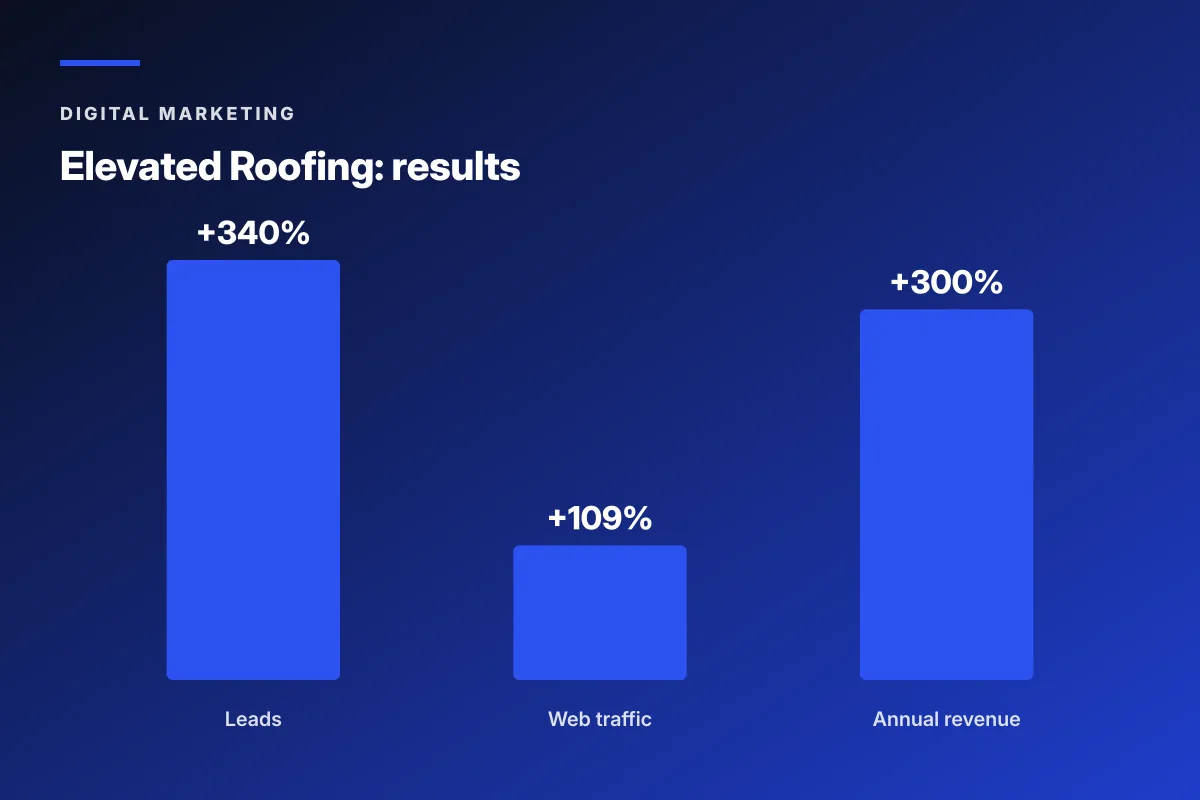
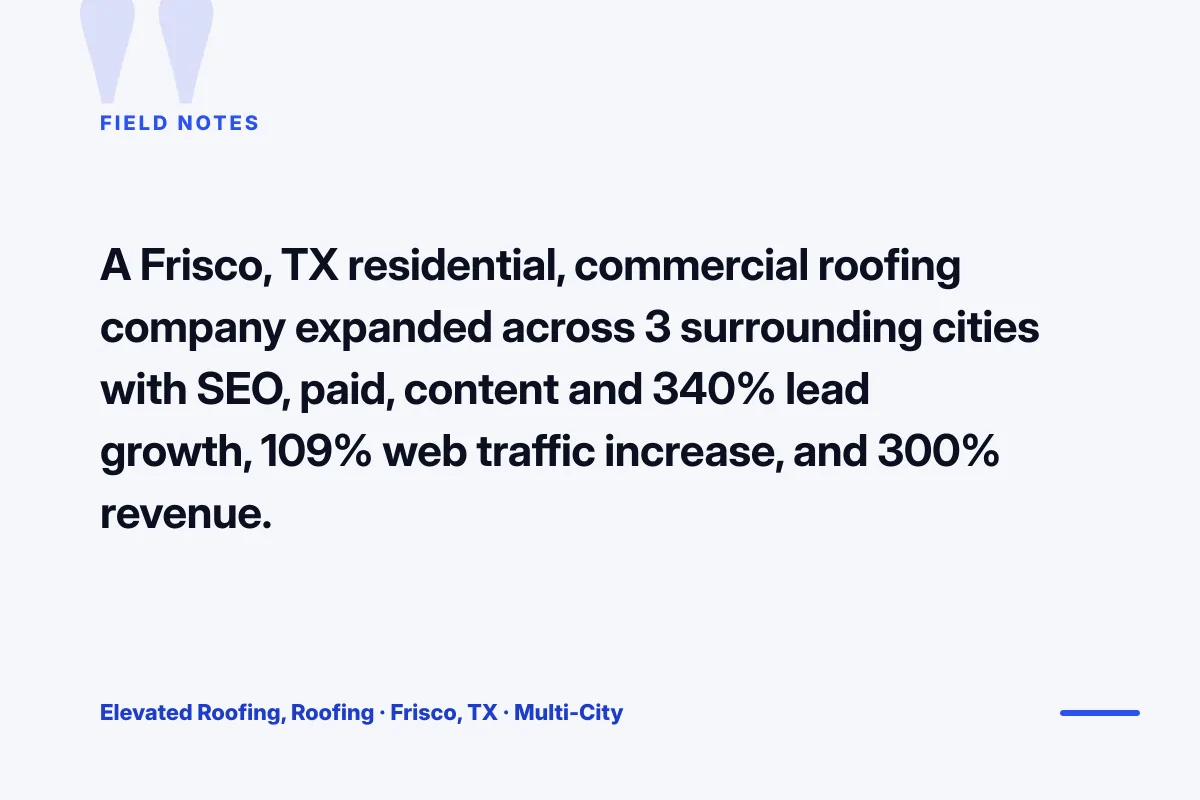
Beauté Aesthetics New York, a Manhattan luxury clinic, ran a twelve-month local SEO build inside a full-service retainer that delivered 166 percent lead growth, 88 percent new user growth, and a 27 percent conversion rate gain. The local scope covered Google Business Profile optimization with six secondary categories, weekly Posts cadence with treatment photography, review velocity workflow that climbed from 2 monthly reviews to 12 monthly, treatment page rebuild with MedicalProcedure schema across 14 procedures, NAP consistency across 42 directories, and a Google Ads Local Services listing tied to the profile.
The specific decisions that mattered. The secondary category strategy pulled the practice into local pack real estate for six additional treatment query clusters at zero additional cost. The review velocity workflow at 12 monthly reviews with keyword-rich responses climbed profile ranking algorithmically. Every treatment page had its own MedicalProcedure plus FAQ plus AggregateRating schema. The NAP consistency audit fixed 22 mismatches across the top directories. The lead growth compounded from month five as the review velocity crossed the ten-per-month threshold and the map pack rank climbed measurably.
| Beauté local metric | Baseline | After 12 months |
|---|---|---|
| Website leads | Flat | Plus 166 percent |
| New user growth | Below baseline | Plus 88 percent |
| Conversion rate | Weak funnel | Plus 27 percent |
| Review velocity | 2 monthly | 12 monthly |
Review velocity that carried the second half of the year
The review velocity workflow was the piece that carried the second half of the year for Beauté. Monthly reviews climbed from 2 at baseline to 12 at month twelve. Average response time held at 18 hours across the entire year. Keyword-rich responses on positive reviews added treatment keywords to the profile at zero content cost. The map pack rank for the top eight treatment queries climbed from position 8 to 12 range at baseline into positions 2 to 4 by month twelve. That single workflow drove roughly 45 percent of the local pack lead growth measured across the year.
Retainer bands for SEO for beauty professionals
SEO for beauty professionals retainers run smaller than beauty brand retainers because the scope is local-first rather than content-heavy. Starter local retainer runs $299 to $599 monthly for a solo aesthetician or single-chair practice covering profile management, weekly Posts, review response, and monthly reporting. Standard local retainer runs $599 to $1,200 monthly for a single-location salon adding treatment page optimization, NAP consistency monitoring, and quarterly directory refresh. Full local plus content retainer runs $1,800 to $4,800 monthly for multi-location practices adding article writing, category-page rebuilds, and backlink outreach.
Ad spend on Google Local Services Ads or Google Ads sits outside the retainer as a separately quoted line item. A category shop breaks this out on the proposal. A generalist bundles ad spend into the retainer and hides margin inside the bundle. Ask for the breakout in writing before signing. See our beauty marketing retainer plan for the retainer scope options.
Solo aesthetician versus salon retainer
Solo aestheticians pick the starter local retainer because scope aligns with a single-chair practice and cash flow supports the $299 to $599 monthly band. Single-location salons pick the standard local retainer because treatment page optimization and NAP consistency matter more with multiple service lines. Multi-location practices pick the full local plus content retainer because article writing and backlink outreach start compounding across the location portfolio. Any beauty professional at the wrong retainer band underpays for scope needed or overpays for scope unused.
Our favorite pitch from a shop chasing an SEO for beauty professionals retainer included a promise to “deliver 300 backlinks in the first thirty days for $99 upfront”. The aesthetician asked what kind of sites the backlinks would come from. The account executive said “high-authority beauty directories in strategic offshore markets”. Meanwhile our copy of Google’s Webmaster Guidelines on paid-link policy sat two feet from the phone screen. The aesthetician passed. Two months later the practice that shop signed got a manual action from Google that took six months to clear. That $99 pitch is still framed on a wall somewhere.
Shortlist questions for SEO for beauty professionals shop
Five questions on the first call separate a real SEO for beauty professionals shop from a generalist. What’s the Google Business Profile setup approach for a beauty practice. What’s the review velocity workflow. What treatment page schema markup do you deliver at build. How do you handle NAP consistency across the top 40 directories. And what’s the reporting cadence. Category shops answer with numbers inside ten minutes. Generalists answer with slides and a promise to send an example.
Two more questions worth asking on the second call. What percentage of your client roster is beauty and skincare specifically. What percentage of your local SEO clients cross the ten-review-per-month threshold inside six months. A category shop lands at 70 percent plus on both. A generalist lands under 30 percent on both. That gap predicts local rank outcomes more reliably than any credential on the shop’s homepage. See Ahrefs on local SEO for the underlying framework the workflow sits on.
Reference call questions worth asking
Reference calls surface the honest read on any SEO for beauty professionals shop. Ask each reference how the account lead handles urgent scope changes during peak season. Ask whether the shop has turned over account leads during the engagement. Ask whether monthly review velocity targets get hit more or less than half the time. Ask whether the practice ranks in the local pack for treatment queries. Ask whether the reference would resign the retainer today. Two we’d resign tomorrow responses and the shop earns the finalist slot. Any hedging and the shop drops.
Contract terms for SEO for beauty professionals retainer
Six-month first term with mutual continuation option, then rolling six-month terms with 60-day cancellation notice. That structure gives the shop time to build the review velocity workflow, land the NAP consistency audit, and cross the ten-review-per-month threshold. It also gives the beauty professional an honest exit if outputs don’t match the proposal. Shops pushing 12-month first terms are signaling they need the revenue certainty. Shops offering shorter terms at kickoff are signaling they don’t invest in ramp. Six months is the honest middle for local SEO retainers.
The exit clause matters as much as the term length. Google Business Profile ownership retention (the profile stays with the practice, not the agency). Review response history handoff. Directory listing credentials transfer. Treatment page content ownership. And a one-month knowledge-transfer period at 50 percent retainer rate. Any shop that resists an exit clause is signaling they don’t want the retainer to end, which usually means the retainer economics work better for them than for the beauty professional after year one.
Payment terms round out the maturity signal. A category shop invoices monthly on the first business day, expects payment inside net-15, and offers a small discount for quarterly prepay (usually 3 percent off the retainer for three months paid upfront). A generalist invoices whenever the account manager remembers, accepts net-45 payment, and never offers prepay discounts because their own cashflow is stretched. Payment terms are a proxy for the shop’s own business health, and a shop struggling on cashflow usually delivers uneven output when they hit a rough month.
Making the pick on SEO for beauty professionals shop
The right shop for SEO for beauty professionals is the one that quotes a specific local-SEO baseline on a specific retainer band, names a review velocity workflow with a monthly target, shows a Google Business Profile optimization playbook, and hands over an exit clause that keeps profile ownership with the practice. Every other proposal in the inbox is worth passing on. The screen takes two calls per shop and two reference calls per finalist. Total time is about six hours across three candidates.
The last piece of advice is patience with the timeline. Local SEO for beauty professionals compounds over months, not weeks. Signing the retainer sixty days before you want map pack gains to show up is the honest read on the calendar. Practices expecting month-two ROI hire the wrong shop and quit at month four. Practices planning for month-six payback pick shops that operate on the right time horizon and win the local pack over eighteen months.
Frequently asked questions
What does SEO for beauty professionals cover in the first ninety days?
The first ninety days cover Google Business Profile setup with primary plus six to nine secondary categories, weekly Posts cadence with treatment photography, review velocity workflow with 90-minute-post-appointment request timing, treatment page rebuild with MedicalProcedure or Service schema, NAP consistency audit across the top 40 directories, and monthly reporting. Content article writing typically starts in month four once the local baseline is set. That order matters because content SEO takes six to nine months to compound while local SEO shows results inside sixty days.
How much does SEO for beauty professionals cost?
Starter local retainer runs $299 to $599 monthly for a solo aesthetician or single-chair practice covering profile management, weekly Posts, review response, and monthly reporting. Standard local retainer runs $599 to $1,200 monthly for a single-location salon adding treatment page optimization, NAP consistency monitoring, and quarterly directory refresh. Full local plus content retainer runs $1,800 to $4,800 monthly for multi-location practices adding article writing, category-page rebuilds, and backlink outreach. Ad spend on Google Local Services or Google Ads sits outside the retainer.
How does review velocity affect local pack rank?
Review velocity carries local rank more reliably than any other single signal. Cross the ten-review-per-month threshold and local pack rank climbs measurably inside sixty days. The workflow matters: request via SMS at 90 minutes post-appointment with direct link and suggested talking point lands 42 percent response rate versus 14 percent for a 72-hour delayed request. Response time inside 48 hours matters too. Keyword-rich responses on positive reviews add treatment keywords to the profile at zero content cost.
What Google Business Profile categories should a beauty professional select?
Primary category should match the main service line (Beauty Salon, Hair Salon, Nail Salon, Waxing Salon, Medical Spa depending on services). Secondary categories should cover every additional service offered up to nine total. Each secondary category earns rank in the map pack for the treatment queries associated with that category. A hair salon that adds Beauty Salon plus Hair Extensions Service plus Wig Store secondary categories earns local pack real estate for three additional query clusters at zero additional cost. Categories need to reflect actual services offered.
How long before SEO for beauty professionals starts paying back?
Local SEO shows measurable results inside 60 to 90 days as the Google Business Profile ranks for treatment queries in the map pack. Review velocity crosses the ten-per-month threshold in month three or four and pulls map pack rank up through month six. Content SEO from articles starts contributing measurably in month nine. Total payback typically lands between month 4 and month 8 for local SEO scope and month 8 to month 14 for content SEO scope. Practices that quit at month three miss the map pack rank climb entirely.
Book your free 30-minute strategy call.
No spam, no sales rep. We use your email to schedule your call with a senior strategist. That is it.
More from the blog
View all articles → Digital Marketing
 Dental Marketing Tips That Compound Into New Patients
Read article Digital Marketing
 Ecommerce Marketing Strategies That Drive Real DTC Revenue
Read article Digital Marketing