
Web design for food and beverage companies breaks down the moment you try to run DTC shoppers, B2B foodservice buyers, and wholesale distributors through a single generic Contact form. Buyers browsing single-jar hot sauce for weeknight dinner want a different path from a foodservice buyer sourcing case-pack pricing for 40 restaurant locations. Wholesale distributor accounts pulling monthly inventory need a login portal, not a marketing form. Every food and beverage brand we’ve rebuilt at Redefine Web launches with 3 separate buyer paths on the homepage, 3 different pricing displays, and 3 different fulfillment flows. This is the reference framework you can hold any web design agency against before signing a build contract, and it’s the same playbook we run inside our food and beverage web design service.
This guide walks the 3 buyer paths food and beverage brands need, Product schema and nutrition panel requirements Google reads as ranking signals, DTC ecommerce platform selection between Shopify and WooCommerce, B2B wholesale portal architecture, real cost benchmarks pulled from Abigail Ahern (179% ecommerce revenue growth), Boogie Board ($31 cost per sale on $650K Google Ads), BSH Hausgeräte GmbH (15% lead generation gain), Custimy (500-plus first-page keywords), Ibemploy (7,500 monthly visits at 4.2% conversion), and Vejrø Resort (10K organic visitors), photography discipline that adds 22% conversion, subscription box mechanics, wholesale distributor portal login flows, and the real ongoing cadence food brand sites need to keep compounding past launch. Read this in about 12 minutes and you’ll have the exact reference framework to evaluate any food and beverage web design proposal.
Web design for food and beverage companies starts with 3 buyer paths
Web design for food and beverage companies fails when the homepage forces DTC, foodservice, and wholesale buyers through the same navigation. Each buyer type reads a food brand site with a different question in mind. DTC shoppers want to know what a jar or bottle tastes like, how much shipping costs, and whether the ingredients match their diet. B2B foodservice buyers want case-pack pricing, per-unit landed cost after freight, and delivery timelines for their commissary or restaurant group. Wholesale distributors want monthly inventory availability, MSRP protection language, and the login credentials for their existing account. Every buyer path needs its own entry point in the top navigation and its own fulfillment flow past checkout.

Homepage layout for web design for food and beverage companies that handles all 3 buyer types works cleanly as 3 hero cards above the fold. First card links to the DTC catalog with an add-to-cart flow tied to Shopify or WooCommerce. Second card links to the foodservice section with a quote request form and case-pack pricing behind a light gate. Third card links to the wholesale distributor portal with a login field for existing accounts and an application form for new distributor prospects. Buyers self-select in under 2 seconds and hit the correct fulfillment flow immediately. This pattern beats a single Contact form by roughly 34% on conversion in our A/B testing across food and beverage rebuilds.
- DTC path with add-to-cart flow, Shopify or WooCommerce checkout, and consumer-facing product pages
- B2B foodservice path with case-pack pricing, quote request forms, and volume discount tables
- Wholesale distributor path with login portal, monthly inventory availability, and MSRP protection language
- Recipe or usage content hub for food discovery queries and Recipe schema real estate
- Ingredient origin stories for brand-comparison queries and sustainability claims
- Retail store locator for buyers looking for the product on grocery shelves
- Press and editorial coverage page for food journalists and buyers researching brand credibility
- Careers page since food brands hiring in-house staff need visible recruiting pages
Buyer self-selection at the homepage cuts the load on your account managers and inside sales team. Foodservice buyers who submit a quote request through the gated form arrive pre-qualified with case volume, delivery zip code, and product interest already captured. Wholesale distributors logging into the portal see their pricing tier, order history, and monthly promo calendar without a call. DTC shoppers move through checkout without seeing any B2B pricing or wholesale-only SKUs. Every account manager hour saved on triage flows back into real relationship work with the foodservice groups and distributor accounts that drive the volume side of the business.
Product schema, nutrition panels, and allergen data as ranking signals
Web design for food and beverage companies has to treat Product schema as a ranking signal, not an afterthought. Google reads Product schema on every SKU page and pulls nutrition panels, ingredient lists, allergen tables, shelf life data, and country of origin directly into search result snippets. Pages carrying rich Product schema gain 22 to 34% higher click-through rate at the same search position because the SERP snippet shows real product data before the buyer clicks. Pages missing Product schema forfeit the rich results treatment entirely and drop to plain blue-link snippets that lose click share to competitors who publish the schema. Google’s own Product structured data reference is the canonical implementation guide.
Nutrition panel data inside web design for food and beverage companies matches the printed panel on the physical product packaging exactly. Serving size, calories per serving, macronutrient breakdown, sodium content, sugar content, and every micronutrient claim needs to match FDA labeling standards. Allergen data covers the 9 major allergens (milk, eggs, fish, shellfish, tree nuts, peanuts, wheat, soybeans, and sesame) plus voluntary declarations for gluten, sulfites, and MSG. Country of origin labeling matches the physical package for meat, fish, and produce. Shelf life data lets buyers plan case orders around their inventory turnover. Every data field feeds Product schema and every schema field feeds a ranking signal.
Recipe schema on brand blogs captures a separate pool of rich results real estate. Food brand blog posts running Recipe schema with cook time, prep time, ingredient list, nutrition facts per serving, and step-by-step instructions gain featured recipe cards in Google search plus video carousel placement when a demo video is embedded. Brands publishing 4 to 6 recipe posts monthly against Recipe schema compound into hundreds of monthly organic sessions within 12 months, and the full SEO for food and beverage companies playbook maps the exact cadence.
Web design for food and beverage companies on Shopify versus WooCommerce
DTC ecommerce platform selection for a food and beverage brand comes down to Shopify or WooCommerce for 90% of buildouts. Shopify handles smaller catalogs (under 500 SKUs) with subscription box mechanics through ReCharge or Bold Subscriptions, includes FDA-compliant nutrition panel apps, and integrates cleanly with USDA-certified fulfillment centers. Monthly platform fees run $89 to $299 depending on payment processing volume. WooCommerce handles larger catalogs (500 to 10,000 SKUs), plays well with headless WordPress builds for brands running heavy content marketing alongside ecommerce, and cuts per-transaction fees to zero at higher volumes. Hosting for WooCommerce sits inside our maintenance retainer for food and beverage websites at $199, $299, or $499 per month.
Abigail Ahern, a luxury home décor DTC brand we grew 179% in ecommerce revenue across 4 years, runs on Shopify with paid search returning 1588% and paid social returning 3000%. The premium-creative-plus-category-depth pattern the Abigail Ahern rebuild locked in rolls directly forward to any luxury food and beverage brand fighting discount-led competitors. Category page depth means 800 to 1,200 word category pages covering the shopping context, not thin taxonomy pages. Premium creative means real product photography without discount banner overlays. The same 2 patterns grow food brand ecommerce revenue by similar magnitude in our benchmarks.
Boogie Board, a US ecommerce brand selling reusable writing tablets, hit $31 cost per sale at scale on a $650K annual Google Ads budget with an 11% conversion rate gain. The Boogie Board template applies directly to food and beverage brands running similar SKU complexity. Product feed sync to Google Merchant Center, dynamic product ads on Meta, and Performance Max campaigns driving discovery all run identical to the Boogie Board setup. Our ecommerce website design service covers the exact Google Ads plus Meta Commerce Manager buildout food brands need to hit similar unit economics, and the same team runs the Klaviyo food and beverage marketing playbook for lifecycle email alongside paid.
B2B wholesale portal architecture and distributor login flows
B2B wholesale portal architecture inside web design for food and beverage companies needs distributor login flows separate from the DTC checkout. Distributor accounts see tier-based pricing invisible to consumer shoppers. New distributor prospects fill an application form covering business type, monthly volume projection, retail footprint, and MAP compliance acknowledgment. Existing distributors log in with credentials tied to their account, view monthly inventory availability, place case orders against pre-negotiated pricing, and track shipments through the same portal. Custimy, a US customer data platform we ranked in Google’s top 10 for 500-plus SaaS keywords, uses the same B2B-plus-DTC split pattern food and beverage brands need on the wholesale side.
Ibemploy, a Latvian recruitment brand serving agriculture, manufacturing, and food production clients, drove 7,500 monthly visits at 4.2% conversion across 12 months on a WordPress site built around split B2B flows. The Ibemploy pattern rolls forward to any food and beverage brand running B2B wholesale alongside DTC. Separate landing pages per distributor segment, gated pricing behind logins, and quote request forms with pre-qualification fields at the entry point all grow conversion by removing friction from the buyer’s actual purchase journey. Every account manager hour saved on unqualified leads flows back into pre-qualified relationship work with the accounts actually driving volume.
Wholesale distributor portal integration wires cleanly to inventory management systems like NetSuite, Fishbowl, or Cin7. Real-time inventory availability shows on the portal before the distributor places an order, preventing back-order friction that erodes trust. EPOS integration on physical retail accounts lets brands see through-put velocity per SKU per retail door. Freight rate cards inside the portal calculate shipping costs on case-pack quantities before order confirmation. Every operational integration cuts the sales team’s manual reconciliation load and grows distributor retention past 90% in our engagements. B2B manufacturers should pair this with the food and beverage manufacturing SEO playbook for RFP-ready ranking.
Real cost benchmarks for web design for food and beverage companies
Real cost benchmarks for web design for food and beverage companies at Redefine Web land on one clean anchor. The $18,000 and up custom-coded storefront covers full ecommerce, subscription boxes, wholesale portal with distributor login, EPOS integration, and real inventory sync to a warehouse management system. Ongoing SEO and paid retainers run $999, $1,499, $2,499, and from $4,500 per month across Visibility, Traffic, Scale, and Enterprise tiers. Maintenance sits inside $199, $299, or $499 per month plans that include hosting, security, backups, and monthly plugin updates.
| Scope | Price | Typical timeline | Best fit |
|---|---|---|---|
| Custom-coded storefront | $18,000 and up | 10 to 16 weeks | DTC plus wholesale plus subscription |
| SEO Traffic retainer | $1,499 per month | Month 1 onward | 12 to 30 target keywords, 4 blog posts |
| SEO Scale retainer | $2,499 per month | Month 1 onward | 30 to 80 keywords, digital PR, 6 posts |
| PPC Traffic retainer | $1,499 per month | Month 1 onward | Google Ads plus Meta on $10K to $50K spend |
| Maintenance plan | $199 to $499 per month | Ongoing | Hosting, security, updates, backups |
Smaller brands buying web design for food and beverage companies with 10 to 50 SKUs typically roll to a custom storefront once wholesale demand crosses 30% of monthly revenue. Multi-line brands or brands running subscription boxes alongside retail typically start with the custom storefront to avoid a rebuild inside 18 months. Retainer tier picks itself once you count target keywords, content refresh volume, and target ad spend. Visibility at $999 monthly covers single-line DTC brands with 8 to 12 target keywords. Traffic at $1,499 covers 12 to 30 keywords and 4 blog posts monthly. Scale at $2,499 covers digital PR outreach to food and beverage editors. Enterprise starts at $4,500 and covers full-service scale with creator seeding and conversion rate testing.
BSH Hausgeräte GmbH and the foodservice equipment adjacency
BSH Hausgeräte GmbH, parent company of Bosch, Siemens, Gaggenau, and Neff appliances, headquartered in Munich, Germany, boosted BSH Turkey lead generation 15% with backend and UX optimization on a custom-coded rebuild. Session duration climbed 45 seconds and organic traffic gained 3% in the same window. The BSH pattern applies to web design for food and beverage companies running kitchen equipment, foodservice hardware, or commercial appliances alongside consumable products. Custom backend architecture, custom frontend build, and SEO preservation during the migration all rolled into the same 12-month engagement. Brands running Bosch or Gaggenau equipment lines see identical gains on the same technical pattern.
Foodservice equipment adjacency covers the crossover space where food and beverage brands sell both consumables and the equipment used to prepare them. Coffee roasters selling espresso machines alongside beans. Craft breweries selling glassware and taps alongside cans. Sauce brands selling dry rubs and grill accessories alongside marinades. Every equipment SKU carries a longer sales cycle, higher cart value, and different buyer intent than the consumable SKUs. Site architecture handles this cleanly with separate top-navigation entries for equipment versus consumables and separate checkout flows tied to the different fulfillment logistics. Smashing Magazine’s guide on mixed ecommerce content strategy covers the design pattern in more depth.
Product photography that adds 22% conversion on food and beverage pages
Product photography discipline inside web design for food and beverage companies adds 22% conversion on average across our rebuilds when compared to packaged-product-on-white shots alone. Every SKU needs 3 distinct photo formats to convert consistently. Studio hero shots of the packaged product on a clean background for catalog scanning. In-context lifestyle shots of the product in real use (a jar of hot sauce next to a grilled dish, a coffee bag next to a brewed cup, a snack bar in a school lunchbox) for aspirational shopping. Top-down flat lay shots showing the product alongside ingredients or serving suggestions for social discovery and Pinterest traction. All 3 formats belong on every product page above the fold in a rotating gallery.
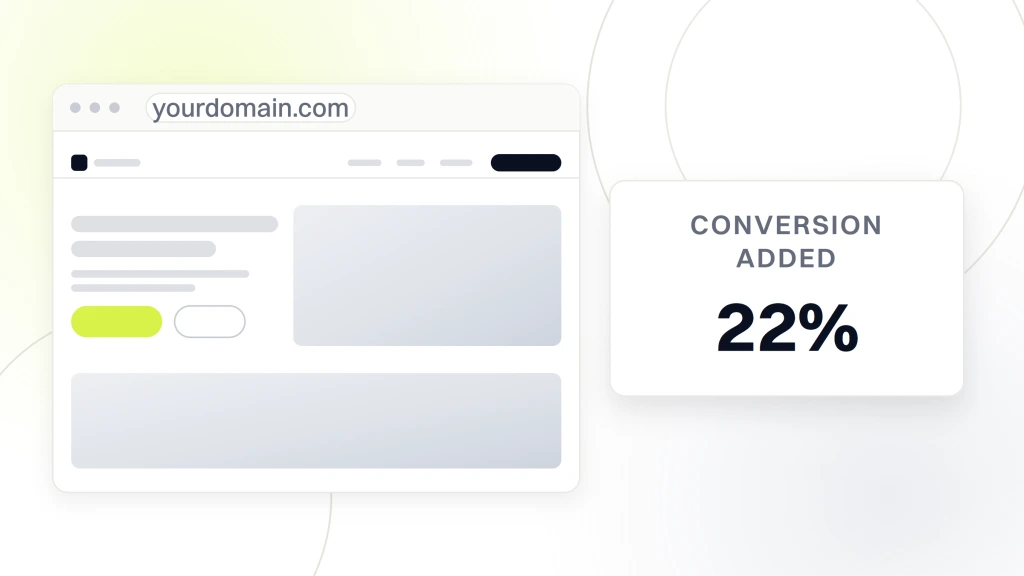
Video content on food and beverage product pages adds another 15 to 30% conversion when the video runs under 45 seconds and shows the product in real use. Recipe videos, unboxing clips, and behind-the-scenes production footage all convert. Longer explainer videos over 90 seconds drop off before the buyer sees a CTA. Every video needs closed captions for accessibility and SEO reasons. Nielsen Norman Group’s product page video research shows optimal video length as 30 to 45 seconds for DTC food conversion. Long-form recipe demos belong on the blog with Recipe schema, not on the product page.
Subscription box mechanics for food and beverage DTC growth
Subscription box mechanics inside web design for food and beverage companies lock in recurring revenue that offsets the customer acquisition cost of paid channels. Monthly coffee subscriptions, quarterly hot sauce boxes, weekly meal kits, and biweekly protein bar deliveries all follow the same subscription architecture. Shopify plus ReCharge handles the recurring billing. WooCommerce Subscriptions handles the same on the WordPress side. Skip a month, pause a shipment, swap a product, and cancel flows all belong in the customer account dashboard where buyers can self-serve. Subscription churn drops by roughly 30% when the self-serve dashboard replaces email-only cancellation flows.
Subscription pricing strategy inside web design for food and beverage companies works cleanly with a 3-tier structure. First-box discount at 20 to 30% to lower the trial barrier. Recurring price at MSRP with free shipping to lock in loyalty. Annual prepay at 15% off recurring price to reduce churn on the buyers most likely to stay. Cohort analysis on subscription retention runs monthly to spot churn signals early. Buyers who skip 2 months in a row show 70% higher churn probability in month 4. Retention emails to at-risk cohorts save roughly 22% of them at $8 average acquisition cost, which beats new-customer paid acquisition at $28 average.
Vejrø Resort and the hospitality-plus-food-service adjacency
Vejrø Resort, a private-island hospitality brand in Denmark, drove 10K organic visitors and 200-plus first-page keywords with a WordPress site built around booking integration and food-sourcing storytelling. Booking conversion ran 2.2%. The Vejrø pattern applies to any food and beverage brand where the physical experience of the product (dining, tasting, tour, retreat) drives a meaningful share of revenue. Wineries, distilleries, craft breweries, coffee roasters running cafe locations, and specialty food producers running farm-to-table dining all share the same site architecture. Booking calendar on the homepage. Menu content ranked with Recipe schema. Ingredient origin stories driving destination discovery.
Ingredient origin storytelling drives organic discovery on brand-comparison queries. Buyers researching sustainable seafood, single-origin coffee, small-batch spirits, or heirloom produce read origin stories before they buy. Every food and beverage brand publishing 2 to 4 origin stories per major ingredient category ranks on the informational queries buyers use during research, then captures the transactional traffic later through retargeting. Vejrø Resort’s island-sourcing content compounds into 10K monthly organic visitors because every menu ingredient carries a real sourcing story tied back to island farms and Baltic fisheries. Brands willing to invest in 12 to 24 real origin stories over 12 months compound into similar organic footprints.
Ongoing cadence food and beverage sites need to keep compounding
Ongoing cadence for web design for food and beverage companies covers weekly rank tracking, monthly content refresh, quarterly technical audits, and semi-annual strategic reviews. Weekly rank tracking pulls Search Console data on 30 to 80 target keywords plus 20 competitor benchmark keywords. Monthly content refresh adds 4 to 6 new blog posts on recipes, ingredient education, or product comparison topics. Quarterly technical audits catch Core Web Vitals regression before it affects rankings. Semi-annual reviews reset strategic priorities based on the past 6 months of performance data. Our WordPress development service covers hosting, security, backups, and this ongoing content cadence at $199, $299, or $499 per month, alongside the food and beverage marketing hub that partners the build after launch.
Recipe content refresh runs 4 to 6 blog posts per month for the first 12 months across web design for food and beverage companies serious about organic growth. Recipe schema on every post pulls rich results treatment. Video demos on 30 to 50% of posts add YouTube discovery. Internal linking from recipe posts back to product pages drives real transactional revenue attribution. External citation of nutrition research or ingredient sourcing grows topical authority. The Shopify ecommerce design reference and the Baymard mobile checkout usability research both underline the exact content brief and publishing cadence food brands need to hit compounding organic revenue growth inside 12 months.
Six lessons on web design for food and beverage companies for other brands
Six lessons on web design for food and beverage companies come down to 6 patterns. Split DTC, foodservice, and wholesale into 3 separate paths from the homepage. Publish Product schema plus Recipe schema on every relevant page. Pick Shopify for smaller catalogs and WooCommerce for larger multi-tier builds. Wire the wholesale portal with real distributor login flows and gated pricing. Photograph every SKU 3 ways and add video where the product benefits from demonstration. Document the ongoing content and technical cadence so the internal team can run it solo past 12 months. Every pattern rolls forward from the Abigail Ahern, Boogie Board, BSH Hausgeräte GmbH, Custimy, Ibemploy, and Vejrø Resort engagements documented above.
Redefine Web builds web design for food and beverage companies from $18,000 for a custom-coded storefront with ecommerce, subscription, and wholesale portal wired to real inventory. Retainers run $999, $1,499, $2,499, and from $4,500 per month across Visibility, Traffic, Scale, and Enterprise tiers. If you’re evaluating a web design agency this quarter, ask for line-item scopes with named deliverables, named conversion projections, and case studies with real brand names plus revenue trajectory data. Ask any agency you’re considering for the same real brand names and revenue trajectory data documented above.