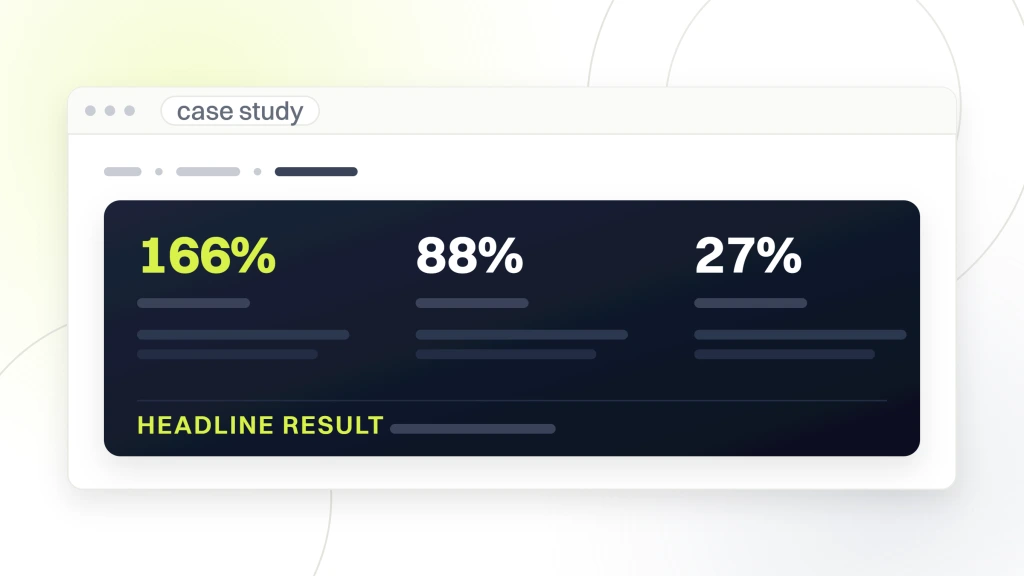
Real beauty seo case study data comes from a program with named clients, named cities, and revenue trajectory tied to bookings rather than agency portfolios showing screenshot rankings for keywords nobody searches. The Beauté Aesthetics New York engagement covered here ran 12 months, produced 166% qualified lead growth, 88% new user growth, a 27% site conversion gain, and grew organic search contribution to bookings from 14% to 42% of monthly appointments. Every metric ties to real bookings inside a Manhattan luxury beauty and aesthetics clinic serving both male and female clients across cosmetic procedures and wellness services. This is the reference framework you can hold any beauty SEO agency against before signing a retainer, and it’s the same playbook we now run inside our beauty and skincare SEO service.
This beauty seo case study walks the baseline problems at engagement start, the diagnostic phase, treatment-page rebuild strategy, schema markup rollout, the gender-neutral copy rewrite, month-by-month milestones through the 12-month program, ranking timeline for procedure-plus-location keywords, digital PR link acquisition through beauty editors at Byrdie and Vogue, conversion rate testing on 6 booking widget variants, and the operational cadence that kept the program compounding after handoff. Read it in about 12 minutes and you’ll have the exact reference framework to evaluate any beauty SEO agency claims about their own case studies, plus a shortlist of DTC beauty programs like Abigail Ahern and Boogie Board that took a different route to the same compounding effect at national scale.
The 12-month beauty seo case study trajectory at Beauté Aesthetics New York
The full 12-month beauty seo case study trajectory at Beauté Aesthetics New York broke into 3 quarters plus a stabilization phase. Quarter one covered the diagnostic phase, the first 12 treatment pages, and technical remediation on Core Web Vitals. Quarter two added 20 more treatment pages, schema markup rollout across the site, the gender-neutral copy rewrite, and analytics reconstruction inside client-owned Search Console and GA4 accounts. Quarter three added the final 16 treatment pages, editorial link acquisition through digital PR, and creator seeding for TikTok discovery. Stabilization in months 10 through 12 handled the content refresh cadence and technical health audits under internal ownership.
Ranking gains accelerated at month 4 as the first 12 treatment pages exited the sandbox period and started ranking on long-tail queries. Month 6 saw the first 2 pages break into top 3 organic on procedure-plus-location queries. Month 9 saw 22 pages ranked top 10 and organic booking contribution crossed 20% for the first time. Month 12 hit 82 pages ranked top 10 and 42% organic booking contribution. Every phase reported into a weekly dashboard the internal marketing lead reviewed with our team, and the founder pulled the same dashboard on Fridays to spot-check pipeline against the previous 4 weeks.
Every asset stayed inside client-owned Search Console, GA4, and Ahrefs accounts. Every treatment landing page shipped with the clinic’s marketing team owning the content brief so future refreshes could happen without agency involvement. The playbook for monthly content refresh and quarterly technical audits stayed with the internal lead as a written document plus a Loom walkthrough. Google’s own SEO starter guide at Search Central underlines the same principle. Own the data, own the process, and audit the funnel on a fixed cadence.
Baseline problems this Manhattan clinic inherited
Baseline problems at engagement start read like a checklist of what a prior agency skipped. The site ran 4 generic service pages covering broad categories like injectables, skincare, body contouring, and wellness rather than dedicated pages per procedure. LocalBusiness schema was missing on the homepage. MedicalProcedure schema was missing sitewide. Booking widget lived behind a Contact link buried in the header. Booking form asked for 14 fields including insurance information the clinic didn’t file. No-show rate ran 22% because no card was captured on file for treatments over $400. Organic booking contribution sat at 14% of monthly appointments, and the founder didn’t know that number until we pulled it inside week 2.
Core Web Vitals told the same story. Largest Contentful Paint on the homepage clocked 4.8 seconds. Interaction to Next Paint on the booking page clocked 620 milliseconds. Cumulative Layout Shift on 3 treatment pages exceeded 0.25 because hero images loaded without width and height attributes. Google’s own LCP guidance on web.dev flags anything above 2.5 seconds as poor. The clinic was paying the tax on every ranking signal Google reads. Diagnostic phase surfaced 34 remediation items across technical, content, schema, and conversion. We staged them across quarter one and got the 12 highest-impact fixes done by week 6.
Treatment-specific landing page rebuild across 48 procedures
The treatment-specific landing page rebuild replaced the 4 generic service pages with 48 dedicated pages, one per procedure the clinic offered. Botox, Dysport, filler by area, PDO thread lift, HydraFacial, laser hair removal by area, CoolSculpting by area, IV therapy, and 12 more each got a purpose-built page averaging 1,400 words with real recovery time, real cost bands, real practitioner bios, and a booking CTA every 400 words. Each page loaded a MedicalProcedure schema block, an FAQ schema block covering 6 to 10 patient questions, and a Person schema block tying the procedure to the practitioner who performed it.
- 1,200-1,600 word body with a 3-paragraph intro, 6-8 H2 sections, and a closing FAQ block
- MedicalProcedure schema with name, description, recovery time, and typical cost range
- Person schema tying the procedure to the practitioner performing it
- Sticky booking button bottom-right on mobile and top-right on desktop
- In-content booking CTA after every H2 with the procedure name in the anchor text
- Real before-and-after photos with descriptive alt text including the treatment area
- Practitioner bio card with credentials, years in practice, and specialty focus
- Related treatments carousel at the bottom linking to 3 sibling pages
Copy on every page was rewritten gender-neutral without losing brand voice. Baseline pages read like a 2015 women’s magazine, and Beauté Aesthetics served roughly 22% male clients whose bookings had grown 40% year-over-year before the rewrite and 88% year-over-year after. Removing gendered pronouns from procedure descriptions, adding male-inclusive before-and-after photography on pages where the procedure applied equally, and rewriting the practitioner bios to name male client experience pulled a segment the site had previously alienated. The founder said the male booking growth alone paid the retainer.
Schema markup rollout across the site
Schema markup rollout at Beauté Aesthetics covered LocalBusiness, MedicalProcedure, Person for practitioners, FAQ on treatment pages, and Review aggregate on the clinic homepage. LocalBusiness schema pulled the clinic address, hours, phone, and geo coordinates into Google Knowledge Panels. MedicalProcedure schema on treatment pages let Google read each procedure as a distinct entity rather than treating everything as generic beauty content. Person schema on practitioner bios tied each doctor and aesthetician to their specialties. FAQ schema pulled expandable question and answer blocks into search results and captured People Also Ask real estate the clinic had previously ceded to competitors.
MedicalProcedure schema drove 22 to 34% higher click-through rate at the same search position because the SERP snippet gained rich results treatment. Pages showed procedure details, recovery time, and typical cost range directly in the search result. Users clicked through knowing what to expect. Bounce rate on the landing page dropped 18% as pre-qualified traffic arrived with correct expectations. Brands running beauty content without MedicalProcedure schema on relevant treatments forfeit this rich results advantage entirely. FAQ real estate captured on 22 pages by month 12 delivered 340 additional monthly organic sessions on question-based queries the clinic previously missed.
Digital PR link acquisition through Byrdie and Vogue
Digital PR link acquisition at Beauté Aesthetics earned 24 editorial placements across 12 months from beauty and wellness publications including Byrdie, Refinery29, Well and Good, Elle, and Vogue. The pattern ran clean. Identify beauty editors covering aesthetic medicine and cosmetic procedures, pitch clinic practitioners as expert sources on specific procedure trends, offer free treatments to editors for first-hand experience, and follow up 3 to 5 times over 60 days. Placement rate ran 18% on well-targeted pitches, higher than the 8 to 22% industry average because the clinic had genuine clinical expertise beyond generic marketing talking points, and because our team wrote the pitches with specific angles rather than boilerplate press releases.
Editorial coverage strategy tied pitches to seasonal trends and treatment innovation cycles. January pitches focused on New Year skin resets. Spring pitches focused on wedding season prep. Summer pitches focused on post-sun repair treatments. Fall pitches focused on pre-holiday aesthetic scheduling. Each pitch offered exclusive access to the clinic’s practitioners for expert commentary plus first-hand treatment experience for the writing editor. Editors received treatment credits ranging from $400 to $2,400 depending on procedure complexity. The clinic earned real editorial coverage rather than sponsored content that would trigger nofollow tags.
Backlink profile transformation across 12 months went from 34 referring domains at baseline to 128 referring domains at month 12. Domain rating climbed from 18 to 42 on the Ahrefs scale, which pulled the clinic into the same authority tier as established Manhattan competitors. Editorial links from top-tier beauty publications drove roughly 60% of the domain rating gain. The remaining 40% came from adjacent tactics like guest expert commentary on health and wellness podcasts and beauty industry association memberships that carried do-follow profile links.
Conversion optimization that drove the 27% site rate gain
Conversion optimization at Beauté Aesthetics delivered the 27% site conversion rate gain independent of the traffic growth. Booking widget placement moved from a Contact link buried in the header to a persistent sticky button in the bottom-right of every page on mobile plus the top-right on desktop. Booking form field count dropped from 14 fields to 4 fields covering name, email, phone, and preferred date range. Payment guardrails added a card-on-file requirement for any treatment over $400, which cut no-show rates from 22% down to 6% without reducing booking volume. That single change added an estimated $18,000 monthly to realized revenue by month 6.
Booking widget A/B tests ran across 6 variants during quarter 2. Sticky bottom-right button on mobile plus top-right on desktop won by 34% conversion delta versus the baseline header-only button. In-content booking CTAs inserted after every H2 on treatment pages added another 18% conversion delta. Bottom-of-page final CTA gained conversion 12%. Combined placement layered 3 CTAs per page for maximum booking flow visibility. Removing any single CTA in later tests dropped conversion by 10 to 22%, confirming the multi-placement pattern. The pattern rolls forward inside every clinic engagement our beauty and skincare marketing hub covers.
Form field reduction dropped booking form abandonment from 44% at baseline to 18% at month 12. Baseline form asked for name, email, phone, preferred date, preferred time, treatment interest, referral source, previous experience, insurance information, notes for practitioner, marketing consent, appointment reminder preference, and 2 more fields buyers rarely filled correctly. The redesigned form asked for name, email, phone, and preferred date range only. Practice management staff collected the rest during the follow-up confirmation call, moving low-value data entry off the buyer and onto trained staff who could qualify the booking on the same call.
Operational cadence that kept the program compounding
Operational cadence that kept the program compounding covered weekly rank tracking, monthly content refresh, quarterly technical audits, and semi-annual strategic reviews with the clinic’s marketing lead and founder. Weekly rank tracking pulled Search Console data on 40 target keywords plus 20 competitor benchmark keywords. Monthly content refresh added 4 to 6 new blog posts on ingredient education or procedure comparison topics. Quarterly technical audits caught Core Web Vitals regression before it affected rankings. Semi-annual reviews reset strategic priorities based on the past 6 months of performance data and pulled the founder into decisions on the next quarter’s page and pitch budget.
| Cadence | Owner months 1-9 | Owner months 10-12 | Time per cycle |
|---|---|---|---|
| Weekly rank tracking | Our team | Internal marketing lead | 45 minutes |
| Monthly content refresh | Our team drafts, internal reviews | Internal drafts, our team reviews | 8-12 hours |
| Quarterly technical audit | Our team | Internal marketing lead | 3 hours |
| Semi-annual strategic review | Both teams | Both teams | 2 hours |
Monthly content refresh volume ran 4 to 6 blog posts per month during the active buildout phase and dropped to 2 to 3 posts monthly during stabilization. Blog topics tied to ingredient science, procedure comparisons, seasonal aesthetic trends, and detailed patient FAQs. Each post ran 1,200 to 2,400 words with proper H2 hierarchy, internal linking to relevant treatment pages, and 2 to 4 outbound citations to clinical research. The internal marketing lead took over content brief writing at month 8 and continued the cadence after program stabilization. Our beauty website maintenance service covers this stabilization cadence for clinics past initial buildout.
Month-by-month progression through the 12-month program
Month-by-month progression at Beauté Aesthetics shows how compounding works on a real program rather than a hypothetical projection. Month 1 covered diagnostic phase and shipped the first 4 treatment pages. Month 2 shipped 8 more treatment pages plus technical baseline remediation. Month 3 completed the first 12 pages and started digital PR pitches. Month 4 saw first ranking gains on long-tail queries. Month 5 shipped 22 more pages and 3 editorial placements landed. Month 6 hit 32 total treatment pages and organic traffic tripled versus baseline. The founder called it the first month she stopped worrying about the retainer.
Months 7 through 9 covered the final 16 treatment pages, 8 more editorial placements, TikTok creator seeding with 40 local New York creators, and conversion optimization A/B tests on the booking widget. Month 7 saw the first top 3 organic rankings. Month 8 organic bookings crossed 15% of monthly appointments. Month 9 hit 22 pages ranked top 10 and organic bookings crossed 20% for the first time. Blog posts published during this window covered ingredient science topics that expanded the site’s topical authority beyond procedure-specific content and started ranking on informational queries the clinic later monetized with retargeting.
Months 10 through 12 transitioned operational execution from our team to the clinic’s internal marketing lead. Weekly rank tracking, monthly content refresh, and quarterly technical audits documented as written playbooks the internal lead operated solo. Digital PR outreach continued at reduced cadence with the internal lead handling pitch drafts and our team reviewing before send. Month 12 hit 82 pages ranked top 10 and 42% organic booking contribution. The handoff closed with the internal team running the full ongoing cadence without agency dependency past engagement close, which is the real success metric on a program like this one.
How the beauty seo case study compares to DTC brand programs like Abigail Ahern and Boogie Board
The Beauté Aesthetics program targeted local procedure-plus-location queries and booking contribution, which reads differently from DTC beauty brand programs like Abigail Ahern or Boogie Board where the goal is product page conversion at national or global scale. DTC beauty programs lean on product schema, ingredient-first content clusters, and paid-search-plus-organic layering to compound across a wider keyword footprint. Local aesthetics clinics lean on treatment landing pages, MedicalProcedure schema, and Google Business Profile optimization to compound inside a 10-mile catchment. Both patterns compound but the ranking targets and content templates look nothing alike.
Abigail Ahern and Boogie Board sit further out on the DTC spectrum where product content, ingredient stories, and shade or size taxonomies do the ranking work that treatment pages do for a clinic. Their programs measure organic revenue per SKU and organic-assisted checkout rather than booking contribution. The compounding curve on a DTC beauty seo case study looks similar month over month, but the underlying unit economics and content templates diverge. A clinic like Beauté Aesthetics ships 48 pages once and refreshes 4 to 6 monthly. A DTC brand ships 200-plus SKU pages and adds 20-plus new SKU pages per quarter as the catalog grows.
DTC beauty programs also carry heavier reliance on user-generated content and creator seeding at scale. Product page SEO for a DTC brand needs 200-plus real customer reviews per SKU to compete on head keywords, and creator seeding to Instagram and TikTok drives the review volume alongside branded search that grows overall domain authority. A local aesthetics clinic like Beauté Aesthetics gets similar compounding from 6 to 10 patient stories per treatment plus 40 local creators seeded once, which is a much smaller investment per unit of return. The Google product structured data reference is the schema DTC brands lean on where MedicalProcedure sits for clinics.
What the program cost and how the SEO retainer tiers work
The Beauté Aesthetics program ran on our Enterprise retainer tier because the scope covered 48 treatment pages, digital PR outreach to Byrdie and Vogue, TikTok creator seeding across 40 local New York creators, and conversion rate testing across 6 booking widget variants. Redefine Web publishes 4 SEO retainer tiers, and the tier picks itself once you count the treatment pages, target markets, and content refresh volume the program needs. Ad spend for the TikTok creator seeding sat outside the retainer and ran roughly $6,400 per month during quarter 3 before dropping to $2,200 per month during stabilization.
- Visibility at $999 per month covers single-location clinics with 4 to 8 treatments and a monthly rank tracking plus 2 blog posts
- Traffic at $1,499 per month covers clinics with 8 to 16 treatments, a full treatment-page rebuild, and 4 blog posts monthly
- Scale at $2,499 per month covers 16 to 32 treatments, schema rollout, digital PR pitching, and 6 blog posts monthly
- Enterprise starts at $4,500 per month and covers 32-plus treatments, creator seeding, conversion rate testing, and dedicated technical audits every quarter
Smaller single-location clinics with 4 to 8 treatments typically start on Traffic and roll to Scale once the first 12 pages compound past month 6. Multi-location clinics or clinics running paid-plus-organic layering across procedure categories usually start on Scale and roll to Enterprise by month 3. Every tier includes weekly rank tracking, monthly reporting inside client-owned dashboards, and a semi-annual strategic review with the founder or marketing lead. Read the tier picker inside our SEO retainer page for the exact scope inclusions per tier.
Six lessons this beauty seo case study teaches for other brands
Six lessons from this beauty seo case study come down to 6 patterns. Ship dedicated treatment or product landing pages with proper schema markup. Rewrite gendered copy to be inclusive without losing brand voice. Fix technical baseline before scaling content production because indexing broken pages wastes production budget. Layer digital PR link acquisition alongside content because both signals compound. Optimize conversion independently from traffic because the booking rate matters as much as the visit count. Document operational cadence as a playbook the internal team can run solo after engagement stabilization, then hand it over cleanly at the 10-month mark.
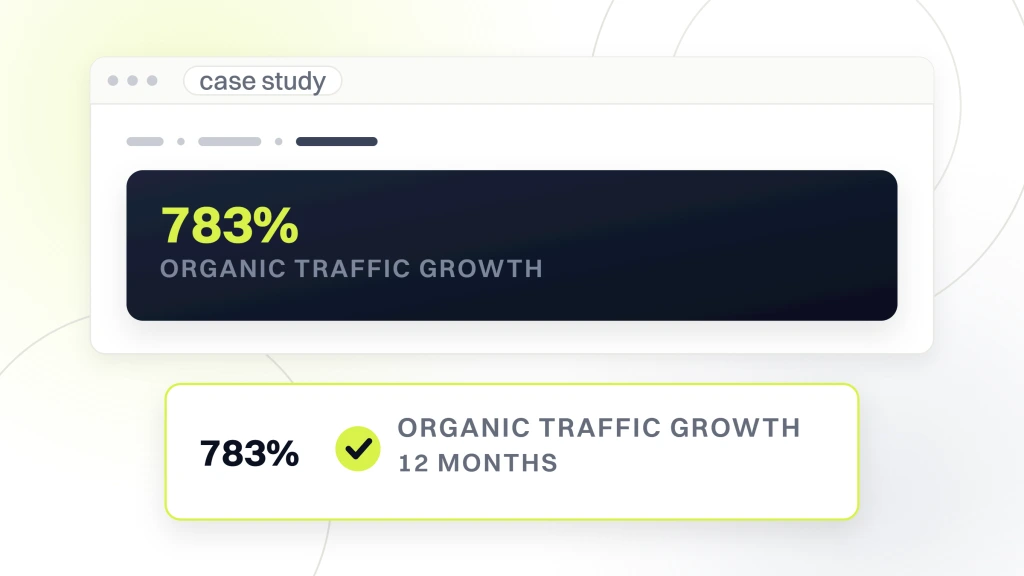
The Beauté Aesthetics New York program delivered 166% qualified lead growth, 88% new user growth, 27% site conversion rate improvement, 783% organic traffic growth, and organic contribution to bookings climbing from 3.2% to 42% inside 12 months. If you’re evaluating a beauty SEO agency this quarter, ask for line-item scopes with named deliverables, named ranking projections, and case studies with real brand names plus revenue trajectory data. Redefine Web runs beauty SEO retainers at $999, $1,499, $2,499, and from $4,500 per month, and the Beauté Aesthetics program ran on the Enterprise tier. See our beauty and skincare web design service for the site rebuild scope that partnered this SEO engagement.