
Search intent behind beauty queries splits four ways, and most brand keyword lists treat them as one bucket. A shopper typing hyaluronic acid serum wants a product pick. Someone typing microneedling near me wants a booking. Retinol before and after signals proof photography. Best drugstore vitamin C signals a comparison table. Each intent needs a different page type, a different structure, and a different conversion path. Grouping every query into one generic pool is why so many brands rank on high-volume beauty seo keywords and still see zero bookings or revenue tied to the traffic. This guide walks the four intent categories, keyword-to-page mapping, ingredient plus benefit long-tail research, procedure plus location patterns for clinics, product plus comparison patterns for DTC, ranking timelines, cannibalization traps, and the twelve-month Beauté Aesthetics New York program that grew organic contribution to bookings from 3.2% to 42% of monthly appointments.
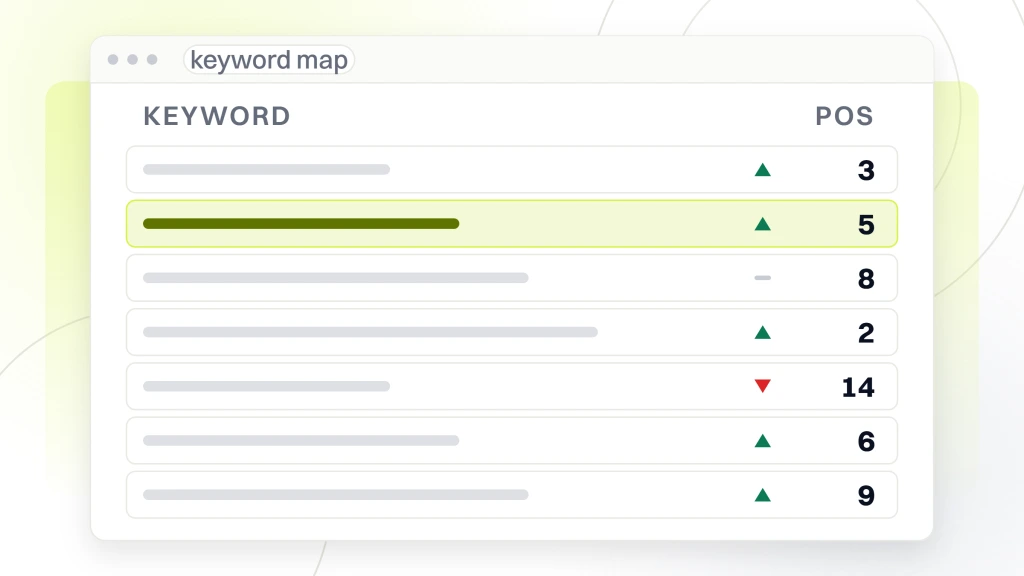
Beauty seo keywords work only when you map every phrase to exactly one target page. Skip that step and Google splits ranking signals across two competing URLs, and both slide out of the top 20 by month 3. That single miss is the biggest reason growth-stage brands stall at page 2 of the SERP after 6 to 9 months of consistent publishing. The fix is a working keyword map spreadsheet, refreshed monthly, with owner assignments on every primary and secondary term. Redefine Web runs these programs on flat monthly retainers at $999, $1,499, $2,499, or from $4,500 per month depending on scope, and 90% of new engagements start with a mapping audit that surfaces 8 to 40 cannibalization risks the client had no idea existed.
The 4 intent buckets behind beauty seo keywords
Every beauty seo keywords list sorts into one of 4 intent buckets. Transactional queries signal buying or booking intent. Best hydrafacial upper east side. Buy drunk elephant vitamin c. These convert at 4% to 8% per organic visit and deserve the biggest slice of the content budget. Investigational queries signal comparison intent. Botox vs dysport. Sunday Riley Good Genes vs SkinCeuticals CE Ferulic. These convert at 1.5% to 3.5%, and the shoppers who do convert become higher-value clients since they arrive fully informed. Informational queries signal research intent. What is niacinamide. Retinol beginners guide. These convert at 0.3% to 0.9% yet build the topical authority Google uses to boost every ranked page on the site.
Navigational queries signal brand intent. Fenty beauty homepage. Glossier login. These carry the lowest conversion volume by count, since branded traffic already ranks well organically, yet the queries deserve tracking. A slip on brand terms usually signals a bigger technical issue on the site. A working program allocates budget across the 4 buckets on a 40 to 55% transactional, 20 to 30% investigational, 15 to 25% informational, and 5 to 10% navigational split. Emerging brands under $3 million push the transactional slice higher to hit revenue quickly. Established brands past $15 million push the informational slice higher to defend topical authority.
Procedure plus location patterns for aesthetic clinics
Inside the beauty seo keywords universe, procedure plus location patterns carry the highest booking intent for clinics, med spas, and aesthetic practices. Botox lower Manhattan, hydrafacial upper east side, and microneedling brooklyn heights narrow intent by both service and geography. Each combination needs a dedicated treatment page with MedicalProcedure plus LocalBusiness schema, and the location modifier threaded through the H1, URL, and body copy 4 to 6 times per 1,000 words. Neighborhood modifiers outperform city-level modifiers, since prestige urban markets compete on hyper-local searches that funnel to walk-in bookings. That is the reason a Manhattan clinic will always outrank a Brooklyn clinic on hydrafacial soho, no matter how strong the Brooklyn brand looks on paper.
Neighborhood-level keyword coverage
Neighborhood-level coverage means a Manhattan aesthetic clinic builds separate landing pages for each service area neighborhood the practice draws from. Upper east side, upper west side, midtown, tribeca, west village, and financial district each get a page. Each page carries the same treatment content with location modifiers threaded through the H1, meta title, first 100 words of the intro, and the alt text of every image. Duplicate content risk gets mitigated by writing 400 to 600 unique words per location page focused on neighborhood-specific details like parking, subway access, and walking distance from major landmarks. Google reads the location-specific text as a real signal of neighborhood service and rewards the page with local pack visibility on the modifier queries.
Procedure comparison queries
Procedure comparison queries like botox vs dysport, coolsculpting vs emsculpt, and microneedling vs microneedling with PRP capture shoppers picking between real alternatives. These queries convert at 1.5% to 3.5% versus 4% to 8% on direct booking queries, and the shoppers who do convert tend to become higher-value clients, since they arrive fully informed on the tradeoff. Comparison content needs an honest side-by-side table with pricing bands, downtime, results duration, and typical candidate profiles for each procedure. Fluff comparison pieces that treat both options as equal usually rank position 20 to 40 for 90 days then drop. Google helpful content system detects the lack of genuine editorial position and demotes the page.
Product plus comparison patterns for DTC skincare
Product plus comparison beauty seo keywords capture shoppers comparing SKUs across brands. Sunday Riley Good Genes vs SkinCeuticals CE Ferulic, Drunk Elephant Protini vs Youth to the People Superfood, and The Ordinary Niacinamide vs Paula Choice 10% each pull 4,000 to 24,000 monthly searches. These sit at ceiling value for DTC. The shopper is 60 seconds away from a purchase decision on a specific product. Comparison content that answers these queries drives 3% to 7% purchase conversion on the featured product when the answer is honest. That conversion rate runs 4 times to 10 times higher than what a category page delivers, so DTC teams that build even 20 well-researched comparison pages a year usually see revenue trajectory bend inside 6 months.
Product review keyword patterns
Product review keyword patterns cover queries like drunk elephant retinol review, sunday riley juno review, and skinceuticals ce ferulic review with 8,000 to 60,000 monthly search volume per query. These reviews convert well only when the review is honest and covers the negatives alongside the positives. Fluff reviews that claim every product is perfect get flagged fast by shoppers and by Google helpful content system. Real reviews with photography, ingredient breakdown, texture assessment, and honest scoring on pros and cons drive real trust with buyers and Google both. That is the reason Sephora and Ulta editorial reviews outrank most brand blogs on their own product queries. Their reviews call out real drawbacks.
Dupe searches and affordable alternatives
Dupe searches like drunk elephant vitamin c dupe, la mer moisturizer dupe, and clinique moisture surge dupe pull 12,000 to 40,000 monthly searches per query. These queries turn complicated for luxury brands, since dupe content risks cannibalizing the luxury brand own PDP traffic. Growth-stage brands can rank on dupe queries positioning their affordable formulation against the premium alternative honestly, gaining trust with buyers who otherwise never enter the brand consideration set. Our beauty and skincare marketing hub covers the dupe-content decision for both premium and growth-stage brands, plus the 12 secondary patterns that pair with the dupe strategy.
Ranking timelines by intent category
Ranking timelines for beauty seo keywords vary by intent, competition, and domain authority baseline. Long-tail informational queries typically rank inside 90 to 180 days on a domain with authority above 30. Transactional procedure plus location queries land inside 180 to 300 days, given how heavy competition runs inside prestige urban markets. Product plus comparison queries rank inside 120 to 240 days depending on brand strength and content honesty. Programs promising top 3 rankings inside 60 days on competitive terms almost always disappoint the client by day 90. Real ranking work compounds slowly at first and then bends upward as the site authority baseline grows.
Sandbox period for new pages
Sandbox period for new pages typically runs 60 to 120 days on a well-authoritative domain and 120 to 240 days on a newer domain. During the sandbox, new pages rank on long-tail queries with volume under 100 monthly searches yet fail to break into top 50 on primary target keywords. Waiting through the sandbox without adding low-quality pages or aggressive link-building is the highest-value move a beauty program can make. Impatient founders often cannibalize their own ranking trajectory by adding thin content or paid links during the sandbox window. The right move is to keep publishing on-cadence and let the sandbox time out on its own schedule.
Compounding gains at month 6
Compounding gains at month 6 mark the point where the first cohort of well-optimized pages hits top 10 organic on primary target keywords and the traffic curve visibly bends upward. From month 6 to month 12, each new page goes live on a stronger site authority baseline and ranks 30 to 60 days faster than pages that went live in month 1. Compounding shows up in earned backlink volume too, since ranked pages attract organic citations that new pages never get. Programs that stall at month 4 or 5 usually stall on technical baseline gaps or thin content, not on Google slowing down.
Case study. Beauté Aesthetics New York
Beauté Aesthetics New York, a Manhattan luxury aesthetics clinic serving male and female clients across cosmetic procedures and wellness services, engaged Redefine Web on a twelve-month program that started with a full keyword audit and mapping exercise. Baseline showed 2 keywords in top 10 organic (both branded), 6 keywords in positions 11 to 20, and 340 keywords in positions 21 to 100. Organic contribution to bookings sat at 3.2% of monthly appointments. Site speed ran slow, SEO landing pages did not exist, and analytics coverage was weak. The keyword strategy layer needed a full rebuild before any technical work could deliver measurable revenue.
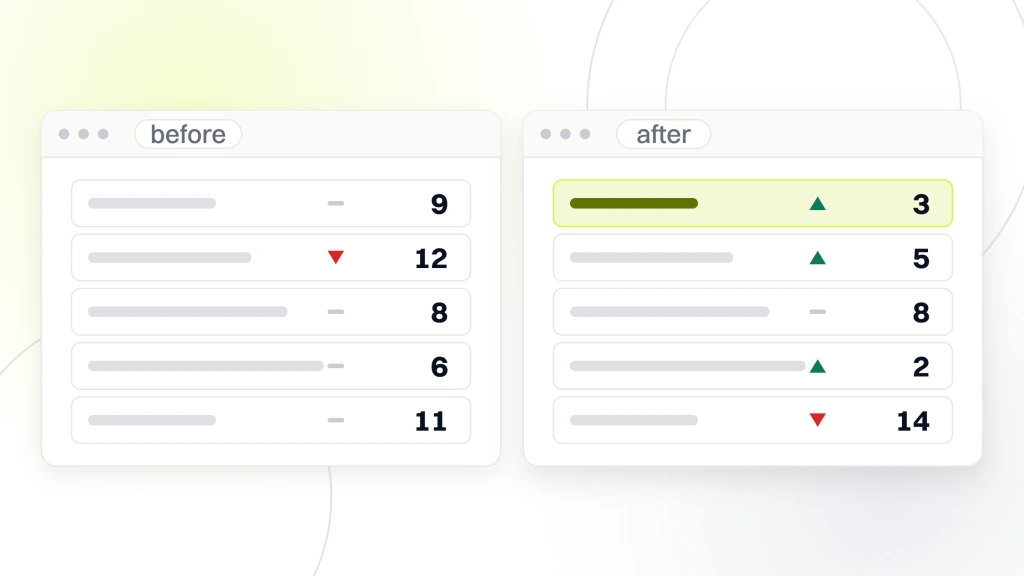
The mapping phase in month 1 identified 340 procedure plus location queries with combined monthly search volume of 82,000. Every keyword got assigned to exactly one target page in a shared spreadsheet. The buildout across months 1 through 6 launched 48 dedicated treatment landing pages. Each page carried MedicalProcedure schema plus LocalBusiness schema, treatment-specific H1s tied to a primary keyword, and 6 to 20 secondary long-tail terms clustered under the primary as H2 subheadings. Copy ran gender-neutral to open male client acquisition, which the previous site had accidentally closed off by leaning heavy on female-coded imagery and language across every page.
By month 12, Beauté Aesthetics New York hit 82 pages ranked top 10 organic on procedure plus location queries. Organic contribution to bookings climbed to 42% of monthly appointments. Male client acquisition grew from 8% of conversions to 24% purely through inclusive targeting and copy rewrite. The program grew qualified leads 166%, new users 88%, and website conversion rate 27% across twelve months. See our beauty and skincare web design service for the site rebuild scope that partnered this keyword mapping engagement. The rebuild ran on WordPress with GA4 analytics and full schema markup coverage.
Avoiding cannibalization across your keyword map
Cannibalization across your keyword map matters more than most content teams realize. Two pages targeting the same primary keyword split ranking signals so neither ranks well, and Google typically demotes both pages inside 30 to 60 days once it detects the split intent. It happens most often when marketing teams add blog posts covering topics that overlap treatment or product pages the site already ranks with. A working keyword map catches the risk during editorial planning rather than after publishing. That is the reason Redefine Web starts every engagement with a mapping audit before a single new page goes live.
Blog versus PDP overlap
Blog versus PDP overlap is the most common source of cannibalization. A brand ships a PDP for vitamin C serum ranked position 5 on best vitamin C serum. The marketing team then publishes a blog post titled Best Vitamin C Serum for Sensitive Skin. Both pages target overlapping intent, Google splits ranking signals across them, and both drop by month 3. Solution. The blog post targets a distinct long-tail secondary keyword like vitamin C serum for sensitive skin and internally links to the PDP for purchase intent, and the PDP retains the primary vitamin C serum ranking. The blog post grows the topic cluster and feeds internal PageRank into the PDP.
Location page overlap for multi-location clinics
Location page overlap for multi-location clinics happens when a clinic with three New York locations publishes three near-identical treatment pages. Each page competes with the others on the same procedure query and Google picks one to rank based on internal linking and thin content signals. Solution. Each location page carries unique neighborhood-specific content covering parking, subway, walking distance, and location-specific practitioner bios. Our beauty website maintenance service monitors cannibalization risk during ongoing content updates and flags overlap risks inside 24 hours of a new page going live.
Tracking beauty seo keywords performance every month
Monthly tracking separates programs that compound from programs that stall. Weekly rank tracking pulls Google Search Console data on target keywords plus competitor benchmarks. Monthly reporting cadences summarize position changes, click-through rate on ranked keywords, average position across the tracked set, and organic session volume tied to each page. Programs without weekly tracking miss ranking regressions until they show up in monthly revenue reports 45 to 60 days late. That delay is usually what turns a small technical issue into a 15% to 30% traffic drop the client cannot easily recover from.
Search Console impressions and clicks
Search Console impressions and clicks show early ranking signals 30 to 60 days before position changes stabilize. A new page climbing from position 40 to position 15 in Search Console impressions is a clear signal the page is on track to break into top 10 within 60 to 90 days. Watching impression trends per page weekly catches promising pages that need one more content refresh to break into top 10, and it separates them from pages that need more inbound links or better internal linking to break through the ceiling. That is the single most useful tracking habit inside a mature program.
Position tracking tool selection
Position tracking tool selection between Ahrefs, Semrush, and Google Search Console depends on program stage. Google Search Console is free and accurate for the site own keywords with weekly impression and click data that shows ranking gains 30 to 60 days before positions stabilize. Ahrefs runs $79 to $449 per month and covers competitor tracking plus backlink data plus keyword research. Semrush runs $129 to $449 per month and covers competitor tracking plus PPC keyword research plus content audit tools. Most beauty programs pair Google Search Console with one paid tool depending on the team dominant workflow.
Local clinic versus DTC program differences
The split comes down to geographic modifiers, page structure, and conversion path. Local clinic programs anchor on procedure plus location patterns with 40 to 340 keywords in scope. DTC programs anchor on ingredient plus benefit, product plus comparison, and category-level patterns with 800 to 4,000 keywords in scope. Local programs need LocalBusiness plus MedicalProcedure schema. DTC programs need Product plus Review plus BreadcrumbList schema. Confusing the two strategies wastes 40% to 60% of the SEO budget. Most agencies that only work one side of the split usually try to force the wrong playbook when a client on the other side signs up.
Geographic modifiers for local clinics
Geographic modifiers for local clinics thread through every H1, meta title, intro paragraph, and image alt text on treatment pages. Modifiers include city name (Manhattan, Brooklyn), neighborhood (Upper East Side, West Village), and near-me variants. Overusing modifiers looks spammy and gets flagged by Google helpful content system. Underusing modifiers means the page never ranks on the local booking queries that convert best. The sweet spot lands around 4 to 6 modifier uses per 1,000 words of body copy, distributed naturally across relevant sections rather than clustered in a keyword-stuffing block near the footer.
Category taxonomies for DTC
Category taxonomies for DTC organize the site into hierarchical categories like Skincare, Haircare, Body, and Makeup, with subcategories for concern (dry skin, oily skin) and product type (serum, moisturizer, cleanser). Each category and subcategory needs a dedicated landing page with 400 to 1,200 words of unique content plus curated product listings. Breadcrumb navigation with BreadcrumbList schema helps Google understand the site hierarchy. Growth-stage DTC brands often skip the category page layer and lose 30% to 60% of potential organic traffic to competitors that built the taxonomy properly.
Case study. Abigail Ahern luxury DTC
Abigail Ahern, a global leader in luxurious, trend-defying interiors, offers high-quality furnishings and accessories that inspire bold, lasting design. Strong brand recognition had not translated into scaleable digital growth. Their marketing relied too heavily on discounts and branded searches, drawing short-term traffic yet weakening premium positioning. In August 2020 they partnered with Redefine Web to unify SEO and paid-media strategies, with the dual goals of boosting ecommerce sales and expanding their online audience. The engagement mirrors the DTC pattern. Deep category page work, honest product review terms, and BreadcrumbList schema across the full taxonomy.
Redefine Web executed a full-funnel program across organic and paid channels. SEO efforts focused on optimizing category and product-level pages with enriched content to strengthen organic rankings and support higher-intent searches. Across the first 12-month window, ecommerce revenue grew 179%, paid search return on ad spend grew to 1,588% (more than double the previous year), and paid social return on ad spend hit 3,000%, all without adding a single discount banner. The lesson for beauty brands. Category page depth plus honest, well-mapped keywords beats a discount-driven traffic strategy every time on both revenue and brand equity.
Budget allocation across beauty seo keywords intent tiers
Budget allocation across the 4 intent tiers should reflect the conversion value of each intent category. Transactional keywords deserve 40% to 55% of content budget, since they drive direct booking or purchase revenue. Investigational keywords deserve 20% to 30% for the comparison consideration they drive in later conversion. Informational keywords deserve 15% to 25% for the topical authority Google uses to boost every page on the site. Navigational branded keywords deserve 5% to 10%, since branded search already ranks well organically. Redefine Web SEO retainers run $999, $1,499, $2,499, or from $4,500 per month depending on the number of pages in scope.
Content production cost per page
Content production cost per page varies by intent and word count. A 1,400 word ingredient article runs $400 to $900 fully loaded across research, writing, editing, and photography. A 2,400 word treatment landing page runs $1,200 to $2,400, since clinical accuracy review and MedicalProcedure schema markup takes specialist time. A 3,600 word investigational comparison post runs $1,600 to $3,200, since side-by-side product testing and honest scoring takes weeks. Budgeting by intent category matters more than budgeting by word count, since intent drives the labor mix.
Total annual keyword content budget
Total annual content budget for a growth-stage beauty brand typically runs $80,000 to $180,000 covering 60 to 140 pages produced across twelve months. Established brands past $15 million annual revenue run $180,000 to $340,000 covering 120 to 240 pages. Emerging brands under $3 million usually run $40,000 to $80,000 covering 24 to 60 pages, focused tightly on the top 40% highest-intent keywords. Programs promising 400 pages at $20,000 total budget usually deliver thin content that never ranks. Real content production has a floor cost driven by research and editorial standards.
Case study. Boogie Board paid plus organic
Boogie Board, creator of the first reusable writing tablet in 2009, pioneered sustainable digital writing with liquid crystal technology, reducing paper use and inspiring creativity. They sell millions of units across 40+ countries. Their Google Ads lacked precise targeting, wasting spend and limiting visibility. Conversion rates suffered from unoptimized landing pages that did not showcase product benefits clearly. Redefine Web ran a multi-faceted approach. Keyword research plus targeted Google Ads plus LinkedIn Ads to extend reach. Audience-specific ad creatives plus optimized landing pages simplified shopping. Lead magnets captured engaged prospects. Automated email follow-ups plus retargeting drove repeat purchases across a $650,000 annual ad budget.
Results. Boogie Board boosted conversion rate 11% through optimized landing pages and refined ad targeting. Cost per sale landed at $31 through efficient conversion optimization. Managed budget of $650,000 delivered sustainable revenue growth alongside the conversion gains. The Boogie Board engagement is a reminder that organic search is never a standalone lever. Paired with well-targeted paid campaigns and email nurture, organic search compounds faster and defends against seasonal traffic dips more reliably. Beauty brands that skip the paired channel work usually see organic traffic swing 20% to 40% between the peak booking season and the off-season, which crushes cash flow planning.
Tools that map beauty seo keywords cleanly
Beauty seo keywords research runs on a stack of 3 to 5 tools depending on program stage. Google Search Console is free and delivers accurate impression and click data on ranked keywords 30 to 60 days before positions stabilize. Google Trends surfaces seasonality patterns on beauty categories (retinol searches spike in fall, hydration searches spike in winter). Ahrefs at $79 to $449 per month covers competitor tracking plus backlink data plus 25 billion keyword suggestions. Semrush at $129 to $449 per month covers competitor tracking plus PPC keyword research plus a content audit module. Most beauty programs pair Search Console with one paid tool depending on the team dominant workflow.
Free tooling covers 60% of the ground a paid stack covers. Answer the Public, Keyword Sheeter, and Google autocomplete pull hundreds of long-tail question-shaped queries per seed term. For a brand under $3 million annual revenue with 24 to 60 planned pages in year one, free tooling is usually enough to build a clean map. Once the program scales past 60 pages a year, competitor tracking and backlink data become must-have and a paid tool pays for itself inside 45 days.
Wrapping up. 5 patterns that compound
A beauty seo keywords strategy that compounds for real revenue comes down to 5 patterns. Map every keyword to exactly one target page. Structure content around the 4 intent categories with distinct page types for each. Cluster secondary keywords under primary keywords inside single pages rather than splitting them across duplicate pages. Track weekly Search Console impressions and clicks alongside monthly position reports. Allocate budget by intent category rather than by word count. Programs that run all 5 patterns compound organic contribution to revenue year over year in a way single-page-focused programs never do.
The Beauté Aesthetics New York twelve-month program grew qualified leads 166%, organic bookings from 3.2% to 42% of monthly appointments, and website conversion rate 27%. It ran this same 5-pattern strategy across 48 treatment landing pages. If your beauty program needs an audit and mapping exercise, book a call and we will walk the last 3 programs we ran end to end across skincare DTC, aesthetic clinics, and haircare growth-stage brands. Redefine Web SEO retainers run $999, $1,499, $2,499, or from $4,500 per month depending on scope, and every engagement opens with a mapping audit.