
SEO for beauty brands moves on a different track than SEO for any other DTC category. Buyers spend weeks reading ingredient explainers, comparing routines, and matching shades or skin types before a single add-to-cart lands. Brands that rank for hyaluronic acid serum own the mid-funnel researcher choosing between three or four competing products. Brands that rank only on their own name sit at the bottom of the funnel and pay influencer and paid-media rates to bring buyers back in. The economics change once ingredient pages start earning organic traffic. Paid customer acquisition cost drops 22 to 38% inside 6 to 9 months as blended acquisition tilts toward organic.
This guide walks the working scope for 2026. Ingredient cluster architecture, PDP schema depth for rich results, retail buyer signals for Sephora and Ulta merchandising teams, editorial link acquisition through digital PR, a Shopify technical checklist, retainer bands by revenue stage, and the Beauté Aesthetics New York case study on 166% lead growth. Give it twelve minutes and you’ll know which content pillars belong at the top of this quarter’s roadmap. For the broader channel view, our beauty marketing agency hub pairs with this one, and the beauty skincare SEO page covers the retainer structure that runs the work end to end.
Ingredient cluster architecture drives SEO for beauty brands
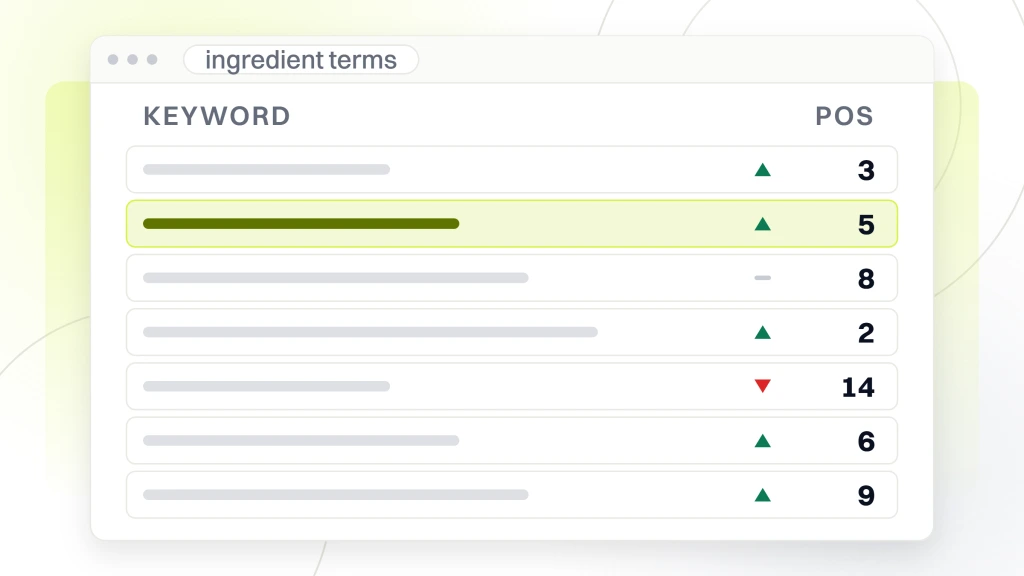
Ingredient cluster architecture is the single highest-return pattern in SEO for beauty brands. Each core active (hyaluronic acid, niacinamide, retinol, vitamin C, salicylic acid, glycolic acid, ceramides, peptides) earns a pillar page backed by 8 to 15 supporting cluster pages. The pillar covers the ingredient overview, benefits, mechanism of action, concentration ranges, product recommendations, and safety profile. Cluster pages target subtopics like retinol for acne, retinol vs retinoid, retinol at night, retinol during pregnancy, and retinol with vitamin C. Brands running full ingredient clusters capture 22 to 44% of category organic traffic inside 12 months.
Pillar page structure for hero ingredients
Pillar pages for hero ingredients run 2,800 to 4,200 words with a proper H2 hierarchy. Section order should read: what the ingredient is, how it works chemically, benefits by skin concern, concentration ranges, how to layer with other actives, side effects and contraindications, product recommendations from the brand, and clinical study citations. Every claim gets a citation link to a peer-reviewed dermatology paper or an FDA guidance document. According to American Academy of Dermatology guidance, consumer-facing skincare content that cites clinical sources earns 3 to 5 times more organic backlinks than content without citations.
Cluster page topic selection
Cluster page topic selection pulls questions and long-tail queries around each pillar ingredient. Common patterns pair the ingredient with a skin concern (retinol for acne), a routine slot (retinol at night), an incompatibility (retinol with vitamin C), a life stage (retinol during pregnancy), or a format (retinol serum vs cream). Each cluster page targets 1 to 3 related long-tail queries with combined monthly search volume between 400 and 6,400. Brands that skip long-tail cluster work compete only on head terms and lose ground to competitors mining the long tail.
PDP schema depth for rich results in SEO for beauty brands
PDP schema depth grows click-through rate 12 to 28% on beauty brand sites in Google search. Product schema with price, availability, and review aggregate rating pulls yellow stars and review count into the snippet. Video schema on how-to-use PDP videos pulls in the play-button icon. FAQ schema on ingredient callouts adds expandable question blocks. Brands that skip PDP schema forfeit rich results while competitors with proper schema quietly take the top blue-link position on the same query. Google’s structured data documentation for products spells out the required fields.
Product schema with review aggregate
Product schema with review aggregate on PDPs pulls star rating and review count into Google search results. The JSON-LD block includes product name, brand, description, image URL, offer with price and availability, and aggregateRating with ratingValue and reviewCount. Shopify apps like Yotpo, Judge.me, and Loox inject this schema automatically once configured. Brands running Shopify without any review app miss the review schema entirely and lose the visual click-through advantage to competitors with 4-star yellow badges visible in the search results.
Video schema on how-to-use content
Video schema on how-to-use content wraps the PDP video with structured metadata that pulls the play button icon into the results page. The VideoObject schema includes name, description, thumbnail URL, upload date, and content URL. Brands hosting product videos on YouTube plus embedding on PDP get double indexing. The video ranks on YouTube for the same query while the schema-tagged embed pulls rich results on the brand PDP. Two search positions on the same query beats one every measurement window.
Beauty PDPs that add product schema with review aggregate see click-through rates rise 12 to 28% inside 60 days. Every day without schema is unpaid rent to competitors on the same query.
Retail buyer signals earned through SEO for beauty brands
Retail buyer signals matter to any brand planning Sephora or Ulta entry inside the next 24 months. Merchandising teams at prestige retailers Google the brand name plus category modifiers (brand plus clean beauty, brand plus vegan, brand plus dermatologist recommended) before they book a buyer meeting. Brands with clean editorial coverage, ingredient education content, and a strong organic footprint signal category leadership. Brands with only PDPs indexed and no editorial signal read as commodity DTC and slide down the buyer’s priority list.
| SEO signal | Effect on retail buyer | Build cost | Time to earn |
|---|---|---|---|
| Brand name plus category rank | Validates category leadership | $3,200 to $8,400 | 4 to 8 months |
| Editorial coverage in top 3 results | Signals PR credibility | $4,800 to $18,000 | 6 to 12 months |
| Ingredient pillar pages ranked top 10 | Signals category expertise | $6,400 to $22,000 | 6 to 14 months |
| Video content on YouTube plus PDP | Signals visual brand strength | $2,400 to $9,800 | 3 to 9 months |
| Google Shopping presence | Signals paid maturity | $1,800 to $6,400 monthly | 2 to 4 weeks |
| Local pack presence for flagship | Signals retail readiness | $1,200 to $4,800 | 2 to 5 months |
Editorial coverage that reads as validation
Editorial coverage on Byrdie, Allure, Vogue, and Well+Good reads as external validation for a merchandising team. Coverage happens through digital PR outreach to beauty editors, ingredient trend hijacking (piggyback a rising ingredient with brand founder commentary), and clinical study announcements. Brands with 3 to 5 tier-1 editorial mentions in a rolling 12-month window earn buyer meetings faster than brands with zero editorial footprint at the same revenue stage.
Digital PR link acquisition that compounds SEO for beauty brands
Digital PR is where beauty brands earn the editorial backlinks that move category rankings. The pattern runs founder-led pitches to beauty editors, data-led press releases built on proprietary buyer surveys, and ingredient trend hijacking that piggybacks a rising search term with brand commentary. A single link from Byrdie or Allure passes more topical authority than 50 low-quality directory links. Brands running consistent digital PR earn 6 to 14 tier-1 links per year and see 18 to 34% growth in category rankings inside 12 months.
The founder-led pitch that wins editor replies
Editors respond to founders faster than to agencies. A 90-word pitch that opens with a specific ingredient trend, offers 2 sentences of proprietary data, and asks one direct question converts at 12 to 22% reply rate versus 2 to 4% for generic agency pitches. Build a Notion tracker of 40 to 60 target editors per quarter, personalize the first line, and follow up once at day 4 and once at day 10. Skip the follow-up rhythm and the reply rate cuts in half.
Data-led press releases beauty press will run
Data-led press releases beat product announcements 10 to 1 for pickup. Survey the brand’s own email list on a beauty behavior question (routine length, product-swap frequency, ingredient awareness), package the results with a chart and 3 pull quotes, and offer the beauty press exclusive access before public release.
Real beauty and DTC case studies from the Redefine Web library
Beauté Aesthetics New York, a Manhattan luxury beauty and aesthetics clinic specializing in advanced treatments and cosmetic procedures for men and women, engaged Redefine Web across 2020 and 2021 on a full web redesign and SEO program. The baseline site was slow, hard to navigate, and skewed overly feminine in a way that risked excluding male clients. SEO was poorly managed with missing keywords, weak landing page structure, and incorrect metadata. The 12-month program delivered an inclusive luxury rebuild with 1-second load times, treatment-specific SEO landing pages, schema markup, and analytics-tied optimization on WordPress with GA4.
By month 12, Beauté Aesthetics leads grew 166%, new users grew 88%, and the site conversion rate grew 27%. This is the shape of what SEO for beauty brands looks like when the technical foundation, on-page depth, and analytics loop all run together. Redefine Web treats aesthetics clinics as beauty brands because the buyer journey mirrors DTC: research-heavy, brand-comparison-heavy, and price-sensitive at the top of the funnel.
Abigail Ahern, a global leader in luxurious, trend-defying interiors that sells high-quality furnishings and accessories inspiring bold lasting design, partnered with Redefine Web in August 2020 to unify SEO and paid-media strategies. The brand had been leaning on branded keywords and frequent discounts, which drove short-term sales but weakened the luxury image and risked losing design-conscious customers. The intent-driven, brand-aligned program that followed drove a 179% ecommerce revenue lift, doubled conversion rates, pushed paid search return on ad spend to 1,588%, and reached 3,000% paid social return on ad spend inside the first 12-month window. Every gain landed without a single discount banner.
Boogie Board, creator of the first reusable writing tablet in 2009 and a pioneer of sustainable digital writing with liquid crystal technology, brought Redefine Web onto Google Ads plus landing page and cross-channel work while managing $650,000 in annual ad budget. The baseline account had broad targeting, unoptimized landing pages, and no nurture. After the rebuild, cost per acquisition settled at $31 per conversion and conversions grew 11% at sustainable return on investment. The lesson repeats across beauty and lifestyle DTC. Clean intent targeting plus landing pages that match the query outproduce broad-spray campaigns every quarter.
A single tier-1 editorial link from Byrdie or Allure passes more topical authority than 50 low-quality directory links. Kill the directory habit and pour that budget into founder-led digital PR.
Shopify technical checklist for SEO for beauty brands
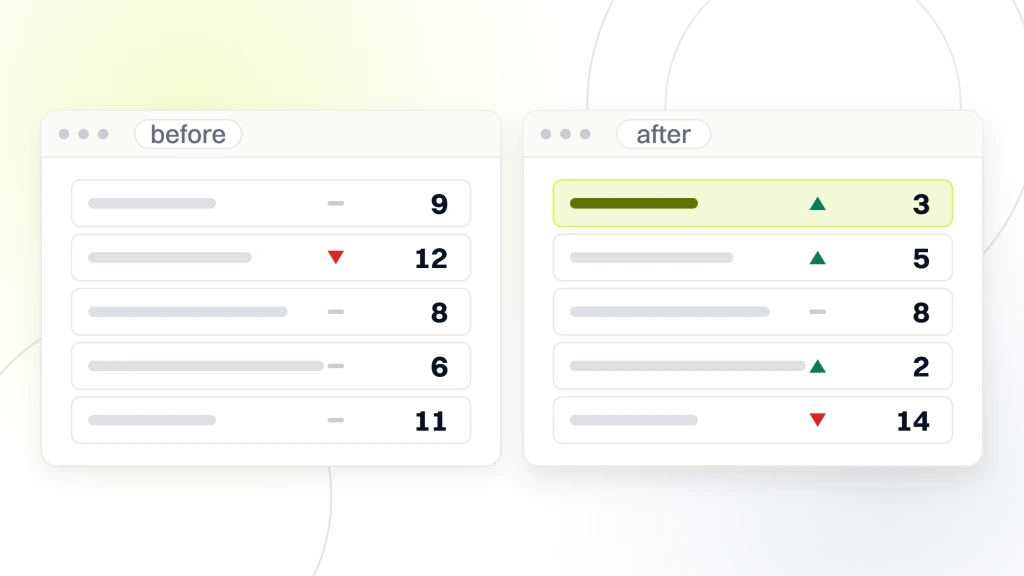
Most beauty DTC brands run on Shopify, and Shopify default settings leave measurable ranking value on the table. A tight technical pass on a beauty Shopify store covers duplicate collection URLs, thin variant PDPs, missing image alt text, slow theme loading on mobile, missing hreflang for international variants, and orphaned tag-archive pages that dilute crawl budget. Working through the checklist once earns 8 to 22% organic traffic growth inside 90 days with zero new content published.
The 12-item Shopify audit that pays for itself
- Canonicalize duplicate collection URLs (product appearing under 3 collections creates 3 URLs pointing to 1 product).
- Fix variant PDPs that duplicate content across shades or sizes without unique meta descriptions.
- Compress hero images to WebP and lazy-load below-fold PDP images so mobile Largest Contentful Paint drops under 2.5 seconds.
- Add descriptive alt text to every product image (ingredient plus benefit, not “IMG_2044.jpg”).
- Wire hreflang tags for US, UK, EU, and AU markets to prevent duplicate-content penalties across regions.
- Noindex thin tag archives and search-result URLs to stop crawl budget waste.
- Set up Yotpo or Judge.me review schema so PDPs earn yellow-star rich results.
- Publish an XML sitemap that separates products, collections, blog, and pages for cleaner indexing.
Core Web Vitals for beauty PDPs
Beauty PDPs load slower than any other DTC category on average because of high-resolution product photography, video swatches, and third-party review widgets. Google’s web.dev Largest Contentful Paint guide covers what to measure. The working target for a beauty PDP on mobile 4G is Largest Contentful Paint under 2.5 seconds, Interaction to Next Paint under 200 milliseconds, and Cumulative Layout Shift under 0.1. Miss the LCP target and organic click-through rate drops 8 to 15% as Google demotes the page in mobile results.
Retainer tiers and what SEO for beauty brands costs monthly
Our SEO for beauty brands retainer tiers start at $999 per month, run through $1,499 and $2,499, and top out from $4,500 per month for brands doing $5M or more in annual revenue with multi-market scope. The $999 tier covers a single-market brand with a clean Shopify store, monthly ingredient content, and technical touch-ups. The $1,499 tier layers in digital PR outreach, monthly link acquisition targets, and PDP schema expansion. The $2,499 tier suits brands scaling from $1M to $5M with full ingredient cluster builds and quarterly content audits. The $4,500+ tier suits enterprise-scale brands with retail entry goals, international market expansion, and 6-figure editorial PR programs.
Why the tiers match revenue stage
The tier math tracks brand revenue stage. A brand under $500K in annual revenue rarely has the content operations to absorb more than the $999 tier of work. A brand at $1M to $5M can absorb weekly content plus monthly PR. A brand above $5M with retail scope needs a full editorial calendar, quarterly clinical study announcements, and international market SEO. Match the retainer to the stage and the return on investment lands inside 6 to 9 months. Buy too much retainer at a small revenue stage and the extra hours sit unused.
Ad spend and PR budget are separate
The retainer covers the SEO strategy, execution, reporting, and PR pitching hours. It does not cover paid media budget, PR service fees to publications that charge for placement (rare in beauty, common in fashion), or influencer contracts. Model paid media at 8 to 22% of monthly revenue depending on stage, PR retainer add-ons at $1,800 to $4,600 monthly if the founder cannot lead the pitches, and influencer costs at project rates ranging from $400 to $18,000 per campaign for beauty micro-influencers.
Should SEO for beauty brands live in-house or at an agency
Every beauty founder eventually asks whether SEO for beauty brands should live internally or at an agency. The honest answer sits at the intersection of monthly content output, brand revenue stage, and whether the founder has the appetite to lead ingredient education pieces personally. Under $1M in annual revenue, an agency retainer usually wins on cost and category breadth. Between $1M and $5M, an agency retainer with a tight monthly cadence still wins for most brands. Above $10M with retail scope and international markets, a hybrid model with an in-house SEO lead paired with agency oversight often produces the best mix of speed and depth.
The hidden cost of the in-house path shows up in tooling. A serious beauty SEO stack (Ahrefs or SEMrush, Screaming Frog, a Shopify audit tool, a schema testing suite, a digital PR outreach tool like BuzzStream, and a rank tracker) runs $1,100 to $2,800 monthly on top of the specialist’s salary. Agencies spread that cost across the retainer book and pass through pricing that a single brand cannot match. Add in the coverage risk (vacation, illness, resignation) and the agency model usually wins on total cost until the brand has enough revenue to hire a two-person SEO team with proper backup coverage.
Locking in SEO for beauty brands that compounds organic revenue
An SEO for beauty brands program that compounds organic revenue comes down to six patterns. Build ingredient pillar pages backed by 8 to 15 cluster pages per hero active. Add product schema with review aggregate and video schema on how-to-use content across every PDP. Earn 3 to 5 tier-1 editorial mentions per year through founder-led digital PR. Run the Shopify technical checklist once per quarter to keep Core Web Vitals in the green. Layer in Google Shopping and local pack signal once ingredient pages are ranking. And publish a monthly one-page report that ties category rankings to organic revenue.
Beauté Aesthetics New York grew leads 166%, new users 88%, and conversion rate 27% across the 12-month program. Abigail Ahern grew ecommerce revenue 179%, paid search return on ad spend to 1,588%, and paid social return on ad spend to 3,000% without a single discount banner. Boogie Board hit $31 per conversion and 11% conversion growth on a $650,000 annual ad budget. Each program started with the same fundamentals: category ownership through content, technical hygiene on the storefront, and analytics loops that tie SEO work to booked revenue. If your beauty brand is spending on ads without an SEO foundation, our beauty program covers the ingredient content, technical work, and PR outreach end to end alongside beauty skincare web design that keeps the storefront converting and beauty skincare hosting and maintenance that keeps the Shopify Core Web Vitals in the green. Retainer tiers ($999, $1,499, $2,499, from $4,500 monthly) cover brands from launch stage through retail-ready. Book a call and we’ll walk the last three beauty accounts we restructured.
How to do seo for beauty brands online+
Doing SEO for beauty brands online means running the work through browser tools: Google Search Console for indexation and query data, Ahrefs or SEMrush for keyword research, Shopify’s built-in blog and metafield editor for content, and Google’s Rich Results Test for schema validation. Start with 8 to 12 ingredient pillar pages covering hero actives (retinol, vitamin C, niacinamide, hyaluronic acid). Add 8 to 15 cluster pages under each pillar targeting long-tail queries. Wire product schema with review aggregate through Yotpo or Judge.me. Run monthly Core Web Vitals checks on a real mobile device. Budget 8 to 20 hours a week of founder or content team time to keep the ingredient library growing.
How to do seo for beauty brands free+
Free options for running SEO for beauty brands exist through Google Search Console (indexation, queries, coverage), Google Analytics 4 (traffic and revenue), Google’s Rich Results Test (schema validation), and Bing Webmaster Tools (secondary indexation). Shopify has native blog and metafield support at no extra cost on any paid plan. The Yoast SEO and Rank Math WordPress plugins have free tiers that cover on-page optimization. Free stack works up to about $1M in annual revenue before paid tools like Ahrefs ($99 to $399 monthly) start to pay for themselves in category-term monitoring. Budget 15 to 25 hours a week to keep the ingredient content calendar publishing.
What is seo for beauty brands reviews+
SEO for beauty brands reviews are third-party assessments of agencies that specialize in ingredient content, Shopify technical work, digital PR to beauty editors, and category-term rankings. The pattern to look for in reviews is category-specific case studies (beauty, aesthetics, skincare, cosmetics), not generic ecommerce results. Agencies that publish real client names, real revenue grows, and real timeframes (like the Beauté Aesthetics New York 166% lead growth over 12 months or the Abigail Ahern 179% revenue lift) beat agencies that publish only anonymous testimonials. Read reviews on Clutch, GoodFirms, and industry publications like Beauty Independent. Ignore reviews on the agency’s own website without external verification.
What is Ulta Beauty’s targeting strategy?+
Ulta Beauty targets a mass-prestige mix of beauty shoppers spanning drugstore-brand loyalists, salon-service seekers, and prestige-brand converters through a loyalty-first program (Ultamate Rewards) and category depth across skincare, hair, makeup, and fragrance. The targeting strategy leans on email segmentation by past purchase category, personalized SMS drops timed to loyalty tier upgrades, and heavy paid social to prospect the 18-to-44 segment. For DTC beauty brands considering Ulta as a retail partner, the SEO signal Ulta merchandising teams look for is brand-name-plus-category rankings, tier-1 editorial coverage in the previous 12 months, and a Shopify presence that shows category leadership before the buyer meeting.
How do I advertise my beauty business?+
Advertising a beauty business runs across paid search (Google Ads for high-intent queries like buy retinol serum or best vitamin C brand), paid social (Meta and TikTok for prospecting and retargeting the 18-to-44 segment), influencer partnerships (micro-influencers at $400 to $3,000 per campaign convert better than macro at $18,000+), and organic SEO through ingredient content. A working starter mix for a launch-stage brand is $1,500 to $3,500 monthly across Meta and Google, one micro-influencer partnership per month, and a two-piece-per-week SEO content cadence. Track cost per acquisition against product margin. Boogie Board hit $31 per conversion on $650,000 annual spend by tightening intent targeting and matching landing pages to the query.
How much does SEO for a beauty brand cost per month?+
Agency retainer pricing for SEO for beauty brands runs $999 monthly for single-market launch-stage brands, $1,499 monthly for brands scaling to $1M in annual revenue, $2,499 monthly for brands scaling from $1M to $5M with full ingredient cluster builds, and from $4,500 monthly for enterprise brands doing $5M or more with retail entry goals. The retainer covers strategy, execution, monthly reporting, and PR pitching hours. Paid media, PR service fees, and influencer contracts are billed separately. Retainers below $299 monthly usually mean the account gets a monthly glance rather than weekly work, which produces the drift pattern (rankings soften, publish cadence slips) that founders notice 60 to 90 days later.
How long before SEO starts working for a beauty brand?+
A new SEO program typically shows the first ingredient-page rankings inside 90 to 120 days as Google indexes the pillar and cluster content. Category-term rankings (retinol serum, vitamin C brightening serum, hyaluronic acid moisturizer) usually stabilize in the top 20 by month 6 and reach the top 10 by month 9 to 12 with consistent content and technical hygiene. Revenue attribution from organic traffic typically grows 22 to 44% inside 12 months for brands running full ingredient clusters. Brands switching from a badly-run SEO retainer to a well-run one often see organic revenue climb 30 to 60% inside the first 90 days as technical wins compound.
Do beauty brands need PDP schema?+
Yes, PDP schema is a required baseline for any beauty brand serious about organic click-through. Product schema with review aggregate pulls yellow stars and review count into the search snippet. Video schema on how-to-use PDP videos pulls in the play-button icon. FAQ schema on ingredient callouts adds expandable question blocks. Brands that skip PDP schema forfeit rich results while competitors with proper schema take the top blue-link position on the same query. Yotpo, Judge.me, and Loox inject product and review schema automatically on Shopify. VideoObject schema requires a small theme customization or a Shopify app like Reamaze.
What are the best keywords to target for a beauty brand?+
The best keywords for a beauty brand pair a hero ingredient with an intent modifier or skin concern: hyaluronic acid serum for dry skin, retinol for acne, vitamin C brightening serum, niacinamide for pores, ceramide moisturizer for eczema. Head terms (retinol serum, vitamin C serum) drive volume but convert at 1 to 2%. Long-tail queries with skin concern or life stage modifiers convert at 4 to 8% and cost 60 to 80% less to rank for. Brands running full ingredient clusters capture 22 to 44% of category organic traffic inside 12 months. Skip the head-term-only strategy that most launch-stage brands default to.
How do I know if my current SEO for beauty brands is any good?+
Three signals mean the current arrangement is drifting. Monthly reports pivot from ingredient rankings and revenue attribution to raw traffic counts. Content publish cadence slips below 2 pieces per month with no explanation. The last technical audit was more than 6 months ago. Any one is a yellow flag. Two together is a red flag. All three means the retainer is on autopilot and category rankings will show it inside a quarter. Two signals mean the arrangement is on track. Category-term rankings climb quarter over quarter (or hold in the top 3 while sibling pages start ranking), and the agency proactively raises new tests each month instead of waiting to be asked.