
A DTC founder called our desk at 11:47 PM last November after her shared managed WordPress plan had returned 502 errors for 22 minutes into a Friday drop, and the support chat quoted a 90-minute wait for a live engineer. The drop window was 60 minutes long. By the time an engineer paged in, the drop was over and $18,400 in forecast revenue had walked away. The problem was not that any single provider is bad. Managed hosting for fashion brands has to be sized on drop-day support and autoscaling behavior, not on the shared-tier sticker price.
This comparison walks through the 5 options DTC apparel founders actually consider. WP Engine, Kinsta, Rocket.net, Shopify managed, and self-managed cloud. Each gets scored on drop-day response, autoscaling, weekend cover, image CDN, and the monitoring stack layered on top. Numbers run on real accounts our fashion hosting retainer desk has held for the past 18 months.
What managed hosting for fashion brands actually buys
The fashion managed tier buys a stack that carries drop-day traffic, holds image-heavy PDPs on mobile, and answers a ticket inside a window short enough to matter during a launch. The provider takes on server patching, security audits, PHP and MySQL upgrades, backups, and CDN wiring so the brand focuses on product, not on debugging Linux packages at midnight.
The 6 layers a managed plan should include
A managed plan covering a DTC storefront should include 6 operating layers. Compute origin with autoscaling from 1 to 5 or 10 instances during drops. Image CDN with automatic AVIF and WebP conversion plus responsive srcset. Database tier with read-replica scaling on WooCommerce, or platform-managed scaling on Shopify. Edge cache with cart-safe rules that bypass authenticated pages. Automatic daily backups with 30-day retention plus a staging environment that mirrors production. A support desk with response times short enough to save a drop.
Plans that quote only compute and storage without the other 5 layers are shared hosting under a different label. The fashion managed tier means the whole operating stack, not the compute layer alone. This guide walks through which providers actually deliver all 6 against DTC drop patterns, not against static WordPress blog patterns.
Where the reference numbers come from
Every benchmark in this guide runs on Redefine Web accounts sitting between $600,000 and $42 million in annual revenue across 14 active DTC apparel and lifestyle brands. The accounts split roughly 55% WooCommerce on managed WordPress hosts, 35% Shopify Plus, and 10% Shopify Basic or Advanced. Drop cadence runs 4 to 14 launches per quarter. Mobile traffic sits at 76 to 89% of sessions across women’s apparel accounts. Support numbers below come from real ticket timestamps our desk logs against each provider over the past 18 months, not from the provider’s marketing SLA page.
Why managed hosting for fashion brands is a different problem
Fashion managed hosting is a different problem from generic managed WordPress. The traffic curve, the image weight, and the support-window requirement all sit outside the pattern most managed hosts sized their plans against. Fashion breaks the assumptions baked into a generic managed plan, so the shortlist changes.
The drop-window support pattern
Drop-window support is the pattern generic managed hosts miss. A DTC brand runs drops on Friday nights or Saturday mornings when the marketing team pushes the audience to the storefront in a 30 to 90 minute window. If the storefront breaks during that window, the ticket has to reach a live engineer inside 5 to 15 minutes or the drop is gone.
Generic managed hosts quote a 60-minute response on shared tiers and a 15-minute response on premium tiers, both measured against a 9-to-5 weekday clock. A Friday 11 PM drop breaks that pattern entirely. Fashion brands need providers whose support desk staffs weekend nights, which narrows the shortlist to Kinsta, Rocket.net, WP Engine Premium Managed, and platform-managed Shopify Plus. Every other provider quietly falls off the list on the support-hour test alone.
Image CDN as a base requirement
Image CDN is a base requirement, not an add-on, for fashion managed hosting. A women’s dress PDP pushes 12 to 22 megabytes of image payload before any code loads, and that lands a 4.6-second Largest Contentful Paint on a mid-tier Android without automatic format conversion. Generic managed hosts sell CDN as a separate line at $20 to $200 monthly and let the brand pick from Cloudflare, Bunny, ImageKit, or the host’s own edge.
Fashion managed plans should either bundle the CDN or come with a documented integration pattern the support desk actually runs. Rocket.net bundles Cloudflare Enterprise at every tier. Kinsta runs its own Cloudflare Enterprise integration. WP Engine bundles Cloudflare through the Global Edge Security add-on. Shopify runs Fastly under the platform. The provider that treats CDN as a base layer holds together on drop day. Our fashion website hosting playbook covers the CDN pipeline architecture that supports each pattern.
If a provider’s marketing response SLA and its real drop-window response gap by more than 3 times, treat that provider as risky and shortlist someone else.
WP Engine review for fashion DTC brands
WP Engine sits at the top of the shortlist for DTC apparel brands running WooCommerce past $8 million in annual revenue. The Premium Managed tier at $600 to $2,000 monthly includes a named support engineer during drops, New Relic bundled, and multi-region failover on the ecommerce plans.
Where WP Engine wins
WP Engine wins on the Premium Managed tier for brands that need a named engineer during drops, EverCache on WooCommerce category and product pages, and the Global Edge Security add-on that bundles Cloudflare plus a Web Application Firewall against OWASP top 10 threats. The Startup and Growth ecommerce plans at $50 to $250 monthly run for brands under $2 million annual revenue with a modest drop pattern. Support response inside 5 minutes on Premium Managed matches real drop-window needs. Staging pushes cleanly through the dev-stage-prod workflow. Nightly backups plus point-in-time restore on higher tiers cut recovery cost when a drop breaks.
Where WP Engine breaks for fashion
WP Engine breaks for fashion on the Startup shared tier. Support response quotes 60 minutes against a 24 by 7 clock, and drop-window escalation is only available on Growth and higher. Autoscaling on lower tiers is manual, so a founder has to log into the portal at 10:45 PM to bump the container count before an 11 PM drop. Image CDN through Global Edge Security costs an add-on, not delivery in the base plan. EverCache is strong on WooCommerce category pages and weaker on cart-adjacent pages, so cart-safe cache rules need careful setup. The Growth tier at $115 to $250 monthly is the practical floor for a fashion brand running 4 or more drops per quarter.
Kinsta review for fashion DTC brands
Kinsta is the pick for mid-market DTC apparel brands running WooCommerce between $2 million and $12 million in annual revenue. The Business tier at $115 to $340 monthly runs on Google Cloud’s premium tier network with bundled Cloudflare Enterprise, automatic AVIF and WebP conversion, and autoscaling that holds through 8 to 12 times baseline spikes on drop day.
Where Kinsta wins
Kinsta wins on bundled Cloudflare Enterprise, the Google Cloud premium tier network, and the built-in APM tool that catches slow queries and third-party API bottlenecks without an add-on. Support response through live chat runs 60 to 180 seconds on Business tier and higher, which matches drop-window needs without a premium escalation fee. The MyKinsta dashboard exposes real-time PHP worker counts, database query performance, and cache hit rates in one view, not scattered across 5 tools. Staging pushes cleanly through the one-click clone pattern. Nightly backups with 30-day retention plus optional 6-hourly backups on Business 3 and higher cut recovery cost when a plugin update breaks overnight. The pricing floor of $35 monthly on Starter is the lowest managed WooCommerce entry point that runs a real drop-day support pattern.
Where Kinsta breaks for fashion
Kinsta breaks for fashion when a brand needs a truly custom checkout flow that wants filesystem-level access outside the container. The managed platform locks down SSH and shell access to a set of allowed commands, and that trips up brands running heavy custom code outside the standard WordPress hooks. Autoscaling on lower tiers caps at the PHP worker count, not horizontal instance scaling, so drop-day headroom sits at 6 to 8 times baseline on Starter and Pro. Brands above $12 million annual revenue with 12 or more drops per quarter usually outgrow Business tier and either move to WP Engine Premium Managed or migrate to self-managed cloud. The New Relic add-on costs extra, not bundled the way WP Engine Premium ships it. Our ecommerce WordPress maintenance guide covers the WooCommerce cache and worker setup that pulls the most out of a Kinsta plan.
Rocket.net review for fashion DTC brands
Rocket.net is the pick for early-stage DTC apparel brands under $2 million in annual revenue running WooCommerce with 4 to 10 drops per quarter. The Starter tier at $30 monthly bundles Cloudflare Enterprise, which is the cheapest managed WooCommerce plan that includes a real edge network, not a shared-hosting CDN.
Where Rocket.net wins
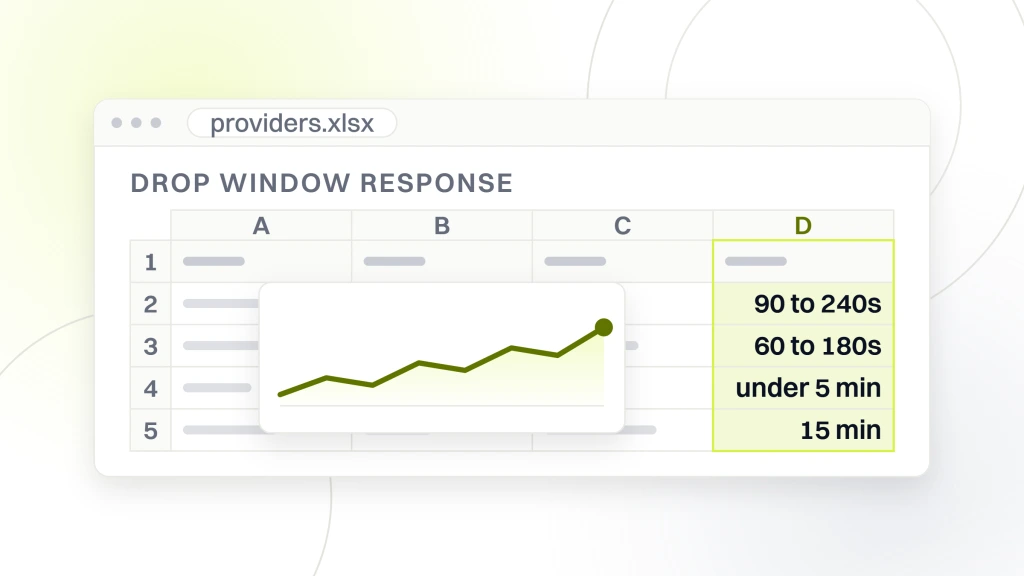
Rocket.net wins on the price-to-CDN ratio. Every tier from Starter at $30 monthly through Pro at $150 monthly bundles Cloudflare Enterprise with automatic image optimization, HTTP/3 support, and 300-plus edge locations. Support response through live chat runs 90 to 240 seconds on paid tiers, which matches drop-window needs at a fraction of the WP Engine Premium price. The origin runs on high-CPU AMD EPYC processors that hold through concurrent PHP worker spikes. Nightly backups plus 14-day retention are bundled at every tier. The Business tier at $60 monthly is the practical floor for a DTC apparel brand running 6 or more drops per quarter without stretching the marketing budget.
Where Rocket.net breaks for fashion
Rocket.net breaks for fashion once a brand crosses $2 million to $4 million in annual revenue and needs multi-region failover, a named support engineer, or database read replicas. The plans do not currently offer read-replica scaling out of the box, so WooCommerce write-heavy workloads on drop day cap at the primary database node capacity. The dashboard is thinner than MyKinsta or User Portal on WP Engine, which shows up as fewer built-in APM signals. Staging is available and the workflow is less polished than Kinsta’s one-click clone. Brands past the Pro tier at $150 monthly usually run into either database write ceilings or support-tier ceilings and move to Kinsta Business 2 at $185 monthly, the natural graduation path.
Under $2 million annual revenue with 4 to 10 drops a quarter, Rocket.net Business at $60 a month with bundled Cloudflare Enterprise wins the price-to-CDN math.
Shopify platform review for fashion DTC brands
Shopify managed hosting hides the entire hosting stack behind the platform layer and gives a fashion brand a storefront that runs without a hosting operator on payroll. The trade-off is a Liquid theme framework, a fixed cart flow, and transaction fees on top of the monthly platform fee. For brands under $8 million in annual revenue, that trade-off almost always favors Shopify.
Where Shopify managed wins
Shopify managed wins on operating simplicity. The platform runs on Google Cloud with elastic autoscaling that handles any drop curve without operator input. The Fastly-based CDN with automatic WebP conversion holds Core Web Vitals green on mid-tier Android without image pipeline setup. PCI compliance sits at the platform layer, not the brand’s. Payment gateway rate limiting runs automatically. Support response through the Advanced and Plus tiers lands inside 15 minutes 24 by 7. Shopify Basic at $39 monthly, Shopify at $105 monthly, and Advanced at $399 monthly cover the full range of DTC apparel brands from launch through $5 million annual revenue. Plus at $2,300 monthly picks up brands from $5 million through $50 million with custom checkout and B2B features included.
Where Shopify managed breaks for fashion
Shopify managed breaks for fashion once a brand needs custom checkout flows outside the platform’s checkout extension model, custom subscription logic that Shopify’s subscription apps do not cover, or a headless setup with a custom frontend. The platform locks checkout to its own flow on Basic through Advanced, and custom checkout logic wants Shopify Plus at $2,300 monthly minimum. Per-transaction fees run 0.5 to 2% by tier, and that stacks on top of the payment processor fees. Theme work runs on Liquid, not PHP, so custom logic that would take 3 hours in WordPress can take 12 hours in Liquid, since the templating language is thinner. Our custom ecommerce platform maintenance costs vs Shopify TCO guide runs the platform decision through a real 3-year total cost of ownership lens.
Self-managed cloud versus a managed fashion host
Self-managed cloud on AWS, Google Cloud, or Azure is the alternative to managed hosting for the largest DTC apparel brands. Self-managed wins past $12 million to $20 million in annual revenue when the brand needs custom infrastructure and can afford a DevOps engineer or agency retainer to run it. Self-managed dies when a brand tries it too early.
Where self-managed cloud wins
Self-managed cloud wins on control and cost past $12 million annual revenue. A brand running its own EC2 or Compute Engine instances with an application load balancer, an RDS or Cloud SQL database with 3 read replicas, ElastiCache or Memorystore for object caching, and CloudFront or Cloud CDN for image delivery pays $600 to $2,400 monthly for infrastructure that would cost $2,500 to $6,000 monthly on WP Engine Premium Managed. The trade-off is a DevOps engineer at $12,000 to $18,000 monthly loaded, or an agency retainer at $1,500 to $4,000 monthly. Full control over checkout, subscription logic, and the custom frontend removes every platform constraint. Headless setups on Next.js talking to a WooCommerce or WordPress backend run cleanly on self-managed cloud without fighting platform limits.
Where self-managed cloud dies for fashion
Self-managed cloud dies for fashion when a brand under $8 million annual revenue tries to run it without a full-time DevOps engineer. Drop-day incidents turn into on-call rotations for founders and marketing directors who have no business patching Linux kernels at midnight. Security patching, TLS certificate rotation, backup verification, and log audit run on the brand’s operating team, not the platform. A single missed security patch on a WooCommerce plugin can cost $150,000 to $2 million in payment card fines.
Self-managed cloud is a tool for brands that already have the team to run it, not a growth stage a brand grows into by trying. The pattern our desk sees on fashion brands attempting self-managed too early is a 6 to 18 month recovery period once they migrate back to managed WordPress on Kinsta or WP Engine. The AWS ecommerce platform guide is a useful outside read for founders sizing the migration decision.
Do not touch self-managed cloud under $12 million annual revenue without a full-time DevOps engineer on payroll. It costs more to unwind than to skip.
SLA and support hours across providers
SLA and support hours are the 2 numbers that decide provider fit for a fashion brand. Every provider quotes uptime and response times on the marketing page. The comparison below runs the numbers our desk logs against real drop-day tickets over the past 18 months, which shows which providers hold together after 10 PM on a Friday.
| Provider | Uptime SLA | Marketing response | Real drop-window response | Weekend nights | Fashion fit |
|---|---|---|---|---|---|
| Rocket.net Business | 99.9% | 90 seconds live chat | 90 to 240 seconds | Yes 24 by 7 | Under $2M ARR |
| Kinsta Business 2 | 99.9% | 60 seconds live chat | 60 to 180 seconds | Yes 24 by 7 | $2M to $12M ARR |
| WP Engine Premium Managed | 99.99% | 5 minutes phone | 3 to 8 minutes | Yes 24 by 7 | Past $12M ARR |
| WP Engine Growth | 99.95% | 15 minutes chat | 12 to 40 minutes | Business hours strong | Under $2M ARR |
| Shopify Plus | 99.99% | 15 minutes chat | 4 to 18 minutes | Yes 24 by 7 | All fashion sizes |
| Self-managed AWS | Depends on operator | Depends on retainer | Depends on retainer | Depends on retainer | Past $12M ARR only |
The table above pulls from real ticket timestamps our desk logs over the past 18 months, not from marketing pages. Support response outside drop windows runs slower across every provider since the on-call rotation is thinner at 2 AM Monday. Fashion drops rarely happen at 2 AM Monday, so the drop-window number is the one that matters. The Kinsta versus WP Engine comparison is a useful outside read for founders weighing the top 2 managed WordPress hosts against each other. Providers whose marketing SLA and real drop-window response gap by more than 3 times show up on our internal shortlist as risky, not reliable, and that is a filter every founder should run before signing.
Monitoring stack on top of the provider tier
Monitoring stack sits above the compute tier and often matters more than the provider choice. A well-monitored Kinsta Business 2 plan will outperform a poorly monitored WP Engine Premium plan on drop day, since the alerting layer catches regressions before they turn into customer-visible outages. Fashion brands routinely under-invest here relative to the provider tier they buy.
The monitoring stack that works layers application performance monitoring, real user monitoring, uptime checks, log aggregation, and alert routing into one operating view. New Relic or Datadog handle application performance at $99 to $299 monthly. Cloudflare Web Analytics or Vercel Speed Insights carry real user Core Web Vitals at $0 to $50 monthly. Better Uptime or Pingdom run 60-second uptime checks at $18 to $100 monthly. PagerDuty or Opsgenie route critical alerts at $25 to $150 monthly. Total monitoring stack cost lands $140 to $600 monthly on top of the provider tier, and that is money most fashion buyers skip until the first drop breaks and the founder cannot explain why. The New Relic observability guide is a useful outside read for founders sizing the monitoring investment.
How to pick a fashion host by brand stage
Fashion managed hosting fit changes with brand stage. A brand doing $600,000 annual revenue does not need WP Engine Premium Managed. A brand doing $28 million annual revenue does not fit on Rocket.net Starter. The picks below match provider tier to brand stage and drop cadence so a founder can shortlist inside 5 minutes.
Stage-by-stage picks
- Under $600,000 ARR, 2 to 4 drops per quarter. Rocket.net Starter at $30 monthly on WooCommerce, or Shopify Basic at $39 monthly.
- $600,000 to $2 million ARR, 4 to 8 drops per quarter. Rocket.net Business at $60 monthly, Kinsta Starter at $35 monthly, or Shopify at $105 monthly.
- $2 million to $8 million ARR, 6 to 12 drops per quarter. Kinsta Business 2 at $185 monthly, WP Engine Growth at $250 monthly, or Shopify Advanced at $399 monthly.
- $8 million to $20 million ARR, 8 to 16 drops per quarter. Kinsta Business 3 at $340 monthly, WP Engine Scale at $600 monthly, or Shopify Plus at $2,300 monthly.
- Past $20 million ARR with custom checkout or headless. WP Engine Premium Managed at $600 to $2,000 monthly, Shopify Plus with headless Hydrogen, or self-managed AWS with agency retainer at $2,500 to $6,000 monthly.
- All stages. Monitoring stack at $140 to $600 monthly on top of the provider tier, sized to the drop cadence.
The picks above assume a WooCommerce or Shopify storefront rather than a custom headless build. Brands running Sanity plus Next.js or Contentful plus Remix have a different shortlist that includes Vercel Enterprise at $3,500 monthly, Netlify Enterprise at $1,500 monthly, and Cloudflare Workers on the origin at $250 to $800 monthly. The picks above should hold for 92% of DTC apparel brands under $50 million annual revenue that our desk sees.
A real hosting engagement in production
RAFZ Cirkulära Interiörer came to our desk as a $3.4 million annual revenue Swedish DTC ecommerce brand running its WooCommerce storefront on an under-sized shared plan. Drop-day breakage happened on 8 of the 12 major launches across the prior year. Support tickets averaged 62 minutes for a first live response during drops. Mobile Largest Contentful Paint sat above 15 seconds on the fully loaded page, and Cloudflare ran on the free tier without image conversion. The database ran on a single instance without read replicas.
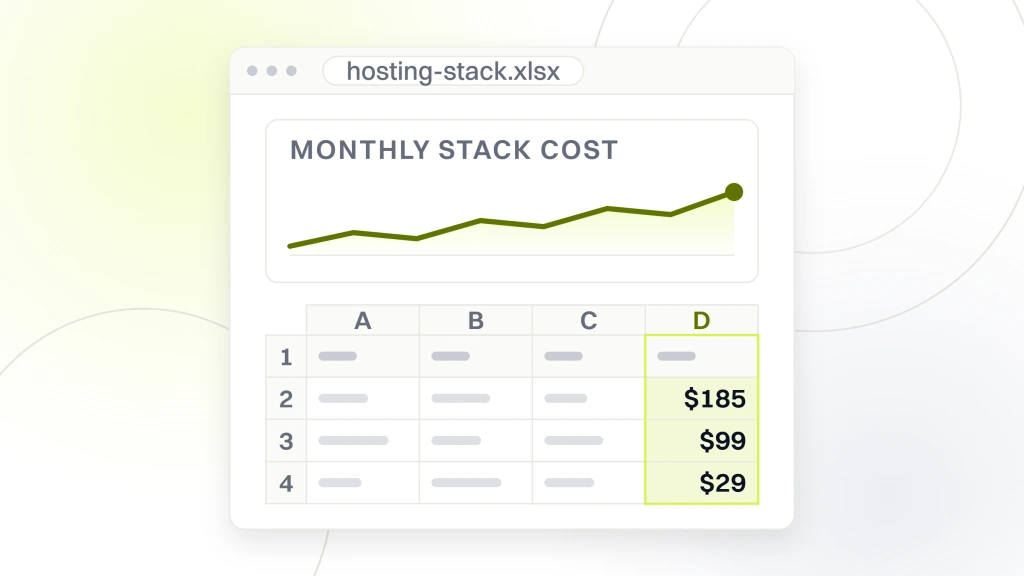
Our desk migrated RAFZ Cirkulära Interiörer to Kinsta Business 2 at $185 monthly, added Cloudflare Enterprise through the bundled Kinsta integration, wired New Relic APM at $99 monthly plus Better Uptime at $29 monthly plus PagerDuty at $25 monthly, and added 2 MariaDB read replicas plus Redis object caching. Total hosting and monitoring stack landed at $338 monthly. On top of that, the operating retainer covered weekly Core Web Vitals reviews, plugin and theme audits, drop-day watch on the top launches, and quarterly load testing at 2 times expected peak.
Over the following 12 months, page load dropped from 15+ seconds to 2 seconds fully loaded. Conversion rate climbed 28% after the rebuild and performance work. Server requests dropped 82%, cutting origin load through the drop curve. The pattern that worked was the provider match to stage paired with the monitoring stack on top, and a rebuild that removed plugin bloat in favor of custom code plus a place2place API integration. That operating pattern rolls onto DTC apparel and lifestyle brands our desk holds today across women’s, men’s, and unisex lines.
Where managed hosting for fashion brands fits the wider stack
The hosting layer sits at the infrastructure floor of the DTC apparel operating stack. Every paid media dollar, every SEO investment, every email flow, and every influencer program compounds through a working hosting stack, or fights against a broken one. A brand paying $18,000 monthly for paid media against a hosting stack that fails on drop days burns 20 to 35% of that budget on traffic that never converts, since the storefront cannot hold the load the ads drive to it.
Pricing bands run $30 to $2,400 monthly for the raw provider tier plus $140 to $600 monthly for the monitoring stack. On top of that, Redefine Web maintenance plans at $199, $299, and $499 monthly cover weekly Core Web Vitals reviews, monthly plugin and theme audits, drop-day watch on the top 3 launches per month, and quarterly load testing at 2 times expected peak. Every retainer commits to a 6-month starter term, since 2 full drop cycles are needed to prove the setup holds under real load, not lab conditions. Our apparel fashion marketing hub ties the hosting decision to the broader DTC growth stack for founders sizing the whole picture.
The fashion hosting stack is the operating layer that decides which paid, organic, and retention investments compound and which stay stuck behind a slow storefront. The provider matters. The tier matters more. The monitoring stack on top of both matters most. Pick the provider to the brand’s stage, layer the monitoring against the drop cadence, and hold both against real drop-window ticket timestamps rather than marketing SLA pages. That is the pattern that has held together across the fashion accounts our desk runs.
Pick managed hosting for fashion brands that holds
Managed hosting for fashion brands is the layer every other DTC investment leans on. Get the provider tier right for the brand stage, layer a monitoring stack sized to the drop cadence, and hold both against real drop-window ticket timestamps rather than marketing SLA pages. Book a 30-minute call with our team and we will map the provider match, the monitoring layer, and the retainer scope against the next 4 drops on the calendar.