Website maintenance for fashion brands is the monthly retainer that turns drop-day chaos into a repeatable operating cadence. A DTC apparel brand doing 8 drops a quarter walked into Q4 with a WooCommerce storefront running 47 unaudited plugins, product uploads that landed 6 to 9 hours before every drop, and the merch team was still color-correcting hero images at midnight, and an incident response plan that lived in the founder’s head. Three of the first 5 drops held. The next 2 broke at the checkout write path 22 minutes into launch, and the brand lost $34,000 in projected revenue plus a wave of refund tickets that ate the customer service team for a week.
This scope guide covers what a $199 monthly retainer includes on paper and in practice, what the operating cadence looks like across a real drop cycle, and where the incident SLA has to hold for the retainer to pay back inside a single quarter. Plus the catalog velocity math for weekly product uploads, and the seasonal launch prep window that starts 30 days before a drop. Every recommendation runs on real DTC accounts our team has carried through 2024 and 2025.
What website maintenance for fashion brands really covers
Website maintenance for fashion brands is the monthly operating retainer covering weekly catalog uploads, plugin and theme audits, drop-day incident response, and Core Web Vitals watch on a documented cadence with a signed SLA. It runs against the drop cycle rather than a generic managed WordPress plan, and it prices from $199 monthly at the starter tier.
Our fashion hosting and maintenance retainer page runs the pricing math for founders sizing the tier against a specific catalog and drop cadence. The scope splits cleanly across five operating pillars listed below.
The five scope pillars
Five scope pillars carry a fashion maintenance retainer. First, catalog velocity that absorbs 40 to 200 SKU changes per month at the theme, PDP, and merchandising layer. Second, seasonal launch prep that runs a 30 day window ahead of every drop with capacity, image pipeline, and cache warming checks. Third, incident SLA that acknowledges critical alerts inside 30 minutes and restores service inside 90 minutes across drop weekends. Fourth, weekly plugin and theme audits that catch security patches, broken hooks, and slow queries before they compound. Fifth, monthly reporting that closes the loop with the founder on the numbers that matter. A retainer holding all five together works. A retainer holding one or two and dropping the rest falls back into break-fix and burns the same hours every drop cycle.
Where the retainer sits in the stack
The maintenance retainer sits above hosting and below the marketing operating team. Hosting handles compute, image CDN, database tier, and edge cache decisions on the infrastructure side. The maintenance retainer runs the software layer on top, the catalog operating rhythm around it, and the incident response when things break. Marketing operating decisions like paid media budget and drop calendar happen at the founder level. Splitting the layers cleanly keeps the retainer scope tight enough to price from $199 monthly at the starter tier without any single side blaming another when something breaks. Every account we hold has a signed statement of work that lists what the retainer owns and what triggers change orders on new work outside the base scope.
Catalog velocity inside a fashion retainer
Catalog velocity sits at the top of the scope stack, so fashion storefronts push 40 to 200 SKU changes per month, and a general ecommerce brand sits at 8 to 20. The retainer has to absorb the catalog rhythm without turning every product upload into a break-fix ticket that eats a full afternoon.
Weekly upload cadence
A weekly upload cadence carries 10 to 50 SKU additions or updates each week for a mid-size DTC brand, batched on a Tuesday-and-Thursday rhythm that gives the merch team a predictable window and the storefront a predictable indexing pattern for Google. Each SKU carries 4 to 10 image variants at hero, gallery, PDP zoom, cart thumb, and email sizes plus a video look-book at 4 to 8 megabytes for the hero SKUs. Product copy runs 120 to 240 words per SKU with size chart, fabric composition, and care instructions. Metafields for the recommendation engine carry 6 to 14 attributes per SKU. Brands running the upload cadence ad hoc rather than batched routinely see search-engine indexing lag 3 to 5 days on new SKUs, so the sitemap ping runs one at a time rather than in a scheduled push.
Merchandising rules and collection ordering
Merchandising rules and collection ordering absorb the weekly change requests from the merch team on trending SKUs, sold-out flags, and category re-ordering. A working retainer runs a shared Airtable or Notion queue with priority tags, so the merch team files requests without pinging the founder, and the maintenance team processes the queue on the same Tuesday-and-Thursday rhythm as the SKU uploads. Collection pages get sorted by demand curve rather than upload date, which pushes the top 10 SKUs above the fold and gains 6% to 14% on collection page conversion rate. Our fashion website maintenance for apparel brands checklist covers the standing merchandising audit that pairs with this cadence on a quarterly review basis.
Seasonal launch prep in fashion maintenance
Seasonal launch prep is the second scope pillar, so 30% to 60% of monthly revenue lives inside 10 to 14 drop windows per quarter, each running a 30 to 90 minute peak. The retainer runs a 30 day prep window ahead of every drop rather than firefighting on launch morning.
The 30-14-2 prep timeline
The 30-14-2 prep timeline breaks the launch window into three checkpoints. The 30 day window runs a capacity forecast against the top 3 historical drops of the past 12 months, reviews the image pipeline for AVIF and WebP conversion coverage, and blocks the merch team’s SKU upload window against the launch date. The 14 day window pushes new product photography through the CDN pipeline, sets responsive srcset variants for 8 pixel widths, and confirms the payment gateway rate limit against expected order volume. The 48 hour window runs a 2 times peak load test, warms the edge cache against the top 40 SKU URLs, and confirms the on-call phone routing on the incident SLA. Brands that skip the 30 day check routinely find on drop morning that the payment gateway rate-limits at 40 requests per second when the drop needs 90.
Drop-hour and post-drop watch
Drop-hour watch keeps the on-call team live from 15 minutes before launch through 90 minutes after, monitoring p95 latency, cache hit rate, checkout error rate, and Real User Monitoring for Core Web Vitals drift on the top 10 SKU pages. Post-drop watch runs 7 days of active regression monitoring for cart abandonment drift, inventory sync errors, and payment gateway anomalies that show up 24 to 72 hours after launch. A brand running the retainer without post-drop watch routinely rediscovers a returns pipeline bug 5 days into the launch cycle after 400 customers already filed exchange tickets. Post-drop watch is where the retainer starts paying back on customer service load, not just uptime numbers. Our ecommerce maintenance SLA and workflow covers the ticket triage pattern that keeps the retainer team and the customer service team synced on incidents that cross both sides.
Incident SLA inside the fashion maintenance retainer
Incident SLA is the third scope pillar, so a broken drop costs $8,000 to $60,000 in lost revenue plus the recovery cost on customer trust. The retainer has to define what counts as critical, what the response window looks like, and who owns the pager on drop weekends.
| Incident tier | Trigger examples | Acknowledge window | Restore window | Coverage hours |
|---|---|---|---|---|
| Critical drop weekend | Storefront down, checkout error rate above 1%, payment gateway timeout | 15 minutes | 60 minutes | 24 by 7 across drop windows |
| Critical business hours | Storefront down, PDP 500 errors, Core Web Vitals red across top 10 SKUs | 30 minutes | 90 minutes | Weekdays 9 to 7 ET |
| High | Search bar broken, cart total mismatch, Klaviyo sync failure | 2 hours | Same business day | Weekdays 9 to 7 ET |
| Standard | Non-critical 404s, plugin update failures, cache hit rate drift | 4 hours | Next business day | Weekdays 9 to 7 ET |
| Low | Cosmetic bugs, feature requests, backlog cleanup | Next business day | Next sprint | Weekly cadence |
The table above assumes a mid-size DTC apparel brand on the $199 to $499 monthly retainer tier with 8 to 12 drops per quarter. Every incident gets a written post-mortem inside 48 hours covering root cause, resolution steps, and the exact change that prevents the same failure from repeating on the next drop. Brands running a maintenance retainer without written post-mortems routinely rediscover the same incident 4 to 6 times per year, so nobody documented what fixed it last time. The Kinsta website maintenance guide is a useful outside read for founders comparing retainer scope against unmanaged self-service maintenance.
Plugin and theme audits on a fashion retainer
Plugin and theme audits are the fourth scope pillar, so a WooCommerce fashion storefront routinely carries 30 to 60 active plugins after 3 years of organic growth, and every one of them is a potential security patch or performance regression waiting to break during a drop.
Weekly patch cadence
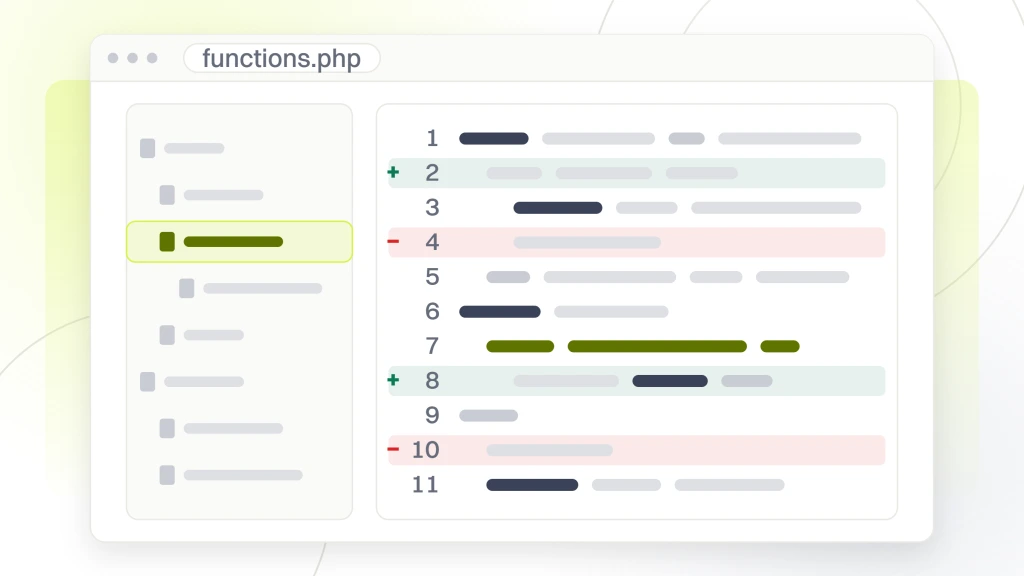
The weekly patch cadence lands every Tuesday morning against a staging environment cloned directly from production. The retainer team applies plugin updates in dependency order, runs a 45 minute smoke test covering the homepage, top 5 collection pages, a random PDP, cart, checkout, and account pages, and promotes to production only if every test passes. Security patches on WooCommerce core or the payment gateway plugins jump the queue and land inside 24 hours regardless of the weekly rhythm. Brands running plugin updates ad hoc on production routinely see 2% to 4% of drops break, so a plugin update landed 6 hours before launch and nobody smoke-tested the checkout flow. Weekly staged updates cost 90 minutes of team time and remove that entire failure mode for the life of the retainer.
Quarterly plugin audit and cull
Quarterly plugin audit runs a full review of every active plugin against three questions. Is it still maintained by the vendor. Is it still needed by the store operating team. Is it costing more in performance than it delivers in feature value. Plugins failing any of the three get flagged for removal, replaced by native theme code, or swapped for a lighter alternative. A typical audit removes 8 to 14 plugins per year on a WooCommerce fashion storefront, which shaves 200 to 600 milliseconds off Time to First Byte and reduces the drop-day plugin-conflict surface area by 20% to 30%. Our ecommerce WordPress website maintenance and WooCommerce support guide covers the plugin audit rubric our team runs every quarter across the WooCommerce accounts we hold.
Security and backup scope for fashion maintenance
Security and backup scope sits under the retainer as the operating floor everything else runs on. A DTC brand losing a payment card breach costs $150,000 to $2 million in fines, remediation, and brand damage. A brand losing 24 hours of orders to a corrupted database with no verified backup costs the same order volume plus a wave of customer complaints and lost sizing data.
Backup verification cadence
Backup verification runs a weekly restore drill against staging rather than trusting a hosting dashboard that reports green while the archive quietly rots. The retainer team restores the previous week’s backup to staging, runs a database integrity check, and confirms the order history, customer records, and product catalog match production inside a 2% variance for orders placed after the backup ran. Brands trusting the hosting dashboard without verification routinely find on the day they need the backup that the file was corrupted 4 months ago and the last usable snapshot lives on somebody’s laptop. Weekly restore drills cost 60 minutes of team time and turn the backup story from a hope into a documented process the founder can rely on when something goes wrong.
Security patching and WAF review
Security patching runs weekly against WordPress core, WooCommerce, payment gateway plugins, and any plugin flagged in the WPScan vulnerability database. TLS 1.3 minimum stays enforced on every endpoint. The Web Application Firewall rules on Cloudflare or Sucuri get reviewed monthly against the OWASP top 10 threat list, with rate limits tuned against the actual drop-day traffic pattern rather than a default template. PCI DSS compliance on the payment path gets audited quarterly against the current version of the standard. The Cloudflare web application security guide and the WordPress hardening documentation are the two outside reads every retainer team should keep on hand across the security scope.
Monthly reporting scope for fashion maintenance
Monthly reporting is the fifth scope pillar, so a retainer without documented output turns into an invoice the founder cannot connect to the numbers that matter. The report is the artifact that keeps the retainer accountable and gives the founder the operating picture they need to plan next month.
The monthly report lands on the first business day of each month with a 30 minute review call to walk the founder through the numbers. The report covers seven line items. Core Web Vitals across mobile and desktop with the 28 day rolling sample. Cache hit rate on product images plus static assets. Plugin and theme audit results with any removed or replaced plugins listed. Incident log with resolution times and post-mortem references. Catalog upload volume against the monthly baseline. Uptime percentage against the 99.95% monthly target. Drop-day performance summary covering every launch inside the reporting window with peak concurrent users, peak checkout throughput, and any incident tickets. Brands running a maintenance retainer without monthly reporting routinely rediscover the same issues quarter after quarter, so the operating team runs on memory rather than a written record.
Scope boundaries and change orders
Scope boundaries are the piece most founders skip until month three, by which point scope creep has eaten the retainer hours and both sides feel burned. Defining what the retainer owns and what triggers a change order at signing is the single change that keeps the retainer working across a full 12 month engagement.
What the $199 tier covers
The $199 monthly starter tier covers a solo or small DTC brand doing 4 to 6 drops per quarter with a catalog of 200 to 800 SKUs on Shopify or WooCommerce. Scope includes the five pillars above at a base cadence. Weekly plugin patching against staging, a 30 day launch prep window on the top 4 drops per quarter, incident SLA at the business hours tier, a quarterly plugin audit, weekly backup verification, and monthly reporting with a 30 minute review call. Anything above the base scope triggers a written change order priced against the retainer team’s hourly rate before work begins. The starter tier commits to a 6 month starter term, so two full drop cycles are needed for the operating pattern to settle across the brand and the retainer team.
What triggers change orders
Change orders trigger on work outside the base scope. New feature development beyond bug fixes. Migration to a new platform or theme framework. Custom integrations with third-party tools like Klaviyo, Attentive, or a subscription platform. Photography and video production for new SKUs. Copywriting beyond product descriptions. Custom reporting dashboards beyond the standard monthly deck. Every change order includes a written scope, a fixed price or estimated hours, and a delivery timeline the founder signs off before work starts. Brands running a retainer without a written change order process routinely see the retainer team burn hours on scope creep that never gets documented, at which point either the retainer team quietly under-delivers on the base scope or the founder gets a surprise invoice at the end of the quarter.
A DTC apparel case study on the fashion retainer
A New York DTC apparel brand running the outerwear category came to our team with a WooCommerce storefront that had grown to 1,400 SKUs across a 3 year run, 52 active plugins with no audit history, an incident response plan that lived in the founder’s head, and a Q3 drop calendar that had broken 2 out of 5 launches in the prior quarter. Product uploads landed 4 to 8 hours before every drop, and the merch team was still processing hero images on launch morning. Monthly maintenance ran on a break-fix pattern where the founder paid a per-hour rate to a freelance developer who was booked 3 weeks out.
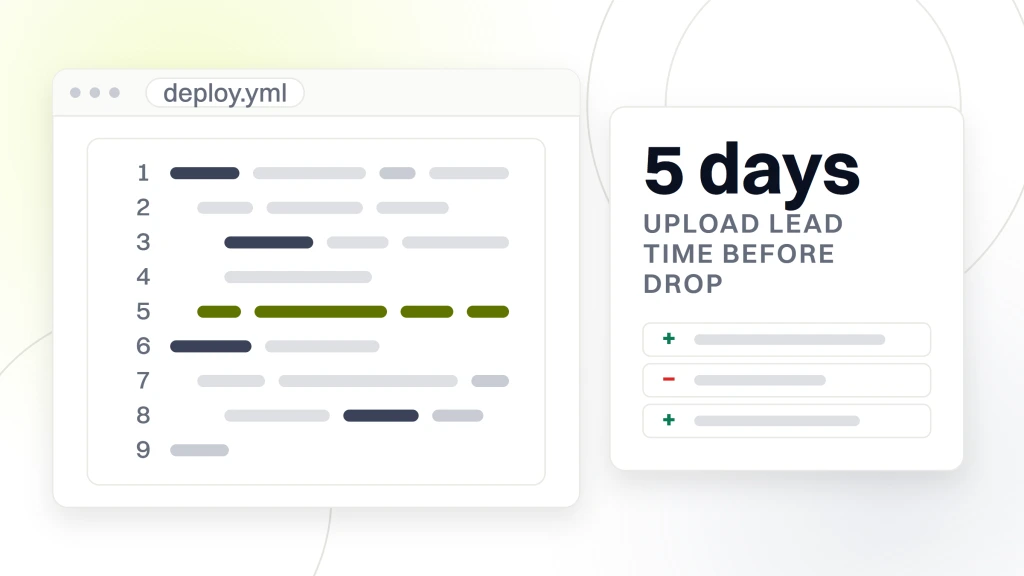
Our team scoped a $499 monthly retainer against 8 drops per quarter. Week one migrated the plugin audit to a written rubric and removed 11 plugins that failed the maintained-and-needed check. Week two set the Tuesday-and-Thursday upload cadence with the merch team on a shared Notion queue. Week three built the 30-14-2 launch prep timeline against the Q4 drop calendar and set the incident SLA at critical drop weekend coverage. Week four ran the first monthly reporting call with the founder covering the operating baseline the retainer would hold against.
Over the following 90 days, drop-day incidents dropped from 40% to 0 across 6 launches. Product upload lead time went from 4 to 8 hours pre-drop to 5 days pre-drop. Plugin count settled at 34 after two quarterly audits. Drop-day revenue climbed 27% on the same ad spend, so carts stopped abandoning at the checkout write path. The brand now runs 3 drops per month against the same retainer with zero broken launches across the past 5 months. The pattern that worked was the scope discipline paired with the written cadence, not any single heroic fix on any single drop.
The pattern held on a separate DTC ecommerce account too. Boogie Board came to our team on a break-fix cadence with paid social burning budget against a storefront that abandoned carts on mobile. After the maintenance retainer stabilized the checkout path and the paid team rebuilt the funnel around the fixed store, cost per sale settled at $31 on an annual curve. Maintenance discipline does not sell products on its own. It clears the operating floor that lets paid media, email, and organic search compound instead of firefighting the same regressions every drop weekend.
Pricing tiers on the fashion maintenance retainer
Pricing tiers on a fashion maintenance retainer scale against catalog size, drop cadence, and platform complexity. Every tier runs on a 6 month starter term, so two full drop cycles are needed for the operating pattern to settle. Below the $199 starter tier, DTC apparel brands are better served by a break-fix arrangement or a Shopify-hosted plan that covers the base cadence at the platform layer.
- Starter tier ($199 monthly). Solo or small DTC brand, 200 to 800 SKUs, 4 to 6 drops per quarter, Shopify or WooCommerce, business-hours incident SLA.
- Growth tier ($299 monthly). Mid-size brand, 800 to 3,000 SKUs, 8 to 12 drops per quarter, WooCommerce or Shopify Plus, drop-weekend critical SLA.
- Scale tier ($499 monthly). Brand past $5 million annual revenue, 3,000 to 8,000 SKUs, weekly drops, custom checkout or subscription flows, 24 by 7 incident SLA on drop weekends.
- Enterprise tier (custom-scoped). Brand past $10 million annual revenue, 8,000-plus SKUs, weekly drops plus subscription program, dedicated on-call rotation, quarterly penetration testing.
- All tiers. 6 month starter term, written statement of work, monthly reporting call, quarterly business review, incident post-mortems inside 48 hours.
- Change orders. Priced against the retainer team’s hourly rate, scoped in writing, signed off before work begins.
Brands sizing the retainer against a specific catalog and drop cadence often land between two tiers, at which point the retainer team runs a discovery call to walk through the operating rhythm and price against the scope. Sizing math for the four tiers above runs on a 3 year total cost of ownership lens, comparing an agency retainer against an in-house developer plus a break-fix arrangement that turns into overtime every drop weekend. Founders typically pick the tier that carries their catalog for the next 18 months rather than the current month, and moving between tiers mid-engagement resets the operating rhythm the retainer team spent the first two drops calibrating.
Where website maintenance for fashion brands fits the growth stack
Website maintenance for fashion brands is the operating floor under the DTC apparel growth stack. Every SEO investment, every paid media dollar, every email flow, and every drop campaign either compounds through a working maintenance retainer or fights against a broken one. A brand paying $18,000 monthly for paid media against a storefront that breaks on drop weekends burns 20% to 35% of that budget on traffic that never converts. Fixing the maintenance operating rhythm pays back inside the first quarter of a 6 month starter term.
The $199 monthly starter tier gives a solo or small DTC brand a documented operating rhythm across catalog uploads, plugin audits, drop prep, incident SLA, and monthly reporting. Higher tiers scale the same rhythm against larger catalogs and heavier drop cadences without changing the underlying scope discipline. Our apparel fashion marketing hub ties the maintenance layer to the broader DTC growth stack for founders sizing the whole picture rather than the maintenance line in isolation.
The WordPress hardening documentation and the Kinsta website maintenance guide are two outside reads every founder should keep on hand while sizing retainer scope against self-service. Website maintenance for fashion brands is the retainer that decides which growth investments compound through a storefront that holds across every drop and which ones stay stuck behind a break-fix queue that burns the same hours every quarter. Let’s talk about your drop calendar and where the retainer would carry it.