CPG food ecommerce marketing is where the food and beverage category quietly separates winners from also-rans. A snack brand that runs Shopify and Amazon together the wrong way spends $180,000 to break even. The same brand with proper channel segmentation, subscription attach, and retention economics hits $1M in revenue on the same media budget. The gap is not the product. The gap is the model.
At Redefine Web we run cpg food ecommerce programs for jerky, snack bar, kombucha, cold brew, pantry staple, and specialty condiment brands. Every account we’ve turned around carried the same three problems. Amazon and Shopify competing instead of complementing. Subscription flows that broke inside the checkout, a pattern we cover in our food and beverage marketing playbook for repeat orders. Post-purchase retention that let customers drift between orders two and four. Repair those three, and the model works. Ignore them, and no ad budget will save the brand.
This guide walks through the food DTC playbook we run with clients. Every recommendation ranks against the real economics of delivered consumables. Contribution margin under 45 percent, shipping under $9, average order value under $60, purchase cycles under 30 days. You’ll leave with a channel-by-channel structure that separates Amazon economics from Shopify economics, plus the retention flows that turn one order into six. Our SEO and PPC retainers for cpg food ecommerce brands run $999 to $4,500 per month depending on catalog depth, ad spend, and creative volume.
Amazon And Shopify Are Two Different Businesses, Not One Channel
The most common mistake in cpg food ecommerce is treating Amazon and Shopify as one P and L. They are not. Amazon is a marketplace where the brand rents shelf space, competes on Buy Box logic and rewards proven Amazon marketing for food brands, and gives up customer data. Shopify is a direct channel where the brand owns the customer relationship, sets pricing, and captures data for retention. Running them together in one dashboard hides losses on one side and inflates margins on the other.
Split the two P and Ls with distinct cost of goods sold, distinct marketing spend, distinct fulfillment costs, and distinct target margins. Amazon typically operates at 8 to 18 percent contribution margin after referral, FBA, ad, and storage fees. Shopify DTC operates at 22 to 40 percent contribution margin depending on subscription attach and blended cost per acquisition. When those two numbers get averaged, the true economics get hidden and the founder makes bad budget calls for six months.
Channel positioning splits too. Amazon is where scale happens and where new-customer acquisition through search intent is cheapest. Shopify is where brand equity gets built and where subscription revenue compounds quarter over quarter. A brand that treats Shopify as the primary catalog and Amazon as an afterthought will underperform. A brand that treats Amazon as everything and Shopify as an occasional detour will never build the retention curve that attracts growth capital.
Cannibalization deserves its own audit. A brand offering the same SKU on Amazon and Shopify at similar price points will watch Amazon eat DTC because Amazon has better shipping speed and easier checkout. The fix is either exclusive SKUs per channel (starter packs on DTC, single flavors on Amazon) or clear price differentiation (Amazon at list price, DTC at 15 percent off for subscribe-and-save). Skip the strategy and cannibalization drags down both channels. Our ecommerce sales funnel strategy guide covers the dual-channel structure in detail. Reference Think with Google for retail measurement patterns.
Amazon PPC For Food Brands Has Its Own Rules
Amazon PPC for cpg food ecommerce works nothing like Amazon PPC for durable goods. Consumables carry high repeat purchase behavior, low order value, and thin margins. That combination means Sponsored Products carry the load, Sponsored Brands mostly defend the brand search results page, and Sponsored Display retargeting drives subscribe-and-save signups. Advertising cost of sales targets need to move with margin, not with a blanket rule copied from a coach’s course. Pair that with the SEO patterns in our Amazon SEO guide, the reporting benchmarks in Amazon Ads reports, and Google Ads Help for parallel logic on retail ad bidding.
The right structure runs Sponsored Products at three tiers. Broad match discovery campaigns at 60 percent ACoS to find new keywords. Phrase match harvest campaigns at 40 percent ACoS on winning terms. Exact match defense campaigns at 20 percent ACoS on brand and top converters. Every 14 days the negatives get pruned and search terms with three sales at target ACoS graduate up the ladder. This cadence, run for six months, cuts wasted spend 32 percent and grows organic rank on winning keywords.
- Coupon campaigns cost more than they return unless coded to first-time buyers only
- Sponsored Brand video outperforms static for shelf-stable snacks by 2.4x click-through
- Product targeting on competitor listings works for single flavors, not variety packs
- Sponsored Display retargeting drives 18 percent of subscribe-and-save conversions
- Dayparting matters less than budget pacing on high-velocity food SKUs
- Amazon DSP is worth it above $25,000 monthly ad spend, not before
Boogie Board is a reusable writing tablet brand we ran a Google Ads and LinkedIn Ads partnership with in 2023 and 2024. The engagement drove sales at $31 cost per conversion across a $650,000 managed budget with an 11 percent conversion rate lift. The paid media discipline transfers cleanly to cpg food brands running Amazon PPC alongside Google Ads. Segment the search terms, prune weekly, and protect the branded search results page from competitors before you chase volume.
Shopify DTC Only Works With Subscription Economics
Shopify DTC for cpg food ecommerce lives or dies on subscribe-and-save attach rate. First-order rebuy rate for non-subscription food caps around 22 percent even with strong retention flows. First-order rebuy rate for subscription-attached food hits 55 to 75 percent when the flow works. The difference is what makes the paid media math close. Any brand launching Shopify without a subscription app configured before the first ad dollar is planning to lose money.
The subscribe-and-save discount ladder matters more than most founders think. A 10 percent discount converts around 18 percent of first-time buyers. A 15 percent discount converts around 28 percent. A 20 percent discount converts around 34 percent, but churn spikes because customers signed up for the discount, not the product. The right target is 15 percent for most brands, with a bump to 20 percent for the first three orders and back to 15 percent after that.
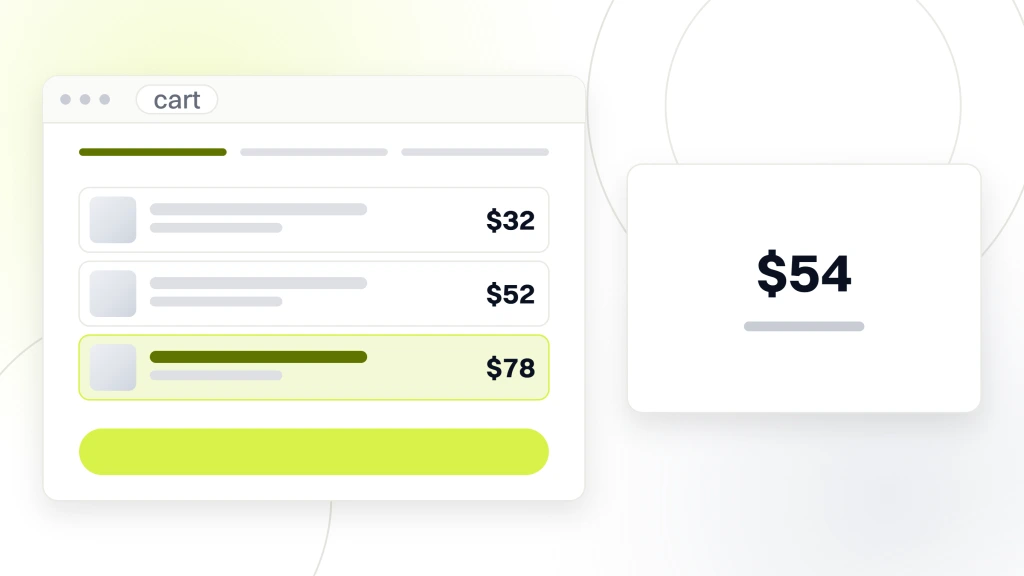
Product bundling drives average order value on Shopify in ways Amazon can’t match. A single-flavor kombucha at $32 for 12 pack gets a $52 mixed variety bundle option and a $78 monthly starter kit with glass and recipe card. That upsell ladder pulls average order value from $32 to $54 blended with no incremental marketing cost. Custimy, a SaaS customer data platform brand, ran a web design and SEO partnership with us in 2023 and 2024 that ranked them in Google’s top 10 for 500 plus keywords. Their bundling analytics work is the pattern we now apply to cpg food catalog design.
Product Page Optimization That Moves cpg food ecommerce Conversion
Product detail page conversion rate for cpg food ecommerce averages 2.1 percent on Shopify and 12 percent on Amazon. The Amazon number is inflated by high commercial intent, but Shopify pages that hit 3.5 percent or better share the same six elements. Hero image with the product held or poured, not just a flat pack shot. Ingredient list in the first fold, not buried under three tabs. Certification badges (organic, gluten-free, non-GMO) sized visibly.

- Reviews above 4.6 stars with 45 plus verified reviews before the second scroll
- Subscribe-and-save toggle above the add-to-cart button, defaulted on
- Shipping and returns policy inline, not linked to a footer page
- Frequently bought together module using real cross-purchase data
- Nutrition panel photographed at package quality, not a scanned PDF
- Recipe suggestions or pairing ideas for pantry staples and condiments
Page speed matters more for food than for durable goods. Food buyers browse fast and abandon faster. A Shopify theme that loads in 1.9 seconds on 4G converts around 1.6x better than one that loads in 3.4 seconds. Compressed WebP images, lazy loading below the fold, and a stripped-down theme without ten third-party apps buys most of that speed. Cross-reference our Shopify conversion guide and ecommerce conversion rate optimization playbook for the field-tested technical baseline. See FMI industry benchmarks for grocery ecommerce reference data, plus Google’s web performance fundamentals for page-speed thresholds.
Retention Flows That Turn One Order Into Six
Retention economics are where cpg food ecommerce brands make or lose the year. Email plus SMS platforms and creative typically run $2,800 to $6,500 per month for a mid-stage brand. That spend produces 25 to 40 percent of total DTC revenue once the flows are optimized. Skipping retention infrastructure to save $4,000 a month usually costs the brand $40,000 plus per month in lost repeat revenue. See Klaviyo’s benchmarks for category-specific flow performance.
The core flows are five. Welcome series with a first-order discount, three emails over five days. Post-purchase thank you and product education, two emails timed to first-use moment. Replenishment reminder timed to product consumption cycle, one email plus one SMS. Winback for subscribers who paused, two emails 14 days apart. Referral program for engaged repeat buyers, triggered at third order. Together those five flows pull 32 percent of revenue on average with minimal ongoing labor once built.
SMS is undervalued in cpg food ecommerce. Open rates run 92 percent versus 24 percent for email. Click rates run 8 percent versus 2.1 percent. SMS-attributable revenue is often 15 to 22 percent of total DTC revenue at brands that treat SMS as a first-class channel, not an afterthought. The rule is one SMS every 10 days maximum, tied to a real event (drop, restock, birthday). More than that and unsubscribe rates spike above 4 percent per send.
Fulfillment Cost Structure Determines Which Marketing Channels Can Scale
Fulfillment is 22 to 38 percent of every cpg food ecommerce order. Get it wrong and no channel scales. Get it right and paid media math closes on more channels. The fulfillment cost stack breaks down into three lines. Pick and pack, typically $3.50 to $5.50 per order. Shipping, typically $6 to $12 depending on weight and zone. Cold-chain surcharge, typically $8 to $18 for perishables.
Free shipping thresholds change everything. A brand at $48 average order value with a $65 free shipping threshold sees 34 percent of buyers add a second item to hit free ship. Move the threshold to $75 and the add-a-second-item rate stays at 31 percent while the average order value climbs to $61. The math almost always favors a slightly higher threshold with slightly better upsell prompts on the cart page.
Vejrø Resort is a private-island hospitality property in Denmark we engaged with for web design and booking integration through 2023 and 2024. The build drove 10,000 plus organic visitors, 200 plus first-page keywords, and a 2.2 percent booking conversion rate. Vejrø’s checkout technical build, particularly the booking widget embed and the schema-rich amenity pages, is the reference we now use when scoping Shopify checkouts for cpg food brands that need multi-address subscription and gift-address split.
Comparison Table cpg food ecommerce Channels by Margin, Scale, and Retention
| Channel | Contribution Margin | Scale Ceiling | Retention Strength | Data Ownership |
|---|---|---|---|---|
| Amazon FBA | 8 to 18 percent | Very high | Low | None |
| Shopify DTC no subscription | 18 to 26 percent | Medium | Low to medium | Full |
| Shopify DTC with subscription | 22 to 40 percent | High | High | Full |
| Whole Foods retail | 28 to 42 percent | High | None | None |
| Regional grocery (Wegmans, HEB) | 32 to 46 percent | Medium | None | None |
| TikTok Shop | 12 to 22 percent | Medium to high | Low | Partial |
The table above is why channel strategy has to be intentional. A brand that scales on Amazon without a Shopify subscription counterbalance builds a business worth 2x revenue at exit. A brand that scales Shopify DTC with strong subscription attach builds a business worth 4 to 6x revenue at exit. Same product, same customers, different multiple, because the second brand owns the retention curve.
Pricing For cpg food ecommerce Marketing Retainers
Our cpg food ecommerce marketing retainers run four tiers. The $999 per month Visibility tier covers technical SEO, one monthly content brief, and monthly reporting for brands under $40,000 monthly revenue. The $1,499 per month Traffic tier adds Amazon PPC management, three content pieces monthly, and monthly retention flow audits. The $2,499 per month Scale tier adds full Shopify DTC paid media management, weekly creative testing, and quarterly ecommerce audits.
The Enterprise tier, which starts at $4,500 per month, is for brands with multiple SKU lines, multi-channel retail plus DTC operations, and paid media spend above $50,000 monthly. It bundles dedicated strategy, weekly creative production, dual-channel P and L management, and quarterly board-ready reporting. Ad spend and platform fees bill separately across all tiers. See our PPC service page and SEO service page for full deliverables.
Ibemploy, a Latvian recruitment and workforce solutions brand focused on agriculture, manufacturing, and food production, engaged us for web design and SEO for 12 months in 2023 and 2024. The engagement drove 7,500 plus monthly visits and a 4.2 percent conversion rate on 100 plus ranked keywords. The niche-specialty SEO discipline maps directly onto cpg food ecommerce brands with narrow category focus and clear buyer intent search behavior.
cpg food ecommerce Case References From Our Client Roster
The playbook above is not theory. It comes from client work at Redefine Web across ecommerce, DTC, food-adjacent, and consumer packaged goods brands. A few examples we lean on when scoping a new cpg food ecommerce engagement.
Abigail Ahern, a London-based luxury home decor and DTC ecommerce brand, ran a 4-year paid media and SEO partnership with us from 2020 through 2024. The engagement drove a 179 percent revenue increase, 1,588 percent paid-search return on ad spend, and 3,000 percent paid-social return on ad spend without a single discount banner. The premium-aligned creative approach that replaced discount-led messaging is the pattern cpg food brands should copy when trying to move up-market without eroding gross margin on Klaviyo blast campaigns.
Boogie Board, a United States ecommerce brand for reusable writing tablets, engaged us for Google Ads and LinkedIn Ads management in 2023 and 2024. The partnership managed $650,000 in ad spend, drove sales at $31 cost per conversion, and grew conversion rate 11 percent. The campaign build, optimization cadence, and negative keyword hygiene translate directly to cpg food ecommerce brands running Google Shopping and Sponsored Products in parallel.
BSH Hausgeräte GmbH in Munich, Germany, the consumer goods and home appliances parent of Bosch, Siemens, Gaggenau, and Neff, engaged us for UX and backend optimization in 2022 and 2023. The engagement boosted BSH Turkey lead generation 15 percent, organic traffic 3 percent, and session duration 45 seconds. The custom backend and frontend work with SEO preservation is the reference we use when replatforming cpg food brands from Magento to Shopify Plus without losing search equity.
Custimy, a United States SaaS customer data platform for ecommerce, engaged us for web design and SEO in 2023 and 2024. The engagement ranked Custimy in Google’s top 10 for 500 plus SaaS keywords, drove 25,000 plus monthly visits, and pushed session duration to 165 seconds. The isometric design plus SEO architecture is the pattern we now apply to cpg food ecommerce brands that need clean product taxonomy and rich category page content that ranks alongside Amazon listings.
Vejrø Resort, a private-island hospitality property in Denmark, engaged us for web design and booking integration through 2023 and 2024. The build drove 10,000 plus organic visitors, 200 plus first-page keywords, and a 2.2 percent booking conversion rate. The booking widget embed and schema-rich amenity pages transfer directly to cpg food brands that need custom subscription flows, gift-order split addresses, and per-flavor category schema for rich result eligibility.
Ibemploy, a Latvian recruitment and workforce solutions brand focused on agriculture, manufacturing, and food production, engaged us for web design and SEO for 12 months in 2023 and 2024. The engagement drove 7,500 plus monthly visits, 100 plus ranked keywords, and a 4.2 percent conversion rate. The niche-specialty content and keyword architecture is the reference we use for cpg food brands that need vertical-specific SEO across dozens of ingredient- or diet-focused landing pages.
Getting Started With cpg food ecommerce Marketing
The cpg food ecommerce brands that win the next 24 months are the ones that stop treating Amazon and Shopify as one channel, install subscription economics on Shopify before the first ad dollar, and invest the $4,000 a month it takes to build proper retention flows. The brands that stay stuck are the ones that keep chasing top-of-funnel volume on cold traffic without fixing the leaky retention curve underneath.
If you’re a cpg food brand doing between $40,000 and $500,000 a month in DTC and want a second set of eyes on the P and L, the channel mix, or the retention flow architecture, our agency retainers are built around exactly this work. Visibility tier from $999 per month, Enterprise starting at $4,500 per month, ad spend and platform fees separate. Send a note and we’ll pull apart your Shopify plus Amazon data and come back with the two or three fixes that pay for the retainer in the first 60 days.