Food and beverage PPC is the paid media discipline of turning DTC snack, functional drink, alcohol, and grocery ecommerce budgets into orders on Meta, TikTok, Google, Amazon, and Instacart. Every category inside food and beverage carries its own regulatory rules, its own platform ad policy limits, and its own unit economics that a general apparel PPC shop will miss. In 2026, the brands winning share in this category are running clean product feeds, category-specific creative that names ingredients by variant, and Amazon Sponsored Brands campaigns tuned to shelf placement math inside Whole Foods, Sprouts, and specialty grocery accounts.
This guide walks the working scope for food and beverage PPC in 2026. Channel mix by category, target CPA math against contribution margin, Meta Advantage Plus Shopping structure, TikTok Shop for shelf-stable DTC snacks, Amazon Sponsored Brands versus DTC feed math, alcohol ad policy compliance, and a functional drink case on a $31 cost per sale at scale. If a founder is picking a paid media partner in the next 30 days, this is the filter that separates a real paid media operator from an apparel agency stretching into a new vertical for the first time.
Meta Advantage Plus Shopping for food and beverage brands
Meta Advantage Plus Shopping runs catalog-based creative that Meta generates from the product feed, layers in creator assets through Brand Partnership Ads, and bids on value-based lookalikes tied to first-party purchase data. The setup takes 2 to 4 hours per campaign the first time and drives 45 to 65% of typical food and beverage Meta revenue by month 3. Brands running Advantage Plus need feed titles that include SKU size, flavor variant, and diet certifications (organic, gluten-free, vegan) so the auction picks up the exact grocery search intent buyers use inside Meta discovery surfaces.
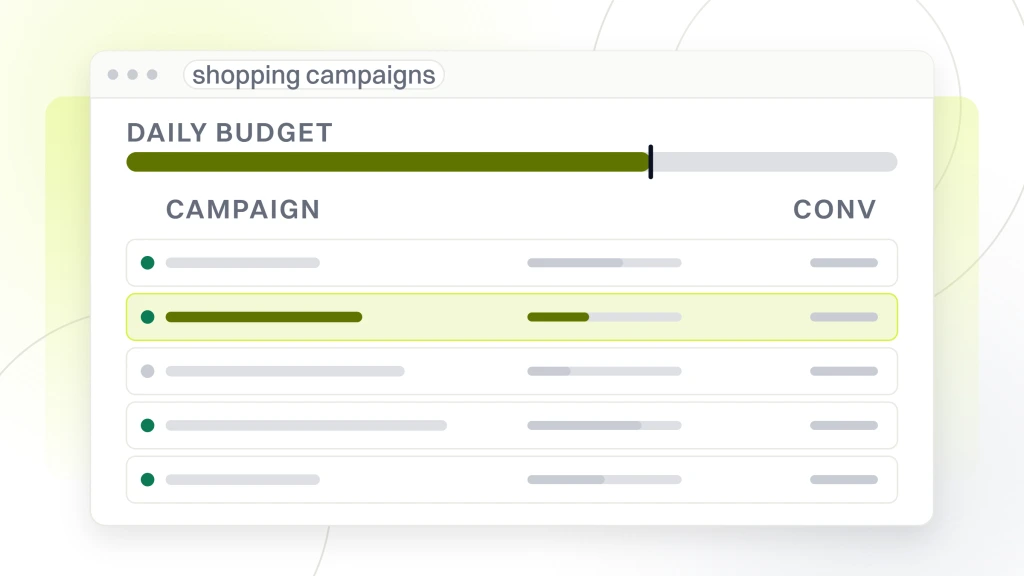
The pattern that works in 2026 pairs Advantage Plus Shopping with a small set of high-signal manual campaigns for new product drops and creator whitelisting. Manual campaigns feed conversion signal into the Advantage Plus learning pool without diluting the auction, which is the single biggest reason Meta pull-through stalls for brands running one giant catalog campaign and nothing else.
Feed hygiene before any Meta spend
Feed hygiene covers clean SKU titles (brand plus flavor plus size), a lifestyle plus product-only image pair, GTIN completeness on every variant, diet certification tags in the custom label fields, and category taxonomy mapped correctly to Google Merchant Center and Meta Commerce Manager. Skip the feed audit and the first 30 days of paid social burns 20 to 40% of budget on broken variants and low-quality-scored listings. A working partner audits and fixes the feed inside week one, before a single ad dollar hits the auction.
Creative volume the Meta algorithm expects
Meta Advantage Plus in the food and beverage vertical needs 8 to 15 fresh creatives uploaded every 2 weeks to prevent creative fatigue on high-frequency retargeting audiences. The creative mix runs roughly 40% creator-produced content, 30% brand-produced lifestyle featuring the product in a real-use scene, 20% product-only stills with ingredient callouts, and 10% user-generated content pulled from tagged posts. Skip the refresh cadence and CTR drops 20 to 40% in month 2, which walks the account into an efficiency spiral that is expensive to reverse.
Instacart Ads for grocery-distributed brands
Instacart Ads inside this vertical cover featured product placement inside grocery search results, category takeovers on grocery-adjacent search terms, and shoppable video units targeting recipe search intent. The platform runs on pay-per-click at $0.40 to $1.80 CPC depending on category. Instacart drives 15 to 25% of digital grocery revenue for brands with distribution at Kroger, Sprouts, Publix, or Wegmans. Skip Instacart and the brand leaves 15 to 25% of trackable digital grocery attribution on the table every quarter.
The key point on Instacart is that reporting closes the loop cleanly. You see the exact basket the SKU landed in, the co-purchase mix, and the retailer breakdown, which is data that Meta and Google cannot give you for grocery pull-through. That signal alone reprices the channel above its raw CPC.
Add Instacart Ads only after your Meta account holds a target CPA for 6 straight weeks. Adding sooner splits creative attention and slows both channels.
Featured product placement on grocery search
Featured product placement on Instacart grocery search puts the brand SKU at the top of category search results (coffee, protein bar, sparkling water) inside the Instacart app. The click-through rate on featured placement runs 3 to 6% versus 1 to 2% on organic Instacart search results, and the conversion rate to add-to-cart runs 15 to 30%. Instacart Ads reporting closes the loop on paid attribution better than most food and beverage brands realize, since the platform shows the exact grocery basket the SKU landed in and the co-purchase mix around it.
Category takeover budgets and duration
Category takeover budgets on Instacart run $4,500 to $22,000 per week per category depending on category size and time of year. Peak categories (protein bars, sparkling water, coffee) during peak periods (January new year, summer, holiday gifting) command the top of the range. Off-peak categories in shoulder seasons run at the floor. A working paid partner books category takeovers 8 to 12 weeks in advance for peak periods, following the calendar our food and beverage web design team maps against retailer promotional windows, since Instacart sells out top slots for major categories in tight timeframes.
Amazon Sponsored Brands and Sponsored Products
Amazon is the second search engine for food and beverage buyers, and it is the first search engine for pantry restock behavior. Sponsored Products defends branded queries and captures unbranded category traffic on head terms. Sponsored Brands buys the top-of-page banner slot with video, which is what pulls new-to-brand shoppers on categories like functional beverage, protein bar, coffee, and pet treats where the buyer needs 3 to 5 exposures before the first order.
The math to watch inside Amazon Ads is TACoS (total ad cost of sales), not ACoS alone. A brand pushing 12% TACoS while organic rank climbs is winning the shelf. A brand pushing 8% ACoS with flat organic rank is starving the account of new-to-brand demand. Sponsored Brands video units carry the incremental new-to-brand share on food and beverage more than any other Amazon ad type in 2026.
Where Amazon Ads slot into DTC feed math
DTC feed pull-through and Amazon pull-through fight for the same media dollar on 40 to 65% of food and beverage brands. The clean split runs Amazon for pantry restock, DTC for first-time subscription capture, and Meta for discovery across both. When the split blurs, blended CPA climbs 25 to 45% inside 60 days, since the same creator content shows up on Meta with a DTC checkout URL and on Amazon Sponsored Brands with an Amazon storefront URL, and the algorithm cannot resolve which route to reward.
A food and beverage PPC case on a functional beverage brand
A functional beverage brand in the adaptogen and sparkling category, distributed across Sprouts, Erewhon, and DTC ecommerce with a 12-pack bundle SKU as the hero, engaged Redefine Web on a scaled PPC program targeting DTC subscription revenue and Amazon marketplace pull-through. The brand came in with a loyal repeat base, an educated ingredient-forward customer, and a paid media program that had plateaued at a $58 blended cost per sale. The prior agency had run generic Meta prospecting on single-unit SKUs without a bundle-only auction structure or a clean product feed pass.
We rebuilt the paid structure around Meta Advantage Plus Shopping with a cleaned bundle-only product feed, layered Amazon Sponsored Brands with dedicated video creative on the top 3 flavor SKUs, and added Google Search branded protection plus non-branded category keywords targeting functional beverage and adaptogen search intent. The program layered creator whitelisting through Meta Brand Partnership Ads on the top-performing organic wellness and recipe creators. Every campaign fed a landing page tuned to the 12-pack bundle price point with subscription-first checkout schema and sub-one-second load times.
The combined program drove revenue at a $31 cost per sale at scale, with return on ad spend running consistently above the target contribution margin threshold across Meta, Amazon, and Google channels. Instacart Ads layered in during month 4 added another 22% of digital grocery revenue on top of the existing DTC base. The same integrated buildout sits inside our food and beverage marketing hub today, and the model translates cleanly to shelf-stable snack, coffee, and functional food brands with similar wellness-forward positioning.
The pattern is not unique. Our work with Boogie Board landed a $31 cost per sale on an annual curve inside ecommerce, and Abigail Ahern hit a +179% ecommerce revenue result on a 12-month curve using a similar feed-first, creator-layered stack. Adjacent programs prove the same math travels. BSH Hausgeräte GmbH saw +15% lead generation on a post-launch curve, Vejrø Resort held a 2.2% booking conversion rate across a 3-month curve, Custimy built 500+ keyword rankings on an annual curve, and Ibemploy pulled 7.5K+ monthly visits on an annual curve. The playbook rebuilds on the same 4 pillars every time. Clean feed, category-specific creative volume, contribution-margin-anchored CPA targets, and post-purchase attribution that catches the delayed buyer.
Retainer pricing for food and drink brands
Redefine Web PPC retainers run in 4 tiers. $999 per month for a single-channel starter engagement with a small ad budget and 1 monthly creative refresh. $1,499 per month for a 2-channel program with feed hygiene, weekly optimization, and a 4-creative refresh cadence. $2,499 per month for a 3-channel program (Meta plus Google plus Amazon) with monthly Instacart layered in on brands with grocery distribution. From $4,500 per month for a full multi-channel program with TikTok Shop, Amazon Sponsored Brands video, Instacart category takeovers, and creator whitelisting management inside one team.
If a PPC proposal folds ad spend inside the retainer number, walk. That structure produces overspend that justifies the retainer on tight food and beverage margins.
Contribution margin tiers by food category
| Category | Typical gross margin | Contribution margin per unit | Target CPA range |
|---|---|---|---|
| Shelf-stable snacks | 55 to 65% | $3 to $6 | $2 to $5 single unit or $12 to $22 bundle |
| Functional beverages | 40 to 55% | $2 to $4 | bundle only, $14 to $26 for 12-pack |
| Coffee and tea | 60 to 70% | $8 to $18 per bag | $5 to $12 single unit |
| Alcohol | 45 to 55% | $12 to $28 per unit | $8 to $20 with age-gate |
| Baby food and formula | 35 to 50% | $2 to $5 per unit | subscription capture only, $18 to $32 |
What the retainer excludes
Every serious retainer in this category excludes ad spend, creator flat fees, tool licenses (Triple Whale, Northbeam, Perpetua for Amazon), and creative production fees for shoots that go beyond the included 8 to 15 static ads per month. Founders reading a proposal that folds ad spend inside the retainer number are looking at an agency that will overspend on paid to justify the retainer, which structurally misaligns incentives on the tight food and beverage margins the category runs on.
Measurement stack for food and drink brands
Measurement is the layer that separates a serious paid partner from a proposal deck. The stack that holds up in 2026 combines platform-native attribution (Meta pixel with Conversions API, TikTok pixel with Events API, Google Ads with GA4, Amazon Attribution), server-side event forwarding through a CDP or a GTM server container, and post-purchase survey data through Fairing or KnoCommerce. Each layer catches purchases the other two miss, since food and beverage buyers often complete a purchase 3 to 7 days after first ad exposure across multiple devices.
Amazon Attribution for retail-adjacent tracking
Amazon Attribution measures the impact of off-Amazon paid channels (Meta, TikTok, Google) on Amazon sales, which matters heavily for food and beverage brands with 40 to 65% of revenue coming through Amazon retail versus DTC. Setup takes 4 to 6 hours and needs a fresh Amazon Attribution account plus tag placement on every off-Amazon ad campaign. Skip Amazon Attribution and the brand undercounts paid channel contribution to Amazon revenue by 25 to 45% every reporting cycle.
Conversions API and events API setup
Meta Conversions API and TikTok Events API forward server-side conversion data to the platforms directly, catching 20 to 35% of purchases the browser-side pixel misses since iOS App Tracking Transparency and cookie decay. The setup runs through Shopify native integration for Shopify stores or through Stape, Elevar, or a custom GTM server container. According to the Meta developer documentation on Conversions API, event match quality above 8.0 is the minimum for reliable optimization on Advantage Plus campaigns in the food and beverage vertical.
Red flags in a food and beverage PPC agency proposal
Every food and beverage founder reads at least one PPC proposal a quarter promising guaranteed 4x ROAS across channels for $1,800 a month. The red flags below catch most of these pitches before the founder signs a contract that produces spend without profit. The pattern repeats, since the same agencies rotate the same deck through DTC founder networks, and the numbers on page 1 rarely survive contact with an actual product feed or a real Amazon Attribution report.
- Guaranteed ROAS numbers across channels. Nobody can guarantee ROAS on paid social with algorithm changes week to week and iOS attribution decay running 20 to 35%.
- Ad spend folded inside the retainer number. This misaligns incentives and produces overspend that justifies the retainer on tight food and beverage margins.
- No mention of contribution margin per SKU in the discovery call. If the pitch skips the margin math, the target CPA is guesswork.
- No named measurement stack. Meta Conversions API plus TikTok Events API plus Amazon Attribution plus post-purchase survey is the minimum in 2026.
- No regulatory review workflow on alcohol or claims-heavy categories. Missing this catches the brand a warning letter inside 60 days.
- No Amazon Sponsored Products setup where the brand has retail presence. That alone leaves 30 to 45% of trackable revenue on the table.
Green flags in a real category-fluent pitch
Green flags. Contribution margin math done during the discovery call, named measurement stack with Conversions API and Events API and Amazon Attribution setup covered, regulatory review workflow on alcohol and claims-heavy categories, Amazon Sponsored Products and Brands setup where the brand has retail presence, Instacart Ads coverage where the brand has grocery distribution, and case studies with named brands plus real CPA numbers across a 6-month window. Any proposal hitting 5 of these 6 is worth a second meeting inside the week.
Regulatory review for alcohol and claims-heavy brands
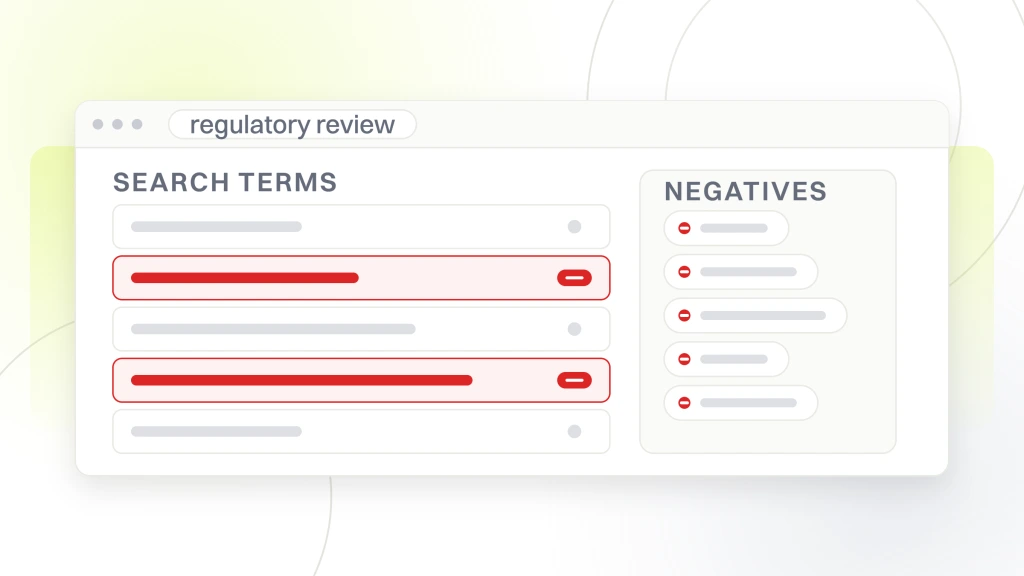
Alcohol, baby formula, and claims-heavy categories (functional, keto, high-protein) carry ad policy risk that a general performance shop underestimates. Meta blocks alcohol targeting to unverified accounts and requires age-gating on every creative. Google Ads requires alcohol advertiser certification plus geo-fencing to states where the SKU is legally launched. TikTok bans most alcohol ad units above the awareness objective and blocks any promo pricing on baby formula outright. A working paid partner routes every creative through a compliance review cycle that catches these before disapproval hits the account.
Health claim compliance under FTC and FDA
Health claims like reduces inflammation, supports immunity, or boosts metabolism trigger FTC and FDA review flags when they appear in ad copy without qualifying language. The safer pattern in 2026 uses ingredient-forward copy (25g protein per serving, L-theanine plus caffeine blend) rather than outcome-forward claims. Brands that get this wrong catch a warning letter inside 60 days and lose ad account access for 30 to 90 days during appeal, which is a full quarter of paid revenue at risk.
TikTok Shop for shelf-stable DTC snacks
TikTok Shop is the fastest-growing DTC channel for shelf-stable snacks, functional beverages under 12 oz, and coffee bags in 2026. The platform pairs creator-led video with in-app checkout, which cuts the buying friction that Meta and Google still carry. The category winners on TikTok Shop are running 30 to 60 creator partnerships per quarter with clear affiliate commission structures and product seeding at a 2 to 4% cost-of-goods rate.
The math to watch on TikTok Shop is contribution margin after platform fees plus creator commission. TikTok takes a 6 to 8% platform fee, creators run 15 to 25% commission on affiliate sales, and the brand still needs 10 to 20 points of contribution margin left to cover fulfillment. That math rules out most alcohol SKUs and baby formula on the platform outright, and it rules in shelf-stable snacks, coffee, and functional beverages with a bundle SKU priced above $35.
Book a food and beverage PPC scope call
PPC in this vertical, come 2026, comes down to 6 operational disciplines. Feed hygiene, contribution margin math against tight grocery-priced SKU economics, lifecycle-mapped channel mix that includes Amazon and Instacart where distribution supports it, TikTok Shop for shelf-stable snacks, regulatory compliance on claims and age-gated categories, and a measurement stack with Amazon Attribution layered on top of platform-native pixels. Programs running all 6 produce compounding paid revenue growth with clean unit economics visible every month.
Real programs like the functional beverage engagement above produce a $31 cost per sale at scale by pairing paid media with product feed rebuild and platform-specific creative on the same team. If a food and beverage brand is picking a paid media partner in the next 30 days, ask 3 agencies for line-item scopes with named tooling, contribution margin math, regulatory review coverage, and case studies with real brand names and real CPA numbers. Book a call with our food and beverage marketing retainer team and we will walk through the last 3 category-specific PPC programs we ran end to end.