
Digital marketing for chiropractors is the online side of your patient-generation stack. It brings together search, paid ads, review flow, website, email, and SMS on a shared measurement layer. It is not a Facebook page and a hope. This guide walks the six channels that produce measurable bookings for a solo or two-provider practice, what each one costs on a real budget, what timeline each runs on, and how to sequence them so the front desk doesn’t get slammed in week two.
You’ll leave with a working monthly budget range for your practice size, a clear priority order for adding channels one at a time, and a four-number weekly scorecard that separates real bookings from vanity numbers on agency dashboards. If you’re already running paid ads and something feels off, jump to the landing page and attribution sections. That’s usually where the bleed starts, and the fix is measured in hours, not months.
The average American spends 6 hours and 40 minutes online every day, per DataReportal’s Digital 2024 report. Your future patients are in that window, searching pain relief, scanning reviews, and comparing clinics. Every dollar that lands on the six channels below shows up on your schedule inside 90 days.
What Digital Marketing for Chiropractors Actually Includes
Digital marketing for chiropractors covers six moving parts that share one measurement stack. Search visibility (Google Business Profile plus local SEO). Paid ads (Google Search first). Website booking flow. Email and SMS for reactivation. Review velocity. And a call tracker sitting under all of it so you can tell which channel produced which new patient.
The last item on that list is the piece 60% of practices skip. Without call tracking, every other channel is running blind. You spend $2,400 a month on Google Ads and can’t tell your accountant which patients that produced. You cut SEO in month four and it turns out SEO was producing 40% of new patient calls. Call tracking is $45 a month and it fixes the whole measurement problem.
The channels ranked by speed to first patient
- Reactivation email plus SMS. Books patients in week one.
- Google Ads on intent keywords. Books first patients in day 3 to 7.
- Google Business Profile. Gains ground in week 2 to 4.
- Website booking flow fixes. Compound after the first month.
- Local SEO. Books meaningful new patients month 3 to 6.
- Content and blog SEO. Books patients month 6 to 12.
What is not digital marketing
Instagram Reels of adjustments. Boosted Facebook posts. TikTok. Yelp Enhanced. Programmatic display ads. These channels get airtime and produce almost nothing for the average solo chiropractic practice. If you’re spending on any of them, ask your team to produce a call-tracked count of booked new patients they generated last quarter. If the answer is fewer than three, cut and reallocate.
Chiropractor Digital Marketing Budget by Practice Size
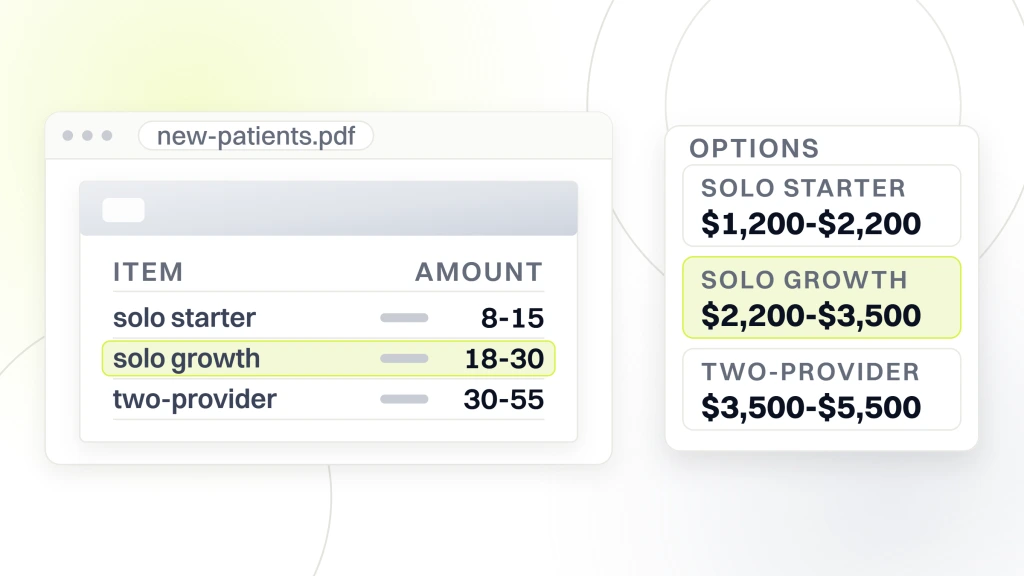
Budgets run $1,200 to $6,500 a month depending on practice size, market density, and whether you manage in-house or on retainer. Below is the working breakdown for four tiers of practice, calibrated on roughly 40 chiropractic accounts we’ve audited or run over the past three years across mid-competition suburban metros and denser urban markets.
| Practice size | Monthly production | Digital marketing budget | Expected new patients per month |
|---|---|---|---|
| Solo starter | $30,000 to $60,000 | $1,200 to $2,200 | 8 to 15 |
| Solo growth | $60,000 to $90,000 | $2,200 to $3,500 | 18 to 30 |
| Two-provider | $90,000 to $150,000 | $3,500 to $5,500 | 30 to 55 |
| Multi-location | $150,000 plus | $5,500 to $12,000 | 55 plus |
Where the money goes at $2,000 a month
At $2,000 a month you’re funding $1,200 in Google Ads spend, $400 in retainer for GBP plus review management, $200 in email and SMS tooling, $45 in call tracking, and $155 in landing page hosting and content upkeep. That budget produces 12 to 18 new patients a month in a mid-competition metro, which is the right level for a solo practice under $70,000 in production.
Where the money goes at $4,000 a month
At $4,000 you’re funding $2,000 in Google Ads spend, $1,000 in retainer covering SEO and content, $600 in ad management, $250 in email, SMS, and review tools, and $150 in tracking plus infrastructure. Expect 25 to 40 new patients a month. That’s where a two-provider practice usually lives once the growth stack settles in.
Fewer than 40 reviews or under a 4.6 star average on your Google Business Profile? Fix reviews before you spend a dollar on ads. Every other move gets 30 to 50% cheaper once you clear that bar.
Chiropractor Web Marketing Runs on Email and SMS for the Existing List
Email pulls the biggest ROI from the list you already own. Every practice has 300 to 800 inactive patients from the past two years. Reactivating 8 to 12% of them books 30 to 100 appointments and costs almost nothing in ad spend. That’s the cheapest channel in the whole stack, and the one most practices skip.
The 3-message reactivation flow
Message one, email on day zero. A personal check-in from the doctor. No offer. Just a question. “Haven’t seen you since April. How’s the back holding up?” Reply rate lands around 6%. Message two, SMS on day four. A short reminder with a booking link, signed by the doctor. Books another 4 to 5%. Message three, email on day twelve. The offer. A complimentary 15-minute posture check for lapsed patients. Books another 2 to 3%. Total reactivation lands at 10 to 13% of the list.
Ongoing patient newsletter cadence
Once you’ve reactivated the list, keep it warm with a monthly newsletter. Two paragraphs of useful content (one seasonal posture tip and one practice update), one photo of the team, one booking link. Open rates land at 32 to 45% for chiropractic patient lists that get a monthly touch. That keeps the list from going cold and produces 3 to 7 reactivation bookings per month on autopilot.
The tooling that costs almost nothing
ActiveCampaign or Klaviyo for email at $50 to $150 monthly. TextMagic or Twilio for SMS at $30 to $80. Your PMS (Jane, ChiroTouch, ChiroFusion) exports the inactive patient list. Total tool cost, about $130 a month. Total marketing team cost to run it, 3 hours a month once the templates are built. This is the highest-ROI move any practice can make.
The 90-Day Digital Marketing Rollout
Here’s the exact order to add digital marketing channels for a solo chiropractic practice starting from a cold marketing budget. Every step assumes the previous one is fully running before the next begins. Sequencing keeps the front desk sane and lets you measure what each channel is actually producing.
Weeks 1 to 2, foundation
Fully build the Google Business Profile. Upload 20 real photos. Install a call tracker on the website. Export your inactive patient list and load it into an email tool. Send the first reactivation email. First new patients from this work land inside 14 days, costing under $150 in total tooling.
Weeks 3 to 6, ads and reviews
Turn on Google Ads with a $1,000 monthly budget on chiropractor near me and city-plus-service keywords. Push all ad traffic to a dedicated landing page, not the homepage. Set up the review request text-back automation firing 4 hours after every completed adjustment. First paid patients book in day 3 to 7. Reviews climb from 40 to 60 over this window.
Weeks 7 to 12, scale and optimize
Scale Google Ads to $1,600 if cost per booked patient stays under $400. Launch the referral flywheel. $20 credit for referrer and referred at first visit. Add one monthly blog post targeting a local keyword. By day 90, new patient volume is up 40 to 90% vs. day zero baseline, and you’re spending under $500 per booked patient blended across all channels.
Send Google Ads traffic to a dedicated landing page, never the homepage. Homepage traffic converts at 1 to 2%. A single-offer landing page runs 8 to 15%.
How Fast Does Digital Marketing Produce Results
Different channels produce results on different timelines. Reactivation books patients in week one. Google Ads books first patients in day 3 to 7. Google Business Profile moves rankings in 2 to 4 weeks. Local SEO produces meaningful gains in 8 to 16 weeks. Content and blog SEO compound over 3 to 6 months.
The 30-day scorecard for paid
Judge Google Ads on 30-day windows. Cost per booked patient, total new patients, and cost per lead are the three numbers to watch. See our chiropractor lead generation guide for the 5-touch follow-up flow. If cost per booked patient is trending down and volume is trending up month over month, the account is healthy. If either flips for two consecutive months, audit the landing page first, then the keyword list, then the bids.
The 6-month scorecard for organic
Judge local SEO and content on 6-month windows. Local pack rank position for your top three keywords, total organic new patient calls per month, and organic booking form submissions are the three numbers to watch. If the local pack rank isn’t moving after 4 months, audit the citations, the reviews, and the on-page content on the location pages. Something is broken.
The 12-month scorecard for everything
Judge the whole digital marketing stack on a 12-month window against the previous year’s baseline. Total new patients acquired via digital channels, blended cost per booked patient, retention of digitally acquired patients past visit 4, and lifetime value per digitally acquired patient. Those four numbers over a rolling 12 months tell you whether the money is working.
The Mistakes That Tank Chiropractor Digital Marketing Budgets
Four mistakes eat the majority of budgets we audit. Any single one can kill the ROI of an otherwise sound stack. Watch for these before you spend another dollar.
Sending ad traffic to the homepage
You pay $4 a click to send someone to a homepage with six competing calls to action, staff bios, blog posts, and a chatbot. They read for 8 seconds and leave. Ninety percent of failed accounts we audit lose 50 to 70% of ad spend at this exact stage. Every ad campaign needs a dedicated landing page with one offer and one action.
No call tracker on the website
Without call tracking, you can’t tell which channel produced which patient. You cut the wrong one first. Then you spend another quarter reconstructing what was working before you touched it. Install CallRail at $45 a month before you spend another cent on ads. Non-negotiable.
Firing organic SEO at month three
Local SEO produces at month 3 to 6. Content SEO produces at month 6 to 12. If you fire either at day 90, you’re firing right before the results land. The rule. Judge SEO on 6-month windows, not 30-day windows. Different scorecards for different tools.
Chasing every new channel that gets marketing panel airtime
TikTok will not book you patients. Neither will programmatic display. Neither will Yelp Enhanced. Every quarter a new channel gets a marketing panel spot and every quarter half the practices we work with ask if they should add it. The answer is almost always no. Build the six core channels first. Add novel channels only after the six are producing consistently for 12 months.
Real numbers from a comparable practice
We ran the same stack (unified website plus local SEO plus paid ads) for a healthcare-group practice with a similar patient volume profile. In 12 months, new monthly patients doubled, the practice added $8,100 in recurring monthly revenue, and search impressions climbed 776%. The math translates directly. The chiropractic practice that wins the local pack and stacks reviews will pull new patients faster than the practice that outspends them on ads.
If local pack rank stays flat for 4 months, the fix is citations, reviews, and on-page content. Not more ad spend.
In-House vs. Agency for Online Marketing for Chiropractors
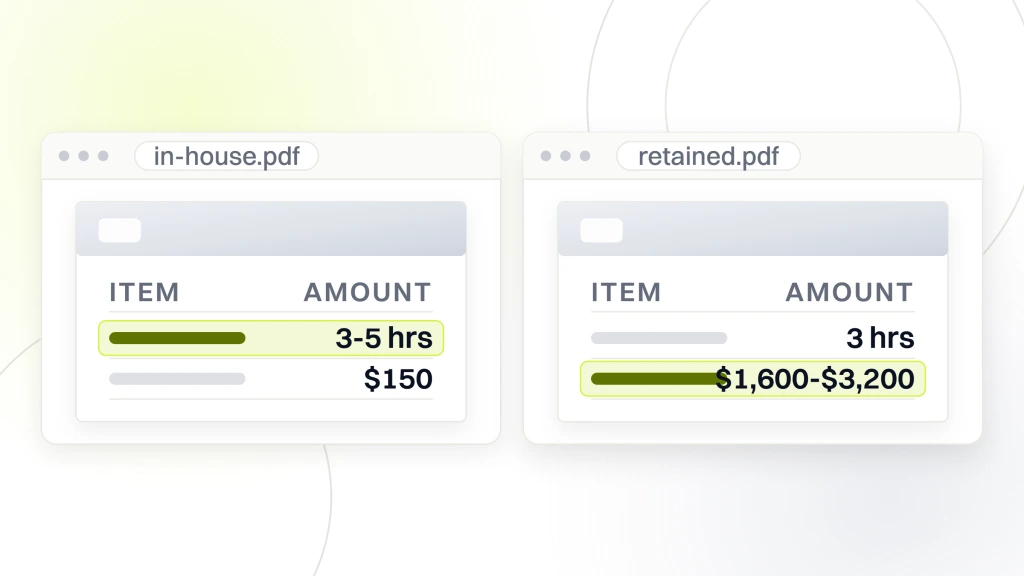
Solo practices under $70,000 monthly production can run the starter online marketing for chiropractors stack in-house on 3 to 5 hours a week of owner or front-desk time. Internet marketing for chiropractors at this tier stays lean since the front desk owns most of the daily tasks. Above that revenue line, the opportunity cost of the owner running marketing is higher than the cost of retaining an agency. The math is straightforward once you plug in a real hourly value.
What in-house handles well
Google Business Profile posts, review request follow-up, community event coordination, the reactivation email cadence, and social media posts (if you insist on running social). These are low-skill, high-relationship tasks. Your team lives inside the practice and can do them faster than any external partner.
What an agency handles better
Google Ads management (skill compounds across accounts), technical SEO, landing page builds, content production, and analytics dashboards. If you value your time at $150 an hour or more, hiring these out at $1,600 to $3,200 a month retained is straightforward math. When you’re ready to run the full stack, our chiropractor marketing services cover every channel in this guide.
The hybrid that works for growing practices
Front desk handles GBP posts, reviews, and reactivation. Agency handles Google Ads, SEO, and the website. Owner reviews the numbers once a month for 45 minutes. Total owner time on marketing, about 3 hours a month. Retainer cost, $1,600 to $3,200. New patients, 25 to 45 a month. That’s a working shape for a practice over $80,000 in monthly production.
Make Chiropractor Web Marketing Work This Week
You now have the six-channel stack, the budget ranges, the 90-day rollout, and the four mistakes to avoid. What matters this week is picking one thing to add or fix, not overhauling everything at once. Pick the biggest gap in your current stack. Fix that first, then move to the next.
If you have no attribution stack
Install CallRail this week. Add source tracking numbers to Google Ads, GBP, and the website. Add the source dropdown to your booking form. Reconcile call sources against PMS new-patient sources for two weeks. That single move usually reveals which channel is wasting 30 to 50% of your current marketing spend.
If your website hasn’t been touched in 4 years
Audit load speed, mobile booking flow, and homepage clarity. If any of those three fail, plan a rebuild. Read our chiropractor website design guide first. It walks the specific structure that converts for chiropractic practices.
If ads are underperforming
Read our PPC for chiropractors guide next. It covers the specific keyword lists, budgets, and landing page structure that produce results. For a broader read on the whole channel stack, our chiropractor marketing guide covers the seven channels in more depth. External benchmarks worth reading. Google local business schema documentation, HubSpot on local SEO fundamentals, and Search Engine Journal’s local SEO section.