
Healthcare PPC advertising channels sit where high-intent search meets tight medical-vertical policy rules that most advertisers skip. Retail paid search tactics fall apart here. Google, Meta, and Microsoft each treat medical services as a special category with its own management rules with disclosure rules, targeting limits, and creative restrictions that trip up generalist agencies. This guide walks every viable option among healthcare PPC advertising channels, what each one costs, what each one converts, and where the compliance risks sit that most vendors miss until an Office for Civil Rights (OCR) letter shows up at the practice. You’ll see how healthcare PPC advertising targeting differs from consumer targeting, which paid media channels to prioritize by specialty and patient lifetime value, and how to build a channel mix that grows past month three instead of stalling. Per the Google and Compete hospitals study published on Think with Google, 77% of patients used search prior to scheduling an appointment, so the right mix of healthcare PPC advertising channels is how the practice shows up in that window with the right message at the right moment.
Meta Paid Social for Elective Healthcare PPC Advertising Channels
Meta paid social (Facebook and Instagram) works best among healthcare PPC advertising channels when the service is elective, cash-pay, or visual. Cosmetic dentistry, med spa treatments, cataract surgery, hair restoration, plastic surgery, and orthodontics all fit. Meta no longer allows health-condition segmentation, but interest-based and lookalike targeting still perform in these categories because the buying decision is emotional and visual, not clinical. Practices treating this platform as HIPAA-compliant paid social get real reach, so long as the audience data upstream stays clean.
Meta creative for medical practice paid ads has to feel real, not stock. Patient photos with signed releases, practice team introductions, and short procedure walkthroughs beat polished stock imagery every time. Before-and-after photos face restrictions in some categories, so the creative should lean on transformation stories, provider credentials, and outcome quality when the platform rules block direct clinical imagery. Video assets outrun static assets by a wide margin, and Reels placements pull the lowest cost per booked patient in most elective accounts we audit.
| Meta Format | Best For | Relative Cost per Acquisition (CPA) | Relative Conversion Rate (CVR) |
|---|---|---|---|
| Feed static image | Awareness for elective services | Higher | Lower |
| Reels + Stories video | Provider intro + transformation stories | Lower | Higher |
| Lead form ads | Consultation booking | Lower | Higher |
| Retargeting carousel | Warm audiences from website | Lowest | Highest |
Budgets across paid social healthcare PPC advertising channels usually put the bulk of spend into cold prospecting, a smaller slice into retargeting, and the remainder into brand awareness for larger practices in growth mode. Practices that over-invest in retargeting without fresh prospecting watch the retargeting pool shrink and CPAs climb as the same audience sees the same ads. Frequency capping matters more on Meta than on any other paid channel, and it’s the single biggest lever for keeping CPA healthy long term.
Microsoft Ads and Overlooked Healthcare PPC Advertising Channels
Microsoft Ads is the most underused paid channel in healthcare marketing. Bing’s audience skews older (55+) and higher-income. The channel concentrates on Medicare-age specialties like orthopedics, cardiology, ophthalmology, and gerontology. Cost per Click (CPC) runs lower than Google Search on matching keywords, and CVRs often match or beat Google because competition is thinner across these healthcare PPC advertising channels. Adding Microsoft first, before Meta, is usually the right move for cardiology or ortho groups.
The trade-off is smaller reach. Bing holds roughly 8% to 10% of US search market share, so Microsoft Ads supplements Google Search rather than replacing it. Practices that import once from Google Ads and forget miss the tuning that makes the channel work. Bing users search with different phrasing, respond to different ad copy, and convert at different rates than Google users, so the account needs weekly attention just like the primary paid search stack.
Beyond Microsoft, the other overlooked healthcare PPC advertising channels include Nextdoor Ads for hyperlocal practices, LinkedIn Ads for B2B healthcare tech firms selling into hospital systems, and native networks like Taboola for content-driven brand awareness. Each has narrow use cases, but each can post cost-per-booked-patient numbers that beat Meta or Google in specific niches. Test small, measure honestly, and kill fast when a channel misses your minimum ROI bar inside 60 days. Most paid media accounts skip these channels because the Google and Meta stack absorbs the available attention, and that’s a mistake for practices with budget headroom.
The healthcare PPC advertising channels most vendors ignore are often the ones that quietly post the strongest cost per booked patient in narrow specialty niches.
YouTube and Programmatic Video in Healthcare PPC Advertising Channels
YouTube pre-roll works well across healthcare PPC advertising channels when the goal is patient education and brand recall, not direct response. Practice-produced videos work well as pre-roll here. Think 2 to 4 minute procedure walkthroughs, provider Q and A, or patient story features. Serve them against condition-related content, and brand recall shows up as branded Google searches 30 to 60 days later, so the attribution window has to stretch beyond a single click.
The direct-response case for YouTube video ads is weaker than the brand-building case. YouTube healthcare conversion rates typically sit at 0.5% to 2%, which is low even for video. Measure YouTube in a paid mix by branded search growth and assisted conversions from remarketing pools, not direct view conversions. Set up attribution to catch that longer path, or the channel looks unprofitable when it drives real revenue through assisted paths that Google’s default reports flatten.
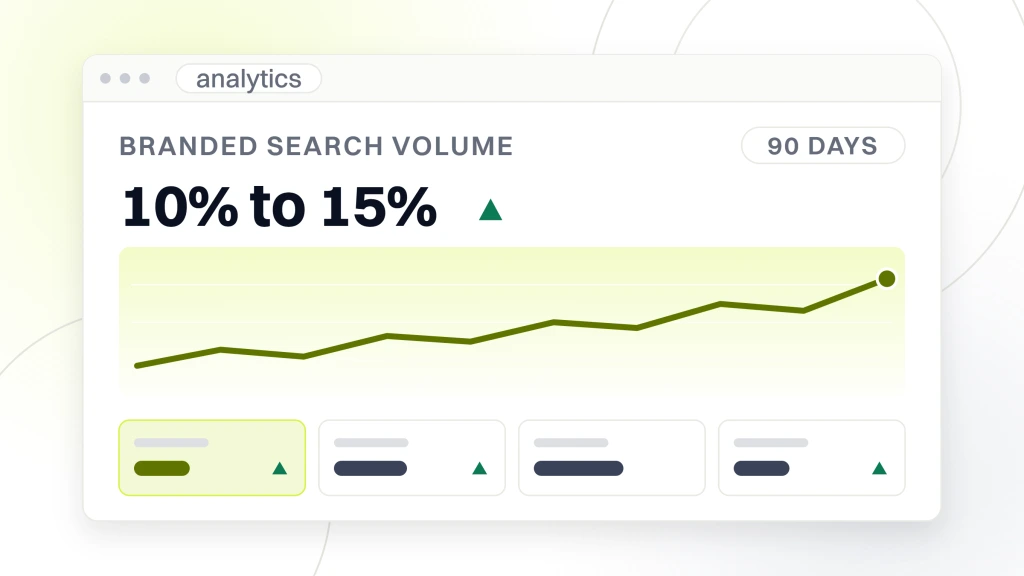
Programmatic video and Connected TV (CTV) fit larger practices and hospital systems building regional brand awareness. Costs are higher, targeting is broader, and attribution is harder, but the top-of-funnel effect is real when the budget covers a full market. Skip programmatic if your monthly ad budget sits under $15,000 because the channel needs scale to work. For a full walkthrough of channel-specific tactics, see our PPC Tips for Healthcare. Practices running YouTube pre-roll for 90+ days consistently see 10% to 15% growth in branded search volume, the leading indicator worth tracking to justify continued investment in these healthcare PPC advertising channels.
HIPAA and Healthcare PPC Advertising Channels Compliance
HIPAA compliance across healthcare PPC advertising channels isn’t optional. It also isn’t something to figure out after launch. Every channel that sends conversion data back to an ad platform potentially transmits Protected Health Information (PHI) unless the setup blocks it. Google Ads, Meta Ads, Microsoft Ads, and TikTok Ads all use conversion tracking built for consumer commerce, not clinical services, so the burden of PHI scrubbing falls on the practice’s tracking stack.
A compliant setup uses server-side conversion tracking that scrubs PHI (patient names, conditions, appointment types) before data hits the ad platform. Signed Business Associate Agreements (BAAs) sit with every downstream vendor touching the data. Landing page URLs and form fields exclude patient-identifiable content. Google will not sign a BAA for standard Google Ads under any circumstances, so the compliance work sits on your infrastructure and the tracking-vendor layer, not the platform layer. For the platform-side context, see the Google Ads healthcare and medicines policy.
Practices that skip this work face audit risk from the Office for Civil Rights. Fines for a single violation run well into six figures. Multi-violation cases hit seven or eight figures, plus breach notifications to every affected patient. The paid ad accounts Redefine Web runs treat compliance as a security decision before any bid strategy, not a marketing afterthought once ads are live. That order matters, and it’s the difference between an account across healthcare PPC advertising channels that grows sustainably and one that becomes a headline for the wrong reasons.
Treat HIPAA-compliant paid social tracking as a security decision that happens before any bid strategy, not as a checkbox once the ads are already live.
Targeting Rules Across Healthcare PPC Advertising Channels
Targeting across healthcare PPC advertising channels carries more restrictions than most verticals because Google and Meta both treat medical services as a sensitive category. You can’t target on health conditions, medical history, or prescription use. You can’t build remarketing lists from users who visited condition-specific landing pages. Those visits count as PHI. Interest categories tied to specific medical conditions are also off-limits on Meta, and violating that boundary usually ends in a full ad account suspension.
What you can target: geography, age range, income (via household income proxies where allowed), device type, time of day, and behaviors tied to non-medical categories like fitness enthusiasts, wellness content readers, or luxury goods purchasers for elective cash-pay services. Lookalike audiences built from converted patients also stay compliant when the seed data was collected under proper HIPAA controls and hashed before transmission to the ad platform. That combination of intent, geography, and clean seed data is the safe zone for medical practice paid ads.
The safest healthcare PPC targeting model pairs two layers. Geo-radius plus intent-based keyword targeting on Search, and geo-radius plus interest-adjacent behavior targeting on Meta. Anyone selling condition-specific targeting on major ad platforms is either violating platform policy, HIPAA, or both, and the audit risk sits on the practice, not the vendor, in most cases. For a deeper walk-through of channel compliance, our Healthcare PPC Management guide covers the ongoing cadence. The HHS guidance on HIPAA and online tracking spells out the boundaries in detail. The safe rule stays constant across every one of the healthcare PPC advertising channels you run. If the targeting parameter references anything about the patient’s health status, avoid it and lean on intent and geography instead.
Building a Multi-Channel Healthcare PPC Advertising Channels Mix
Most practices should build their mix of healthcare PPC advertising channels in phases, not all at once. Phase one runs Google Search only, focused on bottom-funnel exact-match keywords with a HIPAA-compliant tracking setup. Hit 30 to 50 conversions per month here before expanding, because Smart Bidding needs the data to work well and the account needs a baseline to measure against. Skipping this baseline is the single most common reason multi-channel accounts stall at month four.
Phase two adds Meta paid social when the practice has elective or cash-pay services, or Google Local Services Ads (LSAs) when the practice category qualifies. Phase three adds Microsoft Ads and YouTube pre-roll once the primary channels are stable and the practice can review three ad accounts weekly instead of one. Phase four, for larger practices, adds programmatic video, native ads, and any specialty publisher networks worth testing. The pacing matters as much as the mix itself.
The pattern holds across the industry. A practice that pitches five healthcare PPC advertising channels at month one usually has zero channels working by month six, because attention spreads too thin. Practices that focus on one channel for 90 days and expand carefully from there beat practices that launched everything at once by 40% to 60% on cost per booked patient. Fewer channels executed well beats more channels executed badly every single time. For the pillar-level view, see our PPC for Healthcare. Data from HubSpot’s channel benchmark reports backs the phased approach. Focused single-channel accounts beat multi-channel accounts of the same total spend by 20% to 30% in year one.
Fewer healthcare PPC advertising channels run with weekly discipline beat a five-channel launch every time on cost per booked patient inside the first 90 days.
Common Mistakes Across Healthcare PPC Advertising Channels
Every account Redefine Web cleaned up after a prior vendor showed the same repeat mistakes across their healthcare PPC advertising channels. First, no HIPAA-compliant conversion tracking. The account tracked conversions the way any e-commerce account would, pushing PHI to Google or Meta with every event. Second, broad-match keywords ran without weekly negative-keyword additions, burning budget on irrelevant searches unrelated to the practice’s specialty or geography. Third, form fills got treated as the only conversion, hiding the 60% of patient inquiries that arrive by phone.
- Missing HIPAA-safe tracking that transmits PHI to ad platforms with every conversion event.
- Broad-match keywords running without weekly negative keyword discipline.
- One landing page for every ad instead of service-specific pages matched to intent.
- Form fills tracked as the only conversion when 60% of patient inquiries are phone calls.
- Meta ads running at scale with health-condition targeting that violates platform policy.
- Programmatic video for accounts under $15,000 per month that don’t have the budget for the channel to work.
- No cost-per-booked-patient reporting so the account looks profitable until the front desk data surfaces the truth.
Fix these seven and the average practice’s healthcare PPC advertising channels get 30% to 50% healthier inside 60 days. None of these fixes need more budget. They need attention and specific technical work that most agencies skip because it’s unglamorous compared to launching new ad copy or new formats. That gap between what agencies pitch and what accounts really need is why paid media in this space has a reputation for expensive underperformance.
Case Study on a Multi-Channel Healthcare PPC Advertising Channels Rebuild
Smile Design Dentistry, a 50+ location Dental Service Organization (DSO) based in Dade City, Florida, came to Redefine Web running healthcare PPC advertising channels across Google Search, Meta paid social, and programmatic display with a previous agency. Results were mixed. Attribution was tangled, budget spread evenly across channels regardless of ROI, and cost per booked patient stayed invisible in the prior vendor’s monthly reports.
Redefine Web rebuilt the channel mix over 90 days. Google Search got restructured by service line and geography with per-location bid adjustments and HIPAA-compliant server-side tracking. Meta paid social refocused on elective services like Invisalign, veneers, and cosmetic work instead of general practice, which grew CVR from 2% to 5%. Programmatic display paused entirely because the account wasn’t at the scale to work, and the budget shifted into Google Search where it converted better. CallRail integrated end-to-end with the scheduling system, and cost per booked patient became the top-line metric across every one of the active healthcare PPC advertising channels.
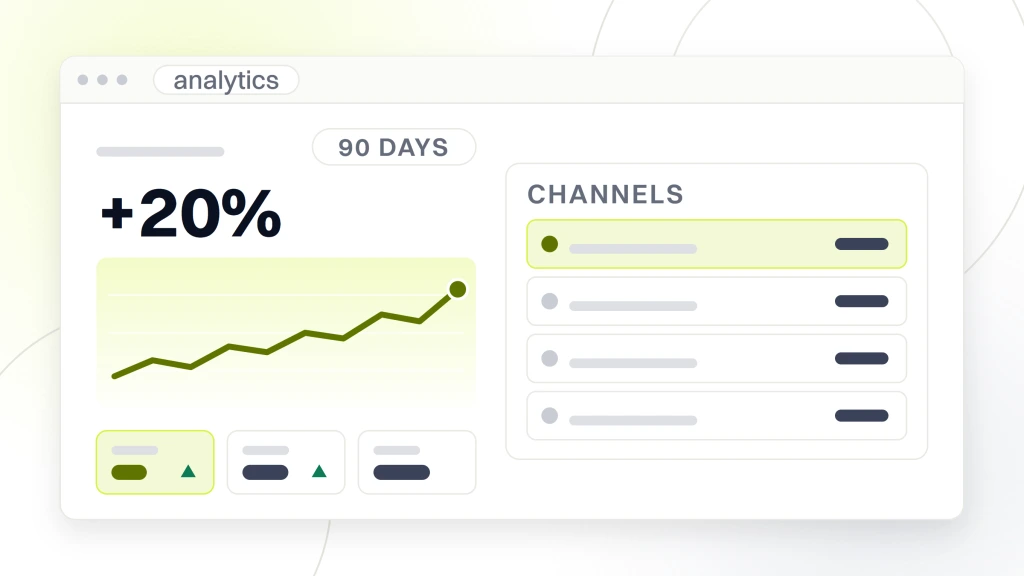
Ninety days in, PPC conversion rate grew 20%, cost per call dropped 30%, and the DSO could finally see which channels drove real patients versus which drove only impressions across all 50+ locations. That reporting transparency, more than any bid tweak or creative test, turned the engagement into the scaling relationship healthcare PPC advertising is supposed to produce. For a related view on picking the right partner to deliver this, see our Healthcare PPC Services Guide.
Where Healthcare PPC Advertising Channels Go Next
Healthcare PPC advertising channels in 2026 are trending toward tighter compliance, more automation, and stronger first-party data infrastructure. Google’s rollout of Enhanced Conversions for Leads and Meta’s Conversions API both push accounts toward server-side data flow, which is the same infrastructure HIPAA compliance requires. Practices that build server-side infrastructure now stay ready for the next 3 to 5 years of platform changes without costly rebuilds. The platforms are converging on the same architecture the compliance rules already demand.
AI-generated creative is showing up across every platform. Google’s Performance Max and Meta’s Advantage+ campaigns lean heavily on machine-generated variants of your provided assets. For paid ads in medical categories, this creates opportunity through faster creative testing and risk because compliance review has to happen on every AI-generated variant before it goes live. Practices that trust automation without a compliance review layer stay one bad AI variant away from a platform suspension or worse.
The winning strategy across healthcare PPC advertising channels over the next few years mixes disciplined channel selection, HIPAA-compliant server-side tracking, tight first-party data collection, and a creative pipeline that pairs human review with AI assistance instead of handing every decision to the machines. For the audit method that supports all of this, see our PPC Audit for Healthcare. Per WordStream’s benchmark data, healthcare accounts that adopt server-side tracking early beat accounts that delay, and the gap is widening across every one of the paid media channels covered here.