
Healthcare PPC management is the ongoing work of planning, launching, and refining paid search and paid social campaigns for medical practices and hospitals, with HIPAA-safe tracking, patient-intent keyword control, and cost-per-booked-patient math wired into every account. Done right, it turns Google Ads and Meta Ads spend into scheduled appointments. Done wrong, it fills your intake line with tire-kickers or, worse, triggers a policy strike that pauses your account for a week.
Paid search in healthcare is unlike almost every other vertical. Ad platforms restrict claims, HIPAA rules gate what tracking pixels can carry, and patients research for days before they call. So the account structure, landing pages, and reporting all have to bend around those constraints. This guide walks through what solid paid programs actually cover, the KPIs that matter, the 7 pitfalls that quietly waste budget, and the pricing bands you should expect from an outside team.
Netpeak’s 2026 healthcare benchmarks put paid conversion rates at 2 to 5%, CPC between $50 and $200, and return on ad spend between 3 to 1 and 5 to 1 across the industry. Hit the top of those ranges and PPC becomes your most predictable patient-acquisition channel. Sit at the bottom and you’re subsidizing your competitors’ rankings.
What healthcare PPC management actually covers
A real engagement covers 6 workstreams, run in parallel every month. Skipping any one of them is the fastest way to bleed money.
- Account architecture. Campaigns split by service line, intent stage, and geography, with negative-keyword lists pruned weekly.
- Ad copy and creative. Compliant headlines, extensions, and Meta creatives refreshed every 14 to 21 days so CPMs don’t drift up.
- Landing pages. One page per service line, with a scheduling widget above the fold and third-party review proof below it.
- HIPAA-safe tracking. Server-side conversion signals, hashed identifiers, and Business Associate Agreements with any vendor touching patient data.
- Bid and budget control. Daily pacing, seasonality overlays, and shift of budget toward the campaigns that book patients, not the ones that harvest clicks.
- Intake and follow-up loop. Call recordings, missed-call SMS, and lead scoring so the numbers you optimize against are booked patients, not raw form fills.
The pattern most audits reveal. Only 2 of the 6 workstreams get real attention. The other 4 sit on autopilot and quietly erase gains from the ones that do. Good healthcare PPC services price the full 6 as a package. Cheap ones price 2 and leave you exposed.
Account architecture that respects patient intent
Patient intent shows up in the search query. “knee replacement surgery” is research. “orthopedic surgeon near me” is a booking signal. The account has to separate these so bids and landing pages match what the searcher wants.
Build 3 intent tiers. High-intent campaigns get 40 to 50% of budget, exact and phrase match, and land patients on scheduling pages. Mid-intent campaigns run 30 to 40% of budget and route to service-education pages with a soft consult ask. Low-intent research campaigns take the rest and feed blog content plus remarketing lists. Blend the tiers and you’ll pay $200 per click to educate someone who was never going to book.
Compliant creative that still converts patients
Google’s healthcare and medicines policy blocks unrealistic outcome claims, before-and-after imagery for restricted procedures, and any language that implies a cure. LegitScript certification is required for addiction treatment, rehabilitation, and telepharmacy. Skip the certification and every ad in that specialty gets disapproved automatically.
Compliant copy still converts. Lead with the specific service, the appointment ask, and one trust signal. “Book a same-day dermatology appointment. 4.9 stars, 800+ reviews.” beats “Best skin doctor in town” every time on both compliance and click-through rate.
KPIs that matter (and 3 that lie to you)
Most healthcare PPC dashboards track 10 numbers. Only 5 of them actually predict whether the account is winning. The other 5 are decoration.
Track these 5, in this order.
- Cost per booked appointment. Ad spend divided by patients who actually showed up. Nothing else counts.
- Cost per qualified inquiry. Form fill or call where the caller matched service, geography, and insurance criteria.
- Show rate. Booked appointments that actually walked in. Below 70% and you have an intake problem, not an ads problem.
- Lifetime patient value by service line. Orthodontics is worth 5 to 8x a routine cleaning. Bids should reflect that.
- Return on ad spend by campaign. Revenue attributed to each campaign after refunds and no-shows.
Ignore raw click-through rate, impression share, average position, and cost per click as standalone scores. They read like progress and often mask the fact that you’re paying to reach the wrong searchers. Cost per click matters only when compared to the value of a booked patient in that service line.
Track cost per booked appointment weekly. Everything else is a leading indicator or a vanity number. If show rate drops under 70%, fix intake before touching bids.
The 3 KPIs that quietly mislead you
Click-through rate. A 12% CTR on a research query is worse than a 4% CTR on a booking query, and the second one is the one that pays your rent. Impression share. Dominating impressions on the wrong keyword set means you’re winning a race that ends in a dead-end. Cost per lead without qualification. 100 leads at $20 each sounds great until you learn 80 were outside your service area or on the wrong insurance.
Benchmarks by specialty
Netpeak’s 2026 data. Conversion rates run 2 to 5%, CPC $50 to $200, CTR 3 to 6%, and ROAS 3 to 1 up to 5 to 1. Dermatology and dental cosmetic sit at the low end of CPC but the high end of ROAS. Behavioral health, addiction treatment, and orthopedic specialty push CPC toward $200 and beyond, so the account has to work harder on landing pages and intake to keep ROAS above 3.
How to structure campaigns for practices and hospitals
The structure that works for a single-location practice fails for a 20-location system, and vice versa. Pick the structure that matches your footprint before you touch keywords.
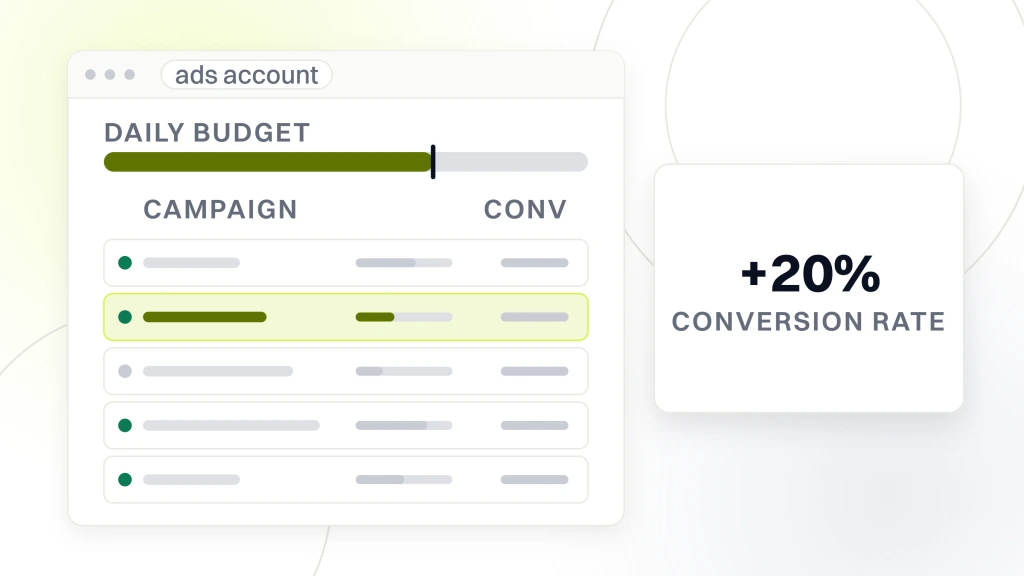
Single-location practice. 3 to 5 campaigns split by service line. One brand-defense campaign. Geo-targeting set to a 15 to 25 minute drive time, not zip codes. Total keywords under 200. Daily budget floor around $30 per service-line campaign for meaningful signal.
Multi-location or DSO. Campaigns split by location, then by service line inside each location. Shared budgets and portfolio bid strategies so high-performing offices don’t starve low-performing ones prematurely. Landing pages that keep national branding but swap phone number, address, and provider bios per office. This is the setup we used at Smile Design Dentistry, a 50+ location dental support organization, and it produced a 20% higher PPC conversion rate and a 30% drop in cost per call in year one.
Hospital system. Service-line campaigns nested under a master account per facility, with separate accounts for oncology, cardiology, orthopedics, and women’s health, so each has different LegitScript, Business Associate Agreement, and compliance patterns. Portfolio bidding constrained by facility capacity signals from the scheduling system.
Landing pages, not homepages
Sending paid clicks to your homepage is the single most common healthcare PPC mistake. Homepages talk to 5 audiences at once. Landing pages talk to one. Build one page per high-intent campaign, matched to the ad’s promise, with a scheduler above the fold, 3 patient reviews with names, insurance list, provider photo, and driving directions.
Aim for a conversion rate on those pages between 8% and 15%. The 4% average for healthcare landing pages comes from practices that let the site vendor build the page. A conversion-focused page can double or triple that.
Send every paid click to a dedicated landing page, not the homepage. Practices that make this one change gain 30 to 60% higher conversion rates in the first month with no change to ad spend.
HIPAA-safe tracking and analytics
Standard Google Analytics and Meta Pixel implementations can pull protected health information into third-party servers, and that’s a HIPAA violation the second it happens. Server-side tracking with hashed identifiers, no PHI in URL parameters, and a signed Business Associate Agreement with your call-tracking vendor are the 3 minimums. CallRail publishes its HIPAA program for reference, and Google’s ads policy documents the boundaries at its healthcare policy page and personalized-advertising restrictions.
7 pitfalls that quietly drain paid budget
Every healthcare PPC audit surfaces the same 7 problems. Fixing 3 of them usually recovers 20 to 40% of wasted spend inside a quarter.
- Homepage as landing page. Discussed above. Fixes fastest.
- Broad match on high-CPC keywords. “Dermatologist” on broad match at $65 CPC is a wire to burn cash. Phrase and exact only for anything over $30 CPC.
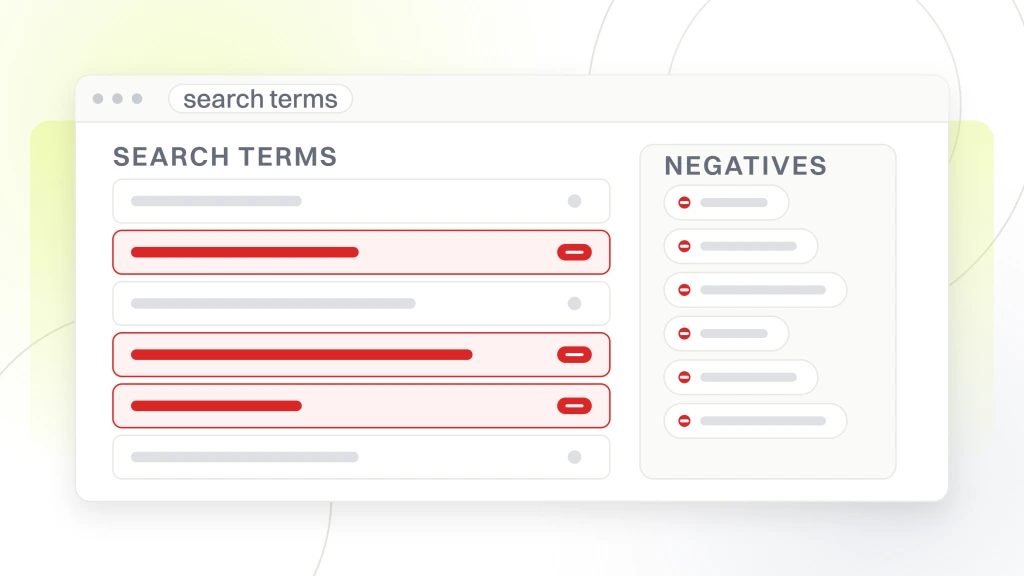
- No negative-keyword hygiene. “jobs,” “salary,” “school,” “symptoms,” “free” belong on every healthcare account’s negative list. Prune weekly.
- Meta creatives running past 21 days. Fatigue drives CPM up 20 to 60% and drops click-through by half. Rotate every 14 to 21 days.
- Missing call tracking. Most healthcare conversions still happen on the phone. If you’re not recording calls and scoring them, you’re optimizing to form fills that convert at half the phone rate.
- Ignoring show rate. Booked patients who no-show still cost the same as ones who arrive. If show rate drops under 70%, fix reminders and intake before touching campaigns.
- Reporting on click cost, not patient cost. Cheap clicks that never convert are the most expensive spend line in the account. Report cost per booked patient, monthly, to leadership.
Fix homepage-as-landing-page, add negatives weekly, and refresh Meta creative every 14 days. These 3 moves alone recover 20 to 40% of wasted budget in a quarter.
The intake pitfall nobody talks about
Marketing runs the ads. The front desk answers the phone. When the front desk misses 30% of paid calls, no amount of PPC optimization saves the account. Before spending another dollar on ads, staff the phone during ad hours, add missed-call SMS auto-reply, and score every recorded call for booking outcome. Practices that fix intake first see PPC ROI jump 40 to 70% without touching the account.
The tracking pitfall that ends contracts
Standard pixel drops that capture URL parameters with condition names, appointment types, or provider names put you in HIPAA violation territory. The 2023 HHS guidance was explicit. Enforcement is real. Server-side tracking, hashed patient identifiers, and BAAs with every vendor touching data are table stakes for any paid program. If your current PPC vendor can’t explain their HIPAA posture in 3 sentences, get a new vendor.
What healthcare PPC management costs
Paid-search pricing lands in 4 bands. Ad spend is billed separately from management fees in every band.
- $999/mo. Solo practice, one service line, up to $3K in monthly ad spend. Weekly bid updates and monthly reporting.
- $1,499/mo. Multi-service practice, 2 to 4 campaigns, up to $10K in ad spend, weekly reporting, and one landing page rebuild per quarter.
- $2,499/mo. Multi-location practice or single-location hospital service line, up to $30K in ad spend, weekly optimization, and full call scoring plus intake feedback loop.
- From $4,500/mo. Hospital system, DSO, or multi-facility group, 5+ service lines, ad spend $50K and up, portfolio bidding, and executive reporting tied to booked-patient revenue.
Compare that to the cost of a wasted quarter. A 20-location DSO burning 30% of a $50K monthly ad budget on the wrong queries is losing $45K a quarter. A $2,499 management fee that fixes that math pays for itself in the first 3 weeks. Read the full PPC for healthcare guide for the pricing math per specialty.
What the cheap tier hides
PPC packages under $999/mo usually mean one of 3 things. A junior operator with no healthcare compliance training. An automated bid-management tool with no human check. Or a bait-and-switch where the management fee is low but the ad platform pushes budget you never approved. Pick any of the 3 and you’ll pay for it in a HIPAA fine, a policy suspension, or 6 months of untraceable spend.
What the enterprise tier delivers
At $4,500/mo and up, the deliverables shift from execution to program management. Portfolio bidding across facilities, capacity-aware pacing tied to scheduling system data, custom LegitScript and BAA workflows, and executive reporting that ties campaigns to service-line revenue. This is where PPC stops being a marketing line item and becomes a patient-acquisition engine leadership can plan around.
How to pick a healthcare PPC management partner
3 questions cut through 90% of the vendor pitches you’ll hear.
First. Ask for 2 case studies in your specialty with cost per booked patient, not just cost per lead. If the answer is vague, keep looking. Second. Ask how they handle HIPAA-safe tracking. If the answer is “we use standard Google Analytics,” that’s a hard no. Third. Ask how they’ll report to you. Weekly optimization notes and monthly leadership reviews tied to booked-patient revenue is the minimum bar. Anything less and you’ll spend more time chasing data than reviewing results.
Healthcare-specific experience matters. General PPC agencies price cheaper and cost more in the long run. They’ll learn compliance on your account instead of yours. A team that already runs multi-location dental, hospital service-line, or specialty medical accounts skips the tuition period. See how our healthcare marketing team structures engagements and the tests we run before we take on a new practice or system.
Vendor red flags
Any promise of guaranteed rankings, cure claims allowed in ads, or an unwillingness to sign a Business Associate Agreement is disqualifying. Any pitch that leads with “we drive more traffic” without a cost-per-booked-patient benchmark is a pitch for a click factory, not a patient-acquisition partner.
Working with a full-stack partner
PPC works best paired with local SEO, conversion rate optimization on the landing pages, and clean review generation on Google Business Profile. When those 4 systems reinforce each other, cost per booked patient drops 20 to 40%, since organic and paid campaigns share landing pages, tracking, and intake. Independent vendors on each system usually mean 3 different reports, 3 different phone numbers, and no clear owner of the outcome. Read the take on CRO agencies for healthcare websites for the CRO piece and the healthcare PPC agency setup for the paid side.
Turn healthcare PPC management into booked patients
Paid-search programs pay off when 6 workstreams run together, KPIs measure booked patients not clicks, and pitfalls get fixed in the order they cost you money. Start with landing pages, add HIPAA-safe tracking, prune negatives weekly, and refresh Meta creative every 14 days. Then compare cost per booked patient to lifetime patient value by service line and let that math run bids.
If the internal team is already stretched, an outside healthcare PPC management partner earns the fee back in the first quarter on a well-scoped account. Ask for cost-per-booked-patient case studies, HIPAA posture in 3 sentences, and weekly reporting cadence before signing anything. That’s the bar that separates a click factory from a patient-acquisition engine.