Web design services for small business owners are less about design taste and more about scoring vendors against a real rubric. Most owners open five agency websites, get lost in the same buzzwords, and pick the one with the prettiest portfolio. Six months later, the site is live, the phone still isn’t ringing, and the owner is $12,000 lighter with no clear answer on why. In short, the picking is the whole game. Get that part wrong and the rest of the build wastes your money.
This guide walks you through the 12-question scoring rubric we hand every owner before their first agency call. You get cost bands that hold up in 2026, the red flags that show up on the sales call, and the five questions that filter serious vendors from the pack. Plus a real client story from Passion Built, a Sydney renovation firm we rebuilt after two prior sites failed to book work. Read this guide once, keep the rubric open during your sales calls, and pick with confidence in one week instead of six.
Why web design services for small business owners matter most
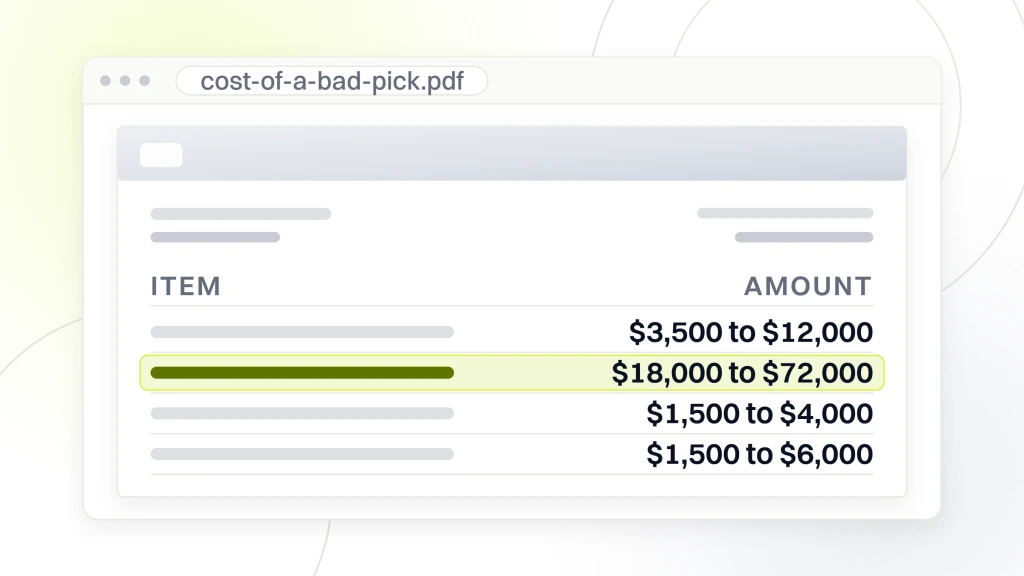
Web design services for small business owners are the single most consequential vendor pick most owners make in a decade. A bad choice costs you the $3,500 to $12,000 build fee, 12 to 18 months of an underperforming site, and the rebuild fee to fix it. The picking sets the ceiling on your whole outcome, and every honest guide on choosing a web vendor returns to this same math.
Small business owners spend an average of 84 hours across a six-week search picking a web design vendor, according to a 2024 Smashing Magazine survey of 412 owners. That’s two full work weeks of sales calls, discovery forms, and portfolio reviews spent shopping for small business web design services. The math punishes any owner who picks the wrong vendor by a wide margin, month after month, across 12 to 18 months of quiet underperformance.
The vendor sets the ceiling on what your site can do. A vendor without copy chops delivers a beautiful site that reads like a template. Next, a vendor missing conversion training delivers a site that ranks and never books a customer. And a vendor missing a real support process delivers a site that breaks the first time a plugin updates. Smart small business web design scoring covers all three. Copy, conversion, and support. Design is table stakes. Every serious framework scores the vendor against these three qualities before any portfolio is opened.
The real cost of picking wrong
A small business that picks a bad web design vendor pays three costs. First, the initial build fee at $3,500 to $12,000. Next, 12 to 18 months of lost customer bookings, which for a home services business running a $150 to $400 average ticket lands at $18,000 to $72,000 in missed revenue. On top of that, add the rebuild fee to fix the site, often 60 to 100 percent of the original build. In short, the total real cost of picking wrong sits between $25,000 and $85,000 for most service businesses. Meanwhile, the picking rubric costs an hour to run.
What a good pick looks like at 90 days
First, the site launches inside the promised window. Next, mobile page speed sits under 2.5 seconds. Then Google Analytics shows real visitors reading real pages. Contact form submits or booking calls arrive in your inbox weekly by day 60, and monthly volume climbs by day 90. On top of that, the vendor answers a support ticket inside 24 business hours. Above all, you have admin access to the site, the hosting account, and the domain. In short, that’s the 90-day scorecard. Any vendor that clears every line stays. Any that misses two goes on the do-not-refer list.
The 12-question scoring rubric to run on every vendor
The rubric for choosing a small business web design vendor scores every candidate against the same 12 questions. One point per clean answer. Then any vendor scoring under 9 gets dropped. And any scoring 10 or higher earns a second call. The rubric works. It forces vendors to answer specifics they usually leave vague, and it forces you to compare apples to apples across five or six sales calls that would otherwise blur into one pitch deck.
First, print the rubric. Every real framework for shortlisting small business web design vendors boils down to a written scorecard. Fill it in during each sales call. And don’t skip questions to be polite. Vendors comfortable with the questions score fast, close the call, and send a proposal within two business days. Vendors uncomfortable stall on the pricing questions, promise to check with the team, and rarely follow up in writing. That behavior sorts the shortlist for you. The 12 questions run in this order, and every answer either scores a point or does not.
- Ownership. Who owns the domain, files, and admin after launch? Correct answer: the client, unambiguously, from day one.
- Live proof. Can you show me three live sites you built in the last 18 months that book more than 10 customers a month? Correct answer: yes, with client names and URLs.
- Copy source. Who writes the copy? Correct answer: a named copywriter on your team, or a named contractor with a portfolio.
- SEO scope. What on-page SEO is included in the build? Correct answer: title tags, meta descriptions, alt text, schema, sitemap, and speed work.
- Total year one cost. What’s the total cost across the build fee, hosting, care plan, and any bolt-ons for the first 12 months? Correct answer: one number, in writing.
- Timeline. When will the site launch, assuming I respond to every request within 48 hours? Correct answer: 6 to 10 weeks with a milestone chart.
- Post-launch process. What’s your process for testing and improving the site in the first 90 days? Correct answer: a written playbook with metrics.
- Support SLA. How fast do you respond to support tickets? Correct answer: named business-hour window and after-hours emergency line.
- Exit terms. What happens if I want to move to another vendor in year two? Correct answer: full export of files, clean handover of the platform.
- Payment terms. What is the payment schedule? Correct answer: 30 to 50 percent upfront, milestone-based balance, final at launch.
- Reporting. How will I know the site is performing? Correct answer: monthly dashboard with real metrics, not a screenshot of Google Analytics.
- Named lead. Who on your team runs my account day to day? Correct answer: one named person with a real title and a real email.
How to score the rubric in real time
Open the small business web design rubric on a second screen. Take five-word notes on each answer as the vendor speaks. Don’t interrupt. Instead, listen. Don’t signal your score. Ask the follow-up question the vendor’s answer prompts, then move on to the next rubric item. A vendor giving clean answers finishes all 12 in a 45-minute call with time for two extended discussion points. A vendor stalling on more than three items uses up the hour and never gets to the last four questions. That stall pattern is itself a score.
How to weight the answers on your shortlist
Not every rubric question carries the same weight for every business. For example, owners running a booking-heavy service business weight support SLA and post-launch process at double points. In contrast, owners running a content or retail brand weight copy source and SEO scope at double points. In the same vein, owners with a fixed launch date, take a store opening, a trade show, or a seasonal push, weight timeline and payment terms at double. Decide the weighting before the first sales call. Score consistently. The weighting scheme predicts which vendor is the right fit for the business your site needs to serve.
Web design services for small business cost bands that hold up in 2026
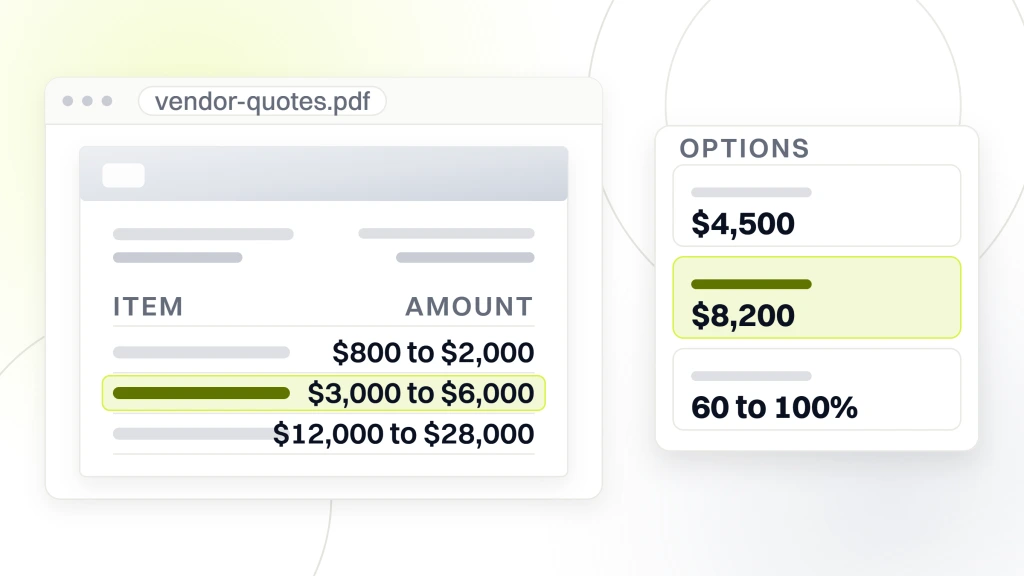
Pricing is where most owners shopping for small business web design services get lied to. Vendors quote the design fee and stay quiet on the hosting, the care plan, the domain, the third-party integrations, and the copy work. So you sign a $4,500 design contract and find out later that the true first-year cost sits closer to $8,200 once every add-on lands. The cost band comparison below groups vendors by their honest all-in first-year cost, not the misleading design-fee sticker.
Numbers below assume a five to ten page site for a service or retail business with a booking form, transactional email, basic SEO, and a first-year care plan. Ecommerce sites, membership sites, and heavy custom builds sit outside this range. If your project needs any of those, add 40 to 100 percent to the numbers below and rework the timeline to 12 to 16 weeks. The full website design package tiers Redefine Web offers land inside this framework.
| Vendor tier | Design fee | All-in year one | What you get | Where the risk sits |
|---|---|---|---|---|
| Freelance template drop | $800 to $2,000 | $1,600 to $3,500 | Template, generic copy, basic hosting, no SEO scope | No support, no updates, replaced inside 18 months |
| Solo consultant semi-custom | $3,000 to $6,500 | $4,800 to $9,500 | Semi-custom design, some copy, on-page SEO, first-year care | Bus factor of one, slow support in their busy weeks |
| Small agency custom | $6,500 to $14,000 | $9,500 to $18,500 | Custom design, real copy, full SEO scope, dashboard, care plan | Fit is the risk, not quality. Wrong-fit agency wastes budget |
| Full-service agency build plus paid search | $12,000 to $28,000 | $18,000 to $42,000 | Custom site, brand, copy, SEO, first 90 days of ads and reporting | Overspend for a pre-revenue business, right for $500K+ shops |
| DIY on Wix, Squarespace, or Shopify | $0 to $500 | $400 to $1,600 | Whatever you find time to build across 80 to 120 hours | Your time is the cost, not the tool fee |
What drives the price up inside each band
Inside the pricing lens on small business web design, custom photography adds $500 to $2,500. Real copywriting done by a human writer adds $1,500 to $4,000. Next, ecommerce and payment integration adds $1,500 to $6,000. Then membership or gated content adds $2,000 to $8,000. In addition, multi-language sites add 40 to 70 percent. Plus real accessibility work to Web Content Accessibility Guidelines 2.2 AA adds $1,000 to $3,000. Above all, every one of these is optional at launch. Cut them from year one, launch the site, and add them in year two once the site is producing revenue that funds the upgrades.
The recurring line items every quote should include
Every honest quote lists five recurring costs. First, hosting at $20 to $100 a month for a small business site, higher for ecommerce. Second, domain renewal at $15 to $60 a year. Third, care plan and security updates at $75 to $300 a month. Next, email service at $6 to $20 per seat per month. And an SSL certificate, usually free through the host but a $50 to $200 line if the vendor prices it out. Add these up, multiply by 12, and add to the design fee to get your honest all-in year one number. A vendor that won’t list these five is hiding the total cost from you.
Choosing between template, semi-custom, and full custom
Choosing between template, semi-custom, and full custom is the second-hardest call after picking the vendor. Templates cost the least and deliver in two to four weeks. In contrast, semi-custom costs three to four times more and delivers in five to eight weeks. And full custom costs five to eight times a template and delivers in eight to sixteen weeks. Fit follows the same order. For example, templates fit a solo owner with a simple pitch. Meanwhile, full custom fits a business ready to spend $6,000 a month on paid search and needs the landing pages to match.
Pick by your revenue stage, not by design ambition. For example, a pre-launch business picks a template and reinvests the savings in ads. Meanwhile, a business doing $200,000 a year picks semi-custom and moves the site toward conversion. And a business doing $500,000 or more picks full custom and treats the site as the front door of the whole operation. Skipping a stage forward wastes budget. Skipping back wastes the opportunity a bigger site could serve.
The template trap most owners fall into
The template trap sits at the $2,000 to $4,500 band. An owner picks a nice template, pays a designer to customize it, and ends up with a site that looks fine and books nothing. The trap is that customization time on a template costs almost as much as a semi-custom build from scratch, without the conversion architecture a real designer bakes in. If you’re paying more than $2,500 to customize a template, you’re paying template money for near-custom effort, and you should have picked semi-custom from the start.
What semi-custom really buys
Semi-custom buys three things a template can’t. First, real conversion architecture on the home and service pages, so booking forms sit in the right place and hero sections open with the pitch a buyer needs. Second, custom SEO structure, so title tags, meta descriptions, schema, and internal links line up with real search demand for your market. Third, a real support relationship, so the person who built the site is on call when a plugin updates or a Google policy shifts. Templates lack all three, and the missing pieces cost you customers on day one.
Red flags to catch during the vendor sales call
Red flags on the sales call are the fastest filter for vetting small business website vendors. For example, a vendor who won’t quote a total year one cost in writing hides the true cost. In the same vein, a vendor who won’t name the lead on your account hides the bus factor. And a vendor who won’t list three live sites with client names and URLs hides the portfolio. Any one of these three flags drops the vendor. Two flags together mean the vendor already failed your rubric before the second question.
Watch how the vendor answers the awkward questions. For instance, a vendor who bristles at “who owns the files” tells you they lock clients in. In the same vein, a vendor who answers “we can talk about that later” on payment terms is buying room to inflate the price mid-project. And a vendor who dodges the SLA question with a “we’re always available” line has no SLA. Vendors comfortable with real numbers answer them the same way twice, in writing, without hedging. Vendors uncomfortable rotate between three different answers across three follow-up emails.
- Free discovery call that turns into a two-hour pitch. Serious vendors qualify in 15 minutes and send materials. Long free calls signal a sales team, not a delivery team.
- Portfolio full of dead sites. Click every link. Sites 404’d, parked, or replaced by a different vendor’s build tell you what the actual retention rate looks like.
- Case studies without numbers. “We built a beautiful site for a local coffee shop” is not a case study. Real ones cite booking volume, revenue, or ranking outcomes.
- No named team members on the About page. White-label reseller shops hide the team. You get whoever the reseller subs the work to.
- Contract locks the domain or hosting. Some vendors write the contract so you can’t leave without buying the domain back at a marked-up rate. Read every page.
- SLA is “we’ll get back to you as soon as we can.” That’s not an SLA. That’s a promise to try, worth zero when a plugin update takes the checkout page down at 9pm.
- Payment schedule wants 100 percent upfront. Standard is 30 to 50 percent upfront, balance at launch. 100 percent upfront means the vendor has no incentive to finish.
- Won’t share a written scope document. If the scope lives only in the vendor’s head, every change becomes a change order at $150 an hour.
The contract clauses that protect you
Six clauses protect you inside a web design contract. First, full ownership of the domain and site files from day one. Second, escrow of the source files in a client-owned repository. Third, a written support SLA with response time, resolution time, and escalation path. Next, a 30-day termination clause with pro-rated refund of the care plan. Plus a change-order process that requires written signoff before extra hours bill. And clear intellectual property assignment so the copy, images, and code belong to you after final payment. Any contract missing three of these six clauses is a bad contract. Push back or walk away.
The portfolio check that catches lies
Vet the portfolio in 10 minutes. First, open every live site link in the vendor’s portfolio. Next, run each through PageSpeed Insights and screenshot the mobile score. Then note the launch date on the copyright line at the bottom of each site. Sites older than 24 months without a redesign tell you the vendor doesn’t refresh client work. Sites launched inside the last six months tell you the vendor is closing deals. Sites 404’d, parked, or now on a different vendor’s build tell you the retention rate is bad. Ask the vendor to explain any site that looks off. The answer tells you how they handle friction.
Questions to ask in the final call before you sign
The final call before you sign filters the last two vendors on your shortlist. Both vendors passed the rubric. Both quoted honest cost bands. Both cleared the red flag pass. The final call decides which one wins your money for the next 12 to 24 months. Five questions run this call. Every answer decides the pick. Don’t sign before all five land in a written email from the vendor’s named account lead.
Book the final call for 45 minutes. Bring the two shortlist scorecards. Then ask the same five questions of both vendors in the same order. Compare answers side by side that same day, before the vendors’ pitches blur together in your memory. The picking window is short. Owners who wait a week after the final call almost always default to the vendor with the smoother salesperson, not the better delivery team. Speed protects you from picking on gut feel.
The five questions that decide the choice
- Show me one client you dropped and why. Vendors who’ve never fired a client either don’t have standards or won’t tell you the truth. Honest answers name the client type and the friction pattern.
- What breaks first on a small business site after launch. A real answer names plugin conflicts, form spam, or slow page speed on the blog. A vague answer signals the vendor hasn’t run a site past 12 months.
- Who takes over if my account lead leaves your firm. Named backup with a real handover process protects you. “We’ll figure it out” tells you the bus factor is one.
- What does month 13 look like when the initial contract ends. A serious vendor has a written year-two proposal, a rebuild trigger point, and a soft handover option. A weak vendor plans to auto-renew and hope you don’t notice.
- Which of my competitors’ sites do you like and why. This one tests judgment. A vendor with real taste points to specific mechanics on a competitor site. A vendor without taste dodges or flatters everything.
How to decide when both vendors answer well
Two vendors answer all five questions well. Now what. Pick the vendor whose named account lead you actually want to work with for 18 months. Not the smoother salesperson. The person on the delivery team who’s on the call. The Nielsen Norman Group’s 2025 agency selection report found that account-lead fit predicts 12-month client satisfaction better than technical skill, price, or portfolio quality. Human fit is the tiebreaker. Trust it when your rubric says the technical case is even.
Choosing local vs remote web design services
Local versus remote is the last real choice on the picking rubric. For example, local vendors cost 15 to 30 percent more on average for equivalent scope. In contrast, remote vendors offer a wider pool and often stronger specialists in specific verticals. Neither wins on quality alone. The right pick depends on the type of business you run, whether you need on-site photography or in-person strategy sessions, and how comfortable you are managing a project entirely through Zoom and email.
Small business owners who work with their hands most days often pick local for the in-person handshake. Small business owners who spend most of the week in a browser pick remote for the wider talent pool. Both picks work. The picking rubric applies either way. What matters is that you score the vendor on the 12 questions, not on their proximity to your office. A remote vendor two states away who scores 11 out of 12 beats a local vendor who scores 8 out of 12 every time.
When local wins
Local wins for retail businesses that need on-site photography of the shop, product, or team. In the same vein, local wins for service businesses that want the vendor to shoot photos of the team in the field. Local also wins for owners who process complex decisions better in person and struggle on video calls. And local wins when your city has a strong web design community with two or three real specialists in your vertical. The premium of 15 to 30 percent is worth it when in-person time genuinely moves the project forward.
When remote wins
On the other side, remote wins when you need a specialist in a specific vertical, take dental, HVAC, or a niche ecommerce category, and the specialist doesn’t happen to live in your city. Remote also wins when the local shops are all generalists charging a premium for the office space. Remote wins for owners comfortable running the project through weekly video calls and a shared Notion or Google Docs workspace. Remote wins for pre-revenue businesses where the 20 percent local premium buys nothing that helps the site book customers.
A real client story on choosing web design services for small business use
Passion Built, a Sydney-based bathroom and structural renovation firm, called us after two prior vendors delivered sites that never booked a single job. The first vendor charged $6,500 for a WordPress template with stock photos. The second vendor charged $11,000 for a semi-custom build that took nine months to launch and ranked for six keywords total. The owner was $17,500 in and still relied on Facebook DMs to fill the calendar. He ran the 12-question rubric on us during the discovery call.
Our first job was proving the rubric worked. First, we named the account lead in the first email. Next, we shared three live renovation sites we had built in the last 18 months, with client names, URLs, and current monthly booking volumes. Then we priced the year one number as one figure in writing. Plus we showed the six-week milestone chart. The Passion Built owner scored us 11 out of 12, dropping one point on the copy source question, since we contract copy through a named partner rather than staffing it in-house. Two follow-up emails later, we signed.
The launched site drove $60,000 in booked renovation work in the first 12 months, direct from new website leads, SEO, and paid ads. Monthly website visitors grew past 800, up from the 40 or so the old site attracted. Keyword rankings expanded from 6 to over 300 terms, which is what real SEO work looks like on a small business site. The owner now recommends the picking rubric to every trade business friend in his network. That’s the outcome a rigorous pick produces. Not luck. Not the prettiest portfolio. The rubric.
What the owner did right during the picking
The Passion Built owner did three things right. First, he wrote down the rubric before the first sales call and refused to sign anyone who scored under 9. Second, he called three past clients on the vendor shortlist and asked one question each. Would you hire them again. Third, he set a hard budget ceiling of $9,500 all in for year one and walked away from two vendors who tried to upsell him past the ceiling. That discipline is what most owners lack. They run one loose call, get charmed, and sign. The rubric protects owners from charm.
What launched inside the promised window
Six weeks from contract signing, Passion Built had a live site with a working booking form, a service page for each renovation type, a real portfolio of past work, and on-page SEO covering the 40 keywords the local market actually searched. Mobile page speed came in at 1.9 seconds. First inquiry landed on day 11. First booked job landed on day 27. First month of bookings hit $8,400. That’s the pattern a rigorous pick delivers. Speed to launch, then compounding results as the site accumulates content and links.
What to do the week after you pick the web design vendor
The week after you sign is the week most projects go off the rails. Owners assume the vendor takes over, so they stop paying attention. Meanwhile, the discovery call happens without a written brief, the copy interview is skipped, and the first design draft arrives four weeks in looking nothing like what the owner had in mind. The first week is your job. The vendor can’t set direction for a business you know 100 times better than they do. Show up ready to work.
Small business owners who invest 8 to 12 hours in the first week get sites that hit the target on the first design draft. Owners who invest 2 hours get sites that need three revision rounds, blow the timeline by four weeks, and cost the vendor extra hours that show up as change orders. The first week is the highest-return time you’ll spend on the whole build. Every hour there saves 4 hours later. Block the calendar. Answer every question in writing within 24 hours. Show up on the calls.
The first-week checklist
- Write the one-page brief. Business model in two sentences, top three customer types, top three services, top three competitors, and the one outcome the site needs to drive.
- Deliver the assets. Logo files, brand colors, existing photos, testimonials, past marketing materials, and any brand guide the business already owns.
- Grant access. Google Business Profile, Google Analytics, the current site admin, the domain registrar, and any social channels the vendor needs for consistency.
- Book the copy interview. One 60-minute call where the copywriter asks about customers, pricing, objections, and proof. Skip this call and the copy reads like every other site.
- Set the internal review cadence. Who inside your business signs off on drafts. Owner alone. Owner plus one partner. Set expectations before the first draft lands.
What not to do in week one
First, don’t send Pinterest boards of every site you’ve ever liked. Vendors need direction, not decoration. Next, don’t invite three friends and a cousin to weigh in on design drafts. Committee decisions kill web design projects faster than any other single factor. And don’t disappear for the second half of week one. Momentum is fragile. A vendor who’s ready to start and can’t reach the owner for four days loses the mental thread and restarts slower. Show up, brief tight, then get out of the vendor’s way.
Budget planning for web design services for small business needs
Budget planning for small business website work comes down to one honest number and three tradeoffs. The honest number is your all-in year one cost, which the cost band table above helps you set. The three tradeoffs are what to cut if the budget is tight, what never to cut regardless of budget, and what to add in year two once the site produces revenue. Getting these three right protects the site’s ability to actually book customers, which is the only outcome that matters.
Set the budget in three brackets. First, the wish number, the honest number, and the walk-away number. The wish number is what you’d spend if cash were free. In contrast, the honest number is what you can spend without stress on the business. And the walk-away number is the ceiling past which the site can’t pay itself back inside 12 months. Any vendor quote above the walk-away number is a nonstarter. The rubric plus the three-bracket budget filters 80 percent of shortlist noise before the first sales call ends.
Where to cut if the budget is tight
First, cut custom photography. Stock photos from Unsplash, Pexels, or a real estate MLS work for the first year. Save the $1,500 to $2,500. Second, cut the blog build. In short, a blog is a year two investment, not a launch feature. Cut multi-language builds if fewer than 20 percent of your customers actually speak a second language. Cut membership and gated content if the business does not already sell a paid product. Cut the animated hero video and use a still image with a strong caption. These five cuts save $5,000 to $12,000 and still deliver a site that books customers for the owner.
Where cutting hurts the site
First, don’t cut real copywriting. AI-generated copy reads flat and Google discounts it fast. Real copy is the difference between a site that ranks and one that never sees search traffic. Second, don’t cut on-page SEO. Every hour skipped there costs six months of ranking climb after launch. Third, don’t cut the care plan. A site without security updates gets hacked inside 12 months. Next, don’t cut mobile page speed work. Under 2.5 seconds is the floor. Above all, don’t cut the booking form architecture. A form on the wrong page costs 40 to 60 percent of the leads it should catch.
These five items are the site’s revenue engine. Cut them and the build wastes the money you spent on the rest.
Building a long-term relationship after the initial build
The initial build is 20 percent of the value your vendor delivers. The other 80 percent shows up across the next 24 months as the site accumulates content, links, and conversion rate improvements. Owners who treat the vendor as a build-once transaction throw away that compounding value. Owners who build a real working relationship get a partner who catches problems early, pushes improvements live every month, and rebuilds the site cheaply when the next redesign lands three years out.
The best web design relationships work like a working partnership with a good accountant. First, regular monthly cadence. Second, clear scope inside a written care plan. Third, an escalation path when something breaks. Plus an annual review of what’s working and what’s next. Owners who show up for the monthly call, respond to vendor emails within 48 hours, and pay invoices on time build the kind of relationship that pays back 5 to 10 times the initial build fee over three years. The vendor works harder for the owner who works with them, and that dynamic is worth more than the extra hour you spend on the monthly call.
The monthly cadence that keeps momentum
Book a 30-minute call on the first Tuesday of every month. Same time, same link. Then the vendor sends a one-page dashboard 24 hours before with traffic, form fills, and any technical work completed that month. On the call, review two numbers, agree one experiment for the coming month, and log any friction. Meanwhile, between calls, use one shared channel, either email or Slack, for questions that arise. Skip the monthly call twice and the relationship goes cold. Momentum matters more than any single decision made on the call. Book the calls a year out.
When to move on to a new vendor
Move on when three signals show up in the same quarter. First, support tickets take more than five business days to close. Second, monthly cadence calls get canceled twice in a row from the vendor’s side. Third, the account lead has changed twice inside 12 months. Any one of these signals is a conversation. All three at once tell you the vendor’s delivery quality has slipped and won’t recover. Give notice, request the full file export in writing, and start the picking rubric on the next vendor. Loyalty to a slipping vendor costs more than the switch does.
Make your final web design services for small business decision with confidence
The final decision on your small business web build is a written scorecard, not a gut call. Two vendors on the shortlist. Twelve rubric points scored on each. Plus five final questions answered in writing by the account lead. Reference calls with two past clients each. All-in year one cost in one number. And contract clauses covering the six protections. Timeline of 6 to 10 weeks with a milestone chart. That’s the pick. Sign the contract that scores highest, and get out of your own way once the vendor starts delivering.
Confidence at the pick comes from process, not from feeling sure. Owners who follow the rubric feel confident since the numbers sit on the page. Owners who pick on gut feel oscillate for weeks and second-guess after signing. The rubric ends the oscillation. Sign fast once the scoring is done. Send the deposit inside 48 hours of signing. Book the kickoff call inside seven days. In short, speed on your side signals to the vendor that you’re the kind of client who makes projects easy, which earns you the vendor’s best hours.
What to do the day the contract signs
First, send the signed contract by end of day. Next, pay the deposit inside 24 hours. Then introduce the vendor to your bookkeeper and grant them the shared drive. And block the kickoff call on your calendar for the following Monday. Write the one-page brief that night, when the decision is still fresh. Set a reminder to check in with the account lead at day 30. Small business owners who close the loop on the signing day inside 24 hours land in the top 10 percent of client experience for the vendor’s whole book, which pays back in every subsequent decision the vendor makes on your project.
Scoring the first 90 days post-launch
Score the first 90 days on five numbers. First, site live inside the promised window. Second, mobile page speed under 2.5 seconds. Third, first form fill inside 30 days. Next, monthly booking volume climbing by day 60. And support ticket response inside 24 business hours. Hit all five and you picked well. But miss two and start the awkward conversation with the vendor about what’s off. Miss three and start the vendor picking rubric again, this time with the lessons from the first pick baked in. The 90-day scorecard tells you whether the pick paid off before the year is out. Trust the numbers.
Ready to pick with confidence? Redefine Web builds responsive web design services for small businesses that need the site to actually book customers. Read our companion piece on affordable web design services for small businesses for the budget breakdown, or start the picking process on our small business web design services page.