
Pet Website Hosting for DTC Brands and Grooming Salons
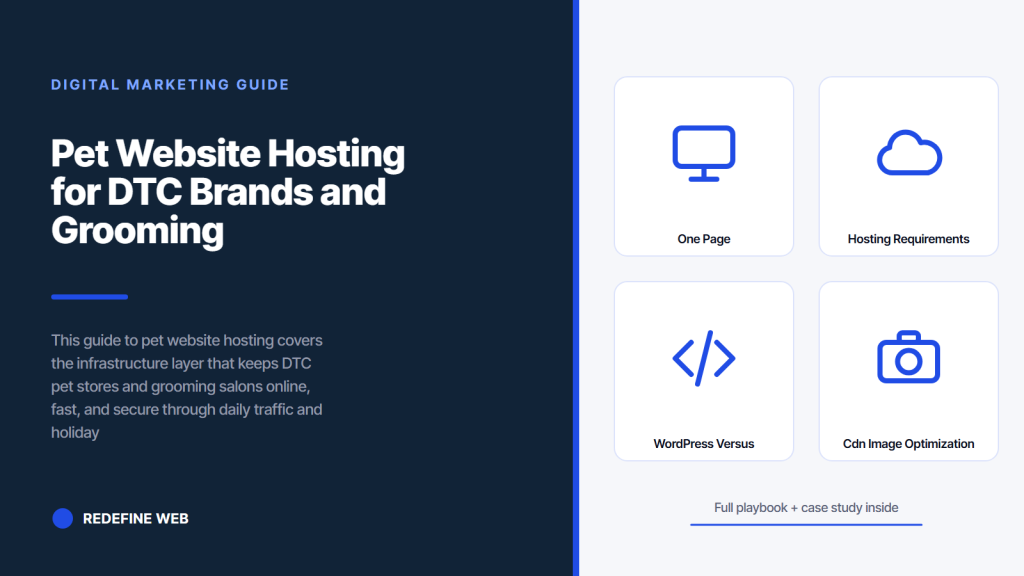
- Server infrastructure has dedicated resources scaled to peak.
- CDN and image optimization hold Core Web Vitals green.
- Security stack stops card fraud, scraping, and login attacks.
- Backup rotation includes quarterly restore tests on staging.
- Staging environment prevents Sunday afternoon emergencies.
- Pet website hosting in one page
- Hosting requirements pet ecommerce actually needs
- WordPress versus Shopify hosting for pet brands
- CDN and image optimization inside pet website hosting
- Security stack inside pet website hosting
- Backup and disaster recovery for pet ecommerce
- Budget ranges for pet website hosting
- How Berks Plumbing maps to pet website hosting
- Five numbers to track when pet website hosting is running
- Pick the right pet website hosting partner
Pet website hosting is the infrastructure layer that keeps a DTC pet food store, a grooming salon booking page, or a multi location pet retail site online, fast, and secure through the peak revenue windows of the year. Every pet brand runs a Shopify or WooCommerce catalog or a WordPress booking site sitting on top of a hosting environment, and every hosting environment either holds up under holiday traffic or crashes at ten am on Black Friday and takes the checkout offline for the sixty minutes that carry a quarter of the day’s revenue.
This guide walks the field tested version of pet website hosting Redefine Web runs with DTC pet brands, grooming salons, and multi location pet retail chains. You will see the hosting requirements a pet ecommerce site actually needs, the WordPress and Shopify differences that matter, the CDN and image optimization work that pays for itself in a quarter, the security stack that stops the most common attack vector on pet ecommerce, the real budget ranges by site type, and the case study transfer points from Berks Plumbing on the rebuild plus hosting side.
Pet website hosting in one page
Pet website hosting is the infrastructure layer that keeps a pet brand site running fast, secure, and available through daily traffic and holiday spikes. The core stack has four pieces. Server infrastructure with dedicated resources scaled to peak load. Content delivery network for static assets and image caching. Security stack with malware scanning, DDoS mitigation, and login attempt monitoring. Backup rotation with daily incremental and weekly full restore tests.
Every extra service like managed WordPress support, Shopify Plus level SLA guarantees, and PCI DSS scope reduction sits on top of that base. Without the four core pieces holding every day, the site drifts toward the outage that costs eight thousand dollars during Black Friday and takes ten days of dev work to unwind. A pet brand that runs real pet website hosting sees ninety nine point nine percent uptime on a rolling twelve month window with zero unplanned outages during the top ten revenue days of the year. Read the pet products marketing hub for the hosting retainer scope.
Redefine Web tracks four numbers for every pet website hosting engagement month over month. Uptime percent on a 30 day rolling window across the whole property. Core Web Vitals passing rate on mobile field data across every top revenue page. Time to first byte on the primary landing pages measured every hour. Security incident count and mean time to resolve inside a documented ticket queue. If those four numbers hold or grow month over month, pet website hosting is doing its job every quarter of the year.
Hosting requirements pet ecommerce actually needs
Hosting requirements pet ecommerce actually needs go beyond the entry level shared hosting plans that most pet brands start on year one. Six requirements matter for a real DTC pet ecommerce site or a multi location booking site. Dedicated resource allocation with at least two vCPUs and four gigabytes of RAM baseline for a small catalog. Managed database with query optimization and slow query logging turned on. PHP eight point one or higher with opcache configured on the WordPress side. Node runtime available for headless setups and modern build tooling.
Four more requirements complete the base. Automatic daily backups with off site rotation to a separate provider. Staging environment on the same infrastructure profile as production, not a slower shared slice that hides real performance issues. SSH access for developer work with two factor authentication turned on for every account. Real time uptime monitoring with SMS and Slack alerts for any two minute outage window plus a status page that customers can check during an incident.
Staging environment is the requirement most pet brands skip and the one that causes the most Sunday afternoon emergencies. A theme update or a plugin update tested only on production breaks the site in front of live customers, and the recovery window costs orders, support tickets, and staff hours that a staging deployment would have prevented in three minutes of testing on a proper staging slice. Read the WordPress plugin guidelines documentation for the reference material on the plugin side.
WordPress versus Shopify hosting for pet brands
WordPress versus Shopify hosting for pet brands splits by catalog complexity and channel mix, not by preference. WordPress with WooCommerce runs on managed WordPress hosts like Kinsta, WP Engine, or a self managed VPS setup and gives full control over the theme, the plugin stack, and the database. Shopify runs on the Shopify infrastructure with no hosting decision because Shopify handles the hosting, and the tradeoff is less control over the theme code but no infrastructure work required from the brand or agency.
Choose WordPress when the brand needs custom checkout flows, membership tiers, complex subscription logic beyond what Shopify apps provide, or a heavy content site tied to the ecommerce catalog. Choose Shopify when the brand needs standard ecommerce with a subscription app, tight integration with Shopify Payments and Shop Pay, or a multi location retail setup with Shopify POS. The Shopify decision is right for eighty percent of DTC pet brands. The WordPress decision is right for grooming salons with booking software, multi function pet care businesses that combine retail with services, and pet media brands with heavy content plus a light shop.
Hosting cost on WordPress runs 30 to 300 dollars per month depending on traffic and the managed host tier. Hosting cost on Shopify is bundled into the Shopify subscription at 39 to 399 dollars per month for standard plans and starts at 2,300 dollars per month for Shopify Plus. Managed WordPress hosting on Kinsta or WP Engine at the mid tier runs 100 to 200 dollars per month and handles most DTC pet brand traffic loads before an upgrade is needed.
Hosts sell backups. Almost none test the restore. Ask your host to run a test restore to staging this month. If they refuse, you're one Black Friday away from a real crisis.
CDN and image optimization inside pet website hosting
CDN and image optimization inside pet website hosting handle the visual weight problem that kills mobile Core Web Vitals on every pet catalog. Six moves anchor the CDN work. Cloudflare or a comparable CDN in front of the origin server. Image optimization with WebP or AVIF conversion on upload. Lazy loading below the fold on every image tag. Responsive image serving with srcset attributes across sizes. Cache invalidation wiring so product updates purge the CDN edge cache within a minute of the update. Origin shield turned on to protect the origin server from cache miss floods during traffic spikes.
Every move affects a specific Core Web Vitals number. CDN edge caching drops LCP by two to four seconds on mobile field data. WebP or AVIF conversion cuts image weight fifty to seventy percent versus JPEG or PNG at the same visual quality. Lazy loading below the fold cuts initial page weight by another thirty to fifty percent on catalog pages with twenty plus product photos. Responsive srcset serving means mobile devices download the mobile size, not the desktop size, and the mobile page weight drops another twenty to forty percent. See the pet products hosting hub for the retainer options.
Cache invalidation is the piece most pet brands get wrong. A cache invalidation strategy that purges the whole CDN on every product update kills the origin server under load. A cache invalidation strategy that purges only the affected URLs on every update keeps the cache hot on every other page and holds the LCP down through the spike. Read the Google Core Web Vitals documentation for the current field reference on the mechanics.
Security stack inside pet website hosting
Security stack inside pet website hosting protects the pet brand from the three most common attack vectors on pet ecommerce. Card fraud through checkout bots probing stolen card numbers on the payment gateway. Content theft through scraper bots pulling product photos and descriptions for competitor Amazon listings. Login attempt attacks on admin accounts with weak or reused passwords.
Six pieces anchor the security stack. Web application firewall with rules tuned for ecommerce checkout paths. Bot detection with fingerprinting on the checkout submit and login submit endpoints. Two factor authentication mandatory on every admin account. Login attempt throttling with automatic IP block after ten failed attempts. Malware scanning on every uploaded file including product image uploads. Real time monitoring on the file system for unauthorized changes to core files, theme files, and plugin files.
Card fraud through checkout bots is the attack vector that costs the pet brand the most on a fresh account. A bot probing stolen card numbers on the payment gateway triggers a chargeback rate that gets the merchant account flagged inside a week, and the pet brand ends up on the merchant account restricted list until the fraud rate drops back below one percent. Prevention is a bot detection tool like reCAPTCHA Enterprise or a similar bot fingerprinting layer, not a captcha that customers see. Read the PCI Security Standards Council documentation for the current PCI DSS scope guidance.
Backup and disaster recovery for pet ecommerce
Backup and disaster recovery for pet ecommerce covers the process that returns the site to a working state when something breaks past the point of a rollback. Five pieces anchor the disaster recovery plan. Daily incremental backups with seven day retention on the primary storage. Weekly full backups with thirty day retention on a secondary storage provider. Monthly full backups with twelve month retention on a third storage provider for regulatory or compliance holds. Documented restore procedure with a target recovery time of two hours or less. Quarterly restore test run against staging to verify the backups actually restore.
Restore testing is the piece most pet brands skip and the one that turns a real disaster into a total loss. A pet brand that runs backups every day for two years but never tests a restore learns during the real outage that the backups are corrupt, incomplete, or missing the last thirty six hours of orders. The pet founder who says the backups run automatically and skips the quarterly restore test always ends up on a Wednesday night phone call with the hosting provider learning that the backup rotation stopped working seven months ago.
The offsite storage requirement matters more than most brands understand. A backup stored on the same server as the primary site is not a backup. It is a copy on the same drive that dies at the same time as the primary drive. Every real backup rotation stores at least one copy on a separate infrastructure provider so a data center incident does not take the backup down along with the primary site.
Budget ranges for pet website hosting
Pet website hosting runs 30 to 3,000 dollars per month depending on platform, traffic, and complexity. A single location grooming salon on managed WordPress hosting sits near the floor. A DTC pet food brand on Shopify Plus with multi region infrastructure sits near the ceiling. Program cost covers the infrastructure, the CDN, the security stack, and the backup rotation. Emergency support outside the retainer scope is billed hourly at a capped rate to keep runaway invoices under control during outage windows.
The table below breaks down the typical monthly hosting cost by site type. These are field averages across pet brands Redefine Web has hosted or overseen hosting on for four years, not a theoretical model. Brands with disciplined app installs and clean tech stacks land at the lower end. Brands with fifteen plus apps and legacy themes land at the higher end every time. Every range is verified against real client billing over multi year engagements. See the pet business web design guide for the build scope that pairs with hosting.
| Site type | Platform | Monthly cost | Uptime target | Support tier |
|---|---|---|---|---|
| Single salon booking site | WordPress | 30 to 100 | 99.5 percent | Managed WP host |
| DTC pet brand under 5K orders | Shopify | 39 to 399 | 99.9 percent | Shopify built in |
| DTC pet brand 5K to 50K orders | Shopify or WooCommerce | 200 to 800 | 99.9 percent | Managed + monitoring |
| Multi brand or 50K plus orders | Shopify Plus | 2,300 to 3,000 plus | 99.95 percent | Full stack coverage |
How Berks Plumbing maps to pet website hosting
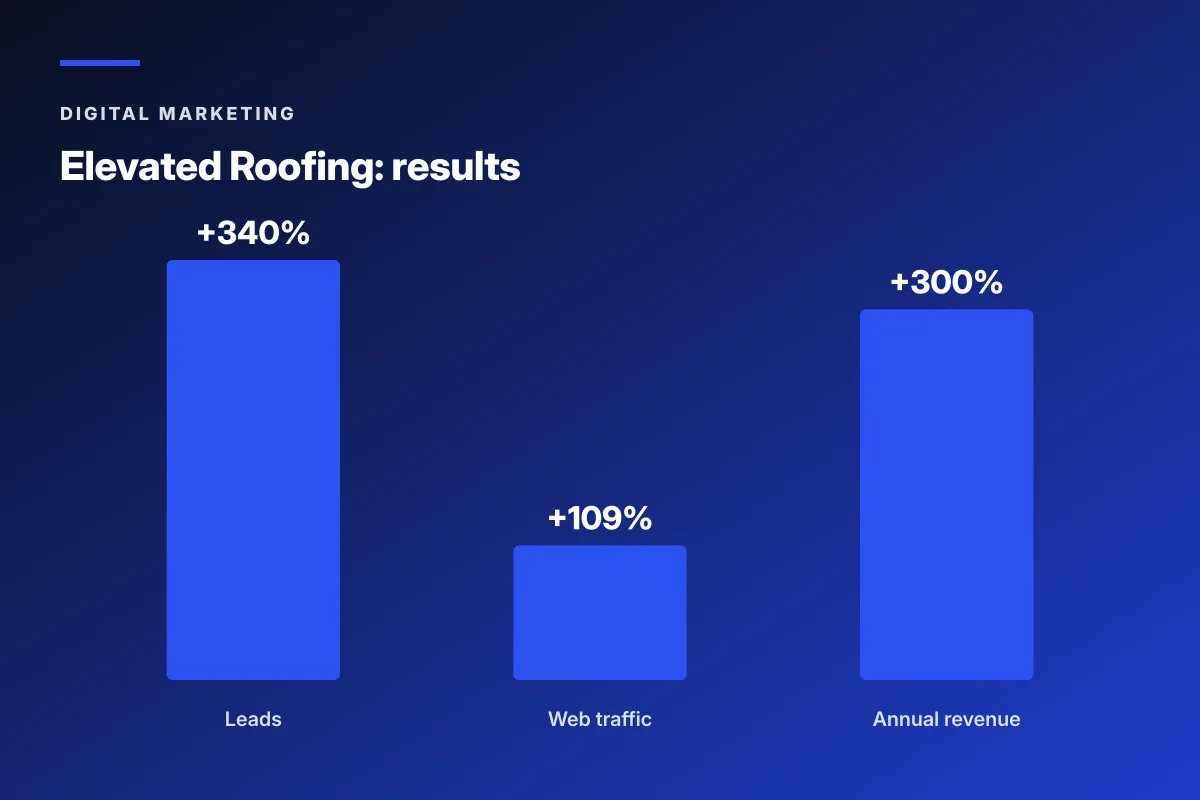
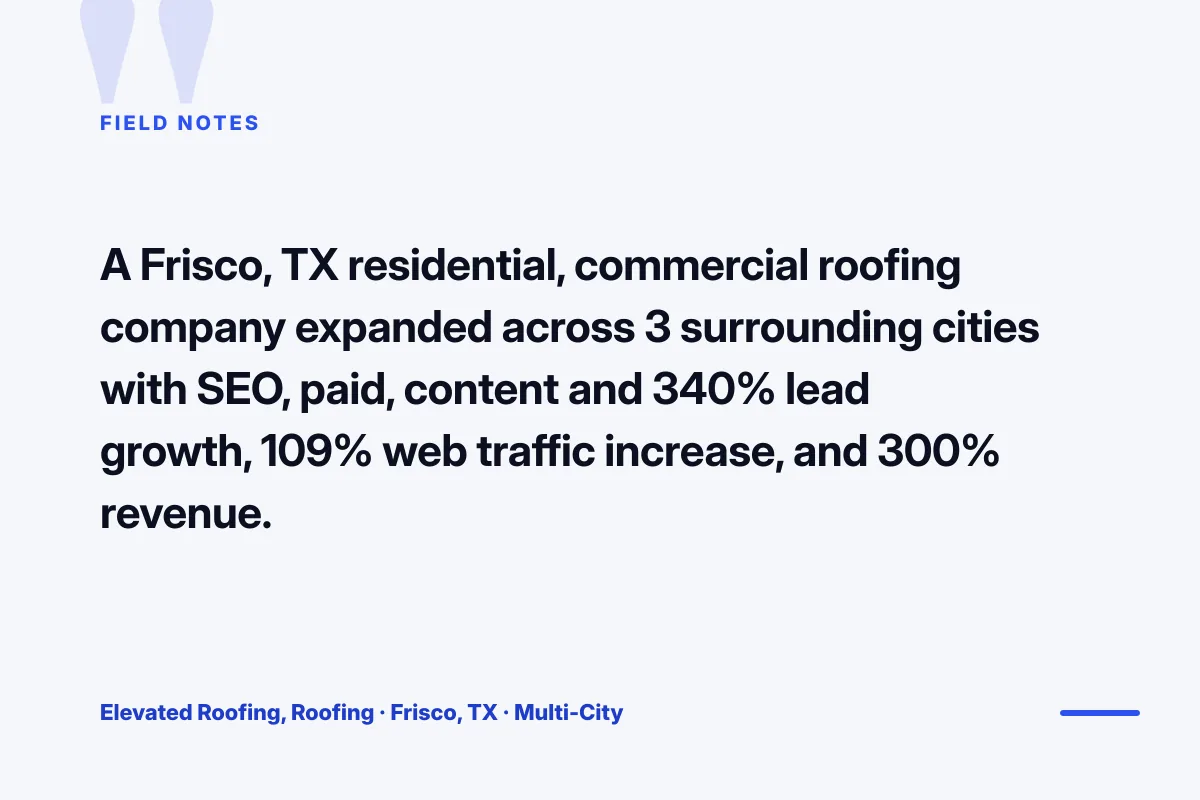
Berks Plumbing is a case study transfer to pet website hosting because both categories share a rebuild plus infrastructure motion. A legacy site gets replaced with a clean base and moved onto a managed hosting stack. The engagement grew Google Ads conversions ninety nine percent and organic users seventy five percent after the rebuild.
Every play in that engagement applies to a pet brand carrying a legacy site on entry level hosting. Rebuild off the single page or the bloated theme onto a clean base with proper structure and modern build tooling. Move the site onto a managed hosting stack with real backups, real staging, and real monitoring. Wire tracking and attribution end to end so every paid dollar ties back to a real order on the catalog or a real appointment on the calendar. Layer maintenance on top of the hosting so the gains do not decay inside twelve months of the go live date.
The transfer point for pet is the app stack. Berks Plumbing ran on a clean WordPress base with a small plugin stack that stayed stable. A pet brand runs on Shopify or WooCommerce with a subscription app, a Klaviyo integration, a review app, a shipping app, and a wishlist app that all update on different weeks. The hosting stack has to include monitoring and testing coverage on every one of those pieces, not just the base platform, or the maintenance scope misses half the breaks that actually take orders offline.
Five numbers to track when pet website hosting is running
Track five numbers monthly on pet website hosting. Uptime percent on a 30 day rolling window across the whole property. Core Web Vitals passing rate on mobile field data across the top revenue pages. Time to first byte on the primary landing pages measured hourly. Security incident count and mean time to resolve inside a documented ticket queue. Backup restore test success rate on the quarterly restore run against staging. Everything else rolls into those five, and every one ties directly to closed revenue or booked appointments on the site.
Attach a real dollar value to each. Every minute of downtime costs roughly the average revenue per minute across the last 90 days of orders. Every 100 milliseconds of LCP slower than 2.5 seconds costs 3 to 8 percent of the checkout conversion rate. Every security incident that exposes customer data costs 4 to 12 hours of legal and communications work plus the churn cost from the affected customer segment.
Set the incident response protocol on top of that. Uptime alert on any two minute outage. Klaviyo error alert on any bounce rate spike. Checkout error alert on any failed payment webhook. All three feed the same on call rotation, and all three sit inside the hosting scope, not the founder’s phone at 2am. The reason enterprise pet brands never see 3am outages is not budget. It is that every outage triggers a real on call rotation, not a hopeful email to a freelancer.
Pick the right pet website hosting partner
The right pet website hosting partner depends on site platform and revenue stage. A grooming salon on WordPress with a booking plugin needs a partner strong on managed WordPress hosting, plugin conflict resolution, and scheduler sync work. A DTC pet brand on Shopify needs a partner strong on Shopify Plus level app management, subscription plugin tuning, and holiday load testing. A multi location retail site needs a partner strong on inventory sync, location page management, and multi profile Google Business Profile work alongside the hosting.
Three signals separate a real pet hosting partner from a generic web shop. Field tested experience in the vertical, meaning they know that a subscription plugin update on the first of the month risks the recurring order webhook that fires the same day. Incident response transparency, meaning they publish uptime and mean time to resolve monthly, not on request only. Platform ownership transparency, meaning the hosting, DNS, and admin accounts sit in your name, not theirs. Two of the three is not enough on a real hosting engagement.
Where to start this week depends on the site state. If the site runs on entry level shared hosting today, start with a hosting audit and a migration plan onto a managed stack before anything else. If the site runs on managed hosting but Core Web Vitals are failing, start with a CDN and image optimization audit. If the site runs on managed hosting with clean vitals but no backup restore tests have run, start with a full restore test on staging. See the pet products website maintenance guide for the scoped retainer options.
Pet website hosting is a small stack of infrastructure and process run every day without exception. Server infrastructure scaled to peak. CDN and image optimization holding Core Web Vitals. Security stack against the three attack vectors. Backup rotation with quarterly restore tests. Berks Plumbing grew paid conversions ninety nine percent on a rebuild plus hosting model, and the same shape holds for pet care. A pet brand can hit the same math once the hosting stack is real and the process runs every day, not in emergency bursts around outages.

Frequently asked questions
What is pet website hosting in plain terms?
Pet website hosting is the infrastructure layer that keeps a DTC pet food store, a grooming salon booking page, or a multi location pet retail site online, fast, and secure through daily traffic and holiday spikes. The core stack has four parts. Server infrastructure with dedicated resources scaled to peak load. Content delivery network for static assets and image caching. Security stack with malware scanning, DDoS mitigation, and login attempt monitoring. Backup rotation with daily incremental and weekly full restore tests on a separate infrastructure provider.
How much should a pet brand budget for website hosting monthly?
A single location grooming salon on managed WordPress hosting spends 30 to 100 dollars per month. A DTC pet brand on Shopify under five thousand monthly orders spends 39 to 399 dollars per month bundled into the Shopify subscription. A DTC pet brand between five thousand and fifty thousand orders monthly spends 200 to 800 dollars per month on Shopify Advanced or a managed WooCommerce host. A multi brand pet food company on Shopify Plus with fifty thousand plus orders spends 2,300 to 3,000 plus dollars per month for the Plus infrastructure. Emergency support outside the retainer is billed at a capped hourly rate.
Should a pet brand pick WordPress or Shopify for hosting?
A pet brand should pick Shopify for hosting when the brand needs standard ecommerce with a subscription app, tight integration with Shopify Payments and Shop Pay, or a multi location retail setup with Shopify POS. That covers eighty percent of DTC pet brands. A pet brand should pick WordPress with WooCommerce when the brand needs custom checkout flows, membership tiers, complex subscription logic beyond what Shopify apps provide, or a heavy content site tied to the ecommerce catalog. Grooming salons with booking software and multi function pet care businesses that combine retail with services also lean WordPress on hosting.
Do pet websites need a CDN if the site is small?
Pet websites need a CDN even when the site is small because mobile Core Web Vitals score on field data, not lab data, and mobile field data punishes any origin server that serves images without an edge cache in front. A CDN with WebP or AVIF conversion cuts image weight fifty to seventy percent versus JPEG at the same visual quality. The mobile LCP drops two to four seconds after a proper CDN goes live on the same origin server. Every hundred milliseconds of LCP improvement lifts checkout conversion three to eight percent on the same organic traffic. The CDN pays for itself inside sixty days on any pet brand with real order volume.
What happens when pet website hosting gets skipped for six months?
When pet website hosting gets neglected for six months, four things drift at the same time. Server resources hit ceiling on daily traffic and every peak spike triggers slow responses or timeouts. Core Web Vitals field data drops from green to red on mobile as image sizes bloat and JavaScript stacks up. Security patches fall behind by two or three releases each, and attack vectors open on the login page and the checkout submit endpoint. Backup rotation stops working silently and no one notices until the day of a real disaster. The recovery cost after six months of drift runs three to four times a well scoped monthly hosting retainer.
Can a pet brand manage website hosting without a partner?
A pet brand founder with technical skills and time can manage the basics of pet website hosting without a partner. Pick a managed host like Kinsta or WP Engine for WordPress or run Shopify for the built in infrastructure. Turn on the daily backup rotation with off site storage. Wire uptime monitoring with SMS alerts on any two minute outage. Test the backup restore on staging quarterly. Rotate SSL certificates before they expire. That gets fifty percent of the return of a full hosting partner. The moment the site adds subscription billing, Meta ad spend past five thousand dollars monthly, or a multi location catalog, the time cost of self managing overtakes the retainer cost.
Book your free 30-minute strategy call.
No spam, no sales rep. We use your email to schedule your call with a senior strategist. That is it.
More from the blog
View all articles → Digital Marketing
 Dental Marketing Tips That Compound Into New Patients
Read article Digital Marketing
 Ecommerce Marketing Strategies That Drive Real DTC Revenue
Read article Digital Marketing