Beverage shop PPC management is where craft beer, wine, spirits, coffee, and DTC drink brands separate the ad accounts that pay for themselves from the ones that quietly burn budget. A regional wine merchant that runs Google Shopping and Meta the wrong way spends $40,000 to break even on paid. The same brand, with age-gate compliance dialed in, feed-driven ads on the top-margin bottles (our Shopify PPC campaign structure walks the same pattern for wider ecommerce), and post-purchase flows that book the second order, hits $300,000 in tracked revenue on the same spend. The gap is not the product. The gap is the account discipline.
At Redefine Web we run beverage shop ppc management programs for indie wine shops, craft breweries with DTC shipping, roasters running subscription coffee, spirits DTC brands, and multi-location bottle chains. For a wider view across the vertical, see our food and beverage marketing playbook. Every account we’ve turned around carried the same three problems. Age-gate and platform compliance handled as an afterthought so ads got disapproved every 10 days. Product feeds full of stale SKUs and missing inventory data so Google Shopping ran on the wrong bottles. Post-click landing pages built for browsing, not buying, so paid clicks left without adding to cart. Fix those three and the account works.
This guide walks through the beverage retailer PPC work we run with clients. Every recommendation ranks against the real economics of shipping beverages, which live inside tight margins and hard compliance rules. Contribution margin under 35 percent on wine and spirits, shipping under $14 for a mixed six-pack, average order value under $95, and repeat purchase cycles between 21 and 60 days on subscribed accounts. You’ll leave with a channel-by-channel structure that separates DTC ship-to-home from local pickup, plus the retention flows that turn a first-order try-pack into a standing case order. Our craft beverage paid media retainers run $999 to $4,500 per month, with ad spend billed separately.
What’s in this guide
- What beverage shop PPC management actually covers
- Campaign structure for beverage shop PPC management
- Product feeds and Google Shopping
- How much beverage shop PPC management costs
- Landing pages that carry the account
- Conversion tracking discipline
- Case patterns from adjacent DTC verticals
- Red flags in beverage retailer PPC proposals
- Channel mix for craft beverage paid media
- Metrics that decide renewal
- Timeline to see real results
- Getting started with beverage shop PPC management
What beverage shop PPC management actually covers
The service is the weekly work of running paid ad accounts for beverage retailers so ad spend books DTC orders, local pickup runs, and case sales. It covers keyword research by varietal or style, bid tuning for compliant geographies, ad copy testing under alcohol-ad rules, and conversion tracking through the ecommerce platform or POS. It also covers the compliance layer, which no other retail vertical carries at this depth.
Alcohol advertising sits under separate rules on every ad platform. Google Ads restricts alcohol promotion in 30 plus countries, blocks certain keywords outright, and requires certification for spirits advertisers in the United States. Meta blocks direct alcohol purchase links in many geos and forces age-gated landing pages on Facebook and Instagram traffic. Miss one setting and the campaign gets suspended, sometimes for the whole quarter. Serious beverage retailer PPC starts with a compliance audit before a single bid gets set.
DTC ship-to-home versus local pickup accounts
DTC accounts run on national or regional geo-targeting with shipping compliance baked into the checkout so Vermont wine ships only to legal states. Local pickup accounts run on radius targeting inside 5 to 15 miles of each store with buy-online-pickup-in-store campaigns tied to inventory data. The two share almost nothing in campaign structure, ad copy, or landing page. Retailers running both usually keep them as separate sub-accounts under one manager account to prevent budget overlap.
Campaign structure for beverage shop PPC management
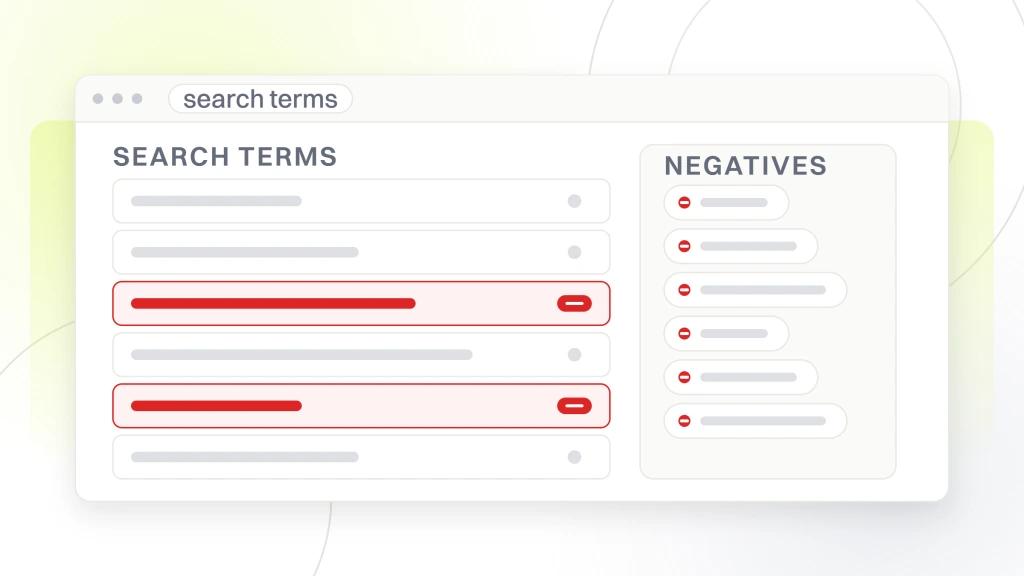
Account structure sets the ceiling for every beverage retailer PPC program. A clean structure separates DTC from local, category from category, and brand from non-brand. A messy structure blends wine queries with beer queries with spirits queries into one campaign, so Smart Bidding cannot tell what wins. Every audit we run starts with an account structure diagram before touching a bid. That diagram becomes the shared reference the shop owner and the agency specialist argue against during the monthly review. See the food and beverage web design for a matching scope.
Category campaigns tied to varietal or style
Category campaigns run one campaign per meaningful product line. Red wine, white wine, sparkling, fortified. Craft IPA, lager, sour, stout. Bourbon, single malt, agave, rum. Each category runs three ad groups on high-intent bottle names, mid-funnel varietal terms, and long-tail modifier queries like “gift wine under $50.” Google Shopping and Product Listing Ads pull from the shop feed to show real bottles with real prices. Skip the feed and the ads look generic against competitors running feed-based ads.
Occasion campaigns tied to buying moment
Occasion campaigns run alongside category campaigns on themes like housewarming gifts, wedding wine, birthday whiskey, and holiday variety packs. Each occasion campaign gets its own landing page collection and its own ad copy angle. Occasion buyers convert at 2.1 to 3.4x the rate of general category browsers, since the intent is time-boxed. Skip occasion campaigns and the retailer forfeits the highest-margin traffic every month.
Product feeds and Google Shopping
Product feeds are the single biggest lever in beverage retailer PPC. Google Shopping, Meta Advantage+ catalog ads, and Microsoft Shopping all pull from a structured product feed that lists every bottle on the shelf with brand, varietal, vintage, size, price, and image. Retailers running feed-based ads see 30 to 50 percent lower cost per order than retailers running generic text ads. The gap widens further on wine and spirits where varietal and vintage variance is high.
Building a clean bottle feed
A clean bottle feed refreshes every 6 hours, pulls from the ecommerce platform rather than a scraped catalog, and validates every image URL before publishing. Broken feed images tank ad quality. Missing prices tank click-through rate. Stale inventory ads for sold-out bottles frustrate customers and burn budget. Every beverage shop ppc management engagement runs a feed audit in week one and fixes the platform integration before turning ads on. Shopify, WooCommerce, and BigCommerce all support beverage-friendly feed exports.
Product Listing Ads across Google surfaces
Google Product Listing Ads show on Search, Images, and the Shopping tab. The ads look native, show real inventory, and convert 40 to 60 percent better than generic text ads for high-intent bottle searches. Per the Google Ads alcohol policy documentation, retailers running Product Listing Ads with clean feeds and proper certification see higher click-through rates and lower cost per order than retailers on standard Search campaigns alone.
How much a beverage retainer costs per month
The service runs $999 to $4,500 per month as a flat retainer at Redefine Web, with ad spend billed separately. Our four tiers map to catalog depth, ad-budget size, and creative volume rather than the ad spend itself, so the shop keeps every dollar of media spend inside its own account. See the food and beverage SEO service page for a matching scope.
Retainer tiers by beverage account size
| Monthly ad spend | Redefine Web tier | Retainer | Channels covered |
|---|---|---|---|
| Under $5K | Launch | $999/mo | Google Search plus Shopping |
| $5K to $15K | Growth | $1,499/mo | Search plus Shopping plus Meta remarketing |
| $15K to $40K | Scale | $2,499/mo | Full stack plus Meta prospecting |
| $40K plus | Enterprise | Starts at $4,500/mo | Full stack plus programmatic and CTV |
Supplier co-op programs
Retailers with volume from key distributors and wineries get 15 to 40 percent of qualifying PPC spend reimbursed through supplier co-op programs. Co-op requires strict compliance with brand guidelines, ad copy templates, landing page rules, and reporting formats. A serious craft beverage paid media agency handles co-op paperwork for the retailer as part of the retainer. Skip co-op paperwork and the shop forfeits real money every quarter.
Landing pages that carry beverage shop PPC management
Ads only get the click. Landing pages do the closing. Half the beverage retailer PPC accounts we audit spend well on ads and lose the money on a landing page never built for paid intent. Category landing pages need bottle grids, tasting notes, and a clear add-to-cart flow. Product detail pages need vintage detail, food pairings, and a shipping-eligibility check. Skip the age gate and the ad platform disapproves the page inside 48 hours.
Category landing page anatomy
Above the fold on a category page, show 12 to 18 bottles with price, rating, and quick-add-to-cart. Below the fold, layer in curator notes, food pairings, and 3 review snippets with names. Nothing else. A category page over 900 words below the fold slows the page and buries the first bottle grid. Under 700 words is the sweet spot for a paid landing page in beverage retail.
Product detail page anatomy
Above the fold on a product detail page, show the bottle photo at 800 pixels wide, the exact name and vintage, the price, an in-stock or shipping-eligibility indicator, and an add-to-cart button. Below the fold, layer in tasting notes, vintner background, three review snippets, food pairings, related bottles, and shipping compliance details for the shopper’s state. Under 550 words total. Beverage traffic runs 70 percent mobile so page speed under 2.5 seconds is table stakes.
Conversion tracking discipline in a bottle-shop account
Every optimization decision inside a beverage retailer PPC account rests on conversion tracking. Broken tracking means blind optimization, which wastes 30 to 50 percent of spend across a rolling quarter. Every engagement starts with a week-one tracking QA pass. Nothing else runs until tracking is clean and passing signals to Google Ads, GA4, and the ecommerce platform in under 24 hours.
Phone and in-store visit tracking
Beverage accounts run 15 to 25 percent of conversions over the phone (case orders, gift orders, tasting reservations). Every phone call gets tracked through CallRail, Marchex, or a similar platform. Every call gets scored inside the CRM or POS notes. Every scored call feeds back to Google Ads via offline conversion imports so Smart Bidding learns which call types actually book revenue. Skip call scoring and the model treats every wrong number as a real conversion, which trains it to pursue cheap junk calls.
POS integration for closed orders
Category campaigns need offline conversion imports from the POS to close the loop between paid click and delivered bottle. A form submission is a lead. An abandoned cart is a signal. A completed order is worth 25x to 50x a click. Wiring the POS back into Google Ads via offline conversion imports tells Smart Bidding which sessions actually became a purchase.
Case patterns from adjacent DTC verticals
Redefine Web has run PPC programs across DTC and retail accounts through our PPC management services that map cleanly to beverage retail. Vejrø Resort, a Danish private-island hospitality property, pushed 10,000 plus organic visitors, 200 plus first-page keywords, and a 2.2 percent booking conversion rate inside three months through the same weekly cadence we apply to beverage accounts. Clean account structure by service or product line, category-specific landing pages, tight negative keyword hygiene, and offline conversion imports from the booking system.
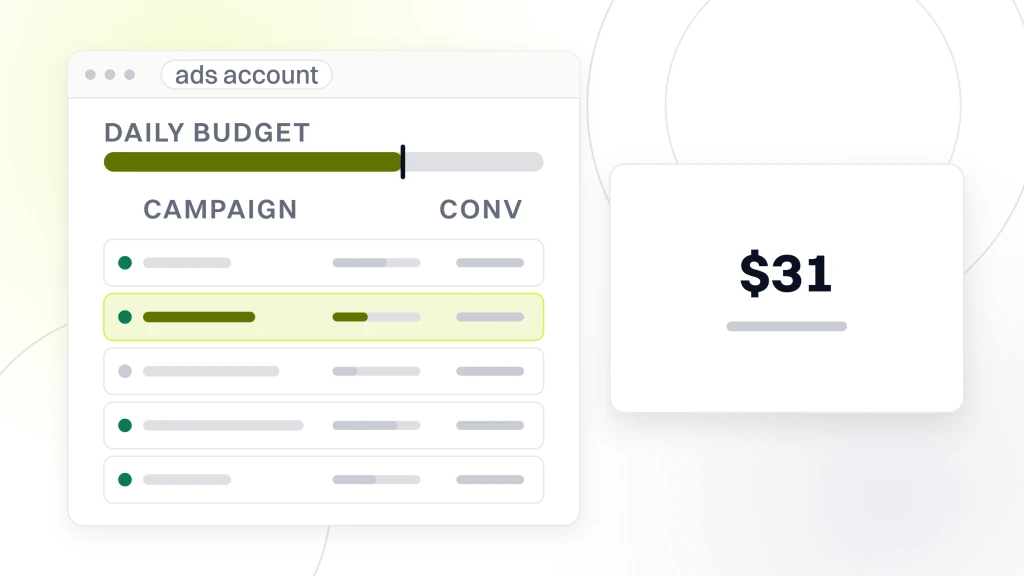
Boogie Board, a United States ecommerce brand for reusable writing tablets, engaged us for Google Ads and LinkedIn Ads management across 2023 and 2024. The partnership managed $650,000 in ad spend, drove sales at $31 cost per conversion, and lifted conversion rate 11 percent. The paid media discipline translates directly to craft beverage paid media accounts running Google Shopping and Meta Advantage+ in parallel. Segment the search terms by category, prune weekly, and protect the branded search results page from competing bottle shops before chasing volume.
Abigail Ahern, a London-based luxury home decor DTC brand, ran a four-year paid media and SEO partnership with us from 2020 through 2024. The engagement drove a 179 percent revenue increase, 1,588 percent paid-search return on ad spend, and 3,000 percent paid-social return on ad spend without a single discount banner. The premium-aligned creative approach that replaced discount-led messaging is the pattern indie wine merchants and boutique spirits DTC brands should copy when moving up-market without eroding gross margin on constant sale emails.
What translates from DTC ecommerce to beverage retail
Emergency queries (last-minute gift, wine for tonight, party beer run) close within an hour of a click, same as urgent DTC needs. Planned queries (case order, subscription setup, holiday variety pack) convert on a slower cycle over days to weeks, same as planned DTC work. Landing page anatomy (phone number above the fold, click-to-call button, review snippets) is nearly identical. The differences are cosmetic. The structure and hygiene work carry over intact.
Red flags in proposals for a beverage retailer PPC engagement
Every beverage retailer reads a proposal that sounds great until they compare it against a second one. The differences show up in the numbers the first proposal quietly leaves out. The red flags below catch the majority of shallow beverage PPC proposals before signing anything.
- No Google Shopping or feed-based ads in scope for category accounts. Feed-based ads outperform generic text ads by 30 to 50 percent in bottle-shop verticals.
- No supplier co-op paperwork handling. Retailers forfeit 15 to 30 percent of qualifying budget every quarter.
- Retainers below $999 per month for any account running paid Google Ads and Meta. That budget covers under 5 hours of specialist time.
- No POS or ecommerce platform integration for offline conversion imports.
- No call and text tracking on retail accounts. 15 to 25 percent of beverage conversions run over the phone.
- Account owned by the agency instead of the shop through a manager account link.
- No mention of alcohol-ad compliance, age gating, or state shipping restrictions in the scope.
Every shop owner gets one really tempting pitch. A proprietary beverage bidding algorithm the agency built last month that promises a 12x return on ad spend with zero human labor for $199 a month per store. The math says the algorithm is Smart Bidding with a rebranded logo, and the specialist is running 60 shop accounts out of a coworking closet next to the espresso machine. Neither ends well for the beverage shop.
Channel mix for craft beverage paid media
Modern beverage retailer PPC accounts run on a stack of channels, not a single channel. Google Search plus Product Listing Ads dominate high-intent bottom-funnel demand. Meta Advantage+ handles remarketing and audience prospecting with dynamic bottle creative. Microsoft Ads runs cheaper for many parts of the country and captures older buyers on Windows. Connected TV and programmatic display handle upper-funnel awareness for retailers above $40,000 in monthly ad spend. See the monthly website maintenance packages for a matching scope.
Meta Advantage+ catalog ads
Meta Advantage+ catalog ads pull from the same feed as Google Product Listing Ads and show dynamic bottle creative on Facebook and Instagram inside age-gated audiences. The ads look like organic marketplace posts and convert 40 to 60 percent better than generic Meta ads for high-intent bottle searches. Every serious craft beverage paid media account runs Meta Advantage+ as a parallel channel to Google Shopping.
Connected TV for regional retailers
Connected TV and OTT streaming earn a slot on multi-location retailer accounts above $40,000 in monthly ad spend. Roku, Fire TV, Apple TV, and CTV carriers show branded creative in local metros. CTV works best when the account already has strong Search and Meta performance and needs to build brand awareness across the wider region. Pair paid with our beverage brand social media guide for compounding organic growth. Skip CTV on single-store retailers under $25,000 in monthly spend since the frequency math does not work.
Metrics that decide renewal
Reporting suites can display 200 metrics. A working manager watches roughly 10. For beverage retail, the 10 split into spend efficiency, order quality, and revenue outcomes. Owners and marketing directors shopping a retainer should ask which 10 the manager tracks weekly. Fuzzy answers mean the account probably runs on autopilot without any real weekly discipline behind the reporting screenshots.
Spend efficiency and order quality
Cost per click, cost per order, quality score, search impression share, and click-through rate cover spend efficiency. Order quality signals track average order value, subscription-attach rate on eligible SKUs, and repeat-buyer share within 60 days. Repeat share under 22 percent inside 60 days flags a retention problem worth an afternoon of investigation into flow architecture, product mix, or targeting.
Revenue outcomes
Cost per delivered order, cost per subscribed customer, average gross profit on Google Ads-sourced orders versus organic, and lifetime revenue per new customer over 180 days. These four decide renewal on a beverage account. A weekly Slack summary with these four keeps the owner oriented. When two of the four slide two weeks in a row, the manager runs a mid-month strategy call rather than waiting for the monthly review meeting.
Timeline to see real results
Retailers arrive at beverage shop ppc management with wildly different expectations. Some expect a 15x return in month one. Others expect nothing. Real outcomes sit in a narrow window shaped by market competition, spend level, feed quality, and how well conversion tracking is wired up. The bands below reflect roughly 40 adjacent DTC food and beverage accounts we manage or have audited in the last 18 months plus published beverage-retail benchmarks. Reference Think with Google automotive marketing insights for parallel disciplined-management benchmarks across retail verticals.
Returns by beverage category
Wine retailers with DTC shipping see 3x to 6x return on paid campaigns after six months with clean feeds. Craft beer shops with local pickup see 2.5x to 4.5x with radius targeting and buy-online-pickup-in-store campaigns. Spirits DTC brands see 3x to 5x on ad spend after six months with call tracking and POS integration. Coffee subscription brands see 4x to 7x, since repeat purchase rates lift the lifetime value math sharply. Combined bottle-shop DTC accounts (wine plus spirits plus beer) sit around 3x to 5x depending on catalog depth and average order value. See the food and beverage PPC scope for a matching scope.
Getting started with beverage shop PPC management
Beverage shop PPC management is the discipline of running paid ad accounts for wine merchants, craft breweries, spirits DTC brands, coffee roasters, and multi-location bottle chains week after week so ad spend books qualified orders and pickups. The work covers campaign structure by varietal or category, feed-based ads through Google Shopping and Meta Advantage+, call and text tracking through the CRM, POS integration for offline conversion imports, and supplier co-op compliance for retailers with distributor programs.
Retailer accounts routinely see 3x to 6x return on ad spend after six months when all four pieces are in scope and the weekly discipline holds. Ask three vendors for line-item scopes with Google Shopping and POS integration called out. Look for the green flags above. Pick the one that gives full account ownership through a manager account link. Redefine Web offers PPC management retainers from $999 to $4,500 per month depending on tier, with ad spend billed separately. Book a call and we’ll walk through the campaign structure pattern in detail with the exact feed setup, POS integration steps, and supplier co-op reporting cadence we run with a beverage account.