
The cbd pet product market is one of the strangest DTC categories to launch. Demand is real. Vet sentiment is warming. Category revenue clears $850 million a year in US retail with 24 to 32 percent growth on the DTC side, and the global pet slice is on track to clear $3.9 billion by 2033 on a 32 percent CAGR against a fragmented competitive set. And you can’t run a normal Meta ad, a normal Google Shopping feed, or a normal Amazon listing without the account getting flagged, throttled, or pulled inside a quarter. Founders who build a CBD pet brand the way they built a treat brand end up with a store that reads great, tests well, and never scales past six figures once paid channels stay locked out.
Founders who build it the right way run DTC email, SMS, affiliate, influencer, and organic search as the whole acquisition engine and treat paid as a small test lane. That flip in mindset changes every hire, every retainer line item, and every quarterly roadmap. This guide covers what we build for our DTC clients on Shopify and WooCommerce with the compliance detail founders can plan a 12-month launch against. It also lays out the subscribe-first merchandising, the education cluster map, and the co-marketing lanes that carry acquisition once the ad-ban ceiling hits.
Meta and Google ad restrictions in the cbd pet product market
Meta and Google are the two hardest platforms in the category and the reason most founders stall before month six of a launch plan. Meta’s policy allows non-ingestible hemp topical ads for humans in the US but blocks ingestible CBD, and that includes pet chews and tinctures. Ads that clear the auto-review get pulled 6 to 14 days later on a manual review sweep. The account picks up a strike. Three strikes and the ad account is disabled. Founders lose the pixel history, the custom audiences, and the retargeting flow all at once.
Google Ads bans CBD across every product category, and that includes topicals. Google Shopping listings for CBD pet SKUs get pulled from Merchant Center within days of submission. You can’t run a normal shopping campaign against a CBD tincture no matter how the copy is worded. Google search ads on non-brand CBD keywords also get disapproved. Some agencies claim they can run whitelisted Google campaigns for CBD, and every one we audited ran a hemp-extract wellness page that hid the CBD SKU behind a click, a workaround that usually gets flagged inside 30 days and burns the merchant account.
Four workarounds hold up in practice. Meta ads point at a lead magnet that captures email and SMS, then a warm cadence sells the product off the list. Meta ads for a brand-story video that never mentions CBD keep retargeting alive off site visitors through pixel signals rather than product-page claims. Programmatic display through a CBD-friendly ad network like Fyllo or KindTyme runs at higher cost per thousand impressions but scales into cold audiences the way Meta can’t. Reddit ads run on r/dogs and r/AskVet subforums with careful copy that talks calming and comfort rather than treatment. TikTok’s rules on CBD look tighter than Meta on paper and run looser in practice for pet CBD when creative avoids ingestible imagery.
DTC channels that work in the cbd pet product market
The channels that scale a brand in this space run in a different order than a normal DTC pet store. Email and SMS carry 42 to 58 percent of revenue once paid social and paid search are ruled out. Organic search carries 18 to 24 percent once content clusters on anxiety, joint, and senior care rank well against a small pool of competitors. Affiliate and creator programs carry 12 to 18 percent when the payout structure matches the influencer’s audience. Programmatic display through cannabis-friendly networks carries 8 to 12 percent. Meta and Google combined carry 4 to 10 percent at best.
- Email and SMS. Welcome flow, browse abandonment, cart abandonment, post-purchase education, subscription winback, holiday gifting, quarterly education broadcast.
- Organic search. Anxiety cluster, joint cluster, senior cluster, breed-specific pages, condition-adjacent pages (fireworks, thunder, vet visits).
- Affiliate and creator. Vet-referral program at 20 percent commission, canine rehab practitioner program at 22 percent, pet-influencer program at 15 to 18 percent.
- Programmatic display. Fyllo, KindTyme, and Traffic Roots for cold audience scale on cannabis-permitted inventory.
- Reddit and community. Sponsored posts in r/dogs, r/reactivedogs, and r/anxiety subreddits with careful copy.
- Podcast sponsorships. Canine training and senior-pet podcasts with a 20 percent off first-order code trackable in the CRM.
Pet Insurance Australia partnered with a CBD pet brand on a co-marketed education campaign last spring covering senior-dog joint care and anxiety support content. That co-marketing pattern earned the CBD brand 34,000 new email subscribers over 90 days at a blended cost per subscriber of $3.80. Founders who can’t run paid social to cold audiences find the co-marketing lane pulls the most first-purchase revenue in the category, and that trusted-partner endorsement carries what the ad ban blocks. A single senior-dog joint content bundle drove 8,400 new subscribers in one 30-day window at a $2.90 blended cost per subscriber, so one strong partner easily out-earns a $30,000 Meta test budget. The affiliate marketing pet products playbook covers the wider partner and creator program structure a CBD brand can run against.
In short, the mix is inverted from what a normal DTC pet founder expects to build in year one. Paid is a small test lane. Owned and earned are the growth engine. That inversion holds across founders we’ve worked with at $200,000, $2 million, and $8 million revenue tiers, and the ratio only tilts back toward paid once a brand has enough retail placement to pipe wholesale demand through a Fyllo-style programmatic campaign at scale.
Subscription math inside the cbd pet product market
Subscription is the whole game in this category. The 30-day auto-ship cadence maps to the daily-dose habit pet parents build inside two weeks. Subscribe-and-save attach rates run higher than any other pet category, 62 to 74 percent on tinctures and 58 to 66 percent on soft chews when the subscribe option sits above the fold on the product page. Year-one repeat purchase rate on subscribers clears 78 percent. Twelve-month churn sits at 26 to 34 percent.
| SKU format | List price | Subscribe attach | 12-month churn | 24-month LTV per subscriber |
|---|---|---|---|---|
| Broad-spectrum tincture 500mg | $44 to $58 | 62 to 74 percent | 26 percent | $620 to $780 |
| Full-spectrum soft chew 30-count | $32 to $46 | 58 to 66 percent | 34 percent | $460 to $620 |
| Calming bundle tincture + chew | $68 to $92 | 71 percent | 22 percent | $860 to $1,120 |
| Senior joint tincture 1000mg | $68 to $88 | 66 percent | 28 percent | $780 to $940 |
The economics only work if the store is built around subscription-first merchandising. Subscribe option above the fold. Skip and swap in the account portal. A concentration ladder that lets a pet parent step up from 300mg to 500mg to 1000mg as the pet ages. A bundle-builder on the calming and senior use cases at 18 to 22 percent off both SKUs. Each pulls attach rate 8 to 14 points higher than a plain subscribe-and-save option. Our pet products marketing retainer starts at $1,499 per month and includes the Shopify or WooCommerce merchandising work a subscription-first CBD store needs every week.
How does a founder price CBD pet SKUs
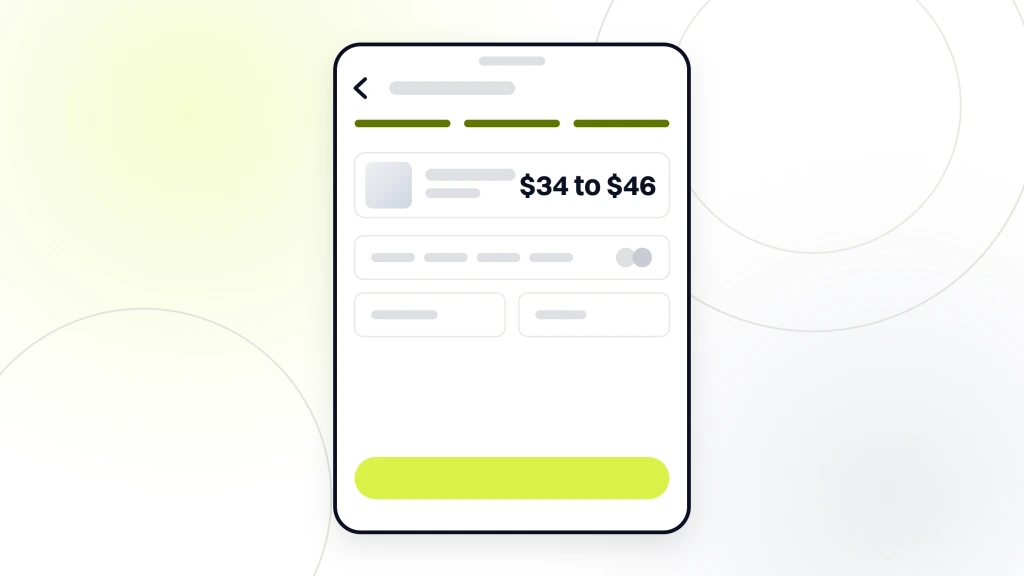
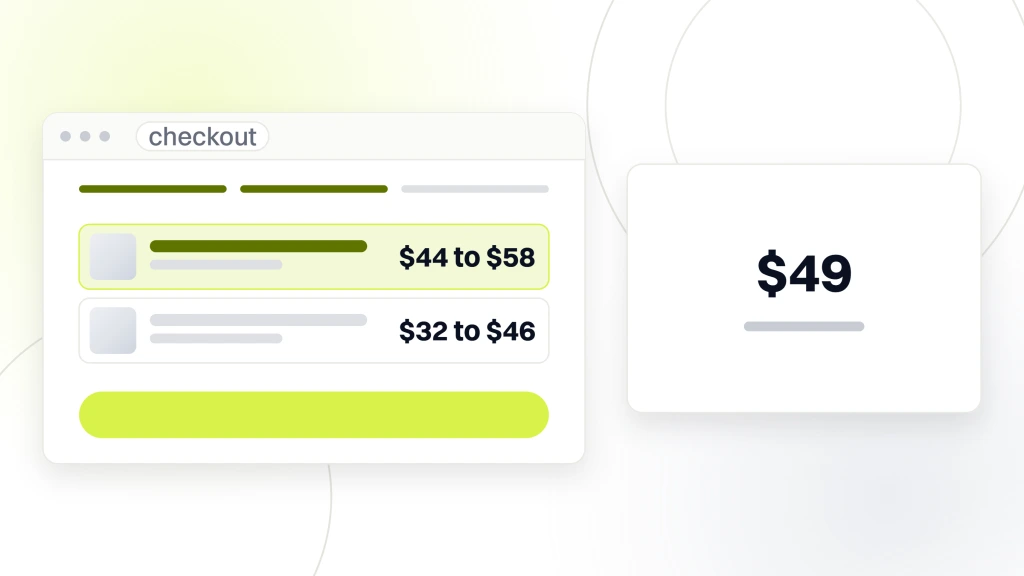
Founders price against a subscribe-and-save anchor at 18 to 22 percent off list. A 500mg broad-spectrum tincture lists at $44 to $58 with a subscribe price of $34 to $46. A 30-count soft chew lists at $32 to $46 with a subscribe price of $26 to $37. Bundles at 22 percent off both SKUs pull attach 12 points higher. Free shipping thresholds work the same as in the wider treat category. Free over $49 is the safer threshold for a brand under $1 million revenue.
Concentration matters more here than in any other pet segment. A 500mg tincture is the entry SKU for a 20 to 40 pound dog. A 1000mg tincture is the entry SKU for a 60 to 100 pound dog. Founders who launch with a single concentration cap their addressable market at one weight band and burn ad and email spend on pet parents who bounce off the calculator. The concentration ladder is the merchandising decision that separates a store that hits $80,000 monthly revenue from a store that stalls at $22,000.
Free over $65 pulls average order value 28 to 34 percent higher but drops conversion 6 to 9 points. Founders under $500,000 revenue should hold at $49. Founders above $1 million can move to $65 once subscribe-and-save attach clears 55 percent store-wide. Small credits like $8 off the second month of a subscription pull year-one churn 4 to 6 points lower than the standard discount ladder. In practice, the second-month credit is the single highest-ROI retention lever we’ve tested in the category over the last three years.
SEO and content for the cbd pet product market
Organic search is where a CBD pet brand out-earns every other pet segment on cost per acquired subscriber. The paid channels are locked, so search competition stays thinner and content-cluster ranking gains hold longer. A CBD pet brand publishing two to four cluster posts a month clears 40,000 monthly organic sessions inside 11 to 14 months. That volume converts to 620 to 940 monthly subscribers at typical funnel rates.
Five clusters convert best. Anxiety education covers fireworks, thunder, separation, travel, and vet visits. Joint and senior education covers osteoarthritis, hip dysplasia, and mobility support. CBD-and-safety education covers interactions with veterinary medications, dosing by weight, and product-testing standards. Condition-adjacent education covers post-surgical, chemo appetite support, and seizure adjunct use. Comparison content covers full-spectrum versus broad-spectrum, isolate versus full-spectrum, and tincture versus soft chew versus topical. Each cluster runs 6 to 14 pages deep with a hub page and cluster posts that link back to the product page a pet parent should buy from.
Product schema and ingredient schema on every PDP is table stakes. Third-party COA (certificate of analysis) links on every PDP build trust and answer the safety-question search intent inside the product page. The Google product schema documentation is the reference sheet for a developer on Shopify or WooCommerce. Ingredient parity between the PDP body and the schema attribute decides which SKU shows on the ingredient-filtered Shopping search on the rare listing that clears review.
Packaging and brand for CBD pet SKUs
Packaging here does the same three jobs as the wider treat category with two extra jobs bolted on. The pack has to store the product safely. It has to merchandise on the shelf and the influencer photo. It has to teach the pet parent the ingredient story in about four seconds. It has to carry the third-party test batch code so a pet parent can look up the COA. And it has to avoid every FDA-triggering claim on both the front and back of the pack. Put a cannabis leaf on a pet pack and a compliance officer at a mainstream retailer flags the SKU and skips the buyer meeting. Cannabis leaves belong on human recreational packaging. Pet packs need to look like a vet-clinic supplement.
Three positioning lanes work in the category. Clinical-clean reads like a veterinary supplement. Farm-and-heritage reads like a small-batch hemp brand with a named grower. Design-forward reads like a wellness brand a millennial pet parent buys on Instagram. Each lane earns a different creator library, a different email tone, and a different retail conversation. Clinical-clean sells best on organic search and vet-referral affiliate. Farm-and-heritage sells best on Reddit and podcast sponsorship. Design-forward sells best on TikTok organic and creator content. Pick the lane in month one and hold it. Rebranding a CBD pet product line in year two costs 4 to 6 times more than a normal DTC rebrand once every state hemp registration has to refile against the new pack art.
A real CBD pet brand scenario
A CBD pet brand out of Denver came to our team at $14,000 monthly revenue on a two-SKU line, a Meta ad account that had already collected two strikes, and a Shopify store that hid the subscribe option below the fold. The founder was spending 62 percent of the marketing budget on Meta ads that got pulled inside two weeks. Organic search traffic ran 1,200 monthly sessions and converted at 0.9 percent, and that low rate traced back to PDP copy that read like a supplement facts panel plus education clusters that did not exist on the site yet.
Our team rebuilt the store on Shopify with a subscribe-first PDP template, a concentration ladder from 300mg to 1000mg across four SKUs, and a bundle-builder for the calming and senior use cases. We migrated the paid mix off Meta cold and into Meta lead-magnet plus email plus Reddit sponsored posts plus a small Fyllo programmatic budget. We launched a co-marketed content campaign with Pet Insurance Australia on senior joint care and anxiety support. We rewrote the education cluster around anxiety, joint, and safety-question content over 90 days.
Over the following seven months, monthly revenue climbed from $14,000 to $118,000. Subscribe-and-save attach hit 61 percent store-wide. Year-one repeat purchase on the calming bundle hit 74 percent. Organic monthly sessions climbed from 1,200 to 22,400, of which 3.1 percent converted to a subscribe-and-save signup within the first 60 days of the initial visit. The store was not doing anything the category did not already reward. It just needed the compliance-first channel mix and the subscription-first merchandising a Shopify store built the right way rewards.
The pattern is not unique to CBD. Pet Shop · Independent Retail · UK worked with us on a store rebuild in a different pet vertical and posted +158 percent local inquiries on the quarter-one curve alongside +212 percent click-and-collect orders and +47 percent repeat-customer rate, all inside a single quarter without growing the team or the ad spend. The takeaway for a CBD pet founder is the same. Rebuild merchandising around the buyer’s real journey, invert the paid-to-owned mix, and revenue follows inside two quarters.
Where CBD fits a DTC pet stack
The category sits alongside the wider supplement and treat lanes in a DTC pet brand’s roadmap but earns a different channel mix and a different launch sequence. You can’t bolt a CBD SKU onto an existing treat store and run it on the same paid mix. The compliance layer forces a rebuild of the acquisition engine around email, SMS, organic search, affiliate, creator, and programmatic. Founders who get this on day one build a compliant store that scales past $2 million revenue in year two. Founders who bet on Meta and Google stall at low six-figure revenue and blame the channel bans instead of the plan.
The category rewards founders who treat compliance as the strategy, not the constraint. Pick a positioning lane. Build the concentration ladder. Merchandise subscribe-first. Run the co-marketing lane hard. Publish two to four education cluster posts a month for the first 14 months. Get the third-party COA link on every PDP. Skip the cannabis leaf. Our pet product marketing agency guide covers the retainer and staffing model that supports a compliance-first CBD roadmap alongside the wider DTC channel work a treat or supplement brand needs on the same store.
External reads worth pairing with the internal work include the FDA CBD and pets guidance for the compliance floor every founder has to plan against and the AVMA cannabis and pets resource for the veterinary sentiment shift. Compliance-first thinking, subscription-first merchandising, and content-first acquisition are the three levers that carry a CBD pet brand from launch to $2M revenue. Get those three right and the category funds a whole DTC pet brand over the next decade.