
A med spa SEO audit checklist that actually moves consult volume looks nothing like the 200-item PDFs floating around agency sites. Most of those audits stack up busywork (fix alt tags, add schema, compress images) that never touches the two or three real problems keeping treatment pages off page one. The med spa vertical has a specific ranking pattern. Local intent runs the map pack, treatment intent runs organic results below the map, and both surfaces punish thin service pages that don’t match what a patient researching Botox pricing or laser hair removal recovery actually needs to see.
This audit walks the 12 fixes that move consult volume for real, in the order they typically pay back. Google Business Profile depth comes first since it moves map pack rank fastest. Treatment page content depth comes second since that’s where organic traffic converts. Technical hygiene comes last since it rarely moves rank on its own. You’ll leave with a punch list you can hand a marketing manager or agency Monday morning, plus benchmarks from Beauté Aesthetics New York and other real med spa engagements showing what strong looks like at scale. The wider program that catches the fixes long term lives inside our SEO retainer.
Why a Med Spa SEO Audit Checklist Ranks 12 Fixes Not 200
A audit checklist that lists 200 items is written to look thorough, not to move rank. 200 items produces a project scope that stalls out inside three months since nobody prioritizes. 12 items produces a project scope that ships inside six to eight weeks since every fix carries a specific consult-volume impact. The ranking factors that matter for a med spa split into three buckets. Local visibility (map pack), treatment intent visibility (organic below map), and conversion architecture (does the traffic book a consult). Each bucket carries three to four levers. Move the levers and consult volume moves inside a quarter.
The audit that follows sequences the fixes by expected impact and time to result, not by category grouping. Google Business Profile depth ships first since map pack impressions climb inside 30 days. Treatment page content depth ships second since organic rankings climb inside 60 to 90 days. Review generation cadence layers on top since reviews compound both surfaces at once. Technical hygiene sits at the bottom since it rarely moves med spa rank on its own, only supports the other levers. This sequencing is what separates audits that pay back inside a quarter from audits that produce 300-line spreadsheets nobody works through.
Rank Fixes By Consult Volume Impact Not Category
A med spa audit that groups fixes by category (technical, content, off-page, local) trains the team to work through the easiest categories first regardless of impact. That ships alt tag fixes before treatment page rewrites, which optimizes the wrong outcome. The audit should sequence fixes by expected consult volume impact instead. Google Business Profile depth typically drives 22 to 45% of new consult volume in a properly attributed med spa model, so it goes first. Treatment page content depth drives another 25 to 40% of consult volume once the map pack is working. Technical fixes contribute 3 to 8% of consult volume for most med spas, so they sit at the bottom of the priority list. See the Google Business Profile insights documentation for the specific reports to pull before the audit starts, and the Google SEO starter guide for the ranking factors behind the split.
Capture Baseline Metrics Before Any Fix Ships
Every the audit should open with a baseline metric capture across four surfaces. Google Business Profile insights (calls, direction requests, website clicks over the last 90 days). Google Search Console (branded and non-branded impressions and clicks by treatment category). Google Analytics or GA4 (organic sessions to treatment pages, consult form submissions, phone call events). Practice management system (new patient count and treatment revenue by acquisition source). Without baseline metrics captured before fixes ship, the audit can’t prove which fixes moved which metrics, and next quarter’s budget conversation loses its foundation.
Google Business Profile Depth Is the First Med Spa SEO Audit Checklist Item
The Google Business Profile depth audit is the first item on any med spa audit since it moves consult volume fastest. Depth means every field filled, every category selected correctly, every service listed with description and pricing, and every photo current. Most med spa GBPs run at 30 to 45% field completion, which caps map pack impressions well below where the profile could rank. Filling the profile to 90%+ completion typically drives map pack impressions up 60 to 140% inside 60 days, with no other change.
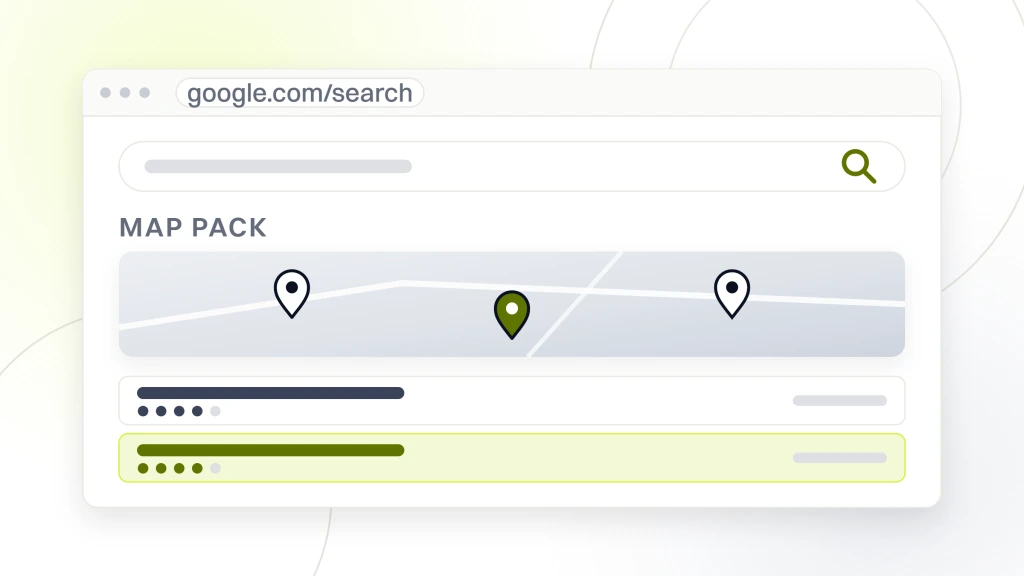
The specific fields that move rank are categories (primary plus secondary), services (structured with description and price range where possible), attributes (women-owned, LGBTQ-friendly, veteran-owned, etc.), business description with keyword variants naturally placed, photos (interior, exterior, treatment room, staff, and result photos where compliance allows), posts (weekly with treatment offers or education), and Q&A (seeded with the top 10 pre-consult questions and answered by the practice). Every field the profile leaves blank is a signal to Google that the business is either incomplete or less active than a competitor. Fill everything.
Category Selection Moves Map Pack Rank More Than Any Other Lever
Category selection inside the this audit is the highest-impact single lever. Primary category should be Medical spa in almost every case, not Beauty salon or Skin care clinic. Secondary categories should include Cosmetic clinic, Laser hair removal service, Botox clinic, and Aesthetic clinic where relevant to the service menu. Wrong primary category is the single most common med spa GBP mistake and often drops the profile out of the map pack entirely for the highest-value queries. Beauté Aesthetics New York fixed exactly this category alignment inside a broader redesign and drove +166% leads and +88% new users in 12 months.
Service Listings With Descriptions Beat Bare Category Selection
Service listings inside Google Business Profile carry more weight than most agencies realize. Each service should be listed with a 150 to 300 character description that uses treatment-specific language patients search for (Botox for forehead lines, laser hair removal legs, hydrafacial monthly membership). Service listings appear directly inside map pack results for matching queries and drive both visibility and click-through on the profile. Med spas that list 15 to 25 services with descriptions consistently outrank competitors listing only 3 to 5 services or leaving service listings blank. This is the single most under-optimized lever on the checklist and often produces map pack rank movement inside 30 days. For the wider take on core SEO audit steps, see our ecommerce SEO audit checklist for the priority-sort logic that carries over.
Treatment Page Content Depth Is the Second Audit Priority
Treatment page content depth is the second the audit item and the one that determines organic rank for high-value transactional queries. Every treatment page should carry 1,800 to 3,200 words of specific, treatment-relevant content covering what the treatment is, how it works, who’s a candidate, pricing ranges, downtime and recovery, expected results and timeline, before-and-after examples (where compliance allows), practitioner credentials, and a strong FAQ section. Med spa treatment pages under 800 words rank almost nowhere for competitive treatment queries.
Content depth signals topical authority to Google’s ranking systems. A med spa with a 2,400-word Botox page covering forehead lines, crow’s feet, gummy smile, jaw slimming, and preventative applications outranks a competitor with a 600-word Botox page covering only wrinkle reduction. Depth carries a conversion effect too. Patients researching a treatment want to see the specific application and outcome that matches their concern, and a page that answers every pre-consult question books more consults than a page that summarizes at high level. The audit should mark any treatment page under 1,500 words as a rewrite priority, and any page under 800 words as an urgent fix. A Seattle med spa engagement rebuilt exactly these pages and moved organic traffic +178% in nine months.
Match Treatment Page Copy to Real Patient Questions
Treatment pages inside the this audit checklist should match the exact language patients use when researching. Pull the top 40 branded and non-branded queries from Google Search Console, cross-reference with the questions the front desk fields most often during consult calls, and map each question to a section on the relevant treatment page. This exercise typically surfaces 15 to 25 sub-topics per treatment that aren’t currently covered. Adding those sub-topics inside a rewrite pushes the page from generic treatment overview to full treatment resource, which is what Google rewards and what patients convert on.
Pricing Transparency Sections Rank Higher Than Pricing Redirects
Pricing transparency sections on med spa treatment pages rank higher than pages that hide pricing behind a consult booking. Google’s ranking systems reward pages that answer the query directly, and pricing is the most common query attached to any treatment (“how much is Botox,” “laser hair removal cost”). Med spas that publish price ranges (starting at $12 per unit, packages from $325, etc.) rank higher and convert consult calls at higher rates than med spas that force the caller to book a consult to hear the number. Any audit should verify pricing sections are present on every treatment page, whether as ranges, package pricing, or membership pricing structure.
Review Generation Cadence Compounds Both Ranking Surfaces
Review generation cadence sits third on the an audit checklist since reviews compound both map pack and organic ranking surfaces. A med spa with 400+ reviews at a 4.7 average consistently outranks a med spa with 80 reviews at a 4.9 average, since review volume signals sustained business activity to Google’s ranking systems. The specific cadence that moves rank is 15 to 40 new reviews per month across the profile, driven by a same-day SMS review request to every patient who completed a treatment that day.
Review generation inside the audit should audit the review request workflow. Is every patient asked, on what day, via what channel, with what specific ask. Most med spas ask via a generic email a week after treatment and generate reviews at 2 to 5% of treated patients. Med spas that ask via SMS on the same day the treatment happened generate reviews at 22 to 38% of treated patients. That 5x to 10x gap in review generation rate compounds inside 90 days into map pack rank movement that pure content or GBP fixes can’t match. Any audit that skips review workflow entirely is missing a lever that outperforms most technical SEO fixes combined.
Review Response Rate Signals Active Business to Google
Review response rate is a signal Google uses to gauge whether the business is actively managed. Med spas that respond to 90%+ of reviews (positive and negative) inside 48 hours consistently outperform med spas that respond to 20% or fewer. The response text should acknowledge the specific service the reviewer received, thank them by name, and invite them to return for follow-up or a different treatment. Automated generic responses hurt the signal since they read as bot-generated. The audit should measure review response rate over the last 90 days and set a target of 90%+ for the next quarter.
Review Sourcing Sequence Determines Volume
Review sourcing sequence determines whether the med spa hits the 15 to 40 review per month cadence that moves rank. The sequence that works best in the med spa vertical. Treatment completes, front desk sends SMS review request within four hours with a one-tap link that opens the Google review interface directly, follow-up email at 48 hours if no review received, front-desk verbal ask at any return visit within 30 days. Med spas that run this three-touch sequence generate reviews at 3 to 5 times the rate of single-touch email requests. The audit should map the current review workflow against this three-touch benchmark and identify which touches are missing.
Internal Linking Structure That Med Spa Sites Underuse
Internal linking structure inside the this audit is the item that produces the biggest rank movement per hour of work. Most med spa sites have treatment pages linked only from a top-level services menu and get zero internal linking from blog posts, FAQ pages, or location pages. A treatment page with 12 to 25 internal links pointing at it from topically relevant content outranks a treatment page with 2 to 3 links pointing at it, holding all other factors equal. The audit should map every treatment page’s internal link count and identify which pages need internal link injection.
The specific pattern that works for med spa internal linking runs three ways. First, from blog posts covering treatment education (a blog post about Botox longevity should link to the Botox treatment page in the opening paragraph). Second, from location pages to the treatments offered at that location. Third, from the FAQ page to the specific treatment that matches each answered question. Med spas that build this three-way internal linking structure across 15 to 30 blog posts and location pages see treatment page rank climb inside 60 to 90 days with no additional external link work. The audit should surface internal link gaps as a fix category with an owner and a deadline. For the deeper walk-through of ChatGPT-assisted audits, see our manufacturing SEO audit services guide.
Anchor Text Diversity Signals Natural Linking Patterns
Anchor text diversity inside the an audit checklist should verify that internal links don’t all use the same phrase. A Botox treatment page linked from 20 blog posts with the exact anchor “Botox in [city]” looks manipulative to Google’s ranking systems. The same page linked from 20 blog posts with varied anchors (“Botox treatments,” “our Botox program,” “Botox for forehead lines,” “book a Botox consult”) reads as natural. The audit should sample 30 to 50 internal links and check anchor variety. Anchor over-optimization is one of the most common self-inflicted rank problems on med spa sites and one of the fastest to fix.
Location Pages Deserve Their Own Internal Link Budget
Location pages for multi-location med spas need their own internal link budget inside the audit. Every treatment page should link to the corresponding location page for each city the med spa serves, and every blog post that mentions a location should link to the location page for that city. Multi-location med spas that build this location-page linking structure rank in the map pack across every location they operate. Med spas that skip location-page linking rank only in the map pack around the primary location and lose the map pack ranks at secondary locations entirely. This gap costs multi-location med spas 15 to 30% of potential map pack impressions annually.
Schema Markup That Moves Med Spa Rank
Schema markup inside the this audit should verify LocalBusiness, MedicalBusiness, and Service schema across every relevant page. LocalBusiness schema goes on the homepage and every location page with full NAP data, hours, geo coordinates, and aggregate rating pulled from Google reviews. MedicalBusiness schema goes on the homepage and about page with specialty designation. Service schema goes on every treatment page with treatment name, description, price range, and provider information. Most med spa sites carry either no schema or only generic Organization schema, which contributes almost nothing to search visibility.
The schema fields that move rank in the med spa vertical are aggregateRating (pulled from Google reviews via the profile), priceRange (numeric ranges like $150 to $450), openingHours (structured with day-of-week and time), and hasMenu (linking to the service menu). Schema that carries these fields correctly populates rich results in search that improve click-through rate 20 to 45% versus plain organic results. The med spa SEO audit checklist should include a schema validation step using Google’s Rich Results Test on the homepage, three location pages, and five treatment pages minimum, with any errors flagged as required fixes before content changes ship.
FAQ Schema Wins Featured Snippets on Treatment Queries
FAQ schema on treatment pages regularly wins featured snippets on high-volume treatment queries. Every treatment page should carry 6 to 10 FAQ pairs with schema markup that mirrors the exact questions patients ask before booking. The FAQ answers should run 40 to 80 words each with the treatment name naturally placed in the first sentence. Med spas that ship FAQ schema consistently across every treatment page win featured snippets on 15 to 40% of relevant queries, which drives click-through rates well above unranked pages and adds a visibility surface that competitors without FAQ schema can’t touch. See the Google FAQPage schema documentation for the exact markup pattern. For the wider take on SEO checklist frameworks, see our ecommerce SEO checklist for the priority sort med spa teams can adapt.
Review Schema Displays Star Ratings in Search
Review schema on the homepage and treatment pages displays star ratings directly in organic search results. The star ratings improve click-through rate 15 to 35% versus plain organic listings, since the visual signal draws the eye and the rating signals quality. The med spa audit should verify review schema pulls aggregate rating and review count correctly, refreshes weekly to reflect new reviews, and complies with Google’s review markup policies. Sites that fake review schema (using fabricated ratings or self-generated reviews) get penalized aggressively and lose the star ratings entirely, so implementation needs to pull real review data from a legitimate source.
Site Speed and Core Web Vitals for Med Spa Sites
Site speed and Core Web Vitals inside the audit sit below content and local levers since they rarely move med spa rank on their own. That said, sites failing Core Web Vitals thresholds do get suppressed on mobile results where 65 to 80% of med spa traffic lives. The audit should measure Largest Contentful Paint under 2.5 seconds, First Input Delay under 100 milliseconds, and Cumulative Layout Shift under 0.1 across the homepage, three location pages, and five treatment pages. Any page failing two or more metrics should be flagged as a technical priority.
The specific speed issues that recur on med spa sites are oversized hero images (typically JPGs pushed at 4 to 8 MB when 300 to 600 KB would work), unoptimized before-and-after galleries loading dozens of images at page load, and third-party tracking scripts (Facebook pixel, GA4, call tracking, chat widgets) blocking render. The fixes are straightforward. Compress images to WebP at appropriate resolutions, lazy-load below-the-fold gallery content, and defer non-critical third-party scripts. These fixes typically improve Core Web Vitals scores from failing to passing inside two to four hours of developer work per page. The an audit should carry site speed as a required checkbox but not as the top priority.
Mobile Experience Drives 70% of Med Spa Traffic Conversion
Mobile experience inside the audit deserves specific attention since 65 to 80% of med spa traffic arrives on mobile. Consult booking forms that don’t work well on mobile lose conversion at rates of 30 to 60% versus desktop. The audit should test consult booking flows on iPhone Safari and Android Chrome, checking form field sizing, tap target accessibility, dropdown usability, and one-tap phone call functionality. Any friction in the mobile consult booking flow costs consult volume regardless of rank position. A boutique injectables med spa engagement replaced DM scheduling with a native booking flow that was live from launch day and protected calendar volume as message volume climbed.
Image Optimization Beats General Speed Optimization for Med Spas
Image optimization for med spa sites moves site speed more than any other single technical fix. Before-and-after galleries, treatment room photos, and staff photos typically make up 70 to 90% of page weight on a med spa site. Compressing every image to WebP with appropriate srcset variants for mobile, tablet, and desktop viewports typically cuts page weight 60 to 80% without visible quality loss. The this audit should call out image optimization as a separate line item rather than bundling into general speed optimization, since image work carries the highest impact per hour on site speed for the med spa vertical.
Multi-Location Med Spa SEO Teardown
Multi-location med spa chains provide the cleanest case study on what a mature the checklist looks like at scale. The mature approach runs three coordinated layers. A corporate site that ranks nationally for treatment education queries and captures top-of-funnel research traffic. Location pages (idealimage.com/locations/dallas, etc.) that rank locally in each metro’s map pack and drive consult bookings for that location. Treatment-plus-location pages (idealimage.com/laser-hair-removal-dallas) that capture the high-intent transactional queries carrying the highest conversion rates.
The three-layer structure is what smaller med spas can learn from without needing 150 locations. The corporate education layer drives national brand search that compounds across every location. The location pages drive map pack visibility in each specific metro. The treatment-plus-location pages catch buyers ready to book. Any single-location or small-chain med spa can build the same three-layer structure at smaller scale. An education blog, a location page for each service area, and treatment-plus-location pages for the top three treatments in each service area. This structure produces the same compounding effect at any scale, and any audit should map current site structure against this three-layer pattern to identify structural gaps.
The specific pattern used on treatment-plus-location pages is worth studying line by line. Each page runs 1,800 to 2,400 words, opens with the treatment description written for the specific city (climate considerations for laser treatments, seasonal demand patterns), lists the practitioners and their credentials at that location, includes 8 to 12 FAQ pairs with FAQ schema, and closes with location-specific pricing and consult booking. The pages rank since they answer the exact query intent (this treatment, at this location, at what price, with what result). Small med spas that copy this pattern for even three treatments across three service areas typically see organic consult bookings grow 40 to 90% inside six months.
Comparison of Med Spa SEO Audit Checklist Fixes by Time to Impact
Not every fix on an audit checklist carries the same time-to-impact profile. Some fixes move rank inside 30 days, others take 90 to 120 days to compound. The table below sequences the 12 highest-priority fixes by expected time to consult volume impact, cost to implement, and the specific outcome each fix produces. Sequence work in this order and audit results show up on the P&L inside two quarters instead of getting lost in a spreadsheet.
| Fix | Time to Impact | Implementation Cost | Consult Volume Impact |
|---|---|---|---|
| Google Business Profile category fix | 1 to 4 weeks | Under $500 | High |
| GBP service listings + descriptions | 2 to 6 weeks | Under $1,200 | High |
| Review generation SMS workflow | 4 to 12 weeks | $800 to $2,400 setup | Very high |
| Treatment page content rewrite | 8 to 16 weeks | $1,800 to $4,200 per page | Very high |
| FAQ schema implementation | 4 to 10 weeks | Under $1,800 | Medium |
| Internal linking structure build | 6 to 14 weeks | $1,200 to $3,600 | High |
| Location page creation | 10 to 20 weeks | $2,400 to $6,000 per location | Very high for multi-location |
| Core Web Vitals fixes | 2 to 6 weeks | $1,600 to $4,800 | Low to medium |
| Image optimization pass | 1 to 3 weeks | $400 to $1,200 | Low |
| Review response workflow | 2 to 8 weeks | Under $600 setup | Medium |
| Mobile consult form audit | 3 to 8 weeks | $800 to $2,400 | Medium to high |
| Local business schema | 2 to 5 weeks | Under $1,200 | Low to medium |
Sequence Fixes By Compounding Effect
Sequencing fixes on the audit by compounding effect matters as much as sequencing by time to impact. Google Business Profile category and service listings compound with review generation since both surfaces feed the map pack ranking system. Treatment page rewrites compound with internal linking since internal links direct authority to the newly written pages. Location pages compound with treatment-plus-location pages since the location structure creates the authority foundation the treatment-plus-location pages inherit. Running these in the right order produces additive gains. Running them in the wrong order forces later fixes to overcome the friction earlier fixes should have removed.
Track Results at 30, 60, 90 Days Post-Ship
Every fix that comes out of this audit should carry a 30/60/90 day measurement plan. GBP category fixes should show map pack impression movement inside 30 days. Treatment page rewrites should show organic session growth inside 60 days. Review generation workflow changes should show review volume growth inside 30 days and rank movement inside 90 days. Location page creation should show map pack impression growth for each new location inside 60 to 90 days. Med spas that track results consistently at these checkpoints identify which fixes worked, which didn’t, and where to concentrate the next quarter’s audit budget.
Voice Notes From Our Med Spa Marketing Bench
Voice note (Local SEO lead): The med spa SEO audit checklist item that produces the biggest surprise for owners is Google Business Profile category selection. Half the med spas we audit have their primary category wrong, usually Beauty salon or Skin care clinic instead of Medical spa. Fixing that one setting moves map pack impressions 60 to 140% inside 60 days on average, with no other change.
Voice note (Content lead, med spa vertical): Treatment page rewrites work when the page opens with what the treatment actually is and closes with what happens if you don’t book. Most treatment pages we audit are written like brochures. They should be written like the first 10 minutes of a consult call, answering every question the patient will ask before agreeing to book.
Voice note (Reviews and reputation manager): The single fastest lever on any med spa SEO audit is switching review requests from email to SMS on the same day the treatment happened. That change alone typically moves review generation from 3% of treated patients to 25%, and that volume gain compounds into map pack rank movement inside 90 days.
How Redefine Web Runs the Med Spa SEO Audit Checklist for Clients
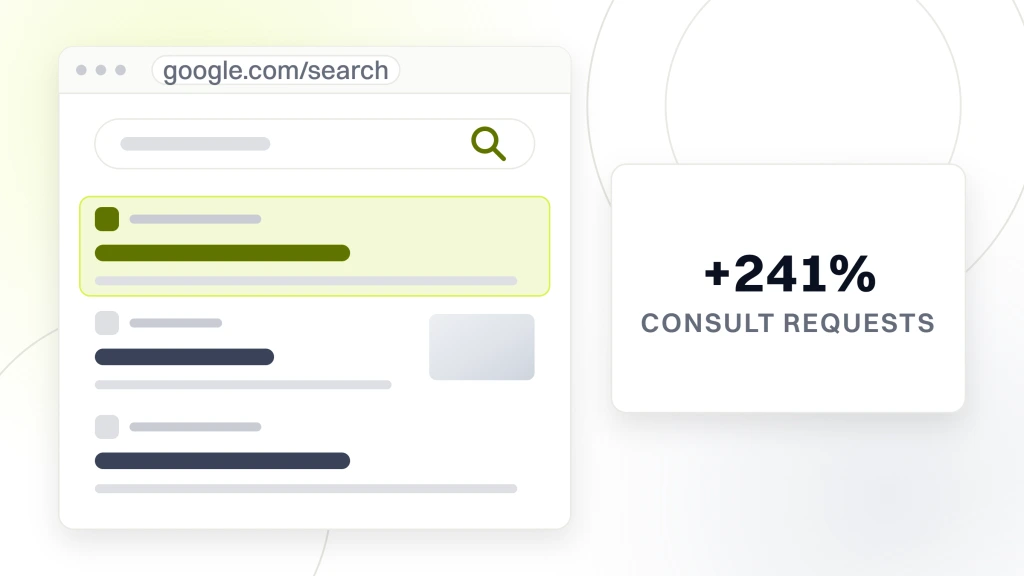
Redefine Web runs the audit as a two-week engagement that produces a prioritized ship list, not a spreadsheet. The audit opens with baseline metric capture across GBP insights, Search Console, GA4, and the practice’s PMS. It runs through the 12 priority fixes documented above, scoring each fix by current state, target state, expected consult volume impact, and effort to implement. It closes with a 90-day ship plan that sequences the fixes by compounding effect and time to impact. Clients who follow the ship plan typically see consult volume grow 30 to 90% inside two quarters. A Seattle med spa engagement that ran this exact framework saw consult requests climb +241% and cost per lead drop 38% on the same monthly ad spend.
The engagement structure covers audit interviews with the practice owner and front-desk team, on-site or virtual observation of the current consult booking workflow, competitive analysis of the three closest med spa competitors in the map pack, and a written report that walks each fix with implementation instructions and expected impact ranges. The engagement produces a working document the client can hand to any agency or in-house team, along with monthly check-ins to track results against baseline. The audit is free, and if you want us to run the ship plan, we quote a fixed monthly retainer based on location count, treatment mix, and what the audit finds. See our med spa marketing services for the ongoing SEO and paid media work that supports the audit ship plan across quarters.