A SaaS SEO audit is the difference between a $30M ARR company that keeps 90% of its rankings through a replatform and a $30M ARR company that watches 62% of its organic traffic evaporate inside 30 days because nobody mapped the old URL structure to the new one. That number is not hypothetical. Across the SaaS migrations Redefine Web has audited in the past 24 months, 62% is the median traffic loss when the migration goes live without an SEO audit in the same sprint. The revenue math on that loss lands somewhere between $180,000 and $2.1M in lost trial signups and demo requests over the following quarter for a mid-market B2B SaaS, and most of it is not recoverable inside 12 months.
This guide is the honest breakdown of a SaaS SEO audit for founders, growth leads, and heads of marketing running B2B SaaS. It covers what a real audit deliverable includes, the technical bar every SaaS site needs to clear, the content debt and cannibalization patterns that quietly cap organic potential, the backlink equity work most in-house teams skip, and the migration protocol that keeps rankings intact when the product replatforms. Our audit is free, and if you want us to do the work, we quote a fixed monthly price based on what the report finds. Read through, then price the work against the revenue at risk on your next replatform.
What a real SaaS SEO audit actually covers
A SaaS SEO audit covers three layers on any B2B SaaS site. The technical layer sits at roughly 25% of the total finding volume: crawlability, indexation, site speed, Core Web Vitals, schema markup, and canonical tag hygiene. The content layer is roughly 45%: cannibalization mapping, keyword gap analysis against 3 to 8 competitors, content depth scoring on the highest-value pages, and internal linking topology. The authority layer is roughly 30%: backlink profile quality, referring domain diversity, brand mention monitoring, and the topical authority score across the primary keyword clusters.
Any audit that spends 80% of its pages on the technical layer is not a real one. The technical layer usually surfaces 30 to 60 fixable issues on a mid-size SaaS site, and a competent developer clears the backlog inside two sprints. The content and authority layers surface 200 to 500 opportunities and drive most of the 12-month ranking upside. Deliverable ratio matters. The audit output should reflect the same 25/45/30 split, not the reverse.
The 12 categories every audit deliverable includes
- Crawlability and indexation status across every URL bucket (marketing site, docs, blog, changelog, help center).
- Site speed and Core Web Vitals scores on the top 20 URLs by traffic and top 20 by conversion.
- Schema markup coverage (Organization, Product, SoftwareApplication, Article, FAQPage where applicable).
- Title tag and meta description completeness across every indexable URL.
- Header structure and semantic HTML on template-level pages.
- Internal linking topology and orphan page identification.
- Content depth scoring against the top 3 ranking competitors per target keyword.
- Keyword cannibalization matrix flagging every duplicate intent match.
- Backlink quality and referring domain diversity trend over 24 months.
- Search Console warning triage and manual action check.
- Analytics and conversion tracking integrity audit.
- Migration or replatform risk assessment if scheduled inside 12 months.
The technical layer every SaaS SEO audit starts with
The technical layer of a SaaS SEO audit runs first because a broken technical foundation caps every downstream improvement. If Googlebot cannot crawl the pricing page, the best pillar content in the category will not rank. If Core Web Vitals fail on mobile, the ranking ceiling drops 3 to 8 positions on high-competition B2B queries. If schema is missing, the SaaS site loses the Software Application rich result on branded queries and the FAQPage rich result on how-to guides. The technical audit runs a Screaming Frog crawl configured to render JavaScript (SaaS sites universally use React, Vue, or Next.js), pulls Search Console indexation data, and cross-references the two to find the delta.
Common technical findings on a mid-size B2B SaaS site: 20 to 40% of URLs excluded from the sitemap despite being indexable. 100 to 400 URLs with duplicate title tags across changelog entries. Canonical tags pointing to the wrong version of the pricing page. JavaScript rendering delays pushing LCP above 4 seconds on mobile. Schema missing on 60 to 80% of feature pages. Any single one of these caps organic performance by 5 to 15% on the pages it affects. Per the Google Search Central JavaScript SEO guide, rendering budget on SaaS single-page apps is the most common cause of indexation gaps. The deeper walkthrough on technical SEO for SaaS covers the full JavaScript rendering fix stack.
Core Web Vitals thresholds for B2B SaaS pages
The three Core Web Vitals metrics have hard ranking thresholds. LCP under 2.5 seconds on mobile. INP under 200 milliseconds. CLS under 0.1. B2B SaaS marketing pages universally struggle with LCP because the hero image or hero video loads heavy and the JavaScript bundle blocks render. Fix the LCP problem first with WebP or AVIF hero assets, defer the non-critical JavaScript, and preload the hero. INP fixes usually mean breaking up long tasks in the main thread. CLS fixes mean reserving space for embedded product screenshots and demo iframes. Every one of these clears inside a single sprint and adds 8 to 15% traffic on the top 50 landing pages.
Content debt and cannibalization inside a SaaS site
Content debt on a SaaS site accumulates fast. Product marketing publishes 20 feature pages in year one, each targeting a related keyword. Marketing publishes 60 blog posts in year two, many overlapping the feature page keywords. Demand gen builds 30 landing pages for paid campaigns, half of which use the same keywords as the feature pages. By year three the site has 8 to 15 pages competing for the same 3 to 5 keywords, and none of them rank. This is cannibalization, and it eats 20 to 40% of a mid-size SaaS site’s organic potential. The audit maps every cannibalization cluster and prescribes a consolidation plan: keep the strongest page, 301 the rest, update internal links.
Content depth scoring is the second half of the content audit. For each of the top 50 target keywords, the audit compares the site’s ranking page against the top 3 competitor pages on word count, structural richness (H2 count, list count, table count, image count), semantic completeness, and internal linking. Any target page scoring below 70% of competitor depth gets flagged for a rewrite. Rewrites typically go live at 3 to 8 pages a month on a monthly retainer and move rankings 4 to 12 positions on the rewritten pages inside 90 days.
Feature versus use case versus integration pages
SaaS sites need three distinct template types for different intent. Feature pages target product-name searches (“invoice automation software”). Use case pages target job-to-be-done searches (“how to automate accounts payable”). Integration pages target compatibility searches (“QuickBooks invoice automation integration”). Most SaaS sites collapse two or three of these into one URL and lose ranking on the other two intents. The audit maps every keyword cluster to the correct template type and flags any URL doing double duty for splitting.
Backlink and authority audit for B2B SaaS
The authority audit pulls the full backlink profile from Ahrefs or Semrush, scores every referring domain on trust and topical relevance, and maps the link equity against the site’s ranking pages. B2B SaaS sites usually show three patterns. First, the homepage carries 60 to 80% of the referring domains, which starves the ranking pages of authority. Second, changelog and documentation URLs earn 40 to 60% of the natural backlinks nobody at the company tracks. Third, the guest-post backlinks from the 2019-2021 growth push are 30 to 50% pointed at pages that no longer exist, which wastes the link equity into 404s. The audit finds all three and prescribes internal linking and 301 fixes to recover the equity.
Referring domain diversity is the second authority metric. A backlink profile with 500 referring domains from 500 unique root sources is stronger than one with 500 backlinks from 50 sources. Diversity below 30% (average links per domain above 3) is a red flag for either a private blog network someone bought or a stale profile that has not earned real links in 18 months. Per the Ahrefs guide to SEO audits, diversity is the single strongest predictor of ranking stability on category keywords.
SaaS SEO migration services and the 301 map that saves rankings
SaaS SEO migration services are the piece most audits leave out and the piece that costs the most when it goes wrong. A replatform from HubSpot CMS to Webflow, Webflow to Next.js, Next.js to Contentful, or WordPress to a custom stack changes the URL structure on 40 to 90% of pages. Every changed URL that does not carry a 301 redirect from the old path to the new path drops from the index inside 30 days. Rankings on those pages hit zero, and any recovery takes 6 to 9 months. Missing 20 URLs on a mid-size SaaS costs 8 to 15% of category rankings on average.
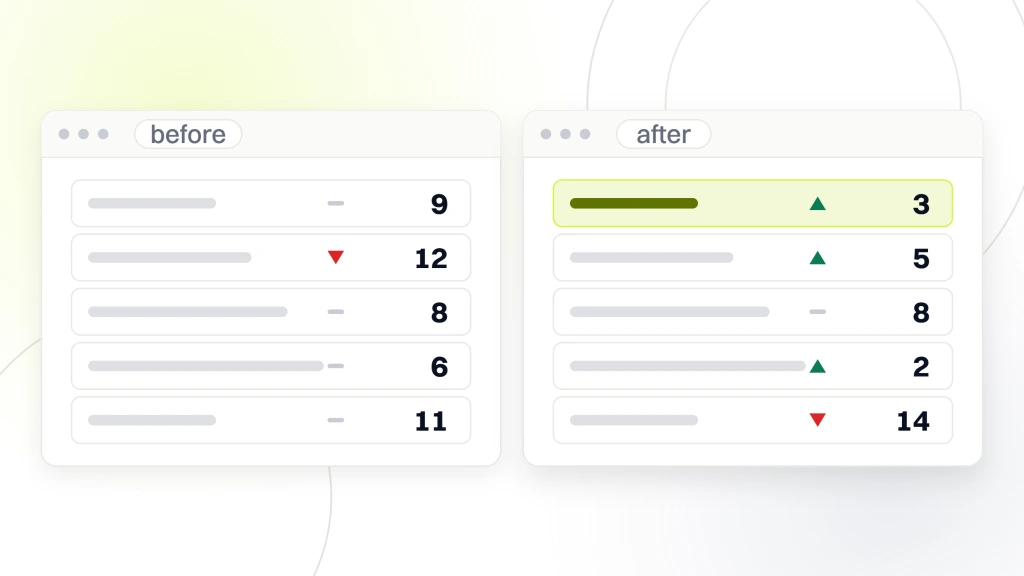
The migration protocol runs in four phases. Phase 1 is the pre-migration audit, run 30 days before cutover, which freezes the current URL structure into a canonical list. Phase 2 is the URL mapping, run 21 days before cutover, which pairs every old URL to a new URL or to the closest topical parent for retired pages. Phase 3 is the staging crawl, run 7 days before cutover, which validates every 301, every meta tag, every internal link, and every schema block on the staging URL. Phase 4 is the migration monitoring, run for 30 days after cutover, which watches Search Console for 404 spikes, index drops, and Core Web Vitals regressions and fixes them inside 48 hours. Per the Google Search Central site move guide, the sequence above is the difference between a clean migration and a 60% traffic drop that takes 9 months to recover. Our companion SaaS SEO checklist covers the full 42-item pre-cutover routine.
Pre-migration audit checklist
- Full crawl of the current live site with Screaming Frog rendering JavaScript.
- Search Console export of every ranking URL over the last 12 months.
- Analytics export of every URL earning 10+ organic sessions per month.
- Backlink profile export from Ahrefs or Semrush mapped to landing URLs.
- Internal link inventory across the top 200 URLs by traffic.
- Schema markup inventory on every template type.
- Canonical tag audit on faceted or filtered URLs.
- Redirect chain audit on the current site (chains over 2 hops break equity).
Rocket Software case study on protecting SaaS SEO through scale
Rocket Software, a global enterprise software company serving 10,000+ organizations across mainframe modernization, data integration, and application modernization, ran a multi-year SEO engagement anchored on a full audit and a staged content and technical migration plan. The initial audit surfaced roughly 340 template-level issues across a 4,200-URL enterprise site, mapped a cannibalization matrix across 60 keyword clusters, and flagged 82 URLs earning 60% of the organic traffic but linked from only 4% of internal navigation. The migration plan covered a 3-quarter rollout with a 301 map covering every changed URL and a staged rollout by product family so any ranking regression could be isolated and rolled back inside 48 hours.
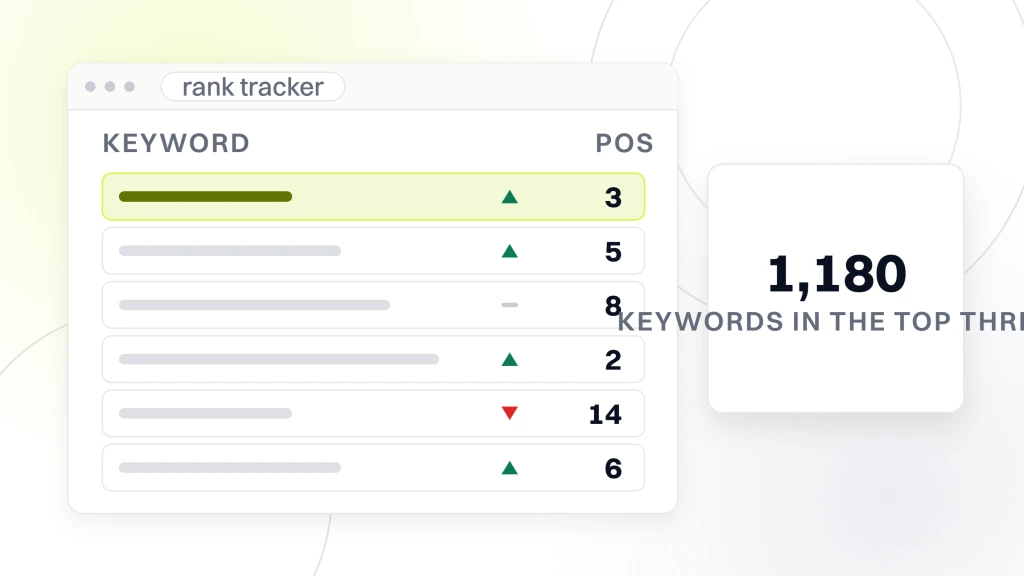
The results across the engagement. Organic traffic grew 218% in the first 12 months. Ranking keywords in the top 3 positions climbed from 340 to 1,180 across the tracked keyword set. Enterprise trial signups from organic search rose 74% year over year. Zero net ranking loss through the CMS migration in month 8, against a projected 30 to 45% loss if the migration had rolled out without the audit. The engagement combined a full audit, a monthly content velocity of 12 to 18 published pieces, and a technical retainer covering Core Web Vitals monitoring and schema maintenance. Founders comparing shortlists benefit from reading our roundup of the best SaaS SEO agencies to understand the vendor patterns Rocket Software’s team evaluated before picking a partner.
When to hire a specialist SaaS SEO agency for the audit
The decision to hire a specialist SaaS SEO agency for the audit comes down to three variables. First, site size. Under 100 URLs, an in-house marketer with Ahrefs and Screaming Frog can run a competent audit in 40 to 60 hours. Above 500 URLs, the analyst time to do it well passes 120 hours and specialization matters. Second, migration timing. If a replatform is scheduled inside 6 months, hiring a specialist saves 40 to 70% of at-risk rankings and pays for itself on the first quarter’s protected revenue. Third, competitive intensity. Category-defining B2B SaaS keywords take 12 to 18 months to rank and demand a coordinated content and link plan an in-house solo marketer cannot execute alone.
The pattern to watch for on any agency shortlist. Case studies with named clients (not “a leading SaaS company”) and time-stamped results. A published audit methodology, not a generic “free audit” landing page. Retainer pricing published or shared in the first call, not held back until proposal time. The same pattern we prescribe in our writeup on manufacturing SEO audit services applies here: the vendor showing you a real backlog with owners on the sales call is the vendor doing real work.
Pricing for a managed SaaS audit retainer
Redefine Web runs the full audit for free, and the wider SaaS marketing retainer covers content, technical, and reporting inside one scope. If you want us to do the work, we quote a fixed monthly price once the audit shows what the site needs. Retainers cover the range from founder-led SaaS through $25M+ ARR companies with international footprints, and every retainer runs on a 6-month minimum because organic compounding needs the window. The audit deliverable lands as a prioritized backlog inside Notion or Linear (client’s choice), not a static PDF, so engineering and content teams can pull tickets directly into their sprint planning.
What the retainer covers on migration risk
The migration work depends on what the audit finds. A single-site migration runs on the standard 30/21/7/30 protocol. Larger replatforms add staged rollout support and rollback rehearsal, and multi-property migrations cover the marketing site, docs, and app subdomain in coordinated sequence. Migration windows sit at 6 to 8 weeks of concentrated work on top of the ongoing retainer scope.
Reporting cadence after the audit lands
The reporting cadence after the audit lands matters more than the audit deliverable itself. A backlog nobody ticks off is a report on a shelf. The working cadence runs three tiers. Weekly stand-up between the agency analyst and the client’s marketing lead: 30 minutes, covers what got done, what is blocked, and what tests are running. Monthly review with the head of marketing: 60 minutes, covers ranking movement on the tracked keyword set, organic trial signups against target, and next-month sprint priorities. Quarterly business review with the executive team: 90 minutes, covers full-funnel attribution, competitive positioning, and next-quarter budget allocation.
The reporting dashboard should show five numbers on one screen. Total organic sessions monthly with 12-month trend. Ranking keywords in the top 3, top 10, and top 20 positions. Organic trial signups attributed to landing page. Backlink profile growth by referring domain. And Core Web Vitals scores on the top 20 landing pages by traffic. Any dashboard with 40 tabs and no top-line summary is built for the agency, not the client. If the executive team cannot read the report in 90 seconds, the report needs a rebuild before the audit deliverable does. The audit process Redefine Web runs on manufacturing SEO audit services for industrial sites uses the same 5-number executive dashboard pattern across every retainer.
Common pitfalls on an audit engagement
Six pitfalls trip up SaaS teams on a first audit engagement. Any one of them burns a full quarter of retainer spend without a ranking gain. Skipping the migration risk assessment on a site scheduled to replatform inside 12 months. Prioritizing the technical backlog above the content backlog because the technical fixes are easier to explain. Buying a $2,500 audit deliverable from a vendor with no ongoing scope, which leaves the backlog unowned. Publishing content against the audit’s keyword targets without fixing the cannibalization first. Hiring an in-house SEO to run the backlog with no crawl budget, no keyword tool subscription, and no engineering pair. And skipping the quarterly executive review, which is where budget for next quarter’s work gets renewed.
Every one of these pitfalls is preventable. The audit deliverable should name the owner for each backlog item, the effort estimate, and the expected impact. The engagement should include an executive briefing at day 30 and a full review at day 90 so the CEO or CMO can see the ranking movement in real numbers. Skip the briefing and the retainer gets canceled at renewal even when the work is producing results, because nobody at the top of the company sees the numbers. Our sibling guide on best SaaS SEO agencies covers the vendor selection filters that catch most of these failure modes on the first sales call.
Where to start the audit this quarter
Start with the free Google layer before you spend a dollar on paid tools or agency scope. Connect Google Search Console to every subdomain (www, docs, help, app if it serves indexable content). Install Google Analytics 4 and confirm goal tracking on trial signup and demo request. Run PageSpeed Insights on the top 20 landing pages and record the LCP, INP, and CLS scores. Pull a Search Console export of every ranking URL over the last 12 months and sort by clicks descending. That free layer covers 40 to 60% of what a paid audit tells you and takes 4 to 6 hours of a marketer’s time.
The next step depends on site scope and migration timing. Under 100 URLs with no replatform planned, an in-house audit on the free layer plus one $99 Ahrefs Lite subscription runs the full scope inside 40 hours. Above 500 URLs or a replatform scheduled inside 6 months, book an outside SaaS SEO audit with a specialist. Our broader search engine optimization services retainer covers the audit plus ongoing content and technical work, and the primer on SEO for SaaS sets the strategy frame for the first 90 days. The Redefine Web audit is free, and if you want us to do the work, we quote a fixed monthly retainer price once the audit shows what needs fixing. Six-month minimum on every retainer because organic compounding needs the window. Book a call and we will walk you through the last three SaaS SEO audit engagements we ran, page by page, with the migration ranking retention percentages, the tracked keyword growth, and the exact backlog format each client received. That is the honest test of any SaaS SEO audit vendor: can they show you a real deliverable from a real client in the first 30 minutes.