
SEO for Pet Supply Stores That Books DTC and Local Orders
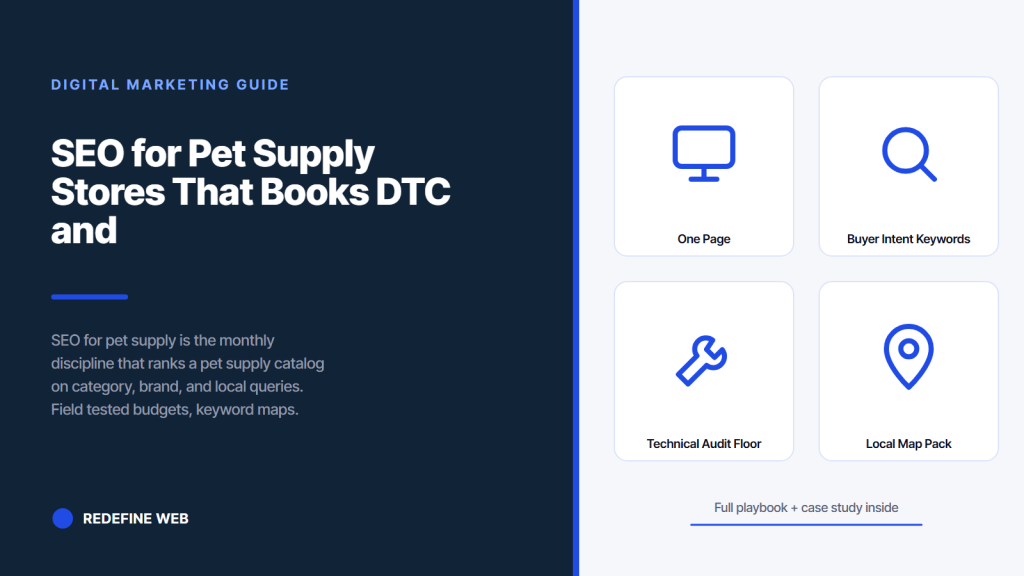
- Buyer intent keyword mapping starts every retainer.
- Faceted navigation fixes recover crawl budget fast.
- Category page pattern carries six locked sections.
- Local map pack wins on reviews earned at scale.
- Monthly SEO retainer beats quarterly campaign bursts.
- SEO for pet supply in one page
- Buyer intent keywords that convert on a pet supply catalog
- Technical audit floor for a pet supply catalog
- Category page on page pattern that ranks
- Product page conversion moves inside SEO for pet supply
- Local map pack work for pet supply retail stores
- Content marketing that supports SEO for pet supply
- Link building tactics for a pet supply brand
- Timeline and budget for SEO for pet supply
- How Pet Insurance Australia maps to pet supply SEO
- Five numbers to track when SEO for pet supply is running
- Pick the right SEO partner for your pet supply brand
SEO for pet supply stores is the ongoing work that keeps a pet supply retail site or a DTC pet supply catalog ranking on the searches that actually turn into orders and foot traffic. Every pet supply brand runs a Shopify or WooCommerce catalog with hundreds of SKUs, a set of local storefronts or a warehouse ship footprint, and a paid channel mix that eats budget the moment organic slows down. When SEO for pet supply is scheduled every month instead of touched once a year, the paid budget stops carrying every non brand keyword on its back.
This guide walks the field tested version of SEO for pet supply that Redefine Web runs with DTC pet brands, single location pet supply retailers, and multi location pet supply chains. You will see the keyword map that actually converts, the technical audit floor for a real pet supply catalog, the on page and content pattern the top ranking stores use every day, the local map pack work for the physical footprint side, and the case study transfer points from Pet Insurance Australia. Real numbers, real timelines, real budget ranges.
SEO for pet supply in one page
SEO for pet supply is the discipline of ranking a pet supply catalog, brand pages, and local storefronts on the searches pet owners actually run when they are shopping for food, treats, toys, litter, health products, or grooming gear. The work splits four ways. Keyword research on the buyer intent side, not the traffic side. Technical hygiene on the Shopify or WooCommerce catalog. On page content on category, brand, and product pages. Local map pack work for any physical footprint the brand runs.
Every extra tactic like PR, digital influencers, and paid social sits on top of that base. Without the four core pieces running every month, the paid channels carry the entire non brand keyword footprint at a cost per acquisition that never comes down. A pet supply brand that ranks page one on a hundred category keywords buys the same order for two dollars that a paid only brand pays fifty for. Read the pet products marketing hub for the retainer scope that includes SEO on the pet supply catalog.
Redefine Web tracks four numbers for every pet supply SEO retainer month over month. Non brand organic sessions monthly. Category and brand page average position on the top forty commercial keywords. Shopping tab and product listing impressions monthly. Local pack impressions and calls or direction requests monthly for brands with physical footprint. If those four numbers hold or grow month over month, SEO for pet supply is doing its job.
Buyer intent keywords that convert on a pet supply catalog
Buyer intent keywords on a pet supply catalog fall into six clusters. Category level searches like dog food, cat litter, and small animal cages. Brand plus product searches where the shopper knows what they want and needs the fastest checkout path. Problem searches like grain free puppy food or hypoallergenic cat treats. Comparison searches on two brands or two product lines. Local plus category searches like pet supply store near me on the map pack side. Repurchase searches on subscription or replenishment product lines.
Every cluster gets ranked by conversion rate, not by volume. A category search on dog food carries a two to four percent conversion on a well built category page. A brand plus product search carries an eight to twelve percent conversion because the shopper already knows the brand. A problem search carries a five to seven percent conversion once the category page addresses the problem in the top fold. Comparison searches convert at ten to fifteen percent when the page compares honestly and does not just push the higher margin item.
Local plus category searches sit in a different bucket. On a physical footprint brand, a pet supply store near me query drives calls, direction requests, and walk in traffic that shows up on the point of sale two to five days later. Track those separately from the ecommerce side because the buyer path is longer and the conversion window is measured in days not minutes. See the pet products SEO services page for the keyword research scope every pet supply retainer runs on month one.
Technical audit floor for a pet supply catalog
The technical audit floor for a pet supply catalog covers ten items every SEO for pet supply program runs on day one and re runs every quarter. Crawl budget check. Faceted navigation audit on the category filters. Product page schema validation across dog, cat, small animal, and reptile categories. Image weight audit across the top hundred product photos. Internal linking density check on category to product paths. Sitemap and robots review inside Search Console.
Four more items complete the floor. Duplicate content check on variant product pages that share ninety percent of the copy. Canonical tag review on paginated category pages. Redirect chain review from the last three replatform events. HTTPS and mixed content review on legacy product pages that still pull an old CDN. Every one of those checks catches a specific ranking loss that most pet supply brands ignore for six months before the traffic drop shows up in the analytics.
Faceted navigation is the single biggest technical problem on a pet supply catalog. A Shopify collection page that generates a dozen filter combinations creates hundreds of thin duplicate URLs that eat crawl budget and dilute the ranking authority of the core category page. The fix is a combination of canonical tags on filter combinations and a robots directive on the parameter side of the URL structure. Read the Google canonicalization documentation for the current guidance on faceted navigation on ecommerce sites.
Everyone tunes SKU titles. Category pages hold 3-5x the ranking weight. Pull your GA4 landing pages. If categories aren't in the top 20, that's where the pet SEO money sits.
Category page on page pattern that ranks
The category page on page pattern that ranks on a pet supply catalog carries six sections in order. Top fold with the category name in the H1 and a one paragraph intro that names the category and the two or three top brands. Product grid with twelve to twenty four products above the fold. Brand and price filters in the sidebar. A three hundred word educational block below the product grid that answers the top question buyers ask on this category. FAQ block covering five to seven common questions on the category. Related categories block linking to the sibling categories in the taxonomy.
Every one of those sections earns ranking authority for a different reason. The intro paragraph carries the target keyword and its synonyms in natural language. The product grid signals commercial intent to Google, not blog intent. The educational block earns dwell time and long tail keyword coverage. The FAQ block earns featured snippet coverage on the top ranking questions. The related categories block distributes link equity across the taxonomy so the whole catalog benefits, not just the one category.
Skip any one of the six sections and the category page falls out of the top three ranking band inside a quarter. Skip two and the page drops off page one entirely. The pattern is not optional and it is not creative. It is the field tested minimum viable category page that Google rewards on a pet supply catalog running against Chewy, Petco, and Amazon at the top of the SERP every day of the week.
Product page conversion moves inside SEO for pet supply
Product page conversion moves inside SEO for pet supply focus on the elements that both rank the page and convert the click. Product schema with price, availability, aggregate rating, and review count. Above the fold product photos at three angles with alt text that carries the brand and product line. Bullet point spec list that names the pet type, size, ingredients, and feeding guidelines. A three hundred to five hundred word product description below the fold that answers the top three buyer questions on the product line.
The three questions to answer are always the same on a pet supply product page. Is this the right product for my pet size and breed. What are the ingredients or materials and what should I avoid. How does the return policy work if my pet does not tolerate the product. Answer those three in the top of the product description and the conversion rate climbs three to eight percent on the same traffic. Ignore them and the buyer bounces to Amazon to read the reviews before returning to place the order.
Review count is the tie breaker on the SERP once ranking is close. A product with two hundred plus reviews at four point five stars beats a product with twenty reviews at five stars every time on click through rate from the shopping tab. Build the review flow into the post purchase email sequence and set the target at ten percent of buyers leaving a review by day thirty. See the ecommerce SEO services strategy guide for the review flow pattern that pairs with product page work.
Local map pack work for pet supply retail stores
Local map pack work is the vertical inside SEO for pet supply that most pure DTC brands ignore and that most physical footprint brands underinvest in. A single location pet supply store or a chain of five to fifteen locations lives or dies on the local map pack for a set of thirty to fifty commercial queries in the trade area. Get the map pack right and the store carries a fifteen to twenty five percent gain in foot traffic that reads on the point of sale weekly.
Five moves anchor the local map pack work. Google Business Profile optimization with category primary set to Pet Supply Store, a full photo library uploaded every quarter, and the service list populated end to end. Weekly Google posts on new arrivals, in store events, and seasonal promos. Review flow that asks every walk in buyer for a review inside seventy two hours of the purchase. Local citation clean up across the top twenty pet supply directories. Location page on the site with structured data that matches the Google Business Profile field for field.
Reviews are the single biggest ranking factor on the map pack for pet supply. A store with a hundred plus reviews at four point six stars or higher beats a store with thirty reviews at five stars in the map pack every time on the pet supply store near me query. Build the review request into the post checkout receipt on the point of sale and send a follow up text three days later to the phone number on file. Read the Google Business Profile review guidelines for what to include in the request text.
Content marketing that supports SEO for pet supply
Content marketing that supports SEO for pet supply covers three content types. Educational content on pet care topics that map to the top selling categories. Buyer guides that compare product lines and price bands inside a category. Local content on the trade area for the physical footprint brands. Every piece maps to a commercial keyword cluster the brand already sells against, not to a blog for the blog sake.
The publishing cadence to hit is eight to twelve pieces per month across the three content types. Six educational pieces on the top category questions. Two buyer guides on brand comparisons or price band decisions. Two local pieces on trade area events, pet friendly places, or seasonal advice for pet owners in the area. That cadence adds eighty to a hundred and twenty new indexed pages per year on the catalog and grows non brand organic traffic thirty to sixty percent over a full year of steady publishing.
Every published piece links internally to the category, brand, or product page it supports. Every piece carries schema for Article and where relevant Product or FAQ. Every piece gets a promoted refresh at six months and again at eighteen months to keep the ranking fresh against new competition. Skip the internal linking and the piece ranks for its own long tail but does not push authority to the commercial pages it should support. See the content marketing for ecommerce guide for the pillar and cluster pattern that pairs with pet supply catalogs.
Link building tactics for a pet supply brand
Link building tactics for a pet supply brand rely on the pet care media ecosystem, not on generic outreach templates that pet publishers ignore. Six tactics carry the load. Digital PR on pet care research or product testing data the brand collects internally. Guest contributions on pet care publications like The Wildest, Rover, and PetMD when the brand has an actual pet expert on staff. Product reviews from independent pet influencers with real audiences, not follower counts. Local sponsorships of shelter events and adoption drives for the retail footprint side.
Two more tactics complete the load. Broken link building on veterinarian resource pages that link to pet care topics. Directory placement on the top pet care association lists like the American Pet Products Association member directory. Every tactic runs on a monthly cadence with a target of six to twelve editorial links per month once the program is warm.
Domain rating is not the only metric. Referring domains count matters more on a pet supply catalog because the freshness of new referring domains signals authority growth to Google. Track referring domains growth month over month and target a fifteen to twenty five percent growth rate over a rolling twelve month window. That growth rate carries the non brand ranking growth on category and brand pages inside two quarters of consistent link acquisition.
Timeline and budget for SEO for pet supply
Timeline for SEO for pet supply follows a predictable curve. Month one is audit, keyword map, and quick fixes. Months two through four are content build, technical fixes, and link acquisition ramp. Months five through eight are ranking growth on the target keyword clusters. Months nine through twelve are compounding traffic and revenue growth on the category and product pages that reached page one earlier in the year. Skip any month and the curve resets, not just slows.
Budget ranges track site size and vertical difficulty. A single location retail store runs 1,500 to 3,000 dollars per month on the SEO retainer. A DTC pet supply brand with fifty to two hundred SKUs runs 3,000 to 6,000 dollars per month. A multi location retail chain or a large DTC catalog with five hundred plus SKUs runs 6,000 to 12,000 dollars per month. The founder who tries to save money by hiring a freelancer at nine hundred a month always ends up paying an agency eight thousand a month a year later to fix the disaster the freelancer left behind.
The table below breaks down what falls inside each program band. These are field averages across pet supply brands Redefine Web has run SEO for over the last four years, not a theoretical model. Every scope line is what the retainer buys, not what an add on later might cover.
| Brand type | Monthly cost | Content cadence | Link goal | Focus |
|---|---|---|---|---|
| Single location retail | 1,500 to 3,000 | 4 to 6 posts | 3 to 5 links | Local map pack |
| DTC brand, 50-200 SKUs | 3,000 to 6,000 | 8 to 12 posts | 6 to 10 links | Category + brand |
| Multi location or 500+ SKUs | 6,000 to 12,000 | 12 to 20 posts | 10 to 20 links | Full stack coverage |
| Enterprise pet catalog | 12,000 to 25,000 | 20 to 40 posts | 20 to 40 links | Programmatic + PR |
How Pet Insurance Australia maps to pet supply SEO
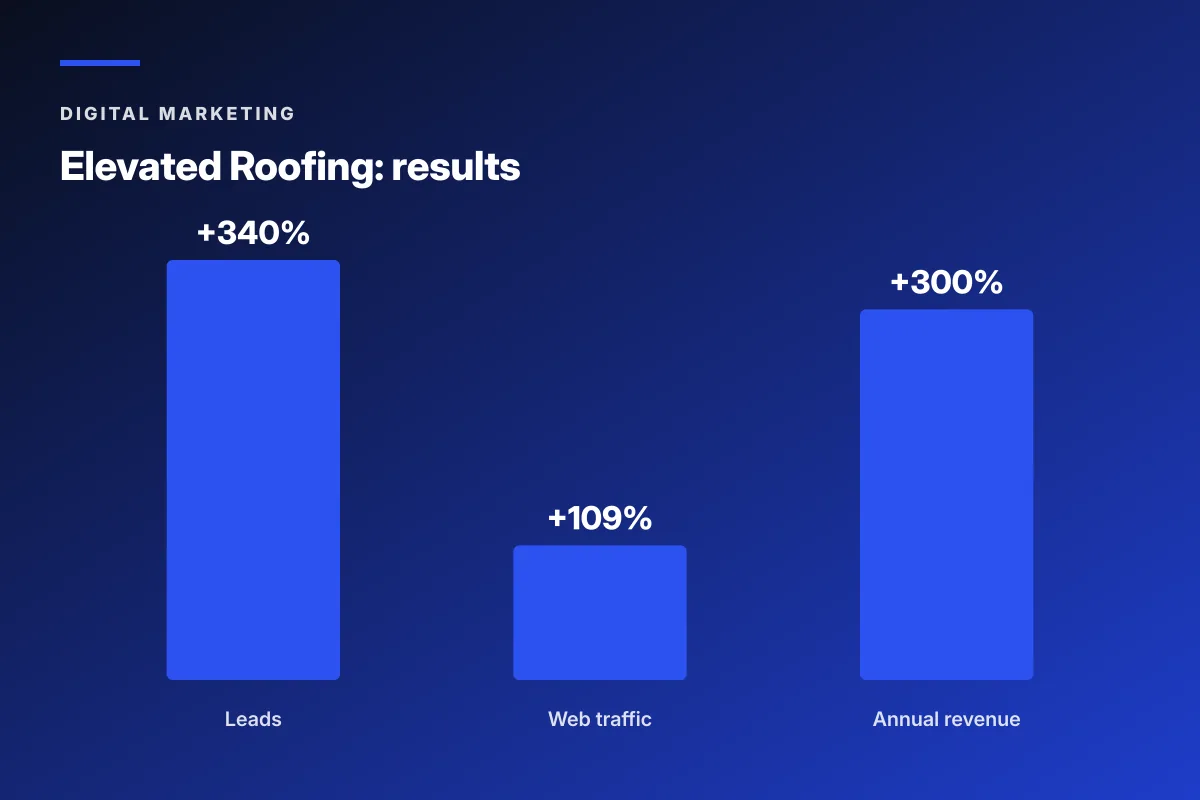
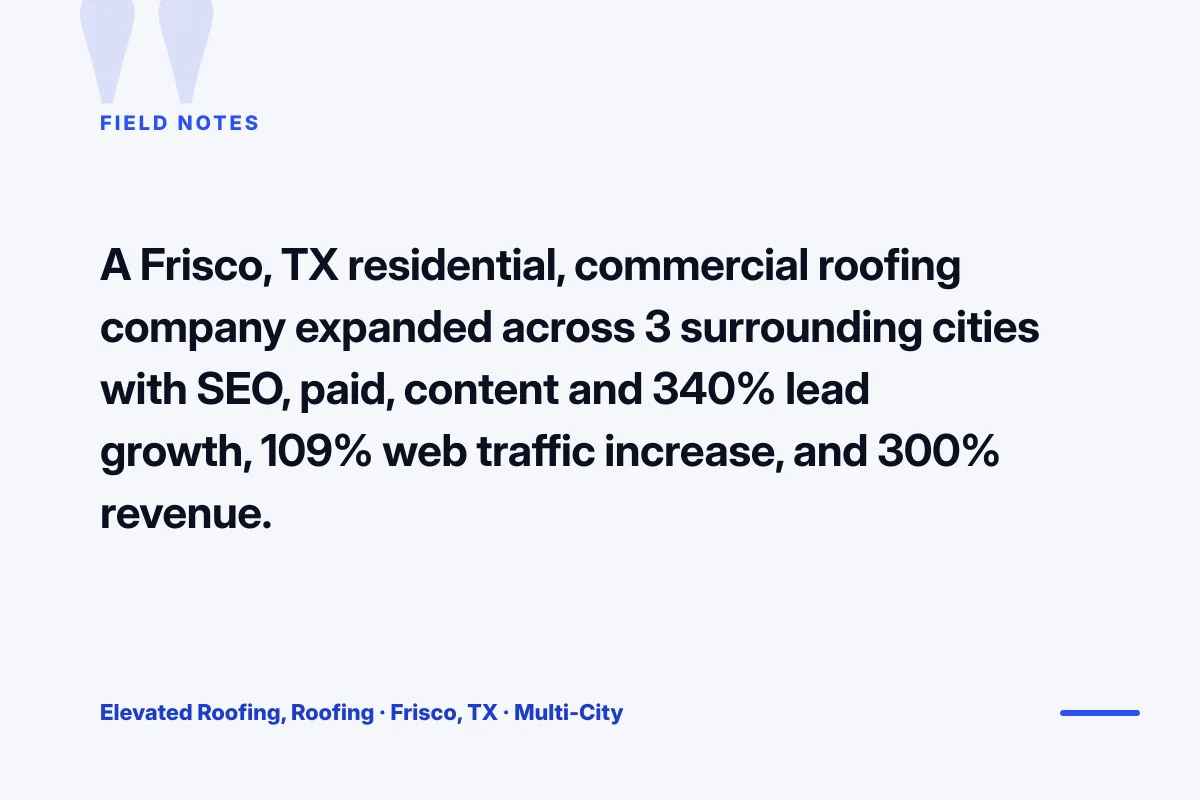
Pet Insurance Australia is the closest case study transfer to pet supply retail SEO. The buyer path shares the same four stage funnel. Awareness, consideration, comparison, and purchase. The Redefine Web engagement grew non brand organic traffic while cutting paid acquisition cost across the same pet owner audience over a rolling year.
Every play in that engagement applies to a pet supply catalog carrying a similar buyer path. Build the top of funnel pet care educational content that ranks on informational queries. Layer the comparison content that ranks on brand plus brand and product plus product queries. Anchor the bottom of funnel with the commercial category, brand, and product pages that carry the transactional queries. Then wire the internal linking so top of funnel content pulls readers down to the commercial pages instead of dead ending on the blog.
The transfer point for pet supply is the review count. Pet Insurance Australia earned reviews at scale by asking every new policy holder inside the first thirty days. A pet supply brand earns reviews at scale by asking every new buyer inside seventy two hours of the delivery arriving. The mechanic is different, the multiplier is the same. Reviews at scale turn a decent product page into a top three ranking product page and beat any purely technical SEO gain the audit produces.
Five numbers to track when SEO for pet supply is running
Track five numbers monthly on SEO for pet supply. Non brand organic sessions. Category and brand page average ranking position on the top forty commercial keywords. Shopping tab impressions and clicks. Local pack impressions and actions for physical footprint brands. Product page conversion rate on the top twenty five SKUs. Everything else rolls into those five, and every one ties directly to orders on the catalog or foot traffic on the storefront.
Attach a real dollar value to each. Every non brand session on a pet supply catalog carries a two to four dollar average order value contribution once conversion and repeat purchase are factored in. Every ranking position gain from position eight to position three on a top forty commercial keyword drives a three to eight times click through gain on the same query volume. Every review earned grows the product page conversion rate a fraction of a percent on the same traffic.
Set the reporting cadence to monthly with a quarterly deep review. Monthly reports run one page with the five numbers month over month and the top three actions inside the retainer. Quarterly reports run five to eight pages with the ranking wins, the top ten pages by growth, and the priority list for the next quarter. Anything longer than that goes unread by the brand founder and turns the retainer into a communication problem instead of a growth engine.
Pick the right SEO partner for your pet supply brand
The right SEO partner for a pet supply brand carries three signals that separate a real vertical agency from a generic ecommerce shop. Named pet vertical clients on the case study page, not generic ecommerce clients. Content team writers who own pets and can write about grain free food or hypoallergenic litter without pulling every fact from a Google search. Local map pack experience on physical footprint pet brands, not just DTC campaigns.
Three questions to ask any candidate agency before signing. What is the ranking growth story on a named pet supply client over a twelve month engagement. What is the review flow the agency runs to grow product page reviews on the catalog. What is the local map pack move set the agency runs on a multi location retail chain. If the agency has to look up the answers, the agency does not run the vertical at scale.
Where to start this week depends on the current state. If the brand runs no SEO today, start with a keyword map and a technical audit before any content or links begin. If the brand runs SEO but non brand traffic has plateaued, start with an on page audit of the top twenty five category and product pages. If the brand runs SEO on the DTC side but ignores the local retail footprint, start with a Google Business Profile audit across every location. Read the Ahrefs ecommerce SEO guide for the technical reference material on the catalog side.
SEO for pet supply is a small stack of moves run every month without exception. Buyer intent keyword mapping. Technical hygiene on the catalog. Category and product page work. Local map pack work for retail footprint. Content that supports the commercial pages. Link building through the pet care media ecosystem. Pet Insurance Australia grew organic traffic on a similar buyer set, and the same shape holds for pet supply. A brand can hit the same math once the retainer runs every month, not in quarterly bursts around campaigns.

Frequently asked questions
What is SEO for pet supply in plain terms?
SEO for pet supply is the ongoing monthly discipline that ranks a pet supply catalog on the searches pet owners run when they shop for food, treats, toys, litter, or health products. The work covers four buckets. Buyer intent keyword mapping across category, brand, problem, and comparison searches. Technical audit floor on the Shopify or WooCommerce catalog including faceted navigation fixes and product schema. On page content on category, brand, and product pages. Local map pack work for any physical footprint the brand runs across storefronts. Every piece funnels into non brand organic sessions and category page ranking growth.
How long does SEO for pet supply take to move the numbers?
SEO for pet supply moves the numbers on a predictable curve. Month one is audit, keyword map, and quick technical fixes. Months two through four are content build, on page work, and link acquisition ramp. Months five through eight are ranking growth on the target category and brand pages. Months nine through twelve are compounding traffic and revenue growth on the pages that reached page one earlier in the year. Skip any month and the curve resets. A brand that runs SEO for six months then pauses for a quarter loses roughly half the ranking gains inside sixty days of the pause window.
How much should a pet supply brand budget for SEO monthly?
A single location pet supply retail store runs 1,500 to 3,000 dollars per month on a real SEO retainer. A DTC pet supply brand with fifty to two hundred SKUs runs 3,000 to 6,000 dollars per month. A multi location retail chain or a large DTC catalog with five hundred plus SKUs runs 6,000 to 12,000 dollars per month. An enterprise pet catalog running programmatic content and full digital PR spend runs 12,000 to 25,000 dollars per month. Budget covers content, technical work, link acquisition, and monthly reporting. Anything below the floor either cuts content or cuts link building, and both cuts kill the ranking curve.
Do pet supply retailers need SEO if they run Google Ads already?
Pet supply retailers that run Google Ads still need SEO because paid channels carry a rising cost per acquisition every year and organic carries a declining cost per acquisition every year as the ranking base grows. A brand that runs paid only for two years pays two to five times the cost per order that a brand running paid plus organic pays on the same product. The math flips inside eighteen months of a real SEO retainer running against the same product catalog. Paid and organic together are always cheaper per order than paid alone on a pet supply category with any repeat purchase behavior.
What kills SEO for pet supply the fastest?
Three things kill SEO for pet supply the fastest. First, a replatform without a redirect map that drops half the top ranking category and product URLs. Second, a theme change that removes product schema or breaks the internal linking pattern across the catalog. Third, a content pause that runs longer than a quarter and lets the freshness signal drop across the whole property. Any of the three cuts organic traffic twenty to fifty percent inside sixty days. Recovery takes twice as long as the damage window in every real case Redefine Web has seen across pet vertical clients.
Can a pet supply founder run SEO without an agency partner?
A pet supply founder with technical skills and time can run the basics of SEO without an agency partner. Set up Search Console. Publish two to four educational posts per month. Ask every buyer for a review inside seventy two hours of delivery. Fix the top ten broken links every quarter. Optimize the Google Business Profile end to end. That gets fifty percent of the return of a full retainer. The moment the catalog grows past a hundred SKUs, expands to multiple locations, or hits a paid spend past ten thousand dollars monthly, the time cost of self managing overtakes the retainer cost every quarter.
Book your free 30-minute strategy call.
No spam, no sales rep. We use your email to schedule your call with a senior strategist. That is it.
More from the blog
View all articles → Digital Marketing
 Dental Marketing Tips That Compound Into New Patients
Read article Digital Marketing
 Ecommerce Marketing Strategies That Drive Real DTC Revenue
Read article Digital Marketing