
A SaaS SEO content strategy is the plan a B2B software company uses to rank pages, capture trial signups, and shorten sales cycles by matching search intent to product-led content. It joins keyword clusters, technical SEO, and conversion copy into one operating system that grows organic pipeline every quarter. The best programs do 4 things at once. They map keywords to buyer stages. They build topic authority through pillar and cluster pages. They embed product screenshots and use cases inside blog posts. And they measure trial signups, not just traffic. That last part is where most SaaS teams lose the plot. Rankings without signups are vanity.
Here is the short version. Pick 3 to 5 core keyword clusters that match your product. Publish a pillar page and 8 to 12 supporting posts per cluster. Update every post every 90 days. Add product screenshots to every commercial-intent post. Wire trial signup CTAs into the top-scrolling section. Track qualified signups from organic, not just sessions. Do all 5 and organic becomes your lowest-CAC channel inside 12 months.
Why a SaaS SEO content strategy still beats paid channels
Paid acquisition costs in B2B SaaS keep climbing. Google Ads CPCs on high-intent keywords like “CRM software” or “project management tool” now run $20 to $80 per click in competitive verticals. LinkedIn ads land at $8 to $15 per click with lower intent. A SaaS SEO content strategy shifts the CAC curve the opposite way. You pay for the content once. The page keeps compounding for 3 to 5 years if you update it. That is why serious B2B SaaS teams treat SEO as the flywheel and paid as the accelerator.
Organic is the cheapest source of qualified signups
On our own B2B SaaS engagements, a SaaS SEO content strategy delivers organic signups at 40 to 70% lower cost than paid signups on a fully-loaded basis. That gap widens after month 6, when the content compounds and paid spend has to keep pace with rising CPCs. The bottom line. Paid buys you today. Organic buys you every day for the next 3 years, and the cost per signup drops every month you stay in.
Product-led content converts trials at higher rates
Product-led content is the blog format that made SaaS SEO different from generic B2B SEO. Every post embeds actual product screenshots, use cases, and workflows. The reader sees the software in action inside the article. That single habit grows trial conversion rates on organic traffic by 30 to 60% over pure editorial content. Ahrefs, Buffer, and Zapier built entire domain authority stacks on this pattern, and their trial signup rates from blog traffic prove it.
Compounding topical authority is a moat
A well-built cluster with 12 to 20 interlinked pages ranks harder to displace than a single blog post. Google’s algorithm rewards depth of coverage on a topic, not one-shot articles. Once your SaaS is the answer for a core keyword cluster, competitors need years to catch up. That is the moat a SaaS SEO content strategy builds when the plan is followed for 18 months without pivoting.
SEO content strategy for SaaS starts with buyer-stage mapping
The planning phase of an SEO content strategy for SaaS begins with mapping keywords to the 4 buyer stages. Unaware. Problem-aware. Solution-aware. Product-aware. Each stage takes a different content format and a different CTA. Skip the mapping and every post feels the same, which is why generic SaaS blogs read like each other. Do the mapping and every post has a job.
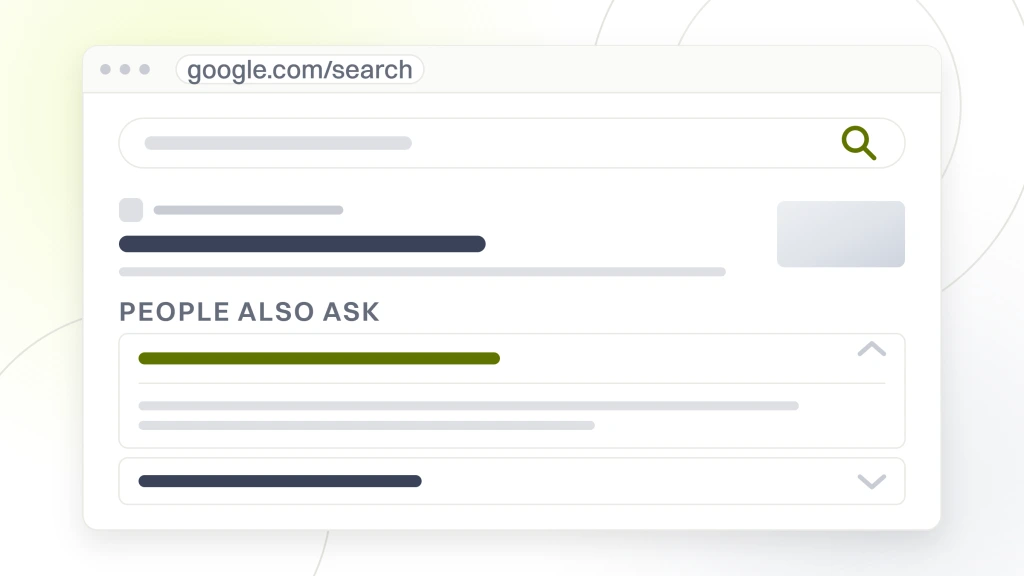
Unaware and problem-aware keywords
Unaware searches are people looking for information without knowing your category exists. “How to reduce customer churn.” “Signs your onboarding is broken.” Problem-aware searches name the pain. “Customer churn calculator.” “How to fix low activation rates.” Both stages need long-form editorial content, not product demos. The CTA is an email opt-in or a free tool, not a trial. Push the trial too early and bounce rates soar.
Solution-aware and product-aware keywords
Solution-aware queries compare categories. “Marketing automation vs email marketing.” “Best customer success software.” Product-aware queries name competitors. “HubSpot vs Marketo.” “Intercom alternatives.” These posts need comparison tables, screenshots, and honest feature analysis. The CTA is a free trial or a demo. Both formats convert 3 to 5 times harder than top-of-funnel content because the search intent is closer to purchase.
Keyword clusters map the whole journey
A keyword cluster groups 10 to 30 related queries around a pillar topic. One pillar page covers the topic broadly. 8 to 12 supporting posts each target a subtopic. Every supporting post links back to the pillar with descriptive anchor text. That structure is how a SaaS SEO content strategy earns Google’s trust as the authority on a topic.
SEO content for SaaS breaks into 6 repeatable formats
SEO content for SaaS scales when the team writes to 6 repeatable formats instead of freestyling every post. Pillar guides. Comparison posts. Alternative-to posts. Use-case posts. Integration posts. Product-led how-to posts. Every format has a template, an intent match, and a CTA type. Once the templates are built, a new writer ships a first draft in 4 to 6 hours instead of 20.
Pillar guides and comparison posts
Pillar guides run 3,000 to 5,000 words and cover a core topic at depth. They earn backlinks, rank for head terms, and serve as the interlinking hub. Comparison posts run 1,500 to 2,500 words with tables at the top and honest analysis of tradeoffs. They convert readers already in the consideration stage. Both formats sit at the top of the funnel-to-signup conversion path on most B2B SaaS blogs.
Alternative-to posts and integration posts
Alternative-to posts target queries like “Salesforce alternatives” or “Zapier alternatives.” They rank fast because the intent is bottom-funnel and competitors rarely write them well. Integration posts target queries like “Slack integrations” or “HubSpot Salesforce integration.” They earn traffic from users mid-adoption who need to make your product work with their existing stack. Both formats convert trials at 2 to 4 times the rate of top-of-funnel content.
Use-case posts and product-led how-tos
Use-case posts show your software solving a specific problem for a specific persona. “How marketing teams use [product] for campaign attribution.” Product-led how-tos walk through a workflow inside the software itself, with annotated screenshots on every step. These are the highest-converting formats in the whole strategy because the reader watches the product deliver the promise before they hit the CTA. Every mature B2B SaaS blog invests heavily in these 2 formats.
Technical SaaS SEO foundations behind the content strategy
A SaaS SEO content strategy fails without technical foundations. Site speed. Crawl budget. Schema markup. Internal linking architecture. Programmatic SEO where it fits. Every content investment wastes budget if the site cannot serve the pages fast, index them cleanly, and pass authority through the internal graph. The best content teams work with their engineering team on these 4 layers from day one.
Core Web Vitals and page speed
SaaS blog pages need to load in under 2.5 seconds on mobile. Largest Contentful Paint under 2.5 seconds. First Input Delay under 100 milliseconds. Cumulative Layout Shift under 0.1. Missing any of the 3 hurts rankings on competitive keywords. The fix is usually image compression, lazy loading, and cutting third-party scripts. Every page you publish gets tested on PageSpeed Insights before it ships live.
Schema markup and structured data
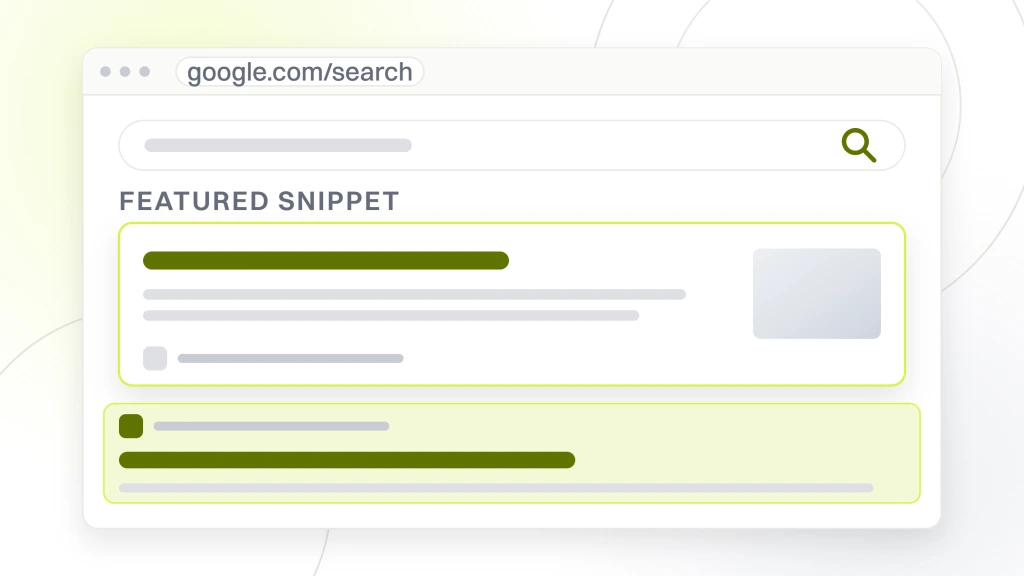
Article schema on every blog post. FAQ schema on every FAQ block. Product schema on every comparison and alternative-to post. Organization schema in the site header. Schema does 2 things. It helps Google understand the page structure, and it wins rich snippets in the search result. Rich snippets grow click-through rate by 20 to 40% on average, which compounds every month once you have 100 or more pages ranking.
Internal linking and site architecture
Every cluster gets a pillar page as the hub. Every supporting post links to the pillar with keyword-rich anchor text. The pillar links back to the top 5 supporting posts. This structure passes authority in both directions and helps Google understand the relationship between pages.
SaaS SEO copywriting that converts trial signups
SaaS SEO copywriting sits at the intersection of search intent and trial activation. Every post needs to rank for a keyword AND move the reader toward a signup. Editorial-only blogs win traffic and lose revenue. Product-only blogs win signups but never rank. The best SaaS SEO content strategy blends both, and the ratio is roughly 60% editorial voice, 40% product demonstration, per post.
Open with the answer, then show the product
Every post opens with a snippet-ready answer to the query. That earns the featured snippet on Google and the AI Overview citation. Then the post shows the product solving the problem with a screenshot, a code block, or a workflow diagram. Editorial answer first, product proof second. That order matches search intent. Reversing it feels like a sales pitch and loses the ranking.
CTA placement and copy that fits the stage
Top-of-funnel posts use soft CTAs. Email opt-in for a related guide or template. Mid-funnel posts use trial CTAs after the reader gets the payoff. Bottom-funnel comparison and alternative-to posts use demo CTAs at the top of the page and the trial CTA after the pricing section. Every CTA copy line names a specific outcome. “Track your first 100 signups in under 20 minutes.” Vague CTAs like “Try it now” underperform every time.
Screenshots, code blocks, and workflow images
A mature SaaS SEO content strategy puts at least 3 product screenshots with annotated callouts on every commercial-intent post. Every technical post gets 1 code block or workflow diagram. Every comparison post gets a feature table at the top. These media investments do more than break up prose. They visualize the product delivering the promise, and they grow dwell time and trial conversion rate at the same time.
Measuring a SaaS SEO content strategy against pipeline, not vanity
Most SaaS SEO reports lead with sessions and rankings. The best ones lead with trial signups, activated trials, and pipeline sourced from organic. Sessions are the input. Signups are the output. Pipeline is the outcome. A SaaS SEO content strategy that grows sessions 400% but flat signups is a broken strategy, and it happens more often than teams admit.
Track signups from organic, not sessions
Set up GA4 or Mixpanel to attribute trial signups to the first organic landing page. Segment by cluster. Segment by post format. That segmentation shows which clusters actually earn signups and which just earn traffic. Kill the clusters that earn traffic without signups after 6 months. Double down on the clusters that earn both.
Activation rate is the second key metric
Not every signup activates. A signup that never runs the core workflow is worth nothing. Track activation rate by acquisition source. Organic signups from product-led posts usually activate at 2 to 3 times the rate of paid signups because the reader already understood the product before signing up. That gap is a big part of why organic CAC drops the longer you invest.
Pipeline sourced from organic tells the CFO story
The metric your CFO cares about is pipeline sourced. Tie every organic signup back through the sales funnel to a real dollar number. Once organic sources 30 to 50% of pipeline, the SEO team gets the budget it needs to compound the strategy. Get there in 12 to 18 months and every future content investment gets approved without argument.
SaaS SEO content strategy mistakes that quietly kill the program
Most SaaS SEO programs stall for the same 5 reasons. Writing to a keyword list instead of a cluster. Updating posts too slowly. Skipping product screenshots. Choosing high-volume keywords over high-intent ones. Reporting on sessions and rankings alone. Any 1 of these will stall the program. All 5 at once will kill it inside 12 months.
- Writing to a keyword list. One post per keyword produces disconnected articles that never build topical authority. Cluster the keywords first, then write.
- Skipping updates. A post decays after 12 to 18 months if you never touch it. The top 20% of posts need updates every 90 days.
- Editorial-only content. Blog posts without product screenshots convert trials at 40 to 60% lower rates than product-led equivalents.
- Chasing volume over intent. A keyword with 8,000 monthly searches and 2% intent match is worth less than one with 800 searches and 40% intent match.
- Vanity reporting. Sessions and rankings without a signup metric let broken clusters run for years.
How to catch a stalling strategy early
Every quarter, pull the cluster-level report. Which clusters grew traffic? Which grew signups? Which grew both? Which grew neither? Any cluster with more than 6 months of traffic and no signups is a broken cluster. Retire the format, retest the intent, or shut it down and reinvest the hours elsewhere. Ruthless quarterly pruning is what separates the SaaS SEO programs that compound from the ones that plateau.
How a B2B SaaS SEO content strategy grew organic pipeline for our clients
We have run this SaaS SEO content strategy for B2B software clients across enterprise infrastructure, payments, coaching, ecommerce analytics, and workflow automation. Rocket Software, Rapyd, Simply.Coach, Custimy, and Automation Anywhere all leaned on some version of the pillar and cluster model with product-led supporting content. The results below show what the strategy produces when a client sticks with it for 12 to 24 months.
Enterprise infrastructure and payments SaaS
On the Rocket Software engagement, the content program targeted developer-intent keywords with product-led how-tos and technical walkthroughs. Sessions from targeted developer clusters grew steadily, and qualified trial signups tracked the same curve within 3 months of publish. Rapyd, in the global payments space, needed comparison and integration posts to win consideration-stage queries. Both engagements followed the same cluster discipline, which is what let each account compound instead of plateau.
Coaching, analytics, and workflow automation clients
Simply.Coach used use-case and problem-aware content to reach independent coaches and small coaching businesses. Custimy grew organic pipeline in the ecommerce analytics space by leading with metric-heavy pillar guides and integration posts. Automation Anywhere, in workflow automation, invested heavily in product-led how-tos with annotated screenshots inside every post. Across all 5 clients, the pattern held. Product-led content converts trials faster than editorial-only content, and the cluster model compounds authority in a way single posts never do.
What the 5 clients had in common
Each client picked 3 to 5 core clusters and stayed with them for at least 12 months. Each embedded product screenshots in every commercial-intent post. Each updated the top 20% of posts every 90 days. Each measured trial signups from organic, not just sessions. The strategy is not complicated. The discipline of running it for 12 to 24 months without pivoting is what most in-house teams struggle with.
A SaaS SEO content strategy is only as strong as the team that runs it every quarter for 2 years. If you want a partner to build the cluster plan, publish the pillar and supporting posts, and report on trial signups, our team at Redefine Web offers SEO services tuned for B2B SaaS. Retainers start at $999/mo and scale to $1,499, $2,499, and from $4,500/mo based on cluster count, publishing cadence, and technical scope. Related reads. SaaS SEO checklist, SEO for SaaS, technical SEO for SaaS, and the B2B SaaS marketing retainer.