Picking a dso dental marketing company starts with a six-signal audit that separates real group specialists from general dental agencies wearing the wrong badge.
A dso dental marketing company is not the same species as a general dental marketing agency. The work sits in a different lane. The reporting rhythm is different. The retainer math is different. Groups that pick a general dental shop and hope it figures out the group side of the work usually rebuild the vendor relationship inside 18 months. Groups that pick a dso dental marketing company built for group scale keep the same partner across two or three growth stages and compound the return.
This guide walks you through how to pick a dso dental marketing company in 2026. What to look for on the pitch. What to ask on the reference call. What the retainer should cover line by line. How to structure the first 90 days. And what warning signs mean the partnership needs escalation or replacement. Every recommendation here comes from live engagements our team runs or watches close through diligence, across groups that range from 8-office single-state platforms to 90-plus multi-state operators. If you already have a dso dental marketing company and something feels off, the diagnostic sections here will tell you whether the feeling is real.
What a dso dental marketing company does that a general agency does not
Three programs run at once inside a group engagement. The platform. The office cohort. The affiliates. General agencies run one program and try to stretch it across the group. That stretch is where growth stalls. A specialized dso dental marketing company staffs each program with a lead, a deliverables cadence, and a reporting layer. General agencies staff the account with one account manager and one junior operator and hope the retainer covers everything. The math never works, so patients wait on hold, offices drift out of Map Pack, and the group blames the market instead of the vendor.
The platform program is brand, PR, doctor recruiting, and group-level SEO. The office cohort program is local map pack per office, GBP hygiene, review workflow, and paid search per market. The affiliate program covers legacy-brand practices operating under their original name until the group rebrands or sunsets them. A dso dental marketing company separates all three at pitch, at execution, and at reporting. For the mechanics behind the three-program model, see our DSO Dental Marketing playbook.
Shortlist criteria for evaluating a dso dental marketing company
Six tests survive contact with a real evaluation. Dental-only bench. Named case studies with office counts. Three-program retainer structure. Office-level reporting samples. Live reference calls with active and lapsed clients. Response-time SLA in writing. Anything less than six and you are hoping the vendor grows into the job on your retainer.
Dental-only bench means the strategy leads, media buyers, and SEO leads on the account have run dental as the majority of their portfolio, not one account in a mixed roster. Named case studies mean the vendor can say Group X, 34 offices in Texas and Louisiana, grew patient volume 27% over 18 months. Anyone who cannot name the group is running rented case studies from another agency. Three-program retainer means the pitch splits platform, office cohort, and affiliate work with their own line items. Office-level reporting means the sample deck shows patient volume, GBP performance, and paid search by office, not just group totals.
Live reference calls mean the vendor connects the group with two current clients and one lapsed client without a two-week delay. Delays here signal the vendor is orchestrating the reference. Response-time SLA means the contract or scope specifies how fast the vendor responds to inbound requests, GBP flags, ad account issues, and reputation escalations. Any dso dental marketing company that will not put SLA language in writing is telling you what response times look like once the contract is signed. In brief, if the six signals are not all green, the pitch stops there and the group moves to the next name on the list.
If the vendor cannot name three group clients with office counts and offer live reference calls inside 5 business days, cut it before the second meeting.
Retainer scope questions worth asking every dso dental marketing company finalist
Push past the pitch deck. Ask what the retainer covers per office per month. Ask which components are billed inside the retainer and which are ala carte. Ask how many hours per office per month the vendor plans for at steady state. Ask what happens when the office cohort grows from 12 to 18 offices during the retainer term. Ask what the price change looks like when the group buys another 4-office platform mid-year.
The answers reveal whether the vendor priced the retainer on a per-office model, a per-hour model, or a group-flat model. Per-office is the healthiest for growing groups since pricing scales with the group. Per-hour works for stable groups that are not adding offices. Group-flat looks cheap on paper and turns expensive fast when the group grows, since every office added dilutes the vendor effort per location. See how the retainer structure connects to office-level growth in the Dental DSO Marketing Services scope guide.
Ask what analytics stack the vendor plugs into. Ask whether call tracking runs per office or group-pooled. Ask whether the review platform integration reads from the practice management system directly or from a middleware layer. Ask whether the vendor has a written playbook for launching a new office in the cohort. Vendors with real playbooks answer these in specifics. Vendors without playbooks answer these in generalities. That answer alone tells you whether you are buying a proven system or a slide deck.
Case study shapes a dso dental marketing company should show
Three case shapes cover the ground. A growth-mode platform going from 6 to 20 offices. A mature multi-state operator running 40-plus offices. A legacy-heavy group running 3-plus brand affiliates through a transition. Vendors who show all three have run all three. Vendors who show only one have run only one. Match your group profile to the vendor real experience shape, not the shape it wishes it had.
Every case study should carry the same anatomy. Group profile. Starting numbers. Ending numbers. Timeframe. What the vendor changed. What the group changed on the ops side. Named references who will take the call. Missing any of these six elements is a signal the case study is thin. The strongest case studies include a section on what did not work in the first year and how the vendor and the group corrected it. Real partnerships have those corrections. Sanitized case studies pretend the first year was smooth, and diligence conversations always uncover the truth.
Ask about a case study where the vendor lost the account. What happened, why it happened, and what the vendor learned. Vendors who cannot answer this have not lost enough accounts to know the failure patterns. Vendors who answer well know the shape of the partnerships that fail and can build guardrails against those patterns in the new engagement. Smile Design Dentistry is a live example of how that anatomy pays back. Redefine Web cut cost per call 30% across 50-plus offices on a restructured PPC and social program, keeping lead quality high and cost per lead trending down month after month.
Case studies without named groups, office counts, and time-bound numbers are marketing collateral. Push for the shape or move on.
Reference call script that pulls the truth from a group client
Run the reference call for 25 minutes and cover eight questions. Skip the small talk. The reference is doing the vendor a favor. Respect the time and get straight to the questions that reveal how the partnership behaves under stress.
Ask what the reference expected in year one and what the real results looked like. Ask what surprised the reference about the vendor. Ask about the worst month of the partnership and what the vendor did. Ask how the vendor handles office-level performance conversations when one office is dragging the group average. Ask about staffing turnover on the account. Ask what the vendor is best at. Ask what the vendor is worst at. Ask whether the reference would pick the vendor again knowing what it knows now.
The last question is the tell. References who say yes without qualification are strong signals. References who say yes with a caveat are useful signals about the vendor specific weakness. References who say no without qualification are the clearest signal you get. Do not skip the lapsed-client call. That is where the honest answers live. See how one 34-office group scaled its office-level footprint in our DSO dental marketing playbook, which walks the same reference pattern applied at group scale.
Warning signs during the pitch process
Warning signs fall into four buckets. Deck signals, reference signals, contract signals, and staffing signals. Any two together should knock the vendor off the finalist list. Any three and the pitch stops that afternoon.
Deck signals. Unnamed case studies. Aggregate group totals with no office splits. Reporting samples that show group revenue without patient volume per office. Case study numbers that use percentage gains without absolute baselines. Reference signals. Only one reference offered. Delay of more than 5 business days to connect. References who work at the vendor other agencies. Contract signals. No SLA language. Auto-renew terms that bind the group into 24 months without an out. Cancellation windows shorter than 60 days. Staffing signals. Named leads on the pitch who will not be on the account. Junior operators positioned as the day-to-day team. Waitlist language that suggests the vendor cannot start for 90 days.
Any two of these together and the vendor moves off the finalist list. Any three and the pitch stops that day. Groups that ignore these signals for the sake of speed usually pay the price in the first 6 months of the engagement, when the shine wears off and the plumbing shows through.
How a dso dental marketing company structures the first 90 days
The first 90 days break into diagnostic, rebuild, and stabilize. Every good engagement follows this arc, and it maps to the broader DSO marketing for dental practices playbook. Every troubled engagement skips one of the phases and pays for it later.
Diagnostic phase runs days 1 through 30. GBP audit per office. Ad account audit. Analytics audit with conversion tracking rebuilt. Review platform audit with response SLA baseline. Practice management system integration for review requests. Landing page inventory and gap map. Rank tracking baseline per office per market. Rebuild phase runs days 31 through 60. Campaign restructure. GBP fixes rolled out per office. Review request automation live. Landing page rebuild queue in progress. Stabilize phase runs days 61 through 90. First full month of clean tracking. First rank movement report. First patient-volume readout with clean office splits.
Vendors who skip the diagnostic phase and jump to rebuild produce fast-looking early wins that unwind in months 4 and 5. Vendors who skip the rebuild and jump to stabilize produce reporting that looks clean but hides broken tracking underneath. Vendors who follow the arc produce compounding growth starting in month 4 with a stable curve by month 7. iSmile Dental Spa hit the first page for 75 keywords in 6 months on the same arc, with traffic up 800% and patient acquisition up 900%, then settled into 12 to 14 new patients per month from digital as the steady-state rhythm.
Reporting rhythm the vendor should hit month after month
Monthly reports with quarterly working sessions. That is the rhythm. Monthly reports cover patient volume per office (the core DSO patient acquisition metric), GBP performance per office, paid search performance per market, review velocity per office, and rank tracking per office per priority keyword. Quarterly sessions cover the same numbers with year-over-year and quarter-over-quarter comparisons, plus commentary on office-level movers and laggers, plus a forward look at the next quarter priorities.
The monthly report should hit the operating partner inbox by the 10th of the following month. Later than the 15th is a signal the vendor is chasing data instead of running the rhythm. The quarterly session should be presented live, not delivered as a silent deck. Live presentation forces conversation. Silent deck delivery lets the numbers sit unread. Any vendor unwilling to present live is telling you what quarterly reviews look like once the retainer stretches out.
Budget benchmarks for the dso dental marketing company retainer
Steady-state spend runs 3.5% to 4.5% of office collections. First two quarters run 5% to 6% since plumbing fixes concentrate in months 1 through 6. Groups that budget for the steady-state number in year one underrun the plumbing and lose the growth window. Groups that budget for the front-loaded number in year one land the growth curve on schedule.
Split the budget across the three programs. Platform work runs 25% to 30% of the total. Office cohort runs 55% to 65%. Affiliate work runs 10% to 20% depending on affiliate load. Inside the office cohort program, paid media takes 40% to 55%, local SEO and GBP take 20% to 30%, review workflow takes 10% to 15%, landing page work takes 10% to 15%, and reporting takes 5% to 10%. Vendors who cannot show these splits at pitch are guessing at the office level. For smaller groups still scaling, our dental retainer starts at $1,499 per month per office and expands with the cohort as it grows.
Comparison of vendor profiles by group fit
| Vendor profile | Group fit | Monthly retainer | Bench depth | Reporting quality |
|---|---|---|---|---|
| Specialized dso-only agency | 6 to 40 office platforms | $18k to $45k | Deep dental group | Office-level default |
| Healthcare-generalist agency | Multi-vertical parents | $25k to $55k | Broad healthcare | Group-level default |
| Local-first dental agency (strong multi-location dental PPC bench) | Office cohort execution | $12k to $28k | Local dental | Office-level available |
| In-house dso team | 40-plus office operators | $380k+ per year loaded | Owned bench | Custom internal |
| Sponsor-preferred vendor | PE-backed groups | $20k to $40k | Portfolio-wide | Sponsor-slanted |
Case study on picking the right dso dental marketing company partner
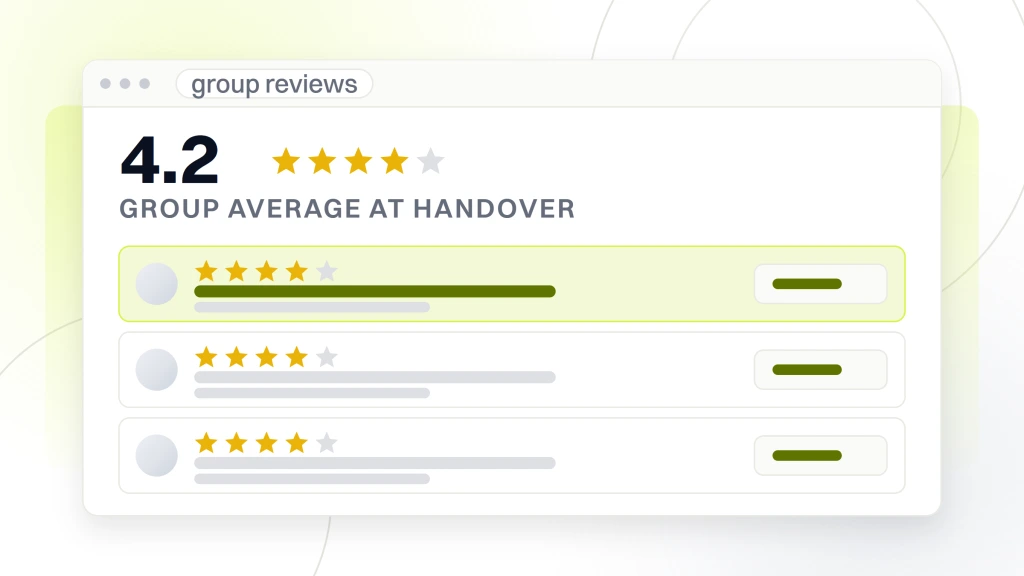
A 34-office multi-location dental group in the southeast came to Redefine Web running a healthcare-generalist retainer that reported at group level only. Individual office managers had no visibility into local rank, GBP performance, or paid search return. Three of the offices were quietly dragging the group average down 14% below the top quartile, but the group dashboard hid the split. The switch to a dental-only partner rebuilt tracking per office in the first 45 days, restructured the paid search accounts by market, and installed a review workflow that pushed the group average from 4.2 to 4.7 stars in 6 months. North County Dental Care saw a similar office-level compounding effect once tracking was rebuilt, with patient volume growing 1,000% from 2021 to 2024 after the technical rebuild landed and local SEO took hold.
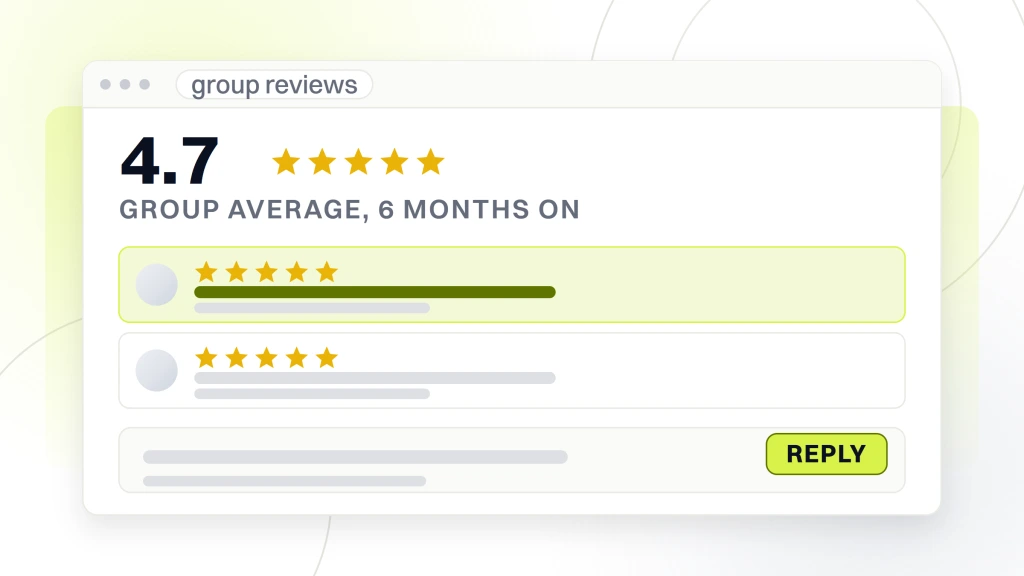
Over 18 months, group patient volume grew 27%, three underperforming offices moved into the top half of the cohort, and the retainer paid back 6.4 times on paid search alone. VP Dental doubled new patient acquisition and added over $8,000 in monthly recurring revenue on a similar office-level rebuild, proving the pattern is not reserved for the largest platforms. See how office-cohort growth compounds under a specialized partner in the Dental DSO Marketing Services scope guide. The single point that matters most for group operators evaluating this shift is office-level visibility, since you cannot fix what the dashboard hides.
When to fire the vendor and when to give them another quarter
The decision comes down to whether the plumbing works. If tracking is clean, reporting is office-level, response times hit SLA, and campaign work moves month over month, give the vendor another quarter to produce the numbers. Rebuilds take time and switching costs a full quarter of momentum. If tracking is still broken in month 6, if reporting still hides at group level, if response times drag past SLA repeatedly, and if campaign work looks identical to month 3, the vendor is not going to produce the numbers. Change is the right call.
The switching cost runs 5% to 10% of patient volume during transition. That is real dollars. Do not switch on vibes. Switch on documented failure across the four categories above. Document each failure in writing and share with the vendor in a formal escalation before switching. Sometimes the escalation produces the fix. When it does not, the documentation supports the switch cleanly and gives the incoming vendor a diagnostic to work from.
How the vendor should integrate with the group operating rhythm
Weekly working calls for the first 90 days. Monthly working sessions from month 4 forward. Weekly calls in the diagnostic and rebuild phases catch misalignment fast. Monthly rhythm from month 4 forward respects both parties time once the plumbing is stable. Add quarterly executive reviews with the operating partner, the CFO, and the sponsor if applicable. Executive reviews cover strategy, budget, and forward priorities, not tactical execution.
Layer in ad hoc access. The vendor should be reachable inside 4 business hours for a real question from an operating partner. Groups that let vendors go dark between monthly calls end up with drift. Groups that respect the vendor time by keeping ad hoc requests focused on real questions get faster answers. Both sides own the rhythm. When it works, patient volume moves. When it does not, both sides feel the drift by month 3, and the recovery cost runs into the second quarter.
Next steps for picking a dso dental marketing company
Write a scoped brief that describes the group profile, the current state, and the desired outcomes. Send it to three to five vendors matched to your group profile. Run working sessions with each finalist. Complete the reference calls with active and lapsed clients. Contract with the vendor whose reference-call answers align with what the group needs on its worst month, not its best month. Kick off with a 90-day diagnostic and rebuild plan documented in writing.
If you want us to walk your group profile against a specialized dso dental marketing company bench, reach out through the site and we will run the diagnostic against your current setup at no charge for the first call. In short, the pick that pays back across 18 to 36 months is the one that survives the six-signal audit, holds SLA under pressure, and reports at the office level from day 30 forward. Read our DSO dental marketing playbook and the dental DSO structure guide for the org-side context that shapes how marketing decisions flow through a group.