Email marketing for chiropractors is the practice-owned channel that turns a lapsed patient file into 25 to 55 booked exams inside 30 days, using 3 automated sequences, 1 weekly newsletter, and a reactivation flow the front desk can trust. The list is the cheapest booked patient the practice will ever earn. A practice sitting on a 900-name file for 2 years wondering where new patients are should read this section, close the tab, walk to the EMR, and export the file. That is the plan.
This guide walks through the exact motion we run with independent chiropractic practices. Real subject lines that open at 40 to 55 percent. Real reactivation sequences that book 25 to 55 exams in the first week. Real newsletters that get read and forwarded. Zero jargon. Zero big words. The DC writes in the same voice she uses when a patient asks how she is doing at check-in.
I’ve spent 8 years building these email programs for chiropractic practices, and one pattern shows up every time. Practices that treat email as an afterthought bring in 0 to 3 exams per month from it. Practices that follow the 3-sequence plan below book 25 to 55 exams per month from the same list. Same tools. Same DC. The plan is what changes the number.
Metrics that actually matter for chiropractic email
Booked exams from email, click-through rate, reply rate, unsubscribe rate, and spam complaint rate. 5 numbers. Open rate is a diagnostic, not a scoreboard, since Apple Mail Privacy Protection inflates opens for roughly 64 percent of Apple users. The number the DC watches is booked exams tagged email in the EMR. Every other number rolls up to that one.
The weekly report has 3 lines. Booked exams tagged email this week. Click-through rate on the last 2 sends. Any subscriber who replied to the DC directly. That is the whole report. Every other metric goes into a monthly review to catch drift. If any of the 5 drift the wrong way for 2 weeks, the DC changes 1 thing (copy, subject line, or cadence) and holds the rest steady.
The click-through benchmarks for a chiropractic list
Reactivation sequence average click-through sits at 4 to 7 percent. Newsletter click-through runs 2 to 4 percent. Welcome sequence click-through runs 6 to 12 percent. Post-visit sequence click-through runs 8 to 15 percent. If a sequence’s click-through sits at 1 percent or less, either the audience is wrong or the subject line and body are broken. Rewrite the first 2 messages before touching anything else in the flow.
The unsubscribe line to watch
Under 0.5 percent per send is healthy. Between 0.5 and 1 percent is a signal to check the copy. Over 1 percent is a signal to check the cadence. A single send over 2 percent unsubscribes usually means the DC violated the practice’s own promise. Too many sends per week, off-topic content, or a hard sell. Fix the promise and the number resets inside 3 sends.
The 3 sequences every email marketing for chiropractors plan runs
3 automated sequences carry 80 to 90 percent of the booked exams from a chiropractic email program, and they slot cleanly into a broader chiropractor lead generation plan. Welcome, reactivation, and post-visit. Every other campaign is optimization on top of those 3. Build them in that order, and the practice books its first 15 to 45 exams from email inside 30 days.
Welcome sequence for new intakes
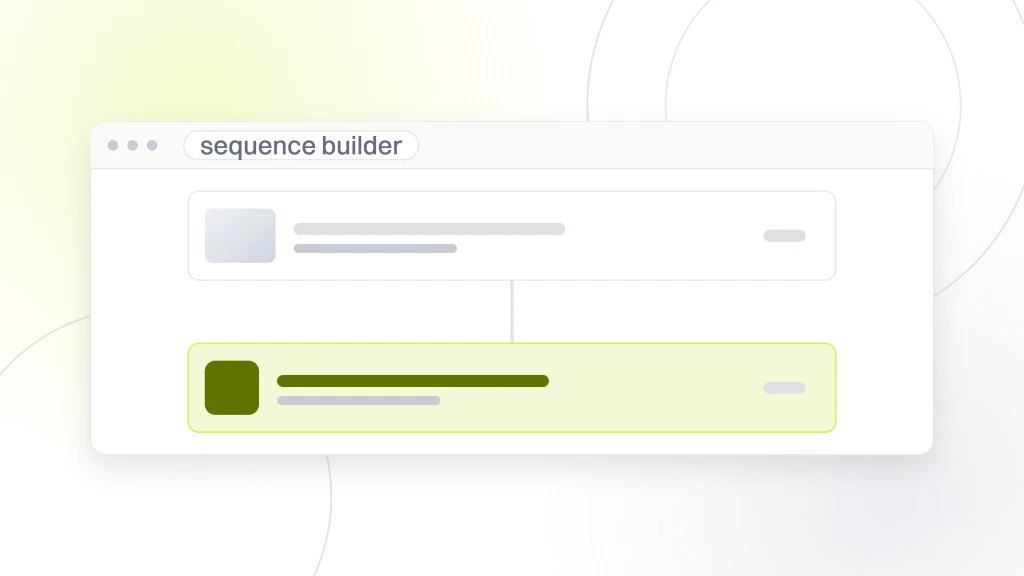
5 to 6 messages over 21 days, triggered when a new patient completes intake. Message 1 goes out inside 1 hour with a warm hello from the DC and the parking address. Message 2 lands 24 hours before the first visit with prep tips. Message 3 arrives the day after the first adjustment with a plain-language recap of the care plan. Message 4 fires 7 days in with 2 short home-care tips. Message 5 lands at day 21 with a soft ask for a Google review.
Reactivation sequence for the 90-day lapsed file
5 messages over 21 days, triggered when a patient goes 90 days without a visit. Message 1 checks in from the DC by first name and asks how the back has been. Message 2 shares 1 specific home stretch tied to the last visit note. Message 3 tells a short story of a patient with the same condition who came back. Message 4 offers a simple booking link with 3 open times this week. Message 5 says goodbye and asks for honest feedback if the patient is not coming back. That last message books 3 to 6 exams every send.
Post-visit sequence to lock in the care plan
3 messages over 7 days, triggered right after an adjustment. Message 1 lands the evening of the visit with a check-in question. Message 2 arrives 48 hours later with home-care instructions and 1 short video. Message 3 fires 5 days later with the next appointment link and a small note about progress. Practices running this sequence see visit compliance climb 12 to 22 percent inside 60 days.
The email tool stack that fits a chiropractic practice
Most practices need 1 of 4 tools from the email marketing software for chiropractors shortlist. Constant Contact for the DC who wants a simple template editor. Mailchimp for the practice with an existing list already in Mailchimp. Klaviyo for the practice ready to run flows tied to EMR events. ActiveCampaign for the practice with a real CRM plan. All 4 support the 3 sequences, the deliverability basics, and the reporting the plan needs.
For a chiropractic practice under 3,000 list members, the difference between tools comes down to how many EMR integrations exist. Klaviyo and ActiveCampaign win on flow flexibility. Constant Contact and Mailchimp win on ease of use for a solo DC writing her own copy.
The EMR integration question that saves hours
Every hour saved automating the last-visit-date sync is an hour the DC does not spend copying spreadsheets on a Sunday. Genesis, ChiroTouch, Jane, and Practice Fusion all have some level of API or Zapier integration for exporting the lapsed list weekly. Set that up in week 1. Never manually export a spreadsheet after month 2.
The budget for a 500 to 2,000 subscriber file
Constant Contact and Mailchimp run $20 to $60 per month for a chiropractic-sized list. Klaviyo runs $30 to $150 per month with flows. ActiveCampaign runs $50 to $200 per month with automation depth. All 4 sit well under the ROI they produce for a practice booking 15 to 40 reactivation exams per quarter. Do not skimp on the tool. Do not overbuy it either.
Deliverability and compliance for chiropractic email in 2026
SPF, DKIM, DMARC, and one-click unsubscribe are mandatory in 2026, not optional. Gmail and Yahoo enforcement rules that took effect February 2024 push any sender over 5,000 messages a month to authenticate every send or bounce into spam. A practice that skips the 3 DNS records loses roughly 40 percent of its list to the spam folder inside 90 days. Wire the records in week 1. Test with Mail-Tester before the first real send.
Consent is the other half. Every new subscriber comes in through a documented opt-in with a checkbox or a double opt-in email. No rented lists. No scraped lists. No list swap with the DC down the street. HIPAA does not require encryption for basic marketing content, but it does require the practice to keep protected health information out of the newsletter. If a subject line names a condition, the message body should not name the patient.
The warm-up schedule for a new sending domain
Day 1, send to 50 of the most engaged patients. Day 3, send to 200. Day 7, send to 500. Day 14, send to the full list. Skipping the warm-up on a fresh domain kills deliverability for 60 to 90 days. Inbox providers watch first-week volume and complaint rate to decide where every future send from that domain lands. Rushing this step is the single most common reason practice email fails in month 1.
A month-one launch plan for email marketing for chiropractors
Week 1, pick the tool, wire the 3 DNS records, and export the 90-day-lapsed list from the EMR. Week 2, write and load the 5 reactivation messages, and set up the welcome sequence for new intakes. Week 3, send the reactivation to the first 200 lapsed names as a canary test. Week 4, expand to the full lapsed file and start the weekly newsletter.
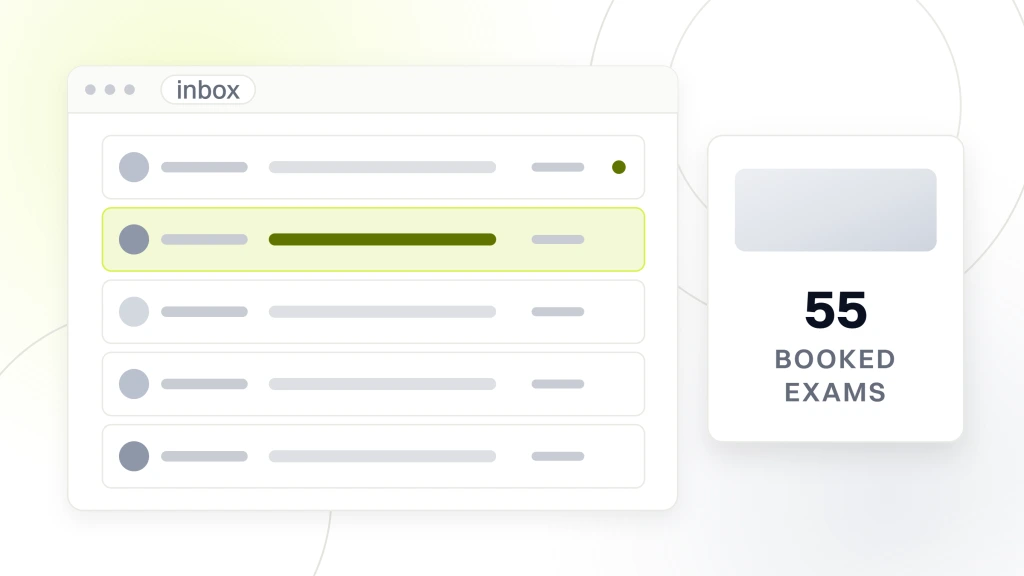
By the end of month 1, the practice should have booked 15 to 45 exams tagged email, cleaned 40 to 80 hard bounces off the file, and started a weekly newsletter with a 30 to 40 percent open rate. Month 2 the reactivation cohort refreshes with the next batch of 90-day-lapsed patients. Month 3 the compounding starts. Month 4 the DC can look at the numbers and know whether to invest in more sequences or hold the base steady.
What to skip in month one
Fancy templates. Multi-column layouts. AI-generated subject lines pushed live without an editor. Any list rented, purchased, or scraped. Any campaign with a $19 rotating special. Any newsletter longer than 300 words. Any subject line with more than 1 exclamation mark. Focus is the strategy in month 1. The DC records her voice on the page in week 1 and does not touch the design until month 3.
When to add the inquiry conversion flow
Month 2. Once the welcome and reactivation are running, the inquiry flow catches the 15 to 30 form submissions per month that did not book on the first click. A 3-message sequence over 5 days closes 18 to 25 percent of that traffic. That is 3 to 7 booked exams per month from an audience that was almost lost. Same list, better closing motion, real revenue.
The weekly newsletter that gets read and forwarded
3 short sections under 250 words total. Section 1 is a 2-paragraph observation from the week. A patient who came in with something interesting, a habit the DC noticed, or a study she read. Section 2 is 1 specific tip the reader can act on in the next 48 hours. Section 3 is 1 line about what is coming up at the practice like an open house, a new hire, or a new service. That is the whole email. No hero image, no 4-column layout, no branded footer graphic.
The DC writes the newsletter in 20 minutes on a Thursday afternoon and it goes out Friday morning at 7 a.m. local time. Friday morning wins open rate over every other day for chiropractic lists we’ve tested. Consistency matters more than volume. Skip a week and open rates drop 8 to 12 percent on the next send. Send twice a week and unsubscribes climb above 1 percent. 1 send, every week, from the DC by first name.
Subject lines that open at 40 to 55 percent
Short, personal, and specific. “That thing about your shoulder” beats “March Wellness Newsletter” every send. “The stretch I forgot to show you” beats “Improve Your Posture Today.” Write the subject line the DC would say out loud to a friend, then cut 2 words. Test 1 subject line variant per send with a 20 percent split. Roll the winner to the rest of the list 4 hours later.
Redefine Web runs the email layer for the practice
Redefine Web runs the email layer as part of the monthly retainer. Tool setup, DNS records, sequences written, weekly newsletter drafted, and metrics reported every Monday. The DC records her voice on the copy at the start, and the team writes to that voice from there. Practices sign up when they want email to actually book patients instead of collecting dust. Read the SMS marketing for chiropractors guide for the wider stack.
We opened the case work with Pain Cure Clinic on the same foundation. Segmented email automation, condition-specific content, reactivation flows, and a referral loop. 12 months later the practice had 205 percent more appointments, 289 percent more organic traffic, and reviews up 162 percent to a 4.9-star average. Email was 1 layer in the stack. The stack is what compounds. Every layer feeds the others, and email is the layer the practice actually owns. The social media marketing for chiropractors layer amplifies the reactivation stories that email sends.
What a typical engagement looks like
2-hour kickoff, DNS records live in week 1, reactivation sequence loaded and sent to the first 200 names in week 2, and the weekly newsletter live by day 21. Monthly metric review with the practice owner. The chiropractor marketing retainer starts at $1,499 per month for the base package and scales when email is a bigger share of the plan.
When email is not the first move
Practices with fewer than 250 patients in the active file, or without a functioning EMR export, should fix those first. Email amplifies a working practice. If the front desk cannot capture consent on intake or export the lapsed list, no email tool solves that. Book a call through the chiropractor marketing agency page and we will map the plan to the actual list state before any tool gets bought.
Make email marketing for chiropractors work for your practice
The bottom line. Email marketing for chiropractors is the layer that turns a dormant patient file into 25 to 55 booked exams a month, without paid ads and without a new website. Pick 1 tool, wire the 3 DNS records, load the 3 sequences, send the weekly newsletter from the DC’s first name, and watch the report every Monday. The plan pays for itself inside 45 days on almost every practice that runs it as written.