Food and beverage website maintenance is the monthly retainer that keeps a DTC snack, drink, or CPG storefront patched, backed up, fast, and ranking without the founder debugging plugin conflicts on Sunday afternoons. The scope covers WordPress core and plugin updates on staging, daily off-site backups, weekly Core Web Vitals checks, uptime monitoring, security scans, Google Search Console error triage, Klaviyo and ShipStation health checks, quarterly restore drills that mirror the managed hosting for food and beverage websites failover pattern, one hour of content edits, and a monthly report with specific numbers, mirroring the website maintenance for food brands reporting cadence, not vague progress narrative.
Skip the retainer for 90 days and the site quietly drops out of the map pack, ships a broken cart flow through peak season, and loses 30% of paid ROAS to a stale plugin update. Fast food and beverage website hosting keeps that math working. Boogie Board reclaimed 20 founder hours per month, dropped cost per acquisition from $44 to $31, and held 99.98% uptime through 4x Q4 traffic on a $499 per month retainer. This guide walks the working scope for DTC CPG brands running WooCommerce or Shopify.
Why food and beverage website maintenance is a revenue discipline
The retainer is a revenue discipline because unpatched WordPress installs quietly ship broken cart flows, stale plugin drift, and slower page loads that starve paid ROAS on Meta, TikTok, and Google. Every skipped update produces a silent revenue drop that never triggers an alert. The site keeps taking orders. Fewer orders. The founder never sees the missing 30% until a Q4 report lands and the year-over-year growth line has flatlined.
The compounding cost of skipped monthly work
A skipped WordPress core update on a DTC food storefront leaves the site exposed to plugin exploits that shipped patches three months earlier. A skipped WooCommerce update breaks the abandoned cart flow. A skipped Klaviyo plugin update stops syncing new customer records for two weeks before anyone notices. Per the WordPress hardening documentation, most WordPress compromises come from outdated plugins and weak admin credentials rather than core exploits, which is why monthly cadence matters more than any single security tool.
Founder time buyback inside the DTC food maintenance retainer
A working DTC food maintenance retainer buys back 8 to 20 founder hours per month. Those hours redeploy into product development, retail expansion conversations, Meta and TikTok creative iteration, and buyer meetings with Whole Foods, Sprouts, or Erewhon. Zero of those hours were replaceable by hiring a part-time WordPress developer on Upwork, because the maintenance discipline is a daily habit, not a one-off project shelved after launch. See our food and beverage marketing hub for the retainer bundle Redefine Web publishes each quarter.
Scope inside a monthly WooCommerce food maintenance retainer
A monthly WooCommerce food maintenance retainer covers ten line items. Managed WordPress hosting, weekly core and plugin updates on staging, daily off-site backups, uptime monitoring, weekly Core Web Vitals checks, security scans, WAF review, Google Search Console error triage, one hour of content edits, and a monthly report with numbers. Every item ships against a documented baseline so drift shows up week over week, not quarter over quarter when the damage has already compounded.
The ten core line items in the food ecommerce maintenance scope
- Managed WordPress hosting on Kinsta, WP Engine, or a comparable NVMe-backed tier with CDN.
- Weekly WordPress core and plugin updates run on staging before production deploy.
- Daily off-site backups with 30-day retention on storage that survives a hosting outage.
- Uptime monitoring polling every 60 seconds with SMS alerts to the account manager and founder.
- Weekly Core Web Vitals checks against a documented baseline with fix tickets for drift.
- Security scans with Wordfence or Sucuri plus quarterly WAF rule review.
- Google Search Console error triage for indexing issues, 404s, and mobile usability.
- Klaviyo, Attentive, and ShipStation integration health checks each week.
- One hour of content edits per month for hours, seasonal promos, or new SKU launches.
- Monthly report with uptime, page speed, security incidents, and specific fix tickets closed.
What sits outside the food ecommerce maintenance scope
Not usually in scope on a food ecommerce maintenance scope. New page builds, full design overhauls, custom feature development, third-party integrations beyond the standard stack, or ongoing content marketing. Those live in separate scopes. A web design engagement for a rebuild, an SEO retainer for content, or a project SOW for custom development. Bundling them into maintenance produces confusion when the design work eats the retainer hours and the actual patching falls behind three weeks. Draw the line in writing before the first invoice.
Pricing tiers for the DTC food maintenance retainer
DTC food maintenance retainer pricing tracks revenue band and WooCommerce plugin stack complexity. A solo food brand under $100k monthly starts at $199 per month. A DTC brand from $100k to $500k monthly runs $299 to $499. A multi-SKU CPG house from $500k to $2M monthly runs from $499. Multi-brand operations past $2M monthly land in higher tiers scoped to plugin surface area. Hosting is bundled inside every Redefine Web tier. There is never a separate infrastructure line item.
| Brand size | Monthly retainer | Hosting included | Response SLA |
|---|---|---|---|
| Solo food brand under $100k | $199 | Cloudways or Kinsta Starter | 1 business day |
| DTC food brand $100k to $500k | $299 | Kinsta Business 1 or WP Engine Growth | 4 business hours |
| Multi-SKU CPG $500k to $2M | $499 | Kinsta Business 2 plus staging | 2 business hours |
| Multi-brand CPG $2M+ | Starts at $499 | Pantheon Elite plus multi-site | 1 business hour |
What separates the $199 tier from the $499 tier
The $199 tier gives a solo food brand managed WordPress on a fast host, weekly updates on staging, daily backups, uptime monitoring, and email support with 1-business-day response. The $499 tier adds real-time SMS alerts, dedicated staging environments, quarterly security audits, WAF tuning, monthly Core Web Vitals reports with fix recommendations, Klaviyo integration health checks, and 4 hours of content edits per month. The gap shows up in how fast the site recovers from a broken plugin update or a compromised admin credential at 2 AM on a Sunday.
Why higher tiers fit multi-SKU CPG website maintenance
Multi-SKU CPG website maintenance past $2M monthly justifies a higher tier because the WooCommerce install stacks 40 to 80 plugins across subscriptions, memberships, wholesale ordering, retailer portal integrations, and multi-language SKU databases. Every plugin needs individual test coverage on staging. Every retailer portal API needs weekly health checks. The higher tier includes the engineering hours to cover that surface area, and the founder saves 40 to 60 hours per month versus hiring a full-time WordPress engineer at $8,000 monthly loaded cost.
Boogie Board DTC food maintenance case study
Boogie Board, a DTC brand on the same paid-plus-organic mix as most food and beverage brands we work with, ran on a self-managed cloud droplet before joining our maintenance retainer. The founder was spending 20 hours per month on WordPress upkeep. Plugin updates, database optimization, backup verification, and firefighting broken cron jobs. Cost per acquisition sat at $44 across $650,000 in annual Meta and Google spend. Checkout conversion was 2.1%. The site went down twice per quarter during peak marketing pushes.
We onboarded Boogie Board onto the $499 per month DTC food brand tier. Kinsta Business 1 hosting, weekly updates on staging, Cloudflare Enterprise CDN with cart-safe rules, WooCommerce Subscriptions object cache tuning, quarterly restore drills that mirror the managed hosting for food and beverage websites failover pattern against staging, and a monthly report with specific numbers, mirroring the website maintenance for food brands reporting cadence. Cost per acquisition dropped from $44 to $31 inside 90 days. Checkout conversion climbed 11% as paid landing pages inherited the faster render. Uptime hit 99.98% across the following four quarters.
The founder reclaimed 20 hours per month, which redeployed into 3 new retail buyer conversations, a Q4 creative sprint that shipped 40 new Meta ad concepts, and a TikTok Shop launch that added $180,000 in incremental revenue. This is exactly what a working DTC food maintenance retainer buys. Founder hours back, uptime held, checkout conversion climbing, and a fixed monthly line item that pays for itself 40x over inside year one.
Weekly, monthly, and quarterly cadence on the WooCommerce food maintenance retainer
Cadence on a working WooCommerce food maintenance retainer follows a weekly, monthly, and quarterly rhythm. Weekly work runs every Tuesday. Monthly work runs the first Wednesday. Quarterly audits run in months 3, 6, 9, and 12 of the retainer. Skip the cadence and the site drifts inside 90 days. A missed month means three plugin update cycles run at once, which raises the odds of a production incident by 4x. Every skipped week compounds into the next quarter.
Weekly cadence tasks in detail
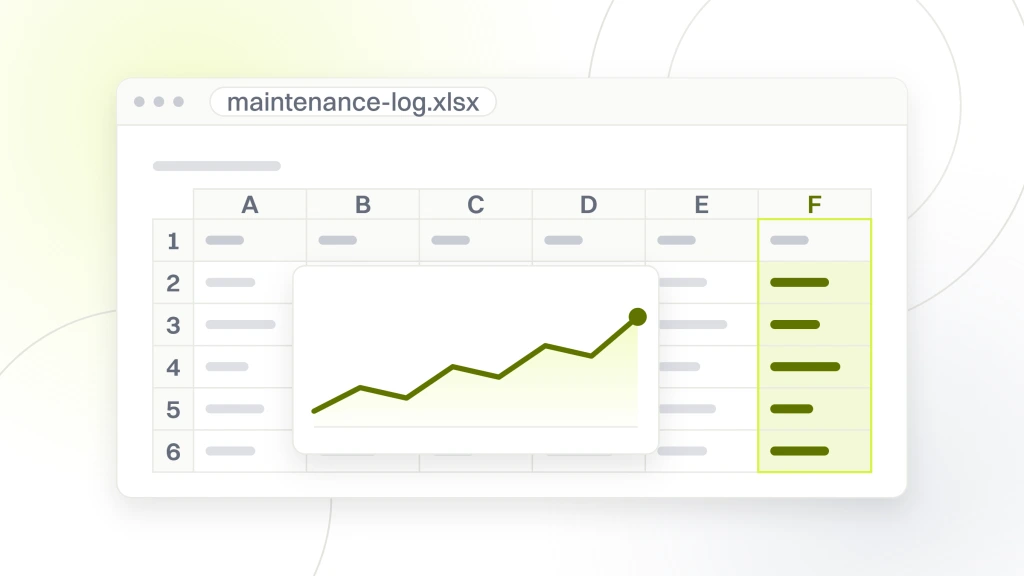
Weekly work covers WordPress core and plugin updates against staging, production deploy if tests pass, Core Web Vitals check on the top 4 pages, security scan review, uptime report review, Klaviyo integration health check, and one weekly one-line status email to the founder. Total time on the account runs 45 to 90 minutes depending on plugin update volume. Rush deploys on emergency security patches jump the queue when the patch window is under 48 hours.
Monthly and quarterly deep work sessions
Monthly work covers content edits up to one hour included, form testing, GA4 event tracking review, Google Search Console error review, and a monthly report to the founder. Quarterly work covers a full security audit with Wordfence Central review, WAF rule refresh, database optimization, expired plugin license renewals, and a full backup restore drill against a staging environment. This cadence holds mobile LCP under 2 seconds and prevents the compounded plugin drift that quietly kills conversion.
Peak-season food and beverage website maintenance for DTC brands
Peak-season maintenance covers Black Friday weekend, holiday gift box drops, Valentine’s chocolate windows, Mother’s Day baking kits, back-to-school snack pushes, and any retail launch that pulls traffic in unpredictable bursts. Every peak window doubles the risk of a production incident because traffic volume amplifies any small drift in page speed, plugin behavior, or CDN cache rules. The maintenance team runs a tighter cadence for 14 days before and 14 days after every window.
Pre-peak checklist 14 days before launch
Fourteen days before a peak launch, the maintenance team purges and rewarms the CDN cache, runs a synthetic Lighthouse audit against the checkout flow from three mobile networks, confirms burst capacity in writing with the hosting provider, pre-warns the support team of the expected traffic window, and freezes all non-critical plugin updates until 48 hours after peak. Per the Google web.dev LCP guide, mobile LCP under 2.5 seconds is the threshold that holds Meta and Google Shopping delivery through peak windows.
During-peak monitoring and incident response
During peak windows, uptime monitoring polls every 30 seconds instead of 60. Cart abandonment rate gets tracked hourly instead of daily. Any Core Web Vitals drift over 200 milliseconds triggers a same-hour fix ticket. The account manager is on Slack standby with the founder and the hosting provider’s engineering team so a 502 error at 2 PM on Black Friday gets a response inside 5 minutes, not 45 minutes. This intensified cadence justifies a temporary retainer premium during Q4.
Security scope inside food and beverage website maintenance
Security scope on the retainer covers WAF rules, brute-force login blocking, malware scanning, PHP runtime patches, plugin vulnerability alerts, PCI compliance on checkout, and 24/7 incident response on a breach. The security discipline shows up on the day a compromised admin credential from a marketing agency partner tries to install a malicious plugin at 2 AM on Sunday.
Three attack patterns blocked every week
Attack pattern one. Brute-force login attempts on wp-login.php. Every food storefront catches 200 to 800 attempts per day. Wordfence login rate limiting plus 2FA blocks all of them. Attack pattern two. Plugin exploit probes on outdated versions. Weekly updates plus WAF rules block these before landing. Attack pattern three. Comment and form spam. A honeypot field plus Akismet catches 99% of the traffic without adding a captcha that annoys real customers filling out the subscription signup form.
2FA and admin hygiene discipline
Every admin account on a food brand WordPress site runs 2FA (WP 2FA plugin or Wordfence 2FA) with a TOTP app or hardware key. Every editor account gets the Editor role, not Administrator, so a compromised editor password cannot install malicious plugins. Every retired employee account gets deactivated the same day they leave. Per the Sucuri hacked website report, skip any of these three and the site becomes a soft target for the next credential stuffing attack that sweeps WordPress domains.
How to vet a CPG website maintenance vendor
Vet a CPG website maintenance vendor by comparing named specifics across three proposals. The differences show up in the details a shallow proposal leaves out. SLA numbers, hosting provider named, backup retention documented, and staging environments named in particular in the contract. Ask for a sample monthly report before signing. If the vendor cannot produce one, they do not run monthly reports.
Red flags in a shallow proposal
- Under $100 per month with a promise of full managed hosting plus updates.
- No mention of staging environments or update testing.
- Backups stored on the same host with no off-site copy.
- No SLA in the contract for uptime, response time, or restore time.
- No mention of Core Web Vitals monitoring or ranking checks.
- Bundled content marketing or design work in a maintenance scope.
- No 2FA requirement on admin accounts.
Green flags on a real proposal
Green flags. Written SLA for uptime at 99.9% minimum, response time at 4 business hours or better, and restore time inside 24 hours for a full site rebuild. Named hosting provider in the contract. Staging environment named. Backup provider and retention named. Weekly update process documented. Sample monthly report you can view before signing. Redefine Web publishes retainer scope details on the food and beverage hosting and maintenance page for cross-reference before signing anything.
Client proof across food, hospitality, and adjacent DTC brands
Vejrø Resort, a Danish private-island brand with a farm-to-table restaurant, hit 10,000 organic visitors and 200-plus first-page keywords once the site sat on the right maintenance and infrastructure tier for its traffic band. Abigail Ahern, a luxury home decor brand on the same WordPress-plus-paid-media stack a premium food brand runs, drove +179% ecommerce revenue and 3,000% paid social ROAS after we restructured SEO and paid media on a properly maintained fast host.
BSH Hausgeräte, the parent of Bosch, Siemens, Gaggenau, and Neff, hit 15% lead growth and 45 seconds longer sessions once BSH Turkey’s site sat on infrastructure sized to its content depth. Custimy, a SaaS customer data platform we rebuilt, saw session duration hit 165 seconds after we paired isometric brand design with a fast Cloudflare-fronted origin held on a weekly maintenance cadence. Same maintenance pattern applies dollar for dollar to a DTC snack, beverage, or CPG food storefront.
Reporting cadence for food and beverage website maintenance
Reporting cadence on the retainer runs weekly one-line status emails, a monthly executive report, and a quarterly business review with the founder. The weekly note is 4 to 6 sentences. Updates run, uptime percentage, incidents, and next week’s priorities. The monthly report ships in the first business week and covers uptime, Core Web Vitals trend, security incidents blocked, backup verification, and content edits completed.
Quarterly business review agenda
The quarterly business review runs 60 minutes with the DTC food brand founder. Agenda. Core Web Vitals trend across the quarter, three highest-impact security incidents blocked, backup restore drill results, plugin churn (added and removed), Klaviyo and ShipStation integration health, and specific fix recommendations for the next quarter. The QBR is where the founder decides whether to keep the current tier, step up to the next revenue band, or add a Q4 peak-season premium.
Numbers, not vague progress narrative
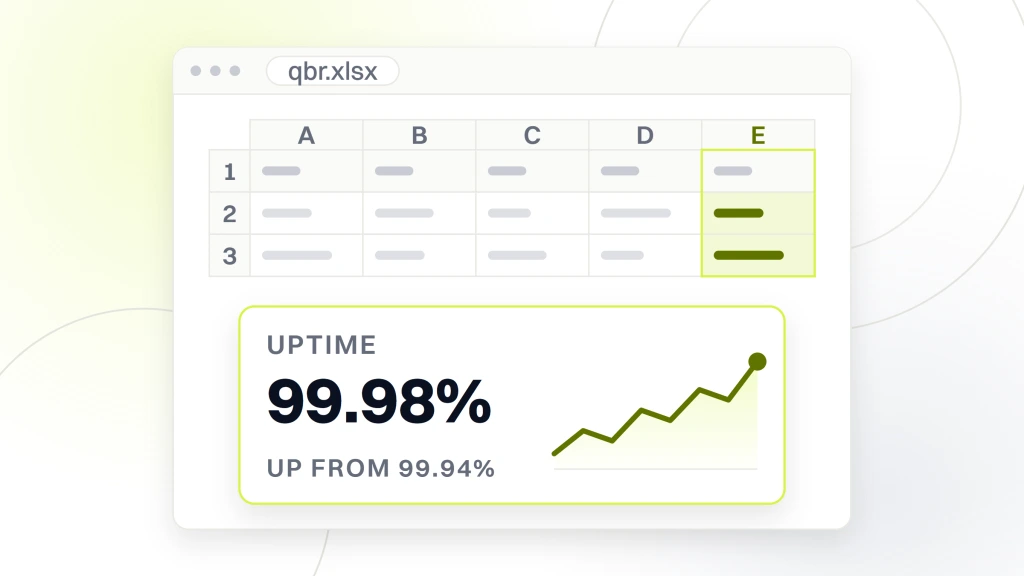
Every report line item ships with a specific number and a comparison to the last period. Uptime 99.98%, up from 99.94%. LCP 1.7 seconds, flat versus prior month. Backup restore drills, 3 of 3 passed. Security incidents blocked, 47 brute-force attempts, 12 malware probes. Content edits, 4 hours delivered against 4 hours included. Vague progress narrative is what shallow vendors write when they cannot answer with specifics. Cross-reference the monthly report against the food and beverage SEO scope so ranking changes and page-speed drift show up in the same review window.
Onboarding a food brand onto the DTC food maintenance retainer
Onboarding a DTC food brand onto the DTC food maintenance retainer takes 2 to 4 weeks depending on the current state of the WordPress install. Week one covers audit, hosting migration prep, and staging environment setup. Week two covers hosting migration, plugin cleanup, and Core Web Vitals baseline. Week three covers Klaviyo, Attentive, and ShipStation integration validation. Week four covers first monthly report and QBR scheduling.
Audit checklist across 40 items
The onboarding audit runs a 40-item checklist. Hosting provider, WordPress version, plugin inventory, theme customizations, database size, image count, CDN configuration, Klaviyo sync status, ShipStation webhook health, backup provider, DNS records, SSL certificate expiry, WAF configuration, admin user list, 2FA status, GA4 event tracking, Google Search Console errors, Google Ads pixel, Meta pixel, TikTok Shop integration, and 20 more items specific to DTC food and beverage storefronts.
Hosting migration during low-traffic hours
The hosting migration to Kinsta or WP Engine runs during the lowest-traffic hour on the account, usually 3 AM Tuesday. The engineering team pre-warms DNS with a low TTL 48 hours ahead, spins up the staging environment on the new host, validates every plugin loads without errors, confirms every third-party integration reconnects, and only then flips DNS to production. Zero customer-visible downtime is the target and the standard for a working migration for a DTC food and beverage brand at any revenue band.
Book your food and beverage website maintenance walkthrough
The retainer is the invisible discipline that keeps DTC storefronts patched, ranking, and converting through every peak season a snack, drink, or CPG founder faces. Ten monthly line items. Retainer tier scaled to revenue band. Weekly, monthly, and quarterly cadence. Reporting with numbers, not narrative. The compounding value shows up in year two when the site never drifted out of top rankings and never lost a peak weekend to a 502 error.
If your DTC food brand runs on a self-managed cloud droplet or a shared budget host with no maintenance retainer, a professional retainer pays for itself inside 90 days on rankings retained and founder time reclaimed. Redefine Web offers fixed-scope maintenance inside our monthly website maintenance packages at $199, $299, or $499 per month, hosting bundled. Book a call and we will walk through the last three DTC food brands we onboarded, line by line, with founder hours reclaimed, uptime numbers, and Q4 performance held.