
A denim brand doing $12,000 in monthly Meta spend booked a call in February 2025 asking why the account ROAS had dropped from 4.6x to 2.1x since Christmas. The audit read like every beginner fashion PPC diagnosis in the wild. One channel carrying the whole account. Prospecting and retargeting jammed into the same campaign. Our catalog ads and retargeting playbook guide breaks the split apart. Product feed missing size attributes on 34% of SKUs. Creative untouched since the November holiday batch. The founder had run the account with no playbook since nobody had spelled out what fashion PPC really covers or how it differs from selling saucepans on Amazon. That gap is what this guide closes.
This guide walks a beginner through the fundamentals of the discipline. What the acronym means. Which channels matter. Which ad formats earn the click math. Real category benchmarks by product line for denim, shoes, handbags, and jewelry. A quick-start plan you can launch in a 21-day window. Every number below comes from real DTC apparel accounts our apparel fashion PPC team has held through 2024 and 2025.
What fashion PPC covers
Fashion PPC is paid ads for apparel, footwear, jewelry, and accessories brands, priced on a per-click or per-impression basis across Meta, Google, TikTok, Pinterest, and Reddit. The three letters stand for pay-per-click, which is the auction model most of these channels default to under the hood for beginners on their first campaign.
A beginner treats fashion PPC as a subset of ecommerce PPC and gets 60% of the way there. The other 40% comes from the drop cycle, the sizing problem, and the return-rate math that only fashion carries as a category.
Why fashion PPC needs its own rules
Fashion sells in drops of 6 to 14 day cycles, not in monthly restocks. A saucepan brand keeps the same SKU on shelves for three years. A denim brand pushes a new wash, a new cut, or a new collab every three weeks. That cadence forces PPC to run on a weekly clock instead of a monthly one. Return rates on apparel run 20% to 30% versus 3% to 8% on home goods, so net-margin reporting matters more than the gross-ROAS number most platforms show by default. A beginner running fashion PPC on generic ecommerce assumptions usually overspends by 25% to 40% inside the first quarter.
Who runs fashion PPC in-house versus with an agency
Brands spending under $3,000 per month in ads usually run PPC in-house since the click volume does not carry an agency retainer. Brands spending $3,000 to $10,000 monthly split between a solo freelancer and a boutique agency depending on channel count. Brands spending $10,000 to $50,000 monthly usually work with a specialist fashion PPC agency running two or three channels. Brands over $50,000 monthly split between in-house teams and agency partners. The fashion PPC agency selection guide walks through the vetting questions for accounts crossing the in-house-to-agency threshold.
The channels inside fashion PPC
The channel stack runs across five main channels, and each earns a specific role in the acquisition stack. Beginners usually start with Meta and Google. Intermediate accounts add TikTok around month two. Mature accounts layer Pinterest and Reddit for niche audiences. Each channel earns its slot by hitting cost per acquisition inside the target margin band, not by being trendy or new.
Meta as the acquisition engine
Meta covers Facebook, Instagram, Messenger, and the Audience Network. It carries 35% to 45% of the median fashion PPC budget since its interest and lookalike audiences reach cold buyers who did not know the brand existed. A denim brand can prospect a 2% lookalike of its high-margin buyers and reach 4 million matched profiles inside the United States. That reach is what makes Meta the acquisition engine for beginner accounts.
Google Shopping and brand Search
Google Shopping serves product-image ads inside search results and the Google Shopping tab. Google brand Search defends the brand name against competitors bidding on it and captures direct-navigation queries that would otherwise flow to a paid competitor click. Together they carry 25% to 35% of the median fashion PPC budget. Shopping is high-intent and high-ROAS since shoppers already know what they want. Brand Search is nearly free money since the click cost sits under $0.80 and closes at 6x to 12x ROAS on most fashion accounts. Beginner accounts that skip brand Search typically lose 8% to 15% of their brand-search revenue to competitor click theft.
TikTok, Pinterest, and Reddit for scale
TikTok is the discovery engine for accounts with strong vertical video. It fits the youth denim, streetwear, and sneaker buyer better than the 35-plus handbag or jewelry buyer. Pinterest holds a mature female shopper with high AOV and low churn, so bridal jewelry, handbag, and outerwear brands earn ROAS ceilings 20% to 30% above Meta on the same creative. Reddit still runs cheap traffic for niche categories with a strong subreddit community, from raw denim to running shoes. Layer these in only after Meta and Google hit target CAC for eight straight weeks.
Fashion PPC ad formats that earn clicks
Ad formats are the second lever after channel selection. A wrong ad format on a right channel wastes 25% to 40% of the budget. Fashion audiences pattern-match on ad format faster than most ecommerce audiences since they scroll harder and see more product content per day. Choosing the right format per placement per drop stage is what separates working accounts from wasted ones.
Meta ad formats by drop stage
Meta carousel ads work best for prospecting since a beginner denim brand can show 3 to 5 fits inside one placement without asking the shopper to click through. Meta collection ads work best for retargeting since they push the whole catalog under a single lifestyle hero image or video. Meta single-image static ads still work for retargeting warm audiences, yet rarely earn the click math on cold prospecting anymore. Video ads outperform static on prospecting by 25% to 40% through Q4 2025 across every fashion account our team has held. Reels placements need vertical 9-by-16 assets or the ads render pillarboxed and lose 40% to 60% of the click-through rate versus native vertical creative.
Google and TikTok formats
Google Shopping product ads pull the product image, title, price, and star rating from the merchant feed. Google Performance Max asset groups combine Shopping, Display, YouTube, Discovery, and Gmail into one campaign that decides where each impression serves. TikTok in-feed video ads run 9 to 30 seconds and match native TikTok pacing. TikTok Spark ads promote an existing organic post as an ad, which usually outperforms cold-cut branded video by 30% to 50% on cold prospecting since the ad reads as native content. TikTok Shop ads pull from the connected TikTok Shop catalog and let the shopper check out inside the app.
Real category benchmarks inside fashion PPC
Category benchmarks are the piece most beginner posts skip since they read as dull. They happen to be the piece that decides whether a specific brand’s PPC math will work at all. A shoe brand aiming for a 5x ROAS on prospecting is chasing a ceiling that does not exist in the shoe category. A jewelry brand accepting a 3x ROAS is leaving 40% of the achievable performance on the table. Every beginner should read these ranges before setting a target.
| Category | Prospecting ROAS | Retargeting ROAS | Brand Search ROAS | Return rate | Average order value |
|---|---|---|---|---|---|
| Denim | 3.5x to 5.0x | 6x to 9x | 6x to 8x | 15% to 22% | $105 to $180 |
| Shoes and sneakers | 2.8x to 4.2x | 5x to 7x | 5x to 7x | 25% to 35% | $95 to $220 |
| Handbags | 4.0x to 6.5x | 7x to 10x | 7x to 10x | 8% to 12% | $180 to $420 |
| Jewelry | 5.0x to 8.0x | 8x to 12x | 8x to 14x | 4% to 8% | $140 to $380 |
| T-shirts and basics | 2.2x to 3.4x | 4x to 6x | 4x to 6x | 10% to 18% | $45 to $85 |
| Outerwear | 3.0x to 4.5x | 5x to 8x | 5x to 8x | 18% to 26% | $220 to $520 |
The table above reads gross-ROAS numbers before returns. Net-of-return ROAS runs 20% to 30% lower on apparel and 8% to 15% lower on accessories. A denim brand hitting a 4.2x gross ROAS on Meta prospecting is really earning a 3.2x net ROAS after a 22% return rate. Beginner accounts that read gross ROAS as if it were net usually overspend by 25% to 40% inside the first two months since the math on paper looks fine and the bank account bleeds. Every one of these ranges pulls from real DTC accounts our team has held across 2024 and 2025, cross-checked against the ranges published in the Google Ads budgeting guide. The broader what is PPC in ecommerce beginners guide covers the underlying math for readers new to the space entirely.
The drop cycle and fashion PPC budget pacing
The drop cycle is the reason fashion PPC needs its own rules. Every collection launch, capsule release, or collab drop pulls demand through a predictable arc that lasts 21 to 35 days from tease to sell-through. A beginner account running flat monthly budgets misses 25% to 40% of the drop-week volume since Meta and Google both reward accounts that push aggressively during peak demand and starve the ones running steady lines.
The four phases of a fashion drop
Phase one is the pre-drop tease, 7 to 10 days before launch, running at 1.2x baseline spend with 60% share on Meta prospecting for brand-heavy content. Phase two is drop week itself, day 0 through day 7, running at 1.8x baseline spend with 50% share on Meta retargeting and Performance Max holding tight ROAS floors. Phase three is the sell-through window, day 8 through day 21, running at 1.0x baseline with 35% share moving back to brand Search and non-brand Shopping. Phase four is off-cycle, day 22 plus, running at 0.6x baseline with 50% share on brand Search defending against competitor bids and creative queues rebuild for the next drop.
Why beginners underspend drop week
Beginner accounts underspend drop week since a 1.8x budget push feels reckless when the flat baseline felt safe. It is not reckless. It matches how the algorithms weight bid density during peak demand windows. A denim brand pushing $8,000 across drop week versus $4,500 across the same seven days will book 90% to 110% more revenue at nearly identical ROAS since the incremental clicks are still on the demand curve. The PPC management for fashion brands monthly scope guide covers the pacing math per drop cycle in more detail for accounts scaling past the beginner stage.
Product feed and tracking basics for fashion PPC
Product feeds are the invisible plumbing under fashion PPC. A Meta catalog with missing size attributes will still run, and Meta will still charge for the impressions,, yet the algorithm will match ads to shoppers who cannot buy the size shown. That mismatch usually shows up as a 15% to 25% gap between clicks and add-to-cart events. Google Shopping is even less forgiving since a feed with taxonomy errors gets rejected outright.
- Size attribute completeness: every SKU carries size, size type, and size system.
- Color and material attributes: every SKU carries color, additional color, and material, matched to the site.
- Google product category: mapped to the deepest applicable node, not the parent bucket.
- Image discipline: 1200 by 1200 minimum with a lifestyle shot paired to every product-only shot.
- Availability sync: feed availability matches Shopify or WooCommerce inventory within 30 minutes.
- Custom labels: five slots used for margin tier, seasonal window, drop bucket, sell-through stage, and return-rate bucket.
Tracking pairs with the feed. Meta Pixel plus the Conversions API for iOS 14 recovery. Google Ads Enhanced Conversions for the 25% to 40% match-rate gain over base pixel tracking. GA4 configured against Shopify order events for source-of-truth reconciliation. UTM discipline on every ad set so reporting can cut by channel, campaign, and creative variant. Beginner accounts that skip Enhanced Conversions leave 15% to 30% of the match-rate gain on the table, which translates into worse algorithmic bidding across every campaign.
Tracking and attribution inside fashion PPC
Attribution is where beginner fashion PPC accounts most often quietly break. Every ad platform runs its own attribution window and reports revenue it thinks it caused. Add the numbers up and they typically overstate real revenue by 30% to 60% since Meta and Google both claim credit for the same purchase.
The working answer for beginner accounts is a single source-of-truth dashboard that pulls Shopify order revenue as the denominator and reads platform-reported revenue as the numerator per channel. Blended cost per acquisition (total ad spend divided by total Shopify new-customer orders) sits above every platform-reported metric since it cannot lie about attribution. A Meta pixel plus Conversions API deduplication check every month keeps the pixel-side numbers honest. GA4 to Shopify reconciliation within 5% proves the tracking has not silently broken since the last theme swap. The Google Ads help documentation on conversion tracking covers the platform side of Enhanced Conversions setup for beginners.
A quick-start fashion PPC plan
A beginner brand can launch fashion PPC inside a 21-day setup window if the site, tracking, and feed are already in decent shape. The plan below assumes a Shopify or WooCommerce brand with an existing catalog, a working Meta Pixel, and a Merchant Center account already verified.
- Day 1 to 5: audit the Meta catalog and Google Merchant feed against the 6-point list above. Fix taxonomy, size, and color attribute gaps.
- Day 6 to 8: install Meta Conversions API and Google Ads Enhanced Conversions. Verify pixel deduplication.
- Day 9 to 12: build one Meta prospecting campaign (1% lookalike plus interest audience) with 4 to 6 carousel creatives.
- Day 13 to 14: build one Meta retargeting campaign (site visitors last 30 days) with 4 collection ad variants.
- Day 15 to 17: build Google Shopping standard campaign with the whole catalog on manual bid caps for the first 14 days of learning.
- Day 18 to 19: build Google brand Search with exact-match brand terms and negative-keyword pass against known competitor bids.
- Day 20 to 21: build the reporting dashboard, verify blended cost per acquisition tracking, and set the first drop-week budget push against the calendar.
The 21-day plan runs $8,000 to $12,000 in first-month spend for a beginner account. Cost per acquisition stabilizes around week six to eight. ROAS enters the category benchmark range around week ten to twelve as the algorithms finish learning against the feed and the pixel. Beginner accounts that shortcut the setup phase (skip the feed audit, skip Enhanced Conversions, skip the retargeting split) usually burn 25% to 40% more spend before hitting the same steady-state performance.
Common beginner mistakes inside fashion PPC
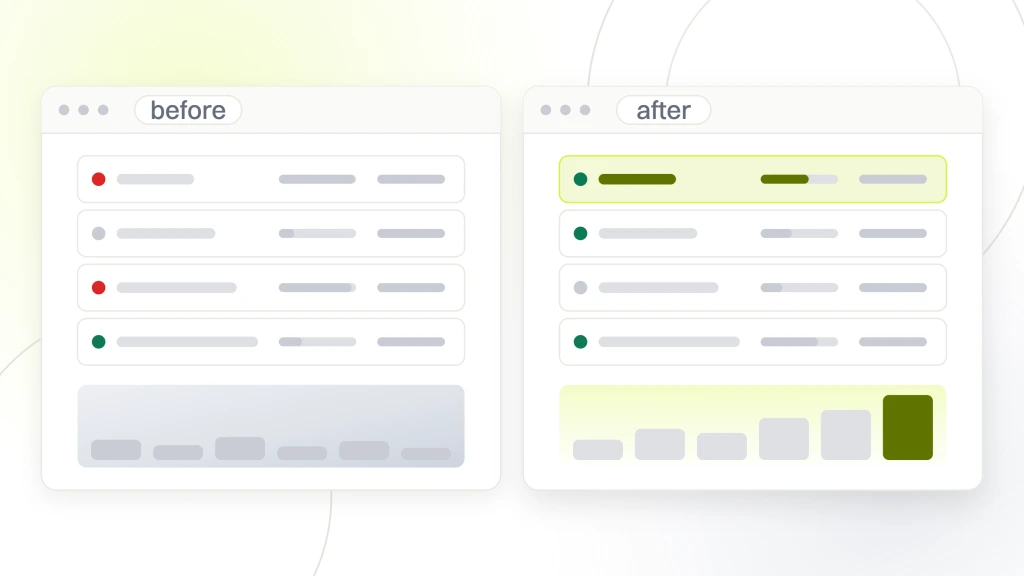
Beginner mistakes cluster around four patterns. Combining prospecting and retargeting into one campaign so the bid algorithm cannot optimize for either. Reading gross ROAS as if it were net-of-return. Refusing to push budget during drop week since the flat baseline felt safe. Running the same creative for 30 to 45 days past its fatigue point since nobody is watching the frequency and click-through numbers.
The one-campaign trap
The one-campaign trap is the mistake that costs beginner accounts the most money. Meta and Google both need clear signal about which audience an ad targets to bid intelligently. A campaign holding a 1% lookalike and a 30-day site retargeting pool inside the same ad set will bid the same aggression on both, which either overbids for the cold audience or underbids for the warm one. The fix is trivial. Split prospecting and retargeting into two separate campaigns with different bid targets. A denim brand that split them in January 2025 saw prospecting cost per acquisition drop from $48 to $34 inside three weeks with no other change.
The creative fatigue blind spot
Creative fatigue is the second-biggest beginner mistake. Meta prospecting creative fatigues at day 10 to 12 on fashion audiences. TikTok fatigues at day 5 to 7. Google Display fatigues around day 21. A beginner running the same three creatives for 45 days will watch frequency climb past 4.5, click-through rate drop 40% to 60%, and cost per acquisition climb 30% to 50% and the platform reporting still shows the campaign as active and delivering. The ecommerce PPC management for DTC brands guide covers the refresh cadence patterns for beginner accounts scaling into intermediate volume.
A real fashion PPC engagement in production
A denim and streetwear brand came to our team in March 2024 with a Meta account running at a 2.4x prospecting ROAS on $18,000 monthly spend, a rejected Google Shopping feed, and no brand Search coverage. The founder had been treating fashion PPC like generic ecommerce PPC, running one blended campaign against a 30-day site pool and a broad interest stack, refreshing creative every six weeks, and reading Meta gross ROAS as if it were net-of-return.
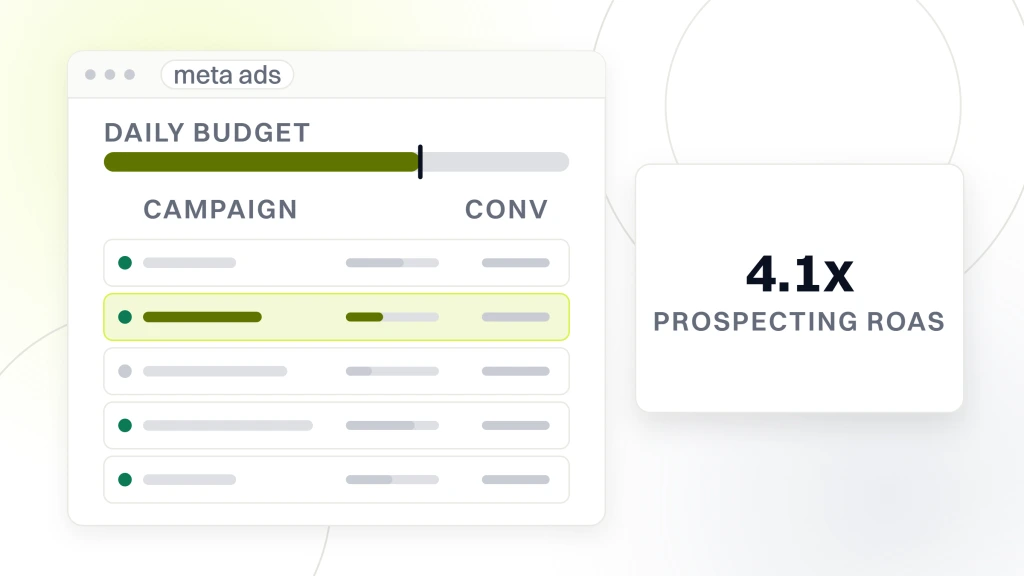
Our team rebuilt the account against the category-benchmark discipline this guide describes. Prospecting and retargeting split into separate Meta campaigns with different bid targets. Feed fixed on size, color, and Google product category so Shopping went live inside 11 days. Brand Search launched with exact-match brand terms and a competitor negative list. Performance Max added in month two once the pixel had enough conversion signal to bid intelligently. Creative refresh clock moved to a 10-day cycle on Meta and a 6-day cycle on TikTok. Weekly negative keyword pass across Search and Shopping. Monthly feed audit catching a 9% SKU issue rate that pulled to 2% by month three.
Over the first two drop cycles the program pulled prospecting ROAS from 2.4x to 4.1x, brand Search ROAS to 7.8x, and Google Shopping ROAS to 5.2x. Blended cost per acquisition dropped from $62 to $39 across the 90-day window. Drop-week revenue on the second cycle beat the first cycle by 118% at nearly identical margin since the 1.8x budget push during peak demand caught the whole demand curve instead of half of it. The pattern that carried the account was the weekly-clock cadence paired with the category-benchmark discipline. A shoe, handbag, jewelry, or outerwear brand running the same operating pattern earns the same category-benchmark performance our team has held on real fashion accounts across 2024 and 2025.
The same operating pattern travels across the wider E-commerce and Retail group. Boogie Board, a reusable writing tablet brand, ran Google Ads and LinkedIn Ads against $650K in managed spend and pulled cost per sale to $31 with a +11% conversion-rate gain (annual curve). Keyword-tightened targeting, product-focused lead magnets, optimized landing pages, and automated follow-ups drove the numbers. Fashion PPC accounts working through the drop-cycle discipline read the same script. Tighten the audience, sharpen the landing page, and let the pixel learn against clean signal.
Where fashion PPC fits the marketing stack
Paid apparel ads sit at the acquisition layer of the marketing stack. Every retention channel, every organic content investment, every influencer program either compounds off healthy paid acquisition or drags against a broken one. Beginner brands that treat PPC as a standalone tactic miss the compounding gains that come from paid, organic, and retention feeding the same customer file.
Pricing bands sit inside a $999 to $4,500 per month retainer range depending on ad spend and channel count, with 6-month starter terms since fashion PPC accounts need two full drop cycles to prove cost per acquisition ceilings. Tiered pricing runs $999, $1,499, $2,499, and from $4,500 per month, and ad spend is billed separately from the retainer.
Every read runs on the same category-benchmark and drop-cycle discipline this beginner guide describes. The apparel fashion marketing retainer page covers the pricing math and the drop-cycle calendar the team runs against for accounts across denim, shoes, handbags, jewelry, and outerwear. A beginner fashion PPC account gets its best month-one result when the channel selection, ad-format choice, and category-benchmark math all agree before the first dollar of ad spend runs.
Benchmarks shift again on certified-sustainable accounts since eco keyword volume runs 40% to 70% lower and the shopper pays a 20% to 45% price premium. Our PPC for sustainable fashion certification playbook covers the messaging and keyword strategy that pays back the higher acquisition cost.