A fashion PPC agency earns the retainer the week a Sunday-night summer drop breaks the account. Return on ad spend slid from 3.8 to 1.9 across two days. TikTok Spark Ads on the three creatives that carried the spring drop went cold at $2.10 cost per click. Pinterest, which drove 22% of prospecting revenue last month, is under-pacing by half. The Meta catalog feed still lists 41 sold-out size and color variants inside the Advantage+ campaign. Apparel catalogs break paid media patterns that generalist ecommerce shops learned on candles and dog food, and this guide walks the fashion PPC agency playbook Redefine Web runs across Meta, TikTok, Pinterest, Google Shopping, and Performance Max for apparel and accessories brands.
The playbook covers six-figure Shopify PPC campaign structure stores through Shopify Plus catalogs. Meta, TikTok, and Pinterest as the paid triad. Catalog work and Dynamic Product Ads. Shopping feed hygiene for apparel with size and color variants. Creative refresh cadence tied to the drop calendar. Seasonal spikes staged so Meta learning stays intact. The platform mix, the feed rules, the creative math, and the honest scoping our paid team runs across the apparel and fashion marketing hub all live in here. Founders newer to the space should read the fashion PPC fundamentals guide for the channel and category-benchmark basics first.
Catalog, DPA, and Shopping Feed Hygiene for Apparel Variants
The product feed decides whether Meta Advantage+, Pinterest catalog sales, and Google Shopping return anything above break-even on a fashion account. Apparel feeds break in ways commodity feeds never do since every product carries three to twelve variants across size and color, each with independent inventory, image, and availability signal. A paid team running a clean apparel feed catches variant slop before it hurts revenue. A feed that treats variants sloppy serves sold-out sizes to shoppers who bounce, drags the parent product quality score, and burns budget on impressions that had zero chance to convert.
Feed hygiene on a fashion catalog covers eight surfaces. Variant-level availability that syncs to Shopify inventory in near-real time. Item groups that link parent products to child variants correctly. Color and size fields populated as structured attributes rather than baked into the title. High-resolution PDP images at 1200 pixels on the shortest side. Google product category taxonomy that matches the catalog’s actual apparel taxonomy. Custom labels for drop, season, margin band, and best seller so campaigns can bid differently by segment. GTIN and MPN populated where possible for Google Shopping quality score. A daily feed refresh cadence that closes the gap between storefront reality and platform serving. Skipping any one of these surfaces costs measurable revenue inside the first thirty days.
Dynamic Product Ads Sequencing
DPA sequencing decides how a paid team running Meta and TikTok surfaces the right product to the right shopper at the right moment. The pattern that works splits DPA into three audiences per platform. Product viewers who saw a PDP but did not add to cart. Add-to-cart abandoners who added but did not check out. Past purchasers segmented by category and days-since-purchase for the cross-sell window. Each audience sees a different creative frame and a different offer. Product viewers see the same product paired with UGC social proof. Add-to-cart abandoners see the product with free-delivery messaging and a size-in-stock overlay. Past purchasers see the next drop or the complementary category. A customer data platform stitched into Shopify order data tracks the segmentation logic and ties every retargeting cluster back to lifetime value.
Creative Refresh Cadence for a Fashion PPC Agency
Creative fatigue moves faster on fashion than on almost any other ecommerce vertical since the shopper’s feed refreshes multiple times daily and the same ad served three times in a week reads as stale. Meta’s frequency cap of 1.8 impressions per user per week is the rough threshold above which click-through drops 20% to 35% on a fashion catalog. TikTok fatigue runs even faster once the platform’s algorithm decays repeat exposures inside the first 72 hours. A paid partner setting a creative refresh cadence built for another vertical rarely holds on apparel.
The cadence that survives feeds 8 to 14 new creatives into Meta every two weeks and 6 to 10 into TikTok every 10 days. Pinterest tolerates longer cycles at 4 to 6 new Pins every three weeks since the platform’s discovery engine surfaces older content inside search results. UGC and creator content should account for 55% to 70% of the new creative volume since it fatigues slower than polished brand ads and wins higher click-through on prospecting audiences. Brand ads still play a role in the mid-funnel where trust matters, but leaning on brand ads alone burns budget inside the second month. Our PPC strategy for ecommerce guide covers the wider testing framework that pairs with fashion creative work.
UGC and Creator Content as Paid Fuel
UGC sourced by the paid team from the brand’s own Instagram tag pool costs almost nothing to produce and outperforms polished brand ads on cold prospecting by 25% to 45% on click-through rate across the fashion accounts our paid team audits weekly. The pattern that works pays creators a small usage fee for whitelisting rights, then runs Spark Ads on TikTok and Partnership Ads on Meta against the creator’s handle. That approach preserves the organic feel of the content and taps the platform’s paid distribution machinery at the same time. A mid-market DTC apparel brand running paid social against a locked creator brief, a shot list tied to the drop calendar, and a documented usage-rights template saw a 22% gain in engagement time on paid traffic inside the first drop cycle.
Seasonal Budget Spikes Without Collapsing Account Learning
Fashion spend does not run flat across twelve months. Black Friday and Cyber Monday absorb 12% to 22% of annual paid budget inside a four-day window. Seasonal drops in spring, summer, fall, and holiday each pull a 30% to 60% budget spike for the two weeks around launch. Valentine’s, Mother’s Day, back-to-school, and end-of-season sales each carry their own micro-spike. Our fashion marketing agency for DTC apparel brands guide covers the broader growth calendar. Flat monthly reporting hides the calendar reality that steers every apparel account the paid team touches.
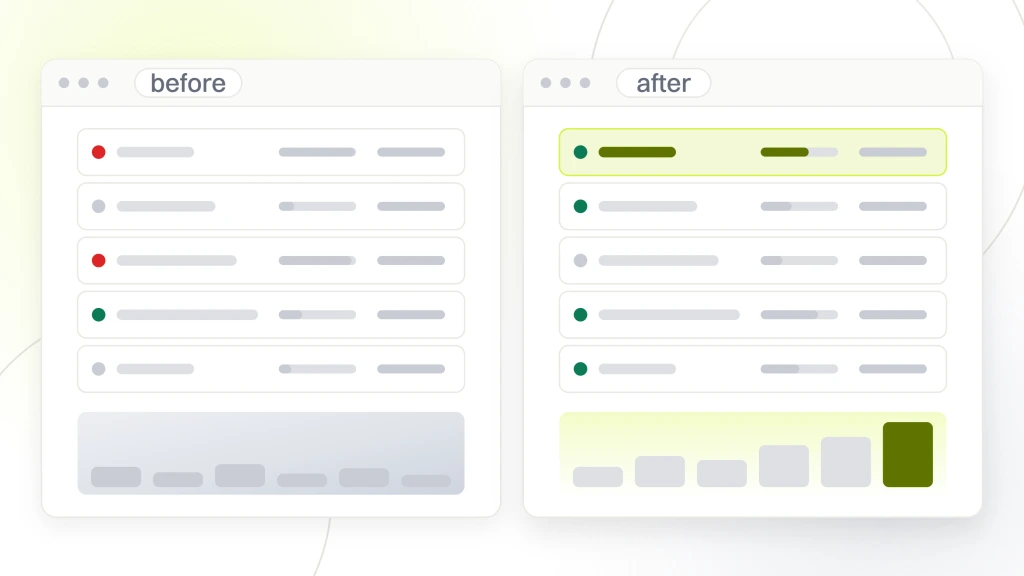
The pattern that survives Meta’s learning phase during a spike stages the budget increase across five to seven days rather than doubling it overnight. A 40% single-day spike blows past Meta’s 20% budget tolerance and drops campaigns back into learning mode, which crushes delivery quality for 72 to 96 hours. A staged spike across a full week preserves the algorithm’s cost efficiency and delivers the peak spend without a delivery collapse in the middle of the drop window. Brands that skip the staging usually burn 15% to 30% of the peak-week budget on inefficient delivery during the exact window they needed efficiency the most.
Building the Twelve-Month Calendar
The twelve-month paid calendar names every drop, sale, and micro-holiday the brand plans to run, then allocates budget backward from the total annual number. A brand spending $600,000 on paid for the year might allocate $120,000 to Black Friday and Cyber Monday, $80,000 to the fall drop, $70,000 to the spring drop, $60,000 to the summer drop, $50,000 to the holiday drop, $40,000 to Mother’s Day and Valentine’s, and the remaining $180,000 as baseline monthly spend across evergreen and prospecting. That math shapes the media plan and the creative production calendar so the brand never scrambles to source assets the week before a drop.
Google Shopping and Performance Max for Fashion Catalogs
Google Shopping and Performance Max sit alongside the paid social triad on almost every fashion account past $30,000 in monthly ad spend. Shopping catches the branded and non-branded product searches Meta cannot reach since the shopper is already inside Google with commercial intent. Performance Max blends Shopping, Display, YouTube, Discover, and Gmail into a single asset-fed campaign that runs against the same product feed. Fashion brands that skip Google entirely walk away from 15% to 25% of yearly demand a specialist paid team would otherwise capture.
The pattern that works on Performance Max feeds the campaign a full asset group per drop, splits catalogs by margin band with custom labels, and uses new customer acquisition value bidding to keep return on ad spend above the 3.2 blended benchmark most fashion founders track. Search themes tuned to branded plus category queries. Negative keyword lists that block competitor branded searches and low-intent informational queries. Regular audit against Google’s Performance Max best practices documentation to keep the account current with platform changes. The what is PPC in ecommerce beginners guide covers the platform basics for founders newer to paid.
Shopping Feed vs Performance Max Feed
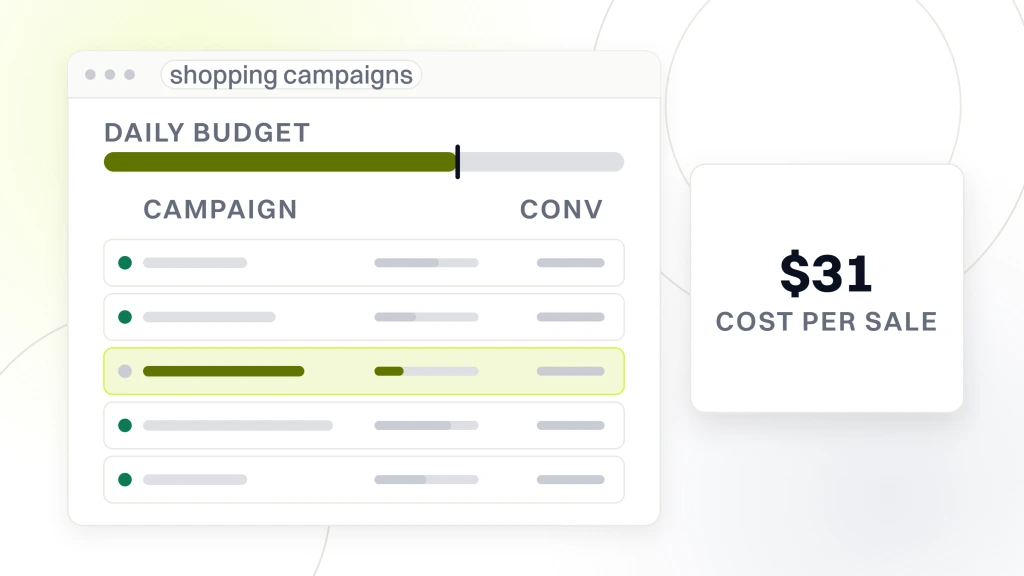
The same product feed powers Standard Shopping and Performance Max, which is why feed hygiene matters more than any single bidding lever inside Google. A feed with 41% GTIN coverage caps quality score across the entire account. A feed missing color and size as structured attributes limits the search queries the platform can match against. A feed pushing weekly instead of daily lets sold-out variants keep serving impressions for hours after inventory hits zero. Fixing the feed usually recovers 12% to 24% of Shopping revenue inside the first month without touching a bid or a target return on ad spend. Boogie Board, an ecommerce brand our paid team manages, holds cost per sale near $31 on a $650K annual Shopping budget once feed and creative align, a useful gut-check number for founders reviewing new agency proposals.
Attribution and Measurement Under iOS Signal Loss
Attribution on a fashion paid account runs harder than on lead-gen verticals since iOS 14.5 collapsed the deterministic signal Meta and TikTok used to rely on. Meta’s Aggregated Event Measurement cuts return on ad spend visibility by 20% to 40% on iOS traffic. TikTok’s Events API partly closes the gap. Pinterest’s Enhanced Match adds coverage. Google’s Enhanced Conversions helps on Shopping. Every platform now under-reports revenue against the storefront’s actual sales log.
The measurement stack that survives blends four data sources. Server-side conversion API on Meta, TikTok, and Pinterest sends the checkout event from the server instead of the browser. GA4 with enhanced ecommerce enabled becomes the source of truth for blended return on ad spend across channels. Shopify or WooCommerce order data pulls actual revenue by traffic source through a UTM hygiene layer. Post-purchase surveys ask new customers where they first heard about the brand and catch what the platforms miss on view-through and cross-device conversions. Brands running all four report blended return numbers 25% to 45% higher than the platform-only view Meta shows in Ads Manager. A mid-market DTC apparel brand running the four-source blend across Meta, TikTok, Pinterest, and Google steers quarterly paid budget against the blended number instead of the Meta-in-Ads-Manager view.
Blended vs Platform Return on Ad Spend
Blended return on ad spend divides total revenue by total ad spend across every paid channel. Platform return on ad spend divides revenue attributed inside a single ad platform by spend inside that platform. Blended is the number that matters for founder-level budget decisions inside an agency partnership. Platform is the number that matters for optimization inside a single account. A fashion account showing 4.2 blended and 2.1 platform on Meta is usually running healthy. Chasing a 4.0 platform number on Meta by cutting prospecting spend often collapses the blended number two months later when retargeting has nothing to retarget against.
Landing Page Alignment Between Ads and Storefront
Landing page alignment is the single largest post-click revenue lever a fashion paid account touches. A shopper who clicks a TikTok ad featuring a linen shirt in beach lighting and lands on a generic collection page bounces 40% to 60% of the time. A shopper who lands on a curated collection page matching the ad creative, ad copy, and price point converts at 2x to 4x the rate. The gap between those two experiences is the difference between a 1.9 return on ad spend and a 3.6 return on ad spend on the same account, and a specialist paid partner lives inside that gap.
The pattern that works pushes a dedicated landing page live per major drop and per major creative concept. Hero imagery matches the ad. Copy repeats the ad headline verbatim in the first fold. The featured product from the ad sits at the top of the grid. Related products fill the rest of the fold with visual continuity. Cross-sell and complete-the-look modules sit below the fold to raise average order value. The Shopify Sections API or a page builder like Shogun or Replo delivers this pattern without a developer sprint per drop, and the return on time invested lands inside the first campaign flight.
Mobile Load Time as a Paid Media Lever
Mobile load time on the landing page directly moves paid media return on ad spend when 71% to 84% of fashion paid traffic arrives on a phone. A landing page taking 5 seconds to load on 4G bleeds 20% to 40% of paid traffic before the hero image renders. The same page tuned to 2.1 seconds preserves the click and carries the shopper through the funnel. Speed work on landing pages usually recovers 8% to 15% of paid revenue inside two weeks without touching a bid, and every paid partner worth the retainer runs speed audits monthly. Our Shopify PPC agency tracking guide covers the pixel and conversion-API setup that pairs with landing page work on Shopify and Shopify Plus stores.
Comparing In-House Media and Fashion PPC Agency Paths
Every apparel founder weighs in-house paid media against a fashion PPC agency at least once a year. The table below maps the two paths against real cost, real capability, and the specific tasks each path covers well. Read it before the next in-house-versus-agency meeting inside the leadership team.
| Task | In-house feasibility | Agency feasibility | Note |
|---|---|---|---|
| Meta Advantage+ tuning | Medium | High | Needs weekly hands-on optimization |
| TikTok Spark Ads coordination | Low | High | Requires creator relationships plus platform craft |
| Pinterest catalog sales | Low | High | Niche specialist skill most in-house teams skip |
| Feed engineering across variants | Low | High | Needs Liquid or headless developer |
| Performance Max asset management | Medium | High | Requires ongoing asset production cadence |
| Seasonal spike staging | Medium | High | Depends on calendar discipline |
| UGC and creator sourcing | Medium | High | Agency usually has creator roster |
| Weekly scorecard reporting | High | High | Either path works with the right template |
An apparel brand with a marketing coordinator and one paid media hire can carry the bottom two rows and part of the top row. The remaining five rows usually need a specialist partner or the work does not happen consistently enough to move the return on ad spend. Brands running multi-region storefronts, wholesale plus DTC hybrids, or a full triad across Meta plus TikTok plus Pinterest almost always benefit from an agency when the coordination overhead exceeds what a solo hire can carry alone.
The cost math tells the same story. A skilled in-house paid media manager with fashion experience lands at $95,000 to $135,000 per year fully loaded, before tools, without creative production or feed engineering baked in. A fashion PPC agency retainer at Redefine Web starts at $999 per month, then steps to $1,499 and $2,499 per month as scope grows, with enterprise engagements starting at $4,500 per month for the full triad plus feed plus creative coordination. Ad spend is billed separately from the retainer. Brands that only need the bottom two rows of the table save money in-house. Brands that need the top five rows almost always save money on retainer with a partner. Contracts typically run six months so the calendar, the feed, and the creative cadence get built out rather than started and abandoned inside the first quarter.
Reporting Cadence and the Five Metrics That Steer Budget
Reporting cadence decides whether a paid agency partnership continues past the first contract. Vanity metrics like click-through rate rarely predict revenue outcomes on an apparel account. The metrics that matter track blended return on ad spend, new customer share, cost per new customer, contribution margin after ad spend, and creative-level performance across the top ten winners per platform. Brands that lock those five upfront save six meetings a year and steer the retainer against the numbers instead of the mood in the room.
The reporting stack pulls GA4 with enhanced ecommerce enabled, Shopify or WooCommerce revenue by traffic source, Northbeam or Triple Whale for cross-channel attribution modeling, and platform data from Meta, TikTok, Pinterest, and Google Ads. Weekly scorecards live inside a Looker Studio dashboard so the founder and the paid team see the same numbers by Monday morning. Monthly reviews add context, name the winning tests, and set the next 30 days of experiments. Quarterly plans tie budget back to the drop calendar and lock the annual pacing target. The Think with Google attribution research library covers the wider measurement patterns every paid media team should keep current on. Our ecommerce PPC services breakdown walks the retainer scope in more detail.
The Five Metrics That Move Fashion Budget
- Blended return on ad spend across every paid channel weekly
- New customer share split by Meta, TikTok, Pinterest, and Google
- Cost per new customer against contribution margin after ad spend
- Top ten winning creatives per platform tracked in a shared library
- Drop-level performance benchmarked against prior comparable drops
Monthly reviews work for most apparel brands. Weekly invites noise. Quarterly invites drift. Monthly gives the founder or marketing director enough signal to steer the retainer without burying the paid team in reporting overhead. The report opens with the five metrics above, closes with the test log from the month, and adds the priority backlog for the next 30 days. Any format tighter misses signal. Any format looser turns into a slideshow nobody reads inside the leadership team.
Where a Fashion PPC Agency Fits the Apparel Stack
A fashion PPC agency sits alongside every other apparel customer acquisition channel and rarely runs well alone. Email flows recover the abandoned checkouts paid media generates. SEO earns the top-of-funnel volume paid cannot afford to bid on across every long-tail query. Influencer partnerships fuel the UGC library paid social runs against. The storefront’s conversion rate decides how much revenue any paid dollar returns. Cutting any one of those levers hurts paid media performance even when the paid team runs the account cleanly.
The pattern worth watching. A mid-market DTC apparel brand running an integrated paid plus organic plus lifecycle-email stack doubled non-branded organic revenue when the paid account held target return on ad spend across the same year. Apparel brands running a similar integration between paid, SEO, and email flow see the same reinforcing effect. A paid partner does not carry the growth alone. It carries the discovery and retargeting layer inside a system where the storefront, the SEO layer, and the email flow each pull their share. Brands that treat paid as the whole growth strategy usually plateau by month six.
A partner earns their retainer by carrying the specialist work in-house teams rarely have capacity for. Meta Advantage+ optimization across the triad. TikTok Spark Ads coordination with creators. Pinterest catalog sales for the aspirational shopper. Google Shopping and Performance Max on a clean feed. Seasonal budget staging that survives Meta’s learning phase. Creative refresh cadence tied to the drop calendar. Reporting that ties paid spend back to blended revenue and new customer share. Redefine Web runs this stack for apparel and accessories brands across categories. See the apparel and fashion marketing retainer page for how the engagement is scoped.
Start with a paid audit. Score the Meta, TikTok, Pinterest, Google Shopping, and Performance Max accounts against the six-part framework in this guide. Circle the four biggest misses. Estimate the revenue impact and the effort for each. That map is the next 90 days of fashion PPC agency work in priority order. Apparel and accessories brands ready to hand this to a partner can talk with our paid team about scoping the engagement that fits a Shopify, Shopify Plus, WooCommerce, or headless stack. The work compounds when the six moving parts move together, and the honest math on retainer versus in-house almost always favors a specialist partner past the first million in annual revenue.
Every agency vetting call in this post should include one direct follow-up. Does the retainer include the weekly cadence covered in our PPC management for fashion brands playbook, or does it default to a monthly cadence that misses the drop window.
Any agency vetting call for a DTC apparel account should confirm the retainer covers the variant-level feed rebuild, dynamic product ad overlays, and five-tier retargeting flow covered in our PPC for fashion ecommerce guide.
Ethical DTC apparel accounts running GOTS, GRS, or B Corp certifications need a different account structure than fast-fashion competitors. Our PPC for sustainable fashion playbook covers the certification-forward creative, eco keyword clusters, and higher CAC to higher LTV math ethical brands operate on.