
SEO for pet sitters is the monthly local marketing work that keeps a pet sitting business ranked on the queries pet owners actually run when they need someone trusted to watch a dog, cat, or exotic pet during travel. Every pet sitter runs a local service business with a website, a Rover or Wag profile, a Google Business Profile, and a handful of returning clients who first booked from a Google search. When this work runs every month instead of once a year, paid ads and word of mouth stop carrying the whole client acquisition load.
This guide walks the field tested version Redefine Web runs with solo sitters, multi sitter agencies, and mobile pet sitting franchises across dense urban and suburban trade areas. You’ll see the local keyword map that actually books, the Google Business Profile move set, the review flow that beats every competitor in the trade area, the site pattern the top ranking sitters use, and the case study transfer points from Mission Pet Health and independent pet retail. Real numbers, real timelines, real steps to book more bonded clients every month.
SEO for pet sitters in one page
This work is the local marketing discipline that ranks a pet sitting business on the map pack and the organic results for pet sitting near me, dog sitter in city, cat sitter service, overnight pet sitter, and drop in pet visits queries. 4 buckets carry the load. Google Business Profile optimization on the map pack side. On page work with location and service pages. A review flow that grows the map pack ranking on trust signals. Content that supports the commercial pages on pet care topics.
Every extra tactic like paid ads, Rover or Wag profile boosts, and Facebook groups sits on top of that base. Without the 4 core pieces running every month, paid channels and marketplace platforms carry the whole booking footprint at a take rate that eats 20 to 30% of every booking. A pet sitter ranking page 1 on 10 local queries books direct at zero take rate. A pet sitter that ignores SEO books through the marketplace at a permanent discount to lifetime value.
Redefine Web tracks 4 numbers for every pet sitter SEO retainer month over month. Google Business Profile impressions and calls or direction requests monthly across every service area. Site organic sessions on the local commercial keyword set. Review count and average star rating on Google. Direct booking form fills or calls on the site. If those 4 numbers hold or grow month over month, the retainer is doing its job every quarter of the year.
Local keywords that convert on a pet sitter site
Local keywords that convert on a pet sitter site fall into 6 clusters. Service plus city searches like pet sitter in Austin or dog sitter Denver. Service plus neighborhood searches like pet sitting Capitol Hill or overnight sitter Wicker Park. Service type searches like drop in pet visits or overnight pet sitter that carry city intent implicitly on mobile. Emergency searches like last minute pet sitter that convert at premium rates. Vacation window searches like holiday pet sitter or thanksgiving pet sitter that spike seasonally. Specialty searches like exotic pet sitter or cat sitter with medication administration for pets with special needs.
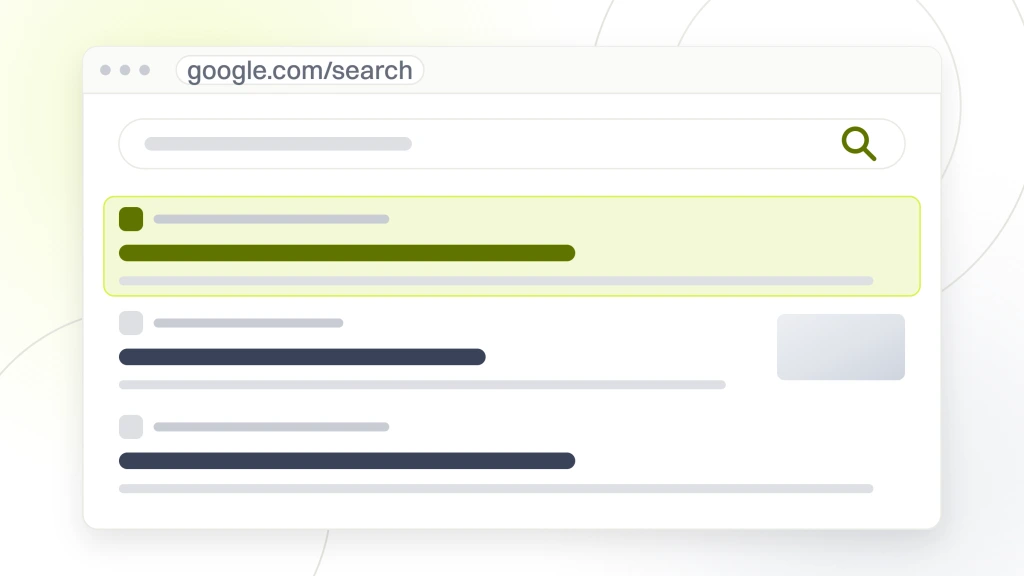
Every cluster ranks by conversion rate, not by search volume. Service plus city queries convert at 5 to 10% when the site and Google Business Profile are aligned. Service plus neighborhood queries convert at 8 to 15% since intent is tighter and competition is smaller. Emergency queries convert at 20 to 30% since the buyer needs a sitter today and trust signals close the sale on the first call.
Specialty queries sit in a different bucket. An exotic pet sitter query drives fewer sessions, but every session that books turns into a repeat client for years since alternatives are limited. Track specialty queries separately since lifetime value is measured across pet ownership decades, not vacation weeks. See the pet web design for service businesses page for the site pattern that supports every keyword cluster.
Google Business Profile moves for pet sitters
Google Business Profile moves for pet sitters carry 10 items every pet sitting business runs on day 1 of the retainer and re runs quarterly. Primary category set to Pet Sitter, with secondary categories for Dog Walker, Kennel, and Pet Boarding Service where the sitter offers those services. Full service list populated with drop in visits, overnight stays, dog walking, and any specialty offerings. Full photo library with at least 30 photos of the sitter with real client pets, updated every quarter with new arrivals.
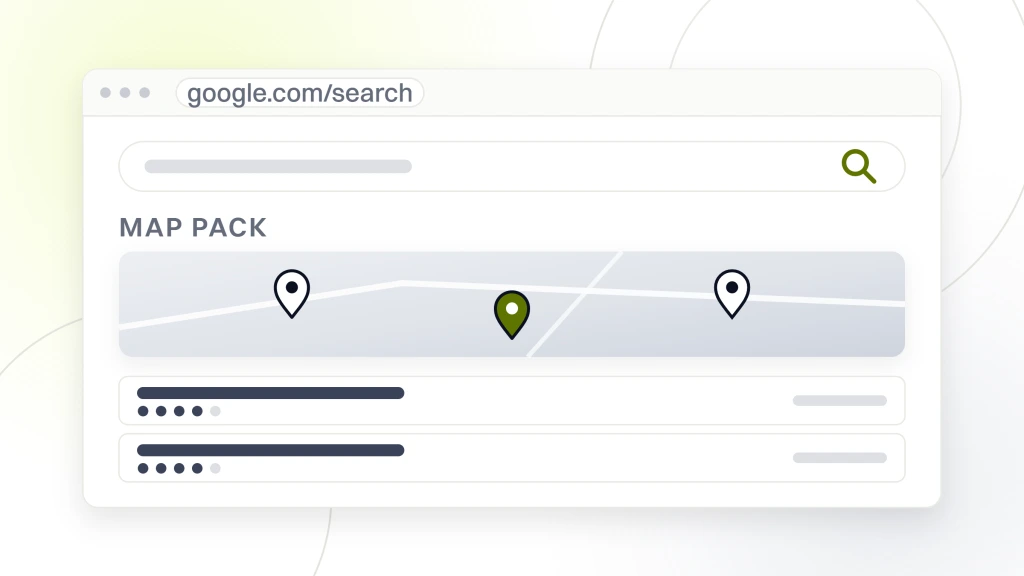
6 more items complete the profile. Service area set to the actual neighborhoods the sitter covers, not the whole metro. Booking link pointing to the site booking form, not the Rover profile. Weekly Google posts on availability windows, holiday booking cutoffs, and new sitter additions. Q and A section populated with the top 5 questions clients ask before booking. A review flow that asks every completed booking for a Google review inside 72 hours of the last visit. Attributes filled for pet type, insurance, background check, and certification credentials.
Booking link is the item most pet sitters get wrong. A booking link that lands on the Rover profile hands 20 to 30% of every booking to Rover for the life of that client. A booking link that lands on the sitter’s own site keeps the booking direct and grows the client list at zero take rate. Read the Google Business Profile setup guide for the current field guidance every pet sitting business needs to hit.
Review flow that beats every pet sitter competitor
Review flow that beats every pet sitter competitor turns Google reviews into the tie breaker on the map pack for every local query. 5 moves anchor the review flow. Ask every completed booking for a Google review inside 72 hours of the last visit. Text the review link, don’t email it, since pet sitter clients respond to text at 4x the rate of email. Include a photo of the pet from the sitting window in the text so the client is reminded of the trust the sitter earned. Set the target at a 50% review capture rate on completed bookings. Reply to every review inside 24 hours to signal an active profile to Google.
Reviews are the single biggest ranking factor on the map pack for pet sitting. A pet sitter with 100+ reviews at 4.8 stars or higher beats a pet sitter with 30 reviews at 5 stars every time on the pet sitter near me query. The tie breaker isn’t the star rating alone. It’s review recency plus review count plus review response rate all together. Ignore any 1 factor and the map pack slot goes to the competitor running the full stack. Read the pet products marketing hub for the retainer scope pricing.
Negative reviews happen. Reply to every negative review inside 24 hours with a professional response that acknowledges the concern and offers to resolve it offline. The response isn’t for the reviewer. It’s for the next 50 potential clients who read the profile and see the sitter handles problems like a pro. Skip the response and the negative review costs the sitter 30 to 50% of the click through rate on the profile until the review rolls off the visible window. The wider take on getting more pet sitting clients lives in our pet industry SEO company hub.
Site pattern for SEO for pet sitters
The site pattern carries 6 pages every pet sitting business needs live on day 30 of the retainer. Homepage with the primary service, the trade area, and a booking CTA above the fold. Service pages 1 per service like drop in visits, overnight stays, dog walking, and specialty care. Location pages 1 per neighborhood the sitter covers with local landmarks and local pet friendly places named on the page. About page with the sitter bio, credentials, and real photos with client pets. Reviews page pulling in Google reviews via the API. Booking page with the calendar embedded directly.
Every page earns ranking authority for a different reason. The homepage ranks on brand and primary service plus city queries. Service pages rank on service type plus city queries. Location pages rank on service plus neighborhood queries. About page earns dwell time and click through on branded queries. Reviews page earns trust and cuts bounce rate on service page traffic. Booking page closes the sale on qualified traffic ready to book today.
Schema markup carries the last mile on every page. LocalBusiness schema on the homepage and location pages. Service schema on service pages. FAQ schema on the top 3 FAQ questions on every page. Review aggregate schema on the reviews page pulling star rating and count from Google. Skip the schema and ranking suffers on every commercial page inside a quarter of the launch. Read the Google local business schema documentation for the current field requirements.
Content that supports SEO for pet sitters
The content stack covers 3 types. Neighborhood guides on pet friendly places in every trade area the sitter covers. Pet care guides on topics like preparing your pet for a sitter, medication administration, and separation anxiety. Seasonal guides on holiday travel, summer trips, and last minute booking windows. Every piece maps to a commercial keyword cluster the sitter already books against, not to a blog for the blog’s sake.
The publishing cadence to hit is 2 to 4 pieces per month. 1 neighborhood guide per month rotating across the trade area. 1 pet care guide per month on a top question clients ask before booking. 0 to 2 seasonal guides depending on the upcoming vacation window. That cadence adds 25 to 50 indexed pages per year and grows non brand organic traffic 30 to 60% over a full year of steady publishing on a solo sitter or small agency site.
Every piece links internally to the service page or location page it supports. Every piece carries schema for Article and where relevant FAQ. Every piece gets refreshed at 6 months and again at 18 months to hold ranking against new competition entering the trade area. Skip the internal linking and the piece ranks for its own long tail but doesn’t pass authority to the commercial pages that book clients. See the pet shop marketing playbook for the sibling local content pattern that pairs with pet sitter sites.
Link building tactics for a pet sitter site
Link building tactics for a pet sitter site rely on the local pet community, not on generic outreach templates pet directories ignore. 6 tactics carry the load. Local shelter and rescue partnerships that link back from the resource page. Veterinarian partnerships and reference listings from local clinics. Local pet supply store cross promotion with reciprocal links on the community page. Chamber of commerce and local business association member listings. Guest posts on local lifestyle sites covering pet friendly things to do in the area. Sponsorship listings from local pet events and adoption drives.
2 more tactics complete the load. Directory placement on the National Association of Professional Pet Sitters and Pet Sitters International member listings for the credential signal. Broken link building on veterinary resource pages that link to pet care topics. Every tactic runs on a monthly cadence with a target of 3 to 6 editorial links per month on a solo sitter and 6 to 12 links per month on a multi sitter agency.
Local links matter more than domain rating on a pet sitter site. A link from a local vet clinic domain with a domain rating of 20 carries more ranking weight for local queries than a link from a national pet publication with a domain rating of 70. Topical and geographic relevance beat raw authority every time on local map pack rankings. Track local link growth as a separate metric from total link growth and target 10 to 15 local links per year at minimum. See the pet products SEO services page for the vertical link building scope.
Timeline and budget for SEO for pet sitters
The timeline follows a predictable curve. Month 1 is the Google Business Profile audit, keyword map, and site pattern build if the site doesn’t have the 6 page structure yet. Months 2 through 4 are the review flow ramp, content build on neighborhood and pet care guides, and local link acquisition. Months 5 through 8 are ranking growth on the target local queries with review count and freshness compounding. Months 9 through 12 are dominant map pack presence across the trade area and steady direct bookings without paid ads carrying the load.
Budget ranges track business stage and trade area size. A solo pet sitter runs $999/mo on the foundation tier. A growth tier solo sitter or 2 sitter operation runs $1,499/mo. A multi sitter agency in one metro runs $2,499/mo on the scale tier. A multi metro pet sitting franchise starts at $4,500/mo per market on the enterprise tier. Ad spend on Google Ads or Meta bills separately from the SEO retainer. Pet sitters who try to save money by running SEO out of a spreadsheet on Sunday nights end up paying an agency $2,499 a month a year later after the neighbor down the street bought a real site and took every top ranking query in the trade area.
Sister guides worth reading if you run adjacent services: SEO for pet groomers covers grooming keyword maps, and PPC for pet grooming covers paid ads for salon calendars.
The table below breaks down what falls inside each program band. These are field averages across pet sitting businesses Redefine Web has run SEO for over the last 4 years, not a theoretical model. Every scope line is what the retainer buys, not what an add on later might cover.
| Business stage | Monthly cost | Content cadence | Link goal | Focus |
|---|---|---|---|---|
| Solo pet sitter (foundation) | $999/mo | 2 to 3 posts | 2 to 4 links | Map pack + reviews |
| Solo sitter (growth) | $1,499/mo | 3 to 5 posts | 4 to 8 links | Neighborhood pages |
| Multi sitter agency (scale) | $2,499/mo | 5 to 8 posts | 8 to 12 links | Programmatic + PR |
| Multi metro / enterprise chain | Starts at $4,500/mo | 8 to 15 posts | 12 to 20 links | Full stack coverage |
How Mission Pet Health maps to pet sitter SEO
Mission Pet Health is a case study transfer to pet sitter SEO since both categories share a local booking motion. Mission Pet Health is a vet owned network of 400+ animal hospitals nationwide. The engagement replaced fragmented paid media with a scalable, ROAS aligned framework and delivered 54% year over year lead growth, 74% over the 12 month ROAS goal, and an 11% efficiency gain at scale. Pet owners search local queries, land on a service page, and book on trust signals earned through reviews and credential display across those 400+ veterinary locations.
Every play in that engagement applies to a pet sitter site running a similar local motion. Build a location page per neighborhood in the trade area. Populate each page with local landmarks, local pet friendly places, and the specific service coverage in that area. Wire schema markup so Google reads the location page as a legitimate service in that neighborhood. Grow the review count on each Google Business Profile with a text based review flow inside 72 hours of the last visit.
The transfer point for pet sitting is the review recency signal. Mission Pet Health earned reviews at scale by asking every patient owner inside 24 hours of the visit. A pet sitter earns reviews at scale by asking every client inside 72 hours of the last visit. The mechanic is the same. The timing is different since a pet sitter visit sequence closes a week later than a vet visit. Recency compounds faster than any other trust signal on the local map pack, and every review earned in the last 30 days carries roughly 2x the ranking weight of a review earned 6 months ago on the same profile.
What a pet retail transfer looks like on a sitter site
Pet Shop · Independent Retail · UK offers a second useful transfer point. A long standing independent UK pet shop was losing ground to chains and online marketplaces. Redefine Web rebuilt the site mobile first around local conversion, tuned the Google Business Profile, and ran a daily Instagram plus Facebook content cadence. The result lifted calls, click and collect orders, and Saturday footfall in a single quarter. The transfer to pet sitting is the mobile first site rebuild plus the daily social cadence layered under the SEO base.
A pet sitter site follows the same shape. Mobile first design since 78% of pet sitting client searches happen on phones during travel planning. A daily social cadence on Instagram and Facebook that surfaces recent visits, client pets, and neighborhood coverage. The social channels don’t rank on Google directly, yet they warm the buyer before the first booking call and cut the trust gap between the sitter and the marketplace platforms. Pair the social cadence with the SEO stack and the direct booking rate climbs 20 to 30% in the first 2 quarters.
5 numbers to track when SEO for pet sitters is running
Track 5 numbers monthly on the retainer. Google Business Profile impressions and actions per service area. Site organic sessions on the local commercial keyword set. Google review count and average star rating month over month. Direct booking form fills or calls on the site. Repeat booking rate on clients acquired from organic traffic. Everything else rolls into those 5, and every 1 ties directly to bookings on the calendar or repeat clients on the roster.
Attach a real dollar value to each. Every Google Business Profile action carries a 2 to 5% booking rate on average across pet sitting trade areas Redefine Web has tracked. Every review earned grows the profile click through rate by a fraction of a percent that compounds across the whole review base. Every direct booking earned bypasses the Rover or Wag take rate and returns 20 to 30% more per booking to the sitter over the life of the client relationship.
Set the reporting cadence to monthly with a quarterly deep review. Monthly reports run 1 page with the 5 numbers month over month and the top 3 actions inside the retainer. Quarterly reports run 3 to 5 pages with the ranking wins, review growth, and priority list for the next quarter. Anything longer than that turns the retainer into a communication problem instead of a growth engine on a small business calendar.
Pick the right SEO partner for your pet sitting business
The right SEO partner for a pet sitting business carries 3 signals that separate a real local vertical agency from a generic small business SEO shop. Named pet sitter or local pet vertical clients on the case study page, not generic small business clients. Content team writers who own pets and can write pet care guides without pulling every fact from a Google search. Local map pack experience on multi neighborhood service businesses, not just single storefront brands.
3 questions to ask any candidate agency before signing. What’s the review count growth story on a named pet sitter or local service client over a 6 month engagement. What’s the neighborhood page pattern the agency runs to rank on service plus neighborhood queries. What’s the direct booking conversion move set the agency runs to shift bookings from Rover to the site. If the agency has to look up the answers, the agency doesn’t run the vertical at scale.
Where to start this week depends on the current state. If the sitter runs no SEO today, start with a Google Business Profile audit and a keyword map before any site work begins. If the sitter runs a site but the map pack is invisible, start with the review flow ramp on the profile. If the sitter runs the profile well but the site has no location pages, start with the neighborhood page build. Read the Pet Sitters International resources for the credential reference material every pet sitter needs to display on the site.
Book more bonded clients with SEO for pet sitters
The stack is small and runs every month without exception. Google Business Profile optimization. Site pattern with location pages. Review flow at scale. Content that supports the commercial pages. Local link acquisition. Mission Pet Health grew local presence across 400+ locations, and the same shape holds for a pet sitter working 3 neighborhoods. A pet sitter can hit the same math once the retainer runs every month, not in seasonal bursts around holiday travel. Start with the foundation tier at $999/mo, prove the map pack ranking in 90 days, and scale the retainer as the client roster grows.