
You’re staring at a spreadsheet where shampoo repeats at 62% but the brush attach rate sits at 8%. The pet grooming products market pays anyone who can move that attach rate two points on a subscription base. That’s the whole game right now. Not a bigger ad budget. Not a new TikTok creator. A tighter category ladder inside the box that turns a shampoo buyer into a brush-plus-comb buyer by the third order. You already know the founder pitch. Better ingredients, cleaner label, safer for the coat. What you probably don’t have is the retention math per SKU on a 60-day refill cadence. This guide is the retention math, the channel split between DTC subscription and Amazon and pro salon supply, and the exact SKUs that pull weight in each channel. Read it before the next quarterly board deck. About 12 minutes end to end.
Every recommendation below comes from real DTC pet grooming accounts we’ve run in 2024 and 2025, plus category data from APPA and Packaged Facts. No pep talk. No aspirational category size number that goes nowhere.
Brushes, deshedding tools, and nail care in the pet grooming products market
Tools are 27% of the pet grooming category and the segment DTC brands most often underweight. The reason is the low refill cadence spooks Recharge-first founders. But tools carry higher perceived value, higher attach rate to shampoo starters, and the strongest gift-purchase signal in the whole category.
The four tool SKUs every brand needs
- Slicker brush. Universal, works on 80% of coat types, $18 to $34 retail. Anchor of the tool line.
- Deshedding tool. Pulls the Furminator search intent, $28 to $58. Highest attach rate to double-coat shampoo.
- Steel comb (two-density). Pro-signal SKU, $14 to $22. Low-cost bundle filler.
- Nail clipper plus quick-stop powder. Safety story, $24 to $38. Highest gift-purchase rate.
- Nail dremel. Premium DIY entry, $58 to $112. Best repeat when paired with replacement sanding drums.
Bundle math that works
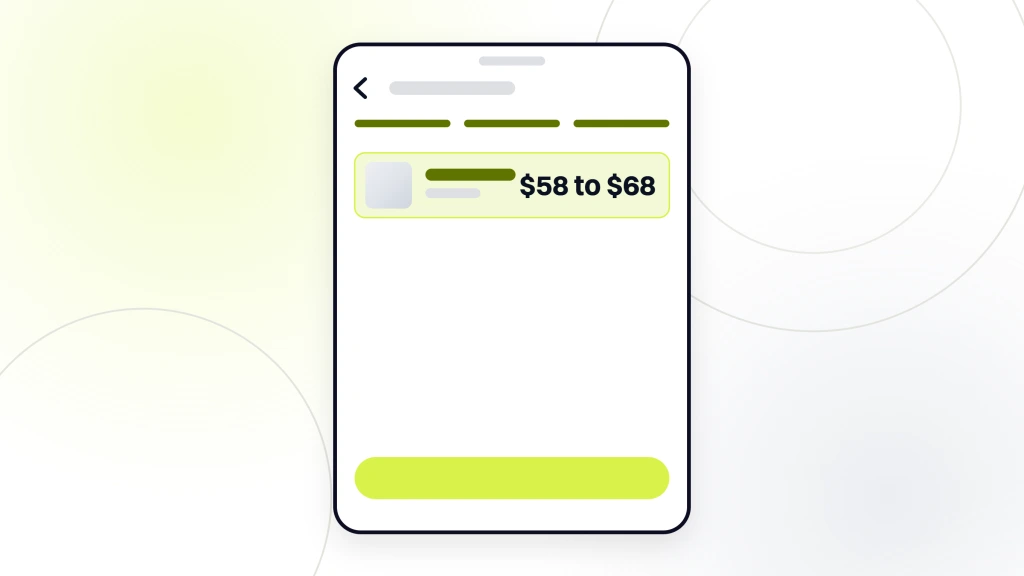
Bundles inside the pet grooming category run 30% to 40% higher average order value than singles and 22% to 28% higher lifetime value on the paid-first customer. The best-performing bundle across the accounts we ran in 2024 was coat-type shampoo plus conditioner plus slicker brush plus signature travel wipes at $58 to $68 depending on coat. That bundle sits in the acquisition-offer position on the homepage, funnels every paid ad, and becomes the customer’s mental model of the brand. Subscribe-and-save on the shampoo half. One-time on the brush half. The Recharge or Skio cadence runs per SKU, not per box.
Clippers, trimmers, and pro salon supply
Pro salon supply is a different pet grooming products market. B2B economics, not DTC. Andis and Wahl own the pro shelf with 40-year salon relationships and blade compatibility that locks in the buying decision. For a DTC brand, the pro salon channel is a long-term flanker, not a launch play. If you’re already selling into salons, the play is deepening the wallet share, not stealing new accounts.
The pro salon buying pattern
A three-station salon spends $340 to $580 per month on consumables (shampoo, conditioner, ear cleaner, deshedding solution) and $1,200 to $2,400 per year on tool replacement (blades, guards, dremel drums, comb sets). Clippers themselves get replaced every 30 to 60 months per station. The purchase cycle runs on a distributor relationship (Ryan’s Pet Supplies, Pet Edge, GroomSmart), not direct DTC. Brands that want the pro channel earn it by underwriting a groomer education program, not by running Meta ads at professional groomers.
Premium DIY, the crossover play
The interesting middle segment is premium DIY. Pet parents who buy a $180 clipper set to trim between salon appointments. This buyer converts on YouTube tutorials plus long-form product pages, not Meta interruption ads. The average order value runs $145 to $240, replacement cycle 24 to 48 months, and blade refill attach at 34%. The DTC brand that owns this shelf earns it with a 12-video how-to library and a paid-search play on “how to trim a doodle at home” and “quiet dog clippers.”
How the pet grooming products market splits between Amazon and Shopify
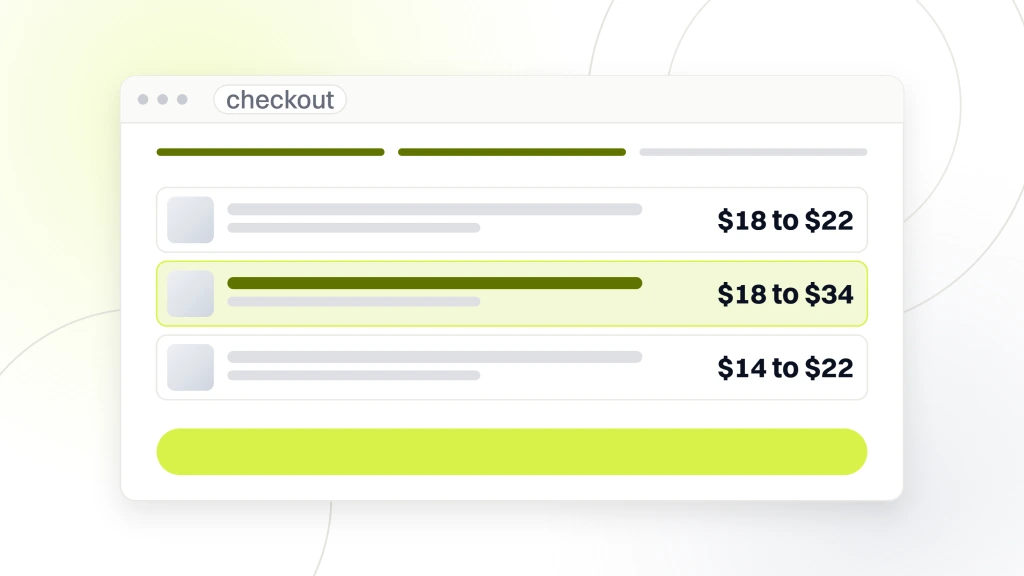
Amazon takes about 41% of DTC pet grooming category unit volume, Shopify DTC another 32%, Chewy 14%, big-box (PetSmart, Petco, Target) 8%, and pro distributors the rest. You have to be on Amazon and Shopify at once, but the SKU strategy differs on each. That’s the single most-broken piece of the launch playbook we see when auditing new brands.
Amazon SKU strategy
Amazon rewards single-SKU hero products with high review velocity. Lead with the shampoo hero (8oz size, single coat type, price-anchored at $18 to $22) and let the Amazon algorithm compound reviews. Bundles die on Amazon and confuse the Voice of Customer signal there. Push the customer to Subscribe and Save on the shampoo, then use the Brand Store to introduce brushes and wipes as add-ons. Amazon Ads spend runs 8% to 12% of Amazon revenue at a target return of 3.5 to 4.2.
Shopify DTC SKU strategy
Shopify DTC rewards bundles for one reason. The average order value math is different from Amazon. On Amazon a $22 shampoo is a healthy cart size. On Shopify a $22 shampoo is a losing paid-social ratio. Lead with the coat-type bundle at $58, let subscribe-and-save carry the shampoo half, and hand off the brush half to a one-time attach. The Shopify assortment can run 4x bigger than the Amazon assortment. On-site category browsing behavior is more forgiving. Amazon punishes SKU sprawl. Shopify rewards it.
Paid media for pet grooming products market brands
Paid media inside the pet grooming products market splits three ways. Meta for visual bundle discovery. Google for coat-type intent. TikTok for the demo video. Every DTC brand we’ve run past $5M in year-two revenue runs all three at once. Skipping TikTok in 2026 in pet is choosing to lose to Bark and Native Pet, who don’t skip it. Our broader read on the pet product marketing agency playbook covers the media mix for DTC and treat brands together.
Meta creative angles that work
Three angles work across the pet grooming Meta shelf. Coat-type problem-first (“if your doodle has this coat, use this shampoo”). Founder-story social proof (“we made this after our own bulldog kept breaking out”). And UGC before-after (customer video, dog visibly cleaner and softer, 15-second cut). Rotate the three every 21 days. Refresh with 6 to 8 new creative concepts monthly.
Google and TikTok distribution
Google Ads in this category runs on coat-type intent (“doodle shampoo,” “bulldog wrinkle wipes,” “cat deshedding brush”) plus branded defense against Amazon and Chewy. Shopping campaigns pull the workhorse volume. Search campaigns pull the higher-intent buyer at 3x the conversion rate. TikTok runs 15-second demo videos on organic first, then boosts the winners. TikTok Shop integration is now a real channel for the category, and above all on brushes and deshedding tools where the demo is the sell.
Content and SEO for pet grooming products market brands
Organic search inside the pet grooming category pulls the highest-margin traffic. The buying-intent keywords are specific and non-branded competitors haven’t invested in content depth. A category page for “best shampoo for doodles” earns 4x the conversion rate of a Meta ad click at one-eighth the cost per acquisition. That’s the shape of the opportunity. Practically nobody serious is doing it well yet. A specialist pet industry seo company is the fastest path into the shelf if your team has never done ecommerce SEO before.
Coat-type landing page structure
Every coat type gets a landing page. Doodle grooming, husky deshedding, bulldog wrinkle care, cat grooming, senior dog coat care. The page ranks for the intent, sells the SKU, and links to a companion education blog post that answers the how-to. Product page plus companion content is the pattern Ahrefs recommends for ecommerce SEO. Brands with 12+ coat-type landing pages plus companion content earn 60% to 80% of their organic traffic from non-branded keywords by month 18.
Buying-guide content that converts
The buying guides that convert in pet grooming are the ones that walk a specific decision. “Slicker brush vs pin brush for a doodle.” “How often to bathe a bulldog.” “Nail dremel vs clipper.” Each one runs 1,800 to 2,600 words, ends on a recommended SKU inside the brand catalog, and pulls 8% to 14% conversion rate at 60 days on-site. The mistake most founders make is writing generic “top 10” listicles that rank slower and convert worse than the specific comparison page.
Retention flows for pet grooming products market DTC brands
Retention inside the pet grooming subscription model works when the flows are per-SKU per-cadence, not one-size-fits-all. Klaviyo plus Recharge is the standard stack. Every 30% of your customers who churn in month two do it for one reason. The second box arrived with a brush they didn’t need. Fix the per-SKU cadence and you keep them past month three, which is where lifetime value compounds. The wider pet products marketing hub covers the shared retention infrastructure across the whole pet vertical.
Six flows every pet grooming brand needs
- Welcome series (5 emails, day 0 to day 21, teaches coat-type care)
- Post-purchase for starter kit buyers (day 3, day 10, day 30 with brush how-to video)
- Refill reminder for shampoo subscribers (10 days before next charge, edit-order CTA)
- Winback for churned subscribers (day 45 post-cancel, one-time reactivation offer)
- Cross-sell from shampoo-only to bundle buyers (day 60, based on category browsing)
- Gift purchase flow for the November plus December window (starts October 15)
Numbers a real flow set moves
A well-tuned Klaviyo flow set on a pet grooming DTC brand contributes 32% to 41% of total revenue by month 12. On the account we ran through 2024, the flow revenue contribution hit 38.5% by December. The refill reminder alone pulled 11.2% of monthly revenue with a $0 acquisition cost. That’s the math that makes DTC pet grooming work at scale. Skip the flows and you’re paying acquisition costs every time to keep the same customer.
Pet grooming products market brand groups and channel mix
The category brand set sorts into four groups. Legacy mass (Hartz, Sergeant’s, Fresh Step). Pro-heritage (Andis, Wahl, Oster, Furminator). Premium DTC (Native Pet, Bark, Wild One, Earth Rated). And salon-forward (John Paul Pet, Bio-Groom). Each competes in a different channel and each buys media differently. Model the competitive set correctly and the paid strategy writes itself.
| Brand type | Primary channel | AOV range | Repeat pattern | Paid mix |
|---|---|---|---|---|
| Legacy mass | Big-box retail | $8 to $18 | Category refill | Shopper marketing, coupon |
| Pro-heritage tools | Pro distributor + Amazon | $45 to $220 | Blade / drum refill | Amazon Ads, YouTube demo |
| Premium DTC | Shopify + Amazon | $48 to $78 | Subscription refill | Meta, Google, TikTok |
| Salon-forward | Pro distributor + salon direct | $28 to $58 | Salon consumables | Trade + groomer education |
| Bundled starter kit brands | Shopify + Amazon | $58 to $118 | Kit-refill hybrid | Meta, TikTok, influencer |
Pick your bucket. Then buy media the way that bucket buys media. Premium DTC brands trying to buy media like legacy mass end up with paid social returns under 1.5 and a starving Klaviyo flow set. Legacy mass brands trying to buy media like premium DTC end up spending three-year budgets in six months and discovering the retail buyer never came online in the first place. The salon-forward bucket is worth its own note. Brands there almost never win on Meta. The professional groomer isn’t sitting on Instagram waiting for a shampoo ad. They win with trade advertising in Groomer to Groomer magazine, groomer conference sponsorships (Groom Expo, Atlanta Pet Fair), and direct salon sampling programs. Trying to bolt Meta ads onto a salon-forward brand burns $30K to $50K per quarter with almost nothing to show.
Common launch mistakes in the pet grooming products market
Every pet grooming founder pitch we’ve read in the last three years opens with the same slide. The total addressable market number. $8.4B and growing. Nobody has ever bought a shampoo since a founder had a bigger addressable market number. The market size is background. What matters is the SKU ladder, the retention math, and the channel split. Founders who lead with the TAM slide usually skip the retention math slide, which is the one investors actually read.
Five mistakes we see quarterly
- Single-SKU launch. Shampoo only, no brush or wipes attach, average order value stuck at $22.
- Blanket 30-day subscription cadence. Torches retention on brushes and dremels.
- Amazon and Shopify running the same assortment. Kills margins on both channels.
- No coat-type merchandising. Doodle owner and bulldog owner see the same shampoo shelf.
- Ignoring TikTok organic. Leaves 20% to 30% of category discovery on the table for a competitor.
What to fix first
The order of operations on a stuck pet grooming brand is always the same. Fix the SKU ladder first (add the bundle, add the brush attach). Fix the per-SKU cadence second (Recharge or Skio). Fix the Klaviyo flow set third (welcome, refill reminder, winback at minimum). Then and only then do you touch the paid media. Founders skip to paid since paid feels like the growth lever. Paid poured into a broken retention model just accelerates the churn.
An adjacent pet retail case study that proves the on-page work
Our Pet Shop · Puppies + Grooming · Singapore engagement is the closest published pet-industry proof point to a pet grooming DTC build. The client came to us with a plateaued organic profile. The main commercial keyword had slipped from page 1 to page 3, and monthly organic traffic sat at 480 visitors. Our team ran a scientific on-page audit, rewrote every category page against real search intent, restructured internal links so the money pages sat two clicks from the homepage, and rebuilt the metadata to match the coat-type queries people actually typed. Four months later organic traffic hit 2,400 monthly visitors, a clean 5x recovery. The main commercial keyword climbed back to the middle of page 1 with momentum toward the top three positions, and the full recovery was delivered inside a $500 per month engagement.
The transfer to a pet grooming products market DTC account
The Singapore pattern transfers directly to a DTC grooming account. Coat-type landing pages are the money pages. Internal linking to move ranking equity is the on-page lever most DTC brands never touch. Metadata rewritten around real coat-type queries is the SEO win most founders skip. They still think shampoo is a paid-only category. The 5x organic recovery inside four months for a $500 per month engagement is the proof that scientific on-page work outperforms scale spend when the fundamentals were skipped at launch. Do that first, then layer paid.
What we would change for a DTC pet grooming account
The one variable we’d adjust for a pet grooming DTC account is the creative refresh cadence. A retail pet shop can run a hero creative for eight to twelve weeks before fatigue hits. A pet grooming DTC brand starts fatiguing paid social at three weeks. Layer a six-to-eight-concept-per-month creative pipeline on top of the Singapore on-page playbook and you have the growth stack.
Where a pet grooming products market brand needs agency support
Pet grooming brands under $2M revenue rarely justify a full-time paid media hire (fully-loaded cost $95K to $145K plus tools). They justify an agency retainer that covers paid media plus Klaviyo flows plus category page SEO. Brands between $2M and $12M usually run a hybrid. In-house growth lead plus specialist agency for either paid media, SEO, or lifecycle. Brands above $12M start pulling paid media in-house and keep SEO plus creative production agency-side.
What to look for in a pet grooming agency partner
The pet grooming category has enough specialization that a generalist ecommerce agency will miss the coat-type merchandising and the per-SKU cadence. You want a partner who’s run pet DTC before, ideally on multiple SKUs across shampoo, brushes, and wipes. You want them to hand you a per-SKU retention model at kickoff. And you want a paid media contract with margin-aware return-on-ad-spend targets, not blanket 3.0 targets that break as the SKU mix shifts. Reference contracts, not portfolio decks. Ask for the last three DTC pet accounts they’ve retained past 12 months and the acquisition cost math on each.
Where our team fits
Our team runs pet grooming products market accounts on SEO and PPC retainers priced at $999, $1,499, $2,499, and from $4,500 per month, with 6-month contracts as standard. Ad spend is billed separately. The retainer covers paid media on Meta plus Google, Klaviyo flow builds, and category-page SEO. Brands ready to layer TikTok organic plus TikTok Shop typically graduate to a higher tier after the first quarter. You can read the specific scope on our pet products marketing retainer page.
Pet grooming products market outlook through 2028
Pet grooming products market forecasts through 2028 hold at 6.5% to 7.2% CAGR globally with three specific shifts. Premium DTC keeps taking share from legacy mass (probably reaching 24% of the shampoo shelf by 2028, up from 14% in 2024). Amazon consolidates the sub-$28 tool segment. Pro salon supply keeps steady on its own trajectory. TikTok Shop becomes a real third pillar for demo-heavy SKUs (brushes, dremels, deshedding tools).
Categories to watch
Watch cat grooming (currently 18% of category revenue, growing 8.4% annually, historically underserved by DTC). Watch senior dog coat care (aging pet population, emerging premium shelf, 12% CAGR). Watch waterless and rinse-free wipes (46% CAGR out of a small base, driven by travel and apartment-living pet owners). Watch dental grooming crossover SKUs (toothpaste plus water additives, growing 9% annually, high refill cadence). These are the four sub-shelves where a new DTC pet grooming brand can still take shelf in 2026 without punching legacy incumbents in the face.
Launch a pet grooming products market brand in 2026
If our team were building a new pet grooming products market DTC brand in 2026, the playbook is direct. Pick a coat-type niche (doodles or cats). Launch with a four-SKU starter kit at $58 to $68. Run Meta plus Google plus TikTok Shop from day one. Build a per-SKU Recharge cadence. Hire an SEO partner for coat-type landing pages by month three. Target $2M revenue by month 18. The math works if the SKU ladder holds. It falls apart if founder-ego demands 30 SKUs at launch instead of four SKUs at the acquisition offer. For readers wanting the wider category math, our related read on pet products market size and category growth analysis covers it in full.
The pet grooming products market rewards operators who model the segments separately, ladder the SKUs correctly, and let per-SKU cadence do the retention work. That’s the whole playbook.