PPC for food and beverage manufacturers plays a different game than direct-to-consumer brand PPC. The click isn’t from a shopper looking at a $28 six-pack of cold brew on Instagram. It’s from a procurement lead at a mid-market CPG brand searching for “organic cold brew co-packer California” on Google at 2 pm on a Wednesday. The intent is transactional and B2B. The conversion path runs through an RFP form, not an add-to-cart button. The keywords are narrower, the click cost runs $8 to $32 on Google Search versus $1.20 to $4.80 on DTC, and the return on ad spend shows up in signed contracts, not first-order revenue. The economic model runs differently end to end, and the media plan you brief a category specialist on looks nothing like the media plan a DTC agency would draft.
You get the campaign structure for PPC for food and beverage manufacturers across Google Ads and LinkedIn Ads, keyword mapping by intent category, RFP landing page patterns that convert procurement buyers, retainer bands from $499 to $3,500 per month, a case teardown from Ibemploy on the operational pattern, side-by-side notes from Poly Processing, Automation Anywhere, Vejrø Resort, Custimy, and BSH Hausgeräte on how B2B and CPG-adjacent brands scaled paid channels, and a FAQ that answers what plant operations leaders ask on a first call. Read straight through in twelve minutes and you’ll know how to brief a PPC engagement for a food manufacturer or a beverage co-packer without getting sold a DTC playbook that doesn’t fit the buyer.
Redefine Web runs the same shape of program across food and beverage manufacturers, contract packagers, and ingredient suppliers. The screening call runs 30 minutes and covers the six questions in section 8. See our services overview for how PPC pairs with SEO and marketing on manufacturing accounts, or book a strategy call to talk through your keyword map before you commit budget.
Campaign structure for PPC for food and beverage manufacturers
Campaign structure for PPC for food and beverage manufacturers segments Google Ads and LinkedIn Ads by intent category and by capability. Google Ads Search campaigns run six ad groups minimum. Co-packer by product category. Private label by SKU type. Ingredient supplier by product. Contract manufacturing by capability. Facility certification by certification type. And equipment or process by capability. Each ad group has 8 to 15 exact-match and phrase-match keywords tied to that intent. LinkedIn Ads run in parallel with account-based targeting on procurement titles at mid-market CPG brands. Facebook and Instagram Ads rarely fit B2B food and beverage manufacturer PPC because procurement buyers don’t research on social.
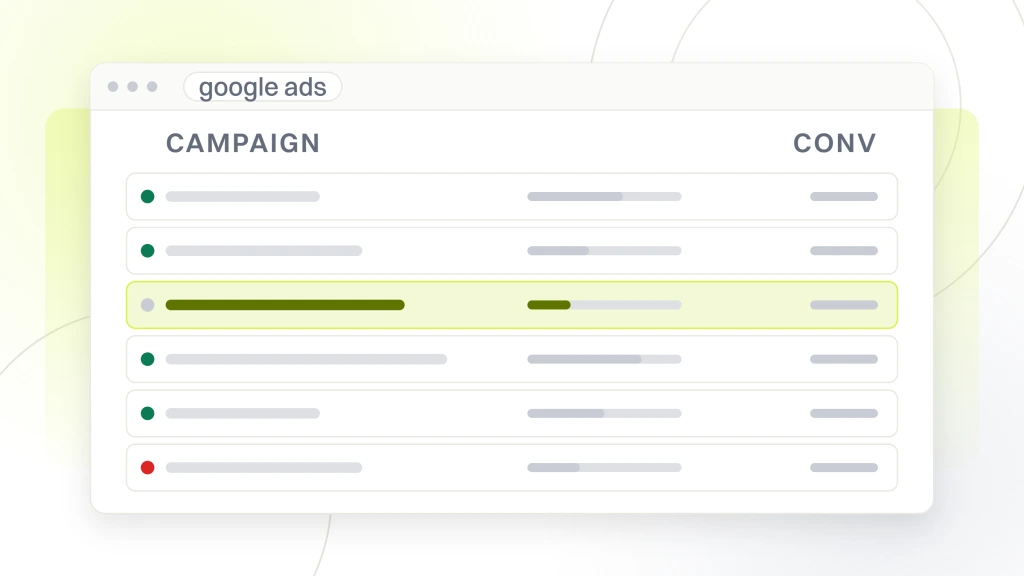
Ad copy per ad group speaks to the specific query intent. “Organic cold brew co-packer” ads name certification and capacity in the first line. “Private label hot sauce manufacturer” ads name minimum order quantity and formulation flexibility. “Ingredient supplier bulk cocoa nibs” ads name sourcing origin and lead time. Generic “food co-packer” ads waste budget because the query is too broad for the ad group to convert. PPC for food and beverage manufacturers cuts generic keywords out of the campaigns and focuses spend on category-plus-attribute queries. Ad relevance stays high and quality score compounds click cost savings across the quarter.
Google Ads Search structure
Google Ads Search structure for PPC for food and beverage manufacturers uses a single-keyword-per-ad-group (SKAG) or tight-theme-ad-group (STAG) approach. SKAG works for high-volume commercial queries where one keyword drives enough clicks to justify a dedicated ad group. STAG works for lower-volume queries where 4 to 8 tightly themed keywords share an ad group. Both approaches keep ad copy tightly matched to the query, which grows quality score and cuts click cost 20 to 40 percent versus loosely organized campaigns. See the Google Ads quality score documentation for the underlying scoring framework the platform uses to price your clicks.
LinkedIn Ads for procurement targeting
LinkedIn Ads for PPC for food and beverage manufacturers targets procurement leads, VP supply chain, and director of operations at mid-market CPG brands. Account-based targeting on named target accounts beats broad job-title targeting on LinkedIn. Ad formats that work are Single Image Ads featuring a facility photo or capability breakdown, Message Ads for direct outreach with a soft ask like “grab our capability sheet,” and Sponsored InMail for warm outreach on qualified accounts. LinkedIn click cost runs $18 to $46 per click on manufacturing PPC, which sounds expensive until you calculate contract value per click. Automation Anywhere ran the same account-based play in enterprise SaaS and cut cost per lead from $1,936 to $63, a 97 percent drop over two years, by matching offer to named accounts instead of broad job titles.
Keyword mapping for food and beverage manufacturer PPC
Keyword mapping for a ppc for food and beverage manufacturers program organizes queries into commercial-intent buckets. Bucket one is co-packer queries by product category and certification, like “organic cold brew co-packer California” or “SQF Level 2 snack co-packer.” Bucket two is private label queries by SKU type, like “private label hot sauce manufacturer MOQ 5000” or “private label coffee roaster small batch.” Bucket three is contract manufacturing by capability, like “contract beverage manufacturer HTST” or “contract snack packaging retail-ready.” Bucket four is ingredient supplier queries, like “organic cocoa nibs bulk” or “gluten-free oat flour wholesale.” Bucket five is process or equipment queries, like “HTST pasteurization co-packer” or “kettle cooking beverage co-packer.”
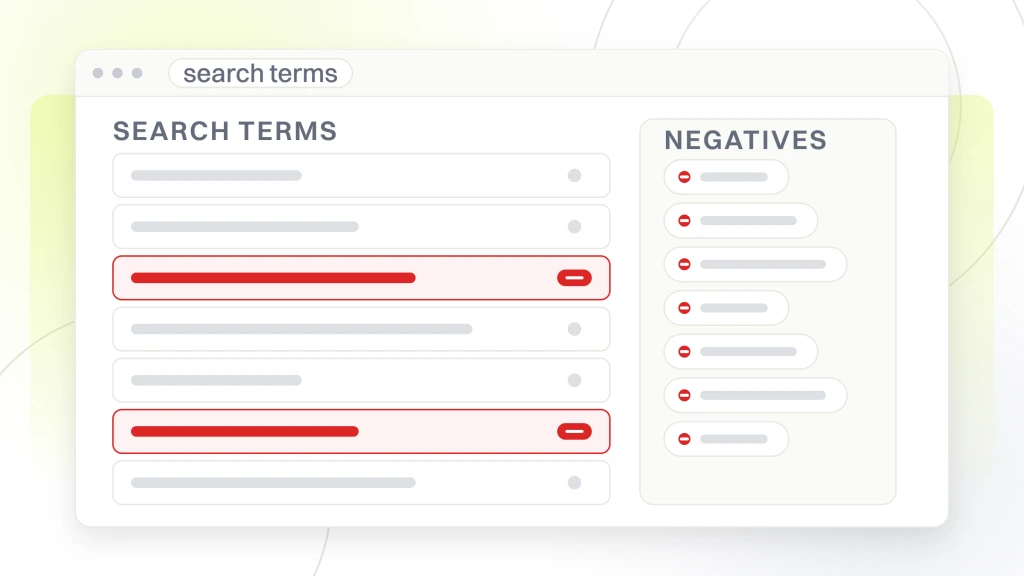
Match type strategy matters as much as keyword selection. Exact match captures the highest-intent, lowest-volume queries with the tightest ad relevance. Phrase match captures modifier variations without opening the query to loosely related searches. Broad match modifier with tight negatives catches long-tail queries the food manufacturer ppc team can’t predict up front. Ppc for food and beverage manufacturers uses all three match types with a heavy tilt toward exact and phrase, running 80 percent of budget through those two match types. Broad match without negative keyword hygiene burns budget on DTC brand queries and consumer searches that never convert to B2B RFPs.
| Keyword bucket | Intent | Typical click cost | RFP conversion rate |
|---|---|---|---|
| Co-packer + category | Direct RFP | $14 to $32 | 6 to 12 percent |
| Private label + MOQ | Direct RFP | $12 to $28 | 8 to 14 percent |
| Contract manufacturing | Direct RFP | $10 to $24 | 5 to 10 percent |
| Ingredient supplier | Direct RFP | $8 to $18 | 4 to 8 percent |
| Process + equipment | Research phase | $6 to $14 | 2 to 5 percent |
Negative keyword hygiene
Negative keyword hygiene protects budget on ppc for food and beverage manufacturers. DTC brand terms like “buy cold brew” and “where to buy hot sauce” burn budget with zero B2B conversion intent. Consumer research terms like “best cold brew brands” and “top hot sauces 2026” waste budget on non-purchasing intent. Employment terms like “food manufacturing jobs” and “co-packer jobs” drive job seekers to the RFP form. A ppc for food and beverage manufacturers team builds a 200-plus negative keyword list in the first two weeks and adds 20 to 40 negatives per month across the first six months. Ignoring negative keyword hygiene wastes 30 to 50 percent of ad spend inside the first quarter, and that waste never comes back.
Query mining for new keyword opportunities
Query mining catches new keyword opportunities from actual search terms triggering the campaigns. Weekly search term reports in Google Ads reveal queries the campaigns matched that weren’t in the keyword list. High-intent queries with clicks and conversions get promoted to exact match in their own ad group. Low-intent queries or brand terms get added to negatives. Any ppc for food and beverage manufacturers program runs query mining as a weekly ritual, not a monthly review. Weekly cadence catches opportunity and waste inside days, not weeks. Custimy ran the same weekly SEO plus paid keyword mining discipline and ranked for 500 first-page keywords in a single 12-month arc.
RFP landing pages for PPC for food and beverage manufacturers
RFP landing pages for PPC for food and beverage manufacturers convert procurement buyers with specific content patterns. Above-the-fold headline that names the capability and certification. Sub-headline that names minimum order quantity and lead time. Trust row with certification badges (SQF, USDA Organic, Non-GMO Project). RFP form with 6 to 10 required fields covering product category, target launch, expected volume, packaging format, formulation status, and certification requirements. Case study excerpt below the form. Facility photo section. And FAQ block covering common procurement questions. Pages built this way convert cold Google Ads clicks at 6 to 12 percent. Pages that dump procurement buyers onto the homepage stall at 1 to 3 percent.
Ad group to landing page matching drives the single largest conversion gain in food and beverage rfp ads. An ad group targeting “organic cold brew co-packer California” needs a landing page dedicated to organic cold brew co-packing in California, not the generic co-packer services page. Ad-to-landing-page match rate at 100 percent converts 3 to 4 times better than 60 percent match. A well-run program builds a landing page per ad group inside the first 45 days. Manufacturers running PPC with a single landing page across all campaigns leave 60 to 75 percent of conversion revenue on the floor. Poly Processing, a polyethylene chemical tank maker, added an interactive tank configurator as a landing hook and hit 10x return on ad spend with a 90 percent drop in cost per lead over two years.
RFP form design that qualifies buyers
RFP form design qualifies procurement buyers before the sales call. Six required fields. Product category. Target launch date. Expected annual volume. Packaging format. Existing formulation status. Certification requirements. Two optional fields cover current co-packer situation and sourcing preferences. Skip name and title as required fields because buyers fill those in anyway, and don’t ask for company revenue because it reads intrusive too early. Long forms scare off tire-kickers and capture serious buyers. Short forms capture volume that wastes sales cycles. A good ppc for food and beverage manufacturers program tunes the form for procurement flow, not for maximum form starts.
Thank-you page and follow-up sequence
Thank-you page and follow-up sequence catches procurement buyers who submitted an RFP but haven’t yet heard back from sales. The thank-you page confirms next steps, like sales response inside X hours and follow-up call scheduled inside Y days. An automated email sequence sends a capability sheet, a case study, and a facility video across the first 72 hours post-submission. This keeps the buyer engaged during the sales team’s response window. Manufacturers that skip the follow-up sequence lose RFPs to competitors that respond faster with more content. Category specialists scope the follow-up sequence into the initial engagement, not as a later add.
Budget and click cost benchmarks
Budget benchmarks for ppc for food and beverage manufacturers depend on category and capability count. Small co-packer with two to three capability lines runs $2,400 to $6,000 monthly Google Ads spend plus $1,200 to $3,600 monthly LinkedIn Ads spend. Mid-market co-packer with five plus capability lines runs $6,000 to $18,000 monthly Google Ads spend plus $3,600 to $9,600 monthly LinkedIn Ads spend. Enterprise co-packer or contract manufacturer runs $18,000 to $60,000 monthly Google Ads spend plus $9,600 to $32,000 monthly LinkedIn Ads spend. Ad management fee runs 12 to 18 percent of ad spend on the retainer band with minimums.
Click cost benchmarks for the category run $8 to $32 per click on Google Ads Search depending on keyword bucket and geography. Co-packer plus certification queries run the highest at $14 to $32 CPC because the intent is strongest. Ingredient supplier queries run cheaper at $8 to $18 because the queries include research phase intent. LinkedIn Ads click cost runs $18 to $46 depending on account-based targeting depth. Total customer acquisition cost per closed contract lands at $2,400 to $14,000 on well-run campaigns. Contract value averages $180k to $840k, so the acquisition cost to contract value ratio stays healthy even at the higher acquisition cost bands. That math is why food manufacturer ppc pays back on the first contract close, not on click volume.
Ad spend to retainer ratio
Ad spend to retainer ratio for ppc for food and beverage manufacturers sits at 6:1 to 10:1 on healthy accounts. $12k in monthly ad spend justifies a $1,200 to $2,000 management retainer. $30k in monthly spend justifies $3,000 to $5,000. Retainer above 20 percent of ad spend eats into ROI and points to agency padding. Retainer below 8 percent of ad spend usually signals understaffing on the account. See our food and beverage PPC services page for the retainer breakdown at the industry level, or the PPC for manufacturing quote requests guide for how the ratio scales on industrial B2B accounts.
Budget pacing across quarters
Budget pacing across quarters matters more than steady monthly spend on food and beverage manufacturer ppc. Q1 typically sees higher procurement activity as CPG brands plan the year. Q4 sees higher activity as brands plan for spring launches. Q2 and Q3 typically run slower. Weighting spend toward Q1 and Q4 by 20 to 30 percent captures the seasonal procurement wave. Manufacturers running flat monthly budgets throughout the year miss the seasonal pattern and under-earn on peak windows. Category ppc specialists know the seasonal pattern and adjust budgets accordingly. Generalists don’t, which shows up in Q1 and Q4 reports.
Case study patterns from B2B and CPG-adjacent brands
Ibemploy is a Latvian recruitment agency that faced the same acquisition challenges as food and beverage manufacturers. Narrow buyer profile. High-consideration purchase decisions. Long sales cycles. Specific keyword intent. The previous digital marketing relied on cold outreach and referrals with no consistent inbound. We restructured paid search around specific buyer intent categories, rebuilt landing pages to match ad group specificity, and installed automated follow-up flows that reached buyers before sales could. Ibemploy hit 7,500 monthly organic visits, 100 plus ranked keywords, and a 4.2 percent conversion rate from organic traffic inside 12 months. The campaign structure directly mirrors what works for ppc for food and beverage manufacturers on Google and LinkedIn Ads.
Poly Processing, an industrial manufacturer of polyethylene chemical tanks, transformed offline trade-show dependency into a digital-first inbound machine. The interactive tank configurator became a landing hook that converted procurement buyers who needed to spec a tank before submitting an RFP. Result over two years was 10x return on ad spend, a 90 percent drop in cost per lead, and hundreds of qualified monthly inbound leads. Poly Processing is not a food manufacturer, but the operational pattern is identical. Buyer needs a spec, capability, and lead time before submitting. Give them an interactive tool and the conversion rate on cold PPC traffic jumps.
Automation Anywhere in enterprise SaaS scaled the account-based LinkedIn play from 150 leads per month to nearly 8,000 leads per month with cost per lead dropping from $1,936 to $63. That’s a 100x scale on lead volume and a 97 percent drop on click economics. Ad impressions rose 300 percent by targeting named enterprise accounts with matched offers instead of broad job-title targeting. A ppc for food and beverage manufacturers program that runs LinkedIn account-based targeting on named CPG brands (Klean Kanteen, Simple Mills, Vital Farms) sees the same shape of improvement on its retainer band.
Vejrø Resort, a Danish private-island resort, hit 10,000 organic visitors inside 3 months, secured rankings on 200 plus first-page keywords, and delivered a 2.2 percent conversion rate from organic traffic. Custimy, a SaaS customer data platform, ranked in Google’s top 10 for 500 plus keywords, hit 25,000 monthly organic visits, and grew average session duration to 165 seconds. BSH Hausgeräte GmbH, Europe’s largest home appliance maker (Bosch, Siemens, Gaggenau, Neff), boosted lead generation 15 percent on BSH Turkey through backend and UX optimization. Different verticals. Same shape of operational pattern. Match ad and landing page. Segment buyer intent. Automate follow-up. Measure cost per closed deal, not cost per click. The playbook maps 1:1 onto ppc for food and beverage manufacturers because the buyer psychology is identical.
| Ibemploy pattern | Baseline approach | Program approach |
|---|---|---|
| Keyword strategy | Broad match on generic terms | Segmented buckets, exact/phrase mix |
| Landing pages | Single service page | Ad-group-matched landing pages |
| Follow-up | Manual sales response | 72-hour automated sequence |
| Negative keywords | Under 30 terms | 200 plus terms, weekly review |
| Measurement | Cost per click focus | Cost per qualified lead focus |
Ad-to-landing-page match rate lesson
The match rate lesson applies directly to ppc for food and beverage manufacturers. Ad group targeting “organic cold brew co-packer California” needs a landing page dedicated to organic cold brew co-packing in California. Match rate at 100 percent converts 3 to 4 times better than a landing page match rate of 60 percent, where the ad and page share topic but not specificity. Category specialists build this match rate into the campaign architecture at kickoff, not as a later optimization. Late match rate fixes cost 3 to 6 months of underperforming ad spend that can never come back.
Follow-up sequence lesson
The 72-hour automated follow-up sequence lesson translates directly to food manufacturer ppc. Procurement buyers who submit an RFP but haven’t heard from sales inside 72 hours start shopping competitors. Automated emails delivering capability sheets, case studies, and facility videos in that window keep the buyer engaged. Category specialists scope the follow-up sequence into the initial campaign setup. Manufacturers running PPC without automated follow-up lose 25 to 40 percent of RFPs to faster-responding competitors inside the first 72 hours. That loss shows up in the monthly report as “leaked pipeline” that could have been prevented at kickoff.
Retainer bands for PPC for food and beverage manufacturers
Retainer bands for ppc for food and beverage manufacturers run $499-$3,500 per month depending on ad spend and channel scope. Google Ads only at $6k monthly spend justifies $499 to $1,400 monthly management retainer. Google plus LinkedIn Ads at $12k combined monthly spend justifies $1,800 to $3,000 monthly retainer. Full multi-channel B2B PPC at $30k plus combined monthly spend justifies $3,500 monthly retainer as the floor and moves higher as channels compound. Our own food and beverage retainer starts at $499 per month for smaller manufacturers on a maintenance-plus-organic package. Larger manufacturers running paid channels land in the higher retainer band because the operational depth is real work, not busywork.
Payback math on manufacturing PPC retainers runs faster than DTC PPC because each closed contract is worth $180k to $840k in annual contract revenue. A single co-packer contract from a PPC-driven RFP recoups a full quarter of retainer plus ad spend on the first client. A well-run ppc for food and beverage manufacturers program shows tangible RFP volume by month 2 to 3 and signed contracts by month 5 to 9, accounting for the 90-180 day sales cycle. Founders who evaluate PPC on cost per click miss the actual ROI. Cost per closed contract is the metric that matters. See our food and beverage manufacturing SEO breakdown for how paid and organic pair together on manufacturing accounts.
Acquisition cost math
Acquisition cost math on ppc for food and beverage manufacturers lands at $2,400 to $14,000 per signed contract on well-run campaigns. Higher acquisition cost bands reflect longer sales cycles and higher-competition keyword sets. Lower bands reflect tighter keyword matching, higher landing page conversion rates, and faster sales team response. Contract value averages $180k to $840k, so the acquisition cost to contract ratio sits at 60:1 in the worst case and 350:1 in the best case. Manufacturing PPC pays back on the first contract close in most cases, which is why the $499-$3,500 retainer band prices out as low risk against the contract value.
Attribution model for closed contracts
Attribution model for closed contracts on ppc for food and beverage manufacturers uses multi-touch attribution across paid, organic, and direct. A procurement buyer usually hits the manufacturer’s site through paid search first, then comes back through organic search across 45 to 90 days before filing an RFP. Single-touch attribution (first-click or last-click only) undervalues paid’s role. Multi-touch attribution splits credit across the touchpoints in the buyer journey. A category specialist builds multi-touch attribution into the CRM at kickoff. Manufacturers running single-touch attribution undervalue paid and misallocate budget quarter over quarter, which erodes trust in the paid channel over time.
One generalist PPC shop chasing a co-packer account pitched “we’ll drive leads for co-packer.” The plant operations lead asked which product category. The consultant said “just co-packer.” The lead asked if they’d seen the click volume for that generic term and the click cost at $32 with a 0.4 percent conversion rate to RFP form. Eleven seconds of silence. He signed with a food and beverage manufacturer ppc team that showed him a keyword map with 74 specific capability-plus-certification queries at $12 to $18 click cost and 6 to 12 percent RFP conversion the following Wednesday. Turns out bidding on “co-packer” is not a strategy. It’s a budget donation.
Screening PPC for food and beverage manufacturers shops
Screening ppc for food and beverage manufacturers shops takes six specific questions in the first call. Food and beverage manufacturing PPC account count over 18 months (three plus indicates category muscle). Keyword mapping for a multi-capability manufacturer (they should draw the buckets on the call). Landing page match rate approach (they should describe one-to-one mapping). LinkedIn account-based targeting experience with named CPG target accounts. Follow-up automation experience with 72-hour sequences. And Google Ads or LinkedIn Ads dashboard screenshots showing cost per qualified lead, not cost per click. Category specialists answer all six inside the first call without a circle-back.
Generalists chasing manufacturing PPC accounts deflect these questions or promise to circle back. The circle-back is the tell that the shop doesn’t run ppc for food and beverage manufacturers accounts often enough to have the muscle memory built into their process. Category specialists pull screenshots and campaign structure examples live in the call. Watch response speed and specificity. Manufacturing PPC is a niche within a niche, and specialists are rare enough that answer speed reveals expertise quickly. Ask the six questions and trust the response pace. Book a Google Ads audit before committing budget if you want a scored review of your current spend against the six questions.
- Show me three food or beverage manufacturer PPC accounts run over 18 months and cost per qualified lead delivered.
- Draw the keyword bucket map for a manufacturer covering coffee, snack, and beverage co-packing capabilities.
- Walk me through your landing page match approach for a co-packer campaign with 12 ad groups.
- Which named CPG target accounts have you run account-based LinkedIn targeting on in the last six months?
- Describe your 72-hour automated follow-up sequence for RFP submissions and the email sequence content.
- Show me a Google Ads dashboard from a food manufacturer account with names redacted but cost per lead intact.
The cost per lead screenshot tells the truth
The Google Ads or LinkedIn Ads dashboard screenshot tells the truth about a shop’s manufacturing PPC work. If the top metrics are impressions, clicks, and cost per click, the shop is reporting activity. If the top metrics are cost per qualified lead, cost per closed contract, and multi-touch attribution, the shop is reporting outcomes. If the dashboard doesn’t exist for a live food manufacturer account, the shop hasn’t run one. Ask for the screenshot on the first call. Category specialists share it immediately with the numbers intact and the client name redacted for confidentiality.
Shop tenure on manufacturing PPC accounts
Shop tenure on manufacturing PPC accounts matters more than agency size. Ask how long the shop has run food and beverage manufacturing PPC retainers in particular. Under 18 months on food manufacturing means the reps haven’t built the pattern. Under 36 months and complex work like account-based LinkedIn targeting plus follow-up automation plus multi-touch attribution is still on your dime. Manufacturing PPC specialists retain category muscle because the work is narrow and rewards repetition. Generalist shops rotate junior consultants onto manufacturing accounts and eat the ramp cost on your retainer, which shows up as flat month-over-month reports through month 6.
Channel mix beyond Google and LinkedIn
Channel mix beyond Google and LinkedIn on ppc for food and beverage manufacturers stays lean. Programmatic display for retargeting site visitors adds 4 to 8 percent incremental conversions at modest click cost. Trade publication display in Food Business News, BevNet, and Food Dive digital editions reaches procurement buyers reading category news. Retargeting on LinkedIn keeps warm accounts engaged after the first visit. Facebook and Instagram Ads rarely fit B2B manufacturing because procurement buyers don’t research on social. YouTube Ads work only for capability demo videos targeting research-phase queries, and even then the click-to-RFP conversion stays thin. BSH Hausgeräte layered channels only after each earned its keep on primary spend, which is the right sequencing.
Channel mix depth depends on ad spend scale. Under $10k monthly ad spend stays on Google Ads only for keyword efficiency. $10k to $30k monthly ad spend adds LinkedIn Ads for account-based reach. $30k plus monthly ad spend adds programmatic display and trade publication placements for compounding brand recall. Manufacturers with under $10k monthly ad spend that spread across four channels waste budget on channel setup and management overhead. A category specialist scales channel mix with budget, not with ambition. See our food and beverage marketing services page for the retainer scopes that pair with PPC, and our industries hub for the full vertical map.
Programmatic display for retargeting
Programmatic display for retargeting on ppc for food and beverage manufacturers keeps site visitors engaged after their first visit. Retargeting audiences segment by capability page visited (cold brew co-packer visitors versus snack co-packer visitors) so ad creative can match the specific interest. Frequency caps at 6 to 10 impressions per week per user prevent ad fatigue while maintaining recall. Click cost on programmatic retargeting runs $2 to $8 depending on audience and creative. Conversion rate on retargeting sits at 4 to 9 percent versus 6 to 12 percent on original ad group traffic because retargeting captures buyers who need another touchpoint before submitting.
Trade publication display targeting
Trade publication display targeting reaches procurement buyers reading category news in Food Business News, BevNet, and Food Dive digital editions. Ad units run $18 to $46 CPM depending on placement and category. Reach is narrow but audience quality is high because readers actively work in food and beverage. A category-specialist ppc for food and beverage manufacturers program uses trade publication display as a brand-recall layer, not a direct-response layer. RFP conversion attribution from trade display shows up as assisted conversions in multi-touch attribution, not as last-click conversions. See the Food Business News media kit for ad unit specs and audience data.
Reporting cadence for PPC for food and beverage manufacturers
Reporting cadence for ppc for food and beverage manufacturers runs weekly plus monthly plus quarterly. Weekly reports cover search term hygiene, negative keyword additions, campaign pacing, and any anomalies in click cost or conversion rate. Monthly reports cover RFP volume by ad group, cost per qualified lead by keyword bucket, landing page conversion rate by campaign, and multi-touch attribution to closed contracts where CRM data allows. Quarterly reports cover competitive positioning, budget reallocation recommendations, and channel mix adjustments if the numbers indicate shifts. Skip a cadence layer and tactical adjustments slip quarter over quarter.
Report format on manufacturing PPC accounts matters more than the tool. Dashboards inside Google Ads or Looker Studio show the numbers directly and never fabricate. Slide decks summarize the story around the numbers for founder-level stakeholders. PDF snapshots archive quarterly views for later comparison. Category specialists deliver all three without asking. Shops that send a single-format monthly report skip either the numbers or the story, and the retainer relationship loses transparency over time. See our food and beverage PPC breakdown for how reporting cadence scales with retainer band, or our PPC for home services guide for a parallel cadence pattern on high-ticket B2C accounts.
Weekly report parts
Weekly report parts cover four sections. Search term report showing new queries triggering the campaigns with click and conversion data. Negative keyword additions applied in the last week with reasoning. Campaign pacing showing spend versus target and remaining budget for the month. Anomaly log noting any click cost, click-through rate, or conversion rate changes outside expected bands. A well-run ppc for food and beverage manufacturers program reports weekly so tactical adjustments happen inside days, not weeks. Manufacturers running monthly-only reporting lose ground during the four-week window between reports, which the specialist shops avoid by design.
Monthly report parts that matter
Monthly report parts that matter run five sections. RFP volume by ad group and by campaign. Cost per qualified lead by keyword bucket. Landing page conversion rate by campaign. Multi-touch attribution to closed contracts using CRM data where available. And priority actions for the next 30 days with named deliverables. Reports that skip closed contract attribution are activity reports. Reports that skip priority actions are backward-looking without a forward view. A category specialist delivers all five monthly without exception. Quarterly-only reporting delays decisions by a full quarter, which the CPG procurement wave punishes on the next planning cycle.
Making the pick for your manufacturing brand
Pick the specialist ppc for food and beverage manufacturers shop if you need capability-mapped keyword buckets, ad-group-matched landing pages, LinkedIn account-based targeting on CPG buyers, and 72-hour automated follow-up sequences. Pick a general B2B PPC shop if the campaigns are broad enterprise services with no category specificity. Run both on scope split if you’re above $50M in revenue and can divide LinkedIn account-based work (specialist) from generic Google search (generalist). Skip PPC and focus on trade show outreach if you’re under $5M in revenue and product-market fit for co-packing services is still open. The retainer math doesn’t pay back at that stage on manufacturing PPC.
The last piece of advice is simpler than the whole guide. Have the sales call. Ask the six screening questions. Watch for live dashboard screenshots. Review cost per qualified lead numbers. And trust the answers. Category specialists demonstrate. Generalists circle back. The circle-back is the tell. See the USDA per-capita food availability data for the category context that shapes PPC channel priorities across a food manufacturer’s growth stages, and book a strategy call when you’re ready to draft your own keyword bucket map.