Most DTC brands treat content as a monthly blog quota. Two posts a month, whatever the writer felt like writing, published to a page nobody visits, then shared on the same LinkedIn account with 5 followers. Output is real. The plan is missing. Revenue impact stays at zero for three quarters before someone kills the retainer. A content marketing strategy for ecommerce fixes this by starting one layer up. It names the audience first, maps the topic pillars every segment cares about, picks the formats that produce revenue, sets a cadence the team can hold for a full quarter, and wires distribution plus measurement in before the first draft hits a Google Doc.
This guide covers the framework we run on every DTC retainer. Six layers stacked in order. Audience, topics, formats, calendar, distribution, measurement. Real brand examples from Warby Parker, Glossier, Allbirds, and mid-market DTC stores under $20M. Our ecommerce marketing agency hub covers the wider retention plus paid model this content plan feeds into. The two pieces work best when the content brief and the paid brief get written by the same operator.
Topic pillars every DTC brand should own
Topic pillars are the 4 or 5 subject areas a brand publishes deeply against. The pillar map is the single decision that separates a content library from a blog folder. A pillar has to be broad enough to sustain 15 to 40 pieces over a year, and narrow enough that the brand can plausibly own it against every other DTC store in the category. Pillars sit above individual articles. A well-built pillar map earns cumulative topical authority over 12 to 24 months. Brands without pillars publish scattered posts that never accumulate ranking signal, and the traffic curve reads as a flat line for 3 or 4 quarters running.
The four pillar types every store needs
The category education pillar teaches the category to first-time researchers. The product usage pillar shows how the brand’s products get used in real life. The adjacent lifestyle pillar covers the surrounding interests the customer already has. The trust and proof pillar covers reviews, materials, sustainability, and any story the brand needs to earn on the record.
Every DTC store needs at least 1 pillar from each of the 4 types. Skip education and top-of-funnel discovery caps. Skip usage and conversion suffers. Skip lifestyle and the brand goes invisible on social. Skip trust and the brand stays vulnerable on Reddit and review threads. Four pillars, roughly 20 to 40 pieces inside each one over a year, is a realistic map for a mid-market DTC brand doing $2M to $5M in revenue. Larger brands add sub-pillars and split by product line. Smaller brands start with 2 pillars and grow into 4 as bandwidth allows.
Sub-topic mapping under each pillar
Under every pillar sits a cluster of sub-topics the brand publishes against in sequence. Pull the sub-topics from Semrush, Ahrefs, Google autocomplete, and AlsoAsked to catch the long-tail queries real buyers type into the search bar. Score each sub-topic on search volume, competitive difficulty, and buying-intent alignment. Publish the highest-intent, lowest-difficulty ones first. That produces early ranking wins the account can point to during the first quarter of the retainer, which matters when the founder wants proof the content spend is working before month six.
Content formats that produce revenue for ecommerce brands
Format decides how the audience receives the content, and the format decision matters more than most brands realize. The same topic performs very differently as a 1,500-word blog post, a 45-second TikTok, or a product-page comparison table. The right format matches the segment, the buying stage, and the channel where the audience already spends time. Picking the wrong format is a common failure mode on new content programs. Marketing teams default to whatever they wrote last quarter instead of picking what the reader wants at this stage of the funnel.
| Format | Buying stage | Best channel | Revenue attribution | Production effort |
|---|---|---|---|---|
| Long-form blog guide | Research and comparison | Organic search | Assisted, 30 to 60 day window | Medium (writer plus editor) |
| Product-page module | Ready to buy | On-site | Last-click, same session | Low (copy plus designer) |
| Short-form video | Discovery | TikTok, Reels, Shorts | Assisted, wide funnel | Medium (creator plus edit) |
| Email newsletter | Nurture | Klaviyo | Direct attribution | Low (writer plus design) |
| Customer community | Post-purchase | Discord, Circle, private group | Retention play | High (manager plus content) |
| User-generated review | Comparison and buy | Product page, Yotpo | Last-click, same session | Low (operations) |
The healthiest DTC content libraries carry 3 to 4 formats running in parallel. A long-form pillar guide, a matching short video, a product-page module, and a follow-up email covers the same topic 4 ways across the buying journey. That’s the operational model that produces compounding organic and paid attribution over the year. Most single-channel content programs are missing exactly this piece.
Format choice drives the production cost. A long-form pillar guide runs roughly $400 to $900 for a writer and editor at agency rates. A product-page module runs $150 to $300. A video marketing for ecommerce runs $200 to $600 for creator plus edit. An email newsletter runs $100 to $300. A community post costs almost nothing but demands weekly manager time. Costing every format out per piece is what lets the founder compare formats against attributed revenue and prune the ones that lose money.
Publishing calendar and cadence for DTC content
Cadence is the second decision after the pillar map. Too fast burns writer capacity and produces thin pages that dilute topical authority. Too slow lets competitors outpublish the brand on the same pillars. The right cadence depends on the brand’s stage and budget, and cadence needs to hold constant for at least 90 days once picked.
Cadence by revenue tier
Under $1M in annual revenue, publish 1 to 2 long-form pieces per month plus weekly emails. Between $1M and $5M, 2 to 4 long-form pieces monthly plus weekly emails plus 1 short video per week. Between $5M and $20M, 4 to 8 long-form pieces monthly plus daily emails and 2 videos weekly. Above $20M, cadence scales with team size and channel mix, and multi-brand DTC operators run editorial teams of 6 to 12 full-time. Cadence has to stay stable through the quarter. Compounding gains show up between month 4 and month 9. Brands that shift cadence weekly produce inconsistent output that never accumulates ranking momentum, and the traffic chart reads as sawtooth instead of a steady climb.
Owner and editor roles inside the calendar
Every calendar needs 3 named roles. A strategy owner who picks topics from the pillar map and assigns them. A writer who drafts the pieces. An editor who reviews the draft against the brief before the piece goes live. Brands with a single person doing all 3 produce lower quality and slower output than brands with the roles split. Our sibling read on content marketing for ecommerce pillars and distribution covers the pillar and distribution side in more depth. Assign the roles once, hold them for the quarter, review the calendar every Monday, and output stays predictable across the year.
Ecommerce content marketing examples worth borrowing
Ecommerce content marketing examples are useful only when the mechanism behind the example translates to another brand. Copying the surface of a Glossier post rarely works for an outdoor apparel brand. Copying the mechanism (community-authored content, low-polish photos, on-page editorial voice) translates across categories. The best examples reveal the mechanism, not the surface polish.
Four brand examples that ran the framework
Warby Parker built the Warby Barker parody as a mini brand launch that got mainstream press coverage. The mechanism was a playful parody plus a real product line for dogs, which turned brand affection into visits and press links. Glossier ran Into the Gloss as an editorial site before launching the product line. The mechanism was audience-first content that built the customer list before the store existed. Allbirds runs a sustainability report as an annual publishing anchor. The mechanism is trust content that positions the brand against competitors on a real dimension. Beardbrand grew a YouTube channel that built a subscriber base before the store scaled, using how-to and community content to build a category-defining audience. Every one of those examples came from a written plan and a repeatable format that held constant for years. Copy the mechanism, not the surface, and the framework carries into any DTC vertical.
Mid-market examples that translate to smaller budgets
Not every brand has the Warby Parker budget. Away Travel ran an internal magazine called Here that covered travel writing, with an editorial team of 3. Package Free Shop ran an educational blog on sustainable swaps that pulled search traffic from Reddit-friendly queries. Death Wish Coffee ran a customer photo campaign that filled the product pages with real usage shots. Each program stayed inside modest budgets, ran the same six-layer framework, and produced meaningful revenue attribution over 18 to 24 months. Any mid-market brand can copy the mechanism and adapt to its own budget.
Distribution channels that carry the content to buyers
Distribution matters more than the article itself on most DTC accounts. A brilliant post read by 40 people produces less revenue than an average post read by 4,000 people. The 2 content programs cost roughly the same to run. Building the distribution plan at the strategy stage, before the first brief goes to a writer, is the difference between content that sits idle at 20 sessions a month and content that pays back the retainer inside the first 2 quarters.
The four channels that carry content
Organic search carries pillar guides and product content over a 60 to 180 day window. Email carries the same content to the existing list within 24 hours of publish. Paid social carries the strongest pieces to net-new audiences for retargeting. Community and social organic carries the shareable formats to the audience that already opts in. The healthiest DTC content programs run all 4 channels every week, with a distribution checklist that runs against every published piece. A good article gets published on the blog, mailed to the list in a Sunday newsletter, cut into 3 short videos for TikTok and Reels, and pushed as a paid social boost with a $50 test budget the following Monday. That five-touch distribution routine turns an ordinary article into a multi-channel piece that pays back the writing time many times over.
Distribution as the acquisition boost
Paid social boosts on strong content pieces run at $0.20 to $0.60 CPM on cold audiences, far cheaper than product ads on the same audience. The mechanism is that the audience does not feel the sales angle on a well-written editorial piece, so the click rate stays higher and the brand builds top-of-funnel awareness. A sibling read on email marketing for ecommerce flows campaigns and examples covers the owned-channel side in more depth.
SEO layer under a content marketing strategy for ecommerce
SEO is the compounding channel under a content marketing strategy for ecommerce. It rewards consistency over any single piece, and it produces the largest cumulative revenue return over a 24-month window when the topic map, internal linking, and technical layer sit under the content correctly. Content published without SEO under it drops to zero visits inside 30 days and stays there. The retainer math only works if organic momentum builds behind the content. Paid distribution alone rarely pays back the writing cost on a mid-market DTC budget.
Topic map plus internal linking
Every pillar page links to its cluster articles in the body and in a related-reading block. Every cluster article links back to the pillar page with descriptive anchor text. Blog posts link to category and product pages using keyword-matched anchors. The topic map decides which pages get built first, and the internal linking plan decides how the pages reinforce each other in Google’s eyes. Anchor discipline is the cheapest ranking win most stores skip. Change the anchor from Learn More or Click Here to a keyword-matched anchor that describes the destination, and ranking gains typically show up on the linked-to pages within 8 to 12 weeks.
Search Console as the audit tool
Google Search Console shows which pages already rank on page two for keywords the brand cares about. Those pages are the highest-ROI targets for a rewrite. Pushing a page from position 12 to position 5 produces roughly a 5x traffic gain on a live URL rather than starting from scratch. Every monthly content review should include a Search Console audit that finds those near-miss pages and queues them for editorial refresh before writing new content from cold.
Ecommerce content marketing best practices we run on DTC accounts
Ecommerce content marketing best practices get simpler once the framework is in place. The best-practice list gets shorter, not longer, as the account matures. The low-value practices get pruned and only the compounding ones survive. What separates a compounding content program from a stagnant one is the discipline to run a small list every month without drift, without swap-outs, and without chasing a new tactic that showed up in someone’s LinkedIn feed.
Six practices worth running every month
- Write for a segment, not the average customer. Every piece has one named segment at the top of the brief.
- Distribute before you publish more. Send the piece to email, cut it for short video, and boost the strongest one on paid social before the next brief opens.
- Update, do not just add. Rewrite the top 10 pages every quarter. New pages are cheaper only in the first year.
- Link every new piece to two existing pages. Internal linking compounds even when nothing else changes.
- Feature real customers, not stock imagery. Product-page reviews and UGC out-convert stock every time.
- Measure attributed revenue, not sessions. Sessions is a vanity metric. Revenue is the number that pays the retainer.
Those 6 practices show up in the top-performing DTC content programs we work on every year. Skipping any one of them costs the account measurable revenue over the quarter. Running all 6 on a boring schedule beats running 12 for one month and none for two. The ranking curve rewards consistency and punishes the sprint-then-stop pattern most content teams fall into.
Measurement stack that closes the loop
Measurement is the sixth layer, and the layer that decides whether the content plan gets renewed next year. Content that does not get measured does not get improved. Content measured only on sessions gets cherry-picked to support the writing the team already wanted to do, which is how a content program drifts into a taste exercise instead of a revenue channel. A working measurement stack tracks the numbers that connect content to money. The numbers stay the same from quarter to quarter so the founder can read a real trend.
The five numbers every content program should track
Organic sessions per page per month, from Search Console. Engagement rate per page, from GA4. Content-attributed revenue, from the GA4 attribution model plus a Shopify UTM overlay. Assisted revenue for pieces that touched a converting session earlier in the funnel. Cost per revenue dollar from content, calculated as writing plus distribution cost divided by attributed revenue. Reading those 5 numbers together every month tells the founder whether the content dollar is producing revenue, and which pillars are pulling their weight. Sibling reads on ecommerce marketing dashboard attribution and reporting cadence cover the reporting side in more depth. The five-number view fits in a single Looker Studio tile, and the tile lives inside the executive dashboard the founder really reads.
Cadence for the measurement review
Weekly review of publishing output against the calendar. Monthly review of the 5 KPIs against the pillar map. Quarterly review of pillar performance and topic map refresh. The quarterly review is where retired pages get pulled, new pillars get proposed, and cadence gets renegotiated against actual output. Skipping the quarterly review is what turns a strategy back into a monthly quota within 2 quarters.
Content marketing ideas for ecommerce website product pages
Content marketing ideas for an ecommerce website usually get missed on the product page. The marketing team treats the product page as a design surface rather than a content surface. Product pages are the highest-converting content the brand publishes, and they respond to the same audience research, format thinking, and cadence discipline the blog runs on. Rewriting the top 10 product pages with content modules produces more revenue in a quarter than launching 3 new blog pillars from cold.

Content modules that convert on product pages
Product-story module at the top, 80 to 120 words that name the problem the product solves. Comparison table halfway down the page, showing how the product beats the top 2 alternatives on the buying criteria that matter. FAQ block that answers the 5 objections real buyers ask, pulled from support tickets and post-purchase surveys. Video demonstration under 2 minutes, showing the product in real usage. UGC review carousel with photos, not just star ratings. Related-content links to 2 or 3 pillar blog posts that answer the deeper research questions. Adding all 6 modules to a product page raises conversion rate 15% to 30% on the accounts we run, with no change to price or ad spend. The content marketing dollar spends better on product pages than on blog posts once the top 10 blog posts are already ranked. Product-page content lands at the moment the buyer is deciding.
Category-page content ideas worth running
Category pages benefit from long-form editorial intros of 150 to 300 words, buying guides that live above the product grid, and video carousels showing the category in context. Sibling reads on best practices for ecommerce marketing across paid organic and CRM cover the category-page side in more depth. Category pages carry meaningful organic traffic once the editorial content is written.
A DTC brand running the strategy in production
RAFZ Cirkulära Interiörer came to our team with a large catalog of circular furniture, a slow storefront, thin editorial content on the blog, and category pages that read like PDP dumps rather than buying guides. The brand had a design-savvy audience who wanted inspiration content and how-to guidance before choosing a piece, and the site was giving them a product grid and no help. The retainer opened with an audience-research week, a pillar map covering 4 pillars, and a rewrite of the top 20 category pages with editorial intros above the grid.
Our team wrote the pillar map around interior-styling inspiration, room-by-room planning guides, material and repaint how-to, and sustainability storytelling. Cadence held at 4 long-form pieces monthly across the 4 pillars, plus a weekly design-focused email and 1 short video per week for Instagram and Pinterest. Category pages received 200 to 350-word editorial intros above the product grid, and the top 10 product pages received the six-module treatment described above. Internal linking got rebuilt so every blog post pointed at 2 category pages and every category page pointed at 3 blog posts.
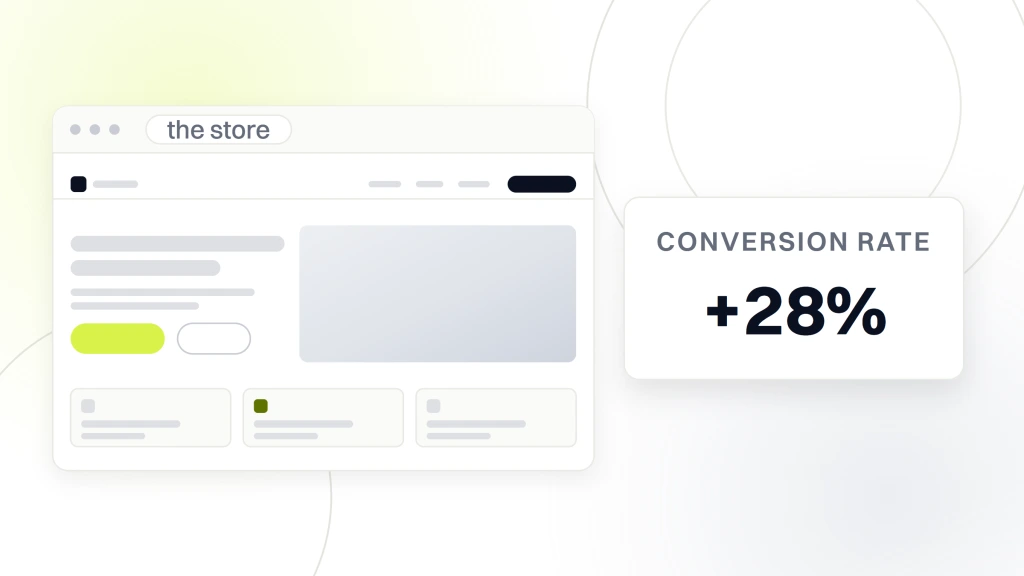
Over the following year, the rebuilt store improved conversion rate 28% and the site now loads in 2 seconds, cutting server strain in half. Content-attributed revenue climbed on last-click, and the new repaint feature plus a place2place exposure feature carried category traffic into the funnel. Publishing cadence held for 11 of 12 months. The measurement dashboard showed the founder which pillar was pulling the numbers, and the topic map got refreshed twice during the year based on Search Console data. That’s the shape of an ecommerce content marketing strategy that pays back the retainer inside the first 4 quarters.
Where a content marketing strategy for ecommerce fits the stack
A content marketing strategy for ecommerce sits inside the wider retention plus paid plus organic stack the brand runs. It is not a standalone tactic. The content plan feeds email nurture flows, powers organic acquisition, sharpens paid social ad quality, and gives community plus support teams the sales-enablement content they use every day. Brands that treat content as isolated from the rest of the marketing stack produce content that reads well and moves nothing on the P&L.
Pick the audience first, then the pillars, then the formats, then the cadence, then the distribution, then the measurement. Assign an owner, a writer, and an editor by name. Run 4 to 8 long-form pieces per month for a mid-market brand, plus weekly email and 1 to 2 short videos per week. Boost the strongest article on paid social with a small test budget in the $50 to $200 range. Read the 5 KPIs every month and refresh the topic map every quarter. Do those 7 things for 12 months and content grows into a real revenue line the founder can point at during the board meeting.
Our sibling read on marketing automation ecommerce platforms and flows covers the automation layer that connects content to email and SMS revenue. The Shopify ecommerce marketing blog is a useful outside read for teams building the plan in-house.
Our SEO retainer tiers run at $999, $1,499, $2,499, and from $4,500 per month for enterprise accounts. The standard engagement runs 6 months, since a content program needs a full quarter to build the pillar library and another quarter to prove the revenue math. Faster than 6 months and the numbers read as noise. Slower than 6 months and the writer loses momentum before the topic map has a chance to compound.
Programs that pair strong content pillars with a creator roster produce compounding revenue over 12 months, and the operational plumbing on the creator side matters as much as the pillar map. Our sibling read on influencer marketing ecommerce programs and attribution covers how creator content plugs into the wider paid amplification layer.
Content teams building for a B2B catalog should read our sibling guide on b2b ecommerce marketing strategies for the buying-phase content map that adapts this framework to long sales cycles.