If you’re planning your dental DSO conference calendar as a growth-stage group or thinking about selling your practice in the next two to three years, the event lineup is one of the biggest growth levers you have. ADSO Summit, Dykema DSO Conference, Voices of Dentistry, IDS Cologne, and Dental Group News Live each pull a different buyer field, and each rewards a different playbook. How you split time at a dental DSO conference between the booth, scheduled meetings, and off-agenda dinners drives more of your pipeline return than the sponsorship tier itself.
This guide walks through the 2026 North American calendar, sponsorship math, scheduling, off-agenda dinners, observer badge economics for solo owners, and the transaction attorney tracks. It also covers the North County Dental Care Vista program that grew patient volume 1,000% from 2021 to 2024, the kind of growth story DSO buyers pay premium multiples for.
The 2026 Dental DSO Conference Calendar
Six events anchor the 2026 dental DSO conference calendar in North America and Europe. Miss one and you skip an entire buyer conversation cycle. Attend all six and your team burns 22 to 28 travel days before you count follow-up work. Growth-stage groups usually pick three, then rotate.
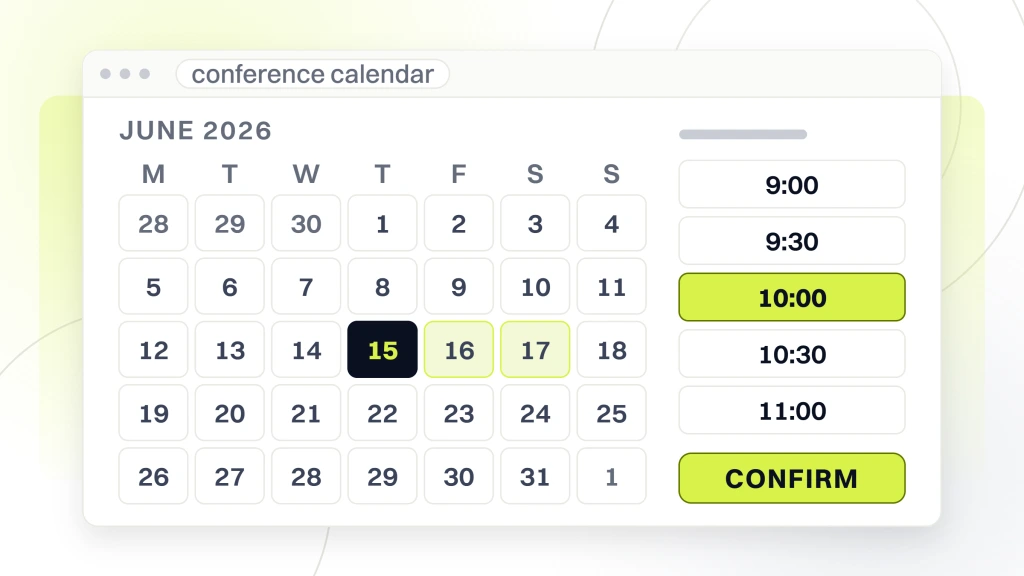
The Dykema DSO Conference runs July 15 to 17 at the Gaylord Rockies Resort in Denver. It’s the 13th annual edition, and it pulls 1,500 plus DSO leaders, operators, investors, and transaction attorneys. Programming leans heavy on legal, tax, and deal mechanics. If your growth plan needs LOI-quality intel or a bench of M&A counsel, this is the event.
ADSO Summit 2026 runs June 15 to 17 in Austin. The Association of Dental Support Organizations built the summit around operator peer groups, and gold-tier badges open pre-scheduled buyer meetings that silver tiers do not. ADSO’s Next Level Conference on October 21 to 23 adds a tighter, mid-tier operator focus for groups at 5 to 30 offices that aren’t quite ready for the Summit’s big-platform buyer field.
Voices of Dentistry rounds out the January slot for owner-operators, group founders, and marketing leads. Sessions run more practical and less deal-heavy than Dykema, and the room skews toward practices scaling from 1 to 10 offices where the buyer conversation is still 24 to 36 months out.
LMT LAB DAY Chicago every February pulls the lab side of the ecosystem plus digital dentistry vendors. Groups planning private-label lab work, in-house milling, or CAD/CAM rollouts across an office network use LAB DAY to consolidate vendor conversations in two days instead of six months of phone calls.
The Dental Leadership Summit on September 16 to 18 in Austin adds a hands-on workshop format built for DSO and dental practice owners. Group Dentistry Now’s live event runs annually in Las Vegas or Irvine and pulls 800 to 1,000 regional buyers.
IDS Cologne in March is the largest dental event on the planet, with 160,000 attendees. It’s the only conference on this list where you can walk a floor covering every piece of dental equipment made in Europe, plus meet the 15 to 25 European roll-up buyers active in cross-border deals.
Sponsorship Math and Buyer Meetings
Sponsorship math at any dental DSO conference comes down to whether the tier you buy opens pre-scheduled buyer meetings. Booth-only and bronze tiers rarely do. Gold and platinum tiers almost always do, and that’s where 60% to 80% of your pipeline return comes from.
Gold sponsorship at ADSO Summit runs $22K to $40K depending on booth footprint and add-ons. Gold at Dykema runs $18K to $32K. Gold at Dental Group News Live runs $12K to $22K. IDS Cologne runs $28K to $60K since the floor is 10 times the size and international travel adds cost on both sides. Voices of Dentistry keeps sponsorship in the $6K to $18K band since the audience skews owner-operator rather than institutional buyer.
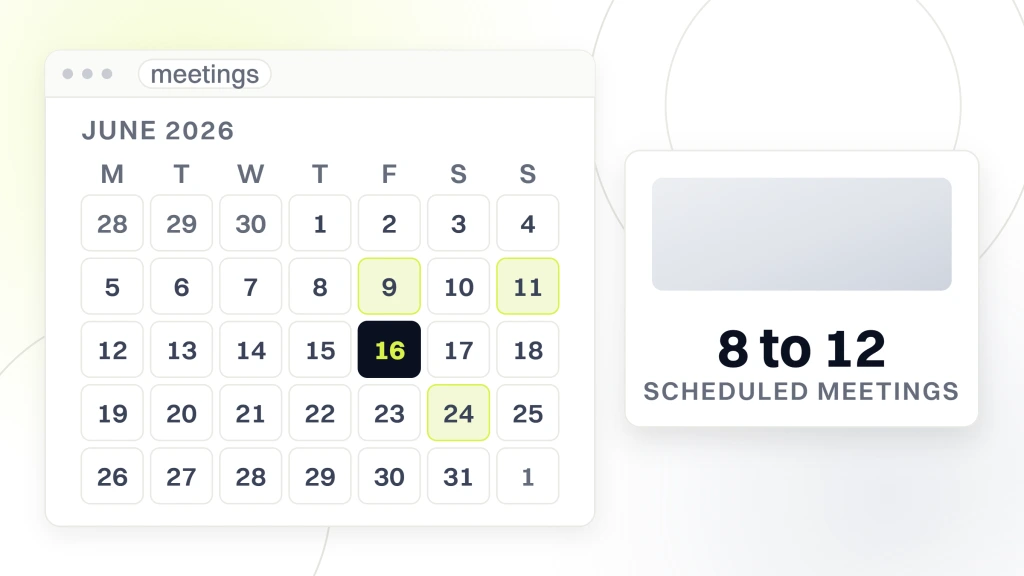
Booth-only tiers do not get you into the pre-scheduled meeting rooms. That’s the single most misread cost line in a first-time sponsor budget. A team that saves $15K by dropping from gold to booth-only loses 8 to 12 pre-scheduled buyer meetings, and those meetings are how the pipeline forms. The savings look good on the spreadsheet and cost you 12 months of buyer momentum.
At gold tier, expect 8 to 12 scheduled 30-minute meetings across a two- or three-day event. Roughly 20% to 30% convert to a second call inside 30 days. Of those, 40% to 60% move to an active buyer conversation inside 6 months. So a single gold-tier ADSO Summit produces 2 to 4 real buyer conversations, on top of the 4 to 8 warm intros you get on the floor and at dinners.
Off-Agenda Dinners Drive the Real Deals
Off-agenda dinners at a dental DSO conference produce the highest-yield conversations of any dental DSO conference week. The badge gets you into the room. The dinner gets you into the deal.
Every major dental DSO conference has 15 to 40 host-invite dinners running Sunday through Wednesday nights. Mutual advisors, accounting firms, banking teams, and law firms host them. Getting on the guest list is a function of your advisor network, not your sponsorship tier. Groups that show up without an advisor bench eat at the hotel restaurant on night one and wonder where everyone else went.
The math on advisor dinners is simple. A gold-sponsored ADSO Summit costs you $22K to $40K and produces 8 to 12 scheduled meetings. A well-worked advisor network at that same event produces 6 to 10 additional dinner conversations that cost you nothing beyond the meal and produce a higher-quality signal since the buyers walk in warm.
Build the advisor list 12 months before the first conference. Book referral introductions with 2 to 4 accounting firms, 2 to 3 legal firms, and 1 to 2 banking teams. Send a one-page teaser 90 days before conference start so each advisor can float your name at their own hosted dinner. Confirm dinner invites 30 days out. Groups that skip the 12-month runway show up cold and get one or two invites at best.
Transaction Attorney Tracks at Dykema DSO Conference
Dykema DSO Conference in Denver runs four attorney-focused tracks worth planning around. CPOD state-by-state updates, working capital peg mechanics, earn-out drafting, and Section 351 rollover equity. Firms advising management companies get more out of the corporate governance and associate compensation tracks. Firms advising sellers should sit in on LOI negotiation and diligence workflow. Per the Dykema DSO Conference programming, tracks run in parallel, so pick your slots at registration.
The attorneys who get the most out of Dykema show up with 4 to 6 questions prepared per track. The post-session queue with speakers is where the most useful intel lives. Emerging deal terms, enforcement patterns, state regulatory shifts. Sending a junior associate alongside a senior partner produces better ROI on the badge, since the associate absorbs the practical detail while the partner works the network. Our dental marketing agency partners with transaction attorneys on the marketing side of pre-sale practice modernization.
CPOD Update Tracks
CPOD tracks cover state-by-state changes to Corporate Practice of Dentistry rules, Medicaid managed care contracting, and PPO network access rules. Recent sessions worked through California AB 890 impacts on nurse practitioner practice acts (with some hygiene overlap), Texas SB 2073 changes to dental MSA structures, and Florida updates to DSO advertising rules. Attorneys advising national platforms who attend CPOD give sharper multi-state expansion advice than attorneys relying on newsletter updates alone.
IDS Cologne for European Bolt-On Candidates
IDS Cologne is the largest dental DSO conference on the European calendar, running in March in Cologne, Germany with 160,000 attendees covering the global dental industry. The DSO buyer track grew from 40 exhibitors in 2020 to 180 in 2026 as North American groups moved on European bolt-on acquisitions. Plan for 4 to 6 days on the ground versus 2 days for North American events, with a much broader exhibitor floor covering equipment, materials, digital dentistry, and lab services. Groups planning European expansion usually attend 2 to 3 IDS cycles before signing their first cross-border bolt-on.
IDS logistics are heavier for North American attendees. Cologne hotel inventory sells out 8 to 12 months out. Budget $8,000 to $14,000 per person all-in for flights, six nights of hotel, and badge. Language matters, since 30% to 50% of European buyer conversations happen in German, Dutch, French, or Italian. Groups bringing bilingual business development leads book better meetings on the floor than groups arriving with English-only teams.
European Buyer Field
European buyer field at IDS Cologne covers 15 to 25 active roll-up buyers including Colosseum Dental Group, Jacobs Holding backed groups, Dental Nord, mydentist, and CVC-backed platforms. European multiple ranges typically run 6 to 12 turns of EBITDA for platforms with 20 to 200 offices, comparable to North American ranges for similar-scale platforms. Regulatory environment varies by country. Germany limits DSO structures more tightly than the United Kingdom. France requires professional corporation ownership by licensed dentists similar to North American CPOD states. Understanding country-specific regulatory constraints before pursuing bolt-on acquisitions prevents 6 to 18 months of wasted diligence work across cross-border deals.
Building the Dental DSO Conference Pre-Conference Outreach Plan
Building the pre-conference outreach plan for a dental DSO conference starts 12 to 16 weeks before conference start. Week 12, identify the 15 to 25 buyer development leads worth targeting for scheduled meetings. Week 10, send initial introduction emails through mutual advisors. Week 8, confirm 8 to 12 scheduled meeting slots at gold sponsorship tier. Week 6, review buyer deal announcements over the trailing 6 months to inform conversation prep. Week 4, prepare the pitch deck, teaser one-pager, and financials summary for the 8 to 12 scheduled conversations. Week 2, confirm dinner invitations and cross-check flight and hotel booking against conference schedule.
The outreach plan doubles as the follow-up plan, coordinated inside the same weekly cadence our dental website design services team uses for platform-side content prep. Every scheduled meeting spins off 1 to 3 follow-up tasks. Send financials, review LOI language, introduce to an advisor, schedule a doctor site visit. Assigning ownership in the room, not after the flight home, produces 3x to 5x better completion inside the 4-week window. Follow-ups that slip past week 6 rarely convert, since buyer attention has already shifted to the next conference cycle.
Dental DSO Conference Comparison Table Across 2026 Events
The table below maps the four main dental DSO conference events for 2026 by attendance, sponsorship price bands, buyer coverage, and best fit. Read it against your growth stage, geography, and buyer relationship map, not row by row in isolation. Groups splitting budget across three events per year get broader buyer coverage than groups concentrating in a single flagship. Per Dental Group News industry coverage, conference attendance grew 22% year over year in 2025 as the buyer field consolidated. Multi-event budgets of $60,000 to $180,000 across three events typically produce 8 to 24 qualified doctor introductions and 2 to 6 new office additions inside 12 months. Single-event budgets of $40,000 to $90,000 produce 4 to 12 introductions and 1 to 3 additions in the same window. The multi-event split usually wins on ROI since buyer relationships compound when you show up on the calendar consistently.
| Conference | Attendance | Gold sponsor price | Buyer coverage | Best fit |
|---|---|---|---|---|
| ADSO Summit (Austin) | 1,800 | $22K to $40K | North American roll-ups | Growth-stage 8 to 25 offices |
| Dykema DSO (Denver) | 1,500 | $18K to $32K | Transaction attorneys | Legal + management teams |
| Dental Group News Live (Vegas) | 800 to 1,000 | $12K to $22K | Regional platforms | Regional 3 to 12 offices |
| IDS Cologne (Germany) | 160,000 | $28K to $60K | European buyers | Cross-border expansion |
North County Dental Care Case Study on Marketing Modernization
North County Dental Care, a family dental practice in Vista, California with more than 20 years in its community, worked with Redefine Web from 2021 to 2024 on a full digital transformation. The program covered a secure mobile-first website rebuild, local SEO, technical SEO repair, Google Business Profile ads, and local video.
New patients from digital grew from 1 to 2 a month to 12 to 16. Total patient volume grew 1,000%. Organic traffic climbed 385%. Marketing ROI hit 500% inside the same window.
Numbers like these are what buyer development teams at ADSO Summit ask for. Owners planning conference attendance in the 24 months before a sale process should run marketing modernization in parallel so the LOI-stage metrics are in place when buyers ask for them.
Three more Redefine Web dental clients tell the same story from different starting points. Smile Design Dentistry, a 50-plus location DSO in Central Florida and Tampa Bay, cut cost per call 30% and grew PPC conversion rate 20% across all offices through funnel and geography-segmented campaigns. iSmile Dental Spa in Carmichael, California, hit 75 page-one keywords in 6 months and grew patient volume 900% over a multi-year program. VP Dental doubled new monthly patients and added $8,100 in monthly recurring revenue by unifying web and SEO under one team. Every one of those trailing-twelve-months stories walks into a conference room and shifts the buyer conversation.
Observer Badge Economics for Solo Owners
Observer badges at a dental DSO conference cost $1,800 to $4,500 depending on the event, and they’re the right first move for a solo owner or small group that isn’t ready to sponsor. The badge gets you into keynotes, most breakout sessions, and evening receptions. It does not get you into the pre-scheduled buyer meeting rooms, which is fine at this stage. What you’re buying is the buyer map and the vocabulary.
Solo owners who observe at one ADSO Summit and one Dykema in year 1 walk into year 2 with a clear sense of which 8 to 12 buyers are the best fit, which advisors are worth building relationships with, and which conference formats to sponsor at once the practice is ready. That sequencing typically shaves 12 to 18 months off the buyer relationship curve versus jumping straight to gold sponsorship with no prior context.
Two observer years plus a marketing modernization program on a $1,499/mo per office retainer is the usual path for owners planning a sale process 24 to 36 months out. Redefine Web runs the marketing side. Transaction attorneys handle the legal side. The owner runs the doctor conversations and books the buyer meetings.
Locking In Your 2026 Dental DSO Conference Plan
Dental DSO conference outcomes come back to six decisions. Pick events by stage, geography, and buyer map. Sponsor at the tier that opens pre-scheduled buyer meetings, not booth-only. Build the outreach plan 12 to 16 weeks before conference start. Line up off-agenda dinners through mutual advisors. Spend 70% of your time in scheduled meetings and 30% on the booth. Close every follow-up inside the 4-week post-conference window before buyer attention rotates to the next event.
The North County Dental Care Vista program grew patient volume 1,000% from 2021 to 2024. Pair that kind of marketing work with conference attendance and the two tracks compound better than either would alone. Owners planning a sale process 24 to 36 months out should start both in parallel rather than in sequence. Our dental SEO services team handles the search infrastructure side of pre-conference marketing modernization.
Growth-stage DSOs and transaction attorneys planning 2026 attendance should confirm gold sponsorship at ADSO Summit by December, Dykema DSO by April, IDS Cologne by January, and Dental Group News Live by August for the following year. Silver or booth-only tier locks you out of the pre-scheduled buyer meetings where the pipeline forms. Skipping conferences entirely in the 24 months before a sale process produces weaker LOI outcomes than proactive attendance paired with pre-sale marketing modernization.