
The benefits of joining a DSO for dental career advancement are the numbers most associate dentists never see printed on a single page. You finished school with $300,000 in loans, a rented apartment, and a licensing exam still fresh on your desk. You want a real paycheck by month 12, not a 5-year wait for a partnership window that may or may not open. You want to spend your Sunday nights sleeping, not reconciling payroll for 6 staff. That is the plain reason associates take DSO offers in 2026, and the reason DSOs still fill seats every quarter across every major metro.
This guide walks the benefits of joining a DSO for dental career advancement without the recruiter gloss. You will see the real pay bands for associate, lead, and clinical director roles, the 3 partnership tracks inside modern DSOs, the admin freedom you buy back on day one, the regional director path that opens after year 3, and the Smile Design Dentistry story that shows what a 50-location DSO looks like from the inside. You will see the honest tradeoffs, the 8 contract questions to press on the second call, and the exit options at year 2, 3, or 5 so the choice is yours, not the recruiter’s script.
Pay floor headlines the benefits of joining a DSO for dental career advancement
The pay floor is where those benefits come into focus first. A first-year associate at a mid-market DSO in 2026 sees a base of $140,000 to $180,000, a production bonus that pushes the number to $190,000 to $260,000 in a busy region, and a sign-on payment landing in the $15,000 to $40,000 range. A private practice associate in the same market lands at $110,000 to $150,000 base with a smaller bonus pool. The private practice has fewer chairs and a longer patient pipeline to backfill. The DSO number is not magic. It is what a 50-chair network can pay when patient volume is already stacked and marketing is running centrally.
Year 2 at a DSO tends to jump another 15 to 25% once your production settles above 30% collections, sometimes with a per-diem floor if the schedule dips. A private practice associate rarely sees that same jump since the owner is protecting the practice’s take-home. That is not a knock on private practice. It is math. When one owner splits collections with one associate, the associate ceiling sits lower than when a corporate structure spreads overhead across 50 offices. If year-one and year-two income matters more to you than eventual ownership economics, the DSO track wins on the paycheck. For the marketing side of what fills that schedule, our piece on DSO dental marketing covers how the patient pipeline gets built at scale.
Per-diem versus percentage collections
Most DSO offers pair a daily minimum, sometimes $700 to $900, with a percentage-of-collections upside, usually 28 to 32%. The per-diem protects you on a Tuesday when a hygienist calls out and half the schedule flips to reschedule. The percentage rewards you on a Thursday when you crush 3 implant consults and a full-mouth rehab treatment plan. Ask any DSO recruiter for the past 12 months of actual associate pay at your target office, not the theoretical top-end number on the offer sheet. Real data beats a range every time.
Specialty premium inside a DSO
Endodontists, oral surgeons, and pediatric specialists inside DSOs command a 30 to 45% premium over generalists. Their production per hour is higher and the DSO can route referrals from every office in the network to one specialist chair. A pediatric dentist inside a 50-location DSO can pull $280,000 to $420,000 in year 2 since internal referral flow is a solved problem. That same specialist in solo private practice spends the first 2 years building the referral book by hand. The DSO removes that grind, which is a real career advancement story if specialty growth is where you are pointed.
Admin freedom is the quiet win for a dso career path for dentists
Admin freedom is the second benefit of joining a DSO for dental career advancement, and it is the one most young dentists undercount until they have lived through a full year 1. A solo owner runs payroll for 6 to 12 staff, negotiates PPO fee schedules with 14 carriers, chases insurance aging over 90 days, hires and fires front desk, manages an OSHA binder, keeps the compressor serviced, and answers a state board complaint if one lands. Every one of those tasks pulls an hour a week out of your chair. Multiply by 50 weeks and you have burned 2.5 full production weeks on paperwork you did not go to dental school for.
A DSO handles all of that at the corporate layer. Payroll runs through a central provider. Insurance negotiations happen once across all 50 offices, usually pulling fee schedules 8 to 14% above what a solo owner can get. HR, hiring, benefits, and staff conflicts route to a regional operations manager. Compliance is a shared checklist your operations lead reviews quarterly. You show up, you drill, you diagnose, you plan cases. The clinical work is your day. The admin cost of that clinical work sits somewhere else. If you value hours over ownership optics, the admin trade alone justifies the DSO route for the first 5 years of your career.
HR and hiring at the corporate layer
Front desk turnover is the quiet killer of a private dental practice. A solo owner replaces a scheduler every 8 to 14 months on average, and every replacement costs 3 weeks of production lag as the new hire learns your practice management software. A DSO carries a hiring pipeline for front desk and hygiene across the network. When your office loses a scheduler on Tuesday, a rover from a sister office covers Wednesday through Friday and HR runs interviews. You keep producing. That is a benefit you cannot see on an offer sheet yet will feel every time a resignation email lands.
PPO fee schedule bargaining power
DSOs negotiate PPO fee schedules across all offices simultaneously with the top carriers. That single-source negotiation pulls in fee schedules 8 to 14% above what a solo practice with one office can obtain, sometimes more with dominant regional DSOs. On a $2M-a-year office, a 10% fee schedule bump reads as roughly $200,000 in additional gross collections. That flows partly to owners and partly into associate production math, which is why DSO associate percentages hold at 28 to 32% even after corporate overhead is taken out. See the ADA overview of dental service organizations for the industry-wide framing on how these structures operate.
Partnership tracks are the real ownership path inside a DSO
Most young dentists assume DSO means no ownership. That was the accurate read in 2010. It stopped being the reality by 2020, and by 2026 the ownership picture inside a mature DSO looks very different. A modern DSO offers 3 ownership tracks, and each one has different math worth understanding before you sign an associate offer. The first is joint venture ownership where you buy 20 to 49% of your office. The second is management services equity where you hold shares in the corporate parent. The third is a legacy structure at boutique DSOs where a founding doctor retains 100% clinical ownership and the DSO handles operations. Each track has a different exit story, and the recruiter offering you the associate role probably will not lead with any of them.
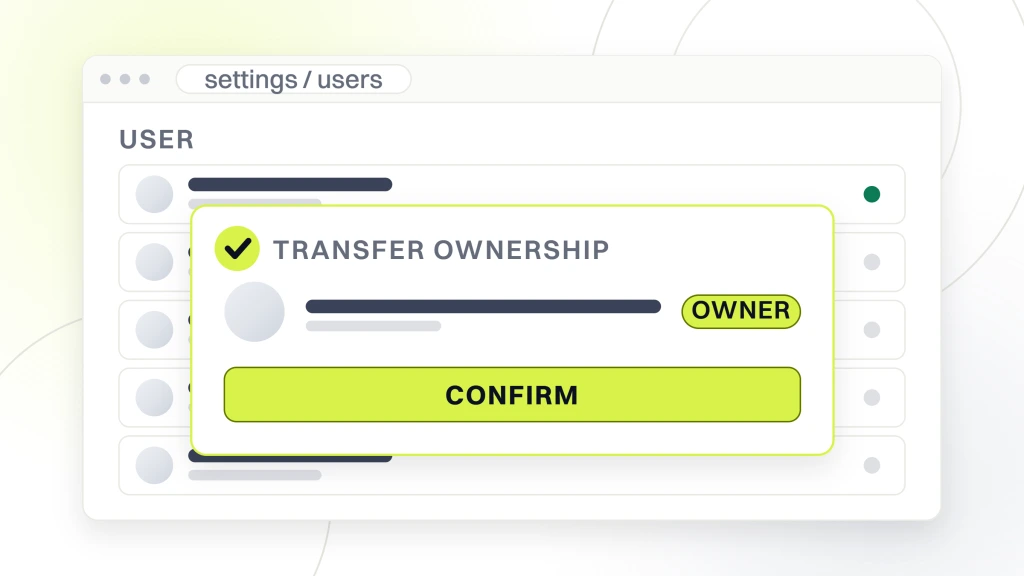
The joint venture path is the most common ownership route inside mid-market DSOs. After 18 to 36 months as an associate proving production and culture fit, the DSO offers you a chance to buy 20 to 40% of your office at a negotiated valuation. You keep your clinical schedule. You get profit distribution on top of your associate pay. When the DSO recaps in 3 to 5 years, your equity position sells at the corporate multiple, usually 8 to 12 times EBITDA. That is meaningfully higher than what a solo practice sells for on the open market. That single mechanic is why some ambitious associates now target DSO tracks on purpose for the equity math, not against it.
Joint venture equity math
Say you buy 30% of a $2M gross office at 4x EBITDA on a $500k EBITDA. That is a $600,000 buy-in, usually financed at 6 to 7% interest through a bank the DSO already has a relationship with. You take home 30% of profit distributions, roughly $150,000 a year on that same math, on top of your associate pay. 3 years later the DSO recaps at 10x EBITDA. Your 30% position now values at $1.5M. You cleared your $600k basis, earned $450k in cumulative distributions, and hold a $900k gain on the exit. That is the ownership math the recruiter usually does not put on the first-call PowerPoint.
Management services company equity
The second ownership track is management services company equity, where you hold shares in the corporate parent rather than a single office. This is usually offered to clinical directors and regional leaders at year 3 or 4. The equity pool is smaller than a joint venture position yet scales with the whole network, so a private equity recap that boosts the corporate multiple flows into your position without you having to run any particular office well. The tradeoff is dilution. Every acquisition the DSO makes with new equity dilutes existing holders. Read the operating agreement. Ask a dental-specific transaction attorney to walk you through the anti-dilution provisions before you sign.
Regional director path opens by year 3 inside most DSOs
Regional clinical director is the role most dentists never realize exists until they are already 2 years into a DSO and the operations lead pulls them aside about a career conversation. It sits between the office-level clinical work and the corporate leadership team, and it usually opens up for associates who have proven production, mentored a new associate, and shown they can handle inter-office politics without setting off HR. Base compensation runs $260,000 to $360,000 with clinical time still on the schedule 2 or 3 days a week. You get to keep drilling. You get to shape how 10 to 15 offices practice dentistry, which is a scale story you never get inside a single private practice.
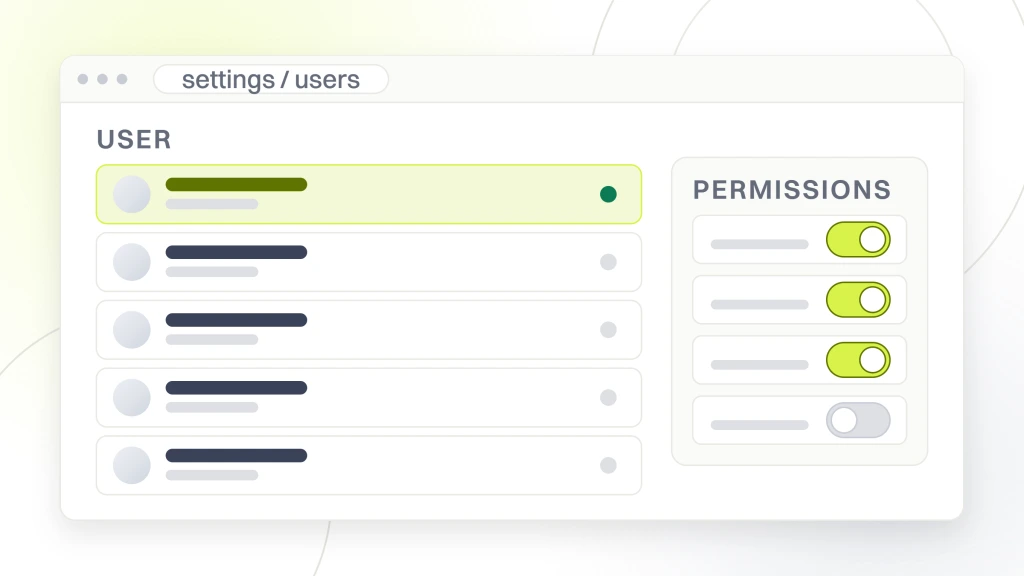
The regional director role usually carries 3 responsibilities. Clinical calibration across the offices you oversee, so treatment planning stays consistent and defensible. Mentorship for new associates, which the DSO badly needs since associate turnover in year 1 costs the network real money. Coordination with the operations lead on staffing, capital equipment, and case volume trends. If patient conversion is dropping in a given market, you are the person who diagnoses whether it is a doctor issue, a scheduling issue, or a marketing issue. That crossover skill translates into corporate leadership tracks down the line. Solo private practice does not build that skill for you. See Chairside magazine’s coverage of DSO leadership roles for how real practitioners describe the transition.
Clinical calibration as a career skill
Clinical calibration means making sure that when a patient walks into any of your 10 offices with a given diagnostic pattern, they get the same treatment plan and the same case presentation. That sounds obvious. It is not. 2 associates trained at 2 different residencies will hand out different treatment plans for the same posterior crown case. A DSO regional director builds the internal case-review process, the CE calendar, and the treatment-planning rubric that keeps quality consistent. You become a better dentist by building that system. And you become a candidate for chief dental officer roles that pay $450,000 and up, since you have proven you can scale a clinical standard.
Mentorship as a growth lever
Every DSO loses about 30% of first-year associates. Year 1 is hard everywhere. A regional director who cuts that number to 15% generates real corporate value since the DSO stops spending $80,000 per associate on recruiting replacements. That is a case you make to your operations lead when compensation review comes up. Mentorship is not a soft skill in a DSO context. It is a P&L line. Directors who own that line get raises, equity grants, and eventually regional VP roles. Solo practice offers none of that structural growth path. You can mentor an associate in a solo, yet there is no corporate structure that rewards the outcome.
DSO vs independent practice when you are joining a dso as an associate dentist
Most dental career articles frame DSO vs independent as an owner’s decision. Sitting at the associate level, the question looks different. You are not choosing between running a DSO or running your own practice yet. You are choosing between 2 employers, both of whom will pay you to drill teeth. The right comparison is what each job pays in year 1, what it costs in autonomy, what it opens up as a career path, and how long you are locked in before you can walk. The table below is the honest version of that comparison, priced against the associate role.
| Factor | DSO associate | Independent associate |
|---|---|---|
| Year-one base | $140k to $180k | $110k to $150k |
| Year-two total comp | $190k to $260k | $140k to $200k |
| Sign-on bonus | $15k to $40k common | Rare, sometimes $5k |
| Ownership track | Joint venture at 18 to 36 months | Buy-in at 5 to 10 years |
| Admin load | Handled centrally | Shared with owner |
| Patient volume day one | Full schedule from week 2 | Ramp over 3 to 6 months |
| Continuing education budget | $3k to $6k per year | $0 to $2k per year |
| Non-compete radius | 10 to 25 miles, 12 to 24 months | 5 to 15 miles, 6 to 24 months |
| Career ceiling | Regional director, CDO, equity | Partnership or your own practice |
Non-compete radius as the hidden cost
DSO non-competes are wider than most private practice non-competes since the DSO has more offices to protect. A 15-mile radius sounds fine when you sign at 27. It reads differently at 32 when you want to leave and open your own practice. Read the non-compete carefully. Ask on your second call whether it applies to your office or to every office in the DSO network. Some DSOs write network-wide non-competes that functionally lock you out of an entire metro area. That is a real cost. Weigh it against the 2, 3, or 4 years you plan to stay before you sign the offer. For the marketing side of what independence looks like after a DSO stint, our dental marketing agency page covers how private practice growth works when you go your own way.
Patient volume ramp
A DSO associate walks into a full schedule from week 2 since centralized marketing already has the pipeline filled. An independent practice associate ramps over 3 to 6 months as the owner reshuffles their own schedule and the marketing catches up. That ramp difference is worth $40,000 to $70,000 in first-year production. It is worth 6 months of confidence-building at the chair. New associates who see high patient volume in their first 90 days become better dentists faster since reps stack. That is not a small career advancement lever. It is the entire compounding curve of your first 3 years.
Smile Design Dentistry runs one growth model across 50-plus locations
Smile Design Dentistry, founded in 2004 with its first office in Dade City, Florida, has grown into one of the most recognized dental support organizations in Central Florida and Tampa Bay. With more than 50 locations, Smile Design covers cosmetic dentistry, emergency dental care, preventive checkups, and specialty treatments. From an associate’s perspective, Smile Design is a case study in what mature DSO infrastructure looks like when you show up on day one. A full schedule, a shared clinical calibration standard, a centralized marketing engine, and a defined path from associate to lead doctor to regional clinical director. Every one of those factors compounds the career advancement math above, and the compounding shows up on your W-2 by year 2.
Smile Design partnered with Redefine Web to restructure their PPC accounts, add a full-funnel paid social layer, and build landing pages for each office. The outcome cut cost per call 30% and drove PPC conversion rate up 20% across the network. For an associate joining Smile Design, that translates into a schedule that stays full even in slower months, which protects your percentage-of-collections bonus and turns the year-two income projection into a real number rather than a hopeful one. That is the ground-level story of what a well-run DSO offers an associate dentist.
What day one looks like at a mature DSO
Day one at Smile Design or a similar mature DSO usually looks like this. You spend 2 days shadowing the lead doctor and reviewing the practice management software workflow. Day 3 the schedule opens with a new patient exam, a hygiene check, and 2 treatment plan presentations. By week 2 you have 20 to 26 patient encounters per day. By month 3 your production numbers show up on the regional dashboard. The infrastructure is already there. You are the variable. Compare that to a first month in a solo private practice where you are running 4 to 6 patients a day and the owner triages who gets moved to your column. Both are honest paths. The volume difference is real.
Path from associate to lead doctor
At a mature DSO, the associate-to-lead-doctor path typically runs 18 to 30 months. You need a production track record above 30% net collections, a clean case-acceptance rate above 65%, and a culture score from staff that shows the front desk enjoys working with you. Lead doctor compensation jumps by $50,000 to $90,000 with an office-level profit share. Some DSOs open the joint venture buy-in at this point. That is the first real ownership decision of your career. If you like the office, the market, and the operations lead, you buy in. If you do not, you take the lead-doctor pay and stay in clinical work, quietly looking at the next move. Neither answer is wrong.
Honest tradeoffs before you sign a DSO offer
The upside of a DSO offer is real, and the tradeoffs are just as real. Any dentist telling you the DSO route is pure upside is selling something. So is any dentist telling you private practice is the only respectable path. The truth sits in the middle and depends on what you want out of the next 10 years. Below is the honest tradeoff list, priced against the same associate role we have been comparing all along.
The first tradeoff is clinical autonomy. A DSO usually has a preferred lab, a preferred implant system, a preferred restorative material line, and a case-presentation script the front desk expects you to follow. You can push back on any single item, and good DSOs will listen, yet you cannot rewrite the entire clinical playbook the way a solo owner can on a Tuesday morning. The second tradeoff is culture. A DSO is a corporate structure. Some cultures are strong. Some are grinding and metric-driven in a way that pushes out associates in year 2. Ask on your second call about associate turnover in the last 12 months at your target office. Any recruiter who dodges that question is telling you the answer.
Private equity ownership effect on culture
Most large DSOs are owned or partially owned by private equity. That is not automatically bad. It is a structure worth understanding. PE-owned DSOs run on 3 to 7 year hold periods, at the end of which the sponsor recaps or sells to a larger sponsor. Every recap resets targets. In year 1 of a hold you usually see investment in growth, new offices, and expanded marketing. In year 4 you sometimes see cost cutting, staffing pressure, and a push to hit EBITDA targets before the sale. Ask where in the hold cycle your target DSO currently sits. Year 1 of a hold reads very differently from year 5 inside the same building.
Consolidation pressure on independent practices
Independent dental practices operate under real consolidation pressure in 2026. DSOs now own roughly 15 to 20% of general dental practices in the US, with regional pockets running above 35%. That has 2 effects on your career math. It pushes down the sale price of independent practices in DSO-heavy markets since the buyer pool includes fewer solo dentists and more corporate acquirers. That gives an associate at a DSO more career mobility since a competitor DSO in the same metro can hire you at a small premium when you want to move. See this ADCPA analysis of how DSOs are reshaping dentistry for the industry-level view on consolidation trends.
Independent practice consolidation reshapes recruiter behavior too. Where 3 years ago you might have picked between 4 DSO offers, you may now see 8 in a saturated metro. That widens your bargaining room on base pay, sign-on structure, and the joint venture clause. Walk into every second call with a written list of the 8 questions in the next section and treat the recruiter response quality as data. The DSO that answers all 8 without deflection is a real candidate. The DSO that answers 4 and dodges 4 is a shortlist casualty.
Contract questions to ask before you sign a DSO offer
The DSO associate contract is a legal document you should read twice yourself and hand to a dental-specific attorney once. Boilerplate answers on your first pass will slide right past the clauses that carry real weight. Below are the questions worth asking on the second call, after the recruiter has stopped selling and started answering. Every one of these questions has a real answer. Any recruiter who deflects 3 of them is telling you to look elsewhere.
- What was associate turnover at this office in the last 12 months?
- What percentage of associates from this office reached lead doctor within 30 months?
- Which lab, implant, and restorative material lines am I expected to use?
- What is the production threshold before my percentage kicks in above the per-diem?
- What is the non-compete radius and does it apply network-wide or office-only?
- Where is this office in the current hold cycle of the parent company?
- What is the joint venture buy-in valuation formula and when does the option open?
- Who owns my clinical notes and patient records if the DSO changes hands?
The turnover answer tells you everything
The single most useful question you can ask a DSO recruiter is what associate turnover looked like at your target office in the past 12 months. Under 15% tells you the office culture is stable and the operations lead runs a tight office. Between 15 and 30% tells you the office is fine yet has churn spots worth understanding. Over 30% is a red flag that either the physical office, the operations lead, or the compensation math is not working. A recruiter who cannot answer the question at all is telling you the number is bad enough that they are not authorized to disclose it. Both non-answers are answers.
Clinical record ownership
Ask who owns your clinical notes and patient records when the DSO changes hands. In some states, the DSO parent holds the records since the corporation is technically the employer. In other states, the treating dentist retains a personal duty of care that survives corporate transfer. If you leave the DSO in year 3, your ability to reference your own case work for CE, board reporting, or a malpractice defense depends on this ownership. Get the answer in writing before you sign. If the recruiter tells you it does not matter, that is the exact moment it matters.
Dentists who should join a DSO and dentists who should not
Not every dentist belongs at a DSO, and not every dentist belongs in solo private practice. The right match depends on what you want out of your career, how you handle corporate structure, and how patient you are with an ownership path. Below is the honest sorting rule that shakes out after 10 years of watching dentists take both routes. It is not a value judgment. It is a fit assessment.
Join a DSO if you finished school with more than $250,000 in loans and need income above $180,000 in year 1 to keep loan payments manageable. Join a DSO if you want to focus on clinical work and consider payroll, HR, and insurance negotiation a distraction from being a better dentist. Join a DSO if you are unsure whether you want to own a practice and want optionality on the decision. Skip the DSO if you already have a clear plan to buy a practice from a retiring owner in a specific town, know the community, and value 100% clinical autonomy over the salary floor. Both paths are honest. Choose the one that matches your 5-year picture, not the recruiter’s.
High-loan scenario
A new grad with $340,000 in loans and a $2,500 monthly payment cannot easily buy a $900,000 practice in year 1, no matter how good the practice is. The DSO route lets you earn $190,000 to $260,000 in year 2 and pay down loans, building savings, and gathering the clinical reps and operational literacy you need to eventually buy a practice or take a joint venture position. 3 to 5 years inside a DSO is not selling out. It is a rational bridge that gives you optionality later. Some of the strongest independent practice owners started as DSO associates who used the network as a training ground before going their own way.
Low-loan or established scenario
A dentist who finished school with under $100,000 in loans, or an established dentist 5 years into practice with strong savings, faces a different math. You have the capital slack to buy into private practice or open a startup practice without needing the DSO income floor. In that case the tradeoff swings toward autonomy and long-term equity in a single practice you own outright. That path is honest too. It is slower on year-one income and faster on year-ten net worth if the practice takes off. Ownership economics of a solo practice, when it works, still beat the exit math of a joint venture equity position at most DSOs. For context on how solo dental brands compete outside the corporate umbrella, iSmile Dental Spa and North County Dental Care grew patient volume 900% and 1000% respectively with sustained SEO and PPC investment through multi-year Redefine Web programs.
Exit options after 2, 3, or 5 years at a DSO
Every associate should know their exit options on day one, not day 800. The good news about a DSO career move is that the stint is portable. You are not stuck. You do have to think ahead about which exit you are aiming for so the 2, 3, or 5 years read as a deliberate move on your resume rather than an accidental one. The 3 most common exits are lateral to another DSO, into a solo practice purchase, or up the corporate ladder inside your current DSO.
A lateral move to another DSO after 2 years is common and usually pays a 10 to 20% bump. You bring proven production numbers, network familiarity, and often a specialty niche. Competing DSOs in your metro will pay for that, especially if their non-competes overlap yours in a way that lets you move without a geographic uproot. A solo practice purchase after 3 to 5 years works when you have built savings, banking relationships, and clinical judgment sharp enough to run a practice. The DSO taught you what an efficient patient pipeline looks like. Now you build one of your own. Our dental PPC services page covers how solo practices build a patient pipeline that competes with DSO marketing budgets. Solo growth stories like VP Dental’s 100% new-monthly-patient jump and 776% Google Maps traffic gain show what a focused single-office practice can pull off outside the DSO umbrella at a $999/mo per office retainer.
Lateral to a competing DSO
A lateral move works cleanest at year 2 or year 3 when your production numbers are proven and your non-compete has not yet triggered or has expired. Competing DSOs in the same metro usually pay 10 to 20% above your current DSO to bring you over, especially if you carry a specialty niche or a strong case-acceptance track record. Time the move around a natural break, a lease renewal, or a hold-cycle recap at your current DSO. The wrong week to leave is right before an equity vesting date. The right week to leave is 30 days after that same date.
Solo practice purchase
Buying a solo private practice after 3 to 5 years inside a DSO is a well-worn path. You walk into the deal with production data, banking relationships, and operational literacy the DSO built for you. Practice acquisition loans in 2026 run $600,000 to $1.4M at 7 to 9% interest with 10-year amortization. You are not competing with a corporate buyer in every market. A small-town practice with a retiring owner and a strong hygiene column is often overlooked by DSOs since the metro fit is not there. That is your opening. Use the DSO years to save down payment, sharpen judgment, and build the network of a lender, a broker, and a dental-specific attorney who will move fast when the right deal shows up.
Where the benefits of joining a DSO for dental career advancement land for you
The upside stacks into a defined arc. Pay floor in year 1, admin freedom every year after, joint venture ownership math opening in year 3, regional director path from year 4, and exit optionality anchored to proven production numbers on your resume. None of those benefits is automatic. Each one depends on the DSO, the office, and the operations lead you end up working under. That is why the questions above matter more than any generic DSO ranking article.
Take the 2 hardest questions in this piece and put them in your notes app for the next recruiter call. What was associate turnover at this office in the last 12 months, and what percentage of associates reached lead doctor within 30 months. The answers to those 2 questions will do more to filter your DSO shortlist than any brochure ever will. Pair them with a written question about the joint venture buy-in valuation formula and you will surface the recruiters who know their office numbers cold from the ones reading a script.
The upside compounds when you take the role on purpose, hit the production and mentorship marks by year 2, and walk into the year-3 joint venture conversation with a valuation number already in your notes. That is a very different arc from the associate who drifts through year 1, misses the lead doctor window, and finds themselves stuck at flat pay in year 3. Deliberate beats accidental every time in this space. When you are ready to compare what a DSO growth engine looks like from the marketing side, our DSO dental marketing for multi-location groups page walks through the operational side of the same growth story you would be joining.