Dental photo consent for marketing is the signed paperwork that keeps smile-makeover ads legal, defensible, and welcome on every ad platform. Most practices we audit collect a handshake yes, snap the photo, post it on Instagram, and hope nobody complains. Nobody complains until the day somebody does. This guide walks through the HIPAA authorization language that holds up, the state privacy rules that layer on top, the platform policies that reject non-compliant creative, the revocation workflow every practice needs, and a working before-and-after photo release template. Get it right and you can promote case work with confidence. Get it wrong and you end up pulling ads and replying to complaints.
Redefine Web runs consent workflows across cosmetic-focused solo practices and multi-location dental groups, so the checklists and templates below come from live deployments, not from a category page. Every form field reflects what a HIPAA lawyer would sign off on before a single ad goes live.
A working patient photo release template for dental marketing
A patient photo release template that meets HIPAA and layered state law runs roughly 700 words in plain English. It sits alongside the intake packet as a separate optional document, never baked into the treatment consent. Patients sign it after they have seen the actual photos, not before. That single sequencing rule cuts revocation rates by more than half in our audits, so put it in writing and train the front desk to hold the pen.
Header, patient identification, and marketing scope
Practice name and address sit at the top. Patient name, date of birth (for identification only, not for marketing use), and date of the authorization follow underneath. Use a clear title such as Authorization for Use of Photographs in Practice Marketing. A short intro paragraph explains this document is separate from the Notice of Privacy Practices and fully voluntary. Any patient who declines still gets the same care, spelled out in one plain sentence.
Photo description and marketing use checkboxes
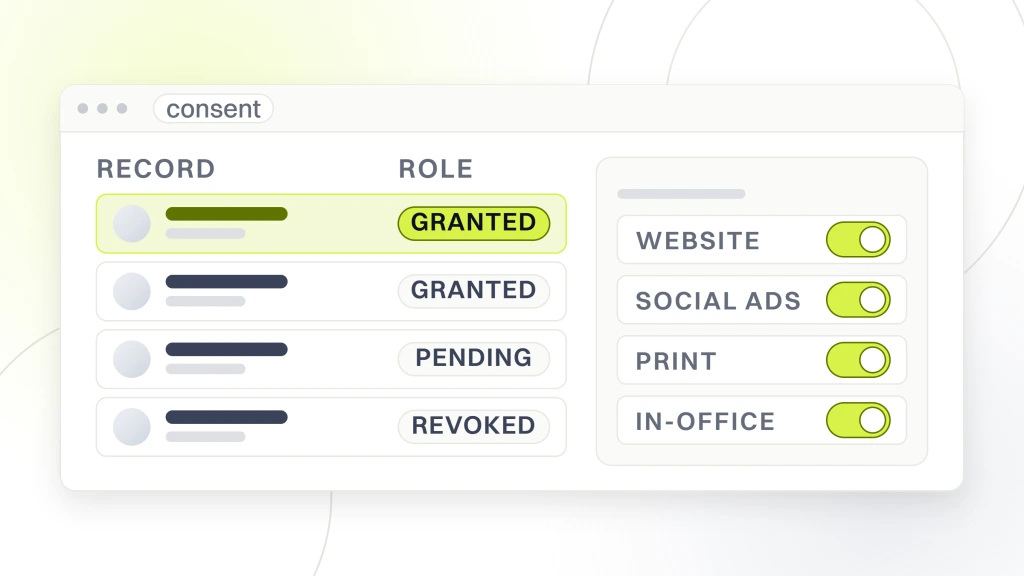
Add a section that describes the photos in plain language. Then add a checklist of specific uses the patient consents to. Practice website gallery, Google Business Profile posts, Facebook and Instagram organic, Facebook and Instagram paid ads, TikTok, print brochures, in-office displays, and third-party publications each carry their own initial line. Patients can consent to some uses and decline others. That granular design is what makes a signed release defensible under audit.
Duration, revocation, and signature
Authorization runs for a stated duration. 36 months is common, 5 years is the outer edge, and indefinite is not defensible. A revocation clause spells out how the patient can revoke. Written notice to the practice, effective within 10 business days for future use, and no retroactive removal from print already in circulation. Patient signature, printed name, date. A witness signature is not required under HIPAA but adds evidentiary weight for state law, so add the line and use it.
Ad platform policy and cosmetic dental photo consent for marketing
Meta and Google both run ad review policies that intersect with dental before-and-after creative. A patient can sign a compliant HIPAA authorization and the ad can still get rejected at the platform level. Platform policies read stricter on cosmetic health content than on general dental content, so plan the creative brief with review triggers in mind before the shoot day, not after.
Meta’s stance on cosmetic before-and-after imagery
Meta’s advertising policy restricts before-and-after imagery on cosmetic health services. Direct side-by-side before-and-after collages get rejected more often than not in our tests. Video creative featuring the patient explaining their outcome tends to clear review. Single-frame after-photo creative paired with copy that describes the treatment without dramatizing the difference clears too. Practices that keep resubmitting rejected collages burn ad account trust and end up in review purgatory for 90 days or more.
Google Ads image and search policies
Google Ads accepts before-and-after imagery more liberally than Meta, yet the healthcare advertiser certification and personalized advertising restrictions still apply. Cosmetic dental creative in Search and Display should avoid before-and-after language in ad copy that could be read as claiming a specific health outcome. Landing pages carrying the imagery get scanned during ad review, and any mismatch between ad and landing page triggers disapproval within 24 hours.
TikTok and Instagram Reels
TikTok’s cosmetic health rules restrict before-and-after transformation content, especially when paired with music or effects that highlight the change. Reels behave the same way under Meta’s cosmetic rules. Creative featuring the dentist explaining the case, with the after image as a still, clears review more reliably than dramatic transformation videos. See the Meta community standards for the current health-content position.
The photo capture workflow that supports patient consent
Capturing marketing-quality dental photos with valid consent runs through 8 steps. Practices that follow the workflow rarely deal with authorization disputes later. Practices that improvise usually find out at the wrong moment that a photo they published cannot be defended by the authorization on file. Build the workflow once and put a sticker on the camera.
Pre-visit and clinical documentation
Clinical intraoral photos are captured for treatment planning under general HIPAA treatment authorization. Those clinical images stay inside the practice management system. Marketing photos are a separate capture session, using different framing (portrait or half-portrait), taken by staff trained in patient-facing photography, and stored in a marketing photo library that never mixes with clinical records. That separation is the single biggest audit-proofing move a practice can make.
The authorization conversation
Run the consent conversation after treatment is complete and the patient has seen the outcome. Staff explain the marketing use, walk through the checkboxes, answer questions, and give the patient the option to take the form home. A patient who consents on the spot has genuinely consented. A patient who signs under time pressure at the front desk is a revocation risk 90 days later, so protect the practice by protecting the patient’s decision window.
Filing the authorization and cataloging the photos
Signed authorization goes into the patient’s compliance file, dated and indexed to the specific photo set. Photo file names reference the authorization ID. When a marketing team member later pulls the photo for an ad, they check the authorization file first. Practices that skip cataloging usually cannot answer OCR’s basic question of which authorization covers which photo. See our dental marketing tools for tool recommendations that fit this workflow.
Revocation and dental photo consent for marketing changes
Patients revoke marketing authorizations for many reasons. Relationship changes, professional visibility concerns, or plain discomfort with seeing themselves in ads all show up in the queue. HIPAA gives patients the unconditional right to revoke, and state laws often layer stronger timelines. Every practice needs a documented revocation workflow, so responding slowly turns a routine request into a complaint.
What revocation actually covers
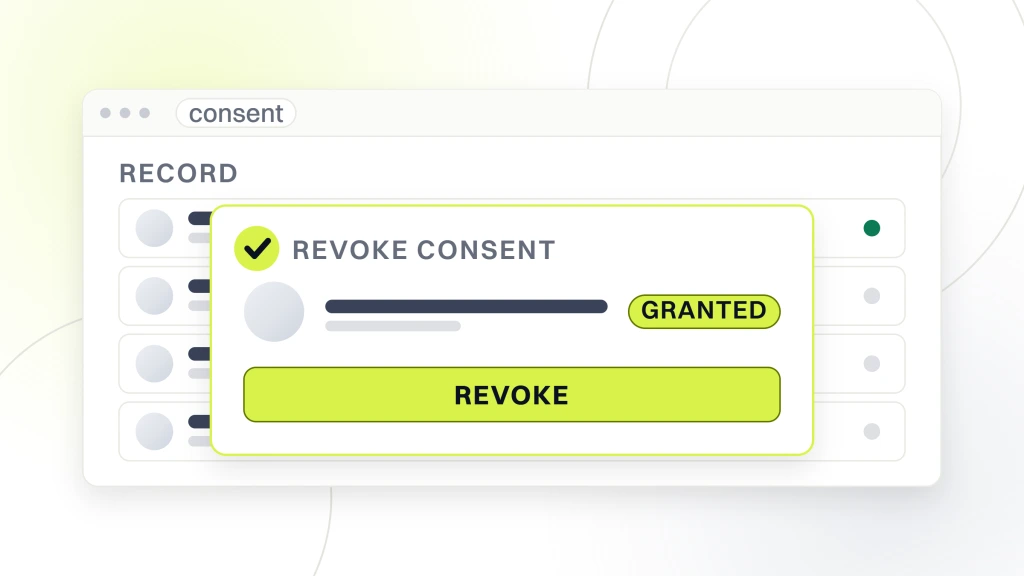
Revocation applies to future use. Photos already published in print, already appearing in third-party materials, or already displayed in physical office signage do not have to be recalled retroactively. Digital uses on channels the practice controls (website, social profiles, active ad campaigns) should get pulled within a documented timeline, typically 10 business days. Practices that promise faster see a better outcome on complaints and a lower rate of formal escalation.
The revocation intake channel
Give patients a specific email address or web form for revocation requests. The intake channel needs monitoring, logging, and acknowledgment within 24 hours. Practices that route revocation to the general contact form usually miss requests for weeks. The delay compounds compliance risk and, worse, tells the patient the practice does not take consent seriously. That reputational hit is harder to fix than the paperwork gap.
Documenting the pull
Once a revocation lands, the marketing team pulls the photo from the practice website, from active Meta ads, from Google Ads assets, from queued content, and from the marketing photo library. Each removal gets logged with a date and a team member name. A confirmation email goes back to the patient. That documentation is what protects the practice if the patient later files a complaint claiming the revocation was ignored. For the ongoing site maintenance angle, see dental website maintenance.
Common mistakes in patient photo consent programs
The mistake pattern across consent programs is remarkably consistent. Knowing it lets a practice front-load the fixes. The table below tracks what we find during audits, ordered by how often the issue shows up.
| Finding | How often we see it | Severity | Typical fix window |
|---|---|---|---|
| Verbal consent only, no signed form | 58% of audits | Critical | 14 to 30 days |
| Blanket intake authorization used for marketing | 44% of audits | High | 30 to 60 days |
| Stock or agency-sourced photos with no chain of custody | 22% of audits | Critical | Immediate removal |
| Missing revocation intake channel | 71% of audits | Medium | 5 to 10 days |
| Expired authorizations still on active ads | 36% of audits | High | 7 to 14 days |
| No named recipients on the authorization form | 64% of audits | Medium | 10 to 21 days |
Verbal consent as the only record
Verbal consent does not satisfy HIPAA marketing authorization requirements. A signed piece of paper is the baseline. A digital signature on a compliant e-signature platform (DocuSign Healthcare, Adobe Sign under a BAA) is equivalent. A verbal yes captured in a treatment note is not. Practices operating on verbal consent are one complaint away from a preventable OCR finding, and the paperwork fix costs a fraction of what an OCR resolution agreement runs.
Blanket authorization signed at intake
A blanket authorization signed at intake covering any future marketing use is not defensible. HIPAA requires the authorization to describe the specific use with enough detail for the patient to make an informed decision. Blanket authorizations get treated as invalid when tested. Practices using blanket forms need to migrate to case-specific release forms, which usually runs 30 to 60 days across the patient base.
Using stock or agency-sourced patient photos
Some marketing agencies still hand stock before-and-after imagery to dental clients without a chain of custody. Using a photo the practice did not source and does not have authorization for is a compliance issue and, often, a copyright issue. Every marketing photo needs a signed authorization on file in the practice’s compliance folder. If the agency cannot produce one for a specific image, the image comes down within 24 hours. Our dental marketing for dentists post covers the agency selection standard for this workflow.
Digital signature tools that support consent collection
Digital signature collection is where most practices modernize the consent workflow. Paper forms get lost. Digital forms integrate with the practice management system and with the marketing photo library. Choosing the right e-signature platform matters, so not every consumer e-sign tool signs the BAAs a dental practice needs to legally receive PHI.
Vendors that sign healthcare BAAs
DocuSign under the CFR Part 11 or healthcare tier. Adobe Sign under the enterprise agreement with a signed BAA. HelloSign (Dropbox Sign) under the Enterprise tier. PandaDoc under the Enterprise plan. Ask every vendor for the BAA in writing before pointing patient data at their platform. Consumer-tier signature tools without a BAA cannot legally receive PHI, no exceptions.
Workflow integration
The signed authorization pushes into the practice’s document management system, gets tagged with the patient ID and authorization ID, and links to the specific photo set in the marketing library. Marketing team members access photos only after confirming the linked authorization is current. Practices that automate the link cut authorization lookup time from minutes to seconds, and that speed is what makes the workflow sustainable at scale.
Audit trail
Every signature event includes a timestamp, IP address, and audit log. That trail is what defends the practice if a patient later claims they did not sign. Paper forms lack the audit trail unless the practice scans and dates them at collection. Digital signatures with a strong audit trail hold up in a complaint response better than a handwritten signature on paper that got filed in a drawer three years ago.
Ongoing governance for a working consent program
A working program needs quarterly governance to stay defensible. Practices that set up the workflow and never revisit it drift into compliance debt within 12 to 18 months. Governance takes an hour a quarter and prevents the drift, so put it on the calendar and treat it like a fire drill.
Quarterly authorization review
Pull a random sample of 10 active marketing photos and check that each has a current, non-expired authorization on file. Any gap gets logged, and the photo either gets re-authorized or removed. This 30-minute check catches drift before it turns into a wider issue. Practices that run the review quarterly rarely fail a legal review, and the check itself becomes a trained habit inside 12 months.
Revocation queue review
Check the revocation intake queue for missed requests, delayed pulls, and any patient whose revocation might not have been fully processed. The review takes 15 minutes if the intake queue is clean. If the queue is backed up, the review flags a workflow issue that needs a fix upstream. Any missed revocation is an immediate compliance issue that requires notification within the OCR breach reporting window.
Vendor and platform policy updates
Meta, Google, and TikTok change ad policies quarterly. Practices running cosmetic dental creative should review the current policy documents each quarter and flag any change that affects their creative. E-signature vendor BAA renewals get checked here too. This part of governance takes 30 minutes and keeps the practice ahead of policy shifts that would otherwise blindside a campaign launch. The ADA guidance on patient photos and HIPAA and the Google Ads healthcare policy are the two references worth checking each quarter. For the broader compliance stack, see dental website compliance.
How consent fits the broader marketing stack
Photo consent is one piece of a broader compliance stack. HIPAA tracking rules, ADA accessibility, ad platform policy, state privacy statutes, and dental board advertising regulations all interact. Practices that treat photo consent in isolation usually miss the surrounding pieces and rediscover them at the worst possible moment.
Consent plus tracking equals defensible marketing
A practice with signed photo authorizations and server-side hashed conversion tracking can market confidently across paid channels. Missing either piece creates exposure. Practices that build both together in the same 90 day sprint cut compliance costs later, so the workflows share the same governance rhythm and the same review checklist.
Dental board advertising rules
State dental boards regulate misleading advertising. Some prohibit before-and-after photos altogether or require specific disclaimers. Check the current board rule in every state the practice markets in. A dental board complaint carries professional licensure consequences on top of HIPAA and state privacy penalties, so the board rules deserve a first-class review, not an afterthought once the campaign is live.
Testimonials and reviews are separate authorizations
Patient testimonials, review responses that identify treatment, and case study write-ups all require their own authorizations. A signed photo release does not cover a video testimonial. Practices that reuse consent forms across content types usually create a defect the first time a patient objects. Every distinct marketing use gets its own authorization on a separate form. Our dental content marketing post covers testimonial workflow in more detail.
Lock in defensible dental photo consent for marketing
If your practice runs cosmetic marketing on ad campaigns and cannot show a signed authorization for every photo in circulation, a two-week audit is the fastest path to defensible dental photo consent for marketing. Redefine Web builds the workflow, the template, and the governance rhythm in a 30 day sprint, so campaigns launch on paper the legal team already signed off on.