Dental marketing tools get bought like impulse purchases. A vendor runs a demo, the practice manager signs up for the free trial, and the tool sits half-configured six months later. The practice keeps paying $189 monthly for it. That’s why we wrote this guide. Every dental marketing software option below has a specific use case, a real monthly cost, and a decision test for whether your practice needs it today. Skip the demo pitches. Buy only what fits your production tier.
Tools solve real problems when they map to real workflows. They waste money when a competitor uses them or a sales rep was persuasive. The stack we recommend covers 90% of dental practices. Six categories, 4 to 8 tools per category, and a clear picking order. Total dental marketing software spend at a well-configured practice runs $6,000 to $18,000 per year. Practices that spend more are paying for overlap. Practices that spend less are running blind on one or more critical channel.
Dental marketing tools for reviews and reputation
Reviews are the first must-have category of dental marketing tools. Google reviews influence 88% of new-patient decisions before the caller ever picks up the phone. The right review tool triggers a request on every completed appointment, routes happy patients to Google, and flags unhappy patients to the front desk before the review posts. Cost lands at $89 to $249 monthly for dental marketing software that integrates directly with Dentrix, Open Dental, or Eaglesoft. Skip anything without PMS integration.
Birdeye, Podium, Weave, and NexHealth cover the dental review tool tier. Each one connects to the practice management system, fires a request within 60 minutes of appointment completion, and reports response rate by provider. Practices running integrated review dental marketing software for 90 days add 4 to 9 new Google reviews per week versus 1 to 2 on manual asks. Our dental reviews guide covers the workflow the tool automates and the response templates the front desk should keep on file.
Choosing between Birdeye, Podium, and Weave dental marketing tools
Birdeye leans reporting-first with the deepest analytics on review velocity and sentiment. Podium leans messaging-first, so the same platform handles review requests and patient text threads under one login. Weave leans phone-system-first and folds reviews into a broader communications suite. For most single-location practices, Podium at $289 to $449 monthly wins on total workflow value. Multi-location groups running 3 or more offices should test Birdeye first since the cross-location dashboard cuts reporting time.
Dental marketing tools for call tracking
Call tracking is the second must-have category of dental marketing tools. 60% to 78% of dental patient bookings arrive by phone, not by form. Without call tracking, most marketing attribution is guesswork. The tool assigns a unique phone number to each paid channel and service page, routes the call to the practice line, and reports which channel produced which conversation. That single view exposes which paid channel actually converts callers into booked new-patient appointments and which one just burns budget.
CallRail, WhatConverts, and CallTrackingMetrics all handle dental use cases well. Cost lands at $45 to $199 monthly for the volume most single-location practices generate. Multi-location groups pay $250 to $700 monthly. The tool pays back inside the first month at almost every practice since it exposes the paid channel doing 3 to 5 times the work. Our call tracking for dentists guide covers setup and number-provisioning gotchas. Call tracking dental marketing tools rank second on the picking order for a reason.
Callout. If your practice runs paid ads without a call tracking number for each channel, you are guessing on budget allocation and probably overpaying 30 to 50%.
CallRail for most practices
CallRail at $45 to $145 monthly fits nearly every dental practice under $3M in production. It integrates with Google Ads for automated bid adjustments based on call conversions, with GA4 for cross-channel attribution, and with major CRMs for lead routing. Setup takes 90 minutes. Assign one number per paid channel and one per service page. Route all numbers to the practice line so patients never notice the swap. The reporting exposes which channel produces bookings versus which one produces clicks that never convert.
WhatConverts for form plus call attribution
WhatConverts at $75 to $199 monthly wins when the practice needs unified form plus call attribution in a single dashboard. Every form submission and every call arrives tagged with source, campaign, keyword, and landing page. That view removes the need for separate form-tracking tools and gives the practice a single source of truth on channel performance. Practices running both Google Ads and Meta Ads at $2,400 plus in combined spend see the extra features pay back inside 45 days.
Dental marketing tools for SEO and rank tracking
SEO tools sit third on the picking order for most practices. The critical ones are rank tracking, Google Business Profile management, and technical audit. Content brief tools become worth adding above $1.5M in production when publishing volume clears 12 posts per year. Below that volume, briefs get generated by hand faster than the tool onboards. Every practice should own at least one grid map-pack tracker and one citation manager before touching a broader SEO platform.
Ahrefs, Semrush, BrightLocal, Local Falcon, and Whitespark cover the dental SEO tool needs. Total spend for a strong dental SEO tool stack runs $199 to $599 monthly per location. Multi-location groups negotiate volume discounts. Practices that never bought SEO tools usually run on gut feel for 18 to 24 months, then wonder why the map-pack rank slid without warning. Our local seo for dentists guide covers the strategy these tools support.
| Tool | Monthly cost | Best for | Dental use case |
|---|---|---|---|
| Ahrefs | $99 to $399 | Content and backlinks | Keyword research, competitor gap |
| Semrush | $139 to $499 | All-in-one SEO | Rank tracking, site audit, PPC research |
| BrightLocal | $29 to $79 | Local citations | Citation audit, review monitoring |
| Local Falcon | $25 to $99 | Map-pack tracking | Grid rank tracker for GBP |
| Whitespark | $40 to $175 | Local rank plus citations | Citation building, local rank |
Local Falcon for grid map-pack tracking
Local Falcon at $25 to $99 monthly is the most cost-effective of the dental marketing tools on the SEO list. Grid map-pack tracking shows exactly where the practice ranks across a 3×3, 5×5, or 7×7 grid around the practice location. Practices that only tracked centroid rank missed the reality that they ranked position 1 outside the practice and position 12 five blocks away. The grid view directs GBP work to the right radius. Every dental practice should run Local Falcon.
BrightLocal for citation management
BrightLocal at $29 to $79 monthly handles citation audit, citation building, review monitoring, and local rank tracking in one dashboard. The tool fits nearly every dental practice below $2.5M in production. Above that tier, some practices switch to Whitespark for deeper citation execution or Semrush for broader all-in-one SEO. Below that tier, BrightLocal is usually the only SEO tool the practice needs. Our dental citations post covers the audit workflow.
Dental marketing tools for PPC and landing pages
PPC dental marketing tools split into two groups. Ad platform tools that live inside Google Ads and Meta, and landing page tools that build the destinations those ads point to. Both matter. Neither is optional at a practice running more than $1,500 monthly in paid spend. Below that spend threshold, platform-native reporting is usually enough and the extra tooling just adds complexity nobody looks at.
Unbounce, Instapage, Landingi, and Leadpages cover the landing page tool tier. Cost lands at $49 to $299 monthly. Optmyzr, Adalysis, and Marin cover the PPC optimization tier. Cost $99 to $499 monthly. Most practices below $5M skip the PPC optimization tools because the agency uses them behind the scenes. Practices running paid in-house should buy at least Optmyzr or Adalysis at the $99 tier. See our dental ppc landing pages guide.
Callout. Only buy PPC optimization dental marketing tools when in-house paid spend clears $2,500 monthly. Below that threshold, the agency’s own stack already covers the workflow.
Unbounce and Instapage for landing pages
Unbounce at $99 to $299 monthly and Instapage at $199 to $499 monthly fit most dental practices running paid campaigns. Both handle A/B testing, dynamic text replacement for keyword-aware headlines, and native integrations with call tracking. Unbounce wins on price at single-location practices. Instapage wins on collaboration at multi-location groups where a team edits pages together. Landing page dental marketing tools pay back inside 60 days at any practice running $2,000 plus in monthly paid spend.
Optmyzr for PPC automation
Optmyzr at $199 to $349 monthly automates bid adjustments, negative keyword additions, budget pacing, and search terms report review. In-house teams running Google Ads without a tool like this usually spend 8 to 15 hours weekly on the workflow. With Optmyzr the time drops to 3 to 5 hours weekly with better outcomes since the tool applies rules consistently across every ad group. Practices running paid in-house at $2,500 plus monthly spend should always own Optmyzr or Adalysis.
Dental marketing automation and email tools
Dental marketing automation covers email, text, and multi-channel journeys for recall, reactivation, and new-patient nurture. Cost runs $89 to $299 monthly. The tool fires on practice management system events, not marketing platform events. That’s why the tool choice matters more than most practices realize. Automation dental marketing tools done right recover 15 to 25 percentage points of recall rate over 12 months.
NexHealth, Weave, RevenueWell, Solutionreach, and Yapi cover dental marketing automation well. All of them integrate with major practice management systems. The difference is depth. NexHealth and Weave lean patient-communication first. RevenueWell and Solutionreach lean marketing-automation first. Yapi leans virtual assistant first. Pick based on which workflow the practice needs most. Our dental marketing automation post covers the workflow structure.
RevenueWell for recall and reactivation
RevenueWell at $199 to $399 monthly sits at the marketing-automation-first end of the spectrum. Recall flows, reactivation touches, treatment plan followups, and birthday touches all fire off practice management system events. Practices running RevenueWell for 12 plus months see recall rate climb 15 to 25 percentage points versus baseline. The tool wins at any practice with 500 plus active patients where retention matters most.
Solutionreach for wider engagement
Solutionreach at $299 to $599 monthly handles wider engagement including newsletters, surveys, and referral programs on top of the standard recall automation. The extra features fit practices running community outreach as a major channel. Below that need, Weave or NexHealth cover most of the same automation workflows at half the price. See our dental email marketing guide for the flow structure.
Dental marketing analytics tools
Dental marketing analytics is the sixth category every practice needs. GA4 for site traffic. Search Console for organic search. Meta Ads Manager and Google Ads for platform-level attribution. A dashboarding tool that combines all four with call tracking and form submissions into one weekly view. Total analytics tool cost lands at $75 to $299 monthly if the practice runs a paid dashboarding platform. Without that single weekly view, dental marketing analytics stays scattered across five logins nobody checks. Analytics dental marketing tools that don’t roll up are almost worse than none.
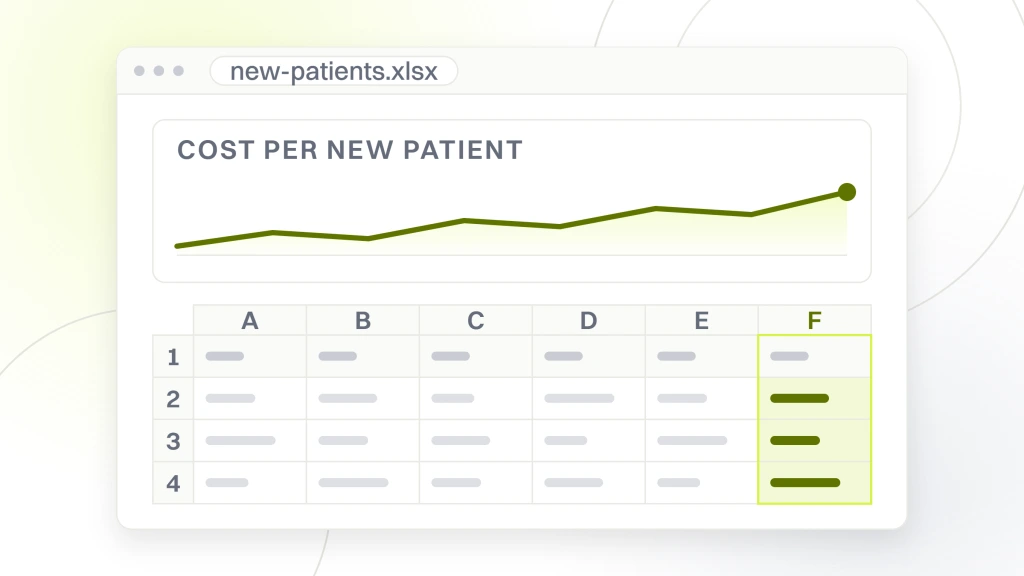
Google Looker Studio is free and covers most single-location dental practice needs. Klipfolio, Databox, and Whatagraph offer more polished dashboards at $75 to $299 monthly. Multi-location groups running 4 or more sites often need a custom-built dashboard on top of a data warehouse at $8,000 to $25,000 one time plus $200 to $600 monthly. Practices below $2.5M usually run Looker Studio. See our dental marketing roi guide for the metric framework.
Callout. If nobody at the practice can name last month’s cost per new patient in 10 seconds, the analytics stack is broken. Fix reporting first.
- Google Looker Studio for the free tier dashboard baseline
- Klipfolio at $75 to $299 monthly for polished dashboards
- Databox at $99 to $499 monthly for goal tracking plus dashboards
- Whatagraph at $149 to $499 monthly for cross-client reporting
Google Looker Studio setup
Looker Studio is free, connects natively to GA4, Search Console, Google Ads, and any spreadsheet the practice keeps. Setup takes 6 to 12 hours one time. Weekly maintenance is 15 minutes. The dashboard shows four numbers. New patients booked, cost per new patient, review count added, recall rate. Every dental practice should build this dashboard before they buy a paid alternative. Free tools that cover 80% of the need beat paid tools that cover 100% at 5 times the cost.
When to upgrade to paid dashboards
Upgrade from Looker Studio to Klipfolio or Databox when the practice runs 3 or more locations, when the marketing team includes non-technical staff who need pre-built templates, or when the dashboard needs alert triggers on threshold breaches. Otherwise, Looker Studio covers the need. The Think with Google data and measurement archive and the Looker Studio documentation both back up this progression.
Integrating dental marketing tools into one workflow
A dental marketing tool stack that doesn’t integrate is just a folder of subscriptions. The value comes from the integrations between tools. Call tracking feeds the analytics dashboard. Review workflow feeds the practice management system. Landing page builder feeds the paid platforms. Every integration takes 2 to 8 hours to configure. Skipping the integration work on dental marketing tools is why so many practices pay for software they never look at.
The integration checklist below covers the critical connections every dental practice should verify. Any missing connection means data is siloed and decisions get made on partial information. VP Dental, a 20+ year practice in the US, unified their website, scheduling, payments, virtual consults, and Google Maps SEO into a single workflow with Redefine Web. New monthly patients climbed 100%, recurring revenue added $8,100 per month, and search impressions grew 776% over 12 months. The integration work was the reason the results held.
Callout. Skip any tool you can’t tie to a measurable patient outcome inside 90 days. Every quarter, cut the tools that fail that test.
Integration checklist
Call tracking connects to Google Ads for automated bid adjustments and to GA4 for cross-channel attribution. Review workflow connects to the practice management system for appointment triggers. Landing page builder connects to Google Analytics and to the CRM or spreadsheet that captures leads. Email automation connects to the practice management system for patient event triggers. Analytics dashboard connects to all four upstream tools plus Search Console and Google Business Profile Insights.
Who owns integration work
Integrations are usually the agency’s job at onboarding. Practices running in-house should budget 20 to 40 hours of setup across the first 60 days for a coordinator to wire everything correctly. Zapier and Make handle 70% of integrations without custom code. The rest needs a developer at $85 to $150 per hour for 2 to 6 hours of work. Skipping this budget line is why in-house implementations stall at the tool-purchase step.
How VP Dental cut tool spend and doubled bookings
VP Dental in the United States ran 11 marketing tools across two locations when we started. Three of them did the same review workflow job. Two of them were call tracking numbers pointed at retired campaigns. Monthly software spend sat at $1,940. Booked new patients averaged 42 per month combined across both locations. The dental marketing tools stack looked expensive on paper and produced average results since nothing connected.
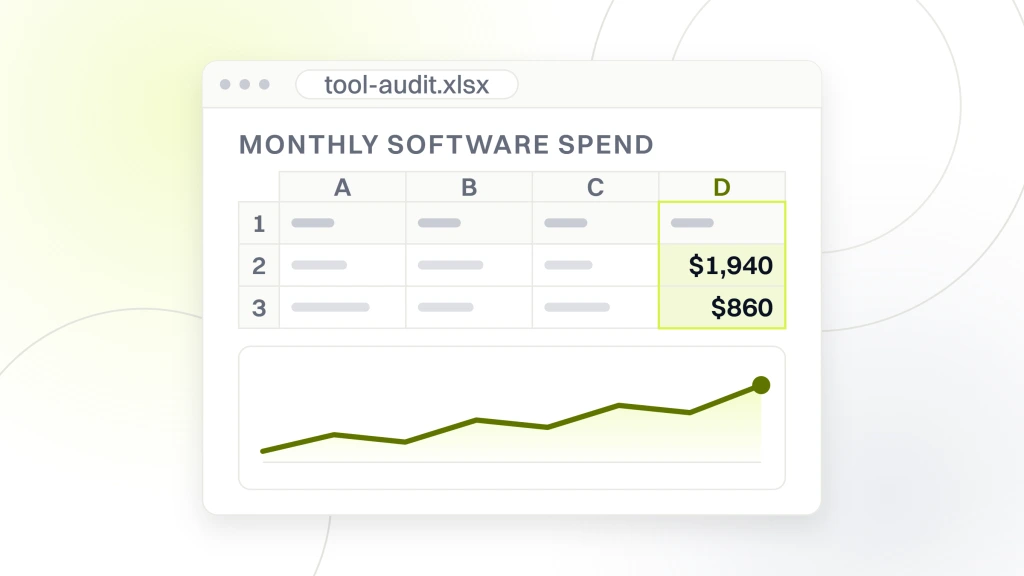
The audit killed 6 tools, kept 5, and added CallRail plus BrightLocal to replace two overlapping vendors. Monthly software spend dropped to $860. Then we wired the surviving tools together. CallRail into GA4. BrightLocal into the weekly Looker Studio dashboard. Weave into Open Dental for the review flow. The integration work took 22 hours across two weeks.
Ninety days after the rebuild, booked new patients climbed to 87 per month combined, a 100% jump on the trailing baseline. Recurring revenue added $8,100 per month from the recall automation and unified web plus SEO strategy. Search impressions grew 776% year over year as Google Maps SEO caught the geography the old fragmented stack ignored. Full numbers live in the VP Dental case study. The tool count went down. The measurable output went up. That’s what an integrated dental marketing tool stack looks like when it’s set up on purpose.
Dental marketing tools usually not worth buying
Every category has tools that get pitched hard and rarely deliver at dental practices. Standalone review generation tools that don’t integrate with the practice management system. Enterprise SEO platforms priced at $999 plus monthly that duplicate what BrightLocal covers at $79. AI content generators that write dental copy without medical review. Social media schedulers that duplicate what the platforms already do free.
The pattern to watch is any tool priced above $500 monthly that duplicates a category the practice already covers. Vendors compete on features, not outcomes. The extras usually solve enterprise-scale problems dental practices below $10M don’t have. Ask the vendor to name three dental clients at your production tier who saw booked-patient growth. If they can’t name three, skip.
Standalone review tools without PMS integration
Some review tools generate review requests without connecting to the practice management system. Those tools require the front desk to trigger every request manually. Manual triggers happen 20% to 40% of the time versus 95% to 100% on integrated tools. That gap is why standalone tools produce 1 to 3 reviews per week instead of 6 to 12. Always require PMS integration.
Enterprise SEO platforms at dental scale
Conductor, seoClarity, and Botify all cost $999 to $2,500 monthly and target enterprise SEO teams managing 100 plus sites. Dental practices below $10M in production almost never need the enterprise features. BrightLocal at $79, Semrush at $139, and Ahrefs at $99 cover 95% of the same need at 10% to 20% of the cost. The exception is a DSO running 40 plus locations with a dedicated in-house SEO team. Below that scale, walk from the enterprise pitch.
Auditing dental marketing tools every quarter
A dental marketing tool stack drifts. Trials become paid subscriptions. Coordinators leave and take login knowledge with them. Vendors raise prices without announcement. Every quarter, the practice manager should audit the stack against what’s producing patients and what’s quietly sitting idle. This audit takes 45 to 90 minutes and often recovers $200 to $1,000 in monthly spend the practice was ready to write off.
The audit format is a spreadsheet. One row per tool. Columns for monthly cost, contract end date, primary user, use case, and results tied to the tool. Rows that can’t fill the results column get flagged for cancellation. Rows with expiring contracts get renegotiated. Rows with a single user who left the practice get reassigned or canceled. The G2 dental practice management category keeps up-to-date pricing benchmarks that support the renegotiation conversation with vendors.
Criteria for canceling a tool
Cancel any tool the practice can’t tie to a measurable result inside 90 days. Cancel any tool where the primary user left and nobody knows the login. Cancel any tool whose category overlaps with another. Cancel any tool whose vendor raised prices without matching feature improvements. Cancel any tool nobody has logged into for 60 days. Practices that ran this checklist quarterly averaged $220 to $780 monthly in recovered spend.
Renegotiation criteria
Renegotiate any tool with more than 12 months of usage history and a stable use case. Vendors extend 15% to 30% discounts on renewal to accounts that ask. Most practices never ask. Renegotiate any tool where the practice has scaled past the seat tier in the current contract. Renegotiate any tool where a competing vendor released a comparable feature at a lower price. Practices that ran quarterly renegotiations averaged 8% to 18% lower spend year over year.
Book more patients with the right dental marketing tools
Ready to audit your dental marketing tools and cut the overlap? Book a free stack audit with our team and we will map every current subscription against the picking order in this guide. See how VP Dental doubled new monthly patients, added $8,100 per month in recurring revenue, and grew search impressions 776% with a unified web plus SEO strategy that started with the tool stack, backed by ongoing competitor analysis every quarter.