
The pet oral care products market is a $9 billion slice inside the wider $76 billion pet care pot, and it grows 10.8 percent a year even as the mass-market treat aisle sits flat. Dental chews carry 62 percent of the slice, water additives and dental sprays another 18 percent, toothbrush and paste kits 14 percent, and dental wipes plus at-home scaling tools the last 6 percent. The reorder window runs 28 to 45 days, the tightest in the whole pet care pot, so subscription attach on a well-designed post-purchase flow hits 68 to 82 percent. Founders scoping the pet oral care products market as one flat category launch a 12-SKU catalog, spread the ad budget across chews, kits, and sprays, and end up with a return on ad spend stuck at 1.6x. No single positioning story lands hard enough to pull the reorder curve into gear.
This guide breaks the pet oral care products market into the four working sub-slices our team sizes for DTC dental brands before scoping a pet products marketing retainer. Chews. Water additives. Toothbrush kits. Vet-recommended pro tools. Each carries its own reorder curve and channel mix, and each earns a different slot in the SKU stack.
Functional dental chews in the pet oral care products market
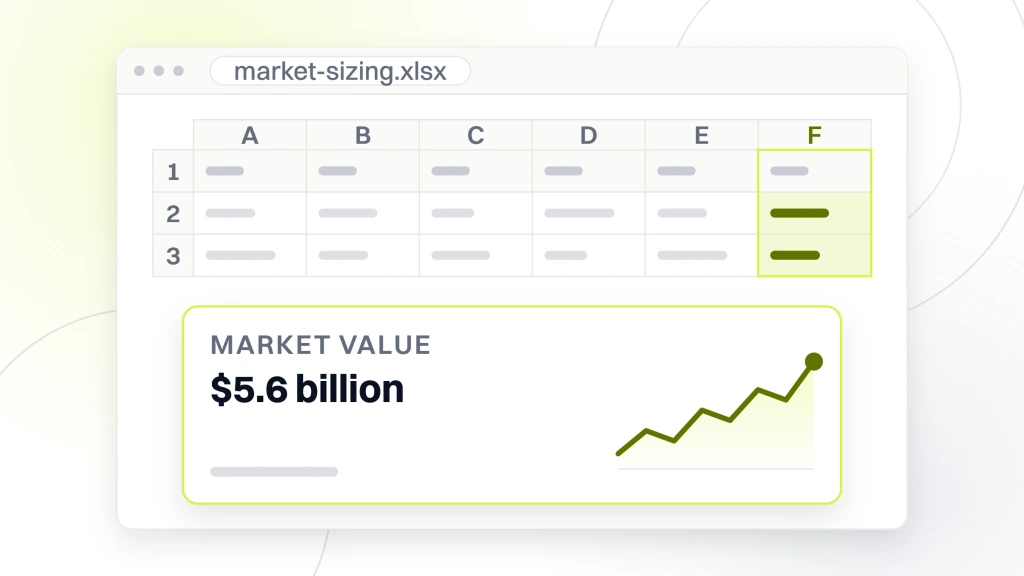
Functional dental chews carry $5.6 billion of the pet oral care products market at 12.6 percent annual growth on 48 to 62 percent gross margin. Greenies, Whimzees, and OraVet lead the retail shelf. DTC contenders like Bark Bright, Zesty Paws Dental, and Native Pet Chew grew $8 to $60 million businesses inside 4 to 6 years by carving specific breed and size niches the big incumbents underserve. The chew sub-slice is the fastest reorder story in pet care, and it’s where most founders should plant their first flag.
The Veterinary Oral Health Council seal as the paid search moat
The Veterinary Oral Health Council (VOHC) accepted-product listing cuts founder cost per conversion by 22 to 34 percent on Meta and Google. Owners search for the seal by name. Founders launching chews without the VOHC listing spend 6 to 12 months chasing a paid search cost per click that never comes back down. The seal costs $18,000 to $32,000 to earn (independent lab testing plus VOHC submission and review) and takes 4 to 9 months.
Founders who model the VOHC investment into their pre-launch budget break even on the seal cost inside 5 months of live selling once the reduced cost per conversion compounds through the funnel. Pet Shop · Pet Superstore · Surrey, UK ran a similar shelf-signal build during a 10K SKU launch relaunch, where trust badges did the heavy work the ad copy could not carry alone.
Breed and size positioning as the DTC wedge
The DTC opening in the pet oral care products market chew sub-slice sits at breed-specific and size-specific formulation. Big incumbents (Greenies, Milk-Bone Brushing Chews) still sell one-size-fits-most product against a buyer who wants a chew shaped for a Yorkie’s mouth or a Great Dane’s jaw. Bark Bright and Native Pet built the wedge on breed-specific and life-stage-specific chews for small dogs, senior dogs, and puppies.
Founders picking chews as the entry sub-slice should focus on a single breed archetype or life-stage niche. Trying to serve every dog and cat use case with one lineup dilutes the story.
Water additives and dental sprays in the pet oral care products market
Water additives and dental sprays carry $1.6 billion inside the pet oral care products market at 9.2 percent growth on 52 to 66 percent gross margin. TropiClean owns the retail shelf. Vetradent leads the vet-recommended shelf. DTC entrants (Bark Bright Water, Petlab Co Dental Water) picked up 22 percent share of the online sub-slice inside 3 years by pairing additives with a chew subscription.
Why additives pair with chews on subscription
Water additives share a 30 to 45 day reorder window with chews. They travel light, they need no refrigeration, and they read as a natural cross-sell inside a chew brand story. Founders who bundle a monthly chew subscription with a quarterly water-additive refill hit an average order value 34 to 48 percent higher than chew-only carts. 90-day retention climbs by 18 to 26 points.
Additives carry a lower cost of goods sold on a per-day-of-use basis, which pulls the blended gross margin on the bundle to 56 to 64 percent. Founders building an additive-only brand run into a discovery problem. Buyers rarely search for additives directly. The chew brand solves that discovery problem for you and sets up the additive as the second SKU in the reorder cadence.
Compliance and label claim discipline
Water additives sit in a compliance gray zone across states. Chlorhexidine-based formulations carry the strongest efficacy but need clear label warnings around dosage and use in puppies. Zinc-ascorbate and green-tea-extract formulations offer softer efficacy at a cleaner label. Founders in the pet oral care products market who launch additives without a veterinary-advisor sign-off on label claims frequently hit a Meta ad account restriction on health-claim policy inside the first 90 days.
Stronger creative does not solve it. Honest, veterinarian-reviewed label copy that Meta’s policy check reads as compliant does, paired with a landing page that holds the same claims. Our ppc agency for pet brands piece covers the account structure that keeps a dental additive brand’s paid social running without a policy strike.
Toothbrush kits in the pet oral care products market
Toothbrush and paste kits carry $1.3 billion of the pet oral care products market at 6.4 percent growth on 44 to 58 percent gross margin. Virbac CET, Petsmile, and Nylabone lead the shelf. The category grows slower than chews or additives. Owner adherence to daily brushing stays under 18 percent even among motivated buyers who put brushes in the cart at checkout.
The daily brushing adherence ceiling
Only a small minority of households that own a brush actually brush their dog daily. Cat-brushing sits at 4 to 8 percent. That adherence ceiling caps the toothbrush kit sub-slice growth. No matter how good the creative on Meta, the recurring-purchase math on paste refills only comes back if the buyer keeps brushing.
Founders building the toothbrush sub-slice as the anchor product hit a 90-day retention wall at 22 to 34 percent versus 48 to 62 percent for chews and additives. Toothbrush kits work better as an add-on inside a chew and additive stack than as the lead product. Our how to market pet products guide covers the launch-year operating rhythm that stops a founder from betting the brand on a low-adherence anchor.
Where toothbrush kits still earn a place in the SKU stack
Toothbrush kits still earn a place in the pet oral care products market SKU stack as the puppy-onboarding SKU and the vet-office recommendation slot. Vets recommend the brush kit to owners of puppies and small breeds. That recommendation moves the buyer into the chew-and-additive subscription stack where the real reorder economics live.
Puppy-onboarding kits (a small brush, a starter paste, and a puppy-focused chew) sell at a 62 percent higher first-order average order value than the standalone chew starter and pull the buyer into a 90-day flow that graduates to the adult chew subscription. Founders using the kit this way should size it as a lifetime-value pull, not a standalone growth engine.
Vet-recommended positioning in the pet oral care products market
Vet-recommended positioning is a load-bearing story inside the pet oral care products market. Buyers trust their veterinarian more than any brand claim. A DTC dental brand without a vet-facing story caps at a 1.8 to 2.4x return on ad spend on Meta. The trust gap keeps the click cheap but the checkout thin.
Building the veterinary advisor and clinic footprint
You build a vet-recommended story on three legs. First, a named veterinary advisor (a DVM with a board-certified dentistry sub-specialty is the strongest, general practice is fine) whose bio and license number are on the product page. Second, a veterinary advisory board of 3 to 6 practicing DVMs who reviewed formulation and dosing. Third, a clinic sampling program that puts starter product in 400 to 1,200 vet clinics inside the first 18 months.
Bark Bright, Native Pet, and Zesty Paws Dental all ran versions of this three-leg build. The cost of the vet-facing footprint runs $28,000 to $84,000 for the first 18 months. It pays back inside 9 to 14 months on the reduced cost per acquisition once the trust story is honest and provable on the product page.
NASC certification and third-party testing
National Animal Supplement Council (NASC) certification and Good Manufacturing Practice (GMP) audit reports cost $6,000 to $18,000 to earn and hold. Both are separately reviewed. Both raise the trust-story credibility on the product page in a way Meta creative alone never does.
Founders in the pet oral care products market who skip these certifications save a small line item on the P&L and lose a much larger customer-acquisition dollar figure to the trust gap. That gap shows up as a stubborn 32 percent bounce rate on the product page and a slow-to-move add-to-cart rate. The Content Marketing Institute strategy guide covers the wider trust-building content pattern that dental brands run alongside these certifications.
Subscription math in the pet oral care products market
Subscription math is the reason the pet oral care products market outperforms grooming and hygiene on lifetime value. The 28 to 45 day reorder window on chews and additives fits monthly subscription cadence cleanly. Every 20-point shift in subscription attach on a dental brand pulls the payback window on paid social forward by 6 to 11 weeks.
Subscription attach by sub-slice
- Functional dental chews. 68 to 82 percent attach on a well-designed post-purchase flow with a pause-not-cancel option.
- Water additives paired with chews. 54 to 68 percent bundle attach on a monthly cadence.
- Water additives standalone. 34 to 48 percent attach. Bundling with chews is the multiplier here.
- Toothbrush kits. 18 to 32 percent attach. The paste refill only reorders if the brushing habit sticks.
- Dental wipes. 24 to 38 percent attach. Bundle with the chew for a 12-point gain.
- Puppy onboarding kits. 44 to 62 percent graduation into the adult chew subscription inside 90 days.
Attach rates in the pet oral care products market come from flow design, not from stacking discounts. The 20-point gap between a well-built attach flow (68 percent) and a discount-only prompt (48 percent) sits in three places. The timing of the offer (first order confirmation email, not cart). The framing (personalized reorder cadence tied to the pet’s weight and pack size, not a blanket subscribe-and-save). The pause versus cancel option (pause raises 60-day retention by 24 percentage points versus cancel-only flows). Founders modeling subscription math into their pet oral care products market launch should build the flow architecture before spending on paid acquisition. The acquisition math changes fast when the attach rate shifts 20 points.
Retail versus DTC in the pet oral care products market
The retail versus DTC split inside the pet oral care products market moves quickly, and the mix changes with each sub-slice. Big-box retail (PetSmart, Petco, Chewy, Amazon) still owns 62 percent of the dental pot in 2024. The share bleeds 3.8 percentage points a year toward DTC in the chew and additive sub-slices where a brand can build a defensible story around VOHC seals, veterinary advisors, and subscription convenience.
Sub-slice by sub-slice channel split
- Functional dental chews. 62 percent retail, 38 percent DTC and climbing 3.8 points a year toward DTC.
- Water additives and sprays. 58 percent retail, 42 percent DTC. Amazon leads the DTC share here.
- Toothbrush and paste kits. 74 percent retail, 26 percent DTC. Vet-office recommendations still route buyers to the shelf.
- Dental wipes. 68 percent retail, 32 percent DTC. Subscription bundling with chews pulls DTC share up.
- At-home scaling tools. 58 percent retail, 42 percent DTC. Amazon dominates the DTC portion.
- Vet-adjacent prescription diets. 84 percent retail (vet plus big-box), 16 percent DTC. Regulatory friction caps growth.
The sub-slice split dictates channel choice on the retainer side. A dental founder in chews should size Amazon plus DTC email plus Meta at a 62-38 mix that shifts toward DTC over 24 months as the brand builds recall. A founder in additives should treat Amazon as the near-term acquisition engine and DTC as the retention engine. Pet Shop · Independent Retail · UK ran a version of this mix on its own quarter-one build and grew local inquiries +158 percent by leaning the DTC storefront into the buyer story the shelf could not carry.
Store design and merchandising cadence on the DTC side is critical. Our pet business web design guide covers the storefront layer that supports subscription-heavy pet dental brands.
Global regions in the pet oral care products market
The global pet oral care products market splits 46 percent North America ($4.1 billion), 28 percent Europe ($2.5 billion), 20 percent Asia Pacific ($1.8 billion, fastest growth at 11.4 percent annual), and 6 percent split across Latin America, the Middle East, and Africa. Category preferences shift sharply across regions. Each region deserves its own operating plan rather than a math projection off the North American base.
North America premiumization and vet-first buying
North American owners spend $58 per pet annual on dental products across chews, additives, kits, and wipes. Growth comes from premiumization (VOHC-sealed chews, veterinary-advisor stories, functional formulations) rather than new pet ownership. A founder scoping into North America competes on story, brand, and reorder economics against Petco brand lines, Chewy’s private-label Frisco Pet Dental, and Amazon Basics.
Winning positioning in premium dental runs through the seal claim, the veterinary advisor, and a subscription flow. That story beats the low-price shelf pitch big-box already owns. Independent vet clinics still drive 34 percent of first-time dental purchases through direct in-office recommendations, so the clinic sampling program earns its cost inside 12 to 18 months on the pull-through revenue.
Asia Pacific and Europe growth patterns
Asia Pacific grows 11.4 percent a year on urbanization, rising middle-class pet ownership, and a preference for chew and water-additive SKUs that skews higher than the North American mix. China leads the region at $0.8 billion, Japan at $0.4 billion, and South Korea at $0.3 billion. Pet Shop · Puppies + Grooming · Singapore rebuilt from a traffic drop and grew organic traffic 5x in a 4-month recovery curve on the same middle-class buying pattern powering the regional growth curve.
European owners spend $34 per pet annual on dental, half the North American figure. The retail structure keeps pricing tighter and DTC brand awareness lags 3 to 5 years behind the US market. Founders scoping Asia Pacific or Europe should treat those regions as a 3 to 5 year build with a local partner rather than a direct DTC launch. Retail structure, veterinary channel norms, and buyer expectations differ from Western markets on almost every dimension.
Every pet dental founder deck eventually reaches the slide claiming the SKU lineup will cover chews, additives, kits, wipes, sprays, oral gels, breath tabs, and an ultrasonic scaler. It never does. A 12-SKU launch catalog on day one reads as generic dental aisle to Amazon shoppers, and the Meta creative team runs out of unique angles by month two. Somewhere in the archive of every stalled pet dental brand, a 12-SKU launch spreadsheet is quietly explaining why the Meta account never got past a 1.6x return on ad spend.
Pet Insurance Australia and the pet oral care products market buyer overlap
Pet Insurance Australia came to our team with a market-adjacent business (insurance rather than physical product), but the buyer overlap with the pet oral care products market is almost total. Anyone insuring a dog or cat has already spent $40 to $180 on dental chews, additives, and toothbrush kits in the previous 12 months. The founder needed a Google Ads program that could reach that same buyer at the moment they were sizing lifetime pet costs against annual insurance premiums.
Our team scoped a keyword-focused Google Ads account rebuilt around policy-purchase intent rather than generic pet-owner queries. Week one restructured the ad groups into 14 tightly-themed clusters tied to search intent. Week two applied 8 landing pages against the top query themes, each pointed at one conversion action rather than a scattered form. Week three set the remarketing loop against the 90-day comparison-shopping window a pet insurance buyer runs before signing. Week four ran the first weekly reporting call with the founder to lock the operating baseline the retainer would hold against.
Over 5 months, the account closed 455 qualified conversions at a 31.06 percent conversion rate against a 2 to 5 percent industry benchmark. Click-through rate landed at 8.87 percent versus the 1 to 3 percent baseline. Return on investment settled at 1,132 percent, meaning every dollar the founder put in returned $11 back. Those Pet Insurance Australia results came out of one integrated funnel where account structure, landing pages, and remarketing worked together. Pet dental founders sizing paid search inside the pet oral care products market should model the same integrated structure rather than treating Google Ads as a standalone channel.
Retainer pricing and how brands act on this pet oral care products market view
Retainer pricing at Redefine Web runs $999, $1,499, $2,499, and from $4,500 per month across SEO and PPC tiers on a 6-month contract. The sub-slice sizing above sets the channel mix inside each tier. Our team runs that math before writing any media plan for a dental brand.
The first two tiers
The $999 tier fits a solo or small dental DTC brand under $200,000 in annual revenue running one or two sub-slices (usually chews plus water additives) with monthly ad spend under $12,000. Scope covers Meta plus Amazon setup, basic email and post-purchase flow buildout, weekly reporting, and monthly strategy calls. Founders in at-home scaling tools rarely fit the foundation tier. Hardware attach economics require a heavier setup than the entry retainer can hold cleanly. Founders in vet-adjacent prescription diets usually skip the foundation tier entirely. Regulatory review adds a scope layer the entry retainer does not carry.
Scale and enterprise tiers for larger dental brands
The $1,499 tier covers pet dental brands at $200,000 to $1 million annual revenue with three or four channel pillars active and monthly ad spend between $12,000 and $30,000. The $2,499 tier fits brands at $1 million to $5 million running all six channel pillars with ad spend from $30,000 to $80,000. The enterprise tier starts at $4,500 per month and covers brands past $5 million with weekly creative sprints and a dedicated account lead. Every tier runs on a 6-month contract. Two full reorder cycles are the minimum needed to prove the operating pattern against real subscription retention math. Organic search across chews, additives, and kits works as its own acquisition channel that stacks on top of the paid mix.
Where pet oral care products market analysis fits the growth stack
Pet oral care products market analysis sits at the top of the DTC pet dental brand growth stack. Every SKU decision and channel plan either compounds through honest sub-slice sizing or fights against a bloated TAM view that never translates into real reachable buyers. Brands that skip the sizing work chase a $9 billion TAM number through a media plan that never pays back a single retainer month.
The sizing view above (four working sub-slices, growth rates, margin structure, reorder windows, retail versus DTC split, regional distribution) is how our team opens every mid-size pet dental engagement before scoping the retainer. Founders who run this sizing exercise honestly at the start of their launch save 6 to 12 months of misdirected spend against sub-slices their brand can never own. The MarketingProfs consumer behavior coverage tracks the buying pattern shifts across DTC categories that touch pet dental premiumization.
Founders sizing the wider frame that ties dental sizing into a launch plan should visit our pet products marketing hub for the wider agency view. Sizing the pet oral care products market is the first strategic decision. Everything else (sub-slice focus, channel mix, retainer scope, subscription flow) follows from an honest read on which sub-slice a brand can actually own inside 3 to 5 years.