
Beauty brands live and die on social. One viral TikTok pushes a lipstick into the sold out queue overnight. A tired Instagram grid loses the retail buyer during the shelf review. A skipped Pinterest plan hands search intent traffic to a competitor’s board. Instagram, TikTok, Pinterest, and YouTube Shorts each pay for a different revenue behavior, and each carries its own creative rhythm and audience insight loop the team works every week. That is the real scope of a specialist partner for DTC skincare labels and luxury clinics, and it is what a serious specialist partner signs up for on day one.
This guide walks the shape of the work Redefine Web runs for DTC skincare labels, luxury clinics, salon chains, and prestige beauty brands. You get the channel by channel scope, reporting metrics tied to revenue, the creative production math, a comparison table of channel priorities by brand shape, the shortlist red flags, and a named case study. Every recommendation is field tested against real beauty brand budgets and current platform benchmarks.
Scope of a beauty social media marketing agency covers 4 channels at once
The scope covers 4 channels running in parallel, so each channel pays for a different revenue behavior. Instagram is the credibility layer the retail buyer, the founder investor, and the aspirational customer all check before deciding to buy. TikTok is the discovery layer that fills the top of the funnel with people who never heard of the brand. Pinterest is the search intent layer that captures inspiration searches at the exact moment the customer plans a purchase. YouTube Shorts is the multiplier that stretches every TikTok win into a second audience without paying for a second production cycle.
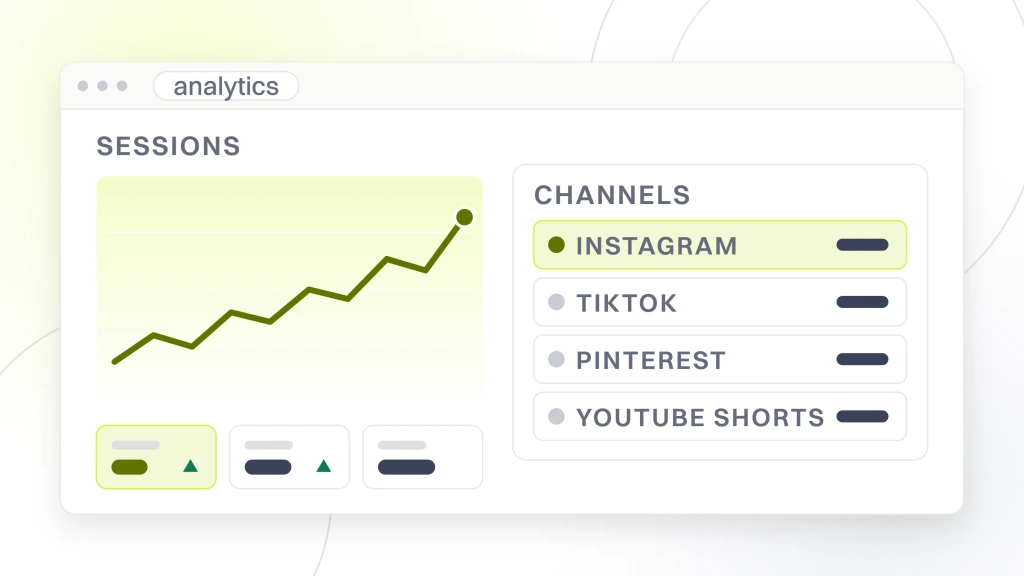
A partner running only Instagram is running a brand shop, not a social program. A partner running only TikTok is running a discovery experiment, not a channel program. DTC skincare and luxury clinics need all 4 channels working together every week, and the creative calibration across them compounds. Pinterest keyword data feeds the TikTok caption strategy. TikTok performance data feeds the Instagram Reels priorities. The Instagram brand voice feeds the YouTube Shorts editorial choices. Pull any single channel out and the compounding stops.
Redefine Web runs the 4 channel scope on every beauty account for that reason. A brand that runs Instagram in isolation for 6 months and then adds TikTok, Pinterest, and YouTube Shorts in year 2 spends 40 to 60% more on creator production than a brand that starts with the 4 channel scope. Read the beauty and skincare marketing hub for the full retainer scope Redefine Web offers to DTC and clinic clients.
Instagram strategy a beauty digital marketing agency runs weekly
Instagram strategy for a beauty brand runs on a 3 feed structure every week. The grid feed is the brand credibility layer with product hero shots, editorial imagery, and founder story posts on a strict 3 by 3 visual rhythm. The Reels feed is the discovery layer with 3 to 5 Reels per week testing product demos, treatment transformations, and behind the scenes moments. The Stories feed is the daily connection layer with product drops, UGC reshares, poll driven audience research, and back in stock alerts.
Instagram’s real signal is not follower count or reach. Saved posts per Reel, replies per Story, and product tag clicks per post carry the weight. Saved posts predict repeat purchase behavior better than any other Instagram number. Reply rate predicts brand loyalty. Product tag clicks predict purchase intent. Redefine Web reports all 3 every month for every beauty client. Any partner leading with follower growth is chasing a vanity number that does not correlate with revenue past 50,000 followers.
The creative production math on Instagram runs 20 to 40 assets per month for a growth stage beauty brand. 12 grid posts, 12 to 16 Reels, and daily Stories with a mix of original and UGC. The production cadence is weekly, not monthly. A monthly production cycle produces stale content, and the platform algorithm changes trend patterns every 10 to 21 days. See the current Meta beauty industry insights report for the platform algorithm signals your agency should be reading every week.
TikTok strategy for a DTC skincare social media agency runs every day
TikTok for a beauty brand runs on daily creator output, not agency polished production. Every compounding beauty account runs 1 of 2 content models. The first is a creator seeding program that produces 30 to 60 pieces of UGC per month from 8 to 15 recurring creators on monthly retainer. The second is a founder led daily program where the founder or a lead employee posts 1 to 3 pieces of native TikTok every day. Pick the model that fits the founder’s calendar, not the shop’s template.
The metric that matters on TikTok is not views. It is completion rate on the first 3 seconds, comment sentiment on the first 100 comments, and click through rate on the profile after the video. A TikTok with 300,000 views and a 12% completion rate performs worse than a TikTok with 50,000 views and a 68% completion rate. The high completion rate video sends the platform algorithm signal to distribute the next video from the account. The low completion rate video kills distribution on the next 3 videos in the queue.
Paid TikTok Spark Ads amplify the organic wins. A beauty social media agency running TikTok well identifies the organic videos with over 40% completion rate and over 4% engagement, then runs Spark Ads on those exact videos to reach 5 to 10 times the organic distribution at CPMs 30 to 50% below cold creative production. That is where the retainer pays for itself. Any agency skipping Spark Ads on organic wins leaves the most efficient TikTok media dollar on the table every single month.
Callout. Fix the creator brief before you fix the ad account. A generic brief kills 60 to 80% of a beauty creator’s native performance.
Pinterest strategy for the beauty search intent audience
Pinterest sits as the most under invested channel on most beauty retainers. Search intent on Pinterest runs 3 to 5 times higher than Instagram, and Pinterest is a planning platform, not a browsing platform. A user searching skincare routine dry skin winter on Pinterest is 60 to 90 days from a purchase decision. A user on Instagram is 6 to 12 seconds from scrolling past your brand’s post. That gap is why Pinterest deserves a real budget line, not a leftover.
The base Pinterest program for a beauty brand publishes 15 to 30 pins per week across 6 to 10 boards, structured by treatment category, ingredient story, or use case. Every pin needs a keyword optimized title, a 100 to 200 word description with search intent language, and a click through to a landing page tuned to the exact Pinterest query. The idle pin that sits on a board without keyword optimization is wasted production time. The keyword optimized pin compounds over 6 to 18 months and can drive 30 to 50% of total organic traffic to a beauty site after year 1.
Paid Pinterest ads work best on shopping campaigns tied to the product catalog and on idea pin promotions tied to seasonal boards. Beauty brands with a large SKU catalog can drive Pinterest shopping campaigns to 4 to 8 times ROAS on cold audiences, and Pinterest search intent qualifies the click before it happens. Read the Pinterest for Beauty business hub for the current benchmark data your agency should be reporting against every quarter.
YouTube Shorts and the credibility multiplier
YouTube Shorts is the second life for every TikTok that hits over 40% completion rate. The same content ported to YouTube Shorts reaches a second audience without a second production cycle. The demographic on YouTube Shorts skews slightly older and more purchase ready than TikTok, which pushes the ROAS on YouTube Shorts campaigns higher than TikTok on the same creative for a beauty brand selling to a 28 to 55 audience. That is a free ROAS lever most beauty retainers ignore.
The base YouTube Shorts program for a beauty brand ports 60 to 80% of the TikTok wins to Shorts, adds 4 to 8 long form YouTube videos per quarter for the treatment education content, and layers YouTube Shopping tags on the Shorts to drive direct product clicks. The long form YouTube video is the SEO layer that catches the customer researching before purchase. The Shorts layer is the discovery multiplier. Together they cover the 2 purchase behaviors YouTube audiences carry.
Any agency that treats YouTube as a single format channel is running 1 third of the platform. The YouTube Shorts, long form, and YouTube Shopping stack works together. A brand running only long form YouTube is missing the daily distribution. A brand running only Shorts is missing the searchable education layer. Redefine Web ports every TikTok win to YouTube Shorts inside 48 hours of the TikTok video hitting the completion rate threshold, no exceptions.
Callout. Port every TikTok that hits 40% completion to YouTube Shorts inside 48 hours. Same content, second audience, zero extra production cost.
Creator and influencer program integration for beauty social media management
Creator and influencer program integration is where a beauty social media marketing agency separates from a channel management shop. Beauty accounts that treat creators as a first class media channel see 15 to 30% higher blended ROAS than accounts that treat creators as an add on. The base creator program runs 8 to 15 recurring creators on monthly retainer at $500 to $3,500 per creator per month for a growth stage DTC brand, plus 20 to 40 gifted seeding creators per month for volume UGC.
The creator brief has to change per creator, not 1 brief per campaign. A creator with 45,000 skincare focused followers gets a different brief than a creator with 300,000 lifestyle followers. Redefine Web writes creator briefs at the individual creator level with a specific hook direction, 3 product angles to pick from, a native to the creator’s voice caption prompt, and a clear disclosure requirement. Generic briefs produce generic content. Individual briefs produce content the platform algorithm rewards with distribution.
Creator whitelisting on Meta and TikTok Spark Ads is the compounding layer. Every high performing creator video gets whitelisted to run as paid media from the creator handle, which carries 30 to 50% higher CTR than the same video on the brand handle. Beauty accounts running whitelisting reach 2 to 4 times the creator organic distribution at CPMs below the standard cold audience. See CreatorIQ’s beauty influencer research for the current creator retainer benchmark and the whitelisting adoption rate across the beauty vertical.
Channel priority table by brand shape
The channel priority table below sorts the beauty social media marketing agency scope by brand shape. Each row is a brand type with the primary channel that drives the majority of the revenue, the secondary channel that builds the audience, and the base creator budget for the retainer. Use the table to sanity check the channel mix on your current agency retainer. If your DTC skincare brand is running a heavy Instagram grid and no TikTok, the retainer is misallocated and the revenue math is off.
| Brand shape | Primary channel | Secondary channel | Creator budget per month |
|---|---|---|---|
| DTC skincare growth stage | TikTok organic and Spark Ads | Instagram Reels plus Pinterest | $8,000 to $25,000 |
| Luxury aesthetics clinic | Instagram Reels and Stories | YouTube Shorts and Pinterest | $3,000 to $8,000 |
| Prestige retail brand at Ulta or Sephora | Instagram grid plus TikTok | YouTube long form and Shorts | $15,000 to $60,000 |
| Salon or spa chain multi location | Instagram per location | TikTok founder led and Pinterest | $2,000 to $6,000 |
Use the table to audit the current channel allocation, then rebalance every quarter. Channel priority shifts as the brand grows into new revenue tiers. A DTC skincare brand at $500,000 in monthly revenue runs a different channel mix than the same brand at $5 million monthly. Redefine Web runs a quarterly channel audit for every beauty client to check the allocation against the current revenue math and to catch the moment a channel starts saturating on cost per new customer. Read the beauty marketing retainer plans for the scope math and the quarterly review cadence.
Reporting metrics that separate real agencies from vanity trackers
The reporting metrics that separate a real specialist from a vanity tracker all tie back to revenue behavior. Saved posts per Reel predicts repeat purchase. Reply rate on Stories predicts brand loyalty. Product tag click through predicts purchase intent. Comment sentiment score predicts creative brief quality. Completion rate on the TikTok first 3 seconds predicts algorithm distribution. Pinterest saves per pin predicts long tail traffic compounding over 6 to 18 months.
Any agency that reports on follower growth, reach, or impressions as the primary metric is chasing a number that does not tie to revenue. Follower growth on Instagram has almost no correlation with revenue after 50,000 followers, so audience saturation of any brand hits diminishing returns quickly. Reach on TikTok inflates every time a video crosses 100,000 views but does not indicate any purchase behavior. Impressions on Pinterest count every pin scroll but tell you nothing about the specific keyword performance driving the click.
The monthly reporting dashboard for a real beauty social specialist shows the primary revenue tied metric per channel, the creative production count per channel, the creator program performance per creator, and the blended ROAS across paid and organic. Any dashboard that does not show all 4 is hiding either the creative production overhead or the paid media efficiency. Both matter equally for the retainer math to work over a full 12 month engagement.
Red flags on a beauty brand social media shortlist
The red flags on a shortlist stay consistent across every brand shape. A shop that runs the same content across all 4 channels will underperform on every one. A shop that cannot show a creator brief customized to a specific creator is running generic briefs at scale. A shop that reports follower count as the headline metric is not tracking revenue. A shop that requires 12 month minimums with no interim review is optimizing for their own bench, not for your brand’s compounding.
2 beauty specific red flags. First, an agency without a real creator sourcing capability. Beauty accounts need 20 to 60 creators sourced per quarter to keep the seeding program alive, and any agency that outsources creator sourcing to a third party platform loses the ability to negotiate creator rates and to build long term creator relationships. Second, an agency without an in house content editor for TikTok and Reels. Beauty content on TikTok requires editing skills the agency has to bring in house, and the 24 to 48 hour turnaround on a viral trend is impossible with a third party editing partner.
The last red flag is any agency that treats paid social as a separate line item from organic social. The 2 run together. Every organic win gets paid amplification. Every paid campaign feeds insight to the organic content calendar. Any agency that separates the 2 is running 2 disconnected programs and charging you for the seat count on both.
Retainer pricing math for a skincare marketing agency partner
A retainer for a DTC skincare brand running the 4 channel scope runs $8,500 to $22,000 per month depending on creative volume and creator program size. A luxury clinic running Instagram, YouTube Shorts, and Pinterest with a light creator program runs $4,500 to $11,000 per month. A salon chain running per location Instagram and Pinterest with a founder led TikTok runs $3,000 to $7,500 per month for a 3 to 8 location base. A prestige retail brand at Ulta or Sephora runs $12,000 to $35,000 per month, and the creative bar and creator budget both scale with brand tier.
The retainer covers creative production, channel management, creator program management, community management, and reporting. Paid media spend sits on top of retainer. Creator retainers sit on top of retainer. Any partner that hides the retainer versus creator spend versus media spend split is being unclear about the true monthly investment. Real partners break the 3 numbers out on the proposal and show the total, so the founder can plan cash flow with no surprises.
Contract structure runs a 6 month initial term with a performance review at month 3 and a rolling 3 month renewal after. The content and channel calibration takes 60 to 90 days to compound. Anyone quoting results faster than that is either running the account on a template or is not being honest about how long social channel building takes to move the primary revenue metric. Read the beauty PPC agency page for the paid side integration a serious retainer includes.
Case study Beauté Aesthetics New York on the beauty social funnel
Beauté Aesthetics New York is a Manhattan luxury beauty and aesthetics clinic that ran the 4 channel social scope as part of a full digital rebuild. Advanced treatments, medical grade cosmetic procedures, wellness services, and a clientele that expected polished visual work across every platform. The clinic came in with a weak Instagram feed, no TikTok presence, no Pinterest strategy, and no YouTube Shorts. The digital story did not match the physical clinic experience the patients were used to.
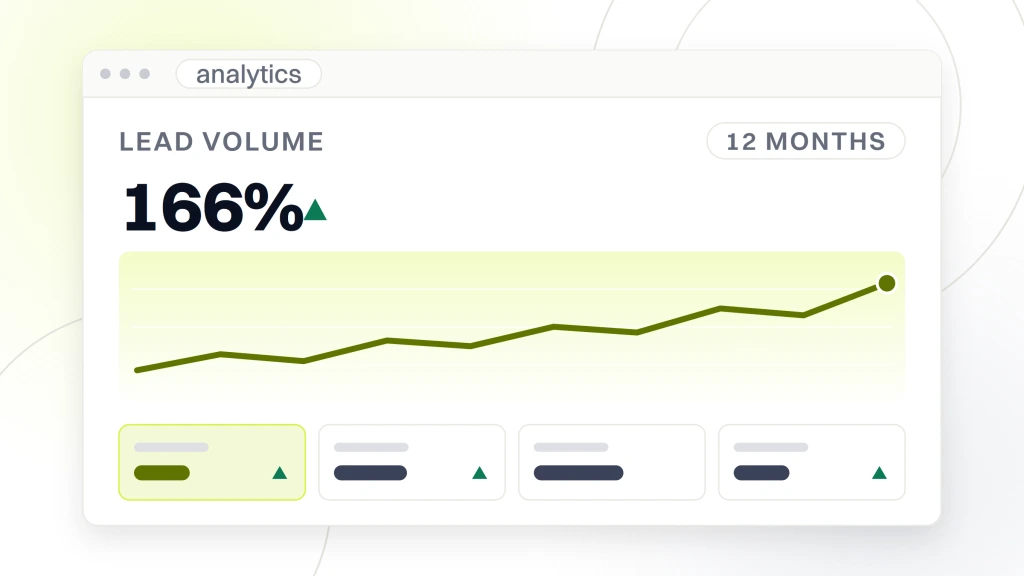
The engagement rebuilt the Instagram feed on a luxury visual bar, launched a TikTok program focused on treatment transformations and behind the scenes moments from injectors and estheticians, layered a Pinterest board strategy tied to treatment planning searches, and ported the TikTok wins to YouTube Shorts. The creator program brought in 5 recurring aesthetics micro influencers on monthly retainer for treatment reviews and before after content. 12 months in, lead volume grew 166%, new users grew 88%, and consult conversion rate climbed 27% across the funnel.
The Beaute engagement is the shape a luxury clinic should look for on a beauty social media marketing agency retainer. Not 1 channel done well. 4 channels running together with a creator program feeding the paid amplification. The compounding shows up in the primary revenue metric, the booked consult volume, inside the first 2 quarters and continues to grow into year 2 of the engagement.
Proof from adjacent verticals on the paid creative model
The paid creative model that a beauty social media marketing agency runs is not unique to beauty. Boogie Board, a DTC reusable writing tablet brand, ran a Google Ads and LinkedIn Ads program with $650,000 in managed spend, hit $31 cost per sale at scale, and grew conversion rate 11% through creator seeded landing pages and cross platform retargeting. That DTC pattern translates cleanly to beauty on the paid side, and the CPA math shows what a disciplined creative production budget can deliver.
A separate DTC engagement drove 179% revenue growth over a 12 month window through category and product page SEO paired with segmented shopping and paid social campaigns, hitting 1,588% paid search ROAS and 3,000% paid social ROAS. The lesson for beauty founders is that the creative production side and the paid amplification side compound together. Cut either one in half and the ROAS math falls apart. Fund both and the retainer starts paying itself back inside the first 2 quarters.
Beauty specific case studies from a beauty social media agency should show the same 2 sided compounding. If a shortlist agency can only show organic wins with no paid amplification math, or paid wins with no organic content engine, they are running half the playbook and charging full retainer for the miss.
Pick the right beauty social media marketing agency for your brand
The right partner depends on brand shape, the primary revenue channel, and the creator program budget. A DTC skincare founder chasing volume growth needs a shop strong on TikTok organic, Spark Ads, and creator seeding. A luxury clinic founder needs a shop strong on Instagram Reels, Stories community management, and creator whitelisting. A salon chain founder needs a shop strong on per location Instagram, Pinterest search intent, and founder led TikTok. A prestige retail brand needs a specialist with the creative bar and creator budget the retail buyer expects on the shelf review.
3 moves this week to move from shortlist to signed partner. First, audit your current channel allocation and check if it matches the brand shape row in the priority table. Second, ask 3 partners for a creator brief they wrote last week for a beauty client and score the customization quality. Third, ask the top scorer to walk their monthly reporting dashboard and confirm that revenue tied metrics show up before follower and reach vanity numbers on the deck.
Where Redefine Web fits on that filter. Beauty and skincare DTC, luxury aesthetics clinics, and multi location salon chains sit in scope for the 4 channel program. Prestige retail media specialists get referred out to partners with the retail buyer relationships. See the beauty web design page for the site side of the funnel your social program feeds into.
The 4 channel scope with creator integration and revenue tied reporting is the shape that compounds. Instagram, TikTok, Pinterest, and YouTube Shorts run together every week. Creators feed both the organic wins and the paid amplification. Reporting ties to revenue behavior, not vanity numbers. Beauté Aesthetics New York found the fit that grew consult volume 166%. Your brand can find the fit that turns social into a revenue channel, not an expense line on the P and L.