A beauty ppc company runs your paid ads across Google, Meta, TikTok, and Pinterest as one revenue channel tied to a blended ROAS target and a customer acquisition cost target. Beauty PPC doesn’t run like generic ecommerce PPC. The category has its own product research patterns, seasonal cycles, creative fatigue windows, and audience overlap math that a generalist misses in the first quarter. Every beauty brand that hires a generalist watches spend climb and ROAS drop by month three, then blames the platform instead of the account build.
This guide walks the beauty PPC work Redefine Web runs with DTC skincare brands on Shopify, luxury aesthetics clinics, salon and spa chains, and prestige beauty brands. You get channel-by-channel bid strategy, a creative testing cadence, the ROAS math, a channel comparison table, shortlist red flags, and a named case study from a Manhattan clinic. Every number comes from live account data, not vendor decks.
What a beauty ppc company owns across four ad channels
The four-channel scope exists since beauty buyers convert differently on each surface. Google Search Ads win the shopper typing a specific product name, ingredient, or treatment query with active buying intent. Meta Ads on Instagram and Facebook win the discovery shopper with a creative that stops the scroll mid-feed. TikTok Ads win the younger discovery shopper with a video that reads native on the For You page. Pinterest Ads win the search-intent shopper planning 60 to 90 days out. Each channel needs its own bid strategy, creative cadence, and attribution window.
Your channel mix depends on brand shape and product price point. A DTC skincare brand with a $45 average order value skews Meta and TikTok heavy since discovery volume matters more than search intent at that price. A luxury clinic with a $4,000 laser package skews Google Search heavy since search-intent buyers convert at 3 to 8 times the rate of discovery buyers. A prestige brand with retail plus DTC hybrid revenue runs a balanced mix across all four channels plus retail media on Ulta or Sephora.
The blended ROAS target across the four channels lands between 2.8 and 5.5 times for most beauty brands. Below 2.8 over a rolling 90-day window, the media stack loses money after cost of goods, packaging, shipping, and fulfillment. Above 5.5, the brand is underinvesting in top-of-funnel awareness. Redefine Web reports blended ROAS as the primary metric on every retainer. Read the beauty and skincare marketing hub for the full retainer scope.
Google Ads strategy on a beauty ppc company retainer
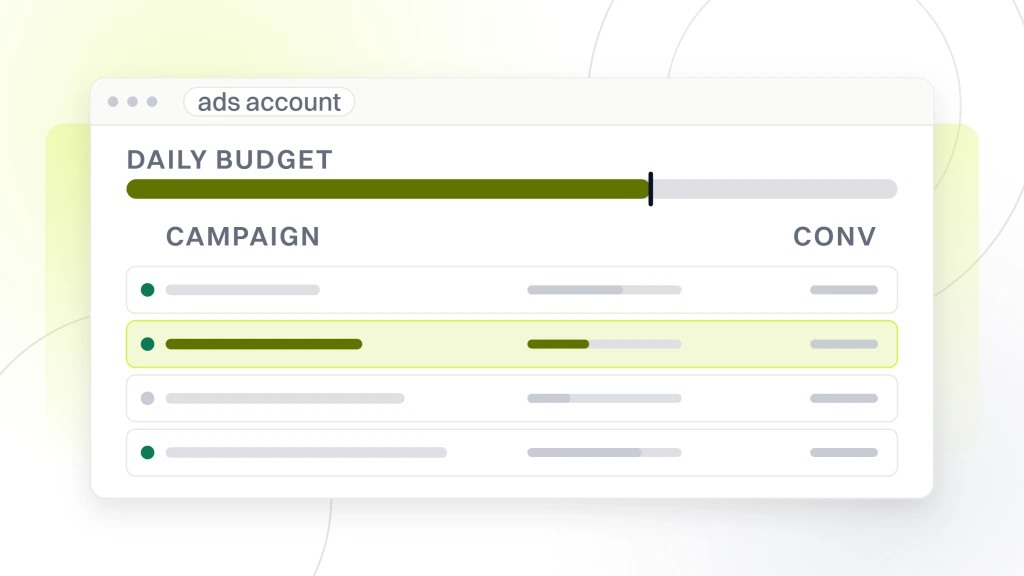
Google Ads strategy starts with query intent segmentation, and every beauty account we audit fails this step. Branded queries covering the exact brand and product name get their own campaign with the highest bid ceiling since the intent sits at the bottom of the funnel and closes at 4 to 8 times the non-branded rate. Non-branded ingredient, treatment, and category queries get separate campaigns with query-specific ad copy and matched landing pages. Competitor branded queries get a defensive campaign only when the brand can hold ROAS above 2.5 times on that traffic.
Shopping campaigns for DTC skincare need product feed hygiene before bid tuning. Every product needs a title with brand plus product name plus category plus key ingredient. Every product needs 3 to 6 images covering hero shot, texture, packaging, and swatch. Every product needs the correct Google category set to Beauty and Personal Care with the right subcategory. Feeds with generic titles or single hero images lose 30 to 60% of the impression share to competitors with tuned feeds.
Performance Max campaigns work for beauty brands that already have 40 to 60 daily conversions across the account. Below that floor, Performance Max can’t optimize well and burns budget on the wrong audiences. Above the floor, Performance Max delivers 20 to 40% lower CPA than manual Shopping and Search on the same product set. Beauty brands under the floor should stay on manual Shopping and Search until volume clears. See the current Google Ads platform documentation for Performance Max signals.
Meta Ads bid strategy and creative rotation for beauty accounts
Meta Ads bid strategy runs on a three-campaign spine. Prospecting hits cold audiences with discovery creative pulled from UGC clips, founder pieces to camera, and 30-second product demos. Retargeting hits the last 30, 60, and 90-day site visitors with the exact product they viewed plus a review creative pulling the top three star ratings on the SKU. Retention targets the past purchaser file with cross-sell and upsell creative tied to the SKU pattern the buyer already showed, not a generic winback.
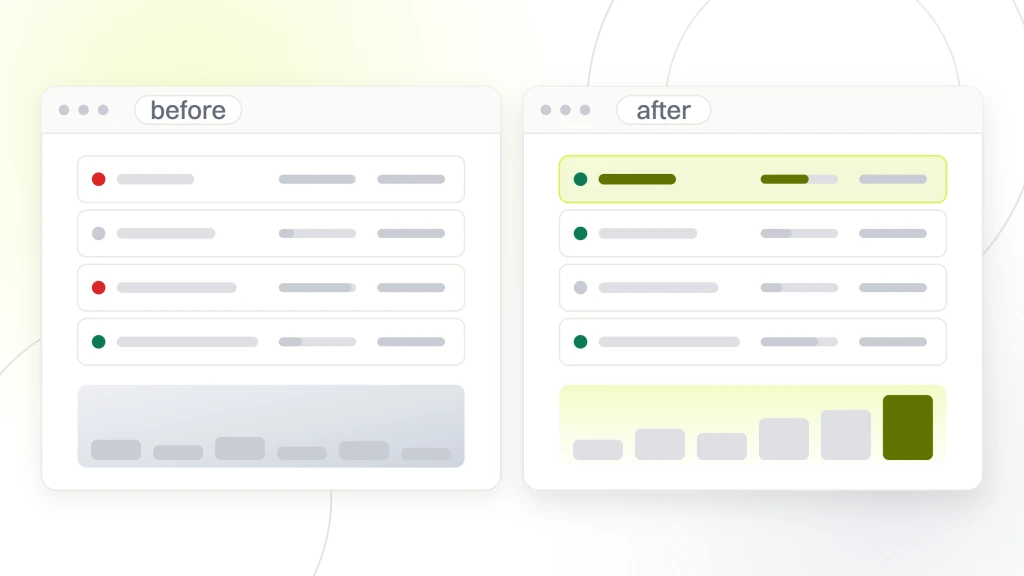
Beauty creative fatigues on Meta at 2.5 to 4 weeks for cold audiences and 1 to 2 weeks for retargeting. Refresh assets on that clock or CPMs climb 40 to 60%.
Creative rotation is where most beauty PPC retainers underperform. Any account running the same 4 to 6 creatives across every campaign for 8 to 12 weeks watches CTR drop 40 to 60% and CPA climb by the same amount. The base creative production for a growth-stage brand runs 12 to 20 new assets per month across the three campaign types.
Advantage Plus Shopping works for DTC skincare brands with 30 or more daily purchase conversions. Below that floor, the machine learning can’t optimize on thin signal. Above the floor, it delivers 15 to 35% higher ROAS than manual structures on the same creative set. The rule mirrors Performance Max on Google. Volume is what makes automation work. Read the current Meta Advantage Plus Shopping documentation for platform threshold guidance.
TikTok Ads for beauty brands and Spark Ads compounding
TikTok Ads for beauty brands compound only when the paid amplification rides organic wins from the brand handle and paid creator handles. Spark Ads run paid distribution against an existing organic video and keep the post on the original handle, which is why audience trust carries through. Spark Ads riding videos with over 40% completion rate and over 4% engagement deliver 30 to 50% lower CPMs than cold creative and 20 to 40% higher CTR since the video reads native.
The base TikTok structure for a growth-stage beauty brand runs three campaigns. Spark Ads amplifying organic wins from the brand handle and 8 to 15 creator handles. Cold prospecting on custom lookalike audiences from the customer file. Retargeting on the last 30-day site visitors with a product-specific creative. Spark Ads carry the highest ROAS. Cold prospecting carries the highest volume. Retargeting carries the highest close rate.
TikTok pixel setup and Conversion API integration matter more on TikTok than Meta since platform tracking is thinner and attribution is more sensitive to signal loss. Accounts that skip the Conversion API setup lose 30 to 50% of tracking accuracy inside 60 days as iOS updates and browser changes cut into the pixel signal. Every TikTok beauty retainer needs the Conversion API live before scaling past $5,000 per week. See the current TikTok beauty advertising benchmarks for platform data.
Pinterest Ads for search-intent beauty audiences
Pinterest Ads for beauty brands work hardest on shopping campaigns tied to the product catalog and idea pin promotions tied to seasonal boards for spring, summer, holiday, and Valentine gifting. Pinterest audiences sit 60 to 90 days from a purchase decision on average, which stretches the attribution window past Meta and TikTok. A brand running Pinterest on a 7-day window sees a fraction of the true conversion contribution and pulls budget too early. Extend the window to 30 to 60 days and the real Pinterest ROAS surfaces.
Beauty brands with a large SKU catalog can drive Pinterest shopping campaigns to 4 to 8 times ROAS on cold audiences since Pinterest search intent qualifies the click before it happens. A user searching skincare routine dry skin winter on Pinterest is a warm lead by the time they land on the product page. Click intent runs 3 to 5 times stronger than Meta cold clicks for skincare in the $25 to $85 range.
Keyword research for Pinterest Ads runs parallel to organic Pinterest strategy. Paid campaigns target the same high-intent keywords the organic pins are optimized for, which compounds. Any paid team running Pinterest without coordinating with the organic strategy leaves 20 to 40% of the potential ROAS on the table.
Comparison of beauty PPC channels by brand shape
The table below sorts beauty PPC channel priorities by brand shape and shows the primary metric per channel, the base monthly spend range for a growth-stage brand, and the ideal attribution window. Use it to audit the current PPC mix on your account. A DTC skincare brand running 80% of budget on Meta with no TikTok or Pinterest is likely leaving 20 to 40% of the potential ROAS on the table across the three under-invested channels.
| Channel | Primary metric | Monthly spend range | Attribution window |
|---|---|---|---|
| Google Search and Shopping | ROAS on non-branded queries | $8,000 to $60,000 | 7 to 30 days |
| Meta Advantage Plus and Prospecting | Blended ROAS across three campaigns | $15,000 to $120,000 | 7 to 28 days |
| TikTok Spark Ads and Cold Prospecting | Video completion rate plus ROAS | $4,000 to $40,000 | 7 to 28 days |
| Pinterest Shopping and Idea Pin | Extended ROAS on skincare category | $2,500 to $20,000 | 30 to 60 days |
Use the table to audit the channel mix, then rebalance quarterly. Channel priority shifts as the brand grows through new revenue tiers. A DTC skincare brand at $500,000 in monthly revenue runs a different mix than the same brand at $5 million monthly. Redefine Web audits channel allocation on every beauty client every quarter to catch the moment a channel saturates on cost per new customer and to spot the moment a new channel opens up after a threshold shift on the account. Read the beauty PPC agency page for the retainer scope reference and the specific channel allocation math Redefine Web tunes to on every quarterly review.
Landing page optimization for beauty ppc campaigns
Landing page optimization is where 30 to 60% of the ROAS math is won or lost on a beauty ppc retainer. A perfectly tuned ad pointed at a poorly built page underperforms by 40 to 70% against the same spend on a tuned page. Beauty landing pages need the same seven above-the-fold elements the strongest product page carries. A product image gallery with three angles. Product name and price. An ingredient story headline. A volume selector. An add-to-cart button in a contrasting color. A star rating with the review count in the same row. And a fulfillment snippet with specific delivery timing.
Pages fed by Google Shopping need to match the product feed language to the landing page copy. A shopping ad promising vitamin C serum for sensitive skin that points to a product page never mentioning sensitive skin loses 40 to 70% of the click intent to the mismatch. Pages that match the ad language to the page headline and first paragraph hold intent through to add-to-cart. This is the single most common landing page failure Redefine Web catches on beauty PPC audits.
Page speed matters as much on beauty PPC as on organic search. A page loading in 3.5 seconds versus 2.1 seconds on 4G mobile loses 15 to 30% of the paid click volume before rendering finishes. Every retainer needs a page speed audit quarterly at minimum and every time a new campaign launches. See the beauty web design page for the landing page build scope.
Red flags on a beauty ppc company shortlist
Red flags on any shortlist stay consistent. An agency reporting last-click ROAS as the primary metric is optimizing for a number that hides cross-channel contribution. An agency running one template across every client isn’t tuning to brand shape and price point. An agency that can’t walk a live dashboard on a screen share is hiding reporting quality. An agency requiring 12-month minimums with no interim review is optimizing for its bench utilization.
If a beauty PPC vendor charges a percentage of media spend, the incentive grows spend, not return. On $40 to $80 SKUs that model breaks the margin math inside two quarters.
Two beauty-specific red flags. First, an agency without in-house creative production. Beauty fatigue rates need 12 to 20 new assets per month across the three Meta campaign types alone. Outsourcing adds two weeks of turnaround and a 30 to 60% cost premium. Second, an agency that treats influencer whitelisting as an add-on. Whitelisted creative from a beauty micro-influencer runs 30 to 50% higher CTR than the same creative on the brand handle. For the wider take on paid apparel and accessory work, see Fashion PPC Agency for Apparel and Accessories Brands.
Retainer pricing math for beauty PPC work
Redefine Web prices beauty PPC retainers on four fixed tiers. Foundation at $999 per month covers a single channel setup and quarterly audits for brands under $30,000 in monthly media. Growth at $1,499 per month covers two channels and monthly ROAS tuning for brands in the $30,000 to $80,000 media range. Scale at $2,499 per month covers all four channels and a per-location dashboard for brands in the $80,000 to $200,000 range. Enterprise starts at $4,500 per month for prestige brands with retail plus DTC hybrid revenue over $200,000 in monthly media.
Media spend sits on top of retainer. A DTC skincare brand pushing for growth needs $25,000 to $150,000 per month across Meta, TikTok, Google, and Pinterest. A luxury clinic in a mid-tier metro needs $8,000 to $40,000 per month across Google and Meta. A salon chain per location runs $1,500 to $4,500 per month. Real partners show retainer and media spend side by side on the proposal.
Contract structure runs a six-month initial term with a performance review at month three and a rolling three-month renewal after. The media stack takes 60 to 90 days to compound since every platform needs conversion signal to optimize. Anyone quoting scaled ROAS faster than that is running the account on a template. Read the beauty marketing retainer plans for the full retainer scope.
Case study Beauté Aesthetics New York on the paid media stack
Beauté Aesthetics New York is a Manhattan luxury aesthetics clinic that ran the beauty ppc scope as part of a broader digital rebuild. Advanced treatments, medical-grade cosmetic procedures, wellness services, and a Manhattan location where paid media auctions run at the highest tier in the country. The clinic arrived with a Google Ads account on broad match with no negative list, a Meta account running a single creative across every campaign, and zero attribution tying paid spend to booked consults.
The engagement restructured Google Ads with a three-campaign query intent segmentation covering branded, non-branded treatment queries, and defensive competitor queries. Meta rebuilt on a three-campaign structure with prospecting, retargeting, and retention creative rotated on a weekly rhythm. The attribution model tied every paid click to the consult booking form and the consult phone number using dynamic number insertion. Twelve months in, lead volume grew 166%, new users grew 88%, and consult conversion rate climbed 27%.
The Beauté engagement is the shape a luxury clinic should look for in a beauty PPC retainer. Not a single-channel push but a full channel restructuring with query intent segmentation, weekly creative rotation, and attribution tying every paid dollar to the primary revenue metric. The compounding shows up in booked consults inside the first two quarters and keeps growing into year two.
More proof points from beauty and DTC accounts
Boogie Board is a direct-to-consumer ecommerce brand that came in with cost per sale too high to scale. The rebuild dropped cost per sale to $31 and produced $650K in incremental revenue across the annual curve. Query intent segmentation on Google Shopping and creative rotation on Meta drove the change, the same two moves behind most beauty DTC gains.
Abigail Ahern is a home renovation ecommerce brand where the paid media rebuild grew ecommerce revenue 179% on the 12-month curve. Feed hygiene plus creative rotation plus attribution repair produces compounding returns inside two quarters, not overnight.
A premium D2C beauty account we ran drove monthly sales 3.5 times higher and total revenue 5.2 times higher over a 6-month curve. The rebuild fixed feed hygiene on Google Shopping, added Spark Ads on TikTok riding organic creator wins, and moved Pinterest attribution to a 30-day window. That shift alone recovered 40% of the paid contribution a 7-day Pinterest window was hiding.
Pick the right beauty ppc company for your brand
The right beauty ppc company for your brand depends on brand shape, primary revenue channel, and creative production capability. A DTC skincare founder needs a partner strong on Meta and TikTok with weekly creative sprints. A luxury clinic founder needs a partner strong on Google Search with query intent segmentation and a consult attribution model. A salon chain founder needs a partner strong on per-location Google and Meta with a per-location dashboard. A prestige retail brand needs a specialist with retail media plus DTC hybrid experience.
Three moves this week to go from shortlist to signed partner. First, audit your current PPC channel allocation against the brand shape row in the table. Second, ask three prospective partners to walk a live client dashboard on a screen share and confirm blended ROAS across a rolling 90-day window is the primary metric. Third, confirm the creative production capability is in house at 12 to 20 new assets per month.
Where Redefine Web fits on that filter. Beauty and skincare DTC, luxury aesthetics clinics, and multi-location salon chains sit in scope. Prestige retail media specialists get referred out. See the beauty SEO company page for the organic side of the channel mix.
A beauty ppc company running the four-channel scope with query intent segmentation, weekly creative rotation, and blended ROAS reporting compounds through year two. Google, Meta, TikTok, and Pinterest run together every week, not one at a time. Creative production stays ahead of fatigue rates. Reporting sits on 90-day revenue behavior, not last-click illusions. Beauté Aesthetics New York grew booked consults by 166% on this shape. Your beauty brand can find the same fit and turn paid media into a compounding revenue channel instead of a monthly cash burn.
Does PPC really work?
Yes, PPC works for beauty brands when the account structure and attribution model match the brand shape. A DTC skincare brand can hit 3 to 5 times blended ROAS on Meta and TikTok inside two quarters if creative rotation stays on cadence and Conversion API tracking is live before scaling. A luxury clinic can drive consult volume up 100 to 200% on Google Search if query intent segmentation splits branded, non-branded, and competitor traffic into separate campaigns. PPC fails when the account runs one template across every client, when creative sits stale for 8 to 12 weeks, or when reporting rides last-click math. Beauté Aesthetics New York grew leads 166% on a rebuild that fixed all three failure points at once.
How much is PPC with a marketing agency?
PPC retainers with a beauty ppc company at Redefine Web run four fixed tiers. Foundation at $999 per month for a single-channel setup on brands under $30,000 in monthly media. Growth at $1,499 per month for two channels on brands in the $30,000 to $80,000 media range. Scale at $2,499 per month for the full four-channel scope on brands in the $80,000 to $200,000 media range. Enterprise starts at $4,500 per month for prestige brands over $200,000 in monthly media with retail plus DTC hybrid revenue. Media spend sits on top of retainer and gets shown on the proposal side by side so the split is clear from day one.
How to start a beauty company?
Starting a beauty company runs on eight steps every founder walks in some order. Research and define your niche, from clean skincare to luxury color to pro tools. Pick a business model, whether that is DTC ecommerce, salon retail, or wholesale. Decide on a manufacturing strategy, from private label to contract to fully in-house. Write a business plan mapping the first 24 months of cash burn against revenue milestones. Pick a legal structure, register the entity, and pull licenses in every state you ship. Build your website on a platform that supports Shopping feeds and Meta pixel out of the box. Build your brand voice, packaging, and photography together so paid ads have creative to run against on day one. Source inventory with enough safety stock to survive a viral hit.
How to start PPC marketing?
Starting PPC for a beauty brand runs on eight steps. Set campaign goals against a specific number like blended ROAS above 3 times or cost per new customer below $45. Set the PPC budget with 60 to 90 days of runway since machine learning needs conversion signal to optimize. Pick the channel that matches the brand shape, Google Search for high-intent shoppers or Meta for discovery-driven brands. Run keyword research for PPC on the exact ingredients, treatments, and product names buyers type. Set up the campaign and ad groups with query intent segmentation from day one. Define the audience with lookalike math built from the customer file, not from vendor templates. Create and launch the first ads with 4 to 6 creative variants per campaign to give the algorithm test signal. Set up campaign tracking with the Conversion API live before spend crosses $5,000 per week.
What are PPC products?
PPC products are the paid ad formats a beauty brand buys across the four main platforms. Google offers Search Ads on keyword auctions, Shopping Ads on the product feed, Performance Max on cross-channel automation, and YouTube Ads on video inventory. Meta offers Advantage Plus Shopping, Prospecting on cold audiences, Retargeting on site visitors, and Retention on past purchasers. TikTok offers Spark Ads on organic amplification, Cold Prospecting on lookalike audiences, Retargeting on 30-day visitors, and Shop Ads on the product catalog. Pinterest offers Shopping campaigns tied to the product feed and Idea Pin promotions tied to seasonal boards. Every product carries a click cost, and the fee gets charged only when a user clicks the ad.
How to do beauty ppc company reddit
Reddit threads on beauty PPC agree on a few points that match live account data. Skip agencies charging a percentage of ad spend since the incentive grows spend, not return. Look for a partner with in-house creative production, not an outsourced shop, since beauty creative fatigues at 2.5 to 4 weeks and you need 12 to 20 new assets per month. Ask for a screen share of a live client dashboard on the first call. Any partner that can’t show blended ROAS across a 90-day window is hiding reporting quality. Reddit flags the same warnings on 12-month minimums, which usually mean the agency is optimizing for its bench utilization.
How to do beauty ppc company in usa
Running a beauty PPC program in the USA needs three market-specific moves. First, geo-target campaigns by state and metro since buyer behavior varies wildly between coastal metros and the interior. A luxury clinic in Manhattan runs different creative than a med spa in Dallas, even at the same price point. Second, layer state-specific compliance into the ad copy since claims on skincare, wellness, and medical procedures face different state rules on before-and-after photos and treatment guarantees. Third, run separate campaigns for retail media on Ulta and Sephora since retail specialists price 40 to 70% above DTC generalists. USA-based agencies with in-house creative and multi-state compliance experience price at the top of the market and earn it on brands with over $80,000 in monthly media.
How to do beauty ppc company on amazon
Amazon PPC for beauty brands runs on three ad types. Sponsored Products on keyword auctions inside search results. Sponsored Brands on the top-of-search banner with brand story creative. Sponsored Display on the product detail pages of competing SKUs. Beauty brands on Amazon need feed hygiene on the product listing before scaling paid spend since the organic ranking signal ties directly to the paid conversion rate. Product titles need brand plus product name plus category plus key ingredient. Product images need 6 to 9 variants covering hero, ingredient close-up, application demo, and lifestyle context. A+ Content grows organic conversion rate by 10 to 20%, which then lowers paid ACOS on the same campaign.