
A commercial real estate marketing agency runs the six channels that book tenant tours and investor calls for CRE brokers, landlords, and developers. The stack pairs a custom property listing site with CoStar and CREXi feed integration, local plus vertical SEO on submarket queries, Google Ads and LinkedIn Ads on high-intent leasing and investment terms, email nurture off the CRM, video walkthroughs for anchor properties, and broker outreach at the property and market level. A vendor built for CRE runs all six as one program, not six freelancers on six invoices. Run all six well and every listed property fills 30 to 60 percent faster on 25 to 40 percent less marketing spend than the industry median.
Abels Residential is a London letting business we launched from zero across residential and small commercial. Inside 12 months we ranked 280+ keywords on page one, drove 20+ qualified leasing leads per month directly off organic search, and held page load under 2 seconds sitewide. McCarthy Court, a 7-unit luxury Sidcup development, sold out 100 percent inside 3 months of pre-completion off an immersive virtual showcase site, 60+ qualified buyer leads, and 10K targeted campaign visits. The same playbook scales at a longer sales cycle and higher deal value for tenant reps, investment sales brokers, and portfolio landlords.
Red flags in a commercial real estate marketing agency proposal
CRE proposals read alike on page one. The gaps show up on the line-item scope. The list below separates a working vendor from a residential shop chasing a bigger CRE retainer this quarter. For the wider take on what a marketing agency does across every real estate segment, see our guide to a real estate marketing agency for agents, teams, and brokerages.
- No CoStar or CREXi data feed integration in scope. Every serious CRE build starts there.
- No offline conversion imports from the CRM into Google Ads or LinkedIn. Tuning bids on form fills alone burns 30 to 50 percent of paid spend.
- Retainer under $2,000 with a promise of full CRE stack. That budget covers residential work at senior rates.
- Case studies from residential-only accounts. Different sales cycle, different content depth, different channel mix.
- No mention of submarket SEO or asset-class landing pages. The map pack alone does not close CRE deals.
- Percent-of-spend pricing on ad budgets under $5,000 monthly. Creates a bias toward inflating spend for the agency fee.
- Account ownership through the agency MCC instead of a client-owned MCC link with 24-hour termination.
A recurring pitch on the market promises full CRE marketing service for $499 a month with a proprietary tenant-matching algorithm that fills vacancies inside a week. The scope covers a spreadsheet with a lookup formula and a junior account manager splitting hours across ten unrelated accounts. Neither piece has closed a warehouse lease or an office renewal in the last 24 months. The scope reads as CRE and prices as junior residential. Priced right, real CRE work runs $999, $1,499, $2,499, or from $4,500 per month on SEO or PPC retainers, with ad spend billed separately.
Green flags to look for instead
A written scope naming CoStar, CREXi, Buildout, LoopNet, HubSpot or Salesforce by platform. Week-one tracking QA with CallRail on tour requests. Submarket page structure inside the setup fee for the top three submarkets. LinkedIn Sponsored Content with title and industry targeting in the ad plan. Case studies from Abels Residential, McCarthy Court, and named regional CRE accounts. Client-owned MCC access. A weekly one-page report format sample showing spend, leads, tours, and closed deals.
Metrics a commercial real estate marketing agency watches weekly
A modern CRE dashboard can carry 200 metrics. A working vendor watches 10 across three groups. Spend efficiency, tour quality, and revenue outcomes. Founders shopping a retainer should ask which 10 the agency tracks weekly. Vague answers signal an account running on autopilot across the long CRE sales cycle.
Spend efficiency plus tour quality
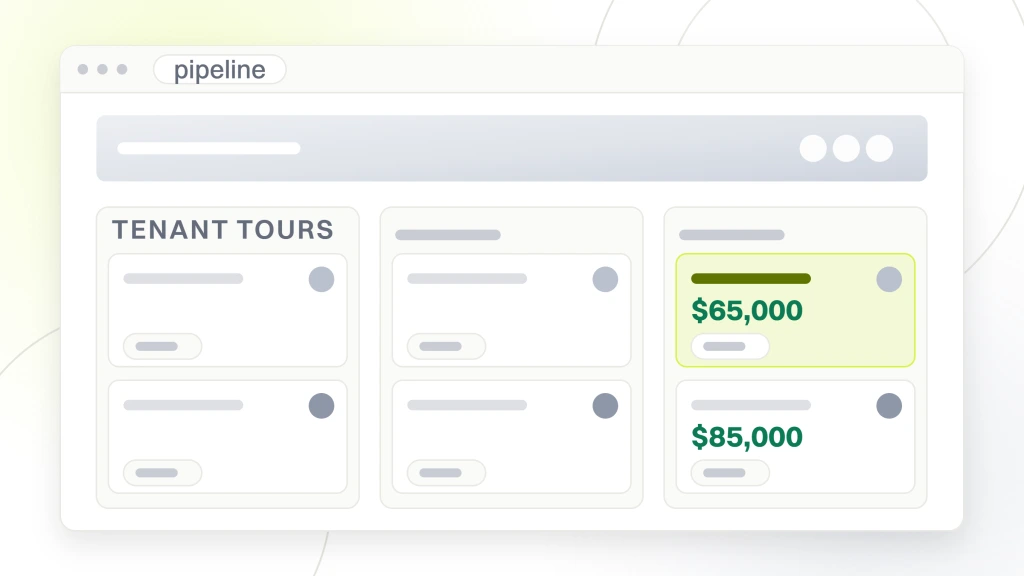
Spend efficiency covers cost per click, cost per qualified tenant lead, cost per booked tour, LinkedIn Sponsored Content CPC, and Google Ads search impression share. Tour quality tracks tour-to-lead ratio, qualified tenant profile match, and tour-source attribution. Tour-to-lead ratio moves the biggest lever. Accounts under a 15 percent tour-booking rate burn spend on junk leads that hit the CRM but never tour. A weekly tour scorecard sent every Monday keeps the account manager honest and the brokerage owner oriented on the metrics that decide renewal.
Revenue outcomes that decide renewal
Four numbers decide renewal on a rolling 12 months. Cost per leased square foot, average lease value by asset class, cost per closed investment sale, and average commission per closed deal. A weekly Slack summary keeps the broker or brokerage owner oriented. When two of the four slide two weeks in a row, the manager triggers a mid-month strategy call instead of waiting for the monthly review. Renewals sign themselves when the four hold green and the pipeline stays steady. Client-owned dashboards mean the operator can log in at any hour and pull the same numbers the account manager sees.
Timeline for a CRE marketing partner
CRE partnerships mature slower than residential. Month one covers setup and tracking. Month two brings the first optimization signal as negative keyword lists compound. Months three and four bring the first meaningful pipeline movement as paid-channel tour bookings attribute back. Months five through nine compound the gains as SEO signals mature and offline conversion imports train Smart Bidding on closed leases. Full pipeline maturity lands around month 12.
What the first 60 days cover
Week one covers Google Business Profile audit and cleanup across every broker location, conversion tracking QA, CallRail installation on inbound tour lines, and access exchange across Google Ads, LinkedIn Campaign Manager, and the CRM. Weeks two and three cover keyword research by submarket and asset class, LinkedIn audience targeting build, CoStar and CREXi data integration into the listing site, and initial ad copy on the top three campaigns. Weeks four through eight cover landing page rewrites on the top three submarkets, LinkedIn Sponsored Content launch, and the first weekly report.
Month six break-even math
Break-even math on CRE runs longer than residential. At a $6,000 monthly retainer plus $12,000 monthly ad spend across Google and LinkedIn, break-even lands at roughly one closed lease at $65,000 in commission or one closed investment sale at $85,000 in commission. Most CRE partnerships hit that inside month six. Multi-transaction quarters open around month eight and compound from there. If the agency can’t show a written path to break-even inside 180 days, they don’t understand the CRE cycle or don’t have case data to back the pitch.
Ten questions to ask a CRE marketing partner
Every CRE proposal reads the same until the buyer pushes on the details. The 10 questions below separate agencies that own commercial accounts from residential shops chasing CRE budget. Ask all 10 on the first call. A vendor who wants your signature answers them straight on the line.
- Which CRE brokerages have you run past 12 months, and what was the cost per closed lease or sale on each?
- Do we own the Google Ads and LinkedIn Ads accounts through client-owned MCC and account access?
- What conversion tracking platform will you install in week one for tour requests?
- Is CoStar and CREXi data feed integration inside the setup fee or a separate scope?
- How many hours of senior time land on our account weekly, and who is the named account manager?
- What is your process for training Smart Bidding on closed lease revenue via offline conversion imports?
- Show me a sample weekly one-page report from a similar-sized CRE brokerage account.
- What is the written trigger for a mid-month strategy call if numbers slide 20 percent below plan?
- How do you attribute a closed lease or sale back to the exact keyword and page that produced the tour request?
- What are your last three lost CRE renewals and what changed in each account that lost them?
Answers a working agency gives
Named brokerages with real numbers on closed leases and sales. Client-owned MCC access as default, not an upgrade. CallRail or WhatConverts in week one. CoStar and CREXi feed integration inside the setup fee. 8 to 15 hours of senior time weekly on a $6,000 retainer. Monthly offline conversion imports wiring HubSpot or Salesforce closed-deal data into Google Ads and LinkedIn. Sample report showing spend, leads, tours, and closed deals. A written mid-month trigger at 20 percent below plan. Attribution wiring back to keyword and page level.
Answers that should end the call
Vague answers about CRE client references. Agency-owned MCC with 30 days notice to transfer. Conversion tracking not covered in scope. CoStar and CREXi feed integration as separate scope. Junior account managers at senior rates. No offline conversion import process. Reports showing impressions and clicks but not tours or closed deals. No written mid-month trigger. Attribution that stops at form submission. Any two of those in one call ends the shortlist for that vendor.
Vertical specialization inside a CRE marketing partner
Commercial real estate splits across office, industrial, retail, multifamily, and specialty asset classes. Each carries its own tenant profile, sales cycle, absorption pattern, and ad-platform behavior. A partner worth signing carries documented playbooks per asset class, not one CRE template applied across every deal. Vertical fluency shows up in the intake questions and the ad targeting inside the first 30 days.
Office and industrial versus retail dynamics
Office and industrial leasing runs on tenant rep relationships and submarket depth. Retail runs on foot traffic projections, co-tenancy analysis, and cotenant lease-term reviews. A partner built for office leasing spends heavily on LinkedIn Sponsored Content targeting corporate real estate directors. The same agency on retail shifts spend into Google Ads for foot-traffic proxies and pulls back on LinkedIn. Retail broker networks close over shopping center site visits and open houses, not corporate boardroom evaluations.
Multifamily and investment sale differences
Multifamily leasing sits between residential and traditional CRE. The per-unit sales cycle runs 30 to 90 days, shorter than office, but the account carries a portfolio-level pipeline that behaves like CRE. Investment sale marketing targets private equity, family offices, and institutional buyers on LinkedIn and through curated email drops. A working vendor needs distinct playbooks for both plus the CRM segmentation to hold leasing tenant reps and investment buyers in separate nurture flows. The wrong offer never reaches the wrong audience.
Content engine a CRE marketing partner runs monthly
A CRE content engine outputs four pieces per month. One submarket deep-dive with absorption data, one asset-class explainer aimed at prospective tenants or investors, one weekly market pulse rolled into a monthly newsletter, and one case study from a closed lease or sale. That cadence carries the SEO signal, feeds the LinkedIn Sponsored Content queue, and gives the CRM nurture flows fresh assets. Anything less and the site stalls three months in.
Submarket pages that rank
A submarket page ranks when it names the submarket, lists available inventory pulled off the CoStar feed, adds a heat map of asking rents by asset class, cites the last four closed comps, and closes with a booking widget for a tour. Ten submarkets covered at that depth put a mid-sized brokerage on page one for the queries their tenant reps chase every week. A vendor that skips comp data and inventory feeds writes thin pages Google ignores.
LinkedIn cadence that books calls
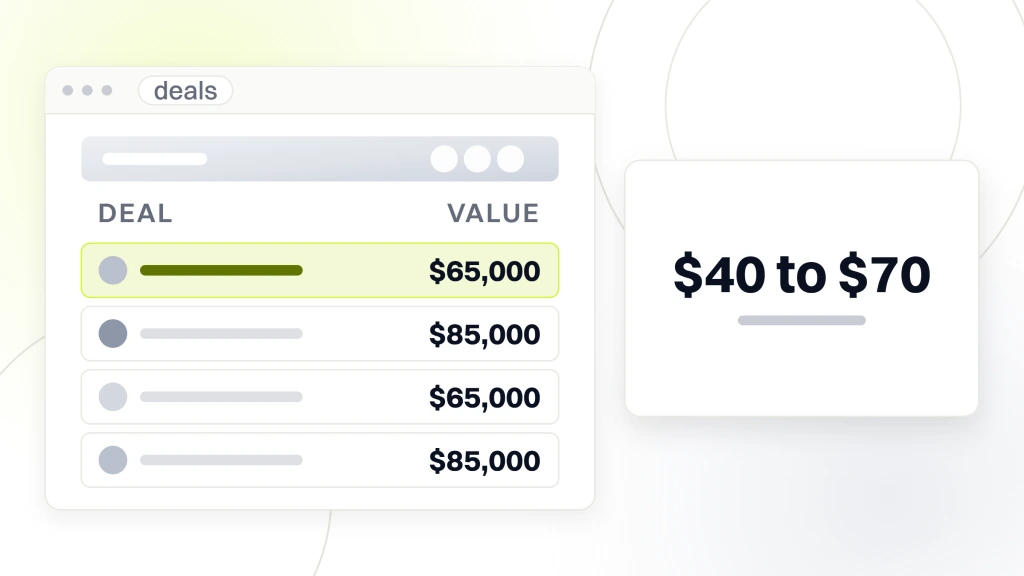
LinkedIn Sponsored Content works on CRE at a $40 to $70 cost per qualified lead when the targeting locks in on job title, industry, and company size. Post cadence runs three assets per week. One market data card, one closed deal announcement, and one thought leadership take from a named broker. Video hits 3 to 4x the engagement of static image posts on the platform. Broker-led video with a market data overlay carries the LinkedIn program.
Tech stack the account manager runs on
The daily tools inside a CRE marketing partner cover HubSpot or Salesforce for CRM, CoStar and CREXi and LoopNet for inventory data, CallRail or WhatConverts for call tracking, Google Ads and LinkedIn Campaign Manager for paid, Ahrefs or Semrush for SEO signals, Looker Studio or Google Sheets for weekly reporting, and Loom or Vimeo for property video hosting. The right partner uses the tools your CRM and MCC already sit inside, not a proprietary lockbox that ties reporting to their agency license. Every asset should port out on 30 days notice with full historical data intact.
Getting started with a CRE marketing partner
The first conversation with a working CRE partner runs as a working session on your last 12 to 24 months of pipeline data, not a slide deck. Which channels produced the leases you closed. What the cost per closed lease looked like. Where the pipeline fell off between lead, tour, and negotiated deal. A vendor who runs that math with you on call one earns call two. A vendor who runs a slide deck earns a thank-you email and drops off the shortlist.
Intake data the vendor asks for on call one
Last 24 months of Google Ads and LinkedIn Campaign Manager data. Last 12 months of GA4 traffic and conversion data. CRM export of leads plus attributed source plus closed status. Current CoStar and LoopNet spend and product mix. Number of brokers on the team. Average commission per closed lease and per closed investment sale. Portfolio by asset class and submarket. Current site URL and complaints from the broker team about what breaks. Nine data points. Any vendor worth a signature asks for all nine before quoting.
The written 180-day plan
Days 1 to 30 cover tracking QA, GBP cleanup, ad account restructure, submarket keyword research, and initial CoStar and CREXi feed integration on the top three submarkets. Days 31 to 60 land the first content cadence live on 8 to 12 submarket pages, first LinkedIn Sponsored Content live, and first CRM automation flows firing. Days 61 to 90 compound local plus vertical SEO signals, fire first offline conversion imports live, and log first booked tours attributable to the new program. Days 91 to 180 bring pipeline maturity signals and the first closed leases attributable to the direct-response layer.
Wrapping up how to pick a CRE marketing partner
The right partner worth the retainer runs the six channels as one program off one dashboard. Property site with CoStar and CREXi integration. Submarket and asset-class SEO. Google Ads and LinkedIn Ads with offline conversion imports. Email nurture off the CRM. Video walkthroughs for anchor properties. Broker outreach at the property and market level. Real client numbers from Abels Residential and McCarthy Court prove the pattern holds. According to Search Engine Journal’s paid media coverage, disciplined CRM-linked CRE accounts outperform industry medians by 40 to 60 percent on cost per closed transaction across every asset class.
If your brokerage closes 10+ leases annually or spends over $5,000 monthly on paid, this program pays for itself inside six months. Ask three vendors for line-item scopes. Run all 10 questions above. Pick the one that owns the six-channel program, gives client-owned MCC access, and shows a written 180-day plan tied to closed lease revenue. Redefine Web runs a real estate program at real estate marketing services, and a retainer at real estate marketing retainer from $1,499 per month. Book a call and we’ll walk the last three CRE accounts we turned around, line by line. For channel depth on the way in, see real estate SEO services or real estate PPC agency.