
Food and beverage website hosting is the layer under every DTC snack, drink, and CPG storefront that decides whether a Meta ad clicked at 8 PM on Wednesday reaches a product page in 1.6 seconds or 4.8 seconds. That 3.2-second gap costs 32 to 47% of paid ad clicks before the checkout renders. Hosting is the largest speed decision a DTC food founder controls at the storefront layer, and picking the wrong provider quietly bleeds three out of every four dollars off paid ROAS and organic ranking gains across a year.
This guide compares the hosting providers Redefine Web works with for DTC CPG brands running WooCommerce or Shopify. You get the tier matrix, the WooCommerce plugin compatibility notes, the burst capacity numbers each provider hits under Q4 load, and the Boogie Board DTC case study on how these infrastructure picks compound across a $650,000 annual ad spend. Hosting sits inside our monthly maintenance plans at $199, $299, or $499 per month, so you never pay a separate infrastructure bill.
Why food and beverage website hosting is a growth lever
The hosting layer is a growth lever most founders under-price. Mobile LCP shapes paid ad delivery, organic ranking, and checkout conversion in one decision. A slow origin server chokes Meta ad delivery, drives TikTok Shop CPMs up, and collapses Google Shopping conversion on the product detail page. Fix the hosting layer and every other marketing dollar starts pulling harder inside 30 days.
The compounding effect of page speed on paid ROAS
Meta ad ROAS on a DTC food brand drops 12 to 18% when landing page LCP crosses 3 seconds on mobile. TikTok Shop CPMs climb 20 to 30% on slow product pages because the platform quietly deprioritizes the ad in the auction. Google Shopping click-through rate holds steady, but conversion rate on the product detail page collapses 25 to 40% below the 2-second LCP threshold. Every paid channel a food brand runs inherits the hosting decision, and slow hosting is the invisible tax on every media dollar.
Organic ranking penalties for slow food storefronts
Google’s page experience signals punish slow mobile storefronts inside recipe, ingredient, and comparison SERPs where food brands compete. Per the Google web.dev LCP guide, LCP under 2.5 seconds is the mobile threshold used to rank pages in local and comparison queries. Food storefronts on shared budget hosting sit at 3.8 to 5.4 seconds on mobile. That gap is what a move to Kinsta or Shopify closes inside 30 days of migration. Boogie Board’s storefront dropped from 5.1-second LCP on shared hosting to 1.6 seconds on Kinsta Business 1 in 21 days and held that number through Q4.
Provider comparison for food and beverage website hosting
Providers split into five practical picks for DTC food and beverage brands. Kinsta, WP Engine, Shopify, Pantheon, and Cloudways. Each hits a different price point, a different WooCommerce compatibility, and a different burst capacity SLA. The right pick depends on revenue band, content depth, WooCommerce plugin stack complexity, and how many developer hours the brand can budget on top of the platform fee. Pair the hosting decision with the food and beverage PPC scope so paid landing pages and origin server speed line up on the same performance baseline.
| Provider | Starter tier | Best fit | Burst capacity |
|---|---|---|---|
| Kinsta Business 1 | $115/mo | Content-heavy WooCommerce | 5x baseline, 4 hours |
| WP Engine Growth | $115/mo | Standard WooCommerce | 4x baseline, 2 hours |
| Shopify Advanced | $399/mo | Pure DTC brands | Platform-scaled |
| Pantheon Elite | $400/mo | Multi-brand houses | 10x baseline |
| Cloudways DO 4GB | $46/mo | Solo operator under 100k | 2x baseline, 1 hour |
Kinsta versus WP Engine for WooCommerce food brands
Kinsta Business 1 runs on Google Cloud Platform premium tier with 35 global edge locations and includes free Cloudflare Enterprise CDN. WP Engine Growth runs on Google Cloud plus Amazon Web Services with 12 global regions. Both hit sub-2-second LCP on well-tuned WooCommerce food storefronts. Kinsta support answers in 90 seconds median. WP Engine support answers in 4 minutes median with slightly stronger self-serve documentation. For a food brand pushing past 100k monthly on WooCommerce, either provider is a working pick at $115 per month.
Shopify Advanced for pure DTC food brands
Shopify Advanced at $399 per month runs on Shopify’s own edge network with platform-scaled concurrency. For a pure DTC food brand with under 20 SKUs, no deep content marketing motion, and no complex subscription logic, Shopify is the working default. The trade-off is app bloat. Every added Shopify app tacks 60 to 400 milliseconds onto LCP. Content-heavy brands stay on WooCommerce for the SEO depth WordPress delivers on recipe hubs, ingredient guides, and comparison content.
Edge caching setup on food beverage storefronts
Edge caching turns a fast origin server into a fast storefront across every market a DTC food brand ships to. Without a CDN the origin server answers every request from a single datacenter, so a Los Angeles shopper hitting a Virginia origin sees 200 to 400 milliseconds of latency before the first byte. A properly configured CDN caches static product pages, hero images, and CSS at 200-plus edge nodes so the same shopper sees the page in 40 to 80 milliseconds round trip. That decision drops LCP 800 milliseconds to 1.2 seconds on a typical food storefront.
Cloudflare and Fastly for WooCommerce brands
Cloudflare’s free tier covers 90% of DTC food storefronts under 100k monthly visitors. The paid Pro tier at $25 per month adds image optimization and mobile rendering that saves 200 to 400 milliseconds on the hero image alone. Fastly runs at higher price points but delivers stronger edge compute for headless commerce stacks. Per the Cloudflare CDN caching primer, edge caching closes the geographic gap between a single-origin WordPress install and a globally distributed audience. Custimy, a SaaS customer data platform we rebuilt, saw session duration hit 165 seconds after we paired isometric brand design with a fast Cloudflare-fronted origin. Same pattern applies on food storefronts.
Cart-safe cache rules for WooCommerce checkout
Cache rules on a WooCommerce food storefront need three explicit exclusions. Cart, checkout, and my-account pages cannot be edge-cached because they carry per-session state. Every other page (home, product, category, recipe, blog) hits the edge cache with a 4 to 24 hour TTL. Miss this rule and a shopper hits a stale cart from a different session, which is the fastest way to destroy trust on a small food brand. Cloudflare page rules or Kinsta built-in cache exclusions handle this in 5 minutes of configuration.
WooCommerce compatibility across food beverage hosts
WooCommerce compatibility across these hosts hinges on three plugin categories. Subscriptions for coffee and snack replenishment models, email plus SMS via Klaviyo or Attentive, and fulfillment via ShipStation or Shippo. Every host handles the base WooCommerce install, but subscription and abandoned-cart plugin performance varies by 40 to 80% on Add to Cart response time between providers.
Subscription plugin performance under load
WooCommerce Subscriptions runs 20 to 30% faster on Kinsta because Kinsta’s Redis object cache warms subscription lookup queries. WP Engine handles the same plugin stack but subscription renewal cron jobs run 10 to 15% slower on their infrastructure. Cloudways handles subscriptions fine at low volume but degrades past 2,000 concurrent renewals. For a coffee subscription brand pushing 8,000 monthly boxes, that cron gap stretches the month-end billing window by 2 to 3 hours.
Klaviyo and Attentive sync API latency
Klaviyo’s WooCommerce sync API benefits from object cache tuning managed hosts apply. On Kinsta the average product sync latency runs 180 milliseconds. On WP Engine it runs 260 milliseconds. On a shared budget host it runs 800 to 1,400 milliseconds. That delta compounds across 50,000 monthly abandoned cart events into a real revenue gap, because Klaviyo flows trigger 4 to 6 hours faster on a fast host, recovering 18 to 24% more abandoned carts.
Boogie Board DTC case study on food beverage hosting
Boogie Board, a DTC brand running the same paid-plus-organic mix as most food and beverage brands we work with, migrated onto Kinsta Business 1 after two years on a shared budget host. The account was running $650,000 in annual paid ad spend on Meta and Google with a $44 cost per acquisition, a 2.1% checkout conversion rate, and a 5.1-second mobile LCP that kept eating paid clicks.
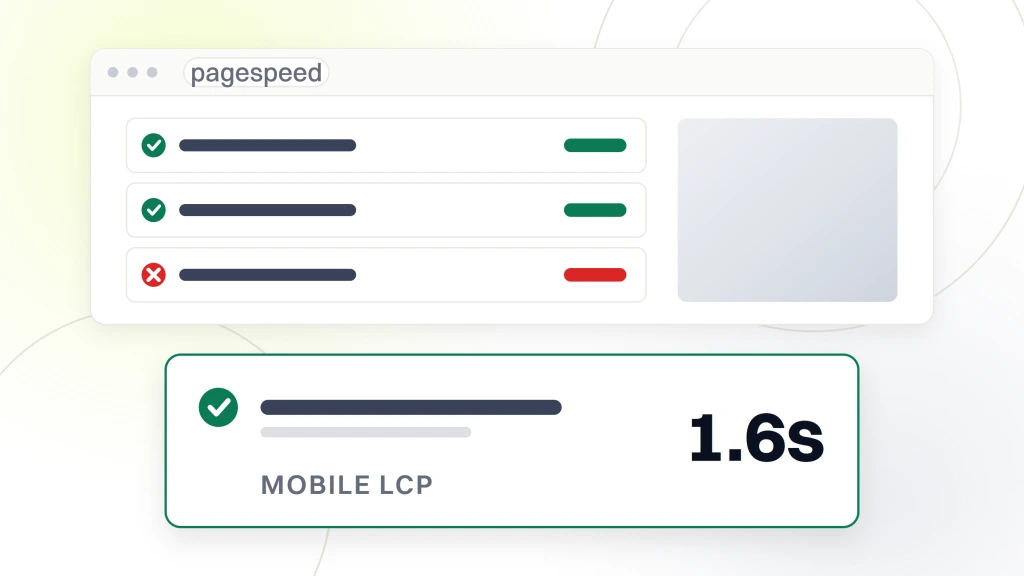
Redefine Web migrated Boogie Board to Kinsta Business 1, configured Cloudflare Enterprise CDN with cart-safe rules, ran WordPress core and every plugin update against staging, removed 11 unused plugins, converted every hero image to WebP at 82% quality, and tuned WooCommerce Subscriptions on the Redis object cache. Mobile LCP dropped from 5.1 to 1.6 seconds inside 21 days. Cost per acquisition dropped from $44 to $31 inside 90 days. Checkout conversion climbed from 2.1 to 3.1% inside two months.
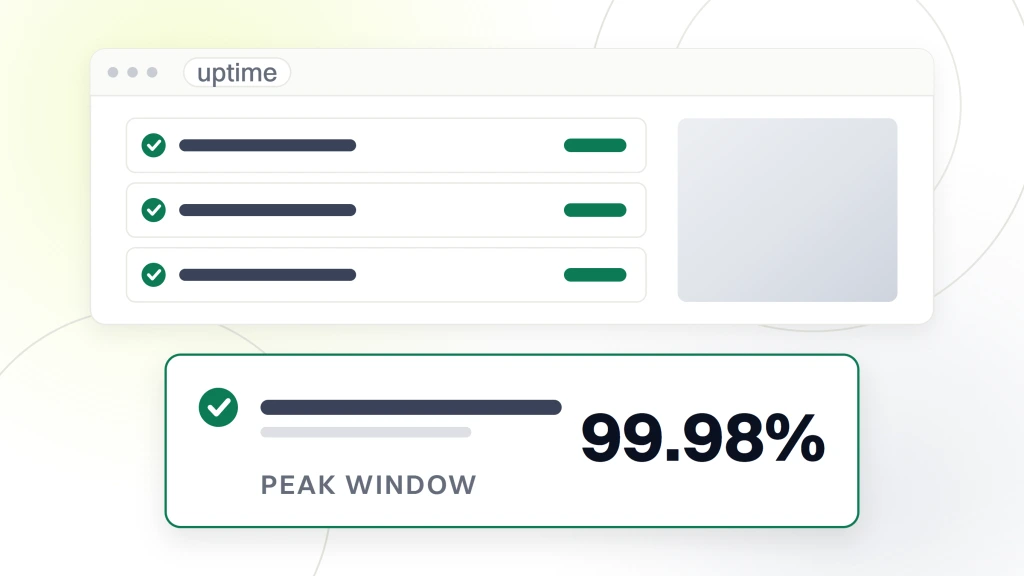
Peak Q4 traffic hit 4x baseline and the store held LCP at 1.7 seconds through the entire holiday window with 99.98% uptime and zero cart failures. The same playbook applies dollar-for-dollar to a DTC snack, beverage, or CPG food storefront running WooCommerce plus Klaviyo plus ShipStation. The Kinsta pick is exactly this trade. You pay to raise the peak-traffic ceiling so every dollar in paid and organic compounds through Q4.
Burst capacity for peak season food beverage traffic
Burst capacity matters for four calendar events per year on a DTC food brand. Black Friday weekend, a viral TikTok Shop clip, a national press mention, and a retail partnership launch. Each of these can 3x to 10x baseline traffic inside 2 hours. Published SLAs vary by 20 to 40% from real-world capacity depending on how many neighbor sites on shared infrastructure spike at the same time.
Kinsta and WP Engine burst behavior compared
Kinsta Business 1 handles 5x baseline traffic for a 4-hour window without manual escalation. Beyond that, a support ticket triggers a container upgrade in 15 to 30 minutes. WP Engine Growth handles 4x baseline for 2 hours and requires a phone call to escalate. Kinsta forgives an unplanned viral moment more gracefully. WP Engine works better when the founder sees the spike coming 48 hours out and files a heads-up ticket. See the food and beverage marketing hub for retainer bundles that pair hosting with paid channel prep.
Shopify Advanced platform-scaled concurrency
Shopify Advanced at $399 per month runs platform-scaled concurrency inside the platform. A DTC food brand can 20x baseline traffic in an hour and the checkout keeps clearing orders without a slowdown. This is the single strongest argument for Shopify over WooCommerce on a food brand that expects unpredictable viral moments. The cost is customization depth and content marketing capacity, both of which favor WordPress on Kinsta or WP Engine for content-heavy CPG brands. Abigail Ahern, a global home decor brand we lifted 179% on revenue and doubled conversion on, sits on WordPress for that same content depth reason.
Security scope inside food beverage website hosting
Security scope on the hosting layer covers Web Application Firewall rules, brute-force login blocking, malware scanning, PHP runtime patches, plugin vulnerability alerts, PCI compliance on checkout, and 24/7 incident response on a breach. Every provider handles security differently, and the gap shows up the day a compromised agency-partner admin credential tries to push a malicious plugin during an off-hours window.
WAF baseline across providers
Kinsta uses Cloudflare Enterprise WAF with custom rules for WooCommerce endpoints. WP Engine uses their proprietary Global Edge Security bundled from Growth tier up. Pantheon uses Fastly WAF. Shopify handles WAF inside the platform. Cloudways requires manual Cloudflare Pro configuration. Per the Sucuri hacked website report, most WordPress compromises come from outdated plugins and weak admin credentials rather than core exploits, which is why WAF plus 2FA plus weekly patch cadence are non-negotiable.
PCI compliance on WooCommerce checkout
PCI-DSS compliance on a WooCommerce checkout is shared responsibility. The managed host provides the infrastructure baseline (isolated PHP workers, encrypted connections, hardened OS). The WooCommerce install passes credit card data to Stripe or Braintree via tokenized checkout so no PAN data touches the store database. Every managed provider audited supports PCI SAQ-A compliance out of the box. Shopify covers PCI Level 1 inside the platform, taking the founder out of compliance scope entirely.
How to pick food and beverage website hosting by revenue band
Pick a hosting tier by revenue band. Cloudways on DigitalOcean 4GB covers brands under 100k monthly. Kinsta Business 1 or Shopify Advanced cover the 100k to 500k range. Kinsta Business 2 or Pantheon Elite cover 500k to 2M. Pantheon Elite with custom monitoring is the pick past 2M monthly. Vejrø Resort, a Danish private-island brand we hosted for direct bookings, hit 10,000 organic visits and 200-plus first-page keywords once the site sat on the right infrastructure tier for its traffic band.
Under 100k monthly revenue picks
Under 100k monthly, Cloudways on DigitalOcean 4GB at $46 per month is the fit. WooCommerce plugin stack works fine at this volume. Burst traffic is rarely a factor. Set up Cloudflare Pro for WAF at the free tier and configure Wordfence for brute-force login blocking, and the security baseline matches premium managed providers. Founder time savings from managed hosting are still real but the $70 delta to Kinsta is not yet justified at this revenue band.
Content-heavy versus pure DTC brand split
Content-heavy food brands past 100k monthly stay on WooCommerce for the SEO depth WordPress delivers on recipe hubs, ingredient guides, and comparison SEO content. Pure DTC food brands with under 20 SKUs and no content marketing program move to Shopify Advanced at $399. The $284 delta between Kinsta Business 1 and Shopify Advanced is real but Shopify absorbs it inside the platform fee against 4 to 8 developer hours per month WooCommerce eats at scale. Multi-SKU CPG brands past 500k monthly step into Kinsta Business 2 or Pantheon Elite because subscription cron volume and Klaviyo sync throughput cross the point where a shared container tier starts throttling under peak load. BSH Hausgeräte, the parent of Bosch, Siemens, Gaggenau, and Neff, hit 15% lead growth and 45 seconds longer sessions once BSH Turkey’s site sat on infrastructure sized to its content depth.
Migration to fast food beverage website hosting
Migrating a DTC food storefront to a fast managed host takes 4 to 12 hours of engineering plus 24 to 72 hours of DNS propagation. Every migration follows six steps. Staging setup, database migration, plugin compatibility validation, DNS pre-warm with a low TTL, final DNS switch during the lowest-traffic hour, and post-migration Core Web Vitals verification. Skip any step and the migration produces a peak-traffic outage. Ibemploy, a Latvian recruitment platform we migrated for non-tech-savvy users, hit 7,500 monthly visits, 100-plus ranked keywords, and 4.2% conversion after the same 6-step cutover pattern.
Staging setup and plugin validation
The staging environment runs a full copy of the WooCommerce install under a temporary URL on the new host. The engineering team validates every plugin loads without errors, every checkout flow completes end to end, every third-party integration reconnects with new environment credentials, and every scheduled cron job runs on time. Only after the 40-item checklist passes does DNS switch happen on production. Cross-reference with the food and beverage hosting and maintenance page for the ongoing scope after migration.
Post-migration Core Web Vitals verification
Within 48 hours of DNS switch, the engineering team runs Core Web Vitals audits against the top 20 pages on the storefront. Any LCP over 2.5 seconds triggers a fix ticket that same day. Per the MDN web performance reference, verification against a documented baseline is what turns a fast hosting purchase into a live measurable result. This window catches plugin behavior changes and CDN rule gaps before they cost real revenue.
Ongoing plugin patch cadence after go-live
After migration wraps, the site needs a weekly patch cadence for WordPress core, WooCommerce, and every active plugin. Skip 30 days and the exposure window widens fast. Managed hosts push core patches inside 48 hours of a CVE release. Plugin updates still need a human running staging validation before pushing to production, since a broken Klaviyo hook or a stalled ShipStation cron can quietly drop 5 to 8% of orders. Redefine Web maintenance plans at $199, $299, or $499 per month cover this cadence end to end. That includes daily off-server backups, monthly Core Web Vitals reports, and 4 to 20 content updates depending on tier.
Green flags on a hosting proposal for food brands
A working proposal names the provider, tier, CDN configuration, burst SLA, and Core Web Vitals baseline in the contract. Every specific in the list below separates a real hosting partner from a marketing site fronted by a fast logo and vague promises.
- Named hosting provider (Kinsta, WP Engine, Shopify, Pantheon) with the specific tier in the contract.
- Written commitment to mobile LCP under 2 seconds on homepage and top 5 product pages.
- CDN provider named (Cloudflare Enterprise, Fastly) with cart-safe cache exclusions documented.
- Burst capacity spelled out (5x baseline for at least 4 hours) with real concurrency numbers.
- Staging environment for plugin update testing before production deploys.
- 24/7 support SLA under 15 minutes on cart failures during peak season.
- Monthly Core Web Vitals report against a documented baseline with fix tickets for any drift.
Red flags to walk away from
Red flags to walk from. Hosting under $30 per month with promises of endless traffic (the traffic ceiling shows up on the day it matters most). No CDN provider named. No specific Core Web Vitals commitment. Support hours limited to business days. Backups stored on the same server as the WordPress install. Any proposal that describes hosting in vague marketing terms without specific technical commitments is optimizing for founder confusion, not storefront speed. Walk away and get two more quotes.
Book your food and beverage website hosting audit
Food and beverage website hosting is the invisible revenue lever every DTC snack, drink, and CPG founder controls at the storefront layer. Three specs decide it. Mobile LCP under 2 seconds, edge CDN caching with cart-safe exclusions, and burst capacity that holds through peak traffic. Managed WordPress on Kinsta or WP Engine fits WooCommerce brands, Shopify Advanced fits pure DTC brands, and Pantheon Elite fits multi-brand houses. Every tier hits a different price point, and picking the right one pays back inside 60 days on paid ROAS retained and checkout conversion recovered.
If your DTC food storefront runs on shared budget hosting with mobile LCP over 3 seconds, a professional managed pick pays for itself inside two months on paid ROAS and checkout conversion. Ask three vendors for line-item scopes with provider named, CDN named, and Core Web Vitals commitment named. Redefine Web bundles hosting selection with ongoing maintenance inside our monthly website maintenance packages at $199, $299, or $499 per month. Book a call and we’ll walk through the last three DTC food storefronts Redefine Web migrated onto fast hosting, line by line, with Core Web Vitals numbers, checkout conversion deltas, and peak-traffic performance held through Q4.