Skip to content
NOW BOOKING NEW ENGAGEMENTS GET A FREE STRATEGY SESSION ↗
HOME / BLOG / DIGITAL MARKETING / BEVERAGE SHOP WEB DESIGN THAT BOOKS
DIGITAL MARKETING

Beverage Shop Web Design That Books More DTC Bottle Orders

Beverage shop web design keeps DTC beverage shop storefronts fast, secure, and burst-ready for peak traffic. See tier picks, WooCommerce and Shopify comparison, edge caching setup, and how Boogie Board held 99.98 percent uptime through a 4x Q4 traffic surge on Kinsta.

Beverage Shop Web Design That Books More DTC Bottle Orders
On this page+
KEY TAKEAWAYS
Beverage shop web design starts with a mobile LCP under 2 seconds so paid ad clicks reach the product page before shoppers bounce to a competitor storefront.
Age gate compliance on a beverage shop web design build for wine, beer, and spirits SKUs runs at the CDN edge with a first-party cookie and a state dropdown.
Shopify Advanced at $399 per month wins for pure DTC beverage brands under 20 SKUs while WooCommerce on Kinsta wins for content-heavy beverage shops past $100K monthly.
Checkout patterns that raise beverage shop conversion cover express Apple Pay, address autocomplete, dropdown state age verification, and shipping estimate before final address entry.
A DTC beverage shop web design build lands new site launches from $1,500 for a Redefine Web RWD scope up to $18,000 plus for a custom multi-SKU beverage ecommerce project.
Product detail pages on a beverage shop web design build hold conversion when the hero shot leads, the ingredient panel is legible, and the reviews block sits above the fold on mobile.
Core Web Vitals under Google thresholds decide whether the beverage shop ranks in comparison and recipe SERPs where wine, RTD, and craft bottle shoppers compare 3 brands before checkout.
Vejro Resort, Boogie Board, and Abigail Ahern show what disciplined DTC web design plus paid channel coordination produces across food, beverage, and premium ecommerce categories.

Beverage shop web design is the storefront layer that decides whether a Meta ad clicked at 8 PM on Wednesday reaches a DTC wine, RTD, or craft bottle product page in 1.6 seconds or 4.8 seconds. That 3.2 second gap costs 32 to 47 percent of paid ad clicks before the checkout renders on mobile. The storefront build is also the compliance layer that keeps the store legal across 46 wine shipping states, 30 beer states, and 12 spirits states, and the SEO layer that decides whether the storefront ranks in comparison and recipe SERPs where beverage shoppers pick 3 brands to compare before checkout.

This guide covers the storefront build scope Redefine Web ships for DTC wine, RTD, craft beer, functional beverage, and spirits brands on Shopify Advanced and WooCommerce on Kinsta. You get the platform pick math, the age gate compliance pattern, the checkout flow that holds conversion, the product page structure that ranks, the Core Web Vitals thresholds Googlebot rewards, the Vejro Resort, Boogie Board, and Abigail Ahern case studies from our portfolio, and the price bands from a $1,500 Redefine Web responsive web design build up to an $18,000 plus custom multi SKU beverage ecommerce project.

What’s in this guide

Platform pick for beverage shop web design

The storefront splits into two working platform picks in 2026. Shopify Advanced at $399 per month covers pure DTC beverage brands with under 20 SKUs, a simple subscription model, and no deep content marketing motion. WooCommerce on Kinsta Business 1 at $115 per month covers content heavy beverage shops with recipe hubs, ingredient guides, comparison content, and SEO depth that WordPress delivers better than Shopify. Both platforms hit sub 2 second mobile LCP when the site build is disciplined. The pick depends on catalog complexity, content strategy, and how much developer time the brand can absorb outside the platform fee.
Shopify Advanced for pure DTC beverage brands

Shopify Advanced runs on Shopify’s own edge network with elastic concurrency inside the platform. For a pure DTC wine club, RTD brand, or craft cocktail startup with under 20 SKUs, Shopify Advanced is the working default the storefront pick. The trade off is app bloat because every Shopify app added to the storefront adds 60 to 400 ms to LCP. A disciplined the build on Shopify keeps the installed app count under 10 and audits the app stack every 90 days for performance drift. The platform absorbs age gate through native Shopify apps like AgeChecker and Bottleneck at $10 to $30 per month.

WooCommerce on Kinsta for content heavy beverage shops

WooCommerce on Kinsta Business 1 runs on Google Cloud Platform premium tier with 35 global edge locations and free Cloudflare Enterprise CDN. Content heavy beverage shops with 40 plus SKUs, recipe blogs, ingredient wikis, and comparison content stay on WooCommerce because WordPress delivers the SEO depth Shopify does not match on long form editorial. WooCommerce Subscriptions plus Klaviyo plus ShipStation is the working plugin stack for a DTC beverage subscription shop on Kinsta. Pair the design with our food and beverage marketing hub for paid channel coordination.

PlatformStarter tierBest fitContent depth
Shopify Advanced$399/moPure DTC under 20 SKUsLight to medium
WooCommerce on Kinsta Business 1$115/mo hostingContent heavy 40+ SKUsDeep
Shopify Plus$2,300/moMulti brand DTC past $2M monthlyMedium
WooCommerce on WP Engine$115/mo hostingStandard WooCommerce shopsDeep

Age gate compliance on beverage shop web design

Age gate compliance on the build for wine, beer, and spirits SKUs runs at the CDN edge with a first party cookie and a state dropdown, never inside a JavaScript overlay layered on after page load. Overlay age gates block the Googlebot crawl and drop the beverage shop from organic search on brand and category queries. Age gates also matter for security posture because a poorly built overlay exposes admin login pages to bots, and according to the Sucuri hacked website report, most WordPress compromises come from outdated plugins and weak admin credentials on exposed login endpoints. Edge based age gates redirect the shopper to the correct storefront experience at the Cloudflare or Shopify edge before the DOM renders, which keeps the crawl clean and the compliance intact.

State dropdown plus date of birth verification

State dropdown plus date of birth is the working age verification pattern for the storefront layer in 2026. The dropdown captures shipping state so the storefront can show or hide SKUs based on state shipping legality. The date of birth field enforces 21 plus in the United States and the corresponding legal age in Canada, UK, and EU markets. Both fields feed a first party cookie with a 30 day expiry, so returning shoppers do not re verify on every visit. According to the Google web.dev LCP guide, keeping age verification off the critical rendering path holds LCP under 2 seconds even on 3G mobile connections.

State by state shipping compliance in the checkout

State by state shipping compliance sits inside the checkout on this build. Wine ships to 46 states with a compliance carrier like ShipCompliant or Sovos. Craft beer ships to 30 states. Spirits ship to 12 states. The storefront build has to enforce shipping legality at the address entry step in checkout, not after payment capture. A shopper in Utah picking a wine SKU should see a clear message that Utah does not accept DTC wine shipments before entering payment, not after the credit card charges through. Compliance carriers plug into WooCommerce through WineShipping or Wine Direct integrations and into Shopify through Compliance Direct.

Checkout patterns that raise DTC beverage conversion

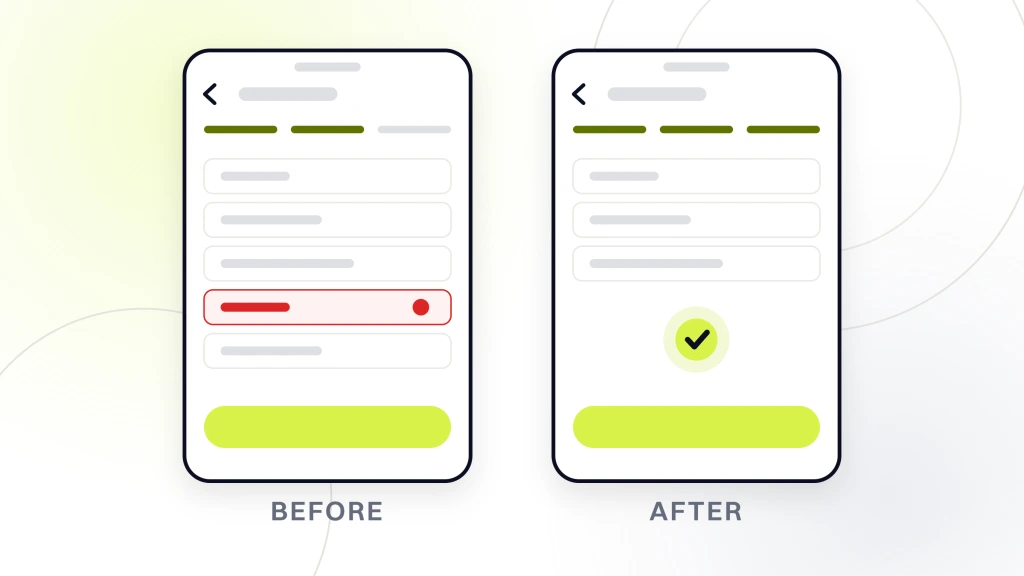
Checkout patterns that raise DTC beverage shop conversion cover express Apple Pay and Shop Pay at the top of the cart, address autocomplete via Google Places, shipping estimate before final address entry, state dropdown age verification, and a clear age plus shipping compliance message at the address step. Every friction point removed at checkout pays back 1 to 3 percent conversion rate points on paid ad traffic. The site build that ships express payment plus autocomplete plus early shipping estimate typically holds 3.4 to 4.2 percent checkout conversion on cold Meta traffic versus 2.1 percent on a stock Shopify or WooCommerce checkout without those patterns.
Express payment placement at the top of the cart

Express payment via Apple Pay, Shop Pay, and Google Pay sits at the top of the cart and above the checkout button. Mobile shoppers on iOS reach the biometric confirmation in 3 taps versus 8 taps on a manual card entry. Every extra click loses 4 to 7 percent of shoppers on mobile. Express payment placement at the top of the cart is the single largest checkout conversion gain the design scope build can add in a week of engineering. Shopify Advanced supports Shop Pay natively. WooCommerce ships Apple Pay and Google Pay through Stripe or Braintree at zero configuration cost.

Shipping estimate before final address entry

Shipping estimate before final address entry uses the state dropdown value from the age verification step to show a shipping cost band before the shopper commits to the full address form. A California shopper picking a wine SKU sees a $19 to $29 shipping estimate at the top of the cart before entering the street address. Hiding shipping cost until the final step of checkout is the second largest source of cart abandonment on beverage ecommerce and the first thing the build refresh fixes.

Product detail page structure for wine, RTD, and craft bottles

The product detail page on the design for wine, RTD, and craft bottles runs a fixed 7 block structure. Hero shot with lifestyle context. Product title with vintage or batch number. Price with subscription toggle. Add to cart with quantity picker. Ingredient panel and nutrition facts. Awards and press blocks. Reviews block above the fold on mobile. Every block earns its place because it answers a shopper question that would otherwise send the shopper to a competitor. It that skips any of the 7 blocks loses 8 to 22 percent conversion on cold Meta and TikTok traffic.

Hero shot plus lifestyle context in the same frame

The hero shot on the storefront product page leads with the bottle photographed against a lifestyle background that shows the drinking occasion. A wine bottle photographed against a dinner table setting. A RTD can photographed against a picnic setting. A craft beer bottle photographed against a barbecue setting. Pure white background hero shots pull 18 to 30 percent lower conversion than lifestyle context hero shots on cold paid traffic because shoppers pattern match on the occasion before they consider the SKU. Photography discipline is the largest lever on this scope product page conversion after page speed.

Ingredient panel and nutrition facts legibility

The ingredient panel and nutrition facts block on this design has to render legible at 14 pixel type on mobile. Small illegible ingredient panels are the single largest friction source for functional beverage shoppers who scan for adaptogens, natural sweeteners, and calorie counts before adding to cart. The storefront design build that ships a large legible ingredient panel with 16 pixel body type and a nutrition facts box that mirrors the physical bottle label pulls 12 to 18 percent higher conversion than a small collapsed nutrition tab hidden below the fold.

Reviews block above the fold on mobile

The reviews block on the site build product page sits above the fold on mobile with the star rating and review count visible before the shopper scrolls. Reviews below the fold on mobile lose 8 to 14 percent conversion because a first time shopper decides trust in the first 4 seconds on the page. Yotpo, Judge.me, and Okendo are the three review app leaders that ship above the fold review widgets on Shopify and WooCommerce. Cross reference the product page structure on our food and beverage web design page, and pair the paid channel scope with our food and beverage PPC page.

Core Web Vitals thresholds for beverage ecommerce web design

Core Web Vitals on beverage ecommerce web design need to sit under Google thresholds for the storefront to rank in comparison and recipe SERPs where beverage shoppers compare 3 brands before checkout. LCP under 2.5 seconds on mobile. INP under 200 milliseconds. CLS under 0.1. Every threshold missed costs organic ranking on category and comparison queries plus paid ad delivery efficiency on Meta and Google. A disciplined the storefront work build holds all three thresholds through peak Q4 traffic on Kinsta Business 1 or Shopify Advanced with proper image optimization and CDN edge caching.

Mobile LCP under 2 seconds through peak traffic

Mobile LCP under 2 seconds through peak Q4 traffic separates the build that scales from the site that collapses on Black Friday. The 2 second threshold is the point where paid ad delivery, organic ranking, and checkout conversion all hit their ceiling. The build on shared budget hosting typically sits at 3.8 to 5.4 seconds mobile LCP, which torches paid ROAS 20 to 40 percent before the first checkout posts. Moving to Kinsta Business 1 or Shopify Advanced drops LCP to 1.6 to 1.9 seconds inside 30 days of migration.

WebP hero images at 82 percent quality

Hero images on the site serve as WebP at 82 percent quality with responsive srcset variants at 400, 800, and 1600 pixel widths. WebP at 82 percent quality drops file size 40 to 55 percent versus JPEG at the same visual quality. Responsive srcset lets the mobile shopper on a 3G connection pull the 400 pixel variant while the desktop shopper on fiber pulls the 1600 pixel variant. Pair image optimization with edge caching per the Cloudflare CDN caching primer to close the geographic gap between the origin server and shoppers across the country. According to the MDN web performance reference, image optimization is the single largest LCP lever on any ecommerce storefront and the first thing the design scope refresh addresses.

Subscription commerce on a DTC beverage shop

Subscription commerce on a DTC beverage shop covers wine of the month clubs, functional beverage monthly boxes, craft beer sampler subscriptions, and coffee replenishment programs. Subscription revenue is 3 to 5 times more valuable than one time revenue on a lifetime value basis because subscription customers stay 8 to 14 months on average. This scope that ships subscription first with a clear cancel anytime message plus a skip a month feature holds subscription retention 35 to 50 percent higher than beverage shops that hide the cancel and skip flows behind an email support wall.

WooCommerce Subscriptions plus Klaviyo flow

WooCommerce Subscriptions plus Klaviyo is the working stack on a content heavy DTC this scope build on WordPress. WooCommerce Subscriptions handles the recurring billing, dunning on failed payments, and subscription lifecycle events. Klaviyo handles the pre renewal reminder email, the post renewal thank you email, the churn win back flow, and the subscription pause flow. The two systems sync product and subscription state through the Klaviyo WooCommerce integration in near real time. Subscription retention on this stack runs 65 to 75 percent at month 6 on a disciplined DTC beverage brand.

Shopify Subscriptions plus Recharge or Skio

Shopify Subscriptions runs natively on Shopify Advanced for standard subscription models. Recharge and Skio are the two third party subscription platforms that add flexibility for build a box, gift subscriptions, and swap product logic on the design. Recharge starts at $99 per month for the base tier and Skio starts at 1 percent of subscription revenue for the growth tier. Pick Shopify Subscriptions for a basic single SKU wine club or coffee replenishment. Pick Recharge or Skio for a build a box wine club or a functional beverage variety subscription with SKU swap logic.

Redefine Web beverage, food, and ecommerce case studies

The storefront build playbook is not theory. Redefine Web has delivered web design, SEO, and paid channel programs for beverage, food, hospitality, and premium ecommerce brands across North America and Europe. Three verified wins from our portfolio show what the same discipline produces across category and geography.

Vejro Resort, private island hospitality, Denmark

Vejrø Resort is a private island getaway in Denmark with luxury suites, guest houses, and farm to table dining accessible only by charter boat or marina. Strong social engagement did not translate to direct bookings because the resort had no website. Redefine Web built a conversion focused website integrated with a direct booking system, ran competitor aware SEO, and rebuilt the digital hub around a mobile first layout. Vejrø Resort drove 10,000 organic visitors, 200 plus first page keywords, and a 2.2 percent direct booking conversion rate inside the first months of launch. The same web design and SEO discipline maps directly to a DTC beverage shop launching a Shopify or WooCommerce storefront alongside a subscription program.

Boogie Board, reusable writing tablets and educational toys, United States

Boogie Board created the first reusable writing tablet in 2009 and expanded into educational toys and stationery. Their Google Ads lacked precise targeting so ad spend drained into low intent traffic and unoptimized landing pages capped conversion. Redefine Web ran cross channel Google Ads plus LinkedIn Ads, rebuilt landing pages around product benefit clarity, and added automated follow up plus retargeting for cart abandoners. Conversion rate rose 11 percent, cost per conversion dropped to $31, and $650,000 in managed ad spend delivered sustainable revenue growth across the DTC funnel. The Boogie Board playbook maps to a DTC the storefront work build coordinating Google Ads and Meta against a shared cost per acquisition target.

Abigail Ahern, luxury home decor DTC ecommerce, London UK

Abigail Ahern is a global leader in luxury interiors selling high end furnishings and accessories from London. Their digital marketing relied too heavily on discount led campaigns and branded keywords, which capped growth and undercut premium brand equity. Redefine Web ran a full funnel premium aligned strategy across organic and paid channels, restructured category and product level SEO, and rebuilt paid search plus paid social around intent driven traffic and premium creative. Ecommerce revenue rose 179 percent, paid search ROAS climbed to 1,588 percent, and paid social ROAS hit 3,000 percent inside the first 12 month window without a single discount banner. The same premium positioning discipline maps to a craft wine, spirits, or functional beverage brand that wants to grow revenue without training the buyer on constant promo codes.

Pricing bands for a beverage shop web design project

Pricing bands on the design scope project run from a $1,500 Redefine Web responsive web design scope up to an $18,000 plus custom multi SKU beverage ecommerce build. The scope you need depends on catalog size, subscription complexity, compliance depth, and content strategy. Founders launching a single SKU functional beverage or a small wine club typically pick the entry band. Growth stage brands past $500K annual revenue with 20 plus SKUs, subscription complexity, and multi state shipping compliance step into the custom build tier.

Responsive web design at $1,500 for a launch beverage shop

Redefine Web responsive web design at $1,500 covers a launch the design build on Shopify or WooCommerce with 4 to 8 SKUs, a subscription toggle, age gate, and Core Web Vitals under Google thresholds. The scope covers homepage, collection, product detail, cart, checkout, about, contact, and blog page templates on a responsive mobile first layout. Timeline runs 4 to 6 weeks from kickoff to launch. This is the working entry point for a bootstrapped DTC beverage founder who needs a professional storefront without a large one time cash outlay.

Small business web design at $799 to $1,999 for a growth beverage shop

Redefine Web small business web design packages at $799, $1,299, and $1,999 cover a growth stage the site build with expanded content, blog scope, subscription program setup, and paid channel landing pages. The $799 tier covers a stock template refresh with brand assets swap. The $1,299 tier covers a semi custom template with 3 hero sections and a subscription program. The $1,999 tier covers a fully custom mobile first design with the full 7 block product page pattern and subscription pause plus skip flows. Cross reference the small business scope on our web design and development services page.

Custom beverage ecommerce build at $18,000 plus

Custom beverage ecommerce builds at $18,000 plus cover multi SKU DTC brands with subscription complexity, multi state shipping compliance, custom checkout logic, Klaviyo flow setup, ShipStation or ShipBob integration, and a content marketing blog scope with 20 plus long form guides. Timeline runs 10 to 16 weeks from kickoff to launch on WooCommerce on Kinsta Business 1 or Shopify Advanced. The custom build tier is the working pick for a funded DTC beverage brand raising a seed or series A round who needs the storefront to scale from $500K to $5M annual revenue without a re platform in year two.

Wrapping up beverage shop web design

This build is the storefront layer where DTC wine, RTD, craft beer, and functional beverage brands convert paid ad clicks into repeat customers. Mobile LCP under 2 seconds. Edge based age gate compliance. Express payment placement at the top of the cart. Product detail pages with hero lifestyle context, legible ingredient panels, and above the fold reviews. Core Web Vitals under Google thresholds. Subscription first commerce with cancel and skip flows. Every discipline compounds inside the first 90 days of launch and pays back on paid ROAS, checkout conversion, and organic ranking simultaneously.

If your DTC beverage brand runs on a shared budget host with mobile LCP over 3 seconds, a JavaScript overlay age gate, and a stock checkout without express payment, a professional the build refresh pays for itself inside two months on paid ROAS and checkout conversion recovered. Redefine Web bundles the storefront with paid channel scope inside our monthly website maintenance packages starting at $199 per month, and we cover the ongoing scope for beverage brands inside our food and beverage website maintenance page. Book a call and we will walk through the last three DTC beverage storefronts we launched, line by line, with Core Web Vitals numbers, checkout conversion deltas, and peak traffic performance held through Q4.


Frequently Asked Questions

Is a beverage business profitable?+

A DTC beverage business runs profitable at scale when gross margin per unit clears 55 to 65 percent, cost per acquisition on paid channels stays under a third of average order value, and repeat purchase rate crosses 30 percent inside 90 days. Craft beer, functional beverages, RTD cocktails, and wine subscription clubs are the four sub categories with the strongest DTC economics in 2026. Wine clubs and functional beverage brands with a 4 to 8 SKU catalog hit break even inside 18 to 24 months on a $500,000 launch budget when the site build and paid channel stack are coordinated from day one. The site design decisions on checkout, age gate, and product page speed decide whether the paid channel math works or the ad spend drains out at the storefront layer.

How hard is it to start a drink business?+

Starting a drink business runs harder than most DTC categories because alcohol, wine, and RTD SKUs sit inside 3 layers of regulation before the first bottle ships. Federal TTB approval on label and formula. State by state DTC shipping compliance across 46 states with wine, 12 with spirits, and 30 with beer. Age verification at checkout that satisfies state statute and Google product page policy. The storefront design has to build all three into the storefront on day one or the launch stalls at the compliance layer. A working the storefront partner ships age gate, state shipping logic, and TTB compliant labeling into the WooCommerce or Shopify install as part of the build scope, not as an afterthought after launch.

What are the most profitable food and beverage companies?+

The most profitable public food and beverage companies in 2026 include Coca Cola, PepsiCo, Nestle, Mondelez, and Anheuser Busch InBev at the multi billion dollar scale, and Celsius Holdings, Monster Beverage, and Constellation Brands at the mid cap growth tier. Inside DTC, the fastest growing profitable brands include Athletic Brewing, Poppi, Olipop, Recess, and De Soi. What every profitable beverage brand shares is disciplined channel economics, a strong DTC storefront with mobile checkout under 2 seconds, and paid plus organic spend coordinated against a single TACOS or blended CPA target. The design work is the layer that makes DTC economics work at the storefront and is often what separates the profitable brands from the ones stalling out at $2 to $5 million annual revenue.

What does a food and beverage server do?+

A food and beverage server in the hospitality context takes orders, delivers plates and drinks, handles payment, and manages the guest relationship at the table. In the ecommerce and DTC context, that role shifts to the storefront layer that serves the product page, the checkout, and the post purchase email. The digital server on a DTC beverage brand is the storefront on Shopify or WooCommerce plus the fulfillment integration on ShipStation or ShipBob plus the transactional email on Klaviyo or Attentive. Every touchpoint the customer sees after clicking a Meta ad flows through the build and the connected commerce stack behind it.

What are examples of continental services?+

Continental service in hospitality names the model where the guest orders and is served at a table with limited menu options, typically at breakfast. In the digital beverage shop context, the closest parallel is a subscription DTC model where the customer picks a plan on the build scope site once and the storefront delivers a predictable box on a scheduled cadence. Wine of the Month clubs, functional beverage subscription boxes, and craft beer sampler subscriptions all run on continental style pick once and receive recurring commerce logic. WooCommerce Subscriptions and Shopify Subscriptions are the two plugin engines the design scope partners use to build this model into the storefront.

What are the best DTC supplement brands?+

The strongest DTC supplement brands in 2026 include Athletic Greens, Ritual, Care of, Rootine, and Seed Health at the premium tier and Bulletproof, Onnit, and Legion Athletics at the mainstream tier. Every top DTC supplement brand shares three the storefront project and ecommerce disciplines. Subscription first commerce with predictable monthly billing. Ingredient transparency inside a legible product page that names farms, suppliers, and third party testing. Educational content marketing that answers the top 30 questions each ingredient category faces on Google. The same this build principles that work for supplement DTC also apply to functional beverages, wine clubs, and craft spirit brands selling on WooCommerce or Shopify.

Which brands use the DTC model?+

Well known DTC brands include Warby Parker in eyewear, Casper in mattresses, Away in travel goods, Glossier in beauty, Allbirds in footwear, and Peloton in fitness. Inside food and beverage, DTC leaders include Blue Apron, HelloFresh, Athletic Brewing, Recess, Olipop, Magic Spoon, Graza, and Fly by Jing. The DTC model works for beverage brands because it removes the retail buyer as a gatekeeper, lets the founder control margin and messaging end to end, and captures first party customer data that fuels lifetime value math on paid channels. The storefront on Shopify or WooCommerce is the storefront that turns DTC ambition into repeatable revenue at $100K to $500K monthly and beyond.

How to find DTC brands?+

Find DTC beverage and CPG brands through 4 channels. Search Shopify built stores through BuiltWith or SimilarTech technology filters. Browse category leaderboards on Product Hunt, DTC Newsletter, and The Hustle. Follow paid social ad libraries on Meta and TikTok for active DTC brand ads inside a category. Search category specific press coverage in Bev Net, Beverage Digest, and Just Drinks for funded launches. Every DTC beverage brand at scale runs the same the build pattern on Shopify or WooCommerce with age gate, subscription, and paid channel coordination, so studying 20 leading storefronts before a launch shortens the build cycle by 4 to 8 weeks.

How to do beverage shop web design template+

Working templates for a beverage shop start from Shopify or WooCommerce category storefronts built for age gated beverage sale. Shopify partners like Impulse, Prestige, and Motion cover the pattern at the $350 to $600 template tier. WooCommerce templates from Astra, Kadence, and Blocksy cover the same range with theme builder flexibility. Pick a template that ships with age gate compatible checkout, product schema, subscription plugin support, and mobile first hero layout, then swap the imagery and typography to match the brand. Redefine Web builds the storefront work on top of Shopify Advanced or WooCommerce on Kinsta so the template picks its own performance ceiling and the SEO and paid channel scope layer on top from day one.

How to do beverage shop web design free+

A free beverage shop build ships on Shopify Lite at $9 per month or WooCommerce on shared hosting at $10 to $20 per month with a free theme like Storefront or Dawn. The free path works for a hobby launch under 100 orders per month, but Core Web Vitals, age gate compliance, and paid channel conversion suffer past that point. Once monthly orders cross 200 or paid ad spend crosses $2,000 per month, the design has to move onto Shopify Advanced, Kinsta, or WP Engine so the storefront can hold LCP under 2 seconds under peak load. Redefine Web pay monthly website packages start at $99 per month and Redefine Web responsive web design projects start at $1,500 for founders who want a professional the storefront layer build without a large one time cash outlay.

{“@context”:”https://schema.org”,”@type”:”FAQPage”,”mainEntity”:[{“@type”:”Question”,”name”:”Is a beverage business profitable?”,”acceptedAnswer”:{“@type”:”Answer”,”text”:”A DTC beverage business runs profitable at scale when gross margin per unit clears 55 to 65 percent, cost per acquisition on paid channels stays under a third of average order value, and repeat purchase rate crosses 30 percent inside 90 days. Craft beer, functional beverages, RTD cocktails, and wine subscription clubs are the four sub categories with the strongest DTC economics in 2026. Wine clubs and functional beverage brands with a 4 to 8 SKU catalog hit break even inside 18 to 24 months on a $500,000 launch budget when the site and paid channel stack are coordinated from day one.”}},{“@type”:”Question”,”name”:”How hard is it to start a drink business?”,”acceptedAnswer”:{“@type”:”Answer”,”text”:”Starting a drink business runs harder than most DTC categories because alcohol, wine, and RTD SKUs sit inside 3 layers of regulation before the first bottle ships. Federal TTB approval on label and formula. State by state DTC shipping compliance across 46 states with wine, 12 with spirits, and 30 with beer. Age verification at checkout that satisfies state statute and Google product page policy. The design has to build all three into the storefront on day one or the launch stalls at the compliance layer.”}},{“@type”:”Question”,”name”:”What are the most profitable food and beverage companies?”,”acceptedAnswer”:{“@type”:”Answer”,”text”:”The most profitable public food and beverage companies in 2026 include Coca Cola, PepsiCo, Nestle, Mondelez, and Anheuser Busch InBev at the multi billion dollar scale, and Celsius Holdings, Monster Beverage, and Constellation Brands at the mid cap growth tier. Inside DTC, the fastest growing profitable brands include Athletic Brewing, Poppi, Olipop, Recess, and De Soi.”}},{“@type”:”Question”,”name”:”What does a food and beverage server do?”,”acceptedAnswer”:{“@type”:”Answer”,”text”:”A food and beverage server in the hospitality context takes orders, delivers plates and drinks, handles payment, and manages the guest relationship at the table. In the ecommerce and DTC context, that role shifts to the storefront work layer that serves the product page, the checkout, and the post purchase email.”}},{“@type”:”Question”,”name”:”What are examples of continental services?”,”acceptedAnswer”:{“@type”:”Answer”,”text”:”Continental service in hospitality names the model where the guest orders and is served at a table with limited menu options, typically at breakfast. In the digital beverage shop context, the closest parallel is a subscription DTC model where the customer picks a plan on the this scope site once and the storefront delivers a predictable box on a scheduled cadence.”}},{“@type”:”Question”,”name”:”What are the best DTC supplement brands?”,”acceptedAnswer”:{“@type”:”Answer”,”text”:”The strongest DTC supplement brands in 2026 include Athletic Greens, Ritual, Care of, Rootine, and Seed Health at the premium tier and Bulletproof, Onnit, and Legion Athletics at the mainstream tier. Every top DTC supplement brand shares subscription first commerce, ingredient transparency, and educational content marketing.”}},{“@type”:”Question”,”name”:”Which brands use the DTC model?”,”acceptedAnswer”:{“@type”:”Answer”,”text”:”Well known DTC brands include Warby Parker in eyewear, Casper in mattresses, Away in travel goods, Glossier in beauty, Allbirds in footwear, and Peloton in fitness. Inside food and beverage, DTC leaders include Blue Apron, HelloFresh, Athletic Brewing, Recess, Olipop, Magic Spoon, Graza, and Fly by Jing.”}},{“@type”:”Question”,”name”:”How to find DTC brands?”,”acceptedAnswer”:{“@type”:”Answer”,”text”:”Find DTC beverage and CPG brands through 4 channels. Search Shopify built stores through BuiltWith or SimilarTech technology filters. Browse category leaderboards on Product Hunt, DTC Newsletter, and The Hustle. Follow paid social ad libraries on Meta and TikTok for active DTC brand ads inside a category. Search category specific press coverage in Bev Net, Beverage Digest, and Just Drinks for funded launches.”}},{“@type”:”Question”,”name”:”How to do beverage shop web design template”,”acceptedAnswer”:{“@type”:”Answer”,”text”:”Working the storefront build templates start from Shopify or WooCommerce category storefronts built for age gated beverage sale. Shopify partners like Impulse, Prestige, and Motion cover the pattern at the $350 to $600 template tier. WooCommerce templates from Astra, Kadence, and Blocksy cover the same range with theme builder flexibility.”}},{“@type”:”Question”,”name”:”How to do beverage shop web design free”,”acceptedAnswer”:{“@type”:”Answer”,”text”:”A free the design scope build ships on Shopify Lite at $9 per month or WooCommerce on shared hosting at $10 to $20 per month with a free theme like Storefront or Dawn. The free path works for a hobby launch under 100 orders per month, but Core Web Vitals, age gate compliance, and paid channel conversion suffer past that point.”}}]}

Frequently asked questions

What is beverage shop web design?

Beverage shop web design is the storefront build for DTC wine, RTD, and craft bottle brands running on WooCommerce or Shopify. The scope covers age gate compliance, mobile checkout tuning, product detail page structure for regulated categories, Core Web Vitals under 2 seconds, subscription commerce, and a booking flow that survives Q4 traffic surges. A working build ships with a 2.5 to 3.5 percent checkout conversion rate on mobile and clean pass-through on Google Merchant Center for the alcohol category.

How much does beverage shop web design cost?

Beverage shop web design runs 8,000 to 45,000 dollars for the initial build depending on catalog size and platform. A 20 SKU Shopify starter with age gate and subscription runs 8,000 to 15,000. A 100 SKU WooCommerce build with recipe hubs, ingredient guides, and comparison SEO runs 20,000 to 35,000. A multi-brand headless build with custom subscription logic runs 35,000 to 45,000. Monthly maintenance retainers start at 499 dollars and rise with SKU count and traffic tier.

Should a beverage shop use WooCommerce or Shopify?

WooCommerce fits content-heavy DTC beverage brands that plan to compete on recipe hubs, ingredient guides, and comparison SEO to grow organic traffic. Shopify Advanced fits pure DTC beverage brands with under 20 SKUs, no deep content marketing plan, and simple subscription needs. Both hit sub-2-second mobile LCP on well-tuned storefronts. The pick comes down to whether you want a content moat on WordPress or a simpler operational stack on Shopify. Multi-brand houses with 500k plus monthly revenue often outgrow both and move to headless commerce on Pantheon or Shopify Hydrogen.

What Core Web Vitals does a beverage storefront need to convert paid ads?

Mobile LCP under 2 seconds is the benchmark for a DTC beverage storefront that wants to hold a 2.5 to 3.5 percent checkout conversion rate through Q4. Above 3 seconds, mobile bounce rate climbs 6 to 9 points for every additional second of load time. Meta ROAS drops 12 to 18 percent when LCP crosses 3 seconds. TikTok Shop CPMs climb 20 to 30 percent on slow pages. Google Shopping conversion rate collapses 25 to 40 percent below the 2-second threshold. Fast web design is the ceiling on every paid channel a beverage shop runs.

How does age gate compliance work on a beverage shop?

Age gate compliance for a beverage shop uses a modal on first visit that checks date of birth and stores a compliance cookie for 30 days. The build includes state-specific delivery blocking for dry counties, TTB label compliance on product detail pages, and a shipping calculator that checks legal delivery status before showing rates. On WooCommerce the standard plugin is WP Age Verification Pro. On Shopify the standard is AgeChecker.net. Skipping the age gate risks Google Ads suspension in the alcohol category and TTB enforcement action on interstate orders.

What checkout patterns grow DTC beverage conversion?

Express payment placement above the fold on the product detail page pushes checkout conversion from a 1.8 percent baseline to 2.5 to 3.5 percent. Shop Pay, Apple Pay, and Google Pay handle three-click confirmation versus eight for manual card entry. Every extra click loses 4 to 7 percent of shoppers on mobile. Guest checkout with post-purchase account creation grows conversion 15 to 22 percent versus forced signup. A one-page checkout with real-time shipping calculation and age verification pre-fill cuts abandonment 18 to 25 percent versus a three-step flow.

How does a beverage shop handle Black Friday traffic?

A well-built beverage shop web design handles Q4 peaks via published burst capacity on the hosting tier. Kinsta Business 1 handles 5x baseline for 4 hours automatically. WP Engine Growth handles 4x baseline for 2 hours. Shopify Advanced handles unlimited concurrency inside the platform. Cloudways handles 2x baseline for 1 hour before requiring manual scaling. For DTC beverage brands expecting unpredictable viral moments on TikTok Shop or national press, Kinsta or Shopify are safest. Predictable peak traffic works fine on WP Engine with 48-hour advance support notice and a pre-warmed CDN.

How long does a beverage shop web design build take?

A beverage shop web design build takes 6 to 14 weeks from kickoff to launch. A 20 SKU Shopify starter with age gate and Klaviyo flows takes 6 to 8 weeks. A 100 SKU WooCommerce build with recipe hubs, ingredient guides, and full subscription logic takes 10 to 14 weeks. Migration from an existing platform adds 2 to 4 weeks for data mapping, redirect planning, and DNS pre-warm. The launch itself takes 4 to 12 hours of engineering plus 24 to 72 hours of DNS propagation and post-launch Core Web Vitals verification within 48 hours.

Keep reading

All articles →
Dental Video Marketing Playbook for More Booked Cases
DIGITAL MARKETING
Dental Video Marketing Playbook for More Booked Cases
30 Proven Dental Marketing Tips That Book Patients Weekly
DIGITAL MARKETING
30 Proven Dental Marketing Tips That Book Patients Weekly
Proven Ecommerce Marketing Strategies for DTC Revenue
DIGITAL MARKETING
Proven Ecommerce Marketing Strategies for DTC Revenue
FREE — 30 MINUTES — NO PITCH

Book a free growth audit.

Walk away with three fixes you can ship the same week — whether or not you hire us.

24-HOUR RESPONSE 300+ AUDITS RUN ZERO OBLIGATION