A craft beverage marketing agency runs the coordinated program that scales a craft brewery, wine label, spirits brand, or non-alcohol drink across 3 revenue channels at once. DTC through the brand’s own site, retail through distributors and independent liquor stores, and taproom or tasting-room walk-in traffic. Scope covers Meta and TikTok paid social inside three-tier rules, distributor sales sheets refreshed every 60 days, Amazon on non-alcohol SKUs, Klaviyo email to the club base, and Google Business Profile posts on the taproom.
Skip the craft beverage marketing agency layer and the brand pays distributor incentive money into a Facebook page that posts once per month and never moves shelf velocity in the target chain. Sunset Sips, a non-alcohol adaptogen soda brand that came to us with strong Whole Foods placement but flat DTC, hit a 3.1% DTC conversion rate and 42% club renewal inside 90 days on a coordinated retail plus DTC plus Klaviyo rebuild. This guide walks the channels a craft beverage marketing agency owns, retainer pricing from $999 to $4,500 per month, and the compliance rules that separate a working program from a trademark violation waiting to happen.
Why a craft beverage marketing agency handles compliance first
A craft beverage marketing agency handles TTB compliance and state three-tier rules before writing a single ad. A compliance mistake on Meta pulls the entire ad account, not just the individual creative. So compliance sits inside every deliverable. Age gates on Meta, state exclusion lists on paid campaigns, retailer tagging rules on organic posts, and shipping restrictions on the DTC checkout.
Skip the compliance layer and the brand ends up with a paused Meta ad account, a distributor complaint filed with the state alcohol board, and a 90-day recovery cycle that costs 3 times the original monthly spend. Every craft beverage brand learns this once. A working craft beverage marketing agency runs the compliance check upstream so the brand never pays the tuition.
TTB label review and social copy rules
Every craft beverage social post gets checked against TTB label review rules before it goes live. Health claims are prohibited on alcohol beverages, so the copy avoids any language implying health benefits. Origin claims match the label exactly. No rounding of ABV, no undocumented sourcing statements. Every craft brewery Instagram post pointing to a specific batch or vintage matches the label the TTB reviewed and approved. Cross-reference the compliance layer on our food and beverage marketing hub.
State-level three-tier rules on distributor communication
Three-tier rules on distributor communication vary by state and matter every time the marketing agency writes a co-op advertising email. In tied-house states, the brand cannot pay for retailer-branded advertising directly. Every promo email to a distributor gets copied to legal before sending. Every social tag of a specific retailer gets checked against the state’s tied-house rules. Per the TTB advertising guidelines, cooperative advertising between suppliers and retailers requires documented arm’s-length terms in most states.
Channel mix for a craft beverage marketing agency retainer
A craft beverage marketing agency retainer runs 6 channels in coordinated sequence, not 6 channels running in isolation. Meta paid social with age-gated targeting, TikTok organic and paid on non-alcohol SKUs, Amazon on non-alcohol SKUs only (spirits and beer are blocked from Prime fulfillment), Klaviyo email to the club or membership base, Google Business Profile management on the taproom or tasting room, and distributor sales enablement content refreshed every 60 days for the retail team.
Meta paid social with age-gated targeting
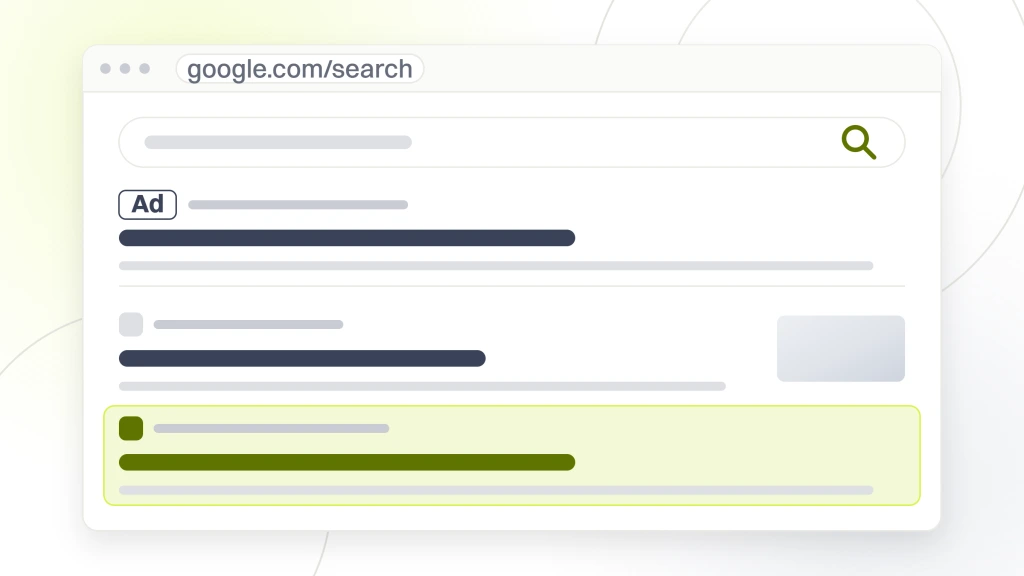
Meta paid social for a craft beverage brand runs age-gated audiences (21 plus in the US, 18 plus in international markets), state exclusion lists for dry counties and no-ship states, and creative that follows Meta’s alcohol advertising rules on placement and copy. Every campaign specifies the destination URL as either the DTC checkout with an age gate or a distributor’s product page. The budget usually splits 60% brand awareness on Instagram Reels plus Stories, 40% direct response on Feed placements.
TikTok on non-alcohol SKUs
TikTok paid ads on alcohol are prohibited in the US, so a craft beverage marketing agency runs TikTok paid only on non-alcohol SKUs like functional beverages, mocktail mixers, non-alcoholic beer, and adaptogen sodas. Organic TikTok on brewery accounts stays inside TikTok’s community guidelines by focusing on brewing process, ingredient sourcing, and staff content. Every organic post from a brewery account avoids depicting consumption in the frame per TikTok’s alcohol content policy.
Non-alcohol adaptogen soda case study
Sunset Sips, a non-alcohol adaptogen soda brand producing 4 SKUs out of a co-packer in Oregon, joined us with strong regional Whole Foods placement in the Pacific Northwest, roughly 1,800 DTC subscribers, and a Klaviyo account that had not been touched in 6 months. Retail was moving on shelf placement alone. DTC checkout was converting at 0.9% and the subscription retention rate on the club shipments was leaking below 30% annual.
We rebuilt the Shopify DTC funnel with a bundle-first hero, added an 8-flow Klaviyo automation covering welcome, browse abandon, cart abandon, replenishment, winback, VIP tier upgrade, birthday, and subscription pause recovery, and reset the retail sales sheet cadence to a 60-day refresh keyed to velocity at the top 12 Whole Foods stores. Meta paid ran on non-alcohol creative that could not run for the alcohol side of the category, so CPMs stayed 40% below the alcohol benchmark.
Ninety days in, Sunset Sips hit 3.1% DTC checkout conversion, pushed club renewal from under 30% to 42%, and added 6 new Whole Foods stores in the Southwest region. The refreshed sales sheet named 30-day velocity numbers the buyer could pattern-match against. The same coordination pattern applies to a craft brewery, wine label, or spirits brand converting the shelf into DTC subscribers and the DTC file into repeat retail buyers.
Pricing tiers for a craft beverage marketing agency
Craft beverage marketing agency pricing at Redefine Web runs $999, $1,499, $2,499, or from $4,500 per month by production volume and distribution footprint. Under $999 monthly and the vendor is running 1 Instagram post per week plus a Google Business Profile update, which does not move retail velocity or DTC subscription growth. Over $5,000 without national distribution and the retainer is bundling brand strategy or packaging redesign work that belongs in a separate SOW. Tier selection scales with monthly production volume, state count in distribution, and taproom or tasting-room count.
| Brand size | Monthly retainer | Channels covered | States in distribution |
|---|---|---|---|
| Small craft brewery under 3k barrels | $999 to $1,499 | DTC + Instagram + GBP + Klaviyo | 1 to 3 states |
| Regional brewery 3k to 15k barrels | $1,499 to $2,499 | Adds distributor content + PR | 3 to 10 states |
| Multi-state craft 15k to 50k barrels | $2,499 to $4,500 | Adds retail merchandising + Amazon on non-alc | 10 to 25 states |
| National craft brand 50k plus | Starts at $4,500 | Adds national PR + retail syndication | 25 plus states |
What a $1,499 tier includes
The $1,499 tier for a small craft brewery covers DTC checkout tuning on the taproom website, weekly Instagram content plus paid boosts on the top-performing organic pieces, Google Business Profile management on the taproom location, Klaviyo email flows for the club or mug club members, and monthly reporting tied to taproom foot traffic, DTC checkout revenue, and club renewal rate. The report goes out in the first business week of the following month, so the founder reads it before the next month’s ad budget is committed.
When to step up to a distributor content tier
Step up to the $2,499 distributor content tier when the brand adds a fifth state or a national chain retailer. The extra scope covers sales sheet refreshes every 60 days, retailer-facing case studies showing velocity in comparable stores, distributor rep training decks, and monthly co-op advertising coordination. Skip the distributor content layer and the retail team loses the point-of-sale conversation to a competitor brand that walked in with a fresh sell sheet last week.
DTC subscription mechanics for craft beverage brands
DTC subscription mechanics on a craft beverage marketing agency retainer target 22 to 40% of monthly DTC revenue on club shipments. Beer clubs typically bill quarterly with 4 to 12 bottles or cans per shipment. Wine clubs bill monthly, quarterly, or twice-yearly with 3 to 12 bottles per shipment. Spirits clubs bill quarterly with 1 to 3 bottles per shipment. Non-alcohol clubs bill monthly with 6 to 24 units per shipment.
Shipping compliance across 50 states
Every craft beverage DTC subscription checks state shipping rules at checkout. Alcohol shipping requires state-specific direct-to-consumer permits, adult signature at delivery through FedEx or UPS, and shipping partner selection based on the destination state. Per FedEx alcohol shipping requirements, the sender must be a licensed producer or retailer with an active Alcohol Shipper Contract in place before the first shipment moves. Non-alcohol brands move freely across 50 states on standard USPS or FedEx Ground. A working craft beverage marketing agency builds the state rules integration inside week 1 so a mis-shipment across state lines never triggers a complaint with the destination state’s alcohol board.
Club retention math and cadence
Club retention on a craft beverage subscription hits 68 to 82% annual renewal when the shipments include member-exclusive releases, a paper newsletter with tasting notes, and a Klaviyo drip that names the batch, the vintage, or the collaboration. Drop the paper newsletter and annual renewal drops 8 to 12 points. The member loses the tactile connection with the brand. Cross-reference the retention structure on our food and beverage marketing retainer page.
Distributor coordination inside craft beverage marketing
Distributor coordination on a craft beverage marketing agency retainer keeps the retail team armed with fresh sales sheets, retailer-facing case studies, and co-op advertising coordination every 60 days. The distributor rep visiting a Whole Foods buyer at 9 AM needs a 1-pager that names the current 30-day velocity, the current SKU mix, the current retail price band, and the current co-op advertising commitment for the buyer’s territory. Stale numbers on that 1-pager cost the rep the conversation.
Sales sheet content structure that works
The sales sheet goes out as a single PDF or a printable card with velocity data on the top third, SKU photos with case pack details in the middle third, and a QR code linking to a retailer resource page on the bottom third. Every sales sheet gets refreshed every 60 days with new velocity numbers. Retail buyers pattern-match against “data that looks current” versus “data that looks stale.” A working craft beverage marketing agency owns the refresh cycle end to end. The retail team never sends a stale sheet by accident.
Co-op advertising coordination with distributors
Co-op advertising coordination runs against the compliance rules in the brand’s active states. A brand with distributors in Colorado, California, and Texas coordinates co-op budgets separately for each state. Rules differ state to state. Colorado allows in-store point-of-sale materials paid by the supplier. California caps the value of supplier-paid materials at specific dollar thresholds. Texas requires TABC pre-approval on printed materials. The marketing agency owns the paper trail so the compliance audit passes on the first review.
Google Business Profile for taproom and tasting-room brands
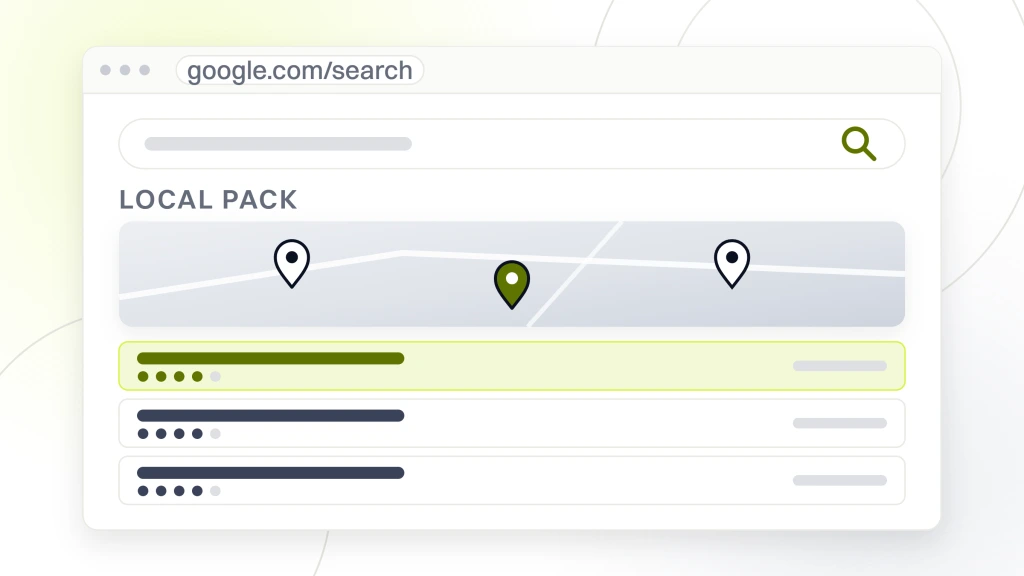
Google Business Profile management on a craft beverage marketing agency retainer runs weekly posts on the taproom, tasting room, or brewery location. Every post carries a new photo (fresh pour, seasonal release, taproom event), a promotional post (release party, tasting flight, food truck schedule), or an event post (private tastings, brewery tour bookings, live music). Every post carries a UTM parameter so Google Analytics attributes taproom foot traffic to the specific post that pulled it.
Review response cadence for taprooms
Review response on the taproom Google Business Profile goes out inside 24 hours for every new review. Positive reviews get named responses referencing the specific beer, cocktail, or non-alc drink the guest mentioned. Critical reviews get calm acknowledgment, a plan to make it right off-platform, and a stated policy fix if the issue was systemic. Neutral reviews get a clarifying question. Every response gets human-written, not templated. Guests notice copy-paste responses inside 3 visits.
Event posts that pull walk-in traffic
Event posts on Google Business Profile pull walk-in traffic for tasting rooms and taprooms when the post goes out 14 days before the event with a specific dish or drink named, an RSVP link, and a photo of the last comparable event. Repeating posts every 7 days until the event drops off ranking. Adding an Instagram Story cross-post 48 hours before the event catches guests who saved the location but forgot the date. Cross-reference the local layer on our food and beverage SEO page.
Client proof from Redefine Web on craft, retail, and hospitality brands
The same coordination pattern that Sunset Sips ran on the DTC plus retail rebuild shows up across 3 Redefine Web clients in adjacent categories. Boogie Board, the reusable writing tablet ecommerce brand, hit a $31 cost per sale on $650,000 in managed Google Ads and LinkedIn spend, with an 11% conversion rate boost on the storefront. The same paid discipline (audience refresh, landing page tuning, retargeting cadence) runs on a craft beverage DTC store that ships to 40-plus states. Craft founders reading a Boogie Board number as a proof point pattern-match on the process, not the product category.
Abigail Ahern, a luxury home décor ecommerce brand, drove a 179% revenue jump and 3,000% paid-social ROAS by cutting discount-led ads and rebuilding category page SEO plus segmented shopping campaigns. Craft beverage brands moving away from constant taproom happy-hour discounting into a premium positioning follow the same retooling. Premium creative, intent-driven SEO on category pages (IPAs, saisons, natural wine, non-alcoholic spirits), and paid segmentation that measures each SKU on its own ROAS.
Vejrø Resort, a Danish private-island hospitality brand, drove 10,000-plus organic visits, 200-plus first-page keywords, and 2.2% direct booking conversion inside 3 months by moving off social-only presence into a website plus booking system with SEO depth. Tasting-room brands, brewery hospitality programs, and winery tour operators run the same playbook. Direct booking, on-site SEO, and a booking system that pipes into the CRM.
SaaS-adjacent proof for craft beverage tech stacks
Craft beverage brands running a subscription club on Recharge, ReCharge, or a headless Shopify build read the SaaS proof from Custimy as directly applicable. Custimy, a customer data platform, drove 500-plus first-page keywords, 25,000-plus monthly organic visits, and 165-second average session duration by rebuilding the site with isometric design and a scalable backend tied to API integrations. A craft beverage brand running a Shopify Plus DTC store with Klaviyo, ReCharge, and a POS integration follows the same content-plus-integration pattern. Publish 2 pillar guides per quarter tied to the category (beer style guides, wine pairing pages, non-alc cocktail recipes), wire the backend so every DTC action flows into the club membership and the retail dashboard, and the organic traffic compounds monthly without extra ad spend.
Reporting cadence for a craft beverage marketing agency
Reporting cadence on a craft beverage marketing agency retainer runs monthly executive reports plus quarterly business reviews. The monthly report goes out in the first business week and covers DTC revenue split by paid channel, club renewal rate, taproom foot traffic attributed to Google Business Profile posts, and retail velocity for the top 5 accounts. Every number gets a comparison to the prior month and a plain-language interpretation the founder can read in 7 minutes.
Numbers that matter for a craft brand
Numbers that matter for a craft beverage brand include monthly DTC revenue, club member count, club annual renewal rate, taproom pours per week, retail velocity for the top 5 accounts, Amazon revenue on non-alc SKUs, and Instagram plus TikTok engagement rate. Vanity metrics that do not matter include total follower count, total impression volume, and reach numbers without conversion attribution. The monthly report skips the vanity block entirely so the founder never spends a Tuesday morning debating a follower count instead of a shelf velocity gap.
Quarterly business review with the founder
The quarterly business review runs 90 minutes with the founder, head brewer or head distiller, and distribution manager. Agenda covers DTC revenue trend versus plan, retail velocity trend by state, club renewal rate, 1 strategic decision on new-state expansion or new-SKU launch, and a working budget shift for the next 90 days. Per the Brewers Association insights hub, breweries reviewing distributor velocity data quarterly outperform breweries reviewing annually by 30 to 60% on multi-state expansion timeline.
How to vet a craft beverage marketing agency
Vet a craft beverage marketing agency by asking about compliance depth before signing anything. Which states have you handled TTB label reviews in over the last 12 months? Which distributor networks have you coordinated co-op advertising through in the last year? Show me the compliance review process the agency runs on every ad creative before it goes live. Proposals that dodge these 3 questions almost always end up producing a Meta creative that gets the ad account paused inside 90 days.
Red flags in a shallow proposal
- Under $999 per month with a promise of full DTC plus retail plus taproom coverage.
- No craft beverage clients named in the case studies section of the proposal.
- No mention of TTB label review process or three-tier compliance.
- No mention of state-specific direct-to-consumer shipping rules.
- Bundled packaging redesign or brand strategy inside the marketing retainer.
- No sample distributor sales sheet you can view before signing.
- Generic “social media package” without paid budget line item.
Green flags on a working proposal
Green flags on a working proposal start with named craft beverage clients in the case studies with DTC revenue plus retail velocity deltas. Written compliance review process on every ad creative. TTB label review experience across multiple states named. Named distributor networks the agency has coordinated co-op advertising with. Sample monthly report showing DTC split by channel. Named DTC shipping partner integration (FedEx alcohol network or UPS Adult Signature Required). Meta and TikTok paid budget line-itemed separately from management fee.
SEO and PPC pricing for craft beverage brands
Redefine Web tiers SEO and PPC separately from the full marketing retainer so a craft beverage brand can start on a single channel and layer on the rest. SEO runs $999, $1,499, $2,499, or from $4,500 per month by target state count, content cadence, and technical depth. PPC (Meta plus Google Search plus retargeting) runs the same $999, $1,499, $2,499, or from $4,500 per month by ad spend under management. Ad spend is billed separately from the management fee, so a brand running $10,000 in monthly Meta plus Google Ads on the $2,499 PPC tier pays $12,499 total that month.
Which tier fits a first-year craft brand
A first-year craft brewery, wine label, or non-alcohol brand typically starts on the $999 SEO tier plus the $1,499 PPC tier for 90 days. That combination buys weekly on-page SEO work across 4 to 6 category pages, Meta paid social on age-gated audiences with $2,000 to $4,000 monthly spend, and a Klaviyo welcome flow tied to the DTC checkout. Ninety days in, the brand reviews shelf velocity, DTC checkout revenue, and club renewal rate before stepping up to the $2,499 tier that layers distributor content and Amazon on the non-alcohol SKUs.
Wrapping up the craft beverage marketing agency choice
A working craft beverage marketing agency runs 6 channels inside TTB and state three-tier compliance, prices between $999 and $4,500 per month by production volume and state count, sends a monthly report tied to DTC revenue plus retail velocity plus club renewal, and holds a 24-hour review response SLA on the taproom Google Business Profile. Skip compliance and the Meta ad account goes down inside 90 days.
If your craft brewery, wine label, spirits brand, or non-alc line is running on tribal knowledge and a boosted Instagram post per week, professional craft beverage marketing agency retainer coverage pays for itself inside the first quarter on DTC revenue and retail velocity. Redefine Web runs craft beverage marketing inside our monthly retainer packages. Book a call and we’ll walk through the last 3 beverage clients we onboarded with DTC and retail deltas.