Craft brewery marketing is a strange category. The product is legally a commodity, the margin structure is wildly asymmetric between taproom and distribution, and the customer base stays loyal to specific brands while chasing novelty every week. Most craft brewery marketing plans copy consumer packaged goods (CPG) playbooks and market cases through a retailer, when the entire business actually runs on the taproom.
At Redefine Web we work with independent breweries, brewpubs, brewery restaurants, and multi-location craft groups. The pattern that predicts success stays consistent. Breweries that treat the taproom as the primary revenue engine and everything else as demand support grow steadily. Breweries that chase distribution volume, cans on grocery shelves, and national reach usually stall out inside three years. If you want the deeper industry cut, read our craft beverage marketing agency breakdown for the wider CPG lens.
This guide walks through the craft brewery marketing model we run with clients. It is opinionated. It skips generic advice like build a brand or engage on social. It focuses on the specific channels, events, and CRM structures that fill taproom seats Thursday through Sunday, turn taproom visitors into email subscribers, and turn email subscribers into repeat visitors who bring friends. If you are marketing a craft brewery and the taproom is not full on release days, this is where to start.
The Taproom Is the Business, Everything Else Is Support
Taproom margin dwarfs distribution margin by three to five times for most craft breweries. A pint sold at the taproom for $8 carries $5.50 to $6.50 in contribution margin after ingredients, labor, and overhead allocation. That same beer sold through distribution nets $0.80 to $1.60 in margin after distributor cut, retailer cut, and shipping. The math is not close.
Every craft brewery marketing dollar and every strategic decision should be optimized for taproom visits first. Distribution matters as a demand-generation tool that puts the brand in front of new drinkers, but distribution should not be the target. According to Brewers Association industry data, taproom sales now represent the highest-margin segment of craft, and breweries that lean into taproom-first strategies have outperformed cans-first competitors through market cycles.
Your website should reflect that priority. Hours, directions, tap list, food menu, and event calendar belong above the fold on the homepage. Merch, distribution locator, and news belong in secondary navigation. Most brewery sites bury the event calendar three clicks deep and then wonder why the taproom stays quiet on a Tuesday. If you want the site architecture that turns casual visitors into repeat taproom customers, our local marketing strategies guide covers the funnel logic that carries over cleanly.
Distribution can still play a role. Selective placement in bars and restaurants that fit the brand identity works as a taste-and-visit funnel. Broad grocery distribution rarely pays back for independent craft breweries because grocery is a scale game dominated by regional and national brands with distributor relationships that new breweries cannot match. Pick the accounts that pull drinkers back to the taproom, not the accounts that ship the most volume.
Google Business Profile Is the Taproom Discovery Engine
Google Business Profile is the primary discovery channel in craft brewery marketing. Locals search for brewery near me, brewpub near me, breweries with food, dog-friendly brewery, kid-friendly brewery, and dozens of similar queries. Every one of those searches lands in the map pack, and the map pack is driven by GBP optimization plus proximity plus reviews.
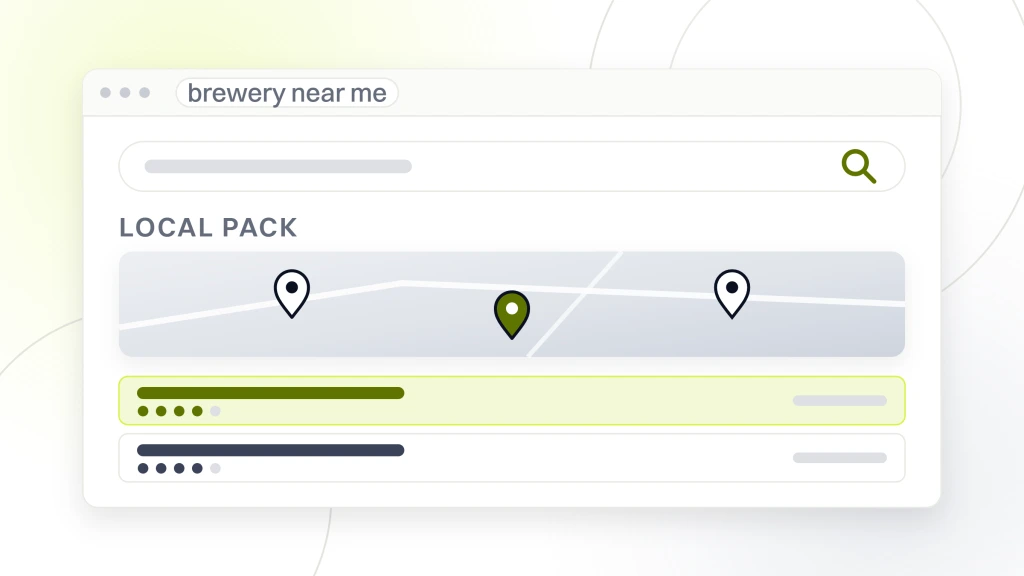
A properly configured GBP for a craft brewery uses brewery or brewpub as the primary category, with restaurant, event venue, wedding venue, and pet-friendly modifiers added where applicable. Photos should rotate weekly. Fresh tap list photos, food menu photos, event photos, and exterior shots at different times of day. The Google Posts feature is where release announcements, event promotions, and food truck partnerships get pushed weekly.
Reviews are the ranking amplifier. A brewery with 400 or more reviews at 4.5 stars will dominate the map pack over competitors with fewer or older reviews. The review acquisition workflow needs to run every day. A QR code at the bar that opens the Google review URL, staff trained to ask happy tables at the end of the visit, and an email follow-up 24 hours after a tour or event booking. Breweries running this discipline hit 15 to 25 percent review conversion from happy customers.
Response cadence matters too. Every review, positive or negative, should get a response within 48 hours. A one-line thank you on a positive review does the job. A negative review deserves a specific, non-defensive response that acknowledges the issue and offers a path forward. Owners who respond well to negative reviews often watch the average rating climb because prospective visitors read the response as evidence of care.
Events Drive Weekday Traffic in Ways Ads Never Will
The single biggest lever in craft brewery marketing for growing taproom revenue is the event calendar. Weekday nights are the killer. A brewery that runs trivia on Tuesday, live music on Thursday, food truck rotations on Friday, and family days on Sunday will fill days that would otherwise sit empty. Empty weekdays are where craft brewery P&Ls go to die because fixed costs (rent, staff, utilities) run whether beer is being poured or not.
Trivia is the highest-ROI event because it is cheap to produce ($75 to $150 per night for a host, plus prize costs) and reliably fills seats Tuesday or Wednesday, which are otherwise the two lowest-traffic nights. Live music runs more expensive (typically $200 to $600 per act) but pays back through longer visit duration and larger group sizes. Food truck partnerships cost nothing beyond a revenue share and pull in the specific customer base that follows the truck.
Release parties are the highest-margin events. A limited-release day for a barrel-aged beer or a collaboration brew can generate $8,000 to $15,000 in single-day revenue when the release gets marketed correctly. The marketing sequence: email announcement two weeks out, social teaser one week out, Instagram Story countdown the day before, GBP post the morning of, doors open with a line. Release parties also drive merchandise sales because collectors want the glass, the shirt, and the hat.
Private event bookings are the underused revenue stream for breweries with the right space. Corporate parties, wedding rehearsal dinners, birthday parties, and community fundraisers can occupy the taproom on nights when the calendar would sit quiet, and average booking value typically runs $2,500 to $8,000 per event. Denmark’s Vejrø Resort proved out a related pattern in hospitality. A full website tied to a direct booking system pulled 10K organic visitors, 200+ first-page keywords, and a 2.2% booking conversion rate inside 3 months. Craft breweries with private event space and a booking flow on the site can capture the same dynamic locally. For the private event pipeline most breweries never build, read our event marketing strategy guide.
Email Is the Taproom Fill Button Most Breweries Ignore
Email is the single most underused channel in craft brewery marketing, full stop. A brewery with a 6,000-person email list can announce a Friday release at 10 a.m. and fill the taproom by 5 p.m. without spending a dollar on paid media. The math on email for taproom marketing is dramatically better than any other channel because the audience already knows the brand and has opted in for updates.
List building happens at the taproom itself. The wifi captive portal, the tour signup form, the merch discount for signup at the bar, the Yelp check-in flow that drops into an email opt-in, and the private event inquiry form. Every touchpoint at the physical space should be a list-building opportunity. Most breweries capture emails passively (a signup form buried in the site footer) and then complain that the list is not growing.
The flow structure that fills taprooms is weekly what is on tap email every Thursday morning, event announcement emails 10 days and 3 days before each event, release-day emails at 7 a.m. on release days, and a monthly brewery news email covering seasonal beers and new tap list additions. Every email drives to a specific action. Reserve a tour, RSVP to an event, order a to-go growler for pickup, or book a private event.
Open rates for well-run brewery email lists typically sit above 40 percent, which is double the ecommerce average, because the audience is a self-selected fan base. Click-through rates run 8 to 14 percent on event and release emails. Those numbers translate directly into taproom foot traffic. For the flow structure and timing we run for beverage clients, read our email marketing strategy guide.
Instagram Reels and TikTok Are Both Growth and Community
Social is one slice of craft brewery marketing that Instagram used to own and TikTok is now competing hard for. Both platforms matter, but for different reasons. Instagram is the community layer where existing fans see release announcements, event teasers, and behind-the-scenes brewing content. TikTok is the discovery layer where new drinkers find the brewery for the first time.
Content patterns that work include brewing process short-form video (mash tun, hop additions, canning line), founder-led explainers about specific beers, tap list refreshes with quick tasting notes, event recaps that show a full taproom, and food truck partnership highlights. Every clip should show the taproom or the beer, not abstract brand aesthetics. Drinkers respond to the concrete, not the polished.
Instagram Stories carry more taproom-driving weight than Instagram grid posts because Stories are the platform users check for what is happening today. A brewery Story sequence covering the day’s food truck, the current tap list, and any evening event will drive same-day taproom visits at higher rates than a grid post that will not get seen for hours. Stories should run 3 to 6 frames daily on release and event days.
TikTok deserves its own strategy. According to Hootsuite social media research, TikTok’s algorithm rewards food and beverage content aggressively, and craft breweries with strong TikTok presence often see 20 to 40 percent of new taproom visitors reference the platform when asked how they heard about the brewery. Publish 3 to 5 clips per week, boost the top organic performers, and cycle new creative weekly.
Paid Ads for Craft Breweries Work Only When Sequenced Right
Paid ads are the last channel we turn on in a craft brewery marketing plan, not the first. Google Ads for local queries like brewery near me are expensive because you are bidding against every brewery in the metro, and most of those searches convert through the map pack anyway once your Google Business Profile is dialed in. Paid social pulls better than paid search for craft, but only when the creative pushes a specific event, release, or promotion. Generic brand awareness spend on Meta for a local brewery is a slow bleed.
The paid budget that actually pays back for an independent brewery lives inside three buckets. Event promotion (boosted Instagram posts and Reels the week of a release or a headline event), retargeting (visitors who came to the site but did not sign up for the email list), and geo-targeted awareness (a small monthly budget aimed at drinkers within a 15-mile radius who match the taproom persona). Total spend rarely needs to clear $600 to $1,500 a month for a single-location brewery to start moving.
Boogie Board, a reusable-writing-tablet ecommerce brand, is a useful proof point for the discipline it takes to make paid ads pay back. Cross-channel Google Ads plus LinkedIn Ads, landing-page optimization, automated follow-ups, and retargeting drove cost per conversion down to $31 on $650K in managed ad spend and boosted conversion rate 11 percent. The lesson for craft brewery paid ads is identical. Segmented campaigns, honest creative, and retargeting sequences turn spend into visits. Broad, brand-only ads do not.
Redefine Web runs paid media retainers from $999 to $4,500 per month depending on scope, and a craft brewery usually sits at the low or mid end of that range unless it is a multi-location group or a national canned brand.
Merch Is a Profit Center and a Marketing Channel
Brewery merch gets treated as an afterthought in most craft brewery marketing plans when it is really a profit center with contribution margin of 55 to 70 percent, roughly double taproom pour margin. Every taproom visitor is a potential merch buyer, and merch buyers become walking brand ambassadors long after they leave.
The merch mix matters. Glassware sells to collectors and pours well as a release-day tie-in. T-shirts and hats move steadily and carry the brand into new markets. Growlers and crowlers sell as takeaway product and drive repeat visits when the buyer needs a refill. Seasonal items (holiday shirts, anniversary hats) create the same urgency limited-edition beers create around the tap list.
Online merch sales through the brewery’s website matter too. A brewery with 300 taproom visitors per week can drive 40 to 80 online merch orders per week when the online storefront stays clean, the product photography is decent, and the checkout is friction-free. Those online orders often come from out-of-state drinkers who tried the beer at a bar or grocery store and want to represent the brand.
Collaboration merch with local artists, local nonprofits, or partner breweries creates the shareable products that drive social content. A limited-run shirt designed by a local artist will sell out to fans and generate word-of-mouth beyond what the merch line typically does. The ecommerce sales funnel strategy guide covers the online storefront patterns that grow brewery merch conversion. Abigail Ahern, a luxury home decor and ecommerce brand, ran a similar premium-aligned program on their storefront. Segmented shopping campaigns, non-branded SEO depth, and premium creative drove +179% ecommerce revenue, 1,588% paid-search return on ad spend, and 3,000% paid-social return on ad spend inside a 12-month window. The read-across for craft brewery merch is direct. Sell the story of the beer and the community, not the discount.
The Brewery Website Is a Conversion Tool, Not a Brochure
Most brewery websites treat craft brewery marketing like a digital brochure. Hero image of a pint, a founder-story page, a rotating carousel of vague beer photos, and a contact form. Meanwhile the tap list, event calendar, and hours are hidden two or three clicks deep. That layout gives up the taproom fill button for a design award nobody hands out.
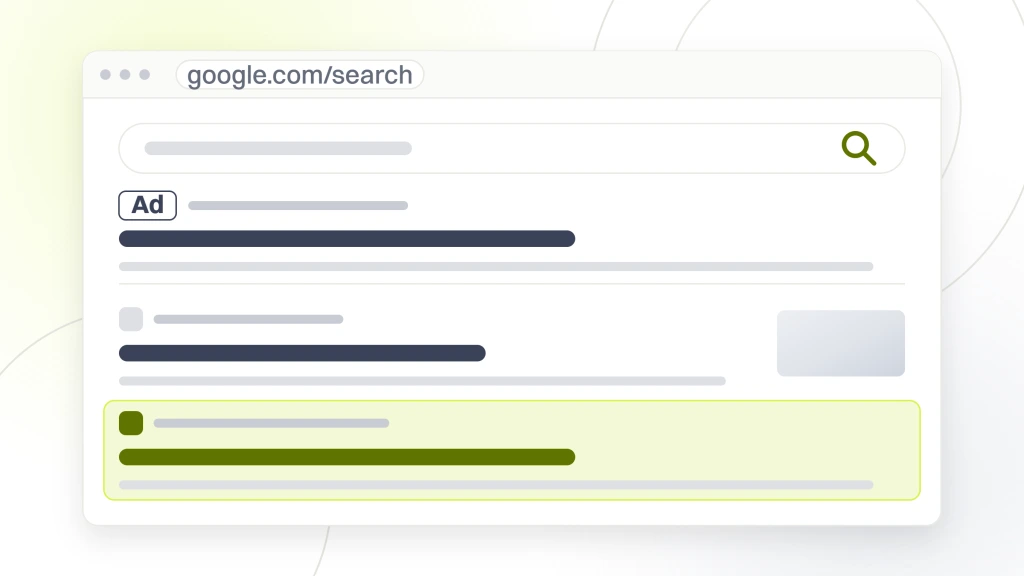
A conversion-focused brewery site puts the taproom decision inside the first screen. Hours today, address with directions button, current tap list, this week’s events, and one clear photo of the taproom. Everything else, distribution locator, wholesale inquiry, careers, press, wedding inquiries, sits in secondary nav. The homepage exists to answer the question the visitor already has, which is should I come in tonight.
Custimy, a SaaS customer data platform, illustrates the underlying discipline. Redefine Web rebuilt their site around isometric brand-aligned design, a scalable backend, and off-site SEO. The result was rankings on 500+ first-page keywords, 25K+ monthly organic visits, and a 165-second average session duration. Craft brewery sites need the same rigor applied to a smaller surface. Fewer pages, tighter conversion path, better structured data, and content depth aimed at the queries locals actually type.
Our website builds start with a scoped fixed-price package and roll into ongoing SEO and PPC retainers from $999 to $4,500 per month depending on the size of the operation and the number of locations. For a single-location brewery, the entry point is a taproom-first homepage rebuild plus GBP overhaul plus the first three months of email list building.
Comparison of Craft Brewery Marketing Channels by Cost, Speed, and Taproom Impact
The channels below are benchmarked against three lenses. Cost intensity, speed to visible taproom impact, and 12-month contribution to taproom foot traffic. Use it to sequence channel investment based on the brewery’s stage.
| Channel | Cost | Speed to Traffic | 12-Month Contribution | Best For |
|---|---|---|---|---|
| Google Business Profile | Very low | 2 to 4 weeks | Very high | Every brewery, always |
| Review Acquisition Workflow | Low | 3 to 6 weeks | Very high | Every brewery, always |
| Weekly Trivia + Live Music | Low to medium | 2 to 4 weeks | High weekday fill | Any brewery with space |
| Release Day Marketing | Medium | Immediate | High on release nights | Breweries with limited releases |
| Email List and Weekly Send | Low | 4 to 8 weeks list build | Very high | Every brewery, always |
| Instagram Stories | Low | Same-day | Medium | Same-day taproom driving |
| TikTok Organic | Low to medium | 2 to 8 weeks | Medium to high discovery | Newer breweries building awareness |
| Private Event Sales | Medium sales effort | 4 to 12 weeks | Very high revenue | Breweries with private space |
| Merch Program | Low to medium | Immediate | High margin plus brand | Every brewery, always |
| Paid Social (event boosts) | Medium | Same-day to 2 weeks | Medium | Release and event windows |
Case Study on a Regional Craft Brewery That Doubled Weeknight Taproom Traffic
A regional independent craft brewery came to Redefine Web for a full craft brewery marketing rebuild with a strong Saturday crowd, a dead Monday-through-Thursday calendar, and a website that hid the tap list two clicks deep. Weekend revenue looked healthy on paper. Weeknight revenue was quietly killing the P&L because rent, staff scheduling, and utility costs ran whether the taproom was full or not.
The rebuild covered the taproom-first homepage restructure (event calendar and tap list surfaced above the fold), a Google Business Profile overhaul with weekly Posts, a weekday events program (Tuesday trivia, Thursday live music, Friday food truck rotation), and a bi-weekly email flow tied to release days and event RSVPs. Review acquisition ran through a QR code at the bar and staff training on asking happy tables at check-out.
Results across 9 months. Weeknight taproom foot traffic grew 108 percent. The email list grew from 900 to 6,400 subscribers. Google Business Profile actions (calls, directions, website clicks) climbed 74 percent. Private event bookings pulled an additional $54,000 in first-year revenue. The underlying pattern maps to any independent brewery with a physical taproom and a quiet weekday calendar.
The plan on Monday was to rank for 40 local terms by Friday. The plan on Friday was to get the tap list back on the homepage.
Multi-Location Craft Brewery Marketing Is a Different Game
Single-location craft brewery marketing focuses on filling one taproom. Multi-location craft brewery marketing focuses on making each taproom feel local while carrying a shared brand system across markets. The tension is real. Over-standardize the branding and you lose the neighborhood pull. Over-customize each location and you lose the compounding SEO and email advantage.
The pattern that works is a shared master brand at the corporate level and location-level pages, GBP listings, event calendars, and Instagram accounts underneath. The corporate site owns the story, the flagship beers, the wholesale flow, and the merch storefront. Each location has its own page (with its own GBP-synced hours, tap list, and event calendar), its own local email list, and its own Instagram handle. That structure lets each location run its own weekday event program while still benefiting from the shared release calendar, the shared merch line, and the shared brand SEO.
Multi-location craft brewery marketing also needs a real analytics setup. Call tracking on each location page, UTM discipline on paid campaigns, and monthly reporting that breaks foot traffic estimates by location. Without location-level attribution, the corporate team ends up over-investing in the loudest market and under-investing in the market that would grow the fastest with a modest push.
Voice Notes From the Brewery Marketing Practice
Local marketing lead: Every craft brewery marketing audit I run turns up the same gap. Under-investing in email and over-investing in Instagram grid posts. The fix takes 90 days. Build the list at the taproom, send a weekly email, and watch Friday and Saturday nights get denser inside two months.
Events strategist: Weekday events are the single biggest untapped lever. Trivia on Tuesday plus live music on Thursday will grow weekly revenue 15 to 25 percent for most independent breweries, and the incremental cost stays under $800 a week.
Reputation lead: Google reviews still surprise me. Every brewery I work with sees taproom visits climb within 60 days once we roll out the QR code at the bar plus staff training on asking happy tables. It is the least glamorous tactic and it moves rankings faster than paid ads.
How to Start Craft Brewery Marketing Without Wasting the First Six Months
You do not need a 20-channel craft brewery marketing plan on day one. You need three moves in the first 30 days, four more in the next 60, and a paid layer added around month four. Start with the taproom map you already have and add channels only when the last one is producing.
Days 1 to 30. Claim and rebuild the Google Business Profile. Push 30 fresh photos. Turn on Google Posts. Install a QR code at the bar that opens the Google review URL. Train staff on the review ask. Rebuild the homepage so the tap list, hours, and event calendar sit above the fold. Set up an email service provider (ConvertKit, Klaviyo, or Mailchimp) and add a wifi captive portal signup.
Days 31 to 90. Launch one recurring weekday event (trivia is the easiest starter). Start the weekly what is on tap Thursday email. Add a private event inquiry form to the site. Publish a release-day flow (email plus GBP post plus Instagram Story countdown) for the next limited release. Add a merch page tied to the storefront platform (Shopify or WooCommerce). If you want the marketing running under one retainer at that point, our craft brewery marketing programs sit between $999 and $4,500 per month depending on scope.
Days 91 to 180. Add a second weekday event. Layer paid social event boosts on release weeks. Publish 3 TikTok clips per week for discovery. Roll a review response cadence with a 48-hour SLA. If you have private event space, add a dedicated sales pass on corporate accounts within a 20-mile radius. Read our marketing agency for food products guide if you also run a packaged product line that needs a coordinated push.