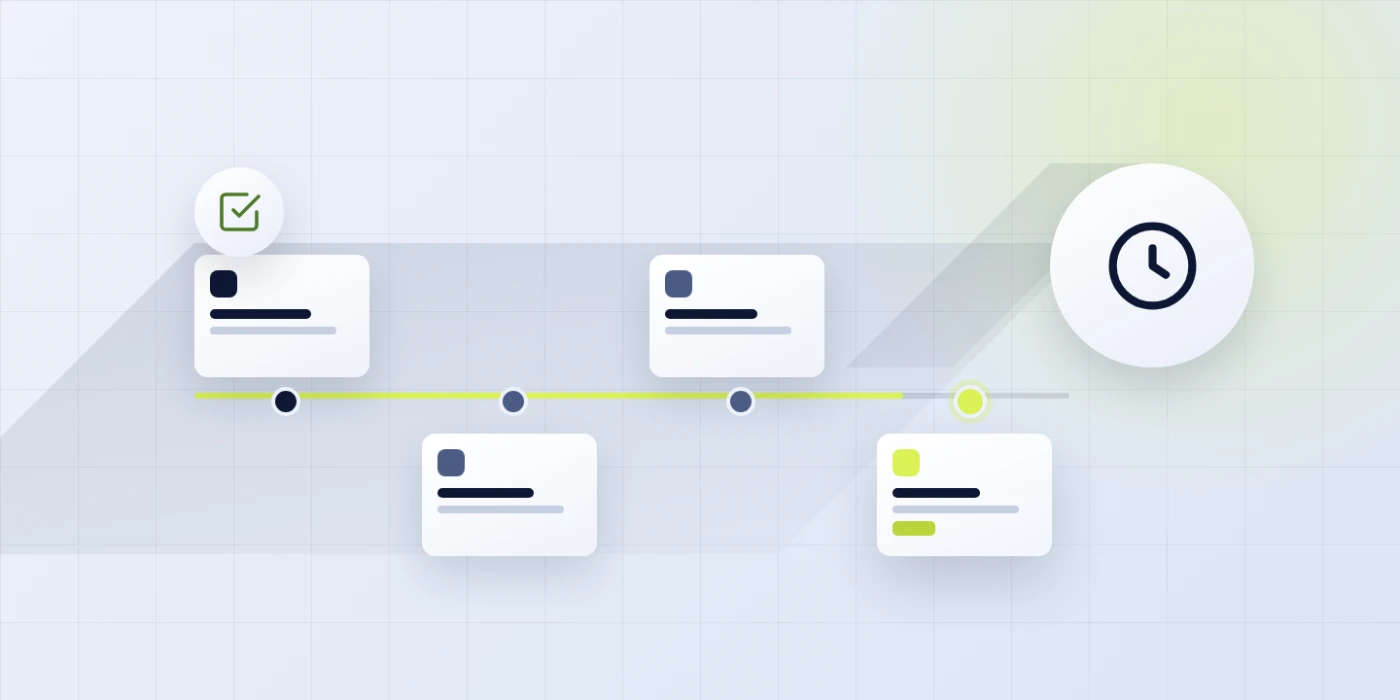
The agency runs four channels on a 7-day rhythm that fills or empties your dining room week over week. Local search on the Google Business Profile. Paid social on Meta and TikTok tuned to the 3-mile draw radius. Reservation flow work through OpenTable, Resy, or Tock with a live abandoned-booking recovery email. Reputation response on Google, Yelp, Tripadvisor, and OpenTable inside a 24-hour service level. Skip one channel for a month and the map pack drifts, the Friday 7 PM slots go to the newer spot two blocks over, and the star rating slips into a 90-day recovery arc.
You get the full scope of what a working agency owns, retainer bands per concept size, real named client wins we have pulled off in adjacent hospitality and physical-goods work, and a screening checklist you can run in one 45-minute call before signing a six-month term. Redefine Web runs this scope for single-location neighborhood spots, chef-driven concepts, and multi-location hospitality groups who want honest reporting on covers booked and average check instead of vanity charts on Instagram follower growth. Read straight through in 12 minutes and you will know which retainer band your restaurant needs. Skip to the food and beverage marketing services page if you already know the shape of your project.
Why a restaurant marketing agency runs on weekly cadence
The agency runs on a 7-day rhythm because a dining room fills or empties on the same 7-day rhythm. Every Friday the prior week’s Google Business Profile posts, Meta boosts, and reservation flow tweaks either pulled walk-ins through the door or missed. There is no monthly reset in this business. The neighborhood decides every week whether the phone rings on the slow Tuesday nights that separate a healthy P&L from a break-even one.
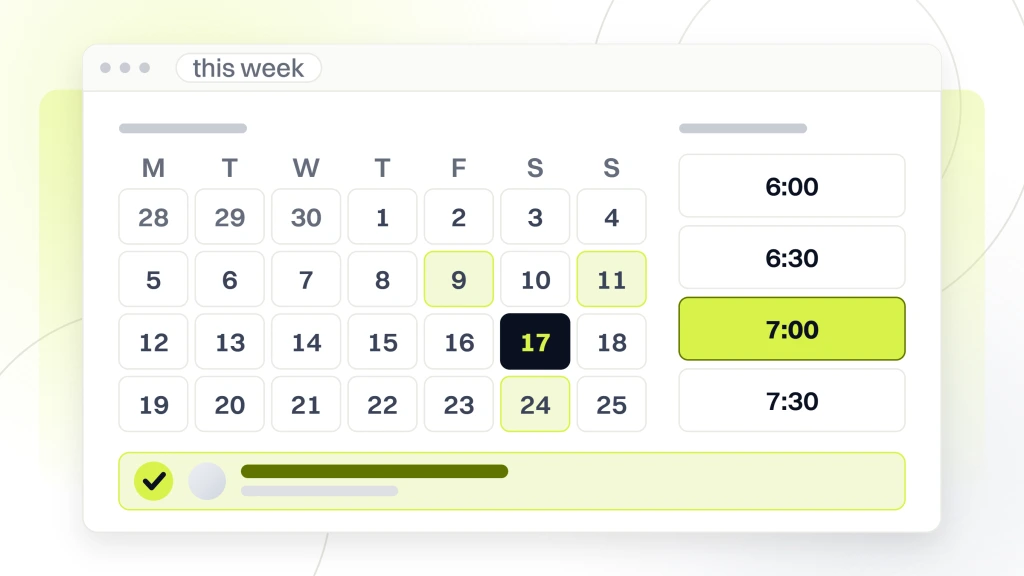
Skip a single weekly cycle and the map pack ranking drifts 2 to 4 positions, the abandoned reservation recovery flow stops firing, and the competitor two blocks over picks up the slack on the same 3-mile audience. One skipped week compounds into a slower next quarter, an 18% drop in cover count on midweek nights, and a harder recovery on star rating trend because the review pipeline pauses at the same time.
Consumer behavior around dining decisions confirms the weekly pattern. The National Restaurant Association research desk tracks weekly consumer intent shifts that swing 8 to 14% inside seven days on the same demographic, and an agency that reports monthly misses those windows entirely. Weekly reads catch the shift while it can still be acted on with a Friday Meta creative swap or a Sunday reservation-page copy edit.
The four channels that fill covers
Channel one is Google Business Profile, updated weekly with new menu photos, seasonal promos, and event posts. Channel two is Meta and TikTok paid social, targeting the 3-mile radius the restaurant actually draws from. Channel three is reservation flow tuning across OpenTable, Resy, or Tock, with an abandoned-booking recovery email that recovers 24 to 32% of dropped intent inside 24 hours. Channel four is reputation response across Google, Yelp, Tripadvisor, and OpenTable with a 24-hour SLA on every review.
Where in-house restaurant teams typically get stuck
In-house restaurant marketing gets pinned at the intersection of speed and depth. A general manager can post one photo per week to the Google Business Profile, but the same person cannot also run a 3-mile Meta lookalike, respond to 40 monthly reviews inside 24 hours, and tune the abandoned-booking flow. A restaurant agency exists because the workload runs 20 to 40 hours per month for a proper program. Restaurants that answer Google reviews inside 48 hours see 35% higher return-guest rates on the same address.
Local SEO scope inside a restaurant marketing agency
Local search work on a working retainer covers Google Business Profile weekly updates, citation cleanup across 40 directories, on-page schema for menu and reservation pages, review generation tied to POS receipts, and monthly ranking reports for the 15 highest-intent local terms. The map pack decides which dining room fills on a rainy Tuesday when three restaurants inside four blocks are chasing the same walk-in.
Ranking factors on the map pack skew heavily toward review velocity, review sentiment, and Google Business Profile activity in the last 30 days. A restaurant that posts weekly, answers reviews in 24 hours, and generates 6 new Google reviews per week holds a top-3 map pack slot even against older competitors with more historical review count. See the Google local business schema documentation for the markup a working agency should be wiring on every menu, hours, and reservation page.
Google Business Profile weekly rhythm
The weekly Google Business Profile rhythm posts one new photo (menu item, dining room, staff, or event), one promotional post (happy hour, tasting menu, brunch push), and one event post (live music, private dining slots, holiday hours). Every post uses geo-anchored copy naming the neighborhood, the cross street, and the target dining occasion. Every photo gets alt text a screen reader can parse. Every post gets a UTM parameter so Google Analytics attributes the source visit correctly.
Review generation math tied to POS receipts
The review generation flow lives on the POS receipt. Every check gets a QR code linking to a review-request landing page that filters happy guests toward Google and Yelp and unhappy guests toward a private feedback form. A working agency wires this integration inside week two of onboarding. The math: 2% of covers generate a Google review when the flow works. A restaurant serving 300 covers weekly produces 6 new reviews per week, which is the tempo that holds a 4.6-star average without star-rating decay.
Named client wins that map to restaurant marketing work
Redefine Web has run these disciplines on brands outside restaurants, and the mechanics map cleanly to hospitality. Brightway Insurance, a specialty firm focused on business coverage for restaurant operators, grew website leads 153% and overall traffic 63% on a six-month coordinated web plus SEO plus paid plus social rebuild. Social-driven users jumped 129% inside the same window. Every number tied back to a specific SEO landing page, paid campaign, or organic referral, which is the same reporting discipline a working agency should be running on covers booked.
Vejrø Resort, a Danish private-island resort with strong social engagement but weak direct booking flow, turned that engagement into revenue on a search plus website integration retainer that delivered 10,000 organic visits, 200 first-page keywords, and a 2.2% booking conversion rate inside three months. That combined search plus conversion work is the same discipline a working agency applies to reservation pages, menu pages, and private-dining inquiry pages. The mechanic is intent capture on the front end and a tuned booking flow on the back end, and it holds whether the booking is a resort suite or a Friday 7 PM two-top.
Sansa Interiors Inc., a Toronto-based residential and commercial design firm, grew organic sessions 800% and organic contact form submissions 400% year over year through a full search-first content and technical retainer. Boogie Board, a reusable-writing-tablet CPG brand, cut acquisition cost to $31 per conversion and grew conversions 11% while running $650k in ads with sustainable return on ad spend. Abigail Ahern, a premium home decor brand, pulled a 179% revenue gain and doubled conversion rates through intent-driven traffic work and premium creative. Every one of those wins came from the same operating pattern a working restaurant agency runs: pattern-match the category, tune the conversion flow, then feed it clean traffic.
What these named wins teach a restaurant owner
The lesson across Brightway, Vejrø Resort, Sansa Interiors Inc., Boogie Board, and Abigail Ahern is that category-tuned execution beats generic media buying every time. Brightway did not win on cheaper ads. It won on a full-funnel rebuild that treated the website, ad creative, landing pages, and organic content as one system. That is the operating model a working agency runs on a dining room. The Google Business Profile, the menu page, the reservation flow, and the review response pipeline all move together, or none of them move at all.
Pricing tiers for a restaurant marketing agency
Retainer pricing splits into four bands. Redefine Web sets retainer pricing at $1,499 per month for a Foundation scope, $2,499 per month for a Growth scope, $3,999 per month for a Scale scope, and from $6,000 per month for full-service coverage. Under $400 monthly and the vendor is running a review-response bot, one Meta post per week, and calling that a program. Over $6,000 and the retainer is bundling brand strategy or menu development work that belongs in a separate statement of work. Ad spend is billed separately at every tier and never rolled into the retainer.
Tier selection scales with cover count, average check, and concept count under one hospitality group. A solo neighborhood spot serving 250 covers weekly at a $38 average check does not need the same retainer as a three-location group serving 2,400 covers weekly at a $62 average check. The channel mix, the reporting cadence, and the creative production volume all shift with the concept size, and a working agency prices tiers accordingly instead of pushing every client into the same package.
| Concept size | Monthly retainer | Channels covered | Reporting cadence |
|---|---|---|---|
| Solo restaurant under $1M annual | $1,499 to $2,499 | Google Business Profile plus reviews plus Meta | Monthly report |
| Neighborhood spot $1M to $3M | $2,499 to $3,999 | Adds paid social plus landing pages | Bi-weekly plus monthly |
| Multi-location $3M to $10M | $3,999 to $6,000 | Adds TikTok plus digital PR plus retention email | Weekly plus monthly plus QBR |
| Hospitality group $10M plus | Starts at $6,000 | Adds brand campaign plus multi-city local | Weekly plus monthly plus QBR |
What separates a $2,499 retainer from a $3,999 retainer
The $2,499 tier gives a solo restaurant a weekly Google Business Profile post, monthly review-response coverage, one Meta ad set targeting the 3-mile radius, and a monthly report. The $3,999 tier adds paid social creative production of four new ads per month, landing page A/B tests on happy hour and private dining pages, an abandoned-booking email flow, and bi-weekly reporting calls with the owner. The gap shows up as cover count on slow midweek nights, which is where a $3,999 retainer earns its keep and a $2,499 retainer holds the floor.
When multi-location tiers make sense
Multi-location tiers past $3,999 monthly earn their keep when a hospitality group runs three or more concepts under one ownership umbrella. The retainer covers cross-concept promotion inside the guest database, TikTok content production against the chef-forward SKUs, digital PR for James Beard nominations, and multi-city local ranking reports. See our food and beverage marketing retainer detail for how these bands sit inside a monthly scope.
Paid social channel mix for restaurants
Paid social on a working retainer splits Meta and TikTok on a 60-40 or 70-30 ratio by the concept’s demographic center. A fine-dining concept anchored on a 35 to 55 age audience weights Meta heavier, closer to 75%. A fast-casual chef-driven concept anchored on a 22 to 38 age audience runs closer to a 55-45 split with TikTok carrying the awareness top-of-funnel work. Getting the split wrong wastes 30 to 40% of monthly ad spend on the wrong platform for that concept.
Creative production volume matters more than budget size at the bottom two retainer tiers. A $500 monthly Meta budget with 8 fresh creatives outperforms a $2,000 monthly Meta budget with 2 stale ones because the algorithm rewards new content on the same audience. A working agency treats creative as the primary lever and budget as the amplifier, not the other way around. See our take on food social media marketing scope for adjacent channel patterns.
Meta creative that converts for restaurants
Meta ad creative for restaurants converts on three formats: 15-second static-plus-motion menu item spotlights, 8-second dining room ambience clips, and 30-second chef-authored dish story videos. Every creative names the restaurant in the first two seconds because Meta autoplays sound-off. Every creative ends on one clear call to action (book a table, order online, view menu). Rotating creative every 14 days prevents the ad fatigue that pushes cost per thousand impressions up 40% inside a single month.
TikTok organic and paid for chef-driven concepts
TikTok on a working retainer runs organic content (chef in kitchen, prep footage, plating shots) plus Spark ads amplifying the top-performing organic pieces. The mechanic works because TikTok’s algorithm rewards native chef content and downweights overly polished ad creative. Restaurants that post 3 organic pieces weekly plus a $500 monthly Spark budget hit 15 to 30x reach amplification versus organic alone. Name the dish, the neighborhood, and the reservation slot inside the first 4 seconds of every TikTok so the algorithm categorizes the content correctly.
Reservation flow tuning inside restaurant marketing
Reservation flow tuning on a working retainer covers OpenTable, Resy, or Tock integration, an abandoned-booking email flow, deposit collection on prime-time slots, and no-show management. Every restaurant loses 8 to 15% of reservation intent to abandonment during the booking flow. A working abandoned-booking email recovers 20 to 35% of that intent inside 24 hours, which pays back the entire retainer on a healthy Friday-night dining room.
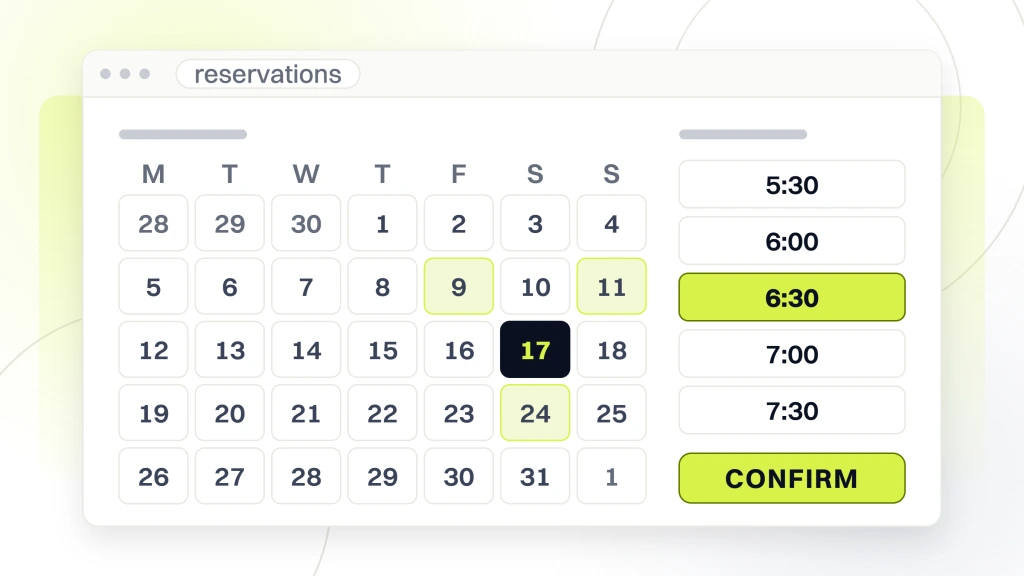
Menu page conversion work is the second lever inside reservation flow. A menu page with prices, dietary tags, and one hero photo per section converts inbound Google traffic to reservations at 4.6% versus the 1.9% conversion rate on a PDF-menu page or a menu page missing prices. A restaurant agency rewrites the menu page inside the first 30 days of onboarding because the paid and organic traffic feeding it never converts until that page is tuned.
Abandoned reservation email sequence
The abandoned-booking email sequence runs two touches. Email one at 20 minutes past abandonment reminds the guest which time slot they viewed and links back with party size pre-filled. Email two at 24 hours offers a specific alternative (the 7 PM slot filled, we have 6:15 and 8:45 open) with a one-click booking button. This sequence recovers 24 to 32% of abandoned reservations on OpenTable and Resy integrations, and the recovered covers land at 82% show rate versus the 76% show rate on first-touch bookings.
Deposit collection on prime-time slots
Deposit collection on Friday 7 to 9 PM slots and holiday windows drops no-show rate from 12% to under 3%. The mechanic: a $25 per-person deposit charged at booking, credited toward the check on arrival, forfeited on no-show. Guests who resist the deposit self-select out of the prime slot and free the seat for a guest who will show. See our food and beverage web design page for how the reservation flow ties into the site build.
Reputation management scope for a restaurant marketing agency
Reputation response on a working retainer covers Google, Yelp, Tripadvisor, and OpenTable review response with a 24-hour service level, sentiment monitoring across 8 platforms, and a quarterly reputation report showing star rating trend, response rate, and top complaint themes. Skip reputation response and a single 2-star review with 40 helpful votes drives away 15% of prospective walk-ins inside 90 days on the same address.
Response tone matters as much as response speed. A polite, specific response to a 2-star review reads to future prospects as a signal the ownership cares. A defensive or copy-pasted response reads as a red flag and depresses conversion on the Google Business Profile view rate for the next 60 days. Every response gets written by a human on a working retainer, not a template pasted verbatim, because guests notice copy-paste responses inside three visits.
Response templates that work for 90% of reviews
Response templates cover positive reviews (thank the guest by name, reference a specific dish they mentioned, invite them back for a seasonal menu), critical reviews (acknowledge the specific issue, skip excuses, offer to fix it via email), and neutral reviews (thank the guest, ask one clarifying question about what would have earned 5 stars). Every response gets personalized within 30 seconds because the template is a starting point, not a final draft.
Sentiment monitoring across 8 platforms
Sentiment monitoring covers Google, Yelp, Tripadvisor, OpenTable, Resy, Instagram tagged posts, TikTok mentions, and local Reddit food subs. A working agency runs a weekly review of new mentions, a monthly aggregate sentiment score, and a quarterly report to the ownership. The Reddit dimension matters because 12% of neighborhood recommendations happen inside r/YourCityFood threads that never surface in a standard reputation tool. Weekly monitoring on those subs catches a viral complaint 5 days before it lands in a Google review and lets the restaurant respond before the star rating takes a hit that costs 90 days to recover from.
Reporting cadence for restaurant marketing
Reporting cadence on a working retainer runs monthly executive reports plus quarterly business reviews. The monthly report goes out in the first business week and covers covers booked from paid channels, review count growth, star rating trend, map pack ranking on 15 target terms, and specific creative and copy tests run that month. Every number gets a comparison to the prior month and a plain-language interpretation the owner can read in five minutes over morning coffee.
Leading indicators beat lagging ones on the weekly view inside the report. Creative fatigue, measured by frequency crossing 3.5 on a Meta audience, predicts a return on ad spend drop by 10 to 14 days. Review response time drift past 24 hours predicts a star rating dip 30 days out. Google Business Profile posting gap past 10 days predicts a map pack ranking drop of 1 to 3 positions inside 21 days. A restaurant agency worth its retainer reports on the leading indicators, not the lagging ones.
Metrics that matter versus vanity metrics
Metrics that matter: covers booked from paid attribution, incremental phone calls, reservation conversion rate, new-guest review count, and star rating trend. Vanity metrics that do not matter to a restaurant: Facebook page likes, Instagram follower growth (without engagement rate context), and impression counts without conversion attribution. A working agency writes the monthly report against the metrics that matter and skips the vanity block entirely, because a page-like does not seat a two-top on a Wednesday night.
Quarterly business review with the owner
The quarterly business review runs 90 minutes with the restaurant owner, chef, and general manager. Agenda: cover count trend, average check trend, top-performing dishes by paid social attribution, seasonal promo calendar for the next 90 days, and one strategic decision that needs owner input. The QBR moves the retainer scope to match seasonal reality (patio season, holiday windows, back-to-school slowdown, restaurant week participation). See the Restaurant Dive marketing coverage for how peer operators adjust seasonal calendars against reservation data.
Red flags in a restaurant marketing agency sales call
red flags on a restaurant agency sales call come out in the first 15 minutes if you ask in particular. A shop that cannot name three restaurant accounts run past 18 months is not a specialist. A shop that quotes a target cost per cover without asking your average check, cuisine type, and cover count baseline is guessing. A shop that promises the full local SEO plus paid social plus review response scope for under $400 monthly is running a bot. A shop that hands you the same channel plan they showed a chef-driven concept and a fast-casual quick-serve has not read either brief.
- Name three restaurant accounts you have run for more than 18 months and the cover count delta you delivered.
- What is your target cost per booked cover for a $48 average check neighborhood spot on cold Meta traffic in month three?
- Which reservation platform integrations do you build against (OpenTable, Resy, Tock) and how do you wire the abandoned-booking flow?
- Show a real client dashboard from last month with the restaurant name redacted but the cover-count numbers intact.
- What is your review-response service level in hours and how do you staff evenings and weekends?
- How do you split Meta and TikTok budget on a $2,000 monthly paid social scope for a chef-driven concept?
Reviewing the redacted dashboard
The dashboard tells the truth. If the top metrics are cost per click, cost per thousand impressions, and impression counts, the agency is reporting activity and not revenue. If the top metrics are covers booked, cost per booked cover, review count growth, and star rating trend, the agency reports outcomes the owner cares about. If the dashboard does not exist at all, the agency will build one during your retainer and you will fund the framework. A working agency has a dashboard template ready to modify for your concept on day one.
Account lead tenure over 18 months
The person running your account matters more than the agency brand on the door. Ask who your account lead will be and how long they have been at the agency. Under 12 months of tenure and there is a churn risk mid-retainer. Under 24 months and there is a competence risk on complex flows like the reservation abandonment recovery build. Specialists retain their strongest leads because restaurant work is genuinely fun. General shops burn junior labor on hospitality accounts because the category feels adjacent to whatever they specialize in.
When a restaurant hires in-house versus retains an agency
In-house restaurant marketing hire lands somewhere between $2M and $5M in annual revenue for most concepts. Earlier and the hire sits idle waiting for creative deliverables the marketing does not yet need. Later and the general manager becomes the bottleneck on every promo brief. The hire is a generalist operator, not a specialist. They own the brief pipeline, the agency relationships, and the Google Business Profile weekly cadence directly. Specialists in paid or reservation-flow work come at hire three or four inside a hospitality group.
The mature move for a mid-sized hospitality group is a general manager or director of marketing in-house plus a working retainer covering paid, reputation, and reservation-flow tuning. This split beats every single-source combination on retainer economics because the in-house lead owns the seasonal promo calendar and the agency owns the always-on execution machine. Below the $2M revenue mark, a working retainer alone is the right structure.
The hybrid model that holds up
The hybrid splits scope by capability, not by category. The in-house lead owns brief development, chef and owner communication, and the seasonal calendar. The agency owns weekly Google Business Profile posts, paid creative rotation, reservation-flow build, and review response inside SLA. The reservation platform vendor (OpenTable, Resy, Tock) handles the transactional booking infrastructure. All three know the lanes and the escalation path when scope overlaps at a peak weekend or a holiday window.
Measuring a working retainer
Measurement on a working retainer runs on four numbers per month: cost per booked cover, incremental cover count against the prior 90-day baseline, star rating trend on Google and Yelp, and map pack ranking on the 15 highest-intent local terms. A general shop tends to report Meta return on ad spend and Instagram follower growth. A restaurant specialist reports the four numbers because the four numbers determine whether the retainer earned its fee that month. Ask for the redacted dashboard from the last full month before signing anything.
Cost per booked cover benchmarks vary by cuisine and average check. Fine dining at a $95 average check lands at $22 to $38 per booked cover from paid social by month three of a working retainer. Neighborhood casual at a $42 average check lands at $8 to $14. Fast-casual chef-driven at a $28 average check lands at $4 to $9. A restaurant agency that quotes a flat cost per booked cover across every concept type is not measuring the account correctly, and the retainer will drift into activity reporting inside 90 days.
Cover benchmarks for restaurant verticals
Blended cover count gain for a growing neighborhood spot on a working agency retainer sits at 12 to 22% inside 90 days and 25 to 40% inside 180 days. Fine dining runs slightly lower at 8 to 16% inside 90 days because the base is higher and the audience is smaller. Fast-casual chef-driven runs higher at 18 to 32% because the reach math on TikTok compounds on top of the Meta baseline. Category specialists know the band your concept lives in. General shops report the blended average and treat every restaurant the same. See our food and beverage marketing retainer detail for how these bands sit inside a monthly scope.
Retainer payback math on a neighborhood spot
Retainer payback on a $2,499 monthly restaurant retainer scope for a neighborhood spot at a $48 average check works out to roughly 52 incremental covers per month at 100% flow-through on food margin. On a 70% flow-through after cost of goods, the number is 30 incremental covers per month. A working retainer delivers 60 to 120 incremental covers per month by month three, which is a 2 to 4x return on the retainer fee before any gain on average check from tuned promo work. Payback under 90 days is the healthy band. Above 90 days and either the concept mismatches the channel mix or the shop is not executing.
Making the pick between restaurant specialist and generalist
The pick between a category specialist and a general marketing shop comes down to what the next 12 months require on the dining room. Weekly cadence, reputation response inside 24 hours, reservation flow tuning on OpenTable or Resy, and covers-booked reporting: restaurant specialist. Rebrand, launch campaign, one-off menu photography shoot, or a public relations push with a fixed deliverable: generalist. Both at once, and hire both under separate scopes with the specialist on monthly retainer and the generalist on project. The wrong pick costs a full quarter of covers on the paid side and 90 days of star rating recovery on the reputation side.
The last piece of advice is simpler than most of this guide. Have the sales call, ask the six screening questions, watch the dashboard demo, and trust the answers. Restaurant specialists answer immediately and in particular. General shops circle back after the call to get numbers together. The circle-back is the tell on any restaurant account, and it holds across the entire hospitality vertical. See our food and beverage marketing services page or our monthly retainer packages for the specific scopes we run today. Additional peer benchmarks live in Nation’s Restaurant News marketing coverage, and we will answer every question in this guide on a 45-minute working call.