
The dso dental model is a two-entity arrangement where a dental support organization owns the non-clinical assets and services of a practice, and a licensed dentist owns the clinical entity that treats patients. The two entities are joined by a management services agreement (MSA) that spells out fees, decision rights, and exit terms.
About 13% of US dentists were affiliated with a DSO in 2022, per the American Dental Association’s Health Policy Institute, and the share rises to 27% among dentists who graduated five or fewer years ago. That trend is real, but the shape of the deal you sign matters more than the trend itself.
I’ve read enough MSAs and letters of intent for dental groups across the country to say this plainly. It’s not a single category. It’s a spectrum of legal, financial, and operational structures, and the difference between a fair deal and a rough one lives in three or four contract lines most owners never read.
What the dso dental model is, in one paragraph
The dso dental model splits a dental practice into two legal entities. The clinical entity is owned by a licensed dentist and bills patients, hires clinicians, and controls treatment. The business entity, the DSO, owns the office lease, equipment, staff, and back-office systems. The DSO charges the clinical entity a management fee under an MSA to run the non-clinical side of the practice.
The two-entity split, why it exists
State laws in about 32 states require that dental practices be owned by licensed dentists. The two-entity split is how DSOs operate legally in those states. The dentist owns the practice on paper. The DSO owns the operational engine that keeps it running.
In practice, the split lets the DSO consolidate purchasing, billing, HR, and marketing across many offices and still stay inside state dental-practice-ownership rules. It lets private equity fund growth on top of that, without breaking those rules directly.
Why the MSA is the real contract to read
The purchase agreement gets the attention. The MSA runs your business for the next 10 to 15 years. It sets the monthly management fee, defines what the DSO controls (hiring, marketing, scheduling software, supply contracts), and lays out what happens if you want out. Read the MSA first. Read the purchase agreement second.
Three clauses matter more than the rest. First, the fee escalator, which is how the management fee changes year over year. A CPI-linked escalator with a 3% cap is fair. An open-ended escalator or one tied to “platform overhead” is not. Second, the change-of-control clause. If the DSO gets sold to a bigger platform in year 4, that clause says whether your MSA follows the sale unchanged, whether the new owner can renegotiate the fee, and whether your rollover equity converts on the same terms as the founders. Third, the term and termination clause. Most MSAs run 15 to 20 years with only a for-cause exit. Push for a mutual termination right at year 10 in exchange for a smaller upfront check.
Dental dso structure, from platform to affiliated office
A typical dental dso structure has three layers (see our dental DSO structure guide for the full breakdown). At the top sits the platform company, usually private-equity backed, that raises capital and buys practices. In the middle sits a regional support team that handles marketing, HR, and revenue-cycle management for a cluster of offices. At the bottom sit the affiliated dental offices where care is delivered.
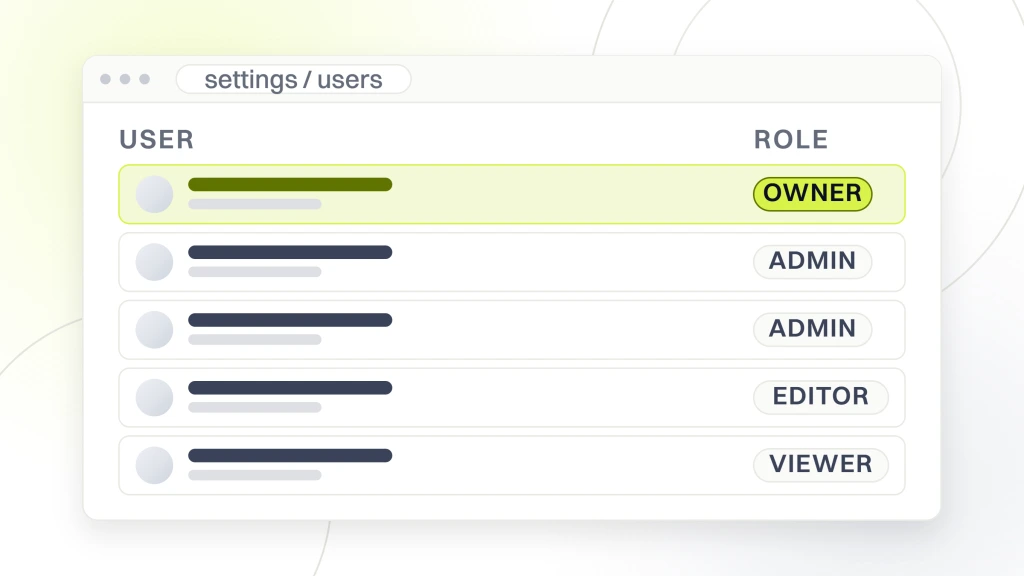
The platform typically owns or controls 60 to 100% of the office economics, depending on the deal you signed. The affiliated office keeps the clinical brand, the patient charts, and the dentist’s employment agreement.
Shared services, what moves to the parent
In most dental dso structure setups, these functions move to the DSO parent. Payroll and benefits. Human resources. Marketing and the practice website. Revenue-cycle management (billing, insurance follow-up, aging AR). Procurement of supplies and lab work. IT support and compliance. In some models, staff scheduling and hygienist recruiting centralize on top of that.
What stays local. Clinical decisions. Case acceptance conversations. Chairside team culture. Local relationships with specialists and referral sources.
The line between shared and local is where most owner frustration lives. A DSO that centralizes marketing but leaves case-acceptance training to the office pushes cost per new patient down and drives production per patient up. A DSO that centralizes hygiene scheduling from a 2-state distance breaks the local relationship with your recall patients in the first 90 days. Ask the platform for a written boundary map before you sign. If they don’t have one, they haven’t figured this out yet, and your practice is going to be the pilot.
Regional versus national DSO, the shape difference
Regional DSOs run 20 to 150 offices in one or two states. They tend to move faster on local decisions, keep more of the pre-sale team, and negotiate simpler MSAs. National DSOs run 200 to 1,000+ offices across many states. They bring stronger group buying power on supplies and insurance contracts, and they publish tighter operational playbooks. Neither is objectively better. Pick the shape that matches how you want to work for the next decade.
The dso business model dental, how the DSO makes money
The dso business model dental revenue engine has three parts. Practice-level EBITDA rolled up across the network. A management fee charged on collections. Multiple arbitrage on exit, where the DSO sells the combined group at a higher multiple than any single office could earn on its own.
Why the management fee number is the fight
Management fees in the industry run anywhere from 8% to 25% of collections. Anything under 12% is usually fair. Anything above 20% deserves a hard second look, and a conversation with your CPA about what the DSO is actually doing for that number. Ask for a line-item schedule of shared services. If the DSO cannot show you which services justify the fee, that’s a signal.
Where the margin comes from
Group buying on dental supplies alone grows office EBITDA by 3 to 6 percentage points. Consolidated insurance negotiation adds another 1 to 3 points on average. Centralized marketing, when it’s actually good, can drop patient-acquisition cost by 20 to 40%. The dso business model dental depends on stacking those wins across every affiliated office.
DSO type dental structure, the 4 flavors you’ll see
Every dso type dental structure falls into one of four buckets. Traditional, doctor-partnership, invisible, and emerging. The label tells you how much equity you keep, how much control you give up, and what your exit looks like.
Traditional DSO
The DSO acquires 100% of the practice. You become a W-2 clinical employee or an associate under contract. You keep clinical authority. You give up ownership, upside on future growth, and most operational say-so. Best fit if you’re 3 to 7 years from retirement and want a clean exit.
Doctor partnership DSO
The DSO buys 60 to 80% of the practice. You keep 20 to 40% as rollover equity and share in the upside when the platform sells. You stay involved in clinical hiring and local operations. This dso type dental structure is the most common one for mid-career owners in high-growth markets.
Invisible DSO
Some groups call this a management-services model or a doctor-owned DSO. You keep 100% of the clinical entity. You pay the DSO for shared services on a fee-for-service basis with no equity change. The trade is lower buyout upside and no consolidation multiple, in exchange for keeping every dollar of your practice’s future growth.
Emerging DSO
Emerging DSOs run 3 to 15 offices, often owned by a group of practicing dentists. They pay above-market multiples to build the platform story faster. Diligence is lighter, integration is faster, and the risk you take is on the DSO’s ability to raise the next round of capital.
Rollover equity in an emerging platform can pay off big if the platform hits the next recap. It can go to zero if the platform stalls or gets acquired at a discount. Take the smaller cash-at-close on an emerging deal only if the founders have real skin in the game (not just carry) and a clear path to a Series B or a strategic buyer inside 3 years. Ask to see the platform’s audited financials, not just the pitch deck. Ask which of the founding dentists are still in the chair. The answers change the risk profile fast.
Case study, how a 50-location DSO scaled patient acquisition
Smile Design Dentistry, a Florida-based DSO with 50+ offices in Central Florida and Tampa Bay, came to Redefine Web with a familiar problem. Ad spend was up. Patient quality wasn’t. PPC accounts were structured too broadly, paid social sat unused, and no one on the marketing team could tell which locations were driving profitable new patients versus which were burning budget on low-value calls.
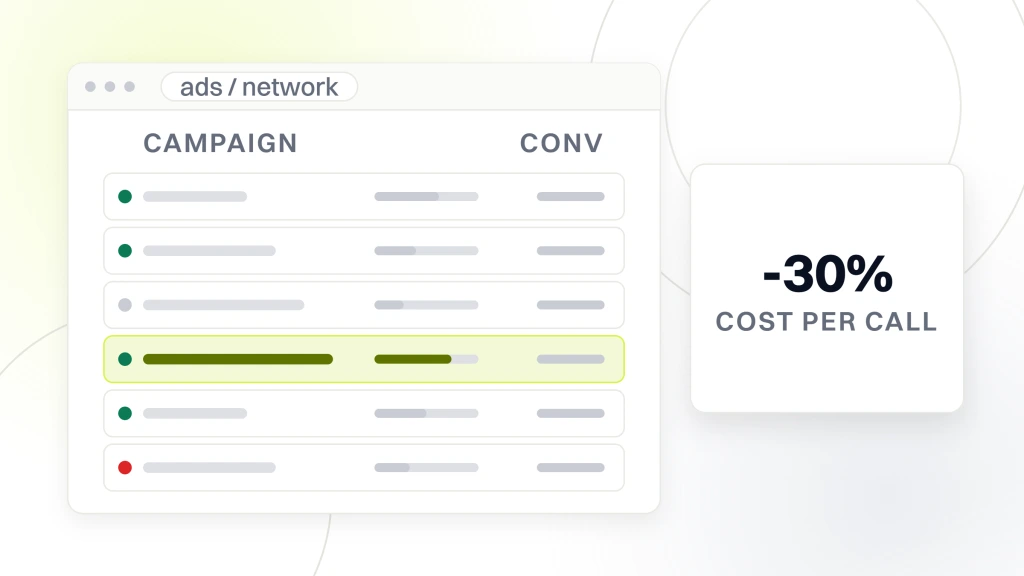
We restructured the paid-media stack around funnel stage and geography. Every high-intent search went to the closest office with capacity. Every awareness spend on paid social routed the resulting patient to a location-specific landing page. And every call ran through CallRail scoring so the team could tell a booked patient from a hang-up in real time.
What worked technically
Bid logic ran per neighborhood, not per office. Landing pages carried local trust markers on top of a national brand template. Full-funnel paid social opened, warmed, and converted patients on a single campaign spine. Cost per call fell 30% across the network. PPC conversion rate rose 20%. Every one of the 50+ offices ran on the same measurement grid.
What took longer than planned
Data cleanup at the office level was the slow part. Aligning CallRail attribution with the DSO’s practice-management system took 8 weeks longer than we scoped. That’s the honest read on any DSO paid-media rebuild. The strategy is straightforward. The integration between local systems and the parent’s reporting stack is where the timeline actually lives.
One more honest note on the Smile Design work. Not every office responded the same way to the new grid. Higher-volume urban offices moved fast on the paid-media restructure and saw the cost per call improvements inside 60 days. Smaller offices in rural markets took 4 to 5 months to hit the same numbers. If you’re running a DSO paid-media rollout, plan for that spread. Do not budget the same ramp curve for every office in the network. Set a 90-day expectation for city offices and a 150-day expectation for smaller ones, and staff your reporting cadence accordingly.
How to read a DSO offer without your attorney next to you
A DSO offer letter, or letter of intent, is 4 to 8 pages long. Our DSO buying dental practices playbook walks through the deal flow in more depth. Three sections carry 80% of the value. The purchase price and structure. The rollover-equity terms if any. The employment agreement for the seller. Everything else is scaffolding around those three numbers.
The add-back question is the biggest lever
DSOs value practices on adjusted EBITDA. “Adjusted” means the DSO gets to add back the seller’s above-market salary, personal expenses, and one-time costs before applying the multiple. Every add-back you win adds roughly 5 to 8x that number to the sale price at typical dental multiples. Bring your CPA. Fight for every legitimate add-back on paper.
The quiet clause most sellers miss
Read the non-compete and the earn-out clawback carefully. Most dental non-competes run 3 to 5 years and 10 to 25 miles. Most earn-outs get clawed back if EBITDA drops in year 1 or year 2 after close. Post-close performance risk sits on you, not the DSO, in almost every deal we’ve read.
A second quiet clause worth flagging. The “good leaver” and “bad leaver” definitions on your rollover equity. If you leave for any reason the DSO calls “bad” (poor performance, violation of the employment agreement, disability lightly documented), the platform can buy your rollover equity back at a discount to fair value. Some deals set that discount at 50% or worse. Get a lawyer to rewrite those definitions before you sign, or the rollover equity you’re counting on for the second bite of the apple can shrink at the exact moment you need it.
When the dso dental model is the wrong answer for your practice
The dso dental model is the wrong fit in three clear cases. Weigh the trade-offs in our dental DSO pros and cons guide first. You’re a solo practice under $700K in collections with a strong personal brand. You have 15+ years left in the chair and want to keep 100% of upside. You’ve already built a small group (3 to 6 offices) and can raise your own operating debt against it.
Alternatives worth comparing to a DSO offer
Doctor-to-doctor sale to an associate or partner. SBA-backed group expansion where you buy the next practice yourself. Third-party management contracts that give you back-office help without giving up equity. Recapitalization loans that free up cash without selling the practice at all. Any of those four can beat a middle-of-the-road DSO offer on a 10-year net-worth curve. Run the math both ways.
Working with a marketing partner inside or outside a DSO
If you’re mid-negotiation with a DSO, the strongest thing you can do in the 6 months before signing is clean up your patient-acquisition data. Higher production, cleaner attribution, and a documented new-patient trend line all grow your sale multiple.
Pre-sale cleanup, the checklist that grows your multiple
Get every marketing channel on one dashboard with cost per new patient by source. Clean up your Google Business Profile and get to 200+ reviews at 4.7+. Move to real call tracking with patient-quality scoring. Publish 8 to 12 months of consistent new-patient growth on paper. Every step above raises your EBITDA multiple, and a higher multiple is the fastest way to add real dollars to your exit. Our dental marketing team runs this same playbook for solo practices, small groups, and DSO platforms.
One measurable target to aim for. Buyers pay more for practices where 60%+ of new patients come from tracked, repeatable digital sources (search, Google Business Profile, paid media) rather than word-of-mouth. Word-of-mouth is great for the P&L today. It scares the buyer’s diligence team, who cannot tell whether that pipeline survives an ownership change. Move that mix on paper in the year before you sell, and the multiple moves with it.
Post-close metrics you should still be tracking
Once the deal closes, you’re on the DSO’s dashboard, not yours. Keep an independent log of new patients per office, hygiene reactivation, and case acceptance rate for the first 24 months. If year-1 numbers slip, you want your own paper trail before the earn-out true-up conversation, not after. Our dental DSO rollout page walks through the rest of that playbook in depth.
2026 market context, what has changed in the last 24 months
The dso dental model has changed in three ways since 2024. Interest rates repriced deals, private-equity dry powder narrowed the buyer field, and payer mix started to bite margin at the office level. All three shift how you should think about timing an exit.
What the industry data says
Deal volume has been uneven since 2022. For a monthly roundup of dental transactions, see Group Dentistry Now‘s deal tracking. Average EBITDA multiples for solo practices tightened from 6.5x to about 5.5x. Multi-location group deals held up better, in the 8x to 10x range. If you’re an owner sitting on 2 to 4 profitable offices, your relative value went up, not down.
Payer mix pressure is the other 2026 story
PPO write-offs climbed at most dental offices in 2025. Fee schedules held flat. Labor costs on hygienists and assistants ran 8 to 15% above 2022 levels. That squeeze hits every practice, DSO or independent. It hits DSO offices harder in geographies where a national payer negotiates the same rate across every network location.
The counter-move on payer mix is a real fee-for-service push. Offices that shift 10 to 20% of their patient base off the lowest-paying PPO plans in a 12-month period grow adjusted EBITDA by 4 to 8 percentage points on average. If you’re pre-sale, that shift alone can add 6 figures to your exit. If you’re already inside a DSO, it’s the number-one lever you still control on your own P&L.
Where the outside data lives
Two sources are worth bookmarking if you’re evaluating any DSO offer. The ADA Health Policy Institute publishes annual DSO affiliation data, dentist workforce trends, and payer mix reports. It’s the closest thing to a neutral benchmark in the industry. Group Dentistry Now tracks transaction announcements, DSO leadership changes, and quarterly deal activity in one place. Read both quarterly.
Where to start your diligence on a specific DSO
Ask three questions early. What’s the platform’s average affiliated-office EBITDA today, and how has it moved since the last recap? What’s the actual management-fee schedule (not the pitch-deck version)? Which 3 offices in the same region would recommend you sign, and can you talk to those owners without the DSO in the room? Any DSO worth signing with will answer all three within 2 weeks.
A final read on the model
The model is not good or bad. It’s a financing and operating structure. For the right owner at the right stage, it turns 20 years of practice equity into liquidity, back-office relief, and a clean handoff. For the wrong owner at the wrong stage, it locks you into a 5-year non-compete and a management-fee stack that eats the upside you were selling for. Do the math both ways. Read the MSA, not the pitch deck. Compare our DSO overview and DSO vs DPO comparison if you want the plainer, shorter reads on the basics first. If you want a partner on the marketing side before or after a sale, our dental marketing retainer team runs the paid, organic, and reputation work for both independents and DSO groups.