
Dental DSO structure decides where the money moves and who runs the practice long after the closing check clears. Sellers who read the operating agreement carefully see the full picture. Sellers who skim only the letter of intent walk into diligence surprised by a management fee, a vesting schedule, or a governance clause that reshapes the take-home math. Every mid-market dental DSO structure in 2026 shares a few core building blocks. Learning those blocks before your first serious buyer conversation is the difference between negotiating from strength and negotiating on the buyer’s terms.
This guide walks a standard dental DSO structure across five layers. Legal entities and how the two-entity design satisfies corporate practice of dentistry rules. Revenue mechanics and where the management fee sits inside the P&L. Doctor rollover and how equity vests over the employment window. Governance and how the operating agreement allocates decision rights. Exit economics that drive the second bite math. Every range in this guide comes from platforms we watched close between 2023 and 2025, so the numbers reflect real transactions rather than textbook averages.
How a dental DSO structure legally splits ownership
A dental DSO structure in the United States runs on a two-entity design that separates business ownership from clinical ownership. The management services organization (MSO) owns the operational infrastructure. Staff contracts, real estate leases, practice management software licenses, marketing accounts, and central operations sit inside the MSO. A dental professional corporation (PC) owned by a licensed dentist owns the clinical practice license. The PC employs the treating dentists and hygienists. The MSO signs a management services agreement (MSA) with the PC and collects a monthly fee for the non-clinical services it provides.
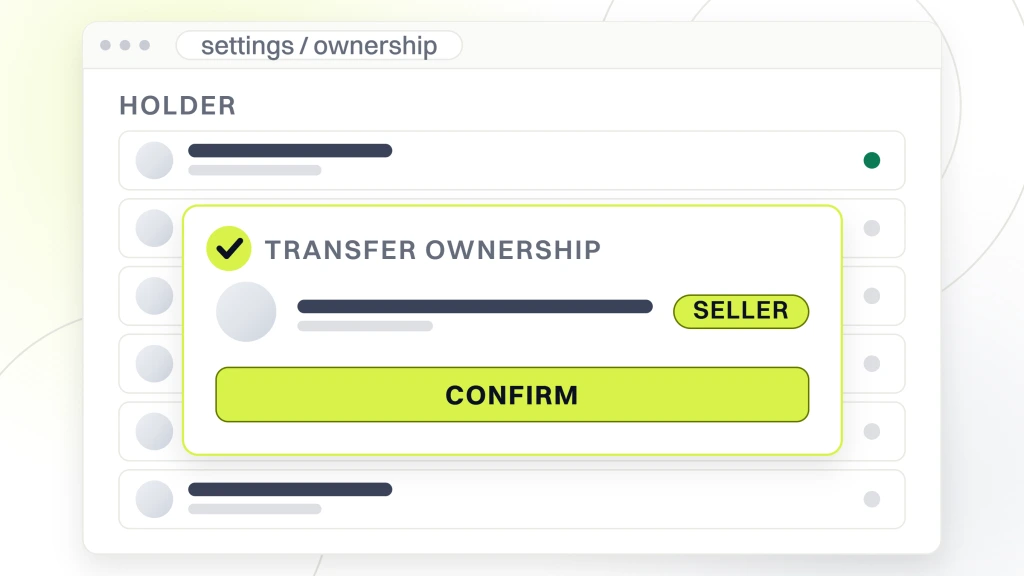
This split exists to satisfy corporate practice of dentistry (CPOD) laws. Most states restrict practice ownership to licensed dentists. That rule blocks private equity from owning the practice directly. The two-entity workaround puts a licensed dentist over the PC on paper while the sponsor holds the economic upside inside the MSO. Sellers rolling equity roll into the MSO parent, not the PC. Governance rights, clinical decision autonomy, and cash distribution rules all live in the MSO operating agreement.
Revenue mechanics inside a dental DSO structure
Revenue mechanics inside a dental DSO structure center on the monthly management fee. The MSO invoices the PC for a percentage of collections. In 2026 that percentage runs 22 to 32 percent of gross collections depending on the platform, geography, and service mix. High-volume implant and cosmetic practices tend to sit at the lower end of the range. General practice offices with heavier PPO exposure sit at the higher end. Marketing spend, HR overhead, PMS licensing, insurance credentialing, and central procurement all get funded from that fee. The residual profit inside the PC flows to the treating dentists through the employment agreement.
Sellers should model the post-close fee against a rolling 36 month practice P&L. That model surfaces whether the compensation formula still works when collections dip 5 to 10 percent in a soft quarter. Buyers rarely volunteer that stress test. Sellers ask for it in writing during LOI. If the formula collapses under a modest downside case, negotiate the fee band before signing definitive documents.
Doctor rollover inside a dental DSO structure
Doctor rollover is the slice of the total sale price paid in equity of the MSO parent instead of cash at close. Every dental DSO structure carries some rollover because sponsors want the treating dentist economically aligned during the operational transition and the multi-year hold period afterward.
Rollover in 2026 runs 20 to 35 percent for solo and small group deals and 30 to 45 percent for larger platform deals. The rollover equity vests over the employment term and pays out at the sponsor exit. Reading rollover mechanics before signing an LOI is the single highest-impact preparation a seller can do. Rollover terms drive the total economic outcome across a 5 to 7 year window.
Rollover slice sizing
Rollover slice sizing runs on standard percentages that platforms rarely deviate from. A solo practice at 1.5M collections rolls 20 to 25 percent of total consideration. A two-office group at 3M rolls 25 to 30 percent. A three-plus office group at 5M-plus rolls 30 to 35 percent. Platform-level transactions with 10M-plus in collections roll 35 to 45 percent because sponsors want deeper economic alignment at that scale. Sellers negotiate the rollover slice against their own risk appetite. Higher rollover means more upside on the second bite but more capital at risk if the platform stalls during the hold.
Vesting schedule mechanics
Vesting schedules on rollover equity typically run 5 to 7 years with either straight-line vesting or cliff vesting. Straight-line vesting divides the rollover equally across the employment term. Cliff vesting holds the whole rollover unvested for the first two years and then vests the remainder over the balance of the employment period. Cliff vesting punishes sellers who leave early. Straight-line vesting protects sellers who need flexibility. Well-negotiated deals include double-trigger acceleration on a sponsor exit, meaning the rollover fully vests if the sponsor sells before the seller’s employment term ends. Sellers should confirm double-trigger acceleration is written into the operating agreement rather than merely promised verbally at LOI.
Second bite math on rollover
Second bite math on rollover equity depends on three inputs. Platform EBITDA growth across the sponsor hold. Multiple expansion from entry to exit. And rollover slice sizing at close. A 1M rollover slice at close, on a platform that grows EBITDA 40 percent with 1.5 turns of multiple expansion, returns roughly 2.4x or 2.4M at the sponsor exit. The same slice on a weak platform that grows EBITDA 10 percent with flat multiples returns roughly 1.1x, or 1.1M. Sponsor screening at LOI decides which side of that range the seller lands on. We recommend 10 reference calls with prior sellers before signing any LOI, focused on hold period, exit multiple, and rolled-seller experience during the hold.
Governance rights inside the dental DSO structure
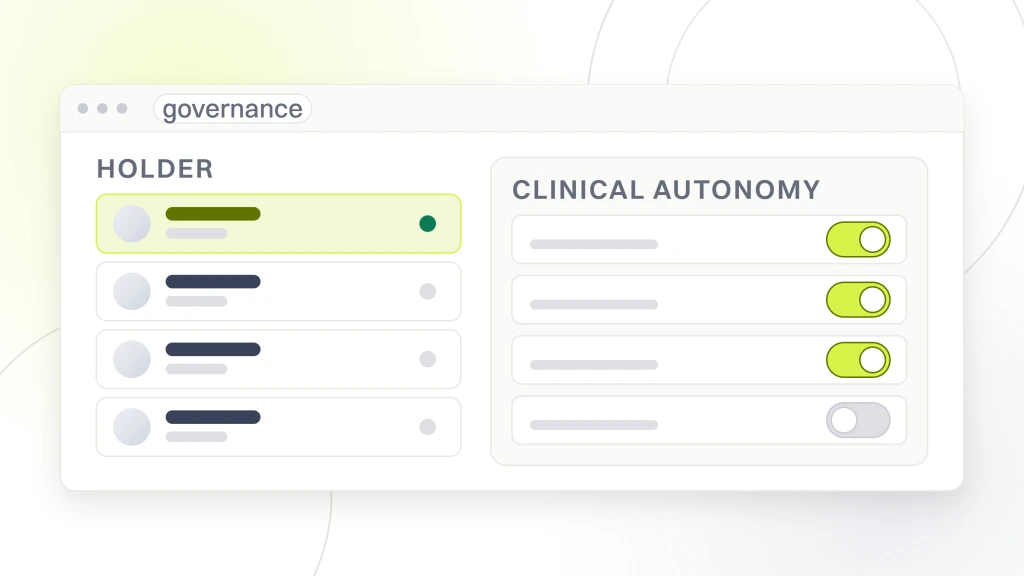
Governance rights inside the dental DSO structure sit inside the MSO operating agreement, and the parties negotiate them during the LOI and definitive documentation phases. Sponsors typically hold board majority and control major decisions. Rolled sellers hold minority equity with limited direct governance influence but often negotiate specific protections for clinical autonomy, distribution timing, and information rights. Sellers running a solo practice with a strong local brand should also read the full Dental Marketing hub to see how central marketing operations roll out inside the MSO after close.
Board composition
Board composition runs sponsor majority. On a five-seat board the sponsor holds three seats. The remaining two seats often go to an independent industry advisor and a rotating rolled-seller representative. Sellers rolling above 15 percent often negotiate a board observer seat, which grants attendance at board meetings without voting rights. Observer seats are common and rarely refused by sponsors. Full voting seats for rolled sellers stay rare on solo and small group deals. They show up more often on platform-level transactions where the seller retains 25 percent-plus rollover and executive-level operational involvement.
Clinical autonomy protections
Clinical autonomy protections belong in the PC employment agreement and the MSA, written out explicitly. The typical protections include treatment planning autonomy for the treating dentist, lab and material selection autonomy at the office level, and scheduling flow autonomy for the first 12 to 18 months post-close. Sellers should request that these three appear in writing by name. Verbal assurances at LOI mean little once the integration team arrives 30 days after closing with a standard playbook. The ADA Health Policy Institute tracks published guidance on clinical autonomy in DSO structures that sellers can reference in negotiations.
Information rights for rolled sellers
Information rights for rolled sellers should include monthly practice-level P&L access, quarterly platform-level financials, annual audited financial statements, and access to sponsor-side communications about the eventual exit process. Sellers rolling 20 percent-plus equity often negotiate right-of-first-offer or right-of-first-refusal provisions on the sponsor’s exit sale, though sponsors resist these strongly. Distribution timing rights (protection against arbitrary retention of free cash flow inside the MSO) are also worth negotiating because sponsors sometimes retain cash for platform-level acquisitions in ways that delay rolled-seller payouts unpredictably. Written distribution schedules protect against this.
Dental DSO structure comparison table
The table below compares the dental DSO structure across three seller profiles. Solo practice at 1.5M collections. Two-office group at 3M collections. Multi-office platform at 8M-plus collections. All ranges reflect field averages across 2023 to 2025 transactions we watched close. Every specific deal has unique tax structure and unique add-back mix so treat these numbers as benchmarks against your specific practice, not fixed rules.
| Layer | Solo 1.5M | Two-office 3M | Platform 8M-plus |
|---|---|---|---|
| Cash at close | 75-80% | 70-75% | 60-65% |
| Rollover slice | 20-25% | 25-30% | 35-40% |
| Employment term | 5-7 years | 5-7 years | 4-5 years |
| Management fee | 26-30% | 24-28% | 22-26% |
| Board influence | Observer | Observer | 1 voting seat |
| Rollover return | 1.5x-2.5x | 1.8x-2.8x | 2x-3.5x |
Read the table with sponsor quality in mind. Reputable sponsors deliver at the top of the return range. Underperforming sponsors deliver at the bottom. Sponsor track record diligence at LOI is the highest-impact prep activity a seller can do because the sponsor choice moves the return more than any single term negotiation on rollover slice or management fee percentage. The DSO Dental Marketing for Multi-Location Groups program supports sellers with pre-market attribution data, so sponsor screening runs on real numbers rather than pitch decks.
Read the row on employment term carefully. The 5 to 7 year window at the solo and two-office levels reflects sponsor preference. Sponsors want the treating dentist economically aligned across the full sponsor hold cycle. Sellers pushing for shorter employment often accept a smaller rollover slice or a lower cash percentage in trade. The trade math is worth modeling explicitly. A seller nearing retirement values the exit optionality more than the second-bite return. A seller mid-career values the rollover upside more than the flexibility.
The rollover return range is the row that varies most between well-run and underperforming platforms. Sellers should treat that range as sponsor-dependent rather than structure-dependent. Reference calls with prior sellers on the specific sponsor at your bidder table give the clearest read on which side of the range your rollover will land on across the 5 to 7 year hold. Do the reference calls before signing the LOI. Every hour spent on reference diligence returns hundreds of dollars in negotiated value later.
Tax structure inside a dental DSO structure deal
Tax structure inside a dental DSO structure deal materially shapes the after-tax proceeds a seller nets from the transaction. Deals typically close as asset sales wrapped in stock deal shells for tax and liability efficiency. Federal capital gains treatment applies to the cash portion. State treatment varies. The rollover portion defers tax until the sponsor exits. Working capital pegs and net working capital true-ups affect the final cash number at close. Sellers should model the after-tax proceeds with a certified public accountant (CPA) experienced in quality of earnings (QoE) reviews 6 months before market, so nothing surprises them during the diligence and closing phases.
Asset sale versus stock sale
Asset sales let the buyer step up the tax basis in the acquired assets and depreciate them from the closing date onward, which the buyer values highly. Stock sales let the seller apply long-term capital gains treatment on the entire consideration, which the seller values highly. Most dental DSO structure deals compromise by structuring as an asset sale on paper (buyer preference) with gross-up payments that make the seller economically whole on the after-tax difference. Sellers should confirm that the gross-up calculation is written into the purchase agreement and that the CPA has modeled the specific dollar difference against the specific state residency.
State tax variations
State tax treatment varies a lot. California, New York, and New Jersey tax long-term capital gains at ordinary income rates that reach 9 to 13 percent depending on the specific bracket. Florida, Texas, and Washington have no state capital gains tax at all. Sellers considering relocation before a transaction should model the after-tax difference over the specific timing (residency change typically requires 24 months of documentation to hold up under state audit). The after-tax impact of state residency can move the net proceeds 10 to 15 percent on a mid-sized deal, which is worth serious planning attention 12 to 18 months before market.
Working capital peg mechanics
Working capital pegs adjust the final cash number at close based on the practice’s working capital position on the closing date. The peg is calculated as the average working capital across the trailing 12 months typically. If actual working capital at close exceeds the peg the seller keeps the difference. If actual working capital at close falls below the peg the buyer holds back the difference. Sellers should confirm the peg calculation methodology in writing and negotiate the working capital definition carefully. Inclusion or exclusion of items like accrued PTO, deferred revenue, and prepaid marketing can move the peg by 50K to 150K on a mid-sized deal.
Case study on a dental DSO structure integration
Smile Design Dentistry runs 50-plus locations across Central Florida and Tampa Bay under a mature dental DSO structure with a strong central operations team and a well-run MSO. When we engaged with the group, the digital marketing operation was fragmented across every office. Each location ran its own pay-per-click (PPC) account without central coordination on messaging, budget allocation, or attribution. That fragmentation left roughly 30 percent of the marketing budget wasted on duplicated audience targeting and unoptimized landing page flows across the network.
We restructured the PPC accounts by funnel stage and geography inside the central MSO marketing infrastructure. Dedicated landing pages went live for each core service line. Full-funnel paid social layered on top of the search program with audience data flowing from the central attribution stack. Cost per call fell 30 percent across the network within 12 months. PPC conversion rate rose 20 percent year over year. 50-plus offices reported on one unified dashboard for the first time. That central operational efficiency is what a well-run dental DSO structure is supposed to deliver against the management fee.
What this teaches solo practice sellers
Solo practice sellers evaluating a dental DSO structure should ask directly what the central marketing capability looks like at the target platform. Well-run platforms deliver measurable efficiency against solo practice benchmarks in marketing spend, HR overhead, and central procurement. Underperforming platforms simply capture the management fee without delivering equivalent operational value. The difference is visible in the platform’s practice-level P&L data if the sponsor is willing to share it during diligence. The Dental SEO Services team runs comparable local map pack and site work at solo scale for sellers preparing 12 months before market.
Exit economics inside the dental DSO structure
Exit economics inside a dental DSO structure center on the sponsor exit that lands 5 to 7 years after the original close. That exit crystallizes the rollover return and drives the second bite math that made the rollover risk worth taking. Reading the exit dynamics before signing the LOI helps sellers evaluate sponsor track records and negotiate rollover terms tied to realistic scenarios rather than the sponsor’s most optimistic pitch deck.
Sponsor exit types
Sponsor exits happen in three ways. Sale to another private equity sponsor (the most common outcome and typically the highest valuation). Sale to a strategic buyer like a public dental group (rare but possible for large platforms). Recapitalization with a new sponsor injecting fresh equity into the platform. Each type carries different implications for rolled sellers. Sponsor-to-sponsor sales monetize the rollover fully. Strategic sales sometimes include additional rollover into the acquirer with new vesting terms. Recapitalizations sometimes let rolled sellers partially monetize while keeping a slice for the next sponsor cycle. Ask the sponsor by name about the preferred exit path during diligence.
Multiple expansion math
Multiple expansion between sponsor entry and exit drives most of the rollover return. A platform that entered at 8x EBITDA and exits at 10x has captured 2 turns of multiple expansion. On a platform that grew EBITDA 50 percent over the hold period the combined effect produces roughly 3x total value growth. Rolled sellers capture that value growth on their rollover slice at the sponsor exit. Multiple expansion depends heavily on the scale at exit (larger platforms trade at higher multiples), the growth trajectory (double-digit EBITDA growth attracts premium buyers), and general market conditions for dental M&A at the exit window.
Timing risk on the sponsor exit window
Timing risk on the sponsor exit window is real. Sponsors typically target a 5 year hold but the actual exit happens anywhere from year 4 (fast exit) to year 8 (extended hold). Market conditions at the exit window affect valuations meaningfully. A recessionary window compresses multiples and reduces rolled seller returns. A hot market expands multiples and drives premium exits. Sellers cannot control the exit window timing but they can factor timing risk into their rollover slice sizing decision. Industry coverage at dentaltown.com tracks broader market timing conditions that inform this risk assessment.
Preparing your practice for a dental DSO structure conversation
Preparing your practice for a dental DSO structure conversation takes 12 months of focused work on financial hygiene, marketing attribution, staff continuity, and legal readiness. Skip a quarter of that prep and the LOI offer compresses by a quarter to half turn on the multiple. On a 3M collections practice, that compression translates to 150K to 300K left on the table permanently. The prep work costs a small fraction of that value. The math favors a full 12 month runway over rushing to market on 90 days notice.
Financial hygiene work
Financial hygiene work covers cleaning the P&L, normalizing owner compensation to market rates, documenting one-time add-backs with supporting evidence, and moving real estate rent to fair market rate if the owner also holds the real estate. Buyer QoE teams reject informal add-backs during diligence, which compresses the multiple by discounting the reported EBITDA number. Formal documentation during the 12 month preparation window means the QoE team accepts more add-backs at full value, which protects the EBITDA number and holds the multiple at the top of the range. This is the single highest-impact prep activity a solo seller can do.
Marketing attribution installation
Marketing attribution installation covers call tracking on every channel, form fill logging, referral partner source tracking, and monthly reporting cadence. Buyers pay premium multiples for practices with 24 months of clean attribution data because it lets them model the acquisition economics into their platform playbook. Practices without attribution data get discounted because the buyer models a marketing risk premium into the multiple. 12 months of clean attribution is enough to hold the multiple at the top of the range. The Dental Marketing Retainer at $1,499 per month covers the attribution work inside the standard scope.
Staff continuity planning
Staff continuity planning covers documenting key relationships, formalizing employment agreements with clear job descriptions, updating handbooks, and confirming the practice manager and lead hygienists have current contracts with reasonable notice provisions. Buyers value staff continuity across the integration window because turnover in the first 90 days directly hits patient retention. Tight continuity plans earn a quarter turn premium at LOI. Loose or informal arrangements earn a quarter turn discount because the buyer prices integration risk into the multiple. Formalization takes 60 to 90 days of front office work.
Working with a partner on the dental DSO structure preparation
Working with a specialist partner across the 12 month dental DSO structure preparation window pays back at LOI and again during diligence. Documented month-over-month new patient growth prices the practice a quarter to half turn higher at LOI. Clean attribution holds the multiple against buyer QoE challenges during diligence. On a 3M collections practice that combined pricing move adds 300K to 700K to the closing check over what an unattributed practice earns. The retainer cost across a 12 month window sits at a small fraction of that upside, which makes the math straightforward for owners planning a serious market process.
Multi-location groups
Multi-location groups preparing for a dental DSO structure conversation benefit from a partner that runs central marketing programs across offices with consistent attribution flowing to one dashboard. VP Dental doubled new monthly patients and added $8,100 in monthly recurring revenue after unifying web and SEO under a single partner. Search impressions climbed 776 percent through targeted Google Maps work over the same window. That kind of consolidated attribution mirrors what a well-run DSO deploys post-close and gives buyer QoE teams the exact data they need to confirm the platform playbook works on this specific group of practices. Multi-office groups typically engage 6 to 12 months before market to build the attribution artifacts the buyer teams value at LOI negotiation and diligence review phases.
Solo practices
Solo practices preparing for their first serious DSO conversation benefit from a partner that understands the buyer QoE process and installs attribution artifacts in a format the buyer diligence teams expect. North County Dental Care in Vista, CA grew patient volume 1,000 percent from 2021 to 2024 and drove 500 percent marketing ROI after replacing fragmented agencies with a unified digital foundation. Organic traffic climbed 385 percent and monthly new patients grew from 1 to 2 to 12 to 16. 12 months of consistent retainer work is the minimum meaningful preparation window. 6 months is possible but the buyer team discounts less mature attribution data. 12 months is the sweet spot. Solo sellers who did this preparation reported that their closing check came in at the top of the multiple range. Sellers who did not prepare reported that the check landed at the low end with buyer surprises during diligence.
Common dental DSO structure mistakes sellers make
Common dental DSO structure mistakes concentrate in a few predictable places that experienced sellers avoid by reading definitive documents carefully and negotiating written protections rather than trusting verbal LOI assurances. Understanding these mistakes before your first LOI conversation is worth serious preparation. Avoiding them costs nothing and preserves meaningful value across the transaction.
Trusting verbal LOI assurances
Verbal assurances at LOI mean nothing once definitive documents are signed. Every protection a seller wants (clinical autonomy, scheduling authority, staff retention, distribution timing, information rights) must appear in writing in either the operating agreement, the MSA, or the employment contract. Sellers who trust verbal assurances often discover 90 days after closing that the integration playbook overrides the informal understanding they thought they had negotiated. Written protections hold up. Verbal ones do not. Sellers should walk away from LOIs that push back on written protections because those platforms typically follow through with rigid integration playbooks.
Overweighting cash at close
Overweighting cash at close and underweighting rollover economics is a common mistake. Cash feels safer than equity in a sponsor-controlled MSO. But rollover from a well-run platform delivers 1.8x to 2.7x return over the hold period, which materially exceeds the after-tax return on cash placed in conservative investments. Sellers with strong sponsor screening at LOI should push for meaningful rollover because the risk-adjusted return typically favors the rollover slice over the cash slice. Sellers with weak sponsor confidence should push for less rollover because underperforming platforms compress or destroy rollover value during the hold period.
Skipping sponsor reference calls
Skipping sponsor reference calls with prior sellers is the single biggest avoidable mistake. Sponsors have distinct operating styles that affect the rolled seller experience during the hold period. Sponsors that support office-level autonomy produce better outcomes than sponsors that centralize aggressively. Sponsors that pay distributions promptly produce better cash flow than sponsors that retain cash for acquisition. Sponsors that communicate openly with rolled sellers produce better trust than sponsors that go dark between quarterly board meetings. 10 reference calls with prior sellers surfaces these patterns clearly. The Wall Street Journal at wsj.com deals coverage tracks broader private equity performance patterns that inform sponsor evaluation.
Final read on the dental DSO structure decision
The dental DSO structure decision is a career-shaping transaction, and it deserves 12 to 18 months of preparation and diligence. Reading the operating agreement carefully. Modeling the rollover return math against realistic hold period assumptions. Screening sponsors aggressively with real reference calls. Negotiating written protections rather than trusting verbal assurances. Preparing the practice with clean financial hygiene and marketing attribution during the runway period. Every one of these steps compounds into a materially better outcome at closing and during the hold period afterward.
Sellers who prepare across a full 12 month runway report that the process felt controlled and the outcome landed at the top of the multiple range, with rollover terms that held up through the sponsor exit. Sellers who rushed to market on 90 days notice report that they left value on the table and that the rollover experience during the hold period brought surprises they wish they had negotiated against at LOI. The prep is neither expensive nor complicated. It just takes 12 months of consistent effort against a clear checklist any good advisor can walk you through.