Emergency dentist marketing is the paid and organic system that captures urgent dental searches and routes callers to a real front-desk voice in under 90 seconds. The buying window is minutes, not weeks. Patients with a broken tooth, a swollen face, or 2 a.m. pain call two to four practices before booking, and the ones that pick up in three rings win the appointment. Every dollar in your ad account rides on how fast the phone gets answered.
This guide walks through what actually works in emergency dentist marketing. You get the Google Ads structure that captures pain queries at a healthy cost per call. The Local Services Ads (LSAs) setup that pushes you above organic results. The local SEO work that owns the map pack for emergency queries. And the phone process that turns urgent calls into booked visits. Smile Design Dentistry rebuilt its account this way and cut cost per call 30% across 50+ offices. The same pattern works at a single-chair practice or a 50-office DSO.
Why emergency dentist marketing is a speed game
Emergency patients search, click, and dial in under two minutes. They call three practices, not ten, and the first two that reach a live person win the appointment. Every part of emergency dentist marketing turns on that speed window. Slow phone answers, buried phone numbers, gated intake forms, and IVR menus all suppress bookings on urgent intent.
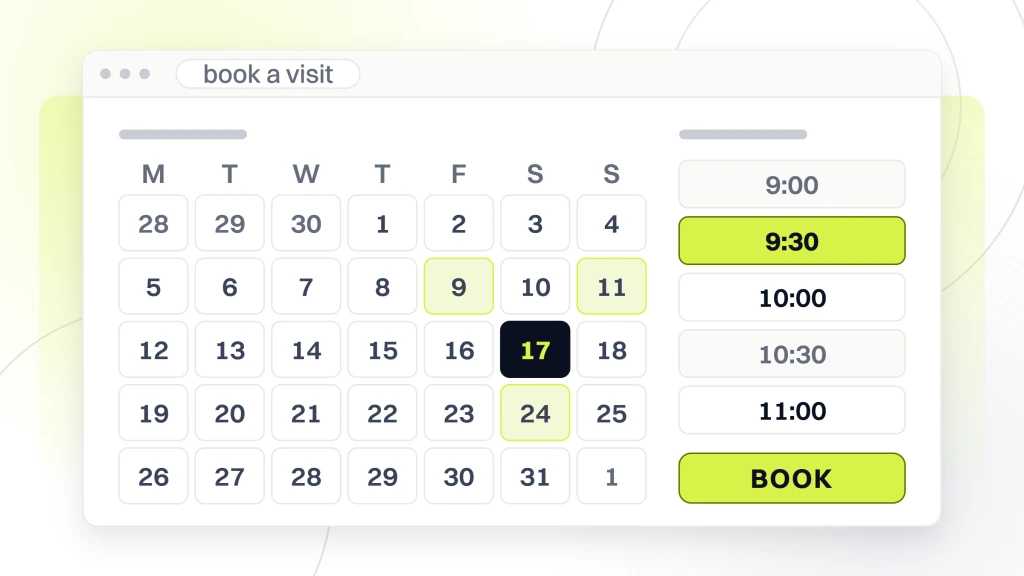
Speed at the phone is worth more than any single ranking factor. A practice in the second organic slot that picks up on ring two beats one in the first slot that picks up on ring six. That math holds across every emergency dental account Redefine Web has audited over the past six years.
- Search-to-dial window. 45 to 120 seconds on average.
- Number of practices called. Two to four before booking a slot.
- Answer speed threshold. Three rings or fewer converts 3 times higher than four to six rings.
- Peak search times. Nights, weekends, Monday mornings, and holiday windows.
- Phone-forward CTA. A prominent phone number wins over online forms every time.
Case values change too. Emergency visits average $340 to $780 on the first visit, and roughly 42% convert to a full new-patient relationship with hygiene, restorative, and preventive follow-through. That downstream lifetime value is what makes emergency dentist marketing worth the ad spend, even when the first visit barely covers cost per acquired call. Payback runs over months, not weeks.
Google Ads for emergency dentist marketing
Google Ads captures the top of the emergency funnel. Emergency queries carry the highest commercial intent in dentistry, higher than “cosmetic dentist” or “invisalign near me.” That intent shows up as a click-through rate that averages 8 to 14% on well-written ads, versus 2 to 4% on general dental ads. Cost per click sits at $9 to $22 depending on market competition.
The winning structure runs three ad groups side by side, each gated by a different intent signal. Keeping them split lets the account manager pull budget from lower-intent groups when the auction caps out. Merging them into one ad group hides the intent signal and burns budget on the weakest keyword.
- Pain intent group. “Emergency dentist near me,” “tooth pain relief,” “broken tooth dentist,” “dental emergency tonight.”
- Same-day intent group. “Same day dental appointment,” “walk in dentist near me,” “weekend dentist open now.”
- Injury and abscess group. “Knocked out tooth,” “dental abscess treatment,” “chipped front tooth repair.”
- Call-only campaign. Dedicated call-only ads that ring the front desk directly, no landing page in between.
- Location and call extensions. Enabled on every ad group, no exceptions.
Call-only ads are the underused workhorse in emergency dentist marketing. They skip the landing page entirely and ring the front desk directly. When the account is set up right, call-only ads convert 3 to 5 times higher than click-to-landing-page ads on emergency queries, per the Google Ads call-only campaign documentation.
Local Services Ads in emergency dentist marketing
Google Local Services Ads (LSAs) sit above organic results on emergency dental searches and route the caller straight to the practice phone, skipping the landing page entirely. They also carry a Google Screened badge that emergency shoppers recognize as a trust marker. LSAs cost $18 to $65 per qualified call in most US markets, and disputed calls (wrong number, spam, out of scope) get refunded.
Setting up LSAs takes 4 to 6 weeks for the Google Screened background check. During that window, the practice submits proof of insurance, licenses, and passes a background check on the practice owner. Skipping LSAs is a common mistake in emergency dentist marketing. Practices that add them see 20 to 40% more monthly calls, at a cost per call sometimes lower than Google Ads.
LSAs feed each other with Google Ads. Google gives ranking preference to LSA accounts running Google Ads at the same time, especially at higher spend levels. Practices running both channels see LSAs push up in the ranking, and Google Ads cost per click drops as the account gains quality score across the shared campaigns.
LSA disputes matter too. If a call comes in as spam, a wrong number, or clearly out of scope (a caller asking about veterinary care, for example), the practice can dispute the charge inside 60 days and get a refund. Practices that manage disputes weekly see effective cost per booked call drop 15 to 25% compared to practices that never file one. That is 60 minutes a month of admin work for a real return on ad spend.
Local SEO that supports emergency dentist marketing
Local SEO carries most of the organic weight for emergency dental queries. Nearly every emergency search is local (“emergency dentist near me,” “weekend dentist in {city},” “tooth pain dentist open now”). The map pack sits above organic results on almost every one of those queries, so the three practices in the pack capture the bulk of the clicks before organic even gets a look.
Winning the map pack on emergency queries takes a fully built Google Business Profile. Correct service categories, weekly posts, real photos, accurate hours (including emergency hours), and a review program that holds the practice at 4.6 stars or better. Practices that miss any of the five sit at position 4 to 8 in the pack and lose click share.
- Google Business Profile categories. Dentist, Emergency Dental Service, and Cosmetic Dentist all selected.
- Emergency hours field. Filled with real weekend and evening availability if the practice offers it.
- Weekly posts. At minimum, one post per week showing real-time availability.
- Review response inside 24 hours. Every review, five stars or one.
- Local citations. Consistent NAP across Yelp, Healthgrades, Vitals, and 40+ dental directories.
- Emergency-focused location page. “Emergency Dentist in {City}” with same-day booking, real photos, and real reviews.
Practices that own the map pack for emergency queries book 25 to 60 more emergency patients per month than practices at position 4 to 10 in the same pack. The gap is that stark, and most local emergency searches never make it past the top three organic slots plus the map pack. North County Dental Care in Vista, CA saw this play out at scale. After a unified local SEO and GBP-driven PPC program, they moved from invisible online to 12 to 16 new patients per month, a 385% jump in organic traffic, and 1,000% patient growth from 2021 to 2024.
Phone answer process for emergency dentist marketing
The phone answer is the single biggest hidden lever in emergency dentist marketing. A practice can rank first, run strong LSAs, and have a clean landing page, then still lose the call at ring six or on hold for 90 seconds. Roughly 34% of emergency dental calls hang up before a human answers, based on CallRail benchmark data across dental practices.
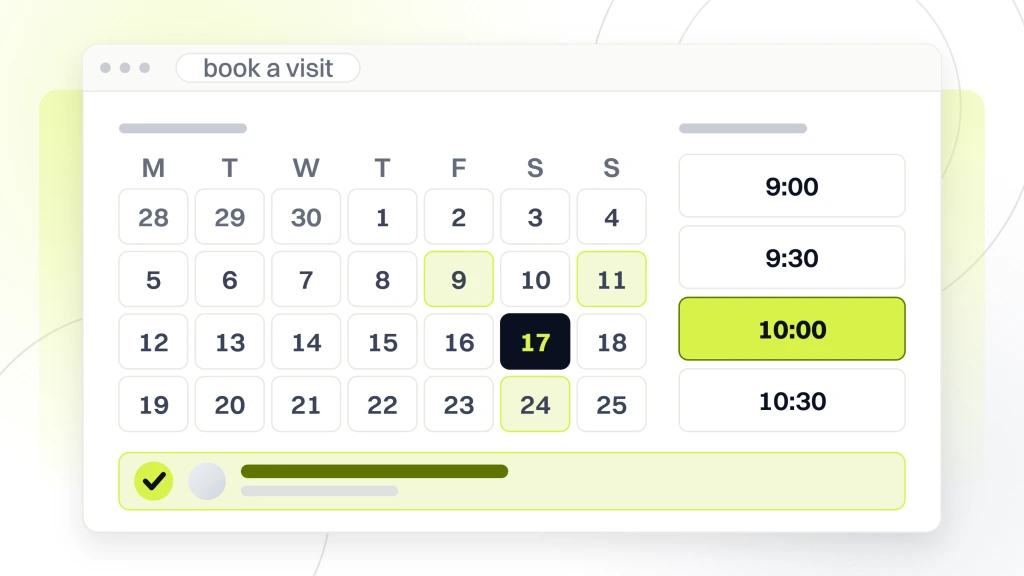
The phone process that wins emergency calls covers front-desk staffing, answer speed, script structure, and handoff to the provider. It also covers the after-hours plan. Emergency queries peak between 8 p.m. and midnight and again between 6 a.m. and 9 a.m., which are the windows most practices staff lightest.
- Answer inside three rings. Front-desk KPI tracked weekly against CallRail data.
- First sentence. “Thanks for calling {practice}, this is {name}, how can I help?”
- Second sentence. “Tell me what happened.” Not “do you have insurance?”
- Book first, qualify second. Get them on the schedule, then handle insurance details.
- After-hours plan. Dedicated answering service that books directly into the online schedule.
- SMS confirmation. Inside 60 seconds of booking, with clear directions and pre-visit info.
Practices that fix the phone answer see booked emergency visits climb 20 to 45% inside 30 days, without adding any new ad spend. The ad spend was already producing the calls. The phone answer was losing them. That fix is the highest-return move in emergency dentist marketing.
Somewhere right now, a well-meaning consultant is telling a dentist the emergency campaign is underperforming since the ad copy needs “more emotional resonance.” The dentist nods. The consultant refreshes the ad. The phone rings at 8:47 p.m., the answering service picks up on ring six, mispronounces the practice name, tells the caller to schedule online, and hangs up. The caller drives 22 minutes to a competitor with a live front desk. In the consultant’s next report is a chart showing that “emotional engagement scores” are up 14% quarter over quarter.
Landing page design for emergency dentist marketing
The landing page for an emergency dental campaign is a single-purpose page. Get the caller to dial the phone. Everything else is noise. The page has 4 to 6 seconds to make the phone number unmissable, show emergency hours, and clear any friction between the click and the dial. Generic homepages fail this test. Emergency landing pages get built for pain intent from scratch.
- Above-the-fold answer. “Emergency Dentist in {City}. Open now. Call {phone}.”
- Click-to-call button. Massive, thumb-friendly, above every scroll break on mobile.
- Emergency hours block. Same-day availability, evening hours, and weekend hours listed clearly.
- Trust markers. Google reviews average, insurance accepted, financing available.
- Directions and map. Driving directions with a real address, not just a form.
- What to do right now. 3 to 5 quick tips (rinse with warm water, apply cold compress, save the broken piece).
- Zero exit-blocking modals. No pop-ups, no chat overlays, no email capture forms.
Landing pages that hit all seven items convert 18 to 32% of ad traffic to a call. Pages that add pop-ups, forms, or hidden phone numbers convert under 6%, which triples cost per call. That is not a design opinion. It shows up in every session recording an emergency dental account runs.
Speed matters as much as content. A page that renders in 1.6 seconds on mobile converts 34% higher than the same page at 3.0 seconds, per Google Core Web Vitals data. Emergency campaigns pull the highest-intent traffic in dentistry, and every extra second of load time costs a real call. Practices with slow themes, unoptimized images, or heavy third-party scripts leave 30 to 45% of calls on the table before the first paragraph even loads.
Cost benchmarks across emergency dentist marketing
The table below tracks cost per booked emergency call across active Redefine Web dental accounts. Numbers shift quarter over quarter with auction pressure and creative refresh cycles. The shape holds across markets, and phone-answer speed is the biggest variable separating practices inside the same band.
| Channel mix | Cost per booked call | Call-to-visit rate | Emergency case average value | New-patient conversion rate |
|---|---|---|---|---|
| Google Ads only | $38 to $72 | 52% to 62% | $340 to $580 | 36% to 42% |
| Google Ads plus LSAs | $28 to $54 | 58% to 68% | $380 to $620 | 38% to 45% |
| Full stack (Ads, LSAs, Local SEO, phone process) | $18 to $38 | 66% to 78% | $420 to $780 | 42% to 52% |
| Undermanaged or slow phone answer | $65 to $140 | 28% to 38% | $260 to $420 | 22% to 32% |
The full-stack row is where emergency dentist marketing becomes a compounding program. First-visit revenue covers the ad spend inside 30 days. The lifetime value of the 42 to 52% of emergency patients who convert to full new-patient relationships is where the real return sits.
Practices sitting in the undermanaged band typically have one fixable issue. A slow phone answer, a missing LSA, or a broad-match Google Ads campaign that burns budget on non-local queries. Fixing the single biggest issue moves the account from the bottom row to the middle row inside 30 to 60 days without any change in ad spend. That is the cheapest performance improvement available in emergency dentist marketing.
Attribution and tracking for emergency dentist marketing
Emergency campaigns run mostly on phone calls, not form fills. The standard GA4-plus-form-tracking stack misses most of the actual conversions. Call tracking is the minimum for a working emergency dentist marketing program, and dynamic number insertion (DNI) is the standard for attributing calls to the campaign that produced them.
CallRail, WhatConverts, and CallTrackingMetrics all handle DNI. Setup takes about 2 to 3 hours across the site and the ad accounts. Once running, every phone call gets attributed to the source (Google Ads campaign, LSA call, organic search, direct, social) plus the search keyword, landing page, and time of day. Reporting cadence. Daily call volume by source, weekly cost per booked call, and monthly new-patient conversion rate.
The measurement layer feeds back into channel budget. Practices that track cost per booked call by source cut LSAs when Google Ads is producing cheaper calls, and cut Google Ads when LSAs win the auction. Practices without call tracking cut based on gut feel, which usually means cutting the channel that was actually working and doubling down on the one that felt busier in the practice.
Beyond DNI, a working measurement layer records the phone-call outcome. Booked, no-show, wrong number, spam, or price shopper. Recording that outcome once a week takes the front desk 8 to 12 minutes. The data feeds the monthly report and lets the practice tune ad copy toward calls that book, not calls that only ring. That change alone tightens the account inside two months.
How to choose a partner for emergency dentist marketing
Good discovery calls answer four questions. Does the agency understand emergency intent and phone-answer speed. Has it delivered comparable emergency dental programs. Does it report on booked visits or stop at calls. And how fast can it get LSAs, call tracking, and campaigns live. Vague answers on any of these turn into budget mistakes fast.
VP Dental had lived through the fragmented-vendor problem. Web with one agency, SEO with another, no accountability when the phone stayed quiet. After unifying both under a single strategy with Redefine Web, VP Dental doubled new monthly patients, added $8,100 in monthly recurring revenue, and grew search impressions 776% inside 12 months. iSmile Dental Spa followed the same path from an outdated, insecure site and 1 to 2 new patients per month to 12 to 14 monthly bookings, 900% patient growth, 75 page-one keywords in 6 months, and 500% ROI on marketing spend. Both practices ran the same play. One partner, one plan, tracked to booked patients.
Red flags in a pitch. Guarantees of a specific call count without accounting for auction pressure. A retainer that blends ad spend into one number. Zero mention of how the phone gets answered. No named team members on the account. And a first-30-days plan that starts with brand strategy in place of emergency campaign structure. Compare that against how Redefine Web builds dental marketing programs and the dental PPC services that anchor the emergency work.
A working emergency dentist marketing program is measurable from day one. The tracking layer gets built before any ad campaign turns on. Skipping the tracking setup is where 40% of the budget goes missing in the first quarter. The dental marketing retainer covers the bundled program. For practices that want to focus purely on the paid side first, the standalone PPC management services track handles Google Ads plus LSAs.
Ask for the agency’s client dashboard sample before signing. If the dashboard shows only impressions and clicks without a booked-call line, the agency has not built a working reporting layer. That means the practice will be flying blind on which channel is doing the work. Every good emergency program produces a monthly report showing cost per booked call by channel plus new-patient conversion.
Where emergency dentist marketing goes next
Google is pushing LSAs harder every quarter for local service categories, and emergency dentistry is at the top of that list. Practices with LSAs live and Google Ads running side by side gain ranking preference in the LSA carousel plus a lower cost per click in Google Ads. Practices that skip LSAs sit below the fold on emergency queries, which is dead search real estate.
AI Overviews are starting to appear on emergency dental queries, at lower rates than cosmetic or educational searches. When they do show, the cited practices have real reviews, structured emergency service pages, and clean NAP consistency. Content that gets cited by AI Overviews on emergency queries is a small share of the funnel today and a bigger share next year.
Reputation velocity matters as much as any single channel. Delicate Dental Group launched from zero digital footprint and built 700+ verified Google reviews, tripled Google Maps impressions, and grew Map Pack calls 280% inside months, purely on automated post-visit review requests and clean listings. That review base compounds every emergency dentist marketing channel underneath it. Cheaper LSAs, cheaper Google Ads, and a higher map pack position, all downstream of trust.
If emergency call volume has flattened over the last two quarters and cost per call keeps climbing month over month, start with a two-week audit of the phone process, the LSA setup, and the Google Ads structure. That audit produces a ranked list of fixes by revenue impact and a decision on which channel to fund first. Everything else follows from that number. Ready to build an emergency dentist marketing program that books calls at cost per call under $38 and turns 42 to 52% of first visits into full new-patient relationships. Start with the audit and pick one channel to fix first.