Root canal marketing is the hardest sale in dentistry, since the patient wants what you sell the least. Nobody wakes up excited to search for an endodontist. They search when a tooth hurts, when a general dentist just handed them a referral, or when a crown is failing under pressure. Every touch inside a root canal marketing campaign either drops the fear and confusion or raises it. Get the messaging right and you own the map pack for endodontic queries across the metro. Get it wrong and even paid search underperforms against the smaller practice down the street.
This guide is the honest playbook for root canal marketing that books endodontic patients without hurting the brand or the referral network. You get the trust-first copy framework, the paid search structure that filters price shoppers, the GP referral loop that carries the steadiest patient flow, the review workflow that outconverts any coupon, and a case study from a 50-office DSO that scaled endodontic bookings without adding total budget. Twelve minutes end to end.
The GP referral loop that funds an endodontic practice
General dentist referrals carry the single largest share of steady endodontic patient flow. A practice with 20 to 40 active referring GPs runs 55% to 75% of its caseload from that loop alone. Paid ads become supplemental to the referral base, never the primary source of root canal marketing volume. Building and holding the referral loop is the highest-return operational work in root canal marketing, and it stays that way for the life of the practice.
The referral loop has four components. First, quarterly in-person visits with each referring GP office. Second, a shared electronic referral portal that submits patients cleanly. Third, a same-week appointment guarantee for referred patients. Fourth, a treatment-outcome report sent back to the referring GP within 48 hours of case completion. Practices that maintain all four see referral volume climb 30 to 60% inside a year without a single new marketing dollar. Our dental marketing plan post covers the wider growth model.
Quarterly GP office visits that hold the relationship
Visit every active referring GP office once per quarter. Bring the referring dentist a small gift under $25, a case-outcome summary for the prior quarter, and a printed guide to the endodontist’s diagnostic protocols. Spend 15 minutes with the doctor if available, and 10 minutes with the front desk staff who route the actual referrals. That 45-minute visit is worth 2 to 5 new referred patients over the following quarter.
Electronic referral portal that reduces friction
Set up a HIPAA-compliant electronic referral portal that lets GP offices submit patient information, x-rays, and the specific tooth in question in under 3 minutes. This one asset carries more weight in root canal marketing than any single paid ad. Every point of friction on the referring end costs referrals. Practices with a portal see referral volume climb 25 to 45% versus practices that require faxes or phone calls. The tooling costs $89 to $199 monthly. The referral increase pays for it in the first month.
Closing referral leakage inside the DSO
Referral leakage is the quiet growth killer inside multi-office groups. When GPs inside the network stay unsure which endodontic cases to send in-house, 15% to 35% of endo volume walks out to outside specialists. Fix it with clear case-criteria one-pagers for every referring GP, a single scheduling number, and monthly leakage reports that name lost cases by referring office. Groups that close leakage recover 12 to 28 additional endodontic cases per month per platform, which is the fastest single win inside the DSO growth model.
Local SEO and endodontic marketing for map-pack rank
Queries like endodontist near me and root canal near me carry high intent and moderate volume in most metros. A top-3 map pack position on those queries produces 6 to 18 endodontic bookings per month at zero ad spend. That compounding organic position funds the paid ad experiments and holds the practice steady through slow quarters when case flow tightens. Local SEO is the quiet engine of long-term root canal marketing.
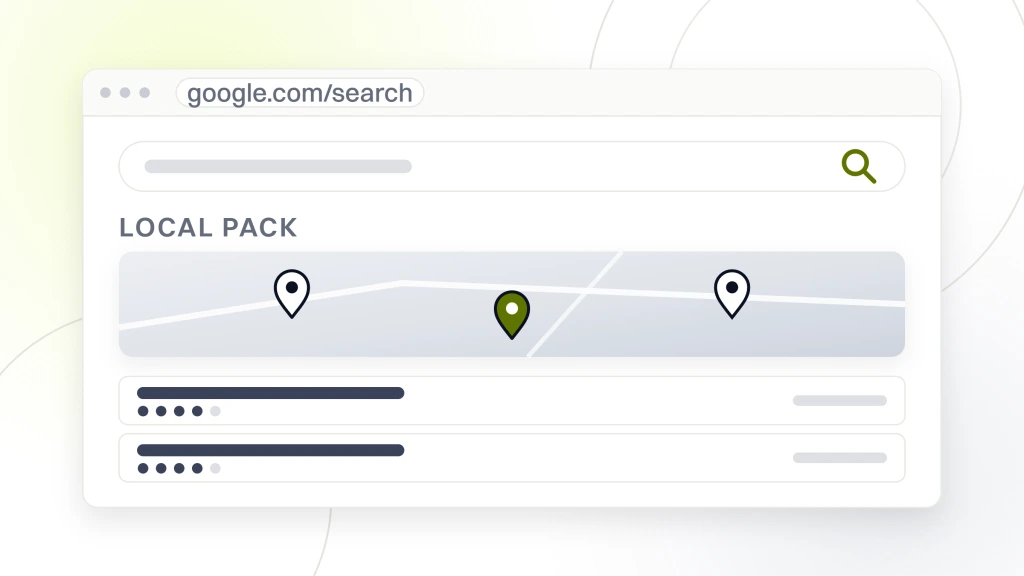
The local SEO stack for endodontic marketing has three specific additions on top of the general dentistry base. First, GBP primary category set to Endodontist, not Dentist, if the practice is endodontist-led. Second, a dedicated endodontic services page with schema markup for MedicalTherapy plus Dentist. Third, GP-referral-focused directories such as Endodontist Locator and specialty referral networks. Our local seo for dentists post covers the base stack.
GBP primary category set to Endodontist
If the practice is endodontist-led, set the primary GBP category to Endodontist. That single change moves rank on endodontic queries inside 30 to 60 days. Secondary categories include Dental Clinic and Dentist. Practices that keep the category as Dentist compete against every general dentist in the metro and lose the specialty rank they should earn. Our google business profile for dentists post covers the full setup.
Endodontic service page with correct schema
Your endodontic services page should carry schema markup for both Dentist and MedicalTherapy. The MedicalTherapy schema names root canal treatment, the practitioner, and a treatment description. Google reads this schema as topical authority for endodontic queries. Practices that implement it correctly see map pack rank climb 2 to 5 positions on endodontic queries inside 60 days. The schema.org MedicalTherapy documentation is the reference.
Endodontic review strategy that carries weight
Endodontic reviews carry more weight than reviews in almost any other dental vertical, since the procedure walks in with such a bad public reputation. A patient who describes a painless, calm root canal experience is worth 15 generic five-star reviews from routine cleanings, and it lands as the single most persuasive asset a practice can publish. The workflow that produces these reviews is deliberate and repeatable, never accidental.
The workflow. After every endodontic case, the treatment coordinator asks two questions before the patient leaves. How much pain did you expect, and how much pain did you really feel. Both answers get captured on paper before the patient walks out. Two days later, the coordinator sends a text with the Google review link and a soft suggestion, share your before-and-after expectation if you feel comfortable saying it publicly. That structured ask produces 4 to 9 fear-specific reviews per month on a practice running 25 to 60 endodontic cases monthly.
Reviews that flip the root canal reputation
Feature 4 to 6 fear-flipping reviews on the endodontic landing page. Pick reviews that name specific fears the patient had before the appointment and how those fears turned out. Reviews that mention I was terrified, my last dentist told me it would hurt, or I put this off for two years, followed by a calm outcome, convert readers into callers. Reviews that only mention doctor kindness are pleasant but do not carry the fear-flip weight the endodontic landing page needs to convert anxious readers. Our dental reputation management post covers the reply framework.
Responding to reviews in a calm-expert voice
Every positive review gets a warm response within 48 hours that thanks the patient by name and briefly acknowledges the fear they overcame. Every negative review gets an immediate acknowledgment, a private offer to talk, and never an argument on the public thread. Practices with a 100% response rate rank 22 to 40% higher in the map pack for endodontic queries, since Google reads response rate as an engagement signal.
Video content that carries the endodontic story
Video is the highest-return content type in root canal marketing and endodontic marketing alike, and it is not close. A calm face on camera walking through what a root canal really feels like does what no written page can. It lets the anxious viewer rehearse the appointment in their head before ever booking. Practices that publish 4 to 8 short videos per year on endodontic topics see organic traffic climb 40% to 90% inside twelve months, and paid traffic converts 25% to 55% better once those videos become retargeting assets.
The video library that produces booked cases has a specific structure. One 60-second general root canal explainer. One 45-second what does it feel like walkthrough. One 90-second endodontic practice tour. Two or three patient stories under 90 seconds each. Total production time is 4 to 6 hours across a single day. The assets earn back their cost inside 60 days. See our video ads for dental services post for shot lists and scripts.
The what-it-feels-like video
Shoot a 45-second video of the endodontist saying, in first person, what the patient will feel at each stage of the appointment. Numbing, isolation, the sound of the instruments, the pressure, the recovery. No sugar-coating. No hype. Just calm, honest description. That single video, embedded on the endodontic landing page and used as a Meta retargeting ad, produces 20 to 35% lower cost per patient than any other root canal marketing creative you can produce.
Patient story videos with real fear
Ask two current patients who overcame significant fear of root canals to record a 60-second video answering three questions on their own phone. What was your fear before you came in. What was the appointment like. What would you tell someone still avoiding it. Edit lightly, add captions, since 80% of Meta viewers watch muted, and rotate as ad creative. These are the highest-converting root canal marketing assets we have ever measured.
Scaling endodontic marketing across a DSO
DSOs that add endodontic capability across locations hit the same problem every time. Central marketing runs generic general-dentistry ads and buries the endodontic capability under the umbrella brand. That leaves 40% to 65% of endodontic revenue on the table, since patients cannot find the specialty at their local office. A dedicated root canal marketing track inside the DSO fixes the gap without cannibalizing the general dentistry work.
Smile Design Dentistry, a 50-plus office DSO, unified endodontic marketing across all offices with a shared creative library, per-office landing pages, and central reporting on cost per endodontic call. Inside four months the DSO cut cost per call 30%, moved PPC conversion up 20%, and scaled endodontic bookings across 50 plus locations without adding total budget. The playbook is the same three assets that work in every DSO scale program. Central creative, per-office landing pages, and shared reporting. See our DSO dental marketing rollout page for the fuller model.
Shared creative library with per-office branding
Produce endodontic creative once, brand it per office. A single what-it-feels-like video with an office-branding overlay runs across 50 locations at a fraction of the per-office production cost. Practices inside a DSO that share creative assets see production spend drop 60 to 80% per office, and creative quality climbs, since centralized production is better than local iPhone shoots.
Per-office landing pages that still convert
Every office needs its own endodontic landing page with the local endodontist’s photo, credentials, and reviews. A shared page that lists 50 locations at the bottom converts 40 to 60% worse than 50 per-office pages. The per-office pages inherit the same section stack, hero, video, credentials, reviews, insurance, and each carries the local specifics that build trust with the local patient.
Root canal ads that filter price shoppers
Root canal ads inside a broader root canal marketing plan have to do two jobs at once. Capture the in-pain searcher who needs a same-week appointment, and screen out the price shopper who will book, cancel, and skip the payment. The structure that pulls this off uses symptom-based keywords in the ad group, insurance and financing language in the ad copy, and a landing page that leads with a modern-technology visual before the fee mention.
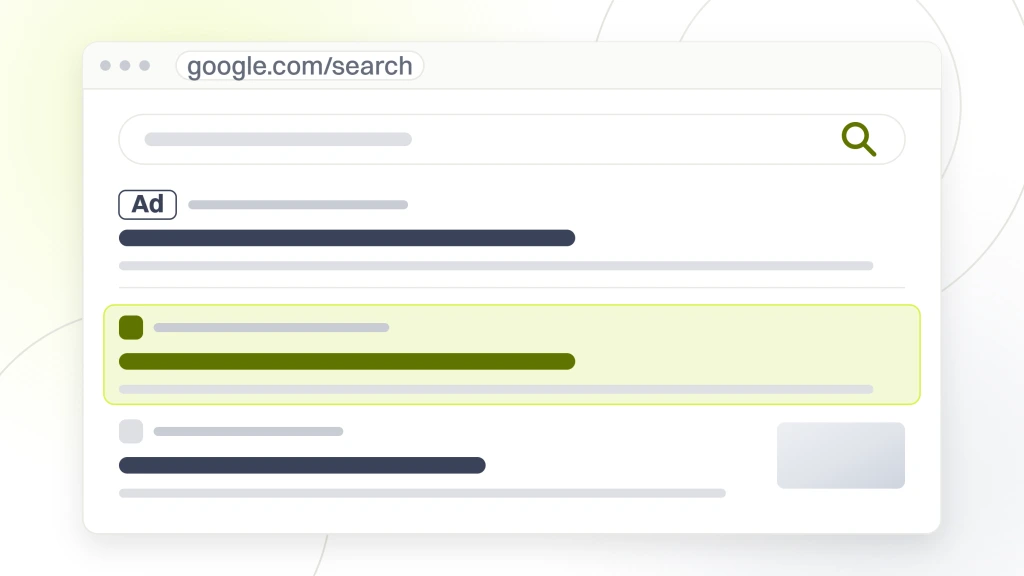
The high-intent keyword set for endodontic root canal ads. Endodontist near me, emergency root canal, tooth pain specialist, cracked tooth treatment, root canal retreatment, save my tooth dentist, microscope root canal, painless root canal. Bid strongest on symptom-based terms since intent runs highest there. Match negative keywords against free root canal, cheap root canal, and no insurance root canal to stop the wrong clicks.
Save-the-tooth versus extract-and-implant positioning
Patients weighing a root canal often price it against an extraction and implant. The math usually favors saving the tooth, and the copy on your endodontic landing page has to lay it out plainly. A root canal plus crown runs $1,100 to $1,800 in most metros. An extraction plus implant plus crown runs $3,900 to $6,200 and takes 4 to 6 months. Practices that put that comparison inside a two-column callout on the endodontic page cut price-shopper calls 25% to 40% and grow booked-case rate 15% to 22%, one of the highest-return moves in root canal marketing.
Endodontic marketing compliance and ethics
Endodontic marketing and root canal marketing sit inside the same compliance box as sedation dentistry with two specialty additions. Claims about tooth-saving outcomes have to match American Association of Endodontists guidance, since false claims put specialty credentials at risk. Before-and-after imagery of root canal outcomes requires signed HIPAA-compliant releases and cannot show identifiable patient features without written consent. Practices that stay clean on both fronts run for years without a single formal complaint.
State dental board rules apply on top of federal HIPAA rules. Some states require the endodontist’s board certification status to be listed in every ad. Some prohibit language claiming painless procedures. Practices that miss a rule change usually find out through a formal complaint filed by a competitor. Our dental ads compliance guide covers the fuller checklist. Reference the American Association of Endodontists specialty guidance for the underlying clinical claims framework.
Clinical claims that pass the AAE lens
Avoid absolute language like guaranteed root canal success or painless procedure. Use qualified language like modern endodontic techniques with a 95% success rate documented in peer-reviewed literature or comfortable procedure with local anesthesia protocols the endodontist has refined over 12 years. Practices that use qualified language pass state board reviews and Google Ads clinical policy reviews without a single flag.
Outcome imagery that stays HIPAA-safe
Every before-and-after image or x-ray used in ads or on the website needs a signed HIPAA-compliant release that names the specific channels and duration of use. A generic photo release will not cover it. Use a two-page release that names Google, Meta, YouTube, and the practice website with a 3-year duration and an explicit endodontic-treatment mention. Practices that skip this step see imagery pulled by Meta trust and safety within 30 days.
Endodontic marketing plan for a solo endodontist
A solo endodontist running 40 to 100 endodontic cases per month should invest $2,800 to $5,600 monthly across the five root canal marketing channels. Paid Search, LSAs, Meta, local SEO, and GP relationship work. Below the floor, the plan stalls, since no single channel gets enough weekly attention to compound. Above the ceiling without treatment capacity, the practice books cases the doctor cannot schedule inside a reasonable window, which burns the goodwill the marketing just built.
The mix that produces 40 to 100 monthly endodontic cases has five inputs. Google Search plus LSAs at $1,700 to $2,900 producing 15 to 35 booked patients monthly. Meta at $500 to $1,400 producing 5 to 12 booked patients monthly. Local SEO retainer at $599 to $1,600 producing 6 to 18 organic bookings monthly. GP relationship investment at $400 to $700 monthly, mostly in quarterly visits and thank-you gifts, producing 15 to 35 GP-referred cases. Review workflow automation at $89 to $199 monthly. Blended cost per endodontic patient runs $95 to $175. Our dental marketing plan post has the fuller template.
Budget phasing across the first 90 days
Days 1 to 30 spend $1,400 to $2,000 on foundation. GBP setup with Endodontist primary category, endodontic landing pages, GP referral portal setup, review workflow deployment. Days 31 to 60 spend $2,900 to $3,900 with paid Search and Meta live, not yet fully optimized. Days 61 to 90 hit full budget of $2,800 to $5,600 with all channels active and weekly optimization. Practices that phase this way hit the target of 40 to 100 monthly endodontic cases by month 4 or 5.
KPIs that matter for endodontic marketing
Track four numbers weekly. Endodontic cases booked, cost per endodontic case, GP referrals added, and review count added with fear-flip mentions. Ignore vanity metrics inside root canal marketing reporting. Practices that hold endodontic bookings above 40 per month and GP referrals above 15 per month for four consecutive quarters see endodontic revenue grow 30 to 55% year over year. Our dental marketing roi post breaks down the reporting framework.
Picking a root canal marketing agency
Most dental marketing agencies do not understand root canal marketing economics. They run generalist playbooks that hurt the referral network by cheapening the brand. An endodontic-capable agency runs three things differently from a general-dentistry retainer. Copy tone that protects the brand and the GP referral loop. Paid ad structure that filters price shoppers before they call. GP relationship support that most agencies quietly leave to the practice. If an agency cannot explain how those three shift for endodontic, they will run the generalist playbook by default.
Ask five questions before signing with any agency for root canal marketing. First, what is your trust-first copy framework. Second, how do you filter price shoppers with paid ad structure. Third, do you support GP relationship work or leave it to the practice. Fourth, what is your target cost per endodontic case. Fifth, what is your monthly reporting cadence and what numbers lead. Vague answers on any of the five mean the generalist playbook is running. Our dental marketing hub covers the wider agency-selection framework.
In-house versus agency for endodontic
Solo endodontists below $120,000 monthly production usually cannot fund a real agency retainer. Handle GBP, landing pages, and GP relationship work in-house with a $299 monthly software stack plus 4 to 6 hours per week of practice manager time. Above $180,000 monthly, an agency retainer of $2,200 to $4,400 monthly becomes cheaper than the equivalent in-house hours. Above $350,000 monthly with multiple doctors or locations, an agency retainer stops being optional, since the operational complexity exceeds any single manager’s bandwidth.
Monthly reporting that respects the numbers
Monthly agency reporting should lead with endodontic cases booked and cost per endodontic case, followed by GP referrals added and review count added. Every other number is context. Impressions, click-through rate, and cost per click matter only inside the story of how they moved those four leading numbers. Practices that accept vanity-first reporting end up with a slick PDF and no growth. Ask for the four numbers first every month.